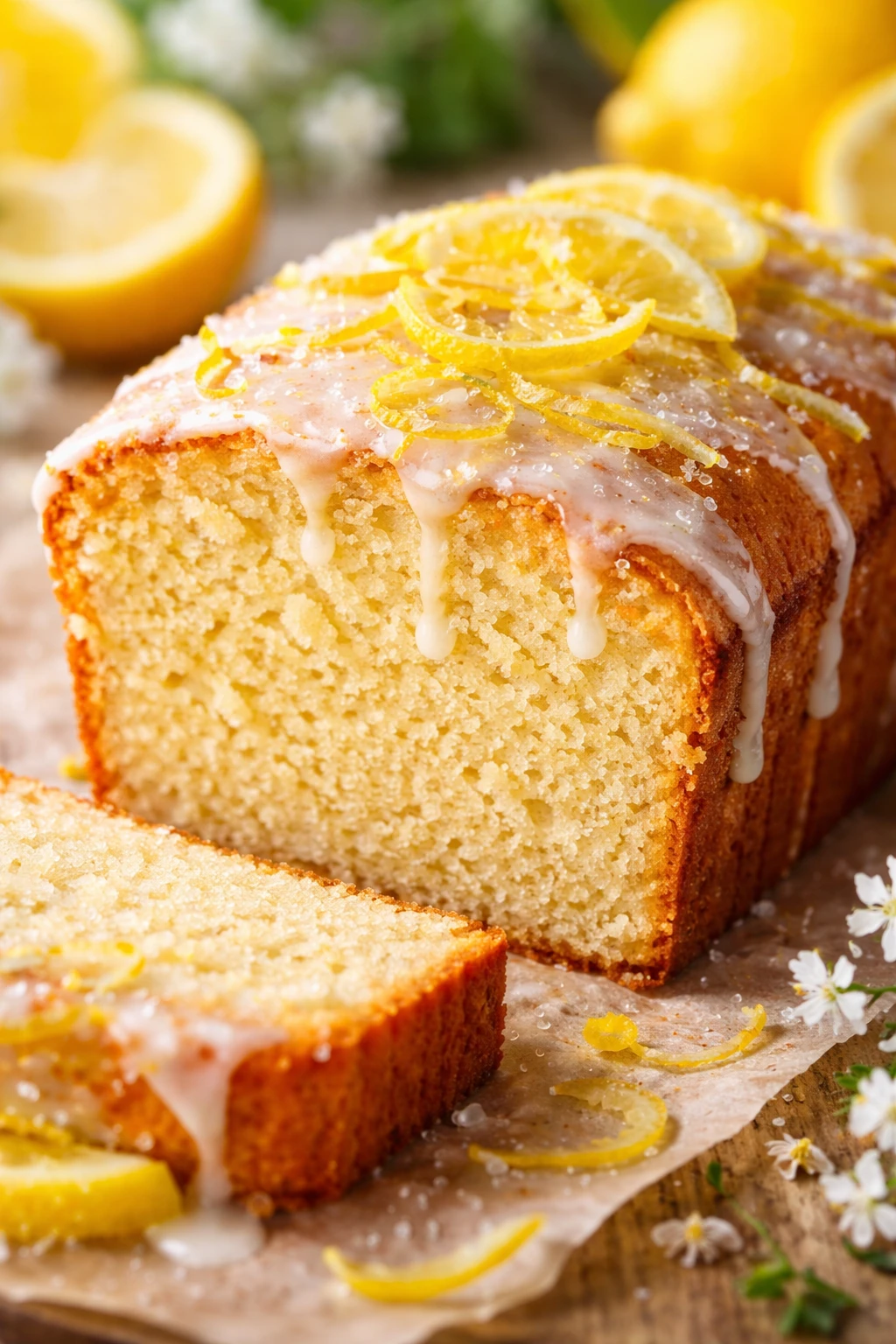
This bright and zesty lemon drizzle cake is a simple delight that shines with just five ingredients. The secret? Fresh lemon zest and a tangy drizzle that makes it perfect for spring afternoons or casual gatherings.
Introduction
I first tried making a lemon drizzle cake years ago when I wanted a fresh, simple dessert to brighten up a dull spring afternoon. The first attempts were a bit too dense or lacked that perfect zing, but after tweaking the amount of lemon zest and juice, I finally landed on this easy 5 ingredient version. What makes this cake stand out is the balance between the soft, buttery crumb and the tangy lemon drizzle that soaks in just right. I love how minimal the ingredients are—no fancy extras needed—yet the flavor feels vibrant and fresh. The trick I learned was to add plenty of lemon zest into the batter itself and then pour over the drizzle as soon as the cake comes out of the oven so it absorbs beautifully. The result is a moist, tender cake with a shiny, slightly crunchy lemon glaze that’s perfect for springtime tea or casual weekend treats. It’s one of those recipes I keep coming back to because it’s reliably delicious and so straightforward to make, even if you’re new to baking.
What You'll Need
One 8-inch loaf cake, 8 servings
- 225g unsalted butter, softened
- 225g caster sugar
- 4 large eggs
- 225g self-raising flour
- 2 lemons, zest and juice
How To Do It
Step 1
Preheat your oven to 180°C (350°F) and grease a loaf tin with butter or line it with baking parchment. This step is crucial to ensure your cake doesn’t stick and comes out cleanly. Using parchment also helps with even baking and makes cleanup easier. Don’t skip this prep, or you might struggle to remove the cake later, which can ruin its appearance.
⏱ Time: 10 minutes
✓ Doneness: Loaf tin fully greased or lined with parchment, ready for batter
Step 2
In a large bowl, cream the softened butter and caster sugar together until pale and fluffy. This aeration step is key because it traps air, helping the cake rise and develop a light texture. Use a hand mixer or stand mixer on medium speed, and don’t rush it—this usually takes about 3-5 minutes. If you skip this, the cake can turn out dense and heavy.
⏱ Time: 5 minutes
✓ Doneness: Butter and sugar mixture is pale, light, and fluffy
Step 3
Beat in the eggs one at a time, mixing well after each addition. Adding eggs gradually helps maintain the emulsion and prevents the batter from splitting. If your eggs are cold, it’s best to warm them slightly to room temperature to avoid curdling. If the batter looks curdled, keep mixing—it usually comes back together.
⏱ Time: 3-4 minutes
✓ Doneness: Smooth, glossy batter without separation
Step 4
Fold in the self-raising flour gently using a spatula or wooden spoon. Be careful not to overmix here, or you’ll develop gluten which makes the cake tough. The goal is to combine ingredients just until there are no streaks of flour left. The batter should be thick but smooth.
⏱ Time: 2-3 minutes
✓ Doneness: No visible flour streaks, batter thick and smooth
Step 5
Grate the zest of two lemons and fold it into the batter to infuse it with fresh citrus aroma. Zesting the lemons just before folding ensures the oils are fresh and vibrant. Avoid zesting the white pith, which is bitter. This zest is what gives the cake its signature bright flavor.
⏱ Time: 2 minutes
✓ Doneness: Evenly distributed lemon zest throughout the batter
Step 6
Pour the batter into the prepared loaf tin and smooth the top with a spatula. Leveling the surface helps the cake bake evenly and rise uniformly. Tap the tin lightly on the counter to release any large air bubbles that might cause holes in the cake.
⏱ Time: 3 minutes
✓ Doneness: Smooth, even batter surface in the tin
Step 7
Bake the cake in the preheated oven for 30-35 minutes. Use the middle rack for even heat distribution. Start checking at 30 minutes by inserting a skewer into the center; it should come out clean or with a few moist crumbs. Overbaking dries the cake, so watch carefully.
⏱ Time: 30-35 minutes
✓ Doneness: Golden brown top, skewer comes out clean or with moist crumbs
Step 8
While the cake bakes, mix the juice of two lemons with 85g caster sugar to make the drizzle. Stir until the sugar dissolves completely. This simple syrup is what gives the cake its moist, tangy finish, so don’t skip it or use less sugar, or the balance will be off.
⏱ Time: 5 minutes
✓ Doneness: Clear syrup with no sugar granules
Step 9
As soon as the cake comes out of the oven, prick the top all over with a skewer and pour the lemon drizzle evenly over it. The holes let the syrup seep deep inside, keeping the cake moist and zesty. Let the cake cool in the tin before removing it to keep it intact and juicy.
⏱ Time: 10 minutes
✓ Doneness: Drizzle absorbed, cake surface moist and shiny
Pro Tips
Always use room temperature ingredients for better mixing.
When butter, eggs, and other ingredients are at room temperature, they combine more smoothly and evenly. This prevents curdling and helps trap air during creaming, resulting in a lighter, more tender cake. Cold ingredients can cause the batter to split or become lumpy.
Don’t overmix the flour once added to the batter.
Overmixing flour develops gluten strands, which makes the cake dense and chewy instead of soft and tender. Folding gently just until combined preserves the delicate crumb structure essential for a moist lemon drizzle cake.
Prick the cake while still hot before pouring the drizzle.
Pricking creates small holes that allow the lemon syrup to soak deep into the cake rather than just sitting on top. This step ensures maximum moisture and flavor penetration, keeping the cake juicy and delicious.
Use fresh lemons for zest and juice, not bottled.
Fresh lemons contain essential oils in the zest that add vibrant aroma and flavor. The juice’s acidity also balances sweetness and enhances the cake’s moist texture. Bottled lemon juice lacks this freshness and can taste flat or artificial.
Line your loaf tin with parchment paper for easy removal.
Parchment paper prevents sticking and helps you lift the cake out in one piece, preserving its shape and appearance. It also reduces the risk of breaking or crumbling when removing the cake after baking.
Let the cake cool slightly before removing from the tin.
Cooling the cake in the tin for about 10 minutes helps it firm up, making it less likely to break apart. Removing it too soon can cause it to crumble, while cooling completely in the tin may trap moisture and soften the crust.
Use a fine grater for lemon zest to avoid bitter pith.
A microplane or fine zester collects only the thin outer layer of lemon peel, which contains flavorful oils. The white pith underneath is bitter and can negatively affect the cake’s taste if included.
Common Mistakes to Avoid
Skipping the creaming step or rushing it.
Why it happens Many people want to speed up mixing and skip thorough creaming, assuming it’s not important. This step is often underestimated, but it’s key to trapping air for a light cake.
Fix Take your time to cream the butter and sugar until pale and fluffy, usually 3-5 minutes with a mixer. This aerates the batter, helping it rise and creating a tender crumb.
Overmixing after adding flour.
Why it happens It’s easy to keep stirring to fully combine, but overmixing develops gluten, making the cake tough.
Fix Fold the flour gently with a spatula just until no flour streaks remain. Stop mixing immediately to keep the texture soft.
Using cold eggs straight from the fridge.
Why it happens Some skip warming eggs to room temperature, leading to curdled batter.
Fix Let eggs sit at room temperature for 20-30 minutes before mixing. This helps maintain a smooth emulsion and prevents separation.
Pouring drizzle onto a cold cake.
Why it happens If the cake cools completely before adding the lemon syrup, the drizzle won’t soak in properly.
Fix Prick and drizzle the lemon syrup immediately after removing the cake from the oven, while it’s still warm, to maximize absorption.
Not zesting lemons correctly.
Why it happens Zesting too deeply includes the bitter white pith, ruining the flavor.
Fix Use a fine grater or microplane to remove only the yellow outer peel, avoiding the pith.
Variations
Lemon Poppy Seed Drizzle Cake
Add 2 tablespoons of poppy seeds to the batter for a delightful crunch and visual appeal. The nutty flavor pairs beautifully with lemon, giving the cake a subtle texture variation that’s perfect for tea time.
Note: Fold the poppy seeds in gently with the flour to distribute evenly without overmixing.
Gluten-Free Lemon Drizzle Cake
Use a gluten-free self-raising flour blend to make this cake suitable for gluten-sensitive diets. The texture will be slightly different—more crumbly—but still moist and flavorful with the lemon drizzle.
Note: Check your gluten-free flour blend for xanthan gum; add 1/2 teaspoon if not included to help with structure.
Lemon and Blueberry Drizzle Cake
Fold in 100g fresh or frozen blueberries into the batter before baking. The juicy berries add bursts of sweetness and a beautiful color contrast to the bright lemon flavor.
Note: Toss blueberries lightly in flour before folding in to prevent sinking.
Vegan Lemon Drizzle Cake
Replace eggs with flax eggs (1 tablespoon ground flaxseed mixed with 3 tablespoons water per egg) and use plant-based butter. The cake will be slightly denser but still moist and citrusy with the lemon drizzle.
Note: Allow flax eggs to thicken for 5 minutes before adding to the batter for best binding.
Lemon Drizzle Bundt Cake
Bake the batter in a bundt pan for an elegant presentation with more crusty edges. The lemon drizzle pools in the crevices, creating a zesty glaze that’s perfect for special occasions.
Note: Increase baking time to 40-45 minutes and test doneness with a skewer.
Nutrition
Per Serving:
Nutritional values are estimates and may vary based on specific ingredients used.
Storage & Tips
Room Temperature
This lemon drizzle cake keeps well at room temperature for up to 2 days when covered loosely with foil or stored in a cake dome. Avoid airtight containers at room temp, which can make the crust soggy.
Refrigerator
Store leftover cake in an airtight container for up to 5 days. The cake may firm up and the drizzle can become sticky when cold, so bring it to room temperature before serving for best flavor and texture.
Freezer
Wrap the cake tightly in plastic wrap and foil, then freeze for up to 2 months. Thaw overnight in the fridge, then bring to room temperature before serving. Freezing may slightly soften the drizzle texture but the flavor remains intact.
Reheating
Warm slices gently in the microwave for 15-20 seconds or in a low oven (150°C/300°F) for 5-7 minutes. Avoid overheating which can dry the cake. A light brush of lemon juice or syrup before warming can refresh moisture.
Make Ahead
Bake the cake a day ahead and store it covered at room temperature. Prepare the lemon drizzle syrup separately and pour it over just before serving to keep the glaze fresh and vibrant.
FAQ
Can I use regular granulated sugar instead of caster sugar?
You can, but the texture of the drizzle might be slightly grainy because granulated sugar dissolves more slowly. For the best smooth glaze and tender crumb, caster sugar is recommended. If you only have granulated sugar, pulse it briefly in a food processor to make it finer.
What if I don’t have self-raising flour?
You can make your own by combining 225g plain flour with 2 teaspoons baking powder. This will give the cake the rise it needs. Be sure to fold the flour in gently to avoid a tough texture.
How do I prevent the cake from drying out?
Don’t overbake the cake—start checking for doneness at 30 minutes. Also, pouring the lemon drizzle over the warm cake helps lock in moisture. Store leftovers in an airtight container to keep it soft.
Can I make this cake dairy-free?
Yes! Substitute the butter with a plant-based spread or coconut oil. The texture may be a bit different but still delicious. Use a dairy-free butter that’s good for baking to get the best results.
Why is my lemon drizzle cake dense?
Density can come from overmixing the flour, not creaming the butter and sugar enough, or using cold ingredients. Make sure to cream butter and sugar well, fold flour gently, and use room temperature eggs for a lighter cake.
Can I add other flavors to the cake?
Absolutely! Adding poppy seeds, blueberries, or a touch of vanilla extract works well. Just fold them in gently with the flour to maintain the cake’s texture.
How do I store leftover cake to keep the drizzle from getting sticky?
Store the cake in an airtight container in the fridge. The drizzle may thicken and become sticky when cold, so bring the cake to room temperature before serving to restore its texture.
Can I bake this cake in a different pan?
Yes, you can use a round or square cake tin, but adjust the baking time accordingly. A bundt pan works well too but expect a longer bake time and check doneness with a skewer.
Final Thoughts
Give this lemon drizzle cake a try and enjoy a burst of spring flavor with minimal fuss. I’d love to hear how yours turns out—don’t forget to share your baking wins!