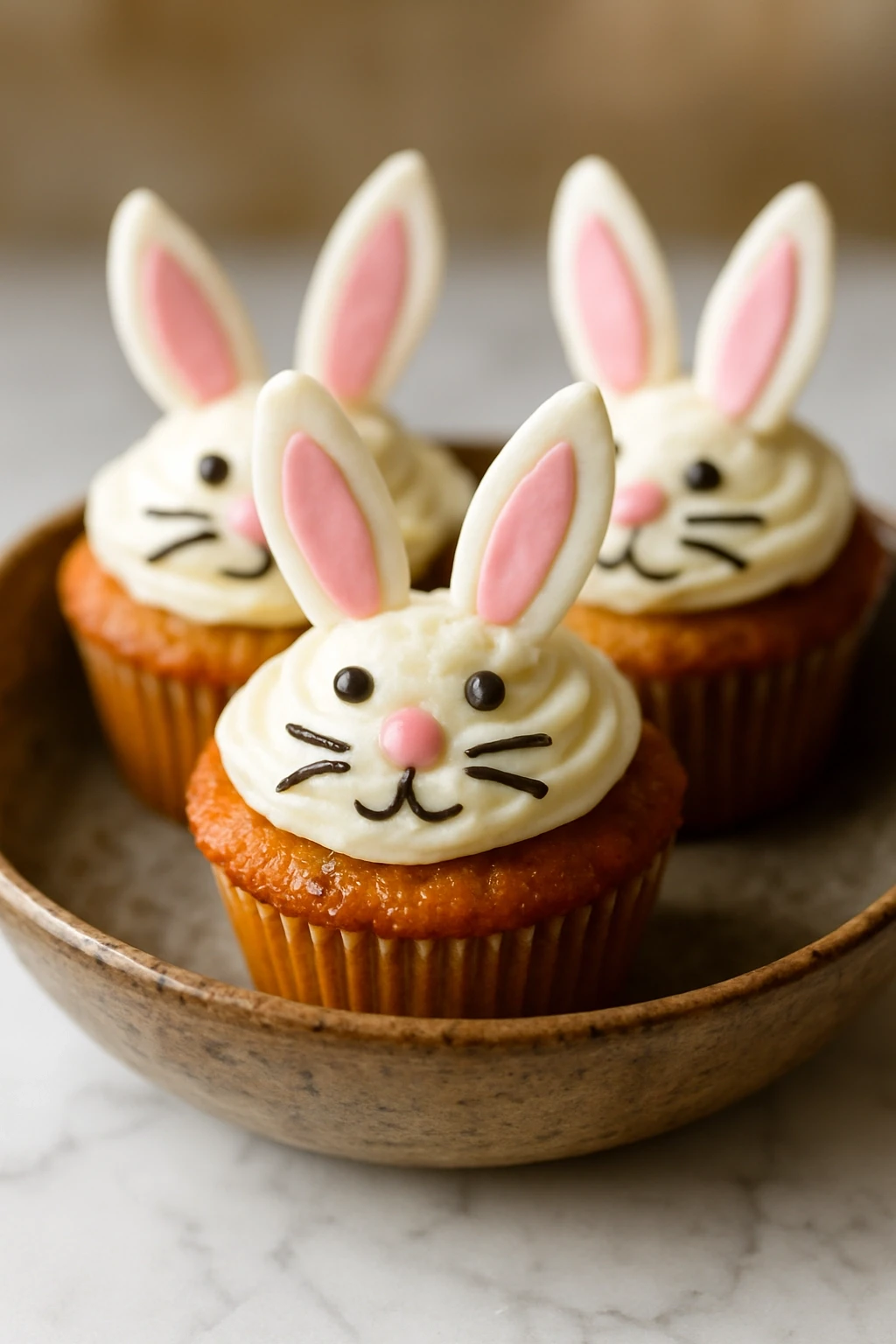
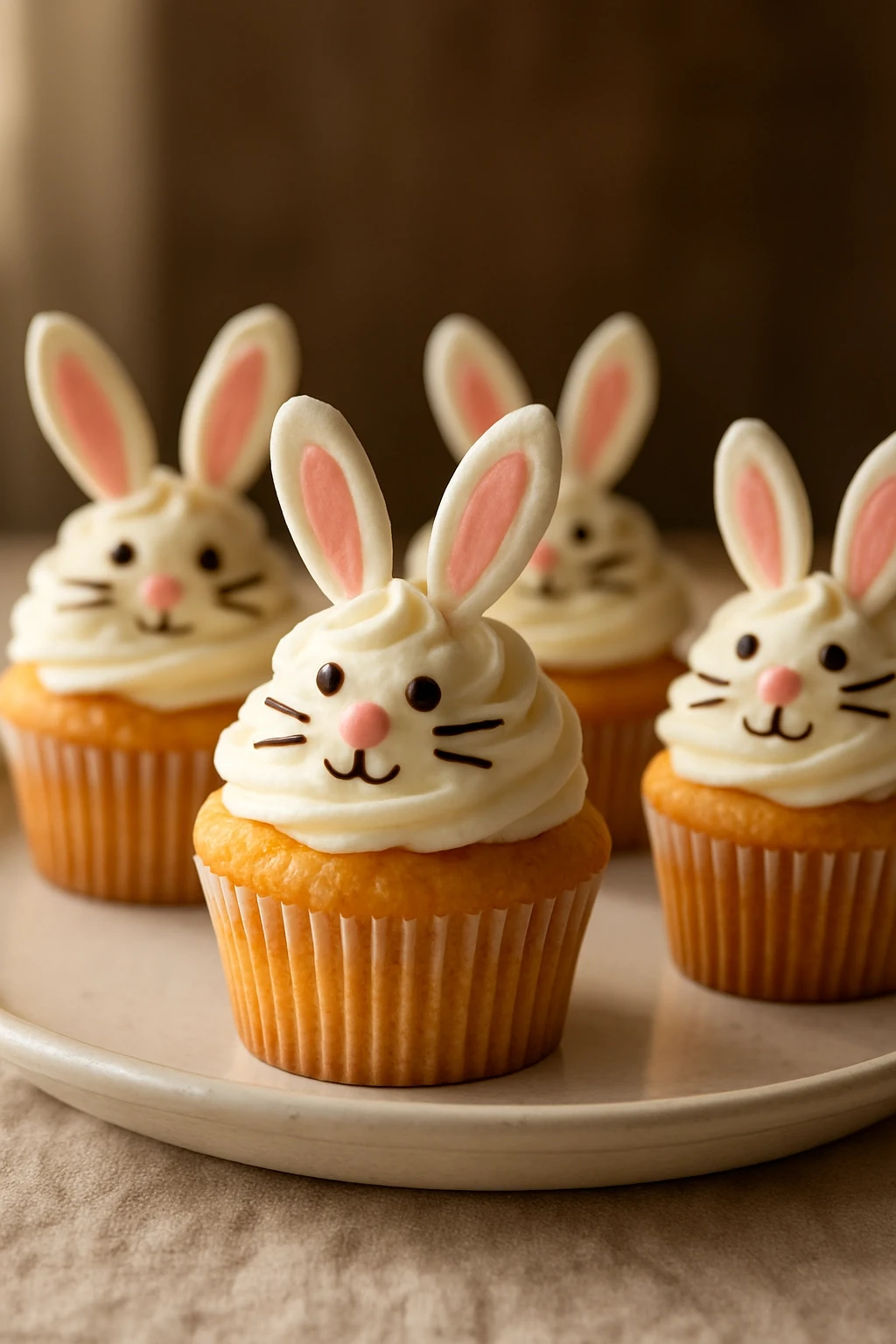
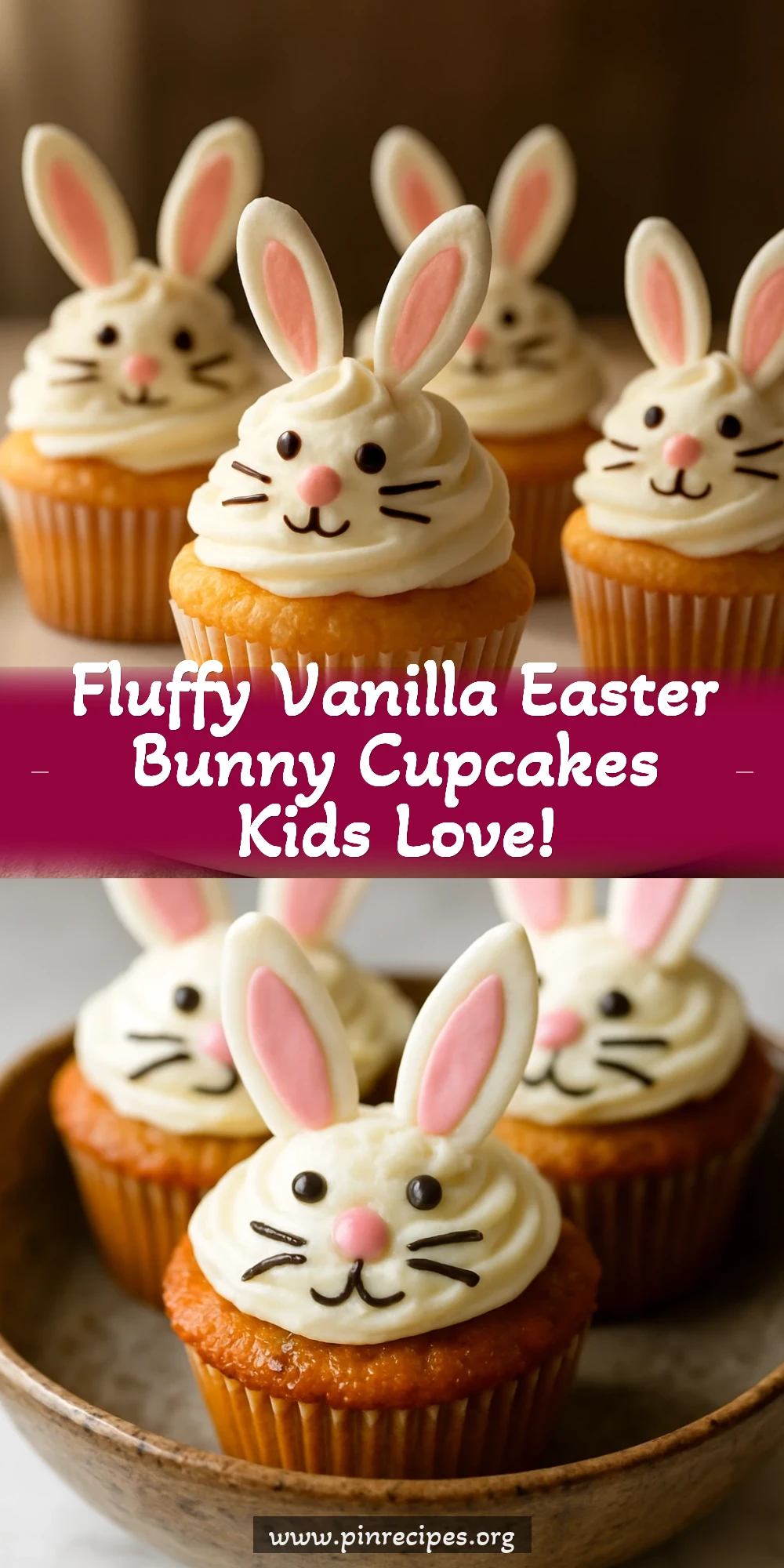
These cute Easter Bunny cupcakes are a total hit with kids! Fluffy vanilla cupcakes topped with creamy buttercream and sweet bunny faces made from simple candies. Perfect for spring parties or Easter brunch.
Introduction
I first made these Easter Bunny cupcakes a few years ago when my niece wanted something extra special for her school’s spring party. Honestly, I was a bit nervous about decorating cupcakes with kids in mind — I didn’t want it to be too complicated or messy. But I found that using simple candies and a basic buttercream made it super easy to create adorable bunny faces that kids went crazy for. What makes this version stand out is how soft and fluffy the vanilla cupcakes are, paired with a smooth, creamy frosting that’s not too sweet. Plus, the little details like mini marshmallow tails and jelly bean noses really bring the bunnies to life. The trick I learned is to pipe the frosting generously but not too stiffly, so it’s easy to stick on the decorations without them sliding off. These cupcakes look festive and cute without needing fancy tools or ingredients, which I love. When you bite into one, you get a perfect balance of moist cake and sweet, light frosting — just right for a spring celebration or Easter brunch with the family.
How To Do It
Step 1
Preheat your oven to 350°F (175°C) and line a 12-cup muffin tin with paper liners. Sifting the flour with baking powder and salt ensures the cupcakes turn out light and airy, avoiding lumps that can create dense spots. Using paper liners helps the cupcakes bake evenly and makes cleanup a breeze. Avoid skipping the sifting step—it really impacts the texture.
⏱ Time: 10 minutes
✓ Doneness: Oven preheated and muffin tin ready with liners evenly placed
Step 2
In a large bowl, cream together softened butter and granulated sugar until pale and fluffy, about 3-4 minutes. This aeration is crucial because it traps air that helps the cupcakes rise beautifully. Don’t rush this step or use cold butter; it won’t whip properly and your cupcakes could be dense.
⏱ Time: 4 minutes
✓ Doneness: Mixture looks light, creamy, and has visibly increased in volume
Step 3
Add eggs one at a time, beating well after each addition to fully incorporate. This helps maintain the structure and prevents curdling. If you add eggs too quickly or don’t mix thoroughly, your batter might split, leading to uneven texture.
⏱ Time: 2 minutes
✓ Doneness: Batter is smooth and glossy without streaks of egg white
Step 4
Mix in the vanilla extract. Then alternate adding the sifted dry ingredients and milk in three parts, beginning and ending with the dry mix. Stir gently after each addition just until combined to avoid overmixing, which can make cupcakes tough.
⏱ Time: 3 minutes
✓ Doneness: Batter is smooth and thick but still pourable
Step 5
Divide the batter evenly among the cupcake liners, filling each about two-thirds full to allow room for rising. Using an ice cream scoop helps keep portions consistent, so cupcakes bake evenly. Overfilling causes spillover; underfilling leads to flat cupcakes.
⏱ Time: 5 minutes
✓ Doneness: Cupcakes are evenly filled and smooth on top
Step 6
Bake for 16-18 minutes or until a toothpick inserted in the center comes out clean. Oven temperatures vary, so start checking at 16 minutes. Overbaking dries them out, underbaking leaves raw batter inside.
⏱ Time: 18 minutes
✓ Doneness: Cupcakes are golden on top and spring back when lightly pressed
Step 7
Allow cupcakes to cool completely on a wire rack before frosting. Frosting warm cupcakes causes it to melt and slide off, ruining your decorations. Patience here pays off for neat, stable bunnies.
⏱ Time: 30 minutes
✓ Doneness: Cupcakes are fully cooled to room temperature
Step 8
For the frosting, beat softened butter until creamy, then gradually add powdered sugar, vanilla, and milk until smooth and fluffy. The right frosting texture is key — too stiff and it’s hard to pipe, too soft and decorations won’t stick.
⏱ Time: 7 minutes
✓ Doneness: Frosting is thick, spreadable, and holds soft peaks
Step 9
Pipe a generous swirl of frosting onto each cupcake. Use mini marshmallows for tails, pink jelly beans for noses, and either mini chocolate chips or edible marker dots for eyes. Insert white candy melts or white chocolate chips as ears. Press decorations gently so they stick but don’t squish the frosting.
⏱ Time: 15 minutes
✓ Doneness: Cupcakes look like cute bunny faces with well-placed decorations
Pro Tips
Always bring eggs and milk to room temperature before mixing.
Room temperature ingredients combine more easily and evenly, preventing the batter from curdling or separating. Cold eggs or milk can cause the butter to seize up, resulting in a lumpy batter and uneven crumb.
Use an ice cream scoop to portion batter evenly.
Consistent cupcake sizes mean even baking and uniform appearance. Without this, some cupcakes may overbake while others remain undercooked, leading to frustration and uneven texture.
Don’t overmix the batter once dry ingredients are added.
Overmixing develops gluten, making cupcakes dense and chewy rather than tender and soft. Mix just until no flour streaks remain for the best texture.
Cool cupcakes completely before frosting.
Frosting warm cupcakes causes it to melt and slide off, ruining the look and texture. Patience here ensures clean, beautiful decorations that stay put.
Use a piping bag with a large round tip for frosting.
It creates smooth, even swirls that hold candy decorations well. Spreading with a knife can be uneven and less stable for the bunny faces.
Press decorations gently into frosting.
Applying too much pressure can squash the frosting or damage the cupcake surface. Gentle placement keeps the design intact and the cupcake structure sound.
Store cupcakes in a cool place but not the fridge if serving soon.
Refrigeration can dry out cupcakes and harden frosting. If you need to refrigerate, cover well and allow cupcakes to come to room temperature before serving for best flavor.
Common Mistakes to Avoid
Using cold butter for creaming
Why it happens Many assume butter straight from the fridge is fine, but cold butter doesn’t whip well with sugar, limiting air incorporation.
Fix Let butter sit out for 30-60 minutes until soft but not melted. Test by pressing with a finger; it should give slightly without sticking.
Overmixing batter after adding flour
Why it happens Eager to get batter smooth, cooks often mix too long, developing gluten.
Fix Mix just until flour disappears. Stop as soon as no dry streaks remain to keep cupcakes tender.
Frosting warm cupcakes
Why it happens Impatience leads to frosting immediately after baking.
Fix Cool cupcakes completely on wire rack before frosting to prevent melting and sliding.
Skipping sifting of dry ingredients
Why it happens Assuming it’s unnecessary or too time-consuming.
Fix Always sift flour, baking powder, and powdered sugar to remove lumps and aerate for better texture.
Overfilling cupcake liners
Why it happens Trying to get more cupcakes or not measuring batter.
Fix Fill liners only two-thirds full to allow room for rising without overflow.
Variations
Chocolate Bunny Cupcakes
Swap out half the flour for cocoa powder and add chocolate chips to the batter for a rich twist. Use chocolate buttercream frosting and decorate with white candy melts for contrast. These have a deeper flavor and moist texture kids love.
Note: Cocoa powder absorbs moisture, so add an extra tablespoon of milk to keep batter moist.
Carrot Cake Bunny Cupcakes
Add grated carrots, cinnamon, and chopped walnuts to the batter for a festive carrot cake version. Cream cheese frosting replaces buttercream for tangy sweetness, and decorate with shredded coconut for bunny tails.
Note: Grated carrots add moisture; reduce milk slightly to compensate for batter consistency.
Vegan Bunny Cupcakes
Use plant-based butter, flax eggs, and almond milk to make these cupcakes vegan-friendly. Aquafaba can replace egg whites in frosting. Decorations remain the same, but check candy ingredients for vegan compliance.
Note: Flax eggs need 5 minutes to gel; ensure batter is not overmixed to keep cupcakes tender.
Gluten-Free Bunny Cupcakes
Substitute all-purpose flour with a gluten-free blend containing xanthan gum. The texture will be slightly denser but still delicious. Use gluten-free candies for decorations to keep it safe.
Note: Gluten-free batter may require an extra egg or a tablespoon of yogurt to improve moisture and structure.
Lemon Bunny Cupcakes
Add lemon zest and a tablespoon of lemon juice to the batter for a bright, citrusy flavor. Use lemon buttercream frosting and decorate with pastel-colored candies for a fresh spring vibe.
Note: Lemon juice can react with baking powder; balance acidity by slightly reducing milk.
Nutrition
Per Serving:
Nutritional values are estimates and may vary based on specific ingredients used.
Storage & Tips
Room Temperature
Cupcakes can be kept at room temperature for up to 2 days if covered with a cake dome or airtight container to prevent drying out. Avoid direct sunlight or heat sources to maintain freshness.
Refrigerator
Store cupcakes in an airtight container in the fridge for up to 4 days. The frosting may harden and cake can dry slightly; bring to room temperature before serving to soften frosting and improve flavor.
Freezer
Wrap cupcakes individually in plastic wrap and place in a freezer-safe container or bag. Freeze for up to 2 months. Thaw overnight in the fridge, then bring to room temperature before serving to restore texture.
Reheating
Avoid microwaving frosted cupcakes as it can melt the frosting. For unfrosted cupcakes, warm briefly in a 300°F oven for 5-7 minutes. Add a small splash of milk to frosting if it becomes too stiff after refrigeration.
Make Ahead
Bake cupcakes 1-2 days ahead and store unfrosted in an airtight container. Prepare frosting separately and frost the day of serving for the freshest look and taste. Decorations can be prepped ahead and added just before serving.
FAQ
Can I use boxed cake mix instead of making the batter from scratch?
Yes, you can use a vanilla boxed cake mix to save time. Just follow the package instructions and let cupcakes cool completely before frosting. Homemade batter tends to have a fresher flavor and better texture, but boxed mixes work well for convenience.
What if I don’t have a piping bag for the frosting?
No worries! You can spread the frosting with a butter knife or small spatula. For a swirl effect, try using a resealable plastic bag with a small corner cut off. It’s a simple trick that mimics a piping bag.
Can I make the frosting less sweet?
Absolutely. Start by reducing the powdered sugar slightly and add more milk to keep the texture spreadable. Keep in mind that reducing sugar too much can make the frosting too soft and less stable for decorations.
How do I prevent cupcakes from sticking to the liners?
Using good quality paper liners helps, and make sure cupcakes are fully cooled before removing liners. If sticking persists, lightly grease the liners or use silicone liners which release cupcakes easily.
Can I prepare these cupcakes for a larger party?
Definitely. The recipe scales well. Just bake in batches if you don’t have a large oven. Keep baked cupcakes covered at room temperature or refrigerated depending on how soon you serve them.
What’s the best way to store decorated cupcakes overnight?
Place them in a cake box or airtight container to protect decorations. Keep at room temperature if serving within 24 hours. Refrigerate if you need to store longer, but let cupcakes come to room temperature before serving.
Can I use different candies for decoration?
Yes! Feel free to swap in whatever candies you like or have on hand. Just choose lightweight options so they stick well to the frosting without sliding off.
How can I make these cupcakes nut-free?
This recipe is naturally nut-free if you avoid adding nuts or nut-based decorations. Double-check candy ingredients to ensure no cross-contamination if serving to kids with allergies.
Final Thoughts
I hope you have as much fun making these bunny cupcakes as I do every year. They’re sure to bring smiles to kids and adults alike—give them a try and let me know how yours turn out!