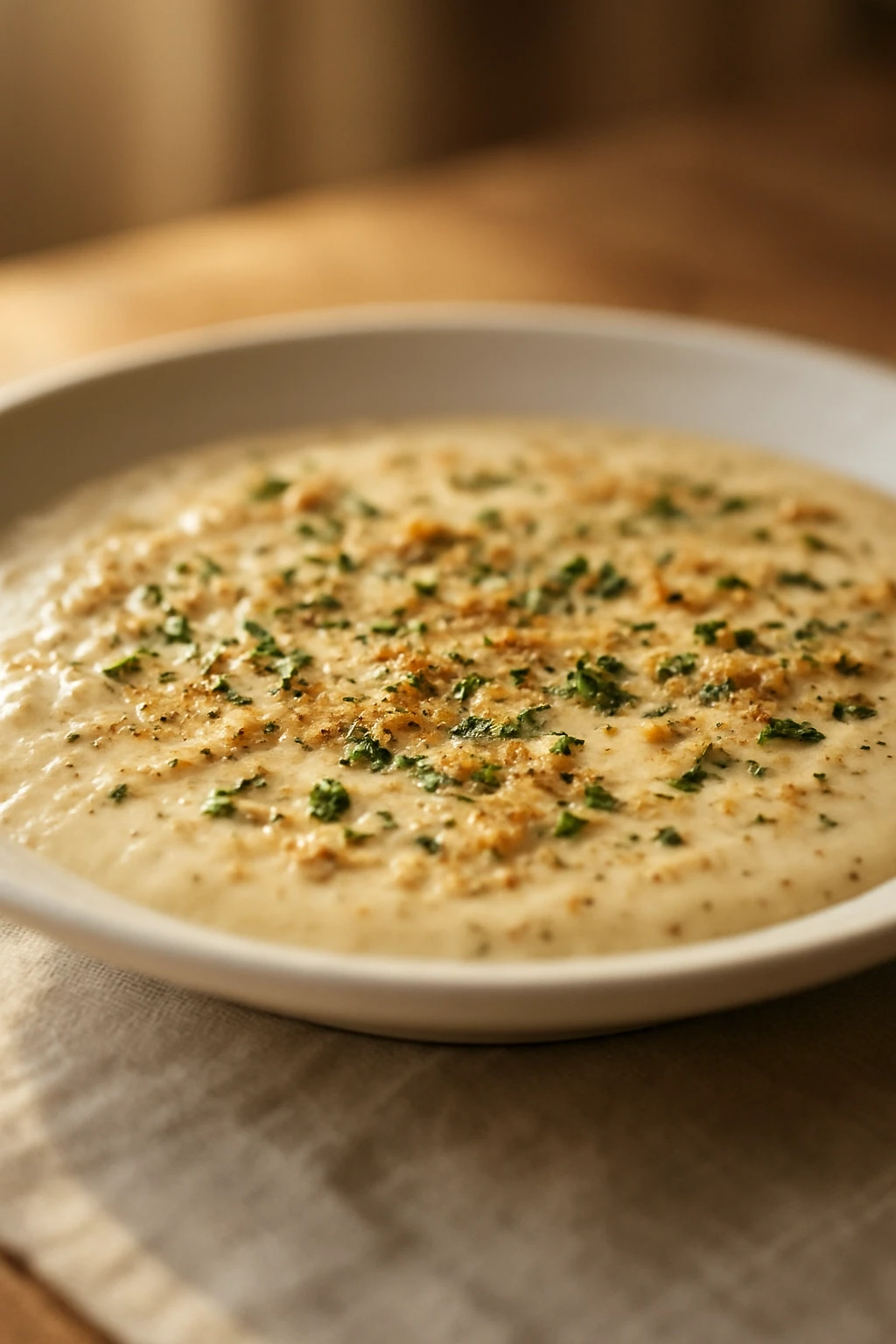
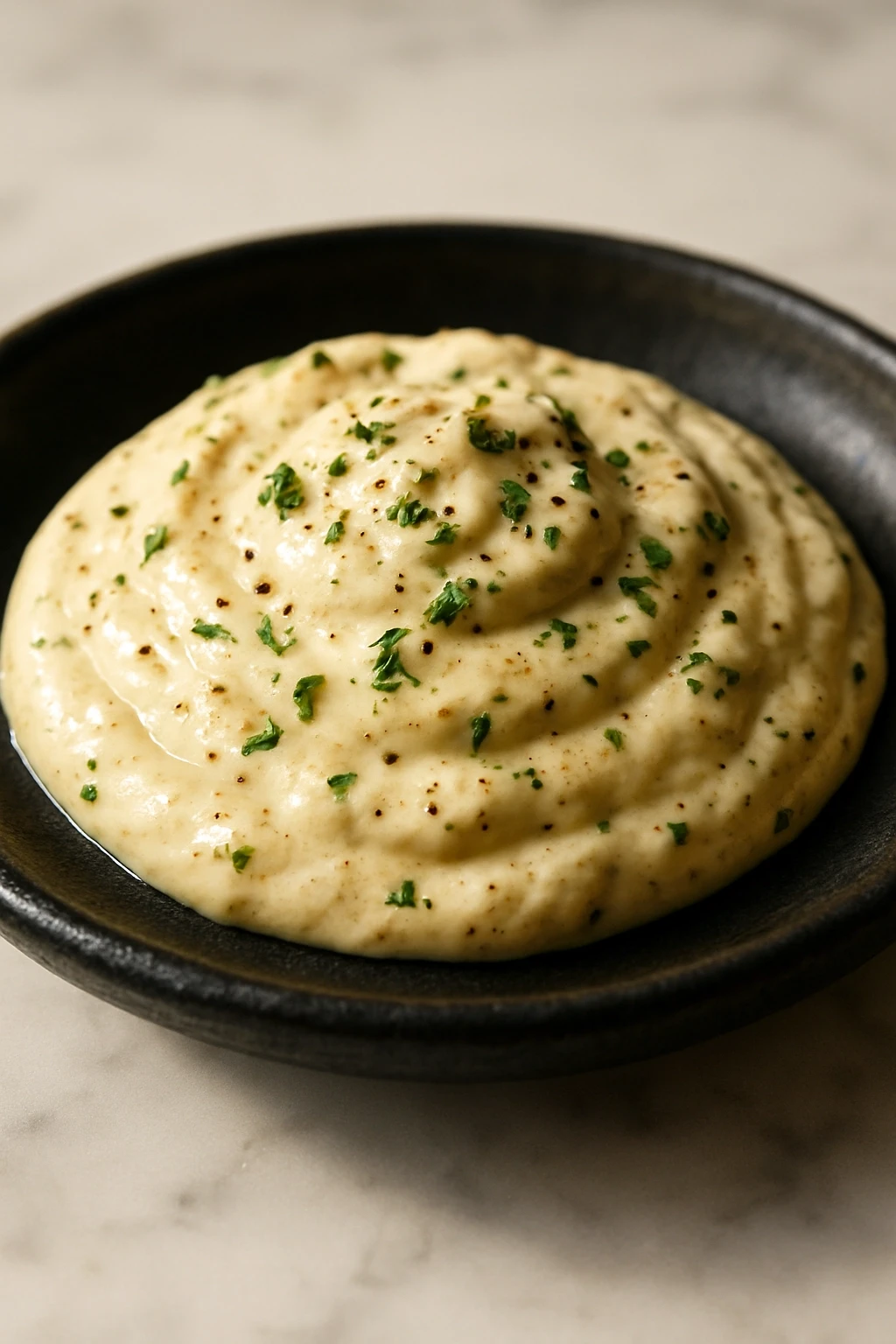
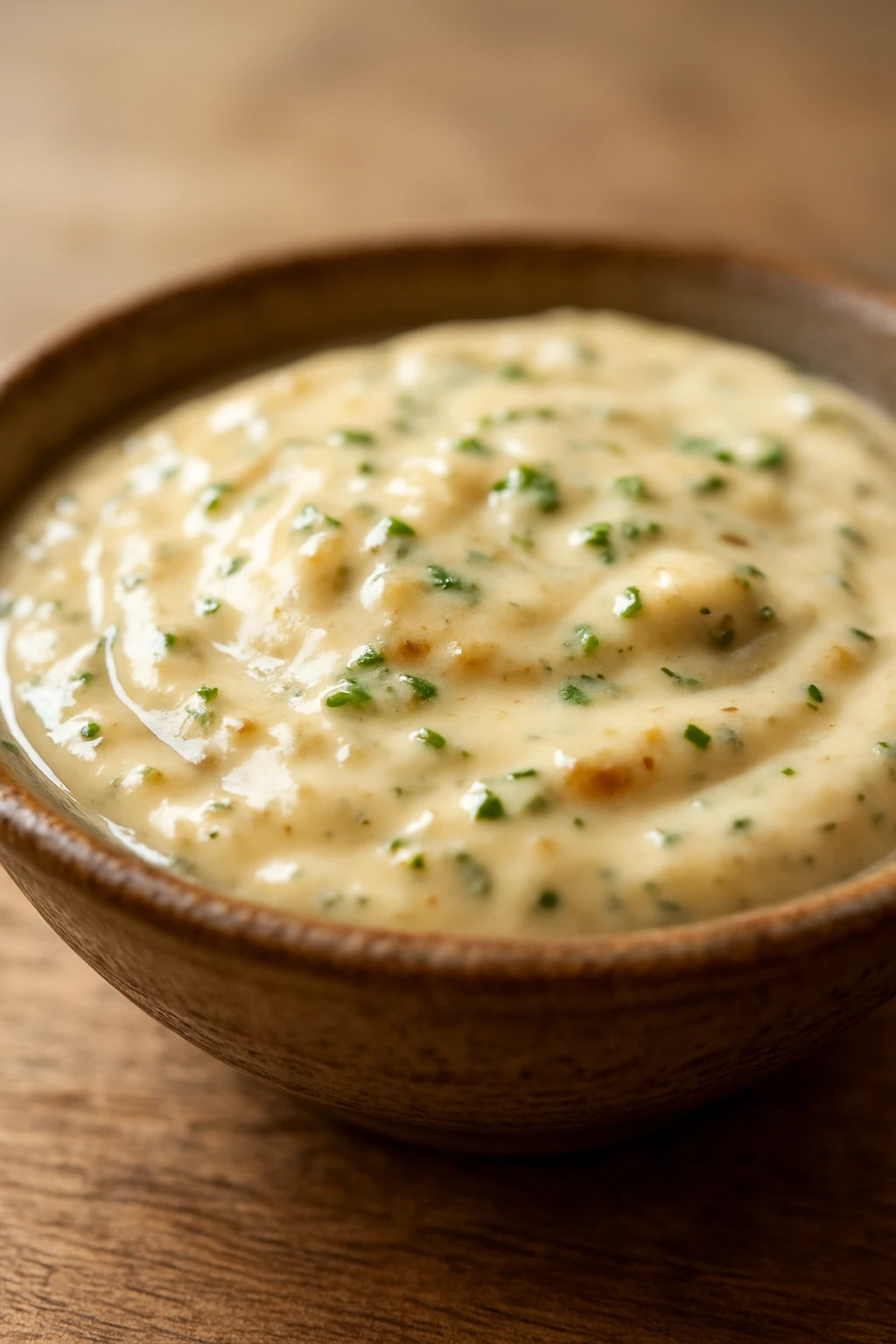
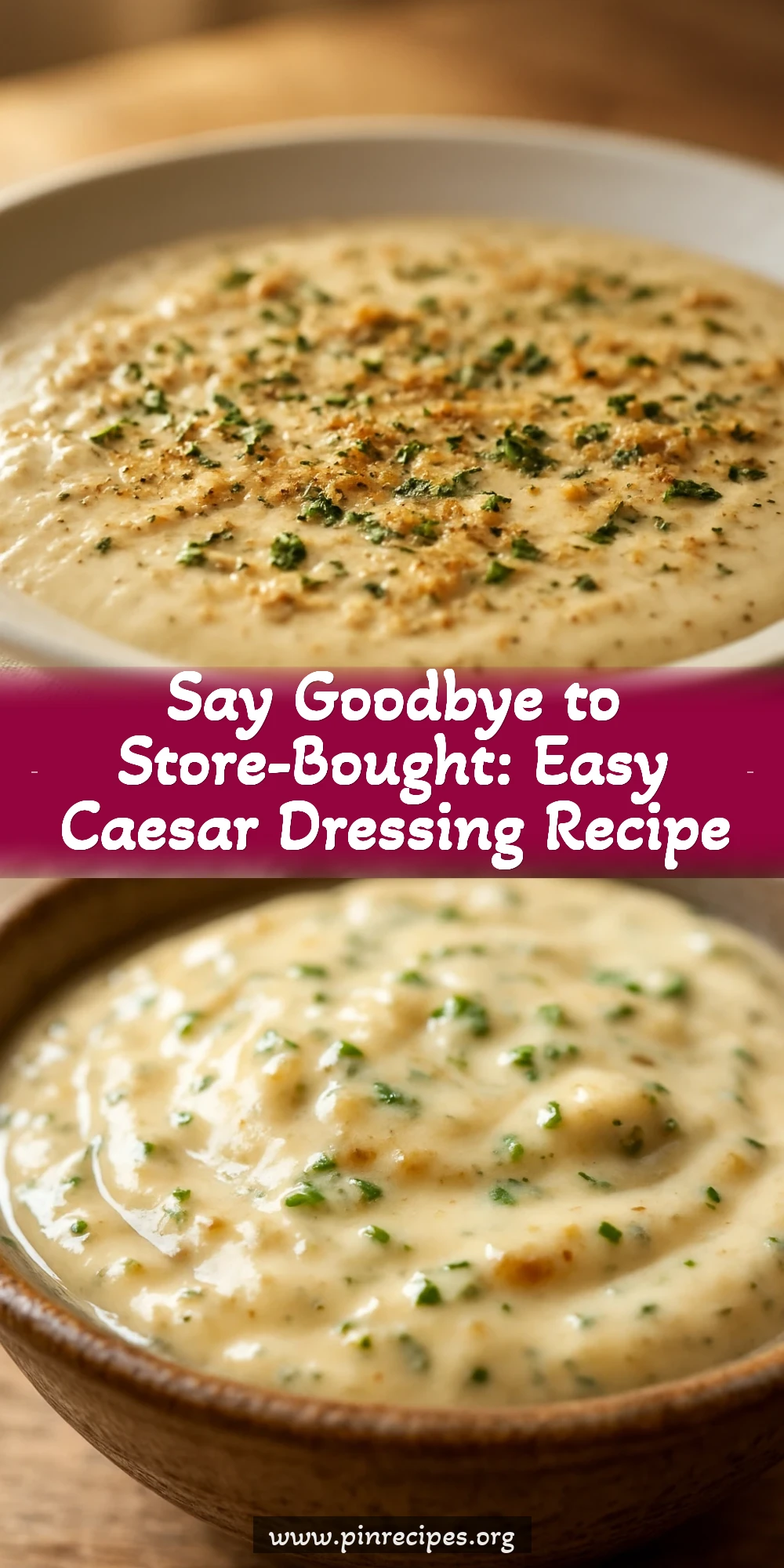
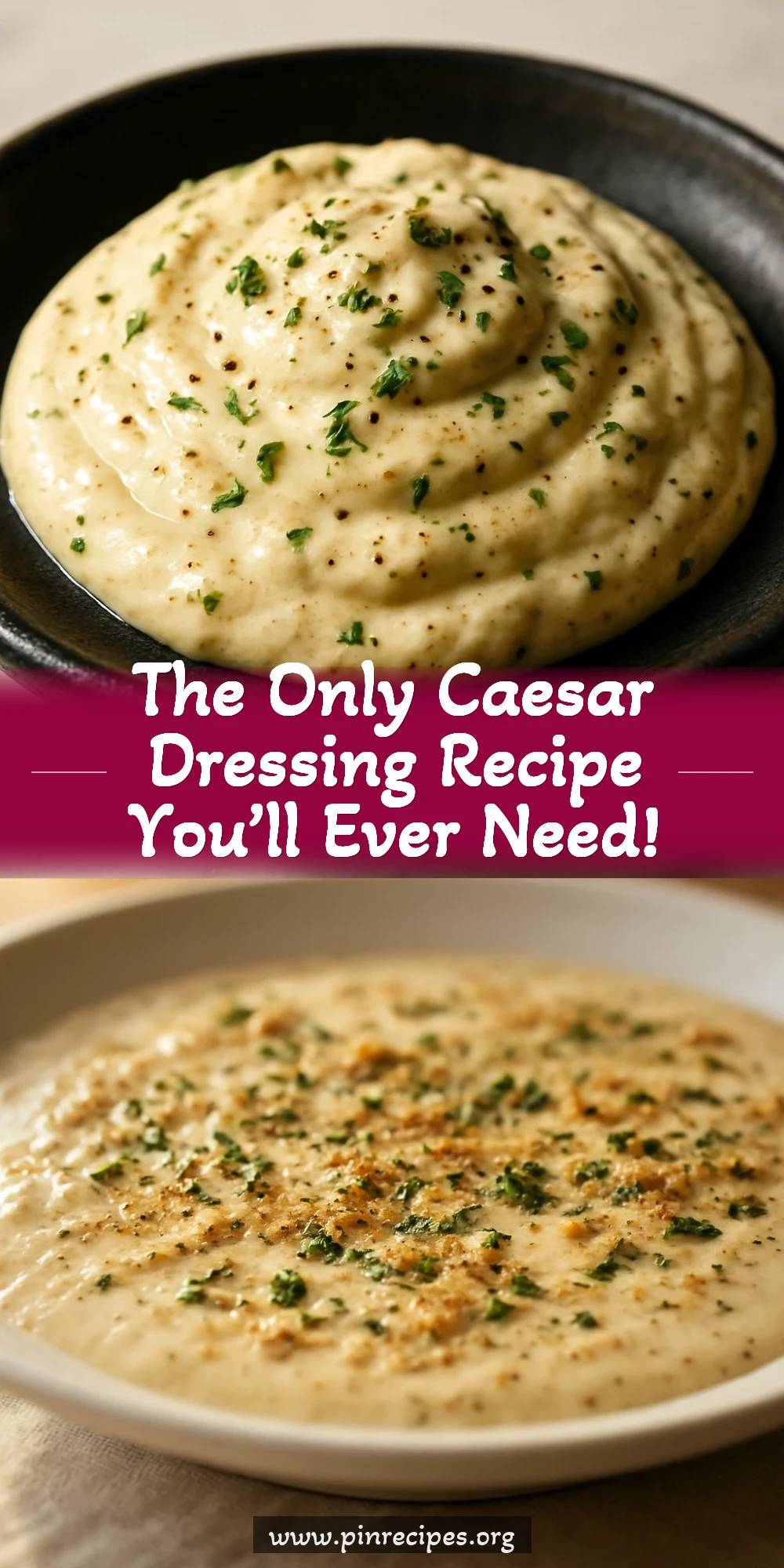
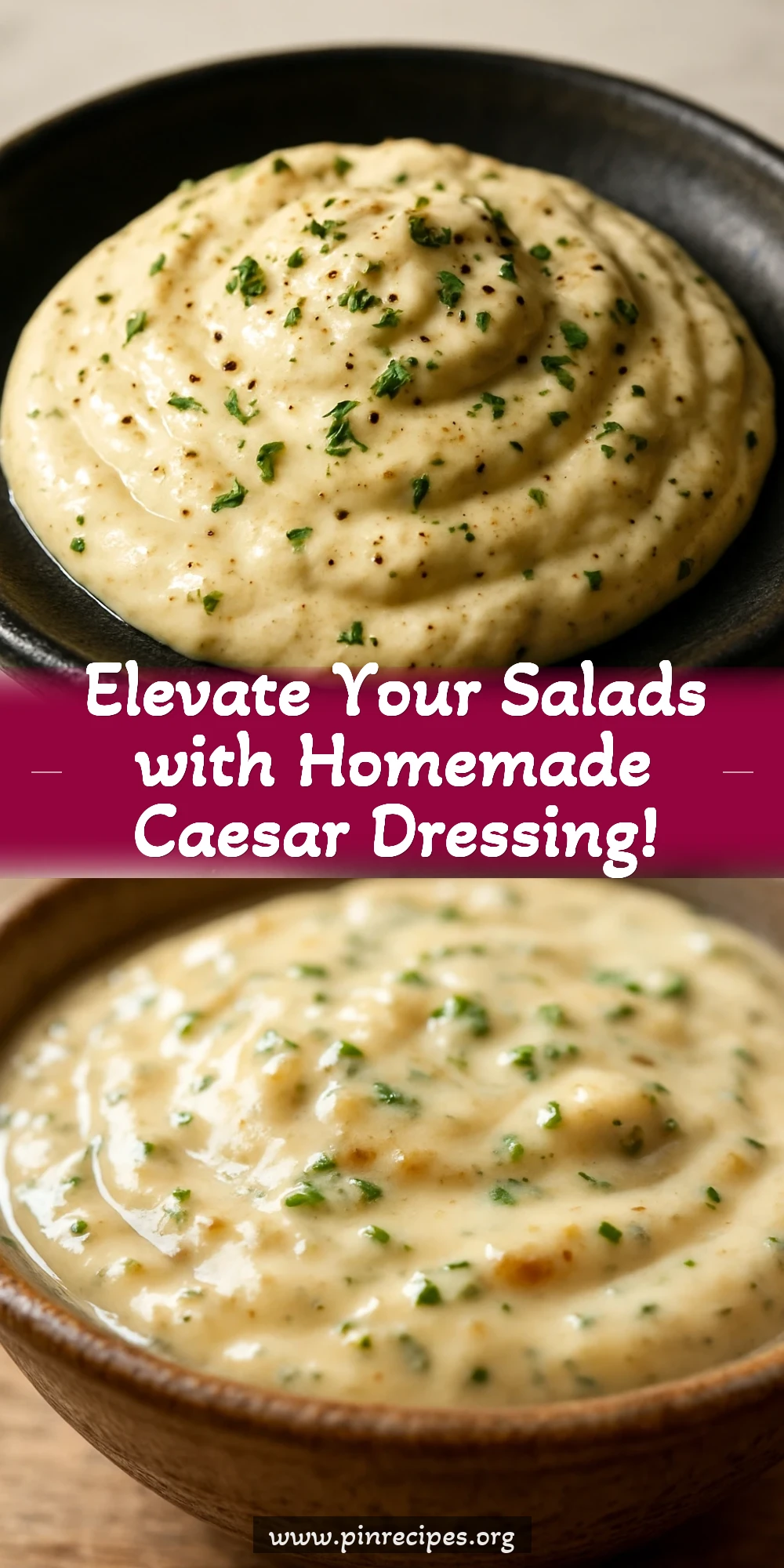
This homemade Caesar dressing is a game changer! With fresh ingredients and a touch of anchovy, it elevates any salad. Perfect for impressing guests at dinner parties!
Introduction
I remember the first time I tried making Caesar dressing at home. I was skeptical—could I really replicate that rich, tangy flavor that I loved from restaurants? After some trial and error, I discovered that using fresh ingredients and a few secret techniques made all the difference. This version is creamy, zesty, and just the right amount of salty from the anchovies, which you won't even notice if you're not a fan!
The trick lies in emulsifying the olive oil with the egg yolk and lemon juice, creating a velvety texture that clings beautifully to your greens. Plus, using freshly minced garlic instead of powder adds a punch that elevates the dressing to another level. I promise you, once you try this dressing, you'll never want to buy the store-bought stuff again!
How To Do It
Step 1
Start by mincing the garlic and anchovy fillets. The finer you chop them, the better they will blend into the dressing, ensuring a smooth consistency. This step is crucial because large chunks can disrupt the creamy texture you’re aiming for. If you have a mortar and pestle, use it here to really break down those flavors. You want to create a fragrant paste that will infuse the dressing with depth. Watch out for any chunks!
⏱ Time: 2 minutes
✓ Doneness: The garlic and anchovy should form a smooth paste.
Step 2
In a mixing bowl, whisk together the minced garlic and anchovy paste with the Dijon mustard and egg yolk. This creates a flavorful base for your dressing. The egg yolk acts as an emulsifier, helping to bind the oil and lemon juice together later. It’s important to use a fresh egg yolk for safety and taste. If you’re concerned about raw eggs, you can use pasteurized eggs instead. Make sure everything is well combined before moving on.
⏱ Time: 2 minutes
✓ Doneness: The mixture should be smooth and well combined.
Step 3
Add the lemon juice to the mixture and whisk until combined. The acidity from the lemon juice not only brightens the flavor but also helps in the emulsification process. Adding it now allows the flavors to meld properly before introducing the oil. If you want a tangier dressing, feel free to add a bit more lemon juice. Just remember to balance it with the olive oil later. The mixture should start to lighten in color as you whisk.
⏱ Time: 1 minute
✓ Doneness: The mixture should be slightly lighter in color and well mixed.
Step 4
Now, it’s time to slowly drizzle in the olive oil while whisking continuously. This is the emulsification step, and it’s crucial for achieving that creamy texture. Adding the oil too quickly can cause the dressing to separate, so patience is key here. You’ll notice it thickening as you whisk; this is a great sign! If you have a blender, you can also blend it for a super smooth finish. Just remember to start slow!
⏱ Time: 2 minutes
✓ Doneness: The dressing should be thick and creamy, with no separation.
Step 5
Once the oil is fully incorporated, stir in the grated Parmesan cheese. This adds a wonderful umami flavor that complements the anchovies beautifully. It’s important to use freshly grated cheese for the best texture and flavor. If you’re feeling adventurous, try adding a bit more cheese for an extra cheesy kick. Just fold it in gently to keep the dressing creamy and smooth.
⏱ Time: 1 minute
✓ Doneness: The cheese should be evenly distributed throughout the dressing.
Step 6
Taste your dressing and season with salt and pepper to your liking. Remember, the anchovies and Parmesan already bring some saltiness, so start with a small pinch of salt. This is also a good time to adjust the acidity by adding more lemon juice if needed. The goal is to balance the flavors so that none overpower the others. It should be bright, creamy, and delicious!
⏱ Time: 1 minute
✓ Doneness: The dressing should taste balanced and flavorful.
Step 7
Transfer the dressing to an airtight container and let it chill in the fridge for at least 30 minutes before serving. This resting time allows all those lovely flavors to meld together beautifully. If you find the dressing too thick after chilling, you can whisk in a splash of water or additional lemon juice to loosen it up. Serve it over your favorite salad or as a dip for fresh veggies. Enjoy!
⏱ Time: 30 minutes
✓ Doneness: The flavors should be well melded and the dressing chilled.
Pro Tips
Use a whisk instead of a fork.
Whisks create more air in the mixture, which helps with emulsification. If you use a fork, you might not incorporate the oil properly, leading to a separated dressing.
Let the dressing sit before serving.
Allowing the dressing to chill for at least 30 minutes helps the flavors meld together. If you skip this step, the flavors may be too sharp and not as harmonious.
Experiment with different acids.
While lemon juice is classic, you can try using vinegar or even lime juice for a different twist. Each acid brings its own flavor profile, which can elevate your dressing in unexpected ways.
Adjust the consistency to your liking.
If the dressing is too thick after chilling, simply whisk in a little water or more lemon juice. This flexibility allows you to customize it to your preference.
Use high-quality ingredients.
The better the ingredients, the better your dressing will taste. Fresh garlic, high-quality olive oil, and real Parmesan cheese make a significant difference in flavor.
Common Mistakes to Avoid
Adding the oil too quickly.
Why it happens Many cooks rush this step, thinking it won't matter. However, this can lead to a broken dressing that won't emulsify properly.
Fix Drizzle the oil in slowly while whisking continuously. This ensures that the oil incorporates into the mixture and creates a creamy texture.
Not using fresh ingredients.
Why it happens Some people may think that using powdered garlic or pre-grated cheese is acceptable. However, these lack the flavor and freshness needed for a great dressing.
Fix Always opt for fresh garlic and cheese. They contribute essential flavors that make your dressing stand out.
Skipping the chilling time.
Why it happens In a hurry, cooks might skip letting the dressing sit, thinking it won't make a difference.
Fix Allow the dressing to chill for at least 30 minutes. This resting time is crucial for flavor development.
Over-seasoning with salt.
Why it happens It's easy to forget that anchovies and Parmesan already add saltiness.
Fix Start with a small pinch of salt and taste as you go. You can always add more, but you can't take it out once it's in!
Variations
Vegan Caesar Dressing
Substitute the egg yolk with silken tofu and use nutritional yeast instead of Parmesan for a vegan twist. This version is just as creamy and packed with flavor.
Note: Blending the silken tofu until smooth will help achieve the right consistency.
Spicy Caesar Dressing
Add a teaspoon of sriracha or your favorite hot sauce for a kick. This variation adds a lovely heat that pairs well with the creamy dressing.
Note: Adjust the amount of hot sauce based on your spice tolerance; start small and taste as you go.
Herbed Caesar Dressing
Incorporate fresh herbs like parsley or basil for a fresh take. The herbs add brightness and complexity to the dressing.
Note: Chop the herbs finely and fold them in at the end to maintain their vibrant color and flavor.
Lemon Basil Caesar Dressing
Swap out half the lemon juice for fresh basil puree. The basil adds a sweet, aromatic flavor that complements the dressing beautifully.
Note: Blend fresh basil leaves with a bit of olive oil to create the puree before mixing it in.
Nutrition
Per Serving:
Nutritional values are estimates and may vary based on specific ingredients used.
Storage & Tips
Room Temperature
The dressing should not be left at room temperature for more than 2 hours to ensure food safety.
Refrigerator
Store in an airtight container in the fridge for up to 1 week. The flavors will continue to develop, but the texture may thicken, so whisk before using.
Freezer
Freezing is not recommended, as it can alter the texture of the dressing. If you must, freeze in small portions for up to 1 month.
Reheating
This dressing is best served cold, so no reheating is necessary. If it thickens, whisk in a splash of water or lemon juice to loosen it up.
Make Ahead
You can prepare the dressing up to 2 days in advance. Store it in the fridge, and give it a good whisk before serving.
FAQ
Can I make this dressing without anchovies?
Absolutely! You can omit the anchovies for a vegetarian version. Just add a bit more salt and perhaps a dash of Worcestershire sauce for depth.
What can I use instead of egg yolk?
If you're concerned about raw eggs, try using a tablespoon of mayonnaise for creaminess. It won't have the same flavor, but it will still work well.
How long will this dressing last in the fridge?
Homemade Caesar dressing can last in the fridge for about a week. Just make sure to store it in an airtight container to keep it fresh.
Can I use bottled lemon juice?
While fresh lemon juice is preferred for its vibrant flavor, you can use bottled juice in a pinch. Just be aware that it may not taste as bright.
How do I fix a broken dressing?
If your dressing separates, try whisking in a teaspoon of warm water or lemon juice while whisking vigorously. This can help bring it back together.
Final Thoughts
I hope you'll give this Caesar dressing a try! It's a simple yet impactful addition to any salad, and I can't wait to hear how you like it.