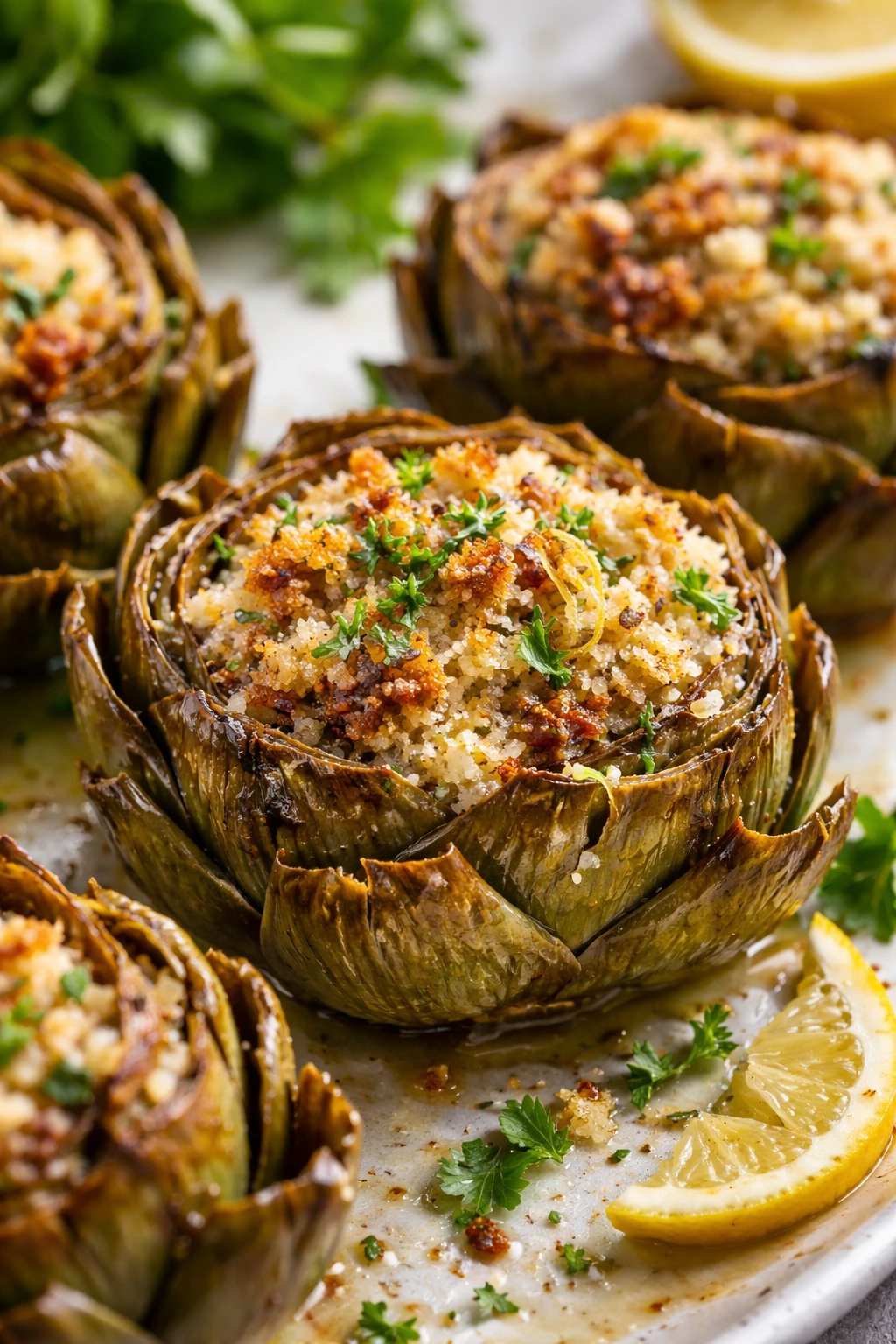
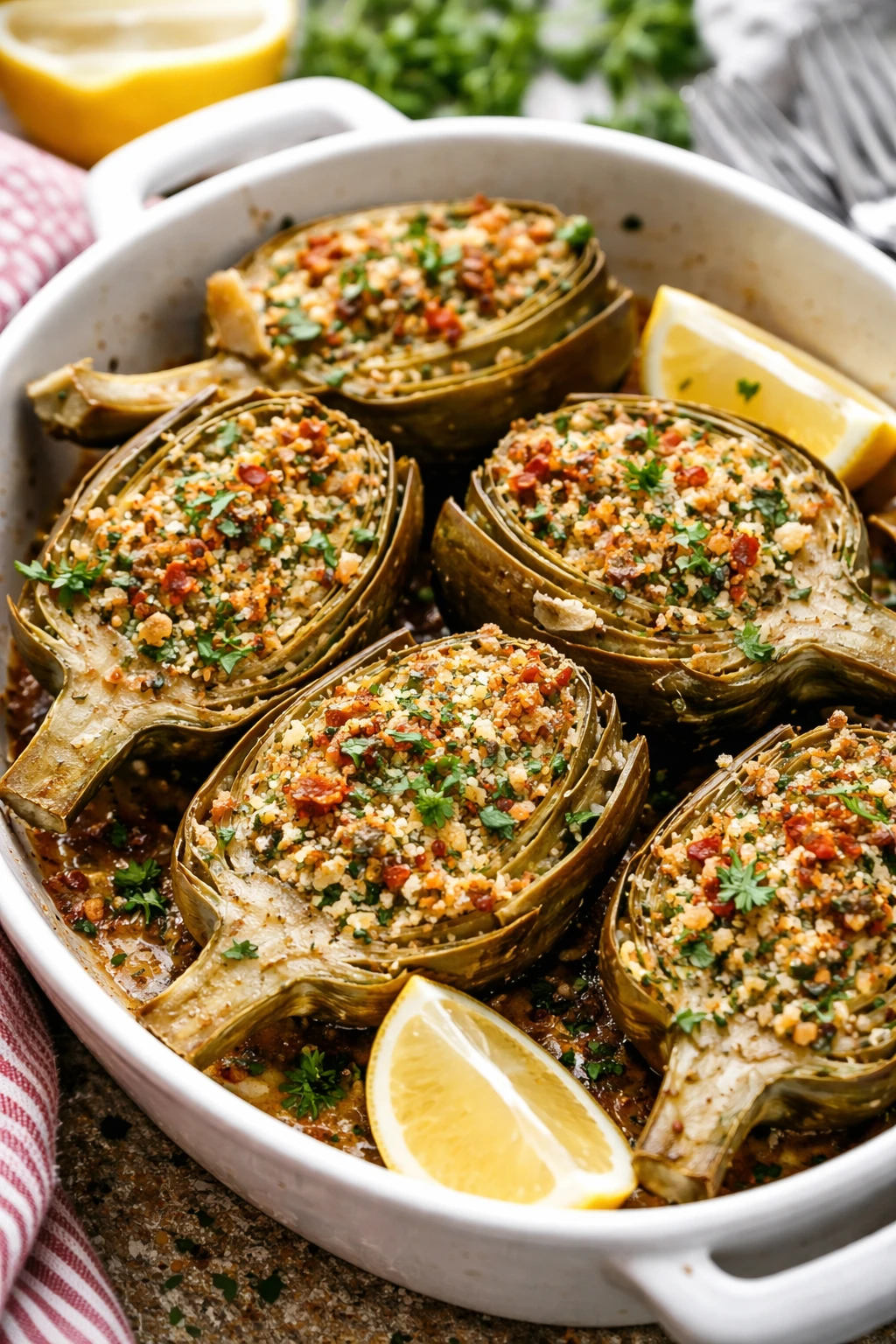
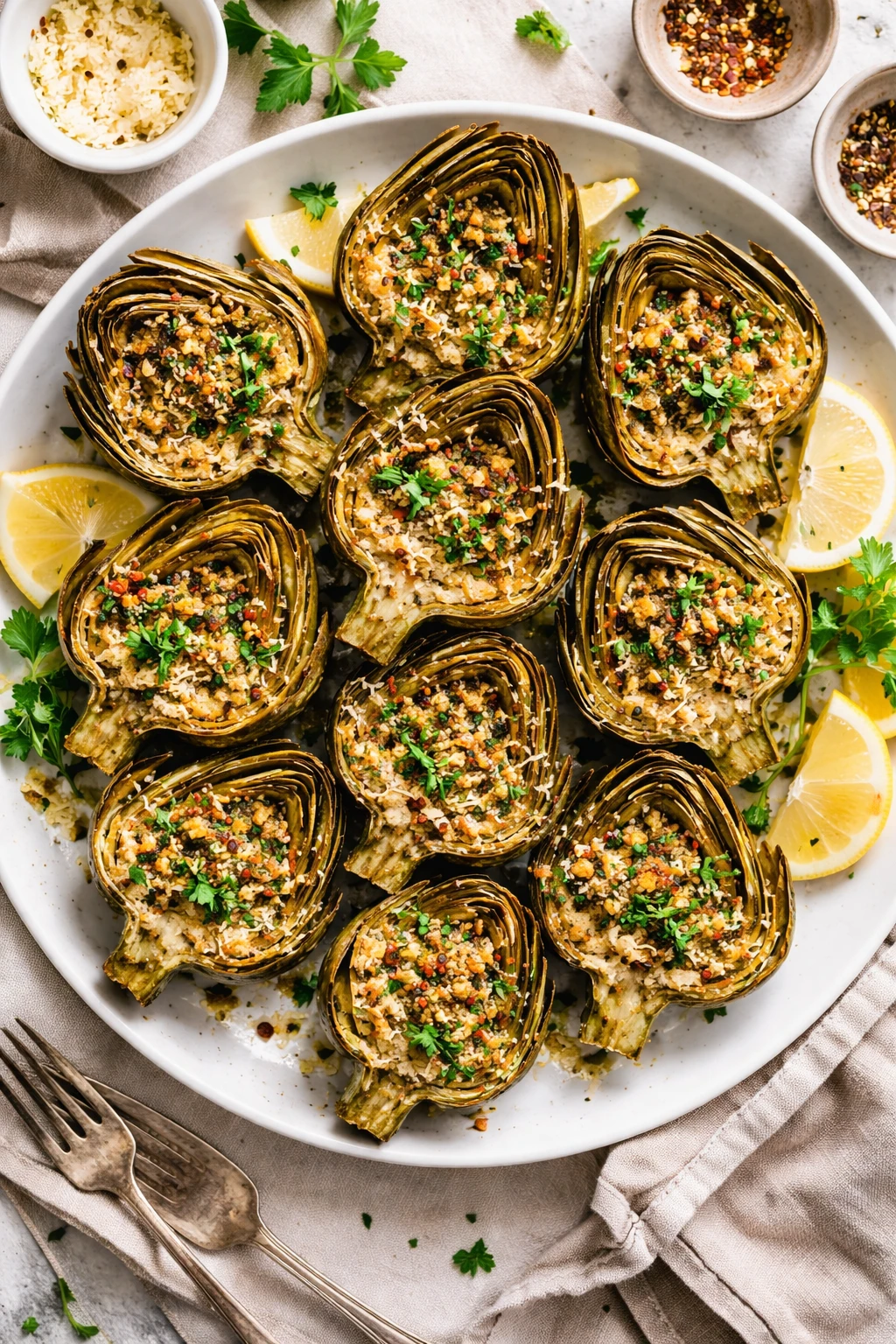
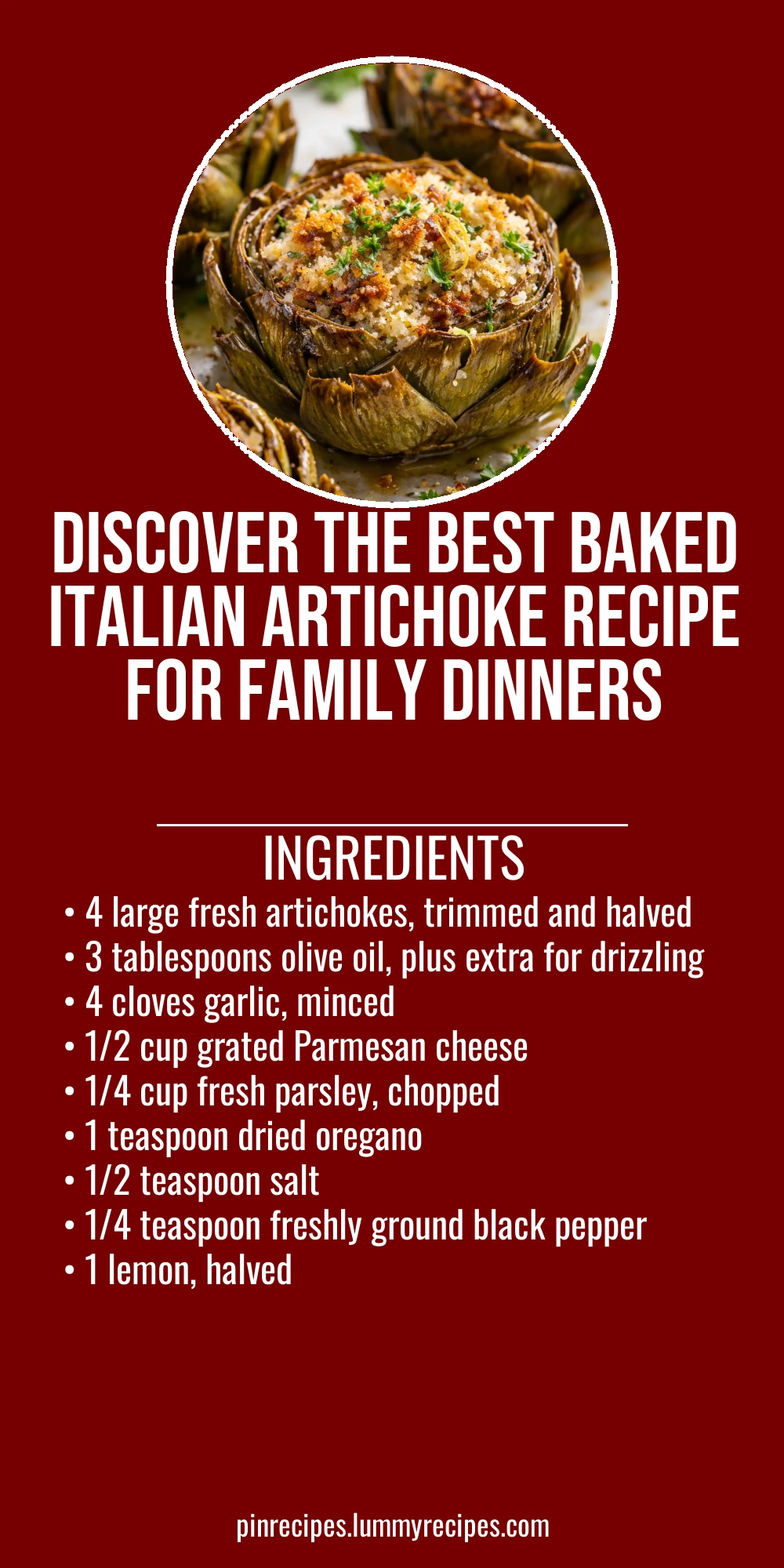
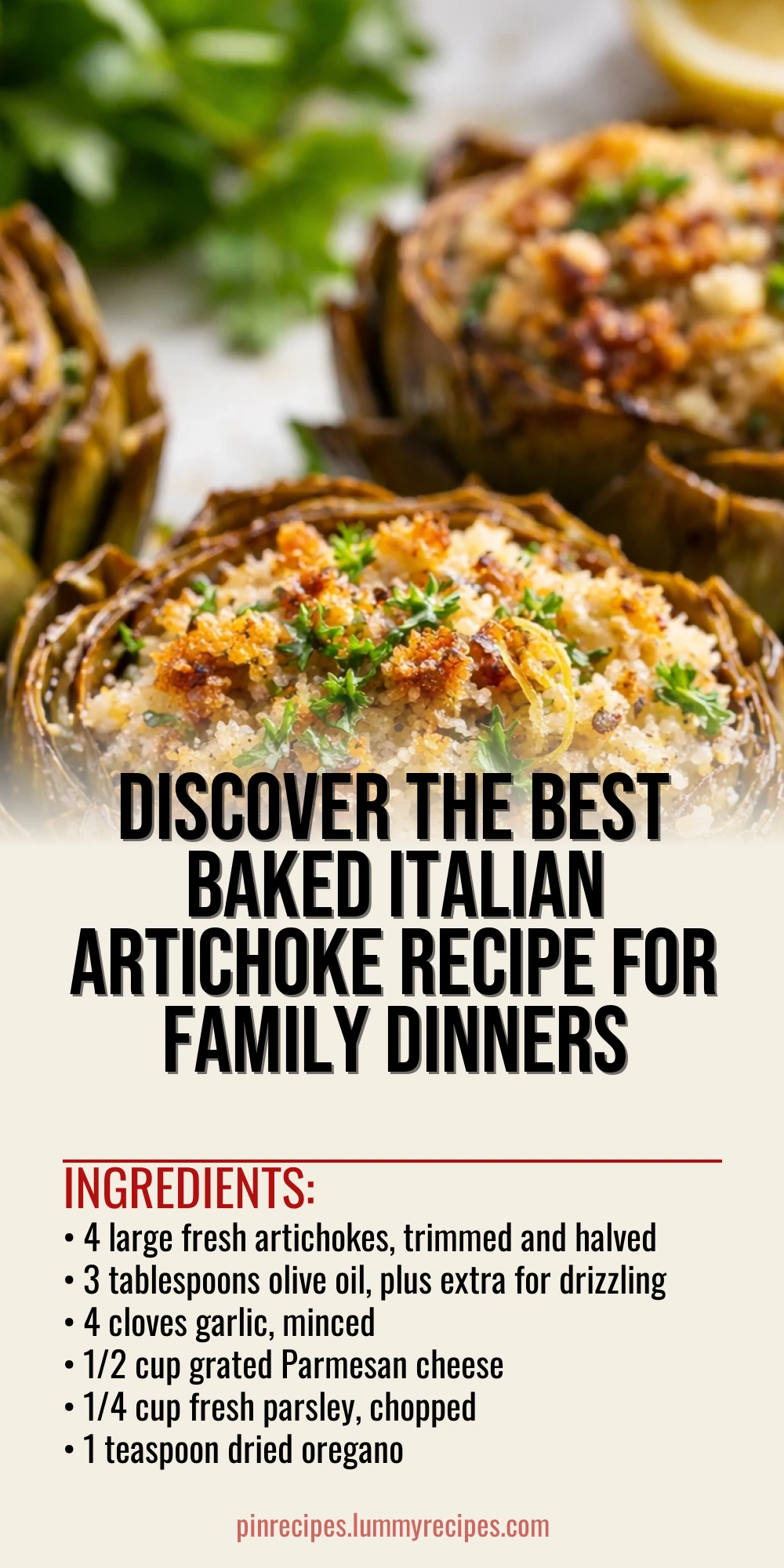
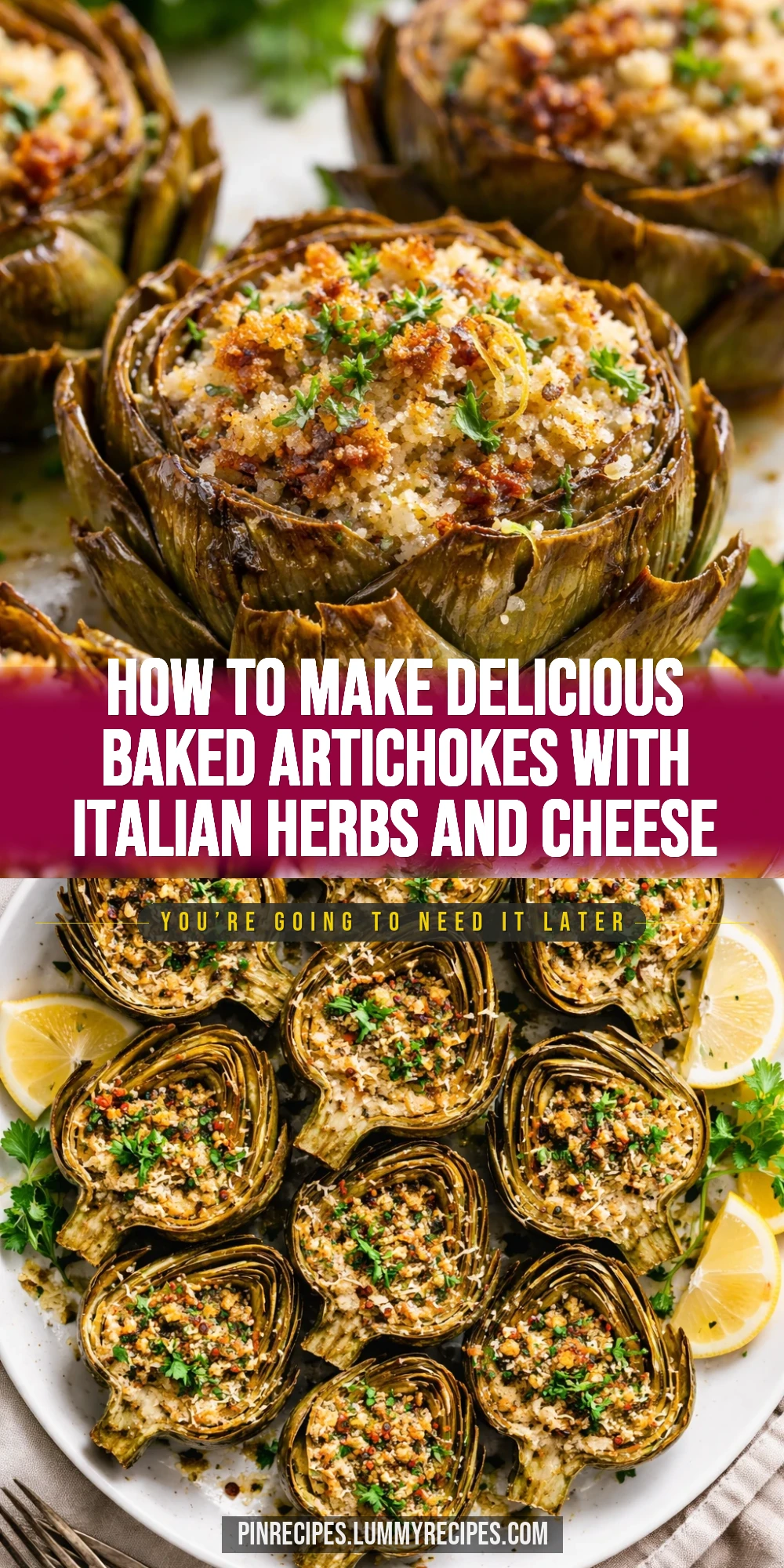
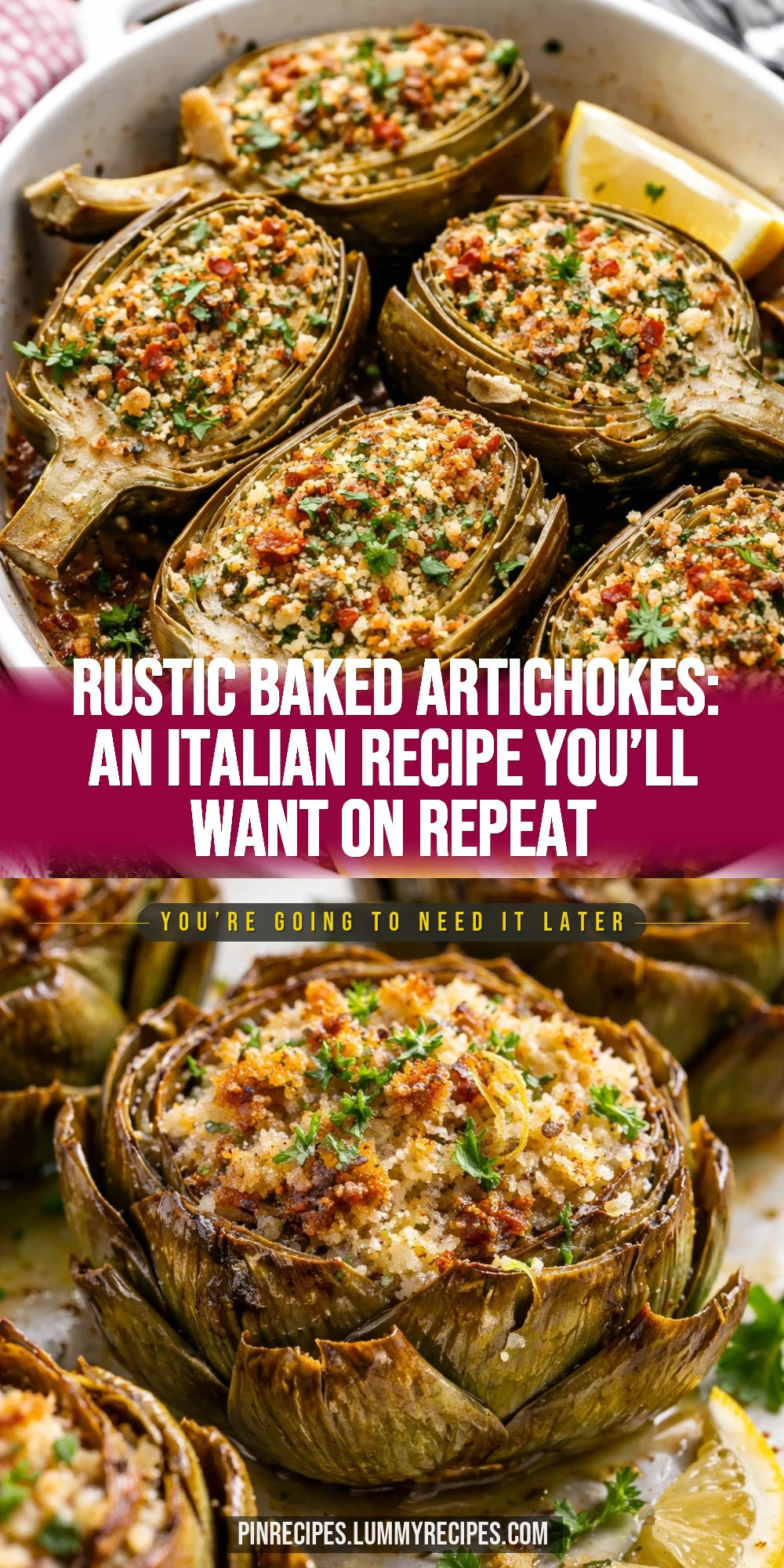
This baked Italian artichoke dish is a cozy, rustic treat with tender hearts and savory herbs. Stuffed with garlic and Parmesan, it’s perfect as a side or appetizer for family dinners or weekend gatherings.
Introduction
I first stumbled upon this baked artichoke recipe during a trip to a small Italian village where the locals insisted that the secret to great artichokes was slow roasting with simple, fresh ingredients. Since then, I’ve made it countless times at home, tweaking it just a bit to bring out even more flavor. What I love about this version is how the garlic and Parmesan form a crispy, golden crust while the artichoke hearts become tender and almost buttery inside. The trick I learned is to drizzle olive oil generously and season well before baking, which keeps the artichokes moist and flavorful. I remember the first time I tried roasting artichokes without pre-trimming them properly — it was a bit tough and fibrous, so now I make sure to remove the tough outer leaves and choke carefully. This recipe is perfect for a cozy dinner side or a casual appetizer when friends come over. It looks rustic but tastes elegant, with that wonderful Italian herb punch. Plus, it’s easy enough that you can whip it up even on a weeknight. The finished dish has a lovely balance of textures and fresh, savory flavors that feel like a warm hug from the Italian countryside.
How To Do It
Step 1
Start by preparing your artichokes properly. Trim off the tough outer leaves until you reach the softer, pale green ones, then cut the artichokes in half lengthwise. Don’t forget to remove the fuzzy choke in the center with a spoon or knife—it’s inedible and can ruin the texture if left in. Rubbing the cut surfaces with lemon juice prevents browning and adds a subtle brightness. This prep step is crucial to ensure your artichokes cook evenly and stay tender. If you skip trimming or de-choking, the final dish might be tough or unpleasant to eat.
⏱ Time: 10 minutes
✓ Doneness: Artichokes are halved cleanly with no tough leaves and the choke completely removed.
Step 2
Preheat your oven to 400°F (200°C). In a bowl, mix olive oil, minced garlic, chopped parsley, dried oregano, salt, and pepper. Brush this mixture generously over each artichoke half, ensuring the garlic and herbs get into the crevices. This step infuses the artichokes with deep flavor and helps create a savory crust. Don’t rush—take your time coating each piece well. Skipping or skimping here results in bland artichokes that lack the signature Italian herb aroma.
⏱ Time: 5 minutes
✓ Doneness: Artichokes are evenly coated with a glossy layer of herb-garlic oil.
Step 3
Arrange the artichoke halves cut side up on a baking dish. Sprinkle the grated Parmesan cheese evenly over the top of each piece. The cheese will melt and form a golden, crispy topping that contrasts beautifully with the tender artichoke. This step is what makes the dish feel indulgent and authentic. If you add the cheese too early or too late, it won’t brown properly or may burn, so timing is key.
⏱ Time: 3 minutes
✓ Doneness: Parmesan is evenly sprinkled and looks dry and powdery before baking.
Step 4
Place the baking dish in the preheated oven and roast the artichokes for about 25-30 minutes. The heat will gently soften the artichokes and melt the Parmesan into a bubbly, golden crust. Halfway through, check to make sure the cheese isn’t burning; if it’s browning too fast, loosely cover with foil. Roasting at this temperature ensures a tender interior and crispy top without drying out the artichokes.
⏱ Time: 25-30 minutes
✓ Doneness: Artichokes are tender when pierced with a fork and Parmesan is golden brown.
Step 5
Once baked, remove the artichokes from the oven and let them cool for a few minutes. This resting time allows the flavors to settle and the cheese crust to firm up slightly, making them easier to handle and eat. Serve warm with an extra drizzle of olive oil or a squeeze of fresh lemon juice for brightness. This finishing touch elevates the dish with a fresh zing that balances the richness.
⏱ Time: 5 minutes
✓ Doneness: Artichokes are warm, cheese crust is set, and aroma is inviting.
Step 6
For a little extra flavor, you can add a sprinkle of red pepper flakes before baking if you like a hint of heat. This optional step adds a subtle kick that complements the garlic and herbs beautifully. Just be careful not to overdo it, as the delicate artichoke flavor can be overwhelmed.
⏱ Time: 1 minute
✓ Doneness: Red pepper flakes are evenly distributed without clumping.
Step 7
If you want to make this recipe ahead, prep the artichokes and herb mixture but hold off on adding the Parmesan and baking. Cover and refrigerate for up to 24 hours. When ready, sprinkle the cheese and bake as directed. This makes entertaining easier without sacrificing freshness.
⏱ Time: Varies
✓ Doneness: Artichokes stay fresh and do not brown excessively when prepped ahead.
Step 8
To serve, pair these baked artichokes with crusty bread or a light salad for a simple yet elegant appetizer or side. The crispy, cheesy topping and tender hearts make a satisfying contrast that guests always love.
⏱ Time: 0 minutes
✓ Doneness: Dish is plated attractively and ready to enjoy.
Step 9
Clean up is easy since this recipe uses minimal ingredients and a single baking dish. Just soak the dish immediately after use to prevent cheese residue from hardening. This little step saves time and keeps your kitchen happy.
⏱ Time: 5 minutes
✓ Doneness: Baking dish is clean and ready for next use.
Pro Tips
Trim the artichokes thoroughly to remove tough leaves and the fuzzy choke.
Removing the fibrous outer leaves and choke is essential because these parts are tough and inedible. If left in, they can make the artichokes chewy and unpleasant. Proper trimming ensures the hearts become tender and enjoyable after baking.
Use fresh garlic minced finely rather than garlic powder.
Fresh garlic releases oils and flavors when roasted, adding a bright, aromatic punch that garlic powder can’t replicate. It also caramelizes slightly during baking, contributing to the dish’s depth and complexity.
Generously coat the artichokes with olive oil and herbs.
Olive oil carries flavor and helps the artichokes roast evenly without drying out. Herbs infused in the oil penetrate the artichokes, ensuring each bite is flavorful. Skimping on oil or herbs leads to a bland, dry result.
Sprinkle the Parmesan evenly on top just before baking.
This timing allows the cheese to melt and brown perfectly, creating a crispy crust. Adding cheese too early can cause it to burn; too late and it won’t melt properly.
Roast at 400°F for about 30 minutes, checking halfway.
This temperature is high enough to brown the cheese and soften the artichokes without drying them out. Checking halfway prevents burning and allows adjustments like covering with foil if needed.
Rub cut artichokes with lemon to prevent browning.
Lemon juice slows enzymatic browning, keeping the artichokes looking fresh and appetizing. It also adds a subtle acidity that brightens the flavor balance.
Let the artichokes rest a few minutes after baking.
Resting allows the cheese crust to set and the flavors to meld, making them easier to handle and enhancing the eating experience.
Common Mistakes to Avoid
Skipping the trimming and de-choking process
Why it happens Many cooks assume all parts of the artichoke are edible or find trimming tedious, so they skip it.
Fix Take the time to remove tough outer leaves and the fuzzy choke carefully. Use a small spoon or knife to scoop out the choke. This ensures tender, enjoyable artichokes without unpleasant texture.
Using low-quality olive oil
Why it happens Some opt for cheaper oils to save money or don’t realize the impact on flavor.
Fix Invest in a good extra virgin olive oil with fresh, fruity notes. It enhances the dish’s flavor and helps roast the artichokes properly without greasiness.
Not coating artichokes evenly with oil and herbs
Why it happens Rushing or being careless leads to uneven seasoning and dry spots.
Fix Brush or toss artichokes thoroughly with the oil-herb mixture, making sure to get into all crevices for consistent flavor and moisture.
Adding Parmesan too early or too late
Why it happens Misunderstanding when to add cheese can cause burning or poor melting.
Fix Sprinkle Parmesan just before baking to allow it to melt and brown perfectly without burning.
Overcooking or undercooking the artichokes
Why it happens Incorrect oven temperature or timing leads to tough or mushy artichokes.
Fix Roast at 400°F for about 25-30 minutes, checking tenderness with a fork. Adjust time slightly based on your oven and artichoke size.
Variations
Spicy Baked Artichokes
Add red pepper flakes or a dash of cayenne to the olive oil mixture for a spicy kick. This variation adds warmth and depth without overpowering the artichoke’s natural flavor. Great for those who like a little heat.
Note: Adjust the amount of spice based on your heat tolerance, and sprinkle evenly to avoid clumps.
Baked Artichokes with Lemon and Thyme
Swap oregano for fresh thyme and add extra lemon zest to brighten the dish. Thyme’s earthy notes complement the artichoke beautifully, while lemon zest adds a fresh citrus aroma.
Note: Use fresh thyme sprigs for best flavor and add lemon zest just before baking.
Cheesy Baked Artichokes with Mozzarella
Mix shredded mozzarella with Parmesan for a gooey, melty topping. This variation creates a richer, creamier crust that’s irresistible, perfect for cheese lovers.
Note: Mozzarella melts differently, so watch the baking time closely to avoid burning.
Vegan Baked Artichokes
Replace Parmesan with nutritional yeast and use vegan butter or extra olive oil. This keeps the cheesy flavor and crispy texture while making the dish plant-based and dairy-free.
Note: Nutritional yeast browns less than cheese, so bake a bit longer for a crispy top.
Stuffed Baked Artichokes
Fill the artichoke centers with a mixture of breadcrumbs, garlic, herbs, and Parmesan before baking. This adds texture and a flavorful surprise inside each piece.
Note: Press the stuffing firmly and bake uncovered to achieve a crispy top and moist center.
Nutrition
Per Serving:
Nutritional values are estimates and may vary based on specific ingredients used.
Storage & Tips
Room Temperature
Baked artichokes can be left at room temperature for up to 2 hours if covered loosely to prevent drying. Beyond that, bacteria growth increases, so refrigerate promptly.
Refrigerator
Store leftovers in an airtight container for up to 3 days. The artichokes may lose some crispness but still taste delicious. Reheat gently in the oven to help restore the crispy topping.
Freezer
Freeze baked artichokes for up to 1 month in a freezer-safe container. Wrap tightly to prevent freezer burn. Thaw overnight in the fridge before reheating to maintain texture.
Reheating
Reheat baked artichokes in a 350°F oven for 10-15 minutes until warmed through. Avoid microwaving as it softens the crispy cheese crust. Adding a light drizzle of olive oil before reheating helps revive moisture.
Make Ahead
You can prep and trim artichokes a day ahead, storing them in lemon water to prevent browning. Mix the herb and oil marinade and keep refrigerated separately. Assemble and bake just before serving for best freshness.
FAQ
Can I use canned or frozen artichokes instead of fresh?
While fresh artichokes give the best texture and flavor, you can use canned or frozen if fresh aren’t available. Drain and pat dry thoroughly to avoid sogginess. Adjust baking time as canned artichokes are softer and may need less roasting.
What if I don’t have Parmesan cheese?
You can substitute with Pecorino Romano for a sharper flavor or a good quality vegan Parmesan if dairy-free. Avoid pre-shredded cheese with anti-caking agents as they don’t melt or brown as well.
How do I know when the artichokes are done baking?
Pierce the artichoke hearts with a fork; they should be tender and easily pierced without resistance. The cheese on top should be golden brown and crispy but not burnt.
Can I make this recipe gluten-free?
Yes! This recipe is naturally gluten-free as long as you use pure Parmesan cheese and no added breadcrumbs or fillers. Always check labels to be sure.
How do I prevent the artichokes from turning brown after cutting?
Rub the cut surfaces immediately with lemon juice to slow enzymatic browning. Keeping them submerged briefly in lemon water before prepping also helps maintain color.
Is it okay to add other herbs besides oregano?
Absolutely! Fresh thyme, rosemary, or basil all work well and add different flavor notes. Just adjust quantities to avoid overpowering the artichokes.
Can I prepare this recipe ahead of time?
Yes, you can trim and marinate the artichokes a day ahead, keeping them refrigerated. Add the Parmesan and bake just before serving for best texture and flavor.
What’s the best way to reheat leftovers?
Reheat in a 350°F oven for 10-15 minutes to revive the crispy cheese crust and warm the artichokes evenly. Avoid microwaving to prevent sogginess.
Final Thoughts
I hope you enjoy making and sharing this baked Italian artichoke recipe as much as I do. It’s a simple way to bring a little rustic Italian charm to your table—let me know how it turns out!