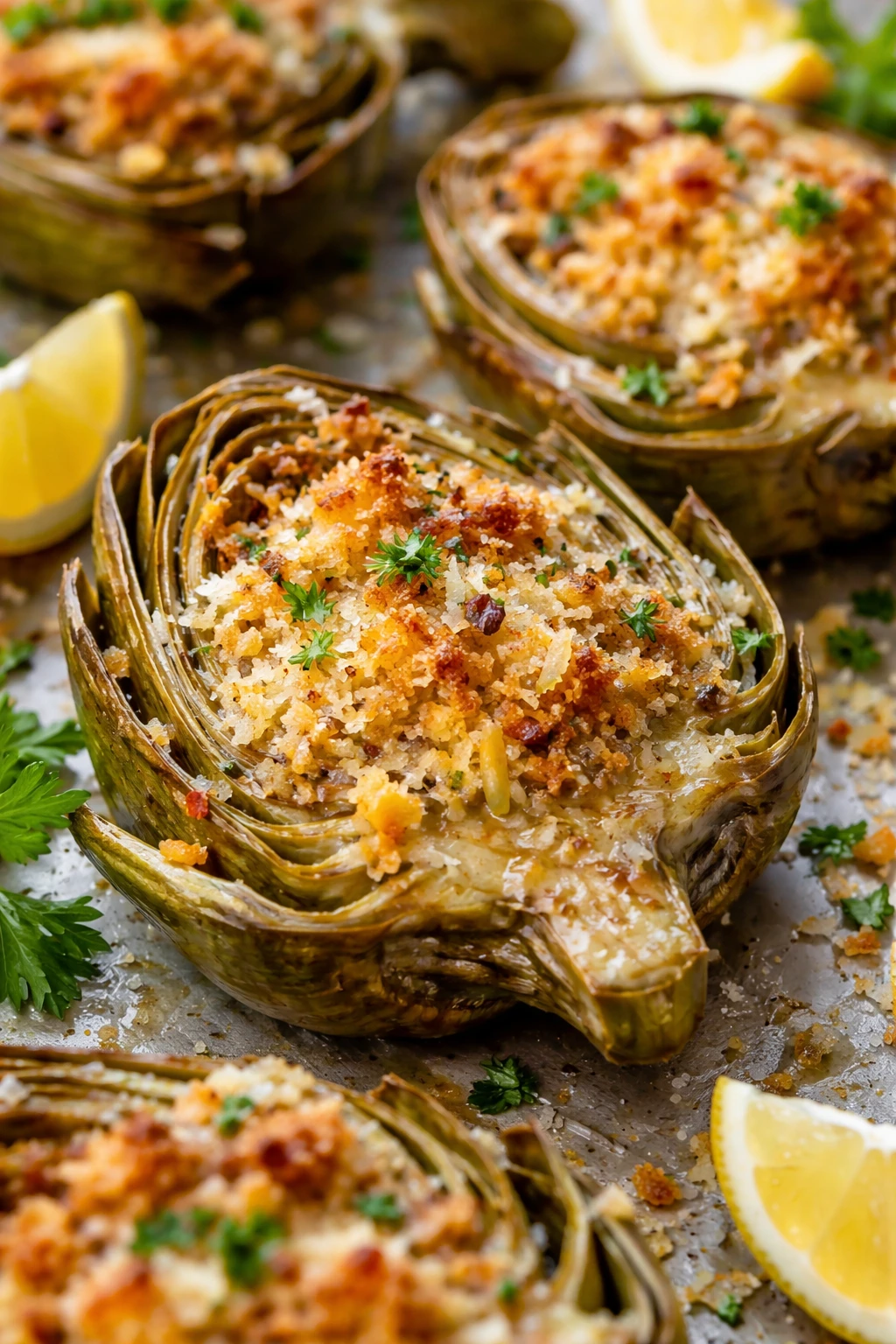
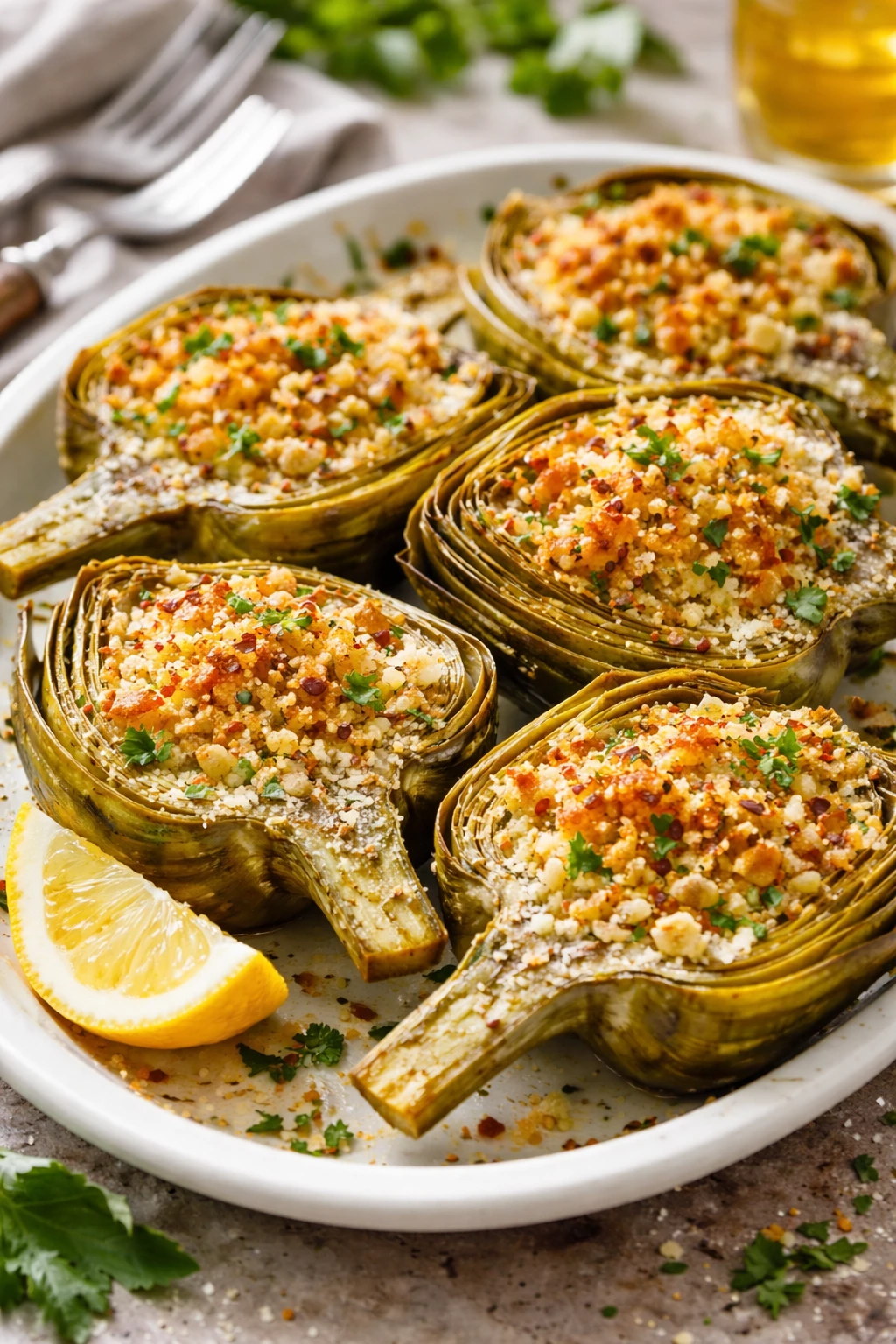
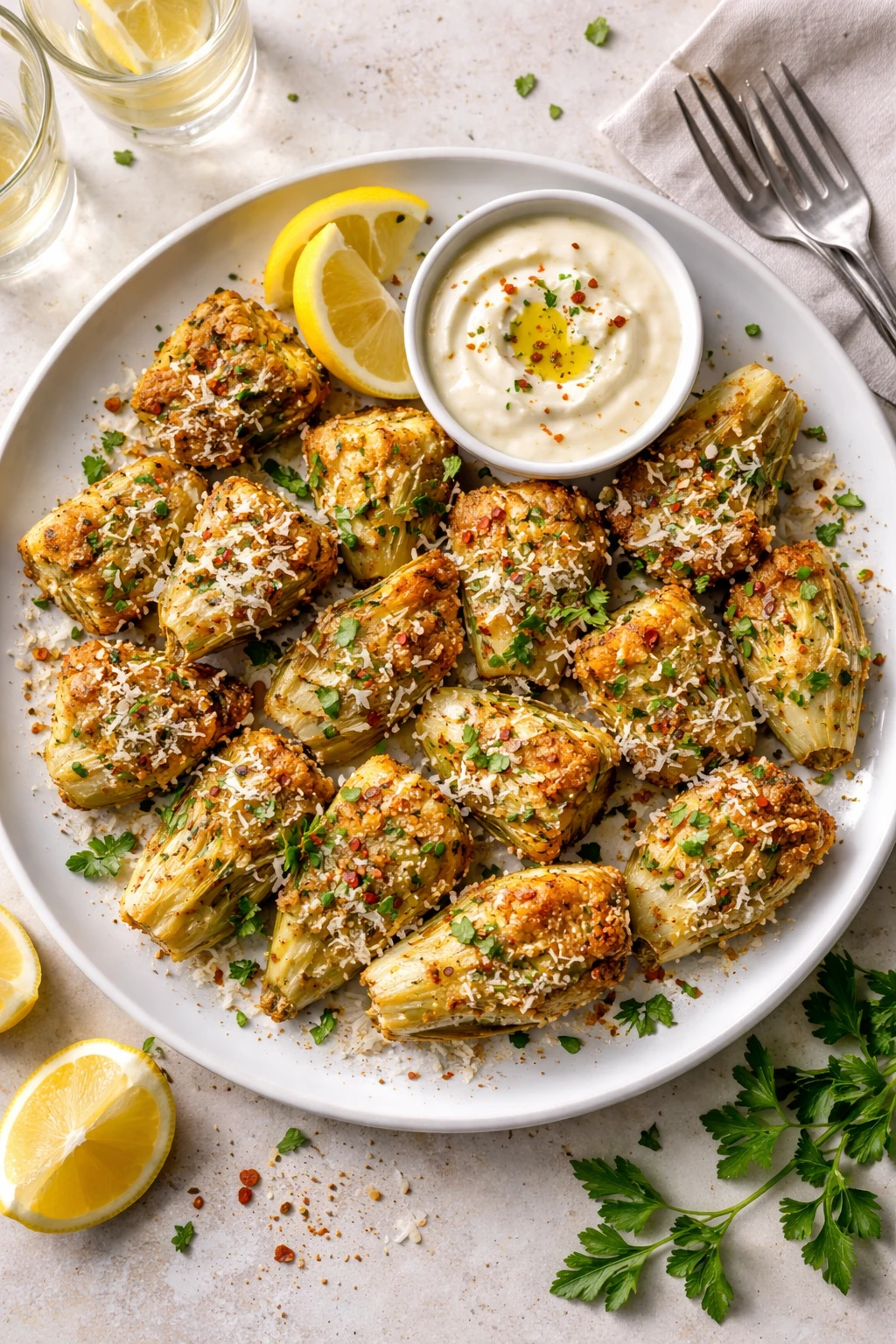
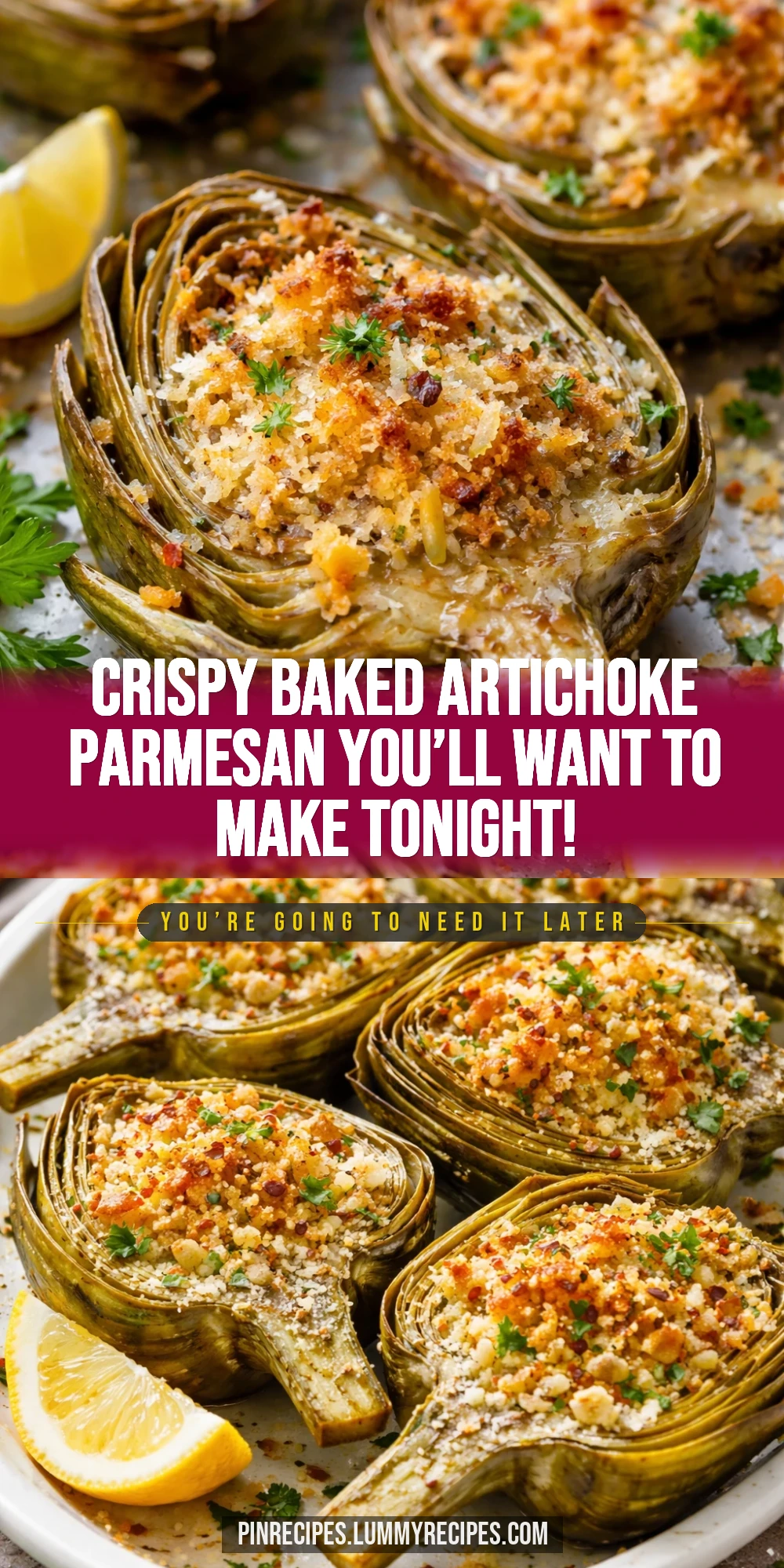
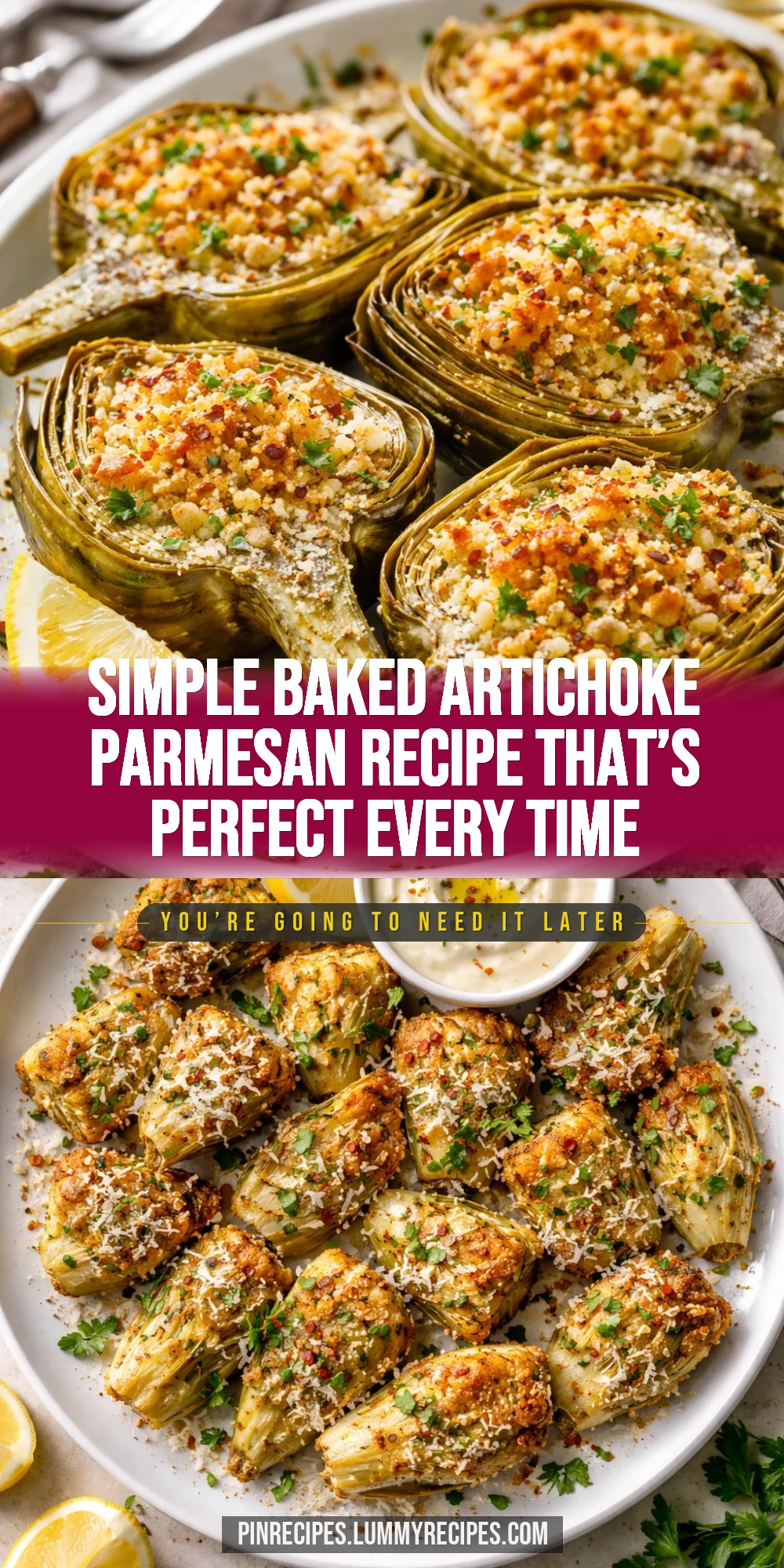
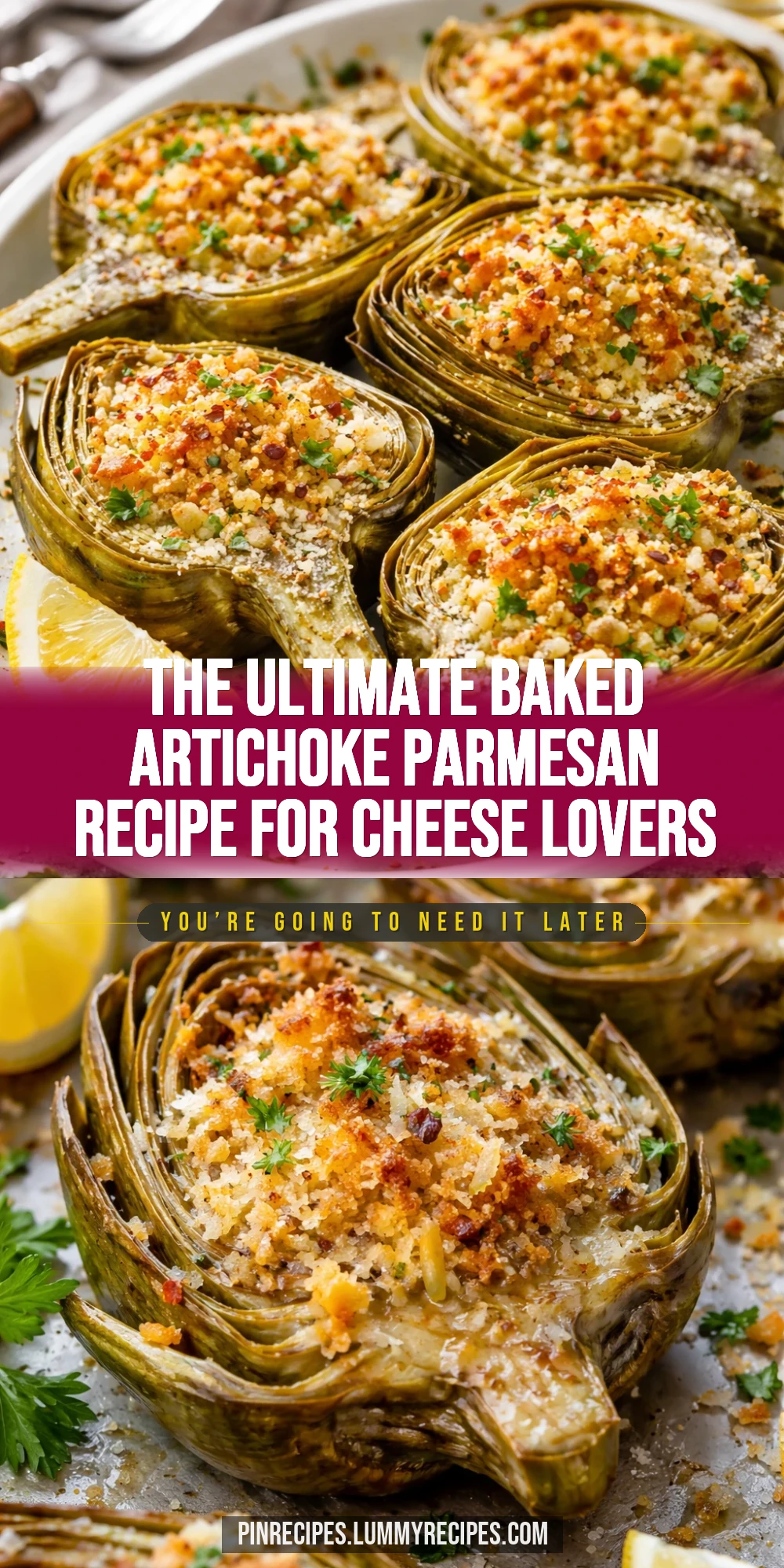
This baked artichoke Parmesan recipe is a crispy, cheesy treat that’s surprisingly easy to pull off. The secret? A crunchy Parmesan crust that locks in the artichoke’s tender heart. Perfect as a snack or a side for dinner!
Introduction
I first tried baked artichokes years ago at a friend's dinner party, and I was instantly hooked on their crispy, cheesy goodness. Over time, I tweaked the recipe to make it easier and more flavorful, especially by adding a crunchy Parmesan breadcrumb topping that locks in moisture and adds amazing texture. The trick I learned is to toss the artichokes in lemon juice right after trimming to keep them from browning and to brush the tops with olive oil before baking to get that perfect golden crust. This recipe is great as a snack or a side dish and always impresses guests without much fuss. Plus, it’s vegetarian and naturally gluten-free if you swap in gluten-free breadcrumbs. When you bake the artichokes this way, you get tender hearts with a crisp, savory topping that’s just irresistible. I think you’ll love how simple and satisfying it is!
How To Do It
Step 1
Start by prepping the artichokes: trim the tough outer leaves and cut off the top third of each artichoke. Then halve them lengthwise and remove the fuzzy choke with a spoon. Immediately toss the pieces in a bowl with lemon juice and water to prevent browning. This step is crucial because artichokes oxidize quickly and turn unappetizingly dark. The lemon juice not only keeps the color but also adds a subtle brightness to the flavor.
⏱ Time: 15 minutes
✓ Doneness: Artichokes are cleanly trimmed and pale, not brown or dry
Step 2
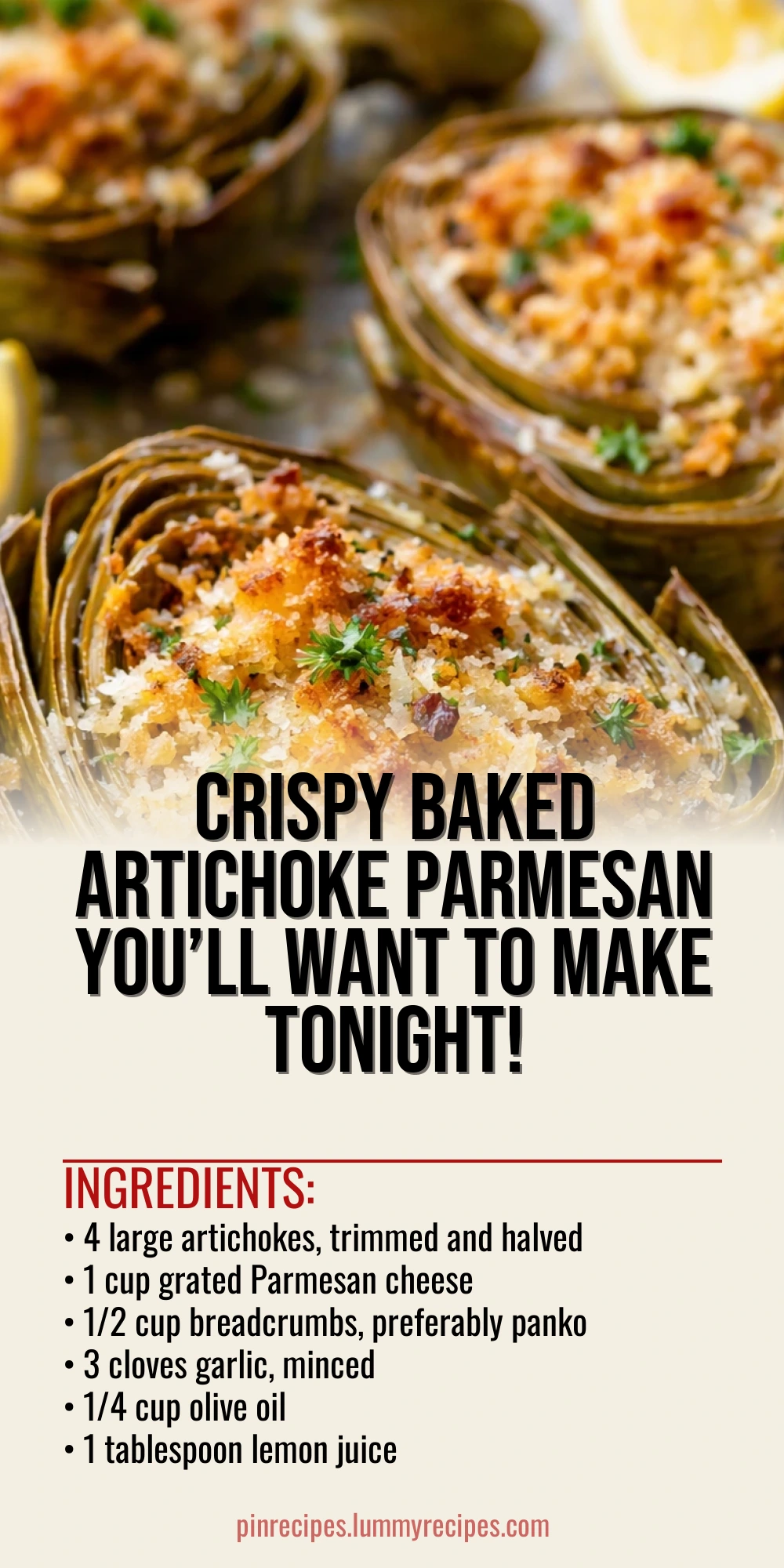
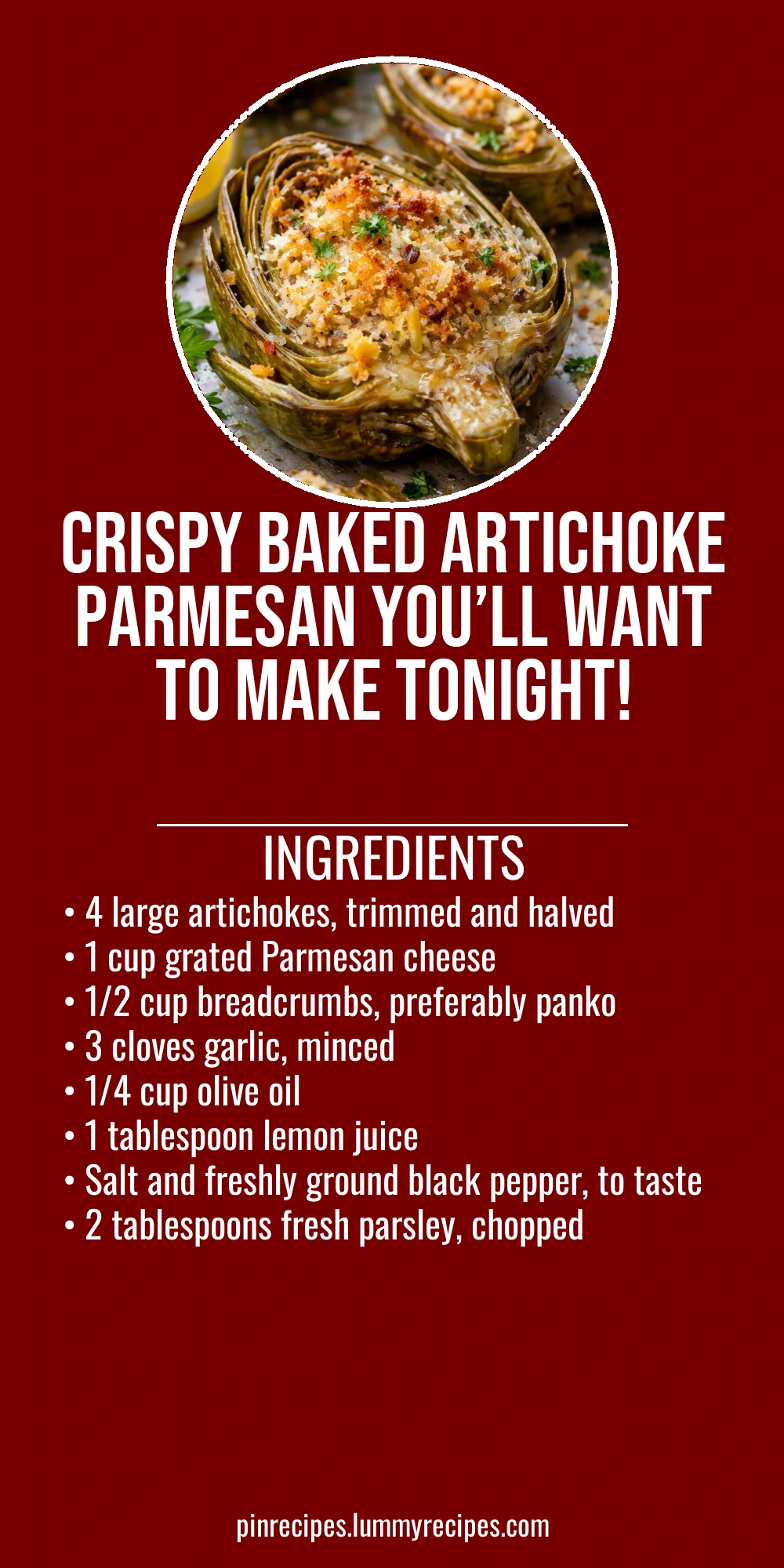
Preheat your oven to 400°F (200°C). In a mixing bowl, combine the grated Parmesan, breadcrumbs, minced garlic, chopped parsley, salt, and pepper. Drizzle in olive oil slowly while stirring until the mixture is evenly moistened and crumbly. This mixture will form the crispy topping. Olive oil helps the crumbs brown nicely and adds richness, so don’t skip it or the topping will be dry and pale.
⏱ Time: 10 minutes
✓ Doneness: Topping mixture looks moist and clumps slightly when pressed
Step 3
Drain the artichokes from the lemon water and pat them dry with paper towels. This is important to avoid sogginess. Arrange the artichoke halves cut side up on a baking sheet lined with parchment paper. If they’re wet, the topping won’t stick well and the artichokes won’t roast properly.
⏱ Time: 5 minutes
✓ Doneness: Artichokes are dry to the touch and evenly spaced on the pan
Step 4
Spoon the Parmesan breadcrumb mixture generously over each artichoke half, pressing it lightly to adhere. Don’t skimp here—the topping is the star! The pressure helps the crumbs stick better, ensuring a crunchy, flavorful crust after baking.
⏱ Time: 5 minutes
✓ Doneness: Topping fully covers the cut surface and feels firmly attached
Step 5
Place the baking sheet in the oven and bake for about 25-30 minutes. Halfway through, check the artichokes and rotate the pan for even cooking. The artichokes should be tender when pierced with a fork, and the topping golden brown and crisp. Avoid opening the oven too often, or the temperature will drop and lengthen cooking time.
⏱ Time: 30 minutes
✓ Doneness: Topping is golden and crisp, artichokes are soft inside
Step 6
Once baked, remove the artichokes from the oven and let them cool slightly. This resting time allows the juices to redistribute and the topping to set, making for a better texture and easier handling. Serve warm with a squeeze of fresh lemon if desired.
⏱ Time: 5 minutes
✓ Doneness: Artichokes are warm but not too hot to eat, topping remains crisp
Step 7
For an extra flavor boost, drizzle a little more olive oil or sprinkle some fresh parsley on top before serving. This adds freshness and a nice color contrast. It’s a small step that really elevates the presentation and taste.
⏱ Time: 2 minutes
✓ Doneness: Artichokes look vibrant and glossy with fresh herbs
Step 8
If you want to make this ahead, prep the artichokes and topping separately, then assemble just before baking. This keeps the crumbs from getting soggy and ensures the best texture when served.
⏱ Time: Varies
✓ Doneness: Topping remains dry and crumbly before baking
Step 9
Experiment with adding a pinch of red pepper flakes or a sprinkle of smoked paprika to the breadcrumb mixture for a subtle kick. This adds depth without overpowering the artichokes. Just mix it in with the Parmesan and garlic before topping.
⏱ Time: 2 minutes
✓ Doneness: Breadcrumb mixture evenly seasoned and aromatic
Pro Tips
Trim and soak artichokes immediately in lemon water to prevent browning.
Artichokes oxidize quickly once cut, turning an unappetizing brown. The acidity in lemon juice slows this process and keeps the artichokes looking fresh and appetizing throughout prep and baking.
Press the breadcrumb mixture firmly onto the artichokes before baking.
This ensures the topping adheres well and doesn’t fall off during cooking. It also helps create an even, crunchy crust that contrasts nicely with the tender artichoke hearts.
Use panko breadcrumbs for a lighter, crispier topping.
Panko’s larger flakes create more air pockets and crunch than traditional breadcrumbs, resulting in a superior texture that enhances the eating experience.
Rotate the baking pan halfway through cooking for even browning.
Ovens often have hot spots, and rotating the pan helps ensure all artichoke pieces cook evenly and the topping crisps uniformly.
Don’t skip drying the artichokes after soaking.
Excess moisture can steam the topping instead of baking it, leading to a soggy crust. Patting dry helps achieve the perfect crunch.
Add fresh herbs like parsley after baking for color and brightness.
Fresh herbs add a pop of color and fresh aroma that balances the rich, baked flavors, making the dish more visually appealing and flavorful.
Serve warm but allow to cool slightly to set the crust.
Serving immediately after baking can cause the topping to crumble easily. A brief rest lets the crust firm up, making it easier to handle and more enjoyable to eat.
Common Mistakes to Avoid
Not trimming the artichokes properly
Why it happens Many cooks underestimate how tough and fibrous the outer leaves and choke are, leading to unpleasant texture.
Fix Take your time trimming away the tough outer leaves and carefully remove the fuzzy choke with a spoon. This ensures only tender, edible parts remain.
Skipping the lemon soak
Why it happens People often forget artichokes brown quickly after cutting and don’t realize how unappetizing this looks.
Fix Immediately toss trimmed artichokes in lemon water to prevent browning and maintain fresh color and flavor.
Topping too thin or not pressed down
Why it happens Rushing or being stingy with the topping can cause it to fall off or bake unevenly.
Fix Generously coat the artichokes and press the topping firmly to ensure it sticks and crisps nicely.
Not drying artichokes before topping
Why it happens Moist artichokes cause the topping to steam rather than bake, resulting in sogginess.
Fix Pat artichokes thoroughly with paper towels after soaking to remove excess water before adding topping.
Baking at too low temperature
Why it happens Lower temperatures prevent proper browning and crisping of the topping.
Fix Bake at 400°F (200°C) to get a golden, crunchy crust while cooking the artichokes through.
Variations
Spicy Baked Artichoke Parmesan
Add a pinch of red pepper flakes or cayenne to the breadcrumb mixture for a subtle heat that complements the cheesy crust. This variation adds a nice kick without overwhelming the delicate artichoke flavor.
Note: Monitor baking closely to avoid burning the spicy topping; the heat can intensify as it browns.
Gluten-Free Baked Artichoke Parmesan
Swap regular breadcrumbs for gluten-free panko or crushed gluten-free crackers. The texture remains crisp and delicious, making this recipe accessible to those with gluten sensitivities.
Note: Gluten-free crumbs may brown faster; keep an eye to prevent overcooking.
Vegan Baked Artichoke Parmesan
Use nutritional yeast instead of Parmesan and a vegan breadcrumb blend. Drizzle with olive oil as usual for crispiness. This keeps the cheesy flavor vibe while making it plant-based.
Note: Nutritional yeast browns differently, so bake slightly longer if needed for crispness.
Herbed Baked Artichoke Parmesan
Mix fresh thyme, rosemary, or oregano into the breadcrumb topping for an earthy, aromatic twist. These herbs elevate the flavor complexity and pair beautifully with artichokes.
Note: Fresh herbs release moisture, so use sparingly to avoid soggy topping.
Stuffed Baked Artichoke Parmesan
Before topping, stuff the artichoke halves with a mixture of cream cheese, garlic, and herbs for a creamy surprise inside. The contrast between the soft filling and crispy topping is delightful.
Note: Increase baking time slightly to ensure the filling heats through without burning the crust.
Nutrition
Per Serving:
Nutritional values are estimates and may vary based on specific ingredients used.
Storage & Tips
Room Temperature
Baked artichokes can be kept at room temperature for up to 2 hours if covered loosely with foil to prevent drying. Beyond that, refrigerate to avoid spoilage.
Refrigerator
Store leftovers in an airtight container for up to 3 days. The topping may lose some crispness when cold but reheating in the oven restores texture well.
Freezer
Freeze baked artichokes in a single layer on a baking sheet, then transfer to a freezer-safe container for up to 2 months. Thaw overnight in the fridge before reheating to maintain texture.
Reheating
Reheat in a preheated oven at 350°F (175°C) for 10-15 minutes until warmed through and topping is crisp again. Avoid microwaving as it makes the topping soggy.
Make Ahead
You can trim and soak artichokes a day ahead, storing them in lemon water in the fridge. Prepare the breadcrumb topping separately and assemble just before baking to keep crumbs crisp.
FAQ
Can I use canned or frozen artichokes for this recipe?
While fresh artichokes yield the best texture and flavor, you can use canned or frozen artichoke hearts in a pinch. Drain and pat them dry thoroughly before topping and baking. Expect a softer texture and adjust baking time accordingly to avoid overcooking.
How do I know when the artichokes are fully cooked?
They’re done when you can easily pierce the hearts with a fork and the topping is golden brown and crisp. Cooking times vary slightly by artichoke size, so check tenderness around 25 minutes and adjust as needed.
Can I prepare this recipe vegan?
Yes! Substitute Parmesan with nutritional yeast for a cheesy flavor and use vegan breadcrumbs. Olive oil remains the same. The texture will be slightly different but still delicious and crispy.
Is it necessary to soak artichokes in lemon water?
Yes, soaking prevents oxidation which causes browning and off-flavors. It also helps keep the artichokes fresh and bright in color throughout prep and cooking.
What can I do if my topping isn’t sticking?
Make sure the artichokes are dry before adding the topping. Press the breadcrumb mixture firmly onto the cut surfaces. If needed, brush a little olive oil on the artichokes before topping to help adhesion.
How can I make the topping extra crispy?
Use panko breadcrumbs and enough olive oil to moisten the mixture well. Bake at a high temperature and avoid opening the oven too often to maintain heat. Rotating the pan halfway ensures even crisping.
Can I add other cheeses to the topping?
Parmesan is ideal due to its flavor and browning properties, but you can mix in Pecorino Romano or Asiago for a sharper taste. Avoid soft cheeses as they won’t crisp properly.
How should I store leftovers?
Keep leftovers in an airtight container in the fridge for up to 3 days. Reheat in the oven to revive the crispy topping. Avoid microwaving, which makes the crust soggy.
Final Thoughts
I hope you give this baked artichoke Parmesan a try—it’s one of those simple recipes that feels special every time. Let me know how yours turns out!