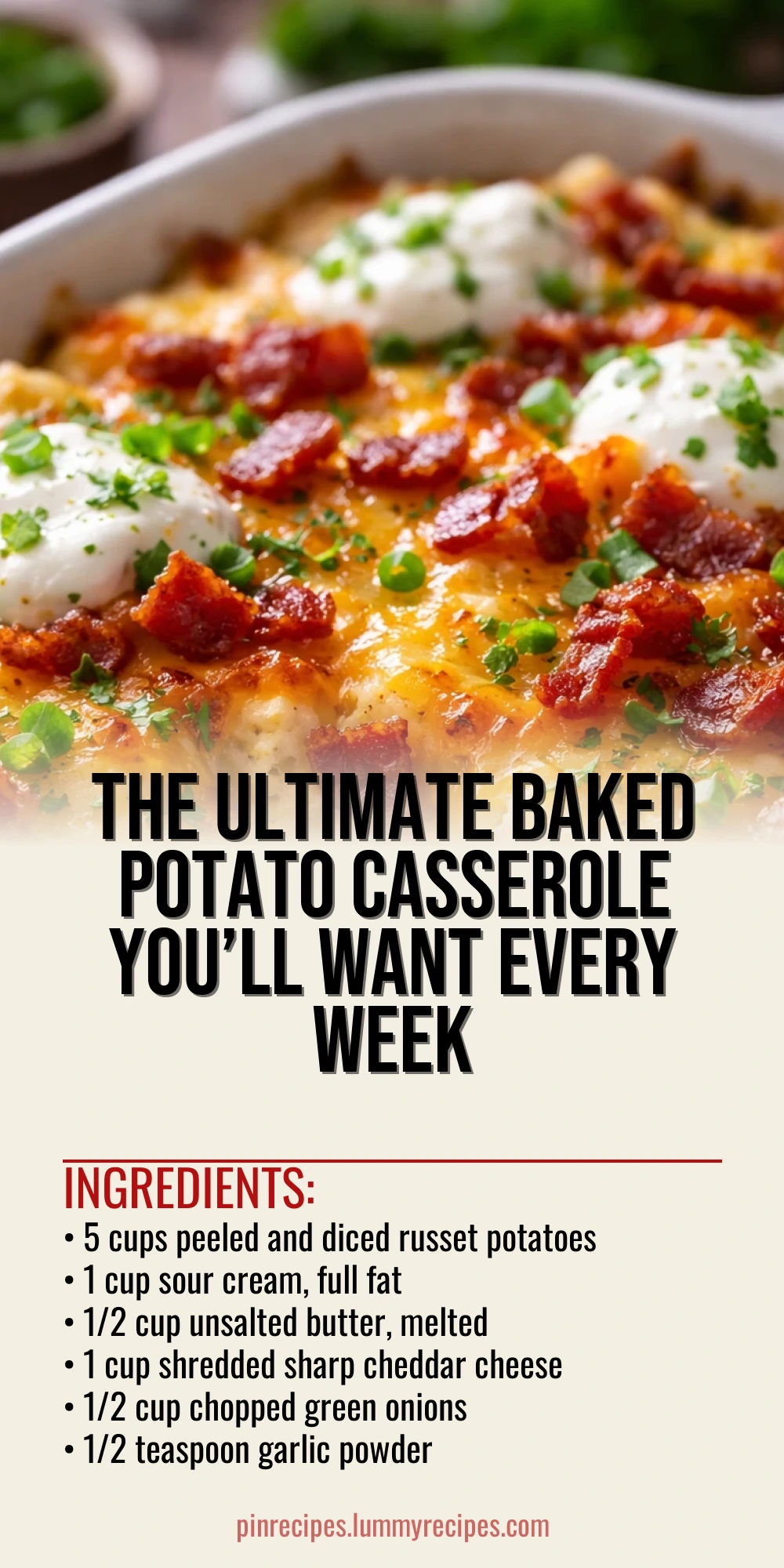
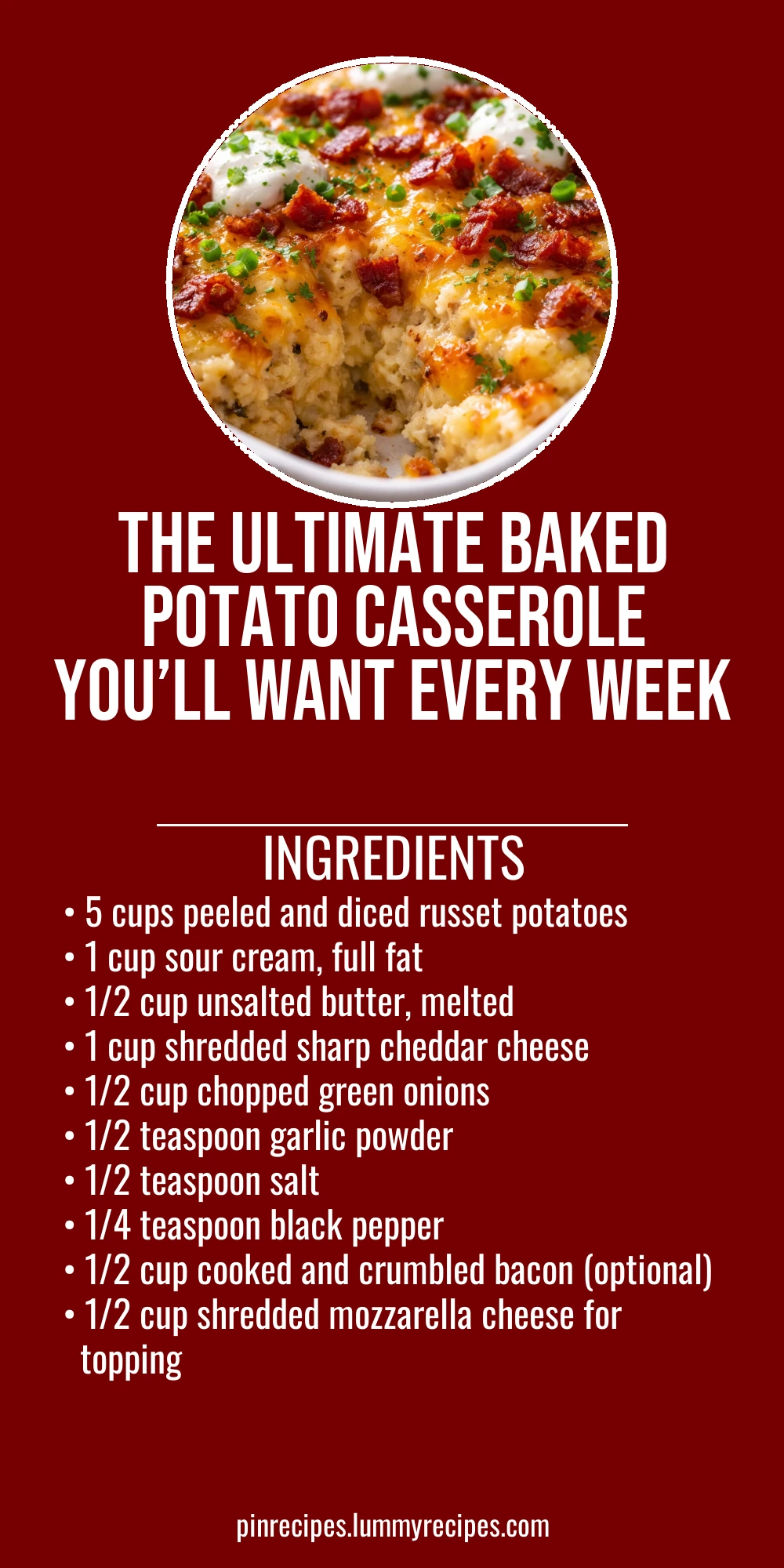
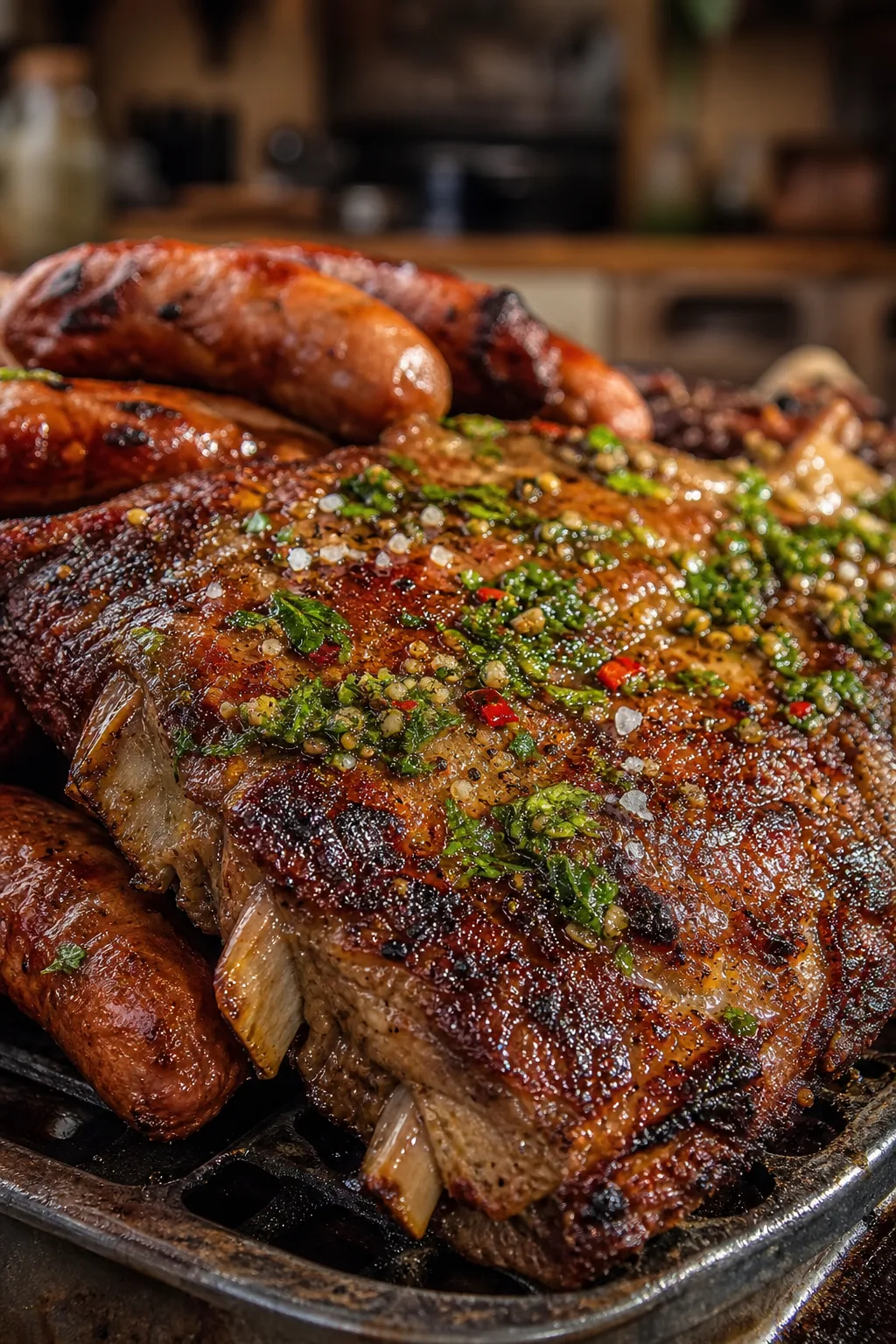
This cozy baked potato casserole brings all the best flavors of a loaded baked potato in one creamy, cheesy dish. The secret? A touch of sour cream and sharp cheddar make it irresistibly rich. Great for family dinners or potlucks!
Introduction
I first made this baked potato casserole on a chilly fall weekend when I wanted all the comfort of a loaded baked potato but in a dish that could feed a crowd. It quickly became a family favorite, especially because it’s creamy and cheesy without being fussy. What sets this version apart is the balance of sour cream and butter that keeps the potatoes silky, plus the sharp cheddar that adds just the right tang. I also like to mix in green onions and bacon for a little crunch and smoky flavor. The trick I learned is to parboil the potatoes just enough so they’re tender but not falling apart, which helps the casserole hold its shape while baking. When it comes out of the oven, it’s golden on top and perfectly creamy inside—comfort food at its best. I’ve tried other casseroles that get too dry or heavy, but this one strikes a nice balance and works great as a side or even a main dish. Plus, it’s easy enough for weeknights but special enough for company.
How To Do It
Step 1
Start by peeling and dicing the russet potatoes into roughly 1-inch cubes. Place them in a large pot and cover with cold water. Bring to a boil and let them cook for about 10 minutes until they’re just tender but still hold their shape. This step is crucial because undercooked potatoes will be hard and overcooked ones will turn mushy in the casserole. Drain the potatoes well and let them sit in the colander to dry off a bit. Dry potatoes absorb the creamy mixture better and prevent the casserole from becoming watery.
⏱ Time: 10 minutes
✓ Doneness: Potatoes should be fork-tender but still firm, not falling apart.
Step 2
While the potatoes cook, preheat your oven to 350°F (175°C). In a large mixing bowl, combine the sour cream, melted butter, garlic powder, salt, and pepper. Stir in the shredded sharp cheddar cheese and chopped green onions. This mixture will coat the potatoes and infuse them with flavor and creaminess. The sour cream adds tang and moisture, while the butter brings richness. Mixing these ingredients well ensures every bite is flavorful.
⏱ Time: 5 minutes
✓ Doneness: Mixture should be smooth and creamy with cheese evenly distributed.
Step 3
Add the drained potatoes to the sour cream mixture and gently fold them in, being careful not to mash the potatoes. You want the cubes to stay intact to give the casserole a nice texture contrast. If using bacon, fold that in now as well. The smoky bacon adds a savory depth that complements the creamy cheese and potatoes perfectly.
⏱ Time: 3 minutes
✓ Doneness: Potatoes are evenly coated and mixed with no large clumps.
Step 4
Transfer the potato mixture to a greased 9x13-inch baking dish and spread it out evenly. Sprinkle the shredded mozzarella cheese evenly on top. This topping melts and browns beautifully, creating a golden crust that contrasts with the creamy filling beneath. The cheese also helps seal in moisture during baking.
⏱ Time: 5 minutes
✓ Doneness: Even layer of cheese covers the top surface uniformly.
Step 5
Bake the casserole in the preheated oven for about 35-40 minutes. You’re looking for the cheese on top to bubble and turn a light golden brown, and the casserole to be heated through. Baking at a moderate temperature helps the casserole cook evenly without drying out. Avoid opening the oven door too often, or the temperature will drop and extend cooking time.
⏱ Time: 35-40 minutes
✓ Doneness: Top is bubbly and golden, and casserole is hot and creamy inside.
Step 6
Once baked, let the casserole rest for 5-10 minutes before serving. This resting time allows the casserole to set up slightly, making it easier to cut and serve. It also helps the flavors meld together. If you try to serve it immediately, the filling might be too runny and hot to enjoy fully.
⏱ Time: 5-10 minutes
✓ Doneness: Casserole firms up slightly and is warm but not scorching hot.
Step 7
Serve this baked potato casserole with a simple green salad or steamed veggies for a complete meal. It also pairs wonderfully with grilled chicken or pork. Leftovers reheat well in the oven or microwave, making it a great make-ahead option. The creamy, cheesy texture remains satisfying even after reheating.
⏱ Time: N/A
✓ Doneness: Dish is served warm and creamy with a golden crust.
Step 8
If you want to add a little extra flavor, sprinkle some fresh chopped chives or parsley on top just before serving. This adds a fresh, herbal note that brightens the richness of the casserole. It’s a small touch but makes a big difference in balancing the flavors.
⏱ Time: 1 minute
✓ Doneness: Fresh herbs add color and a subtle fresh aroma.
Step 9
For a vegetarian version, simply omit the bacon and add extra cheese or sautéed mushrooms for depth. You can also experiment with different cheese blends like Gruyère or Monterey Jack for unique flavor twists. Just keep the balance of creamy and cheesy intact for best results.
⏱ Time: N/A
✓ Doneness: Adapted casserole remains creamy and flavorful without bacon.
Pro Tips
Don’t over-boil the potatoes; they should be just tender.
Overcooked potatoes turn mushy and release excess starch, which can make the casserole gluey and dense rather than creamy and fluffy. Parboiling to fork-tender but firm ensures they hold their shape and texture after baking.
Use freshly shredded cheese instead of pre-shredded.
Pre-shredded cheese often contains anti-caking agents that inhibit smooth melting, resulting in a grainy texture. Freshly shredded cheese melts more evenly, creating a silky, cohesive cheese layer on top.
Let the casserole rest after baking before serving.
Resting allows the casserole to set and the moisture to redistribute, making it easier to cut and serve. If served immediately, it may be too runny and lose its shape.
Mix ingredients gently to avoid breaking potatoes.
Rough handling can mash the potatoes, turning the casserole into a puree rather than a layered dish. Gentle folding keeps the potato cubes intact, providing pleasant texture contrast.
Add fresh herbs just before serving.
Fresh herbs like chives or parsley add brightness and color. Adding them too early can cause them to wilt or lose flavor during baking.
Use a moderate oven temperature (350°F) for even baking.
Baking too hot can dry out the casserole or burn the cheese topping before the inside is heated through. A moderate temperature cooks the casserole evenly and keeps it moist.
Cook bacon until crisp for best texture contrast.
Crisp bacon adds crunch and a smoky flavor punch. If bacon is undercooked, it can become chewy and detract from the casserole’s texture balance.
Common Mistakes to Avoid
Skipping the parboil step
Why it happens Many assume baking will fully cook raw potatoes, but this leads to uneven texture and longer baking times.
Fix Always parboil potatoes until just tender. This ensures even cooking and prevents a raw, hard center in the casserole.
Using low-fat sour cream
Why it happens Trying to make the dish lighter can compromise texture and flavor.
Fix Stick to full-fat sour cream to maintain creaminess and tang. The fat content is key for richness.
Overmixing the potato mixture
Why it happens In a rush to combine ingredients, people mash the potatoes unintentionally.
Fix Fold ingredients gently to keep potato cubes intact for better texture.
Not letting casserole rest before serving
Why it happens Impatience to serve can result in a runny dish.
Fix Allow 5-10 minutes resting time so casserole firms up and slices neatly.
Using pre-shredded cheese
Why it happens Convenience leads to using pre-shredded cheese without realizing melting issues.
Fix Grate cheese fresh for smooth melting and avoid grainy texture.
Variations
Vegetarian Mushroom and Cheese Casserole
Omit bacon and add sautéed mushrooms for a meaty texture and earthy flavor. Use a mix of cheddar and Gruyère for a richer taste. This version is hearty and satisfying without meat.
Note: Sauté mushrooms until golden before folding in to avoid excess moisture making casserole watery.
Loaded Baked Potato Casserole with Broccoli
Add steamed broccoli florets to the potato mixture for a veggie boost. The broccoli’s slight bitterness balances the creamy cheese sauce and adds color.
Note: Steam broccoli until just tender to keep texture and fold in gently with potatoes.
Spicy Jalapeño Baked Potato Casserole
Mix diced jalapeños or a dash of cayenne pepper into the cheese mixture for a spicy kick. This adds warmth and a fun twist to the classic casserole.
Note: Adjust heat level to taste and remove seeds from jalapeños to control spiciness.
Creamy Herb and Garlic Potato Casserole
Add minced garlic and fresh herbs like thyme and rosemary to the sour cream mixture. This version is aromatic and flavorful, perfect for herb lovers.
Note: Sauté garlic lightly before mixing to mellow its sharpness and prevent bitterness.
Cheesy Sweet Potato Casserole
Swap russet potatoes for peeled and diced sweet potatoes for a sweeter, nutrient-rich casserole. Pair with sharp cheddar and a pinch of cinnamon for a unique flavor profile.
Note: Parboil sweet potatoes carefully as they cook faster and can become mushy easily.
Nutrition
Per Serving:
Nutritional values are estimates and may vary based on specific ingredients used.
Storage & Tips
Room Temperature
The casserole can safely sit out covered for up to 2 hours. Beyond that, refrigerate to prevent bacteria growth. Cover with foil or a clean towel to keep moisture in.
Refrigerator
Store leftovers in an airtight container for up to 4 days. The casserole may firm up and lose some creaminess when cold, so reheat gently in the oven or microwave with a splash of milk or cream to restore moisture.
Freezer
Freeze in a tightly sealed container or wrapped well in foil and plastic wrap for up to 2 months. To prevent freezer burn, remove as much air as possible. Thaw overnight in the fridge before reheating.
Reheating
Reheat in a 350°F oven for 20-25 minutes until warmed through. Add a splash of milk or cream if it seems dry. Avoid overheating to prevent drying out or curdling the dairy.
Make Ahead
You can prepare the casserole up to the point of baking and cover it tightly in the fridge for 24 hours. Bake fresh when ready to serve for best texture and flavor.
FAQ
Can I make this casserole ahead of time?
Yes! You can assemble the casserole a day before and keep it covered in the fridge. Just bake it fresh when you’re ready. This helps the flavors meld and saves time on busy days.
What potatoes work best for this recipe?
Russet potatoes are ideal because they have a fluffy texture when cooked. Avoid waxy potatoes like red or Yukon gold as they don’t absorb the creamy sauce as well and can make the casserole dense.
Can I freeze leftovers?
Absolutely. Freeze leftovers in an airtight container for up to 2 months. Thaw overnight in the fridge before reheating in the oven to maintain the creamy texture.
Is there a way to make this casserole vegetarian?
Yes, simply omit the bacon and consider adding sautéed mushrooms or extra cheese for more flavor. The dish remains creamy and satisfying without meat.
What can I substitute for sour cream?
Greek yogurt is a good substitute and adds tang and creaminess, but it can be slightly less rich. Avoid low-fat or fat-free versions to keep the texture smooth.
How do I prevent the casserole from becoming watery?
Make sure to drain and dry the potatoes well after boiling. Also, avoid adding too many watery ingredients and don’t overmix, which can release starch and water.
Can I add other cheeses?
Yes! Gruyère, Monterey Jack, or even a bit of Parmesan can add interesting flavors. Just keep a balance so the casserole stays creamy and melts well.
How long should I bake the casserole?
Bake at 350°F for 35-40 minutes until the cheese is bubbly and golden and the casserole is heated through. Avoid opening the oven too often to keep the temperature steady.
Final Thoughts
Give this baked potato casserole a try—you’ll love how creamy and comforting it is. Don’t forget to share your version and tweaks with me!