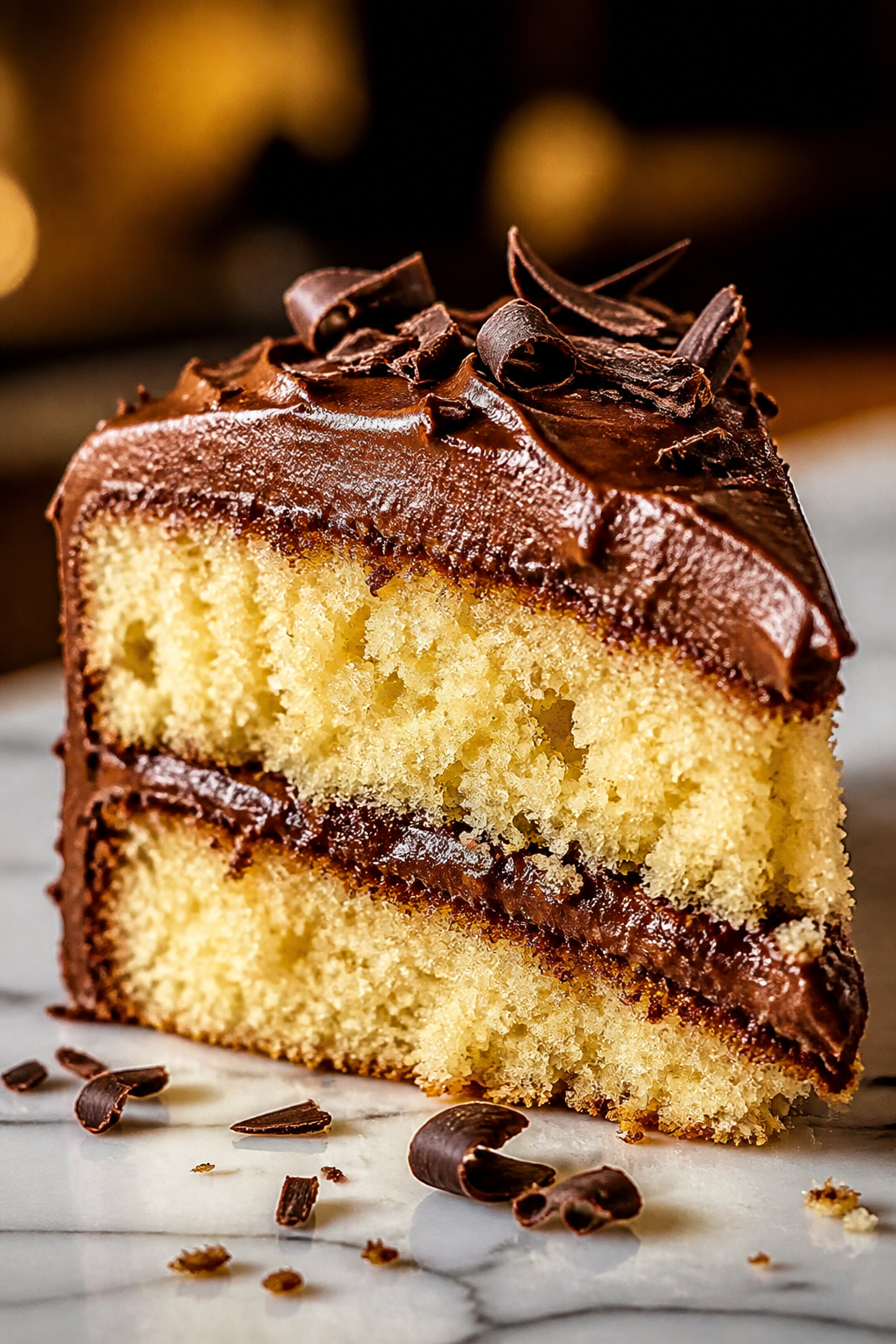
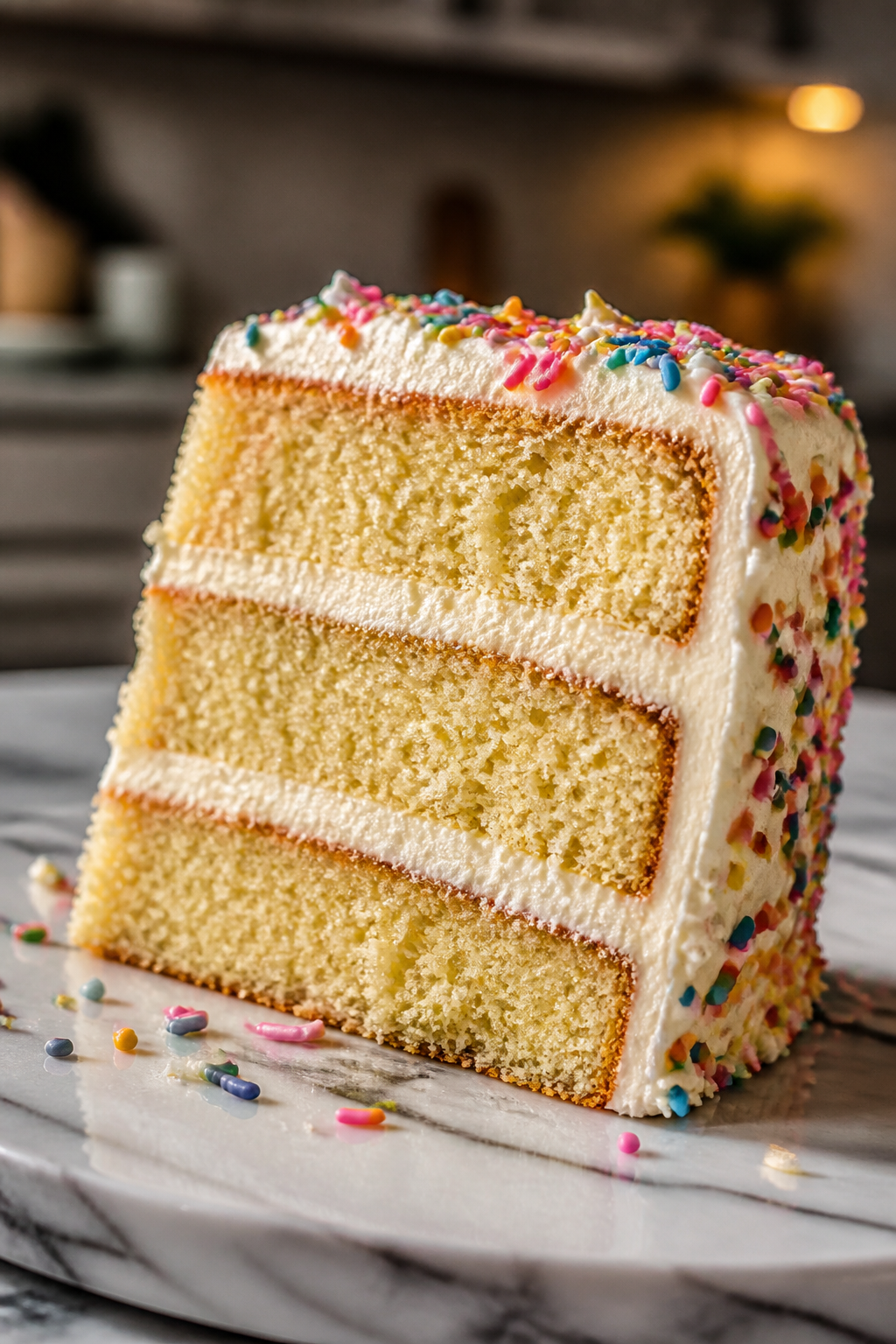
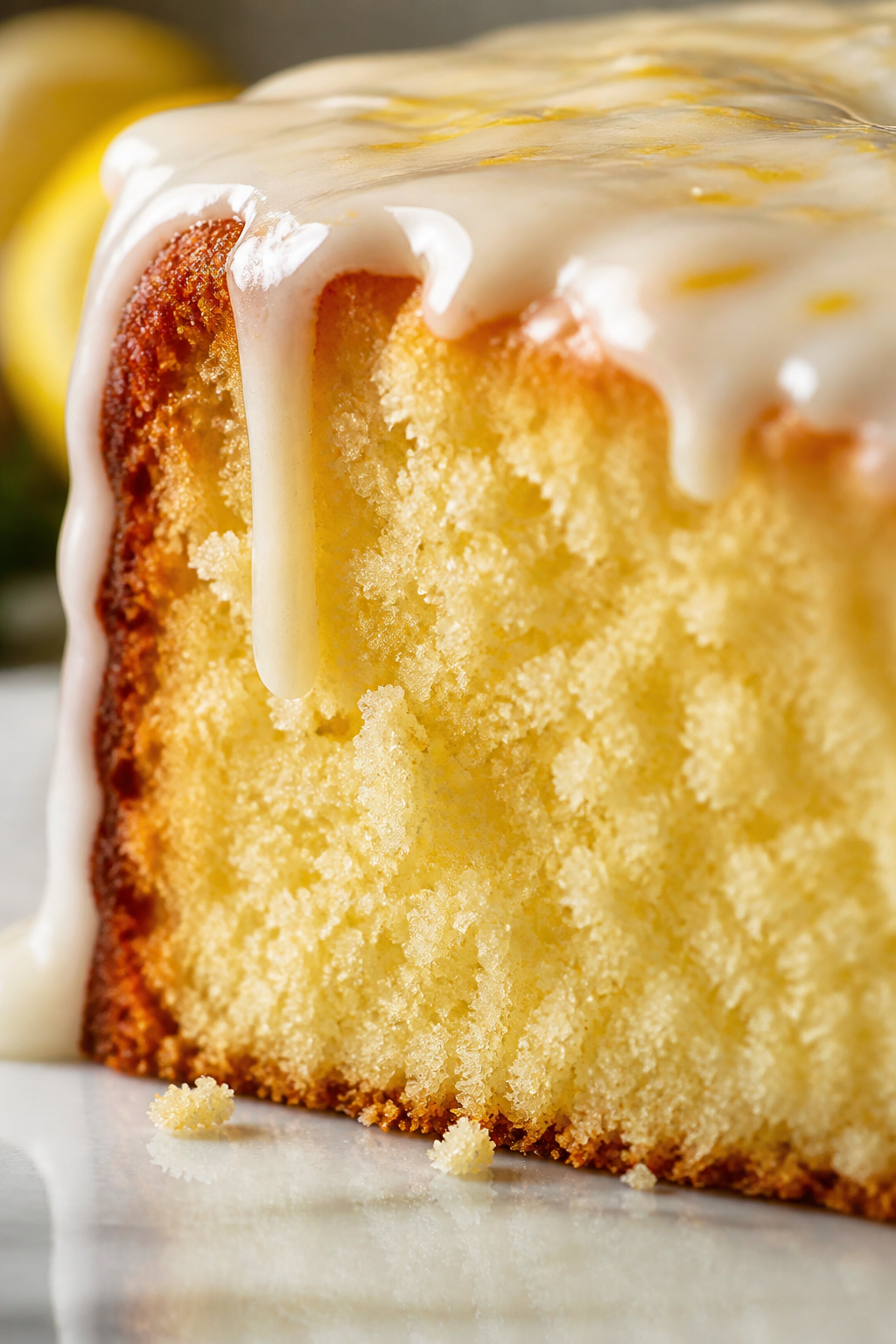
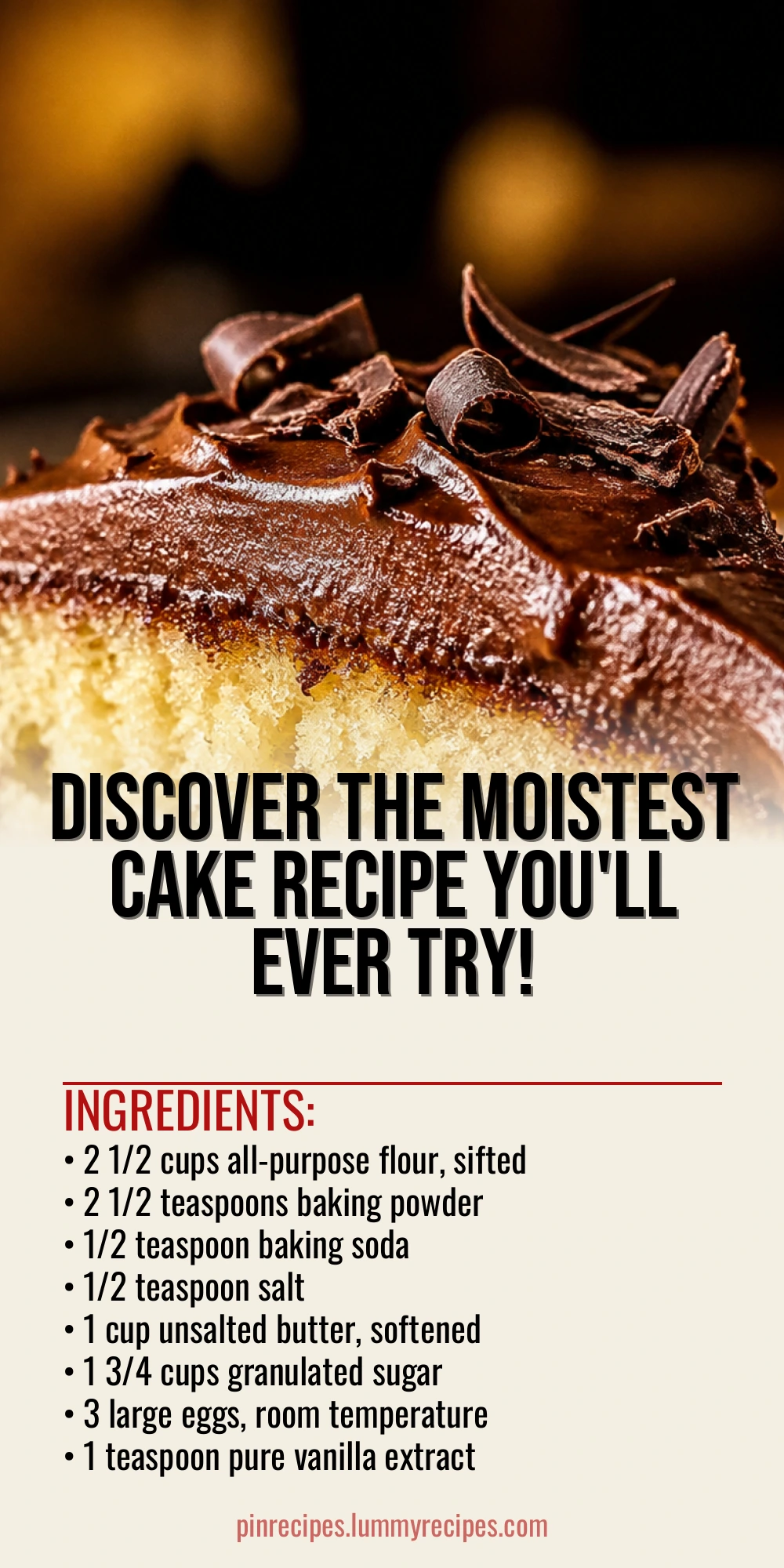
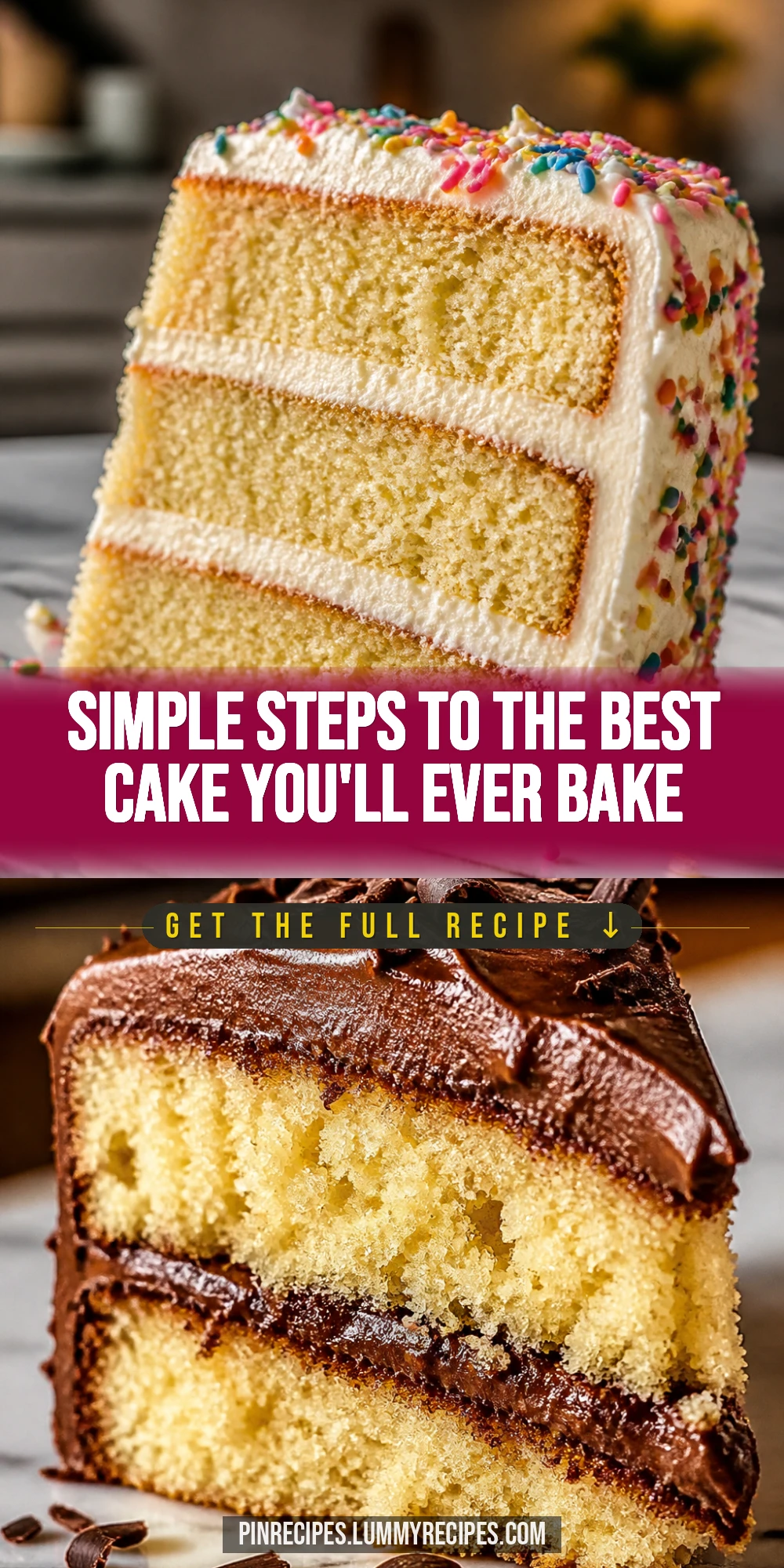
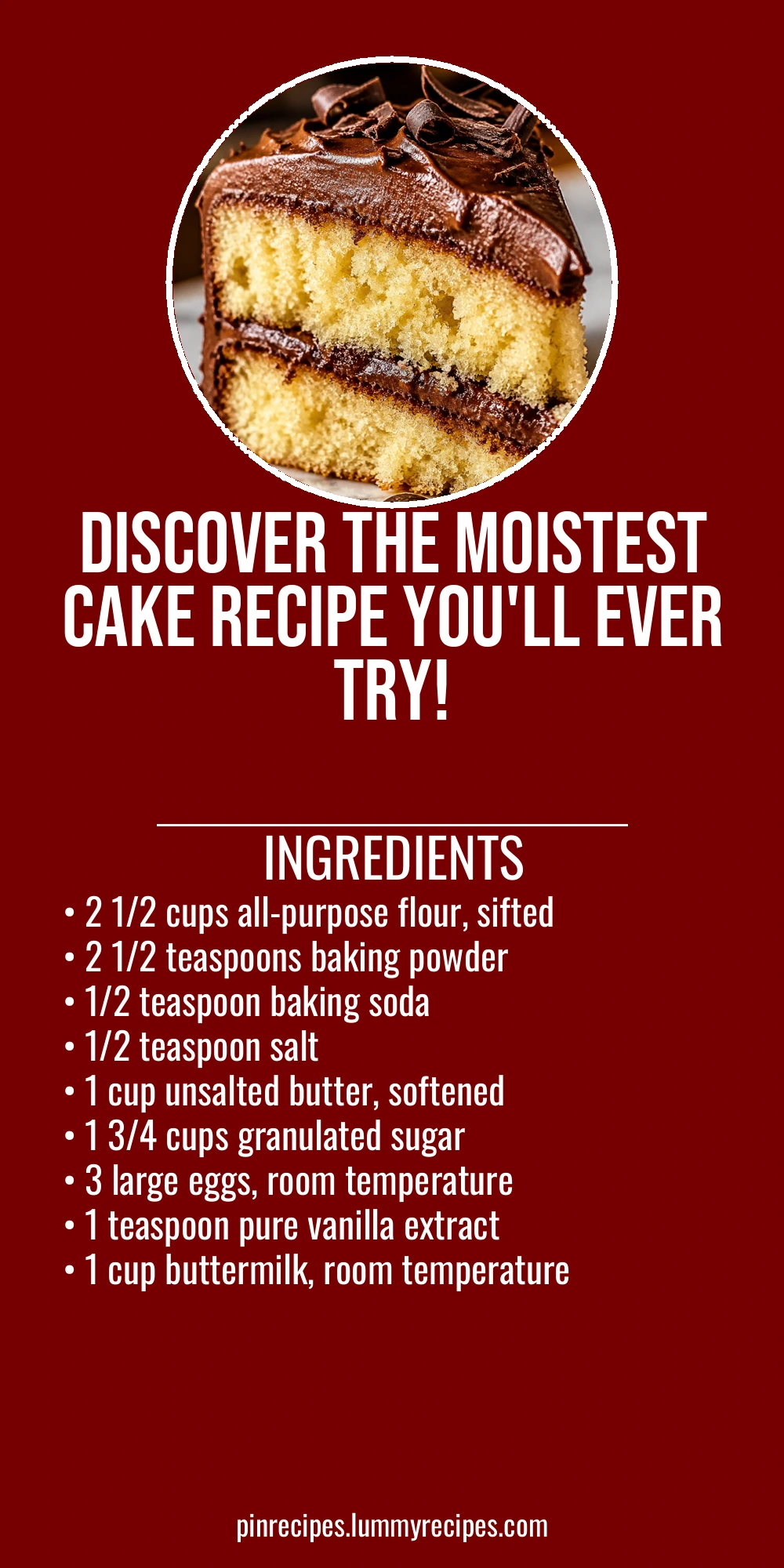
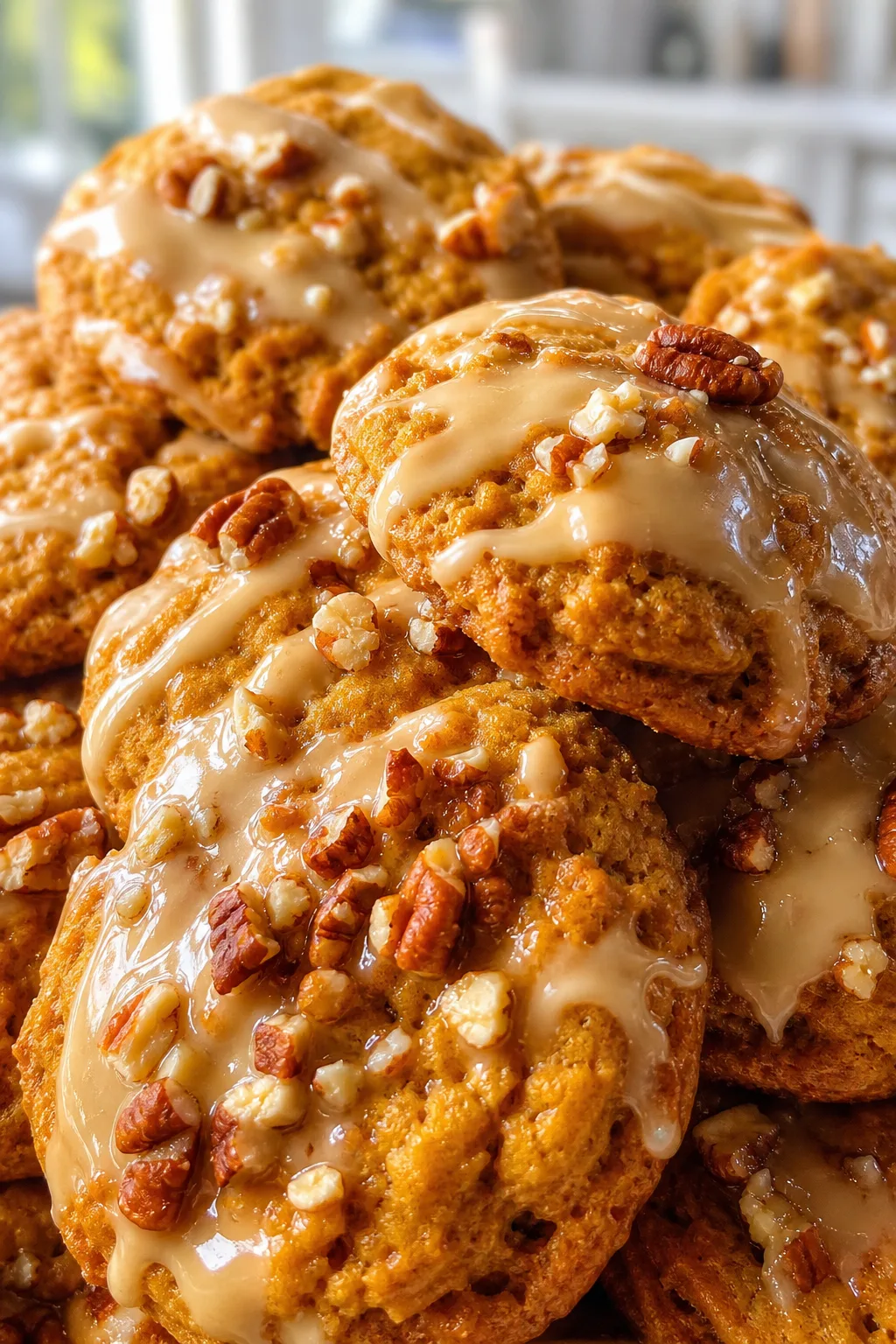
This cake is a family favorite—super moist and fluffy with a tender crumb. The secret? Buttermilk and a touch of vanilla make it irresistible. Great for birthdays or any special occasion!
Introduction
I first stumbled upon this cake recipe years ago while searching for a simple but truly delicious dessert to make for my family. What sets this cake apart is its perfect balance of moistness and fluffiness—something I struggled to achieve with other recipes. The trick I learned was using buttermilk and sifting the dry ingredients carefully, which really lifts the texture and flavor. I remember the first time I baked it, my kids declared it the best cake ever, and it’s been a staple ever since. It’s not too sweet, just right, and the vanilla adds a warm, comforting note. Plus, it’s straightforward enough for a weeknight treat but fancy enough for birthdays or celebrations. You’ll love how it rises beautifully and stays tender even the next day. It’s the kind of cake that feels like a warm hug from the inside out.
What You'll Need
One 9-inch round cake, 8 servings
- 2 1/2 cups all-purpose flour, sifted
- 2 1/2 teaspoons baking powder
- 1/2 teaspoon baking soda
- 1/2 teaspoon salt
- 1 cup unsalted butter, softened
- 1 3/4 cups granulated sugar
- 3 large eggs, room temperature
- 1 teaspoon pure vanilla extract
- 1 cup buttermilk, room temperature
How To Do It
Step 1
Preheat your oven to 350°F (175°C). Grease and flour a 9-inch round cake pan to prevent sticking. This step ensures your cake releases easily after baking, keeping the edges intact and looking pretty. If you skip this, you might end up with a crumbly mess or a cake stuck to the pan.
⏱ Time: 10 minutes
✓ Doneness: Pan is evenly coated with a thin layer of butter and flour, no clumps
Step 2
In a medium bowl, sift together the flour, baking powder, baking soda, and salt. Sifting aerates the flour and helps distribute the leavening agents evenly, which is key for a light, fluffy cake. Skipping this can cause dense spots or uneven rising.
⏱ Time: 5 minutes
✓ Doneness: Dry ingredients are well combined and light, with no lumps
Step 3
In a large bowl, beat the softened butter and sugar together until light and fluffy, about 3-5 minutes. This creaming process incorporates air, which helps the cake rise and gives it a tender crumb. Don’t rush this step; under-creaming can result in a denser cake.
⏱ Time: 5 minutes
✓ Doneness: Butter and sugar mixture is pale in color and fluffy in texture
Step 4
Add eggs one at a time, beating well after each addition. This helps the eggs incorporate fully and stabilizes the batter. If you add them all at once, the batter may curdle and the texture suffer.
⏱ Time: 3 minutes
✓ Doneness: Batter is smooth and shiny without streaks of egg white
Step 5
Mix in the vanilla extract. It may seem small, but vanilla adds a rich, warm flavor that makes the cake taste homemade and comforting. Use pure vanilla extract for the best flavor.
⏱ Time: 1 minute
✓ Doneness: Vanilla is evenly mixed into the batter
Step 6
Add the dry ingredients in three parts, alternating with the buttermilk in two parts, beginning and ending with the flour mixture. Mix gently after each addition to avoid overworking the batter, which can make the cake tough. The buttermilk tenderizes and reacts with baking soda for lift.
⏱ Time: 5 minutes
✓ Doneness: Batter is smooth, thick but pourable, no flour streaks
Step 7
Pour the batter into the prepared pan and smooth the top with a spatula. This helps the cake bake evenly and rise uniformly. Avoid tapping the pan too much, or you’ll lose the air you just worked to build.
⏱ Time: 2 minutes
✓ Doneness: Batter is level and evenly spread in the pan
Step 8
Bake for 28-32 minutes, until a toothpick inserted in the center comes out clean or with a few moist crumbs. Oven temperatures vary, so start checking at 28 minutes. Overbaking dries the cake, underbaking leaves it gooey.
⏱ Time: 28-32 minutes
✓ Doneness: Toothpick test passes with no wet batter
Step 9
Let the cake cool in the pan for 10 minutes, then turn out onto a wire rack to cool completely. Cooling in the pan too long traps moisture and can make the bottom soggy. Cooling on a rack lets air circulate and keeps the texture perfect.
⏱ Time: 15-20 minutes
✓ Doneness: Cake is cool to the touch and no longer steaming
Pro Tips
Always sift your dry ingredients before mixing.
Sifting aerates the flour and evenly distributes leavening agents, which helps the cake rise uniformly and prevents dense spots. Skipping this can lead to a heavier texture and uneven crumb.
Use room temperature ingredients for better mixing.
Butter, eggs, and buttermilk at room temperature blend more smoothly, creating a uniform batter that traps air effectively. Cold ingredients can cause curdling or uneven texture.
Bake at the correct temperature and check doneness early.
Ovens vary, so start checking a few minutes before the suggested time to avoid overbaking, which dries out the cake.
Cream butter and sugar until pale and fluffy.
This step incorporates air into the batter, which helps the cake rise and gives it a light texture. Rushing this step results in a denser cake.
Use fresh baking powder and soda.
Old leavening agents lose potency, leading to flat, dense cakes. Test baking powder by dropping a small amount in hot water—it should bubble vigorously if fresh.
Grease and flour your pan thoroughly.
This ensures the cake releases cleanly without sticking, preserving its shape and appearance.
Common Mistakes to Avoid
Using cold ingredients straight from the fridge
Why it happens Many assume cold ingredients are fine, but they don’t combine well and can cause curdling or uneven batter.
Fix Plan ahead to let eggs, butter, and buttermilk come to room temperature before mixing. This ensures smooth emulsification and better texture.
Overmixing the batter after adding flour
Why it happens Eager to get the batter ready, some mix too vigorously, thinking it’s better.
Fix Mix gently and only until the flour disappears. This prevents gluten overdevelopment and keeps the cake tender.
Not checking oven temperature or baking time
Why it happens Ovens can run hot or cold, and following times blindly can lead to over or underbaking.
Fix Use an oven thermometer if possible and start checking the cake a few minutes before the timer. Use the toothpick test for doneness.
Skipping the greasing and flouring of the pan
Why it happens Some think nonstick pans don’t need it or want to save time.
Fix Always grease and flour your pan to prevent sticking and ensure a clean release.
Using old baking powder or baking soda
Why it happens Leavening agents lose potency over time but often get overlooked.
Fix Check the expiration date and test freshness by mixing a small amount in hot water; it should bubble actively.
Variations
Lemon Zest Cake
Add 2 tablespoons of finely grated lemon zest to the batter and swap vanilla for lemon extract. This adds a fresh, bright flavor perfect for spring or summer gatherings.
Note: The acidity of lemon zest pairs well with buttermilk, but avoid adding extra lemon juice to keep the batter balanced.
Chocolate Swirl Cake
Stir in 1/3 cup cocoa powder with 1/4 cup of the flour and swirl melted chocolate into half the batter before baking. Expect a marbled look and a richer, chocolatey taste.
Note: Don’t overmix after adding cocoa to keep the swirls distinct and the texture tender.
Spiced Cinnamon Cake
Add 1 teaspoon ground cinnamon and 1/4 teaspoon nutmeg to the dry ingredients for a warm, cozy flavor that’s perfect for fall and winter desserts.
Note: Spices can slightly affect rise, so stick to the recommended amounts to maintain texture.
Gluten-Free Cake
Use a 1-to-1 gluten-free baking flour blend in place of all-purpose flour. The texture will be slightly different but still moist and delicious.
Note: Gluten-free flours absorb liquid differently; you may need to add a tablespoon more buttermilk if the batter seems too thick.
Vanilla Almond Cake
Replace 1/2 cup of flour with finely ground almond flour and add 1/2 teaspoon almond extract along with vanilla. This creates a nutty, moist cake with a delicate almond flavor.
Note: Almond flour adds moisture and density; be careful not to overmix to keep the crumb light.
Nutrition
Per Serving:
Nutritional values are estimates and may vary based on specific ingredients used.
Storage & Tips
Room Temperature
This cake keeps well at room temperature for up to 2 days if covered tightly with plastic wrap or stored in an airtight container. Avoid leaving it uncovered as it will dry out quickly.
Refrigerator
Store the cake in an airtight container for up to 5 days. It may firm up in the fridge, so bring it to room temperature before serving or warm slightly in the microwave for a few seconds to restore softness.
Freezer
Wrap the cooled cake tightly in plastic wrap and then foil to prevent freezer burn. Freeze for up to 3 months. Thaw overnight in the refrigerator or at room temperature. Reheat gently to regain freshness.
Reheating
Warm slices in the microwave on medium power for 15-20 seconds or in a 300°F oven wrapped in foil for 10 minutes. Adding a small dab of butter or a splash of milk before warming can help keep it moist.
Make Ahead
You can prepare the batter a day ahead and keep it refrigerated, but bake fresh for best results. Alternatively, bake the cake layers in advance, wrap well, and assemble with frosting on the day of serving.
FAQ
Can I substitute regular milk for buttermilk?
You can, but the cake won’t be as tender or rise as well because buttermilk’s acidity is key for reacting with baking soda. To mimic buttermilk, add 1 tablespoon lemon juice or vinegar to 1 cup milk and let it sit for 5 minutes before using.
What if I don’t have a mixer to cream butter and sugar?
You can cream by hand using a wooden spoon or whisk, but it will take longer—about 7-10 minutes. The goal is to incorporate air, so be patient and beat until the mixture is pale and fluffy.
How can I tell when the cake is done without a toothpick?
The cake’s edges will start to pull away from the pan, and it will spring back when lightly pressed in the center. The top should be golden and not jiggle when you gently shake the pan.
Can I use salted butter instead of unsalted?
Yes, but reduce or omit added salt in the recipe to avoid over-salting. Unsalted butter gives you more control over seasoning.
Why did my cake turn out dense and heavy?
Common causes include overmixing the batter, old leavening agents, or using cold ingredients. Make sure to mix gently, use fresh baking powder/soda, and have all ingredients at room temperature.
Can I make this cake vegan?
This recipe relies on eggs and dairy for structure and moisture, so it’s not easily veganized without major substitutions. For a vegan version, look for recipes designed specifically with plant-based ingredients.
How do I store leftover cake with frosting?
Keep frosted cake covered in an airtight container or cake dome at room temperature for up to 2 days or refrigerated for up to 5 days. Bring to room temperature before serving for best flavor.
Can I double this recipe for a larger cake?
Yes, doubling works well. Use two pans or a larger pan and adjust baking time accordingly—start checking doneness a few minutes earlier to avoid overbaking.
Final Thoughts
I hope you enjoy making and sharing this best cake recipe ever with your loved ones. It’s a simple pleasure that never fails to bring smiles—give it a try and let me know how it turns out!