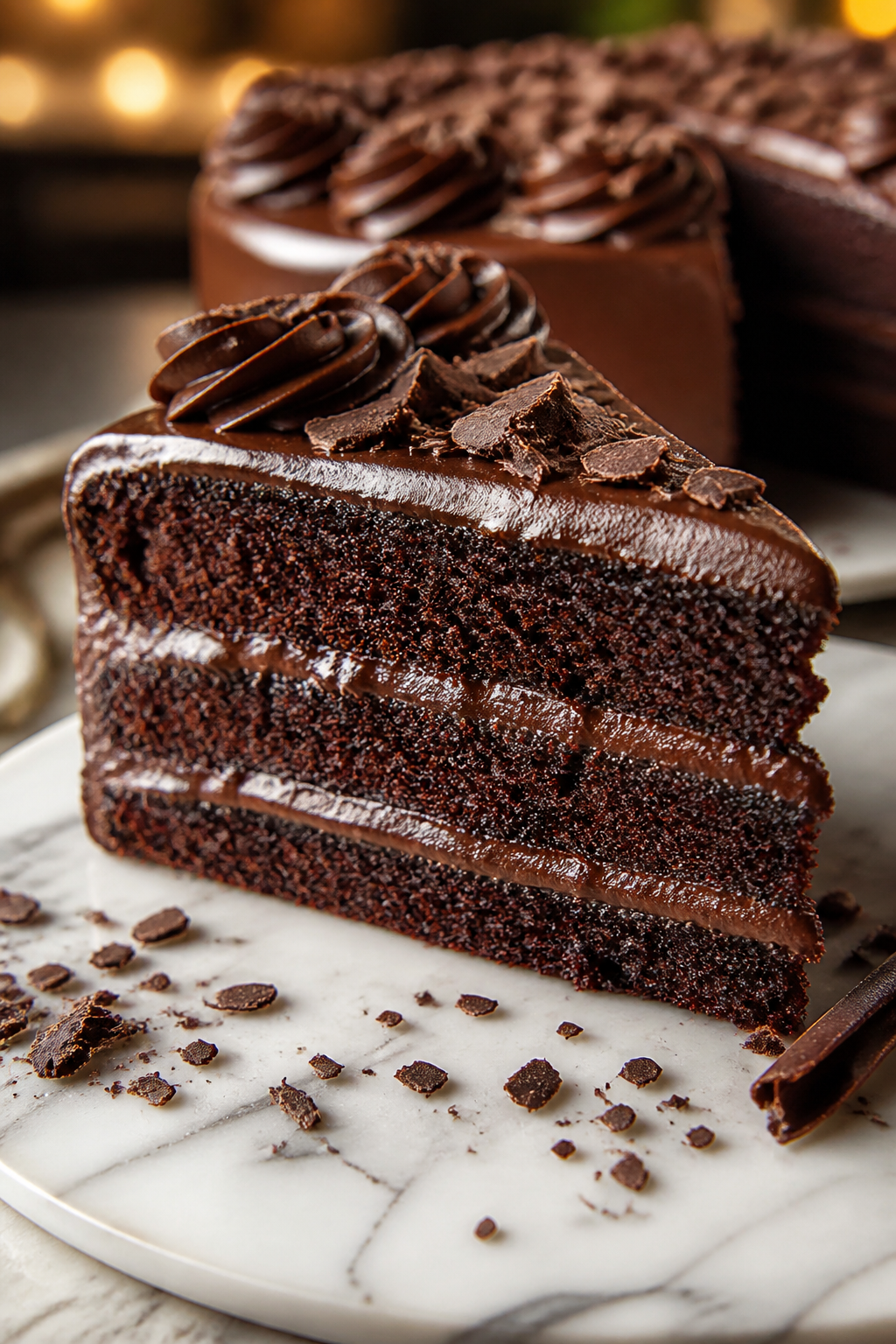
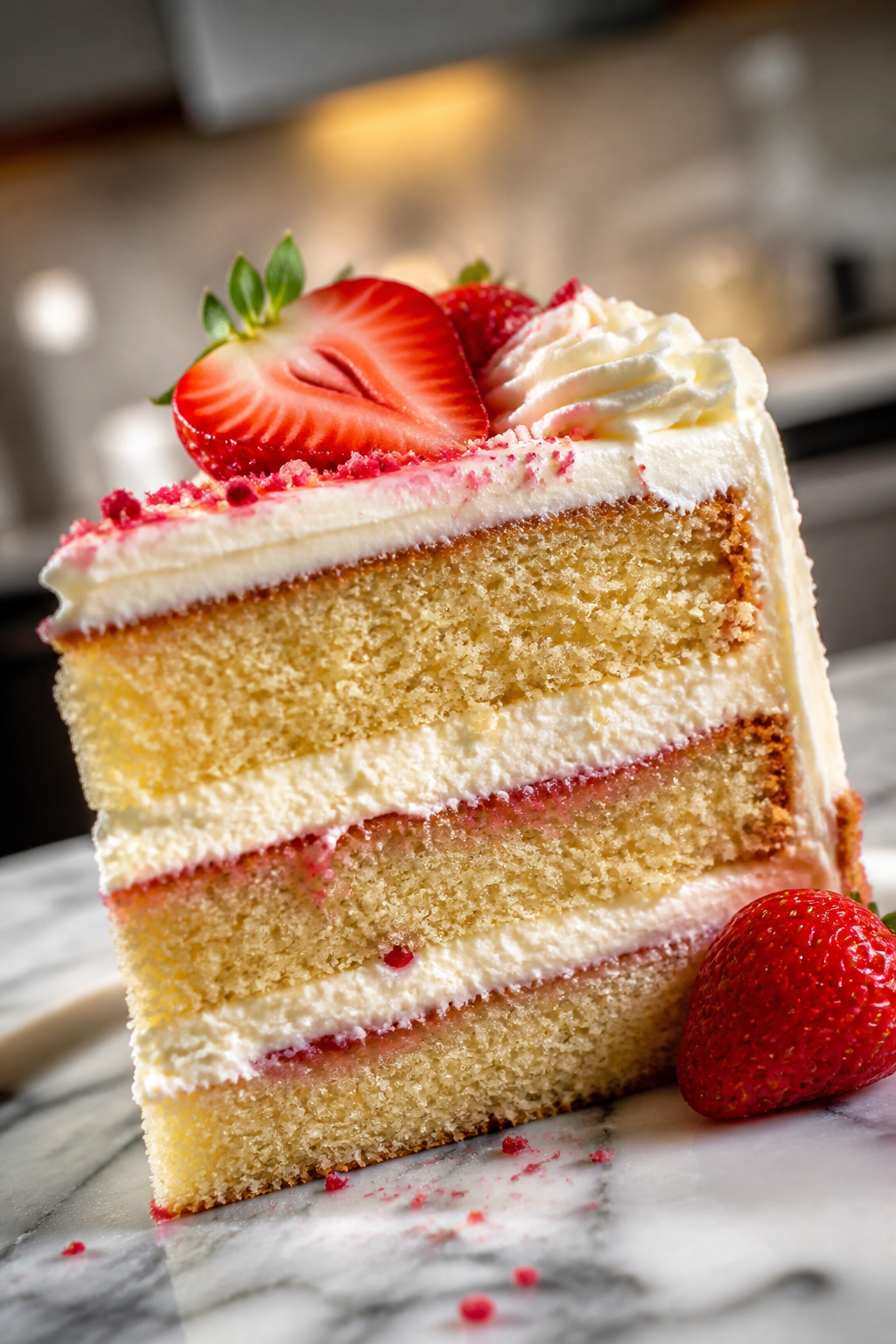
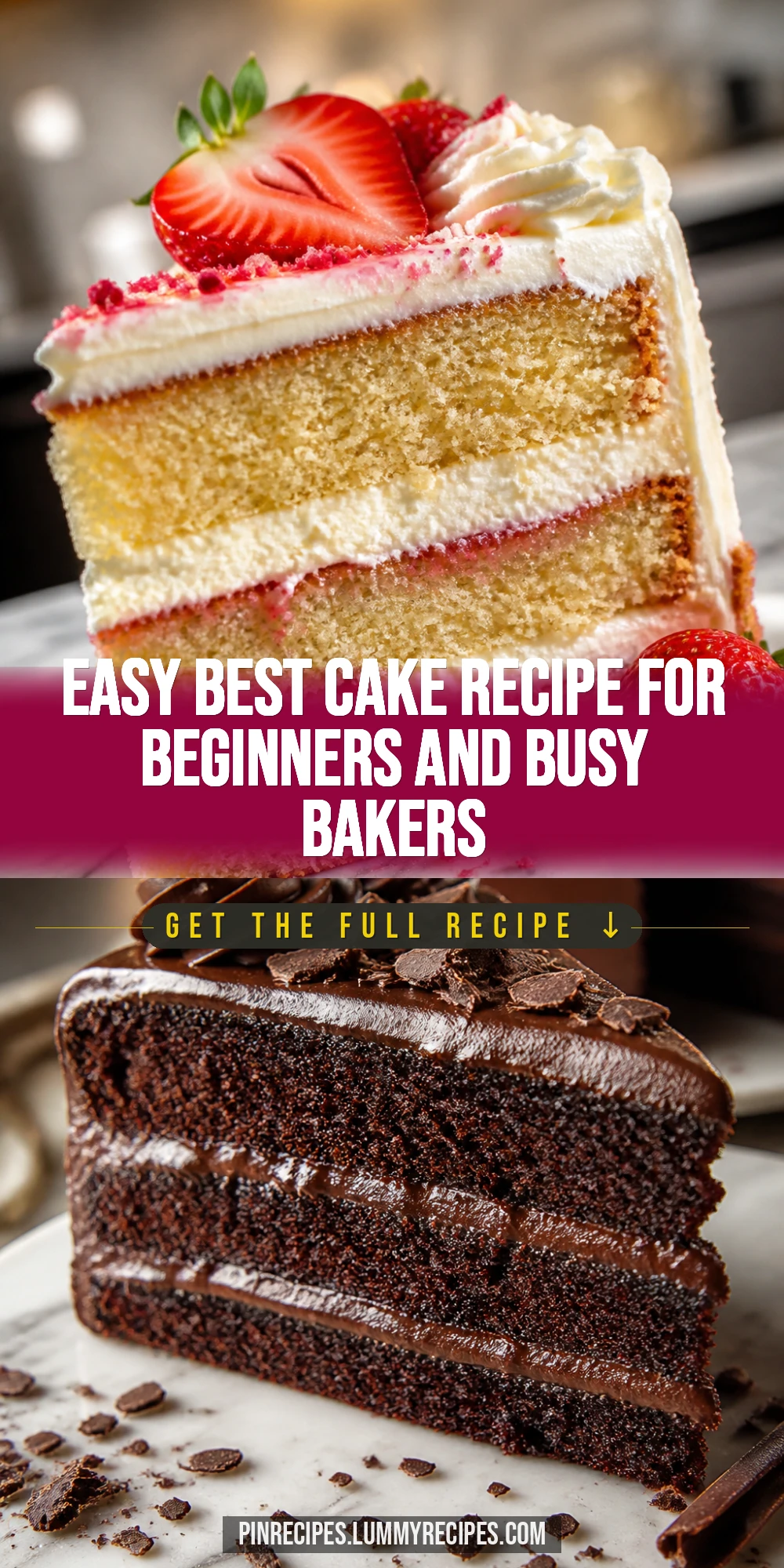
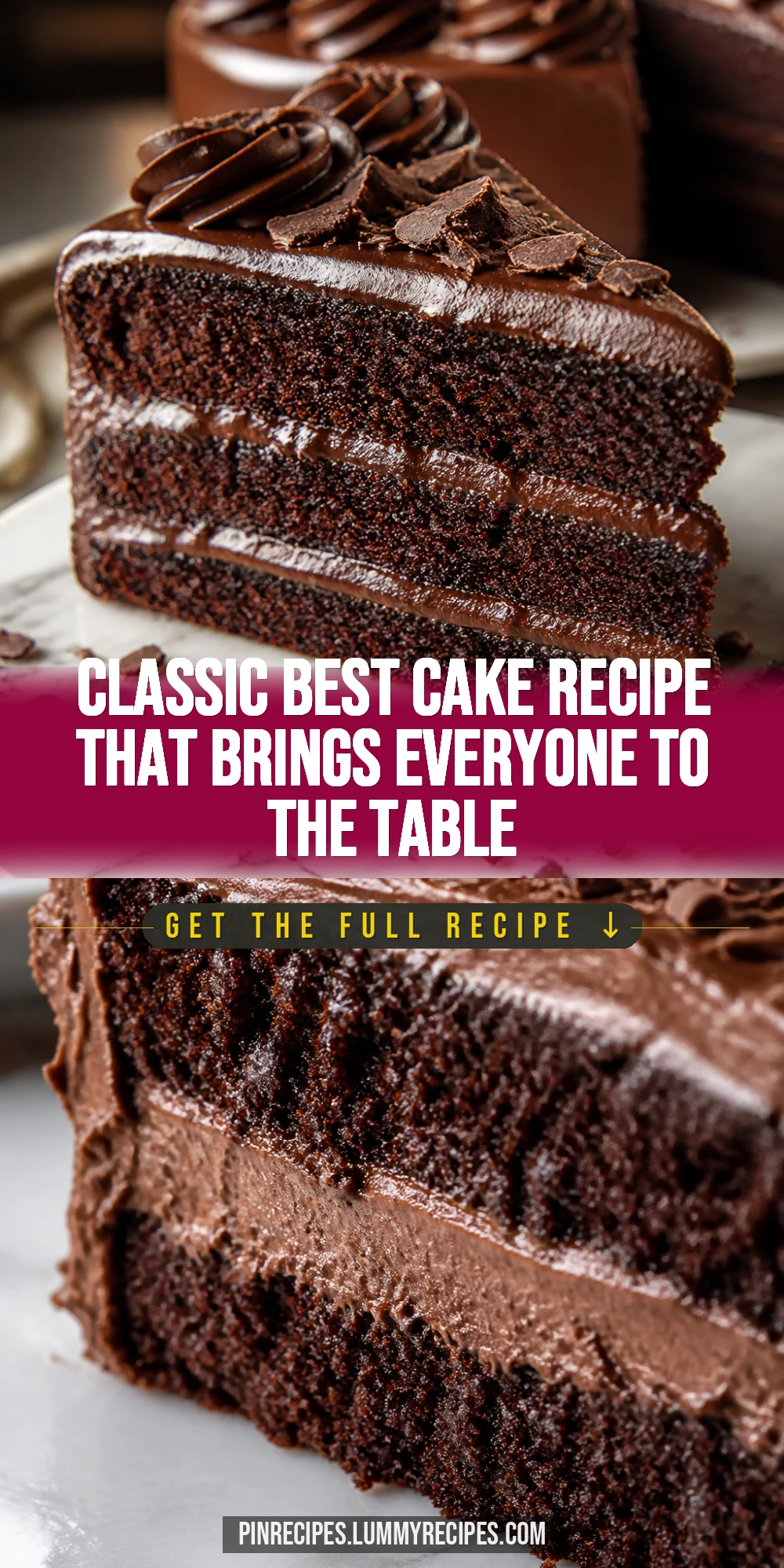
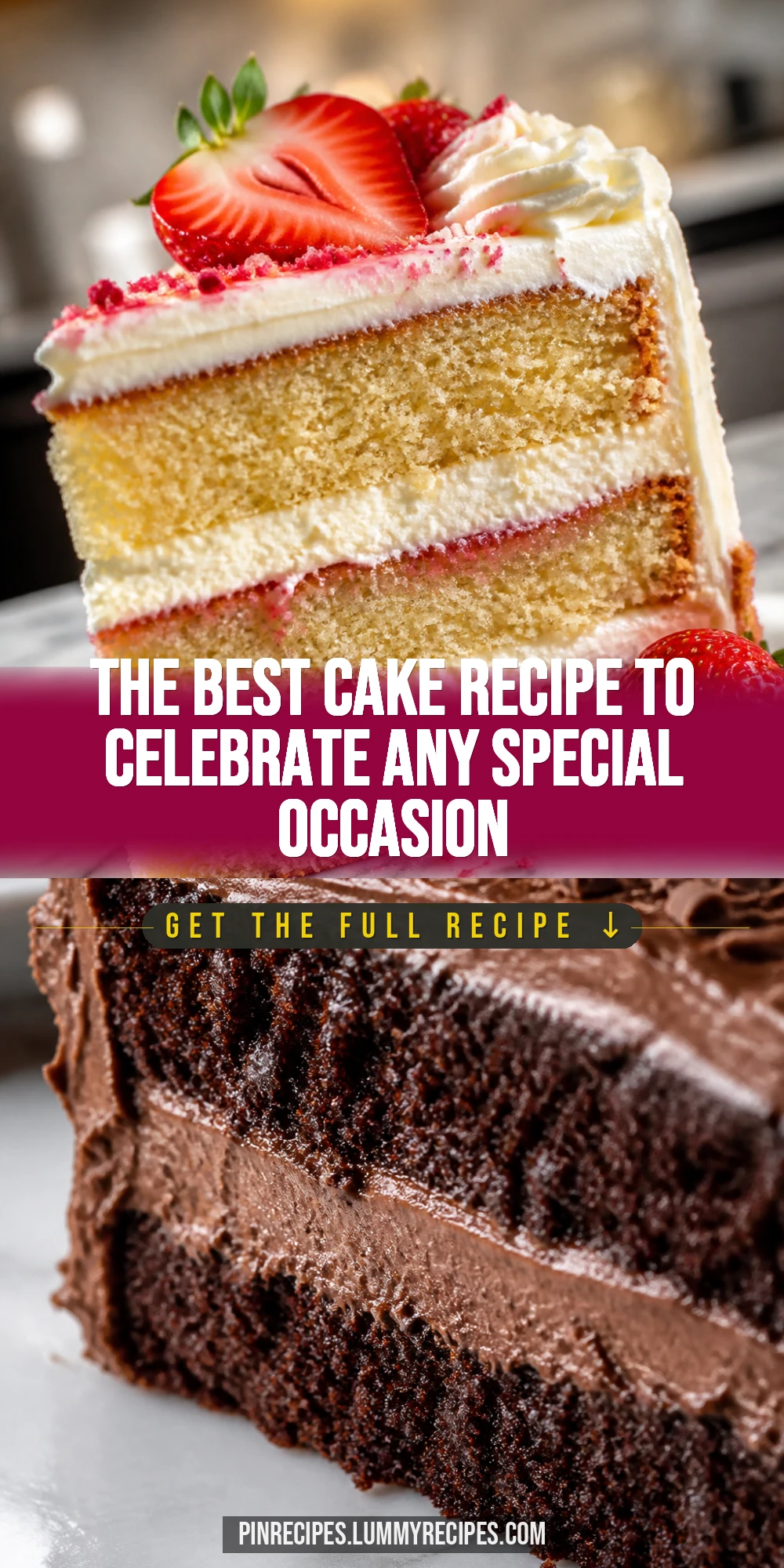
This cake recipe is my go-to for any celebration or just because. It’s moist, tender, and uses simple ingredients you probably have on hand. The secret? Buttermilk and a gentle hand when mixing. Perfect for birthdays or Sunday tea!
Introduction
I’ve been making this cake recipe for years—ever since my mom shared it with me when I was just learning to bake. It’s one of those recipes that feels like a warm hug: simple, reliable, and always delicious. What I love most about this version is how it balances moistness with a tender crumb, thanks to the buttermilk and the gentle mixing technique I picked up after a few trial-and-error attempts. Early on, I used to overmix the batter, which made the cake tough, but now I know to stop as soon as the ingredients just come together. The result is a soft, fluffy cake that’s perfect for birthdays, family dinners, or just a weekend treat. It’s not fancy, but it’s the kind of dessert that everyone asks for again and again. Plus, it’s super forgiving, so even if you’re not a pro baker, you’ll have great success. The golden crust and subtle vanilla aroma when it’s baking always make my kitchen feel cozy and inviting. I hope you enjoy baking and sharing this cake as much as I do!
What You'll Need
One 9-inch round cake, 8 servings
- 2 1/2 cups all-purpose flour, sifted
- 2 1/2 teaspoons baking powder
- 1/2 teaspoon baking soda
- 1/2 teaspoon salt
- 1 cup unsalted butter, softened
- 1 3/4 cups granulated sugar
- 3 large eggs, room temperature
- 1 teaspoon pure vanilla extract
- 1 cup buttermilk, room temperature
How To Do It
Step 1
Preheat your oven to 350°F (175°C). Grease and flour a 9-inch round cake pan to ensure the cake releases easily after baking. This step is crucial because it prevents sticking and helps your cake maintain its shape. Using a good-quality pan and properly preparing it sets you up for a smooth baking experience.
⏱ Time: 10 minutes
✓ Doneness: Pan is evenly greased with no dry spots or excess flour clumps
Step 2
In a medium bowl, whisk together the sifted flour, baking powder, baking soda, and salt. Sifting aerates the flour and helps distribute the leavening agents evenly, which is key for a light, fluffy texture. Skipping this can lead to dense spots or uneven rising.
⏱ Time: 5 minutes
✓ Doneness: Dry ingredients are well combined with no lumps
Step 3
In a large bowl, beat the softened butter and sugar together until light and fluffy, about 3-5 minutes. This creaming process incorporates air into the batter, which helps the cake rise and gives it a tender crumb. Don’t rush this step; patience here pays off in texture.
⏱ Time: 5 minutes
✓ Doneness: Mixture is pale in color and fluffy in texture
Step 4
Add the eggs one at a time, beating well after each addition. This helps emulsify the batter and prevents it from curdling. If you add eggs too quickly, the batter can separate, which affects the cake’s texture and rise.
⏱ Time: 3-4 minutes
✓ Doneness: Batter is smooth and glossy with no streaks of egg visible
Step 5
Mix in the vanilla extract for flavor. Use pure vanilla extract for the best taste; imitation can sometimes add a bitter note. Stir just until combined to keep the batter light.
⏱ Time: 1 minute
✓ Doneness: Vanilla is evenly distributed with no pockets of liquid
Step 6
Add the dry ingredients in three parts, alternating with the buttermilk in two parts. Start and end with the dry ingredients. Mix gently after each addition to avoid overmixing, which can develop gluten and make the cake tough. Use a spatula or low mixer speed for this step.
⏱ Time: 5 minutes
✓ Doneness: Batter is smooth, no flour pockets, and slightly thick but pourable
Step 7
Pour the batter into the prepared pan and smooth the top with a spatula. Tap the pan gently on the counter to release any large air bubbles, which can cause holes in the cake. This step ensures an even crumb and a smooth surface.
⏱ Time: 2 minutes
✓ Doneness: Batter is evenly spread with no visible air bubbles
Step 8
Bake in the preheated oven for 28-32 minutes, or until a toothpick inserted in the center comes out clean or with a few moist crumbs. Avoid opening the oven door frequently as it can cause the cake to sink. The golden-brown crust and vanilla aroma are good indicators of doneness.
⏱ Time: 30 minutes
✓ Doneness: Toothpick test passes; cake springs back when lightly pressed
Step 9
Let the cake cool in the pan for 10 minutes, then turn out onto a wire rack to cool completely. Cooling in the pan too long traps moisture and can make the crust soggy. Proper cooling preserves the tender texture and allows for easier frosting or slicing.
⏱ Time: 15-20 minutes
✓ Doneness: Cake is cool to the touch and holds its shape when handled
Pro Tips
Always bring eggs and buttermilk to room temperature before mixing.
Cold ingredients can cause the batter to curdle or not combine properly, leading to uneven texture or poor rise. Room temperature ingredients blend more smoothly, resulting in a tender, uniform crumb.
Don’t overmix the batter after adding flour.
Overmixing develops gluten, which makes the cake dense and chewy rather than soft and tender. Mix just until the flour disappears to keep the crumb light.
Use fresh baking powder and baking soda.
Leavening agents lose potency over time. Fresh ones ensure the cake rises properly and has the right texture. Old leaveners can cause flat or heavy cakes.
Cream butter and sugar until pale and fluffy.
This step incorporates air into the batter, helping the cake rise and giving it a light texture. Skipping or rushing it leads to a denser cake.
Sift dry ingredients together.
Sifting aerates the flour and evenly distributes baking powder and soda. This prevents clumps and uneven rising.
Alternate adding dry ingredients and buttermilk.
This helps maintain a smooth batter and prevents overmixing. It also ensures even hydration of the flour.
Allow the cake to cool in the pan briefly before removing.
Cooling slightly helps the cake firm up so it doesn’t break apart when you take it out. But don’t wait too long or the crust will get soggy.
Common Mistakes to Avoid
Overmixing the batter after adding flour
Why it happens Many home cooks think mixing longer will make the batter smoother, but it actually develops gluten, making the cake tough.
Fix Mix just until the flour disappears. Use a spatula and fold gently instead of vigorous stirring or beating.
Using cold ingredients
Why it happens Sometimes ingredients come straight from the fridge, which can cause the batter to curdle or not blend well.
Fix Bring eggs, butter, and buttermilk to room temperature before starting. This ensures a smooth batter and proper rise.
Opening the oven door too early
Why it happens Impatience or curiosity can cause bakers to peek before the cake sets, causing it to sink.
Fix Wait at least 25 minutes before checking. Use the toothpick test to confirm doneness.
Not preparing the pan properly
Why it happens Skipping greasing or flouring can cause sticking and broken cake tops.
Fix Grease the pan thoroughly and dust with flour, tapping out excess, to ensure easy release.
Using expired leavening agents
Why it happens Old baking powder or soda lose their rising power, leading to dense cakes.
Fix Check expiration dates and replace if needed for reliable results.
Variations
Lemon Buttermilk Cake
Add 2 tablespoons of fresh lemon juice and 1 tablespoon of lemon zest to the batter for a bright, citrusy twist. This variation is refreshing and pairs well with a simple glaze or cream cheese frosting.
Note: Reduce vanilla slightly to balance flavors. The acidity of lemon complements the buttermilk and enhances tenderness.
Chocolate Swirl Cake
Fold in 1/3 cup of melted semi-sweet chocolate into half the batter, then swirl into the plain batter in the pan. This creates a marbled effect and adds a rich chocolate flavor without overpowering the classic base.
Note: Cool the melted chocolate slightly before folding to avoid cooking the eggs.
Spiced Cinnamon Cake
Add 1 teaspoon ground cinnamon and 1/4 teaspoon nutmeg to the dry ingredients for a warm, cozy flavor perfect for fall or winter gatherings.
Note: Be careful not to add too much spice to keep the cake balanced and not overpower the vanilla.
Vanilla Bean Cake
Use the seeds from one vanilla bean pod instead of extract for a more intense vanilla flavor and beautiful speckles throughout the cake. This makes the cake feel extra special for celebrations.
Note: Split the pod and scrape seeds carefully; add seeds with the wet ingredients.
Gluten-Free Best Cake
Replace all-purpose flour with a gluten-free blend that includes xanthan gum. This allows those with gluten sensitivities to enjoy the same tender, moist cake with minimal changes in texture.
Note: Check your gluten-free blend ingredients and adjust baking powder slightly if needed for rise.
Nutrition
Per Serving:
Nutritional values are estimates and may vary based on specific ingredients used.
Storage & Tips
Room Temperature
Store the cooled cake covered loosely with foil or a cake dome at room temperature for up to 2 days. Avoid direct sunlight or heat which can dry it out.
Refrigerator
Keep the cake in an airtight container or wrapped tightly in plastic wrap for up to 5 days. Refrigeration can dry the cake slightly, so bring to room temperature before serving or add a light frosting to retain moisture.
Freezer
Wrap the cake tightly in plastic wrap and then foil to prevent freezer burn. Freeze for up to 3 months. Thaw overnight in the refrigerator or at room temperature wrapped to retain moisture.
Reheating
Warm slices gently in the microwave for 10-15 seconds or in a low oven (300°F) for 5-7 minutes to refresh softness. Avoid overheating which can dry the cake. Adding a splash of milk to frosting or serving with cream helps restore moisture.
Make Ahead
You can bake the cake layers 1-2 days ahead and store wrapped in the fridge. Assemble and frost the day of serving for the freshest taste and best texture.
FAQ
Can I substitute regular milk for buttermilk in this cake?
Yes, you can use regular milk mixed with 1 tablespoon of vinegar or lemon juice per cup to mimic buttermilk’s acidity. Let it sit for 5 minutes before adding. This helps activate the baking soda and keeps the cake tender.
What if my cake turns out dense or heavy?
Dense cakes usually mean overmixing after adding flour or using expired leavening agents. Mix gently and check that your baking powder and soda are fresh. Also, ensure the oven temperature is accurate.
Can I make this cake in a different pan shape?
Absolutely! Adjust baking time based on pan size and depth. Thinner layers bake faster, so start checking for doneness earlier. Use similar volume pans for best results.
How do I prevent the cake from sticking to the pan?
Grease the pan thoroughly with butter or non-stick spray, then dust with flour, tapping out excess. Alternatively, use parchment paper on the bottom for easy removal.
Is it okay to use salted butter instead of unsalted?
You can, but reduce or omit added salt in the recipe to avoid an overly salty taste. Unsalted butter lets you control the salt level better.
Why did my cake sink in the middle?
Opening the oven door too early or not baking long enough can cause sinking. Also, too much leavening or underbaking leads to collapse. Follow baking times closely and avoid peeking until near the end.
Can I add frosting or fillings to this cake?
Yes! This cake pairs well with buttercream, cream cheese frosting, or simple glazes. You can slice the cake in half and add jam, whipped cream, or fruit for extra flavor.
How do I store leftover cake to keep it fresh?
Wrap leftovers tightly in plastic wrap or store in an airtight container at room temperature for up to 2 days, or refrigerate for up to 5 days. Bring to room temp before serving for best texture.
Final Thoughts
I hope you enjoy baking this cake as much as I do—it’s a simple, comforting recipe that never fails. Do try it out and let me know how your family loves it!