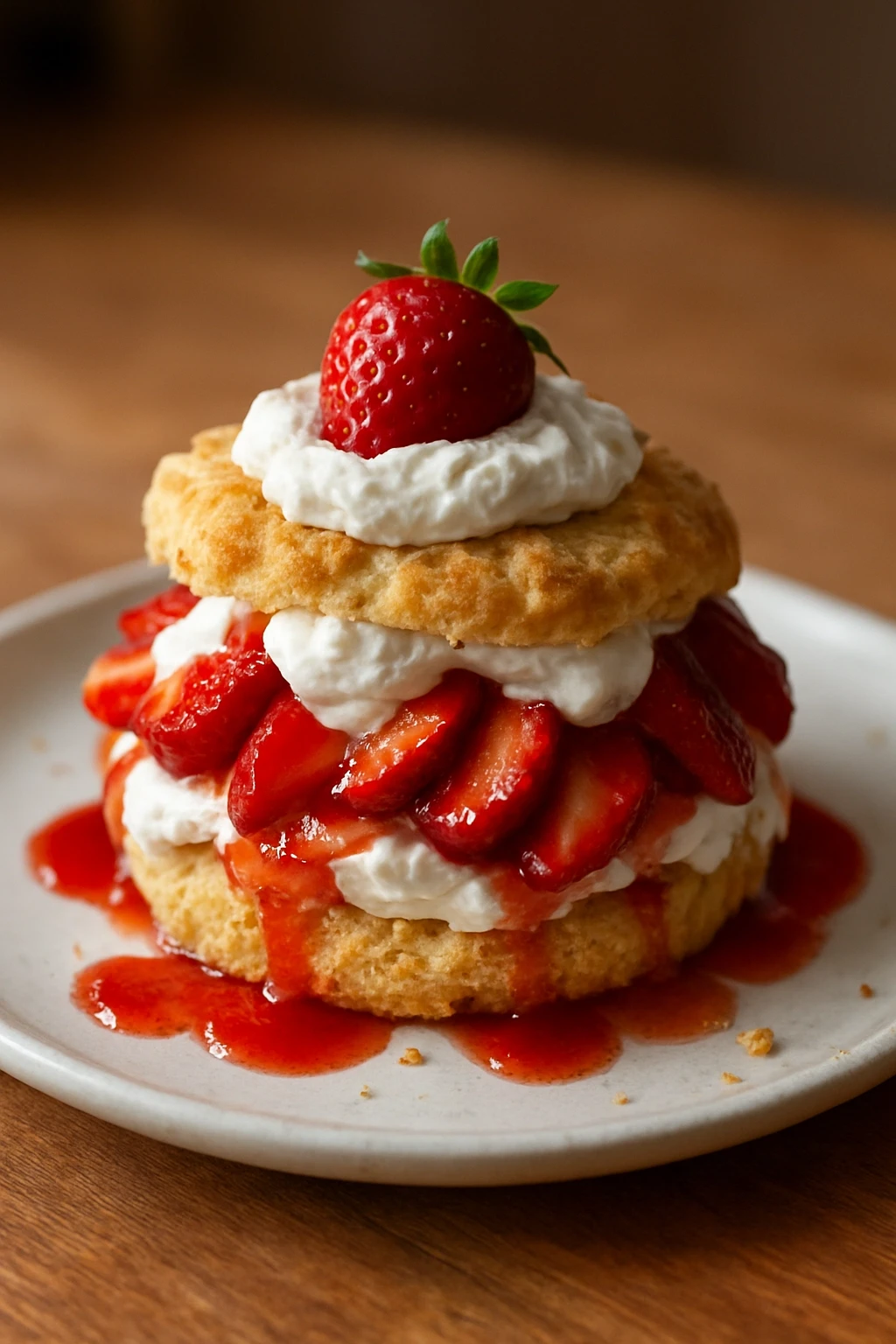
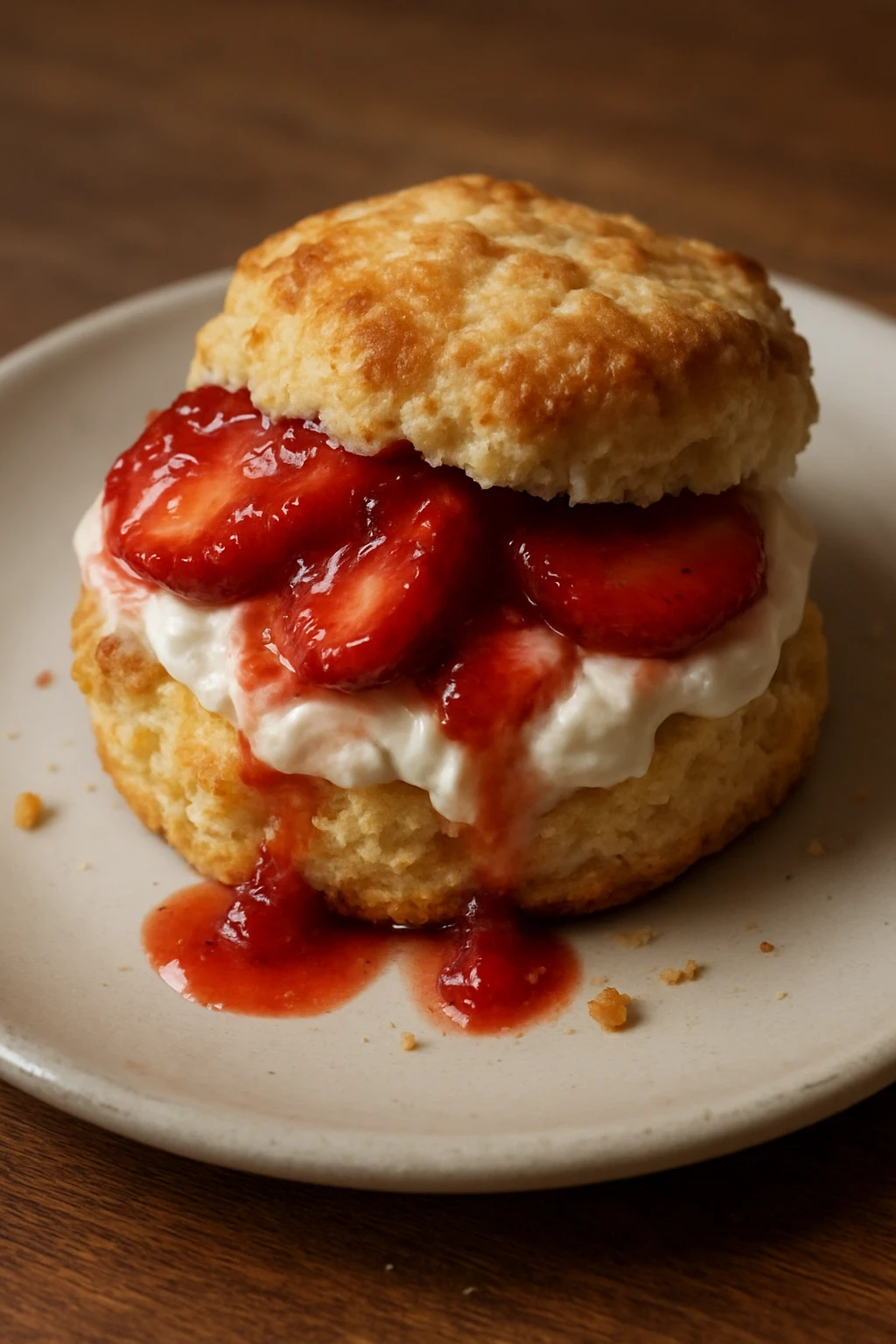
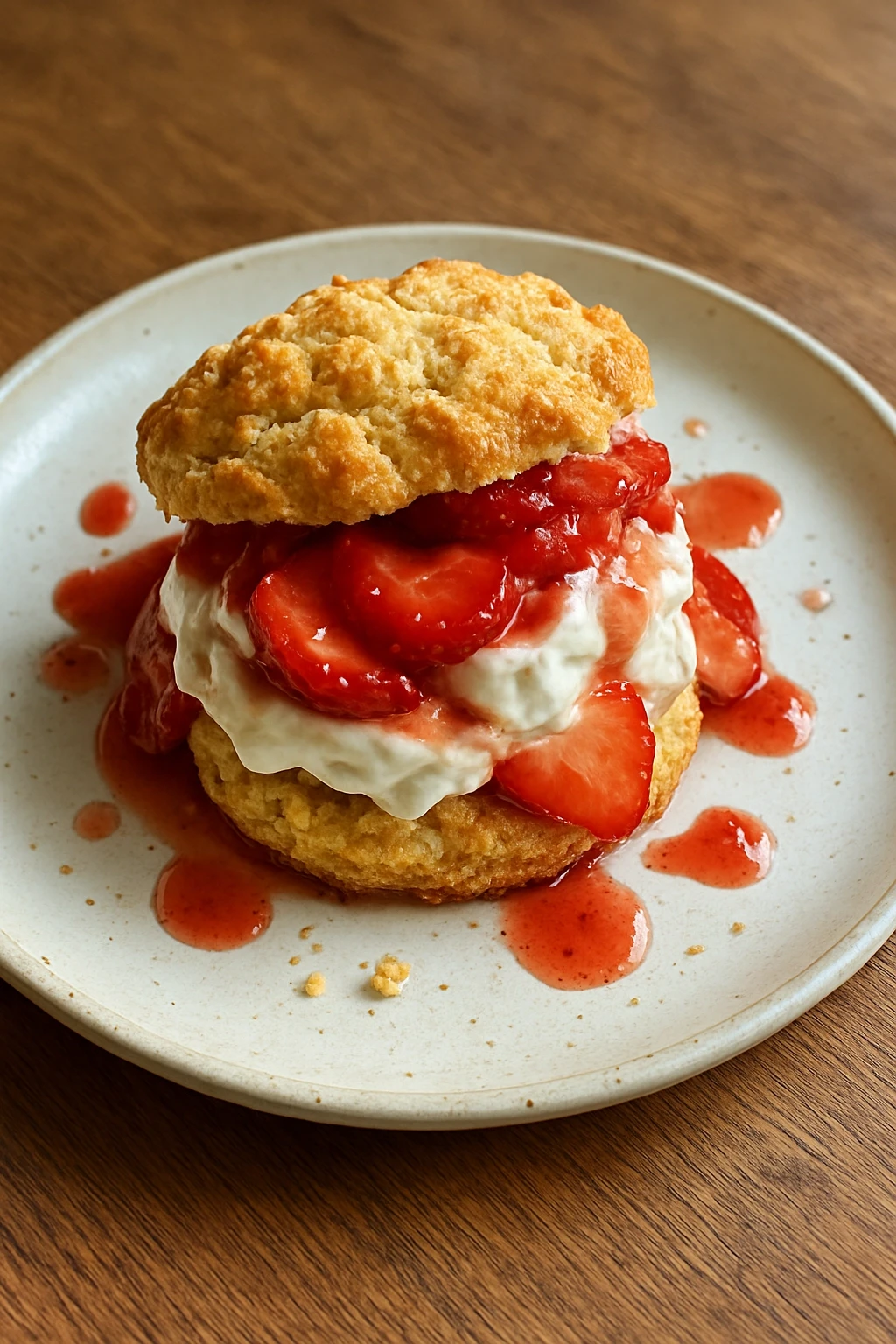
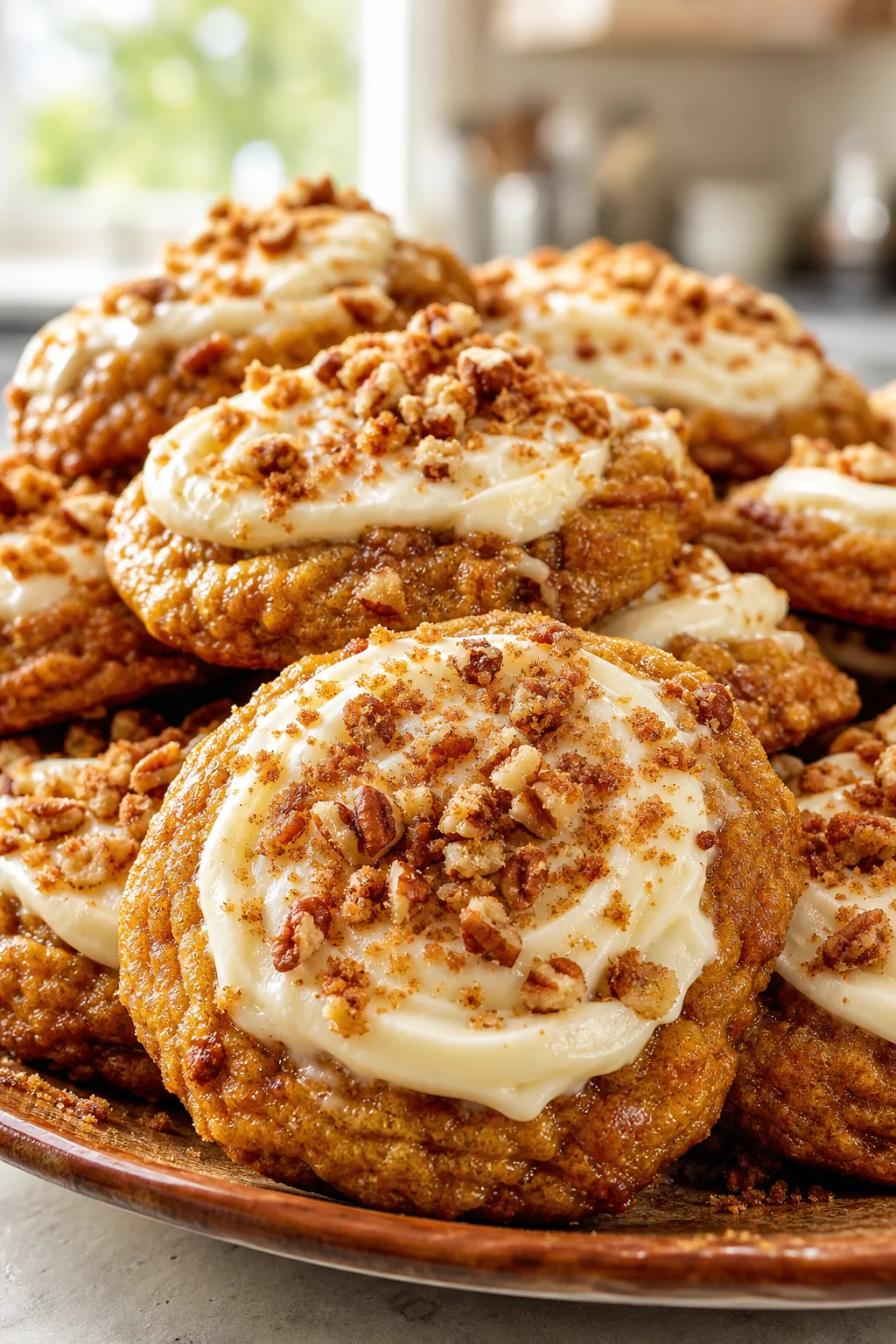
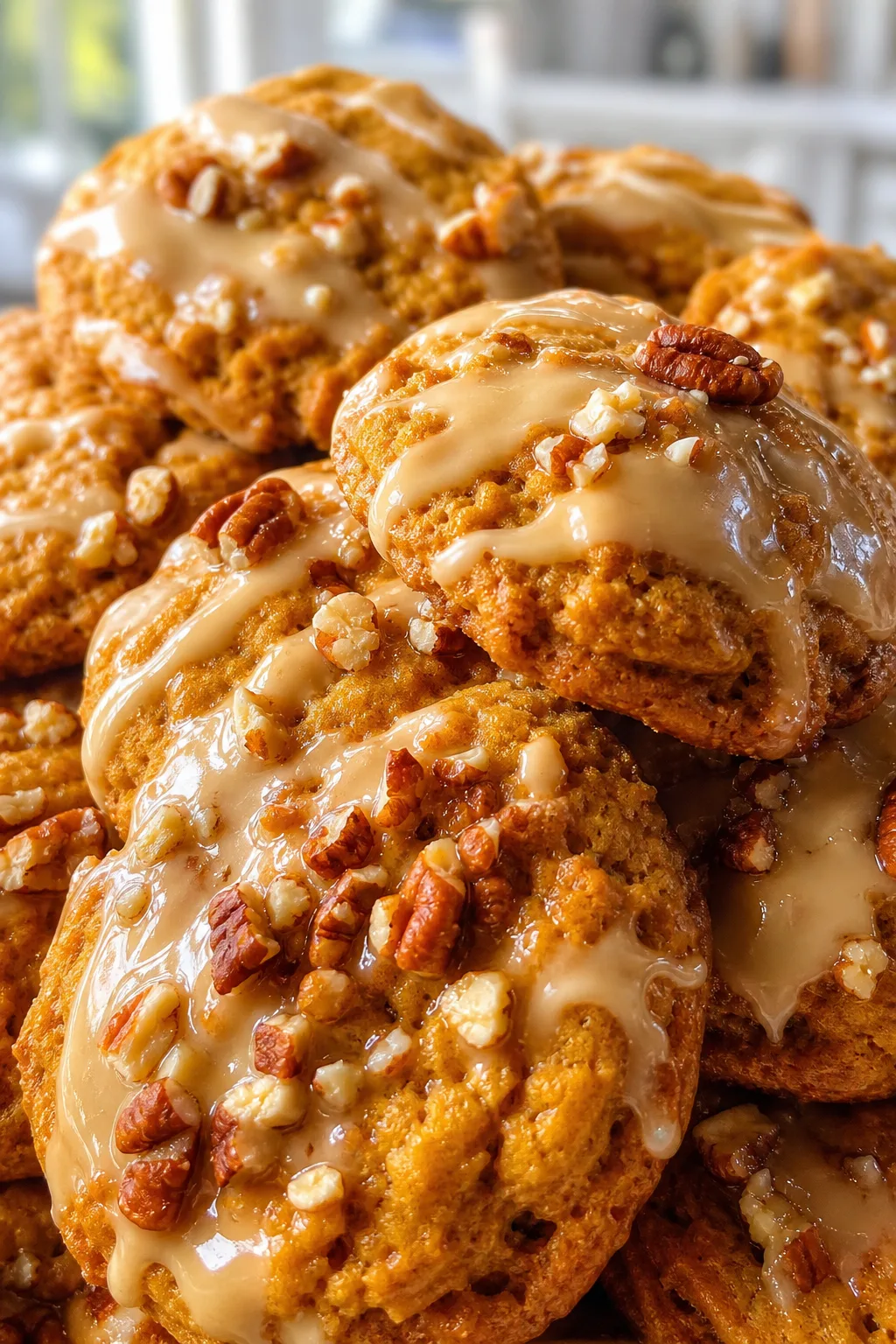
This strawberry shortcake is pure summer magic—light, fluffy biscuits layered with sweet macerated strawberries and whipped cream. The secret? Buttermilk in the dough for that tender crumb. Perfect for backyard gatherings or a sweet treat anytime!
Introduction
I still remember the first time I made strawberry shortcake from scratch—it was a bit of a mess, honestly. My biscuits came out dense and tough, and the strawberries were too watery. But after a few tries, I finally nailed the perfect fluffy shortcake that’s light as a cloud and pairs beautifully with juicy, sweetened strawberries. What sets this recipe apart is the use of buttermilk in the biscuit dough; it adds a subtle tang and helps the biscuits rise beautifully while staying tender. Also, I like to macerate the strawberries with just enough sugar to bring out their natural juices without turning them into syrup. The whipped cream is whipped to soft peaks with a touch of vanilla to add richness without overpowering the fresh fruit. When you bite into this dessert, you get the perfect balance of textures—the crumbly, buttery biscuit, the luscious cream, and the bright, fresh strawberries. It’s such a crowd-pleaser and ideal for summer parties or a casual weekend treat. Honestly, once you try this, you might never go back to store-bought shortcakes!
How To Do It
Step 1
Preheat your oven to 425°F (220°C) and line a baking sheet with parchment paper. In a large bowl, whisk together the sifted flour, sugar, baking powder, baking soda, and salt. This dry mix ensures the biscuits have a balanced rise and a tender crumb. Be sure to sift the flour to avoid any lumps and aerate the mixture, which helps with fluffiness.
⏱ Time: 10 minutes
✓ Doneness: Dry ingredients are well combined and light in texture
Step 2
Add the cold, cubed butter to the dry ingredients. Using a pastry cutter or your fingertips, quickly cut the butter into the flour until the mixture resembles coarse crumbs with pea-sized bits of butter. This step is crucial because those small butter pockets create steam during baking, which makes the biscuits flaky and tender. Avoid overworking the dough or the biscuits will turn out dense.
⏱ Time: 5 minutes
✓ Doneness: Mixture looks crumbly with visible butter pieces
Step 3
Pour the cold buttermilk and vanilla extract into the flour mixture. Stir gently with a wooden spoon or spatula just until the dough comes together. It’s okay if it’s a bit shaggy and sticky—overmixing develops gluten and toughens the biscuits. The buttermilk reacts with the baking soda to give a nice rise and a subtle tangy flavor.
⏱ Time: 2 minutes
✓ Doneness: Dough forms a rough ball but is not overly smooth
Step 4
Turn the dough out onto a lightly floured surface and gently pat it into a 1-inch thick rectangle. Fold the dough over itself 2-3 times to create layers, which help with flakiness. Then pat it back down to about 1-inch thickness. Use a floured biscuit cutter to cut out rounds, pressing straight down without twisting to keep the edges sharp and help the biscuits rise evenly.
⏱ Time: 8 minutes
✓ Doneness: Dough is layered and biscuit rounds are cleanly cut
Step 5
Place the biscuits on the prepared baking sheet about 1 inch apart to allow heat circulation. Brush the tops with a little buttermilk or melted butter for a golden finish. Bake in the preheated oven for 12-15 minutes until the tops are golden brown and a toothpick inserted comes out clean. Don’t open the oven door too early or the biscuits may collapse.
⏱ Time: 15 minutes
✓ Doneness: Biscuits are puffed, golden brown, and firm to the touch
Step 6
While the biscuits bake, prepare the strawberries. In a bowl, combine sliced strawberries with sugar and gently toss. Let them sit at room temperature for at least 20 minutes to macerate. This process draws out the juices and sweetens the fruit naturally, creating a syrupy sauce that soaks into the biscuits perfectly.
⏱ Time: 20 minutes
✓ Doneness: Strawberries release juice and look glossy and juicy
Step 7
In a chilled bowl, whip the heavy cream with powdered sugar and vanilla extract until soft peaks form. Be careful not to over-whip or it will turn grainy and eventually become butter. The softly whipped cream adds a light, airy texture that balances the dense biscuits and juicy strawberries.
⏱ Time: 5 minutes
✓ Doneness: Cream holds soft peaks and is smooth and fluffy
Step 8
Once the biscuits have cooled slightly, slice them in half horizontally. Spoon a generous amount of the macerated strawberries and their juices over the bottom half, add a dollop of whipped cream, then top with the other biscuit half. This layering ensures each bite has a perfect balance of sweet, tart, creamy, and fluffy textures.
⏱ Time: 5 minutes
✓ Doneness: Shortcakes are neatly assembled and ready to serve
Step 9
Serve immediately for the best texture and flavor. If you wait too long, the biscuits can become soggy from the strawberry juices. This dessert is a real crowd-pleaser and perfect for summer gatherings, afternoon tea, or just because you deserve a little treat!
⏱ Time: 0 minutes
✓ Doneness: Shortcakes are fresh and the biscuits remain fluffy
Pro Tips
Keep your butter and buttermilk as cold as possible before mixing.
Cold butter creates steam pockets during baking, which results in flaky layers. If the butter warms up and melts into the flour, the biscuits will be dense. Similarly, cold buttermilk helps keep the dough cool and prevents overdeveloping gluten, ensuring tender biscuits.
Don’t twist the biscuit cutter when cutting dough rounds.
Pressing straight down keeps the edges of the biscuits sharp so they rise evenly. Twisting seals the edges and can prevent them from rising properly, leading to flatter, less fluffy biscuits.
Let the strawberries macerate for at least 20 minutes before assembling.
This step draws out the juices, creating a natural syrup that sweetens the fruit and moistens the biscuits. Skipping this or rushing it means the strawberries won’t be as flavorful or juicy, and the dessert will lack that signature shortcake moisture.
Use a chilled bowl and beaters when whipping cream.
Cold equipment helps the cream whip faster and hold its structure better. Warm bowls or beaters can cause the cream to become grainy or separate, ruining the texture.
Fold the dough gently instead of kneading it.
Folding creates layers without overworking the dough. Kneading develops gluten, which toughens the biscuits. Gentle folding preserves tenderness and flakiness.
Serve the shortcake immediately after assembling.
The biscuits will absorb the strawberry juices and become soggy if left too long. Serving right away keeps the biscuits fluffy and the textures distinct.
Use fresh, ripe strawberries for best flavor.
Fresh berries provide natural sweetness and juiciness. Frozen or underripe berries can be watery or bland, which negatively affects the flavor and texture of the dessert.
Common Mistakes to Avoid
Overmixing the biscuit dough
Why it happens Many cooks think mixing more will create a better dough, but it actually develops gluten, making biscuits tough.
Fix Mix just until the dough comes together. It’s okay if it’s a bit shaggy. Use a gentle folding motion rather than stirring vigorously.
Using warm butter instead of cold
Why it happens Butter can soften quickly at room temperature, especially in warm kitchens, leading to dense biscuits.
Fix Keep butter chilled until the last moment and work quickly. Use a pastry cutter or cold fingers to incorporate it.
Skipping maceration of strawberries
Why it happens Some assume fresh fruit is fine as is, but maceration enhances sweetness and juice release.
Fix Toss sliced strawberries with sugar and let sit at room temp for at least 20 minutes before serving.
Twisting biscuit cutter when cutting
Why it happens People think twisting helps release biscuits, but it seals edges and prevents rising.
Fix Press straight down without twisting. Wiggle cutter gently if needed to release.
Overwhipping the cream
Why it happens It’s easy to go from soft peaks to butter if you’re not watching closely.
Fix Stop whipping as soon as soft peaks form; check frequently to avoid graininess.
Variations
Lemon-Infused Shortcake
Add 1 teaspoon of lemon zest to the biscuit dough and a splash of lemon juice to the macerated strawberries for a bright, citrusy twist. This adds a fresh zing that pairs beautifully with the sweetness of the berries.
Note: Zest the lemon finely and fold gently into the dough. Macerate strawberries with lemon juice and sugar as usual.
Gluten-Free Strawberry Shortcake
Substitute the all-purpose flour with a 1:1 gluten-free baking flour blend. The texture will be slightly different—more crumbly—but still delicious. Be sure to add 1/4 teaspoon xanthan gum if your blend doesn’t include it to help with structure.
Note: Handle the dough gently as gluten-free flours can be more delicate. Bake as directed but watch for doneness as it might brown faster.
Vegan Strawberry Shortcake
Replace butter with coconut oil and use a plant-based buttermilk (like almond milk mixed with lemon juice). Whip coconut cream instead of heavy cream for the topping. This version is dairy-free but still rich and satisfying.
Note: Chill the coconut oil and cream well before use. Coconut cream whips differently, so be patient and use chilled equipment.
Chocolate Drizzle Shortcake
Drizzle melted dark chocolate over the assembled shortcakes for a decadent touch. The bittersweet chocolate contrasts nicely with the sweet berries and creamy topping.
Note: Melt chocolate gently over a double boiler and drizzle just before serving to avoid sogginess.
Mixed Berry Shortcake
Combine strawberries with blueberries, raspberries, and blackberries for a colorful, flavor-packed dessert. Macerate all berries together with sugar to create a vibrant topping.
Note: Adjust sugar slightly depending on the sweetness of the berries. Macerate for at least 30 minutes for best results.
Nutrition
Per Serving:
Nutritional values are estimates and may vary based on specific ingredients used.
Storage & Tips
Room Temperature
Shortcakes can be kept at room temperature for up to 2 hours if covered loosely with foil or a clean towel. Beyond that, the biscuits may dry out and the strawberries can ferment, so it’s best to refrigerate if not serving immediately.
Refrigerator
Store assembled shortcakes in an airtight container for up to 1 day. Note that refrigeration will soften the biscuits as they absorb moisture. It’s best to keep components separate and assemble just before serving for optimal texture.
Freezer
Biscuits can be frozen unassembled for up to 2 months. Wrap tightly in plastic wrap and place in a freezer bag. Thaw overnight in the fridge and warm briefly in the oven before serving. Avoid freezing assembled shortcakes as the texture suffers.
Reheating
Reheat biscuits in a 350°F oven for 5-7 minutes until warm and slightly crisp. Avoid microwaving as it makes them chewy. Add whipped cream and strawberries fresh after reheating to maintain texture.
Make Ahead
You can prepare the biscuit dough and macerate strawberries a day ahead. Bake the biscuits fresh on the day of serving for best texture. Whip cream just before assembling to keep it light and fluffy.
FAQ
Can I use frozen strawberries instead of fresh?
You can, but frozen strawberries tend to be mushier and release more water, which can make the biscuits soggy. If you use frozen, thaw and drain excess liquid before macerating with sugar to minimize sogginess.
What if I don't have buttermilk on hand?
No worries! You can make a quick buttermilk substitute by adding 1 tablespoon of lemon juice or white vinegar to 3/4 cup of milk. Let it sit for 5 minutes before using. This acidity helps tenderize the biscuits and activate the baking soda.
How do I store leftover shortcake?
It’s best to store biscuits, strawberries, and whipped cream separately in airtight containers in the fridge. Assemble just before serving to keep the biscuits from getting soggy and the cream fresh.
Can I make the biscuits ahead of time?
Yes! You can prepare and freeze the unbaked biscuit dough or bake the biscuits ahead and freeze them. Reheat in the oven before serving for a fresh taste.
Why are my biscuits dense instead of fluffy?
This usually happens from overmixing the dough or using warm butter. Mix just until combined and keep butter cold to ensure flaky, tender biscuits.
How long should I macerate the strawberries?
At least 20 minutes at room temperature is ideal. This allows the sugar to draw out juices and sweeten the berries without breaking them down too much.
Can I use whipped cream from a can?
You can, but freshly whipped cream tastes better and has a lighter texture. Plus, you can control the sweetness and add vanilla for extra flavor.
What’s the best way to cut biscuits?
Use a sharp biscuit cutter and press straight down without twisting. Twisting seals the edges and prevents proper rising.
Final Thoughts
Give this fluffy strawberry shortcake a try and enjoy a slice of summer any time! I’d love to hear how yours turns out—don’t forget to share your pics!