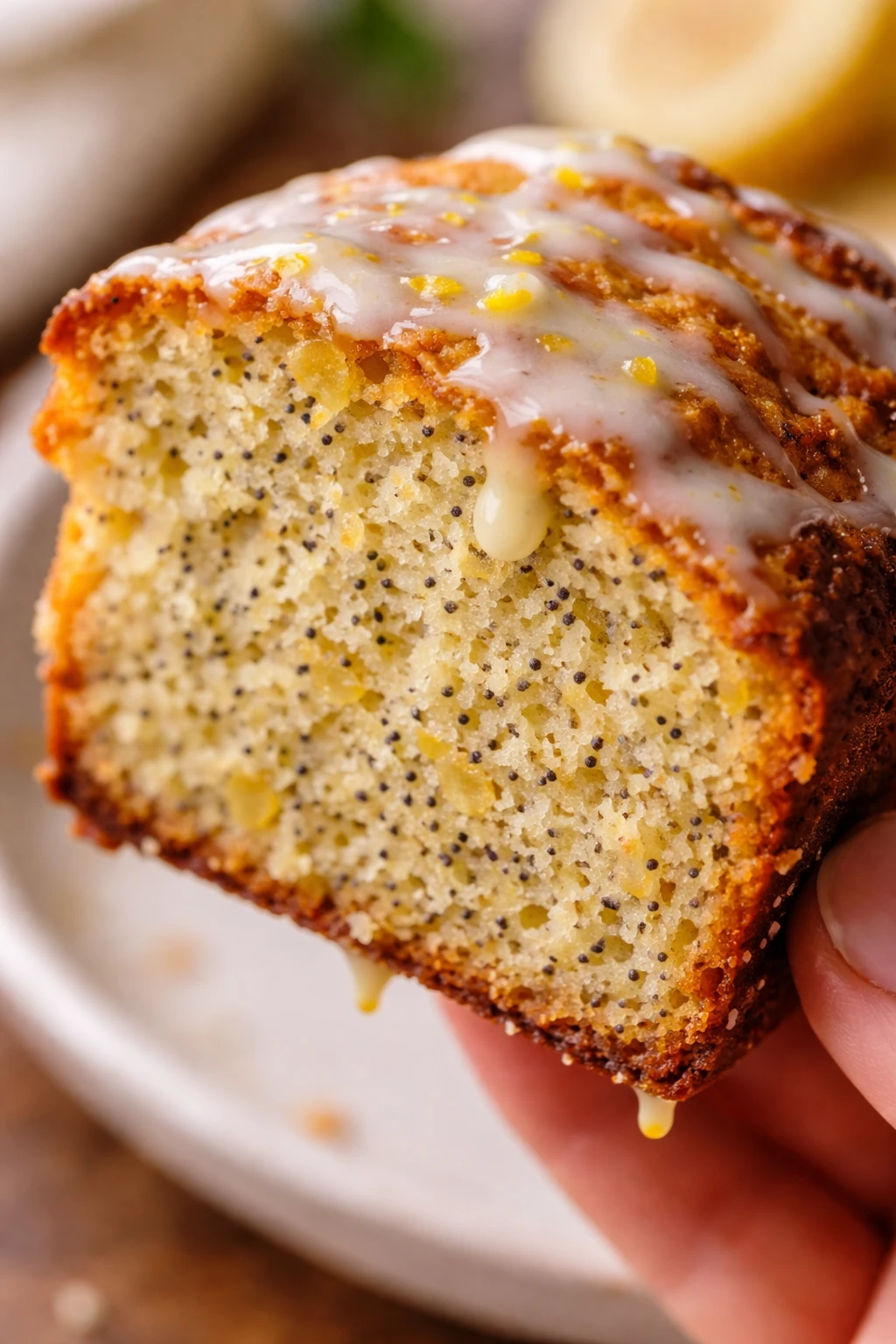
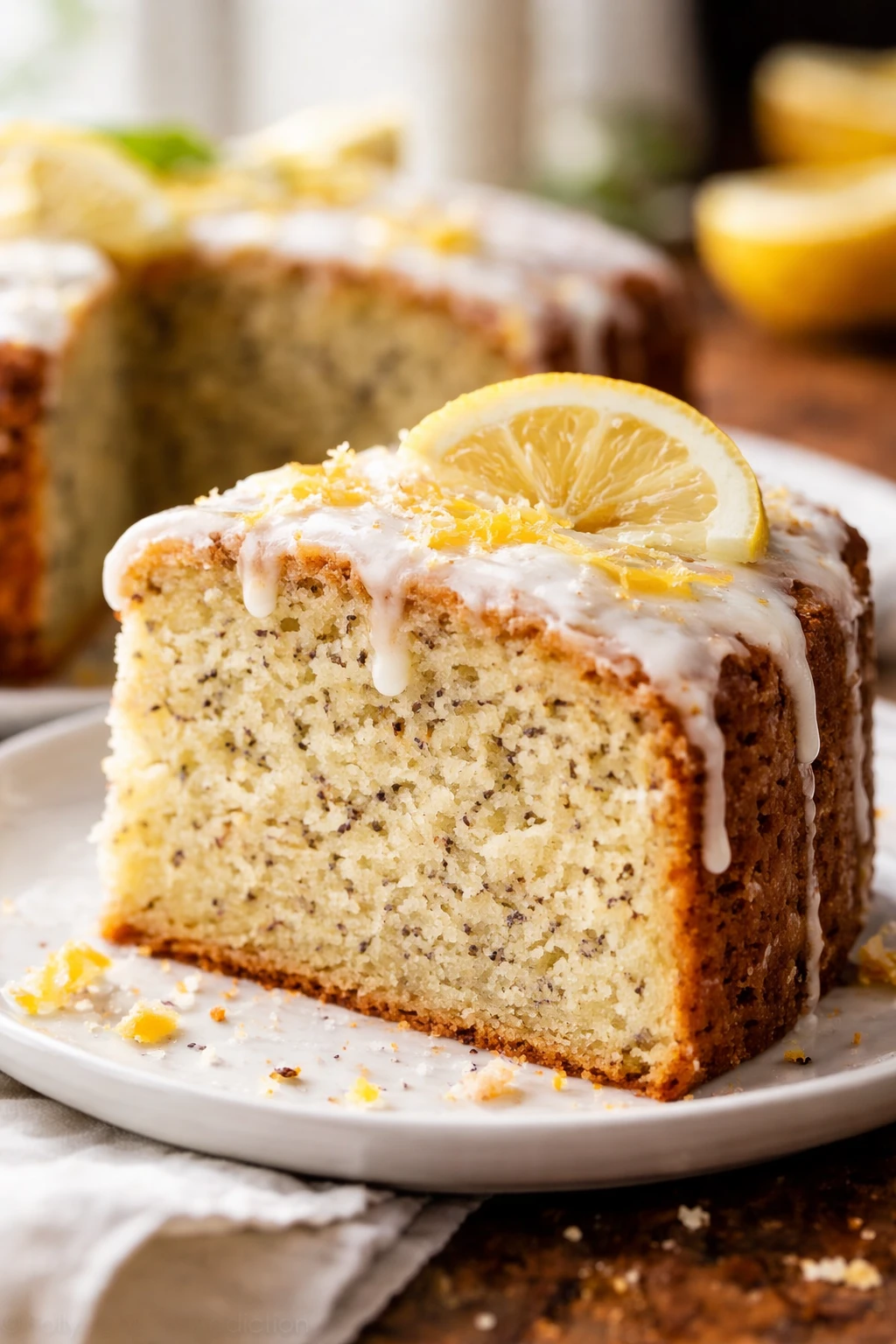
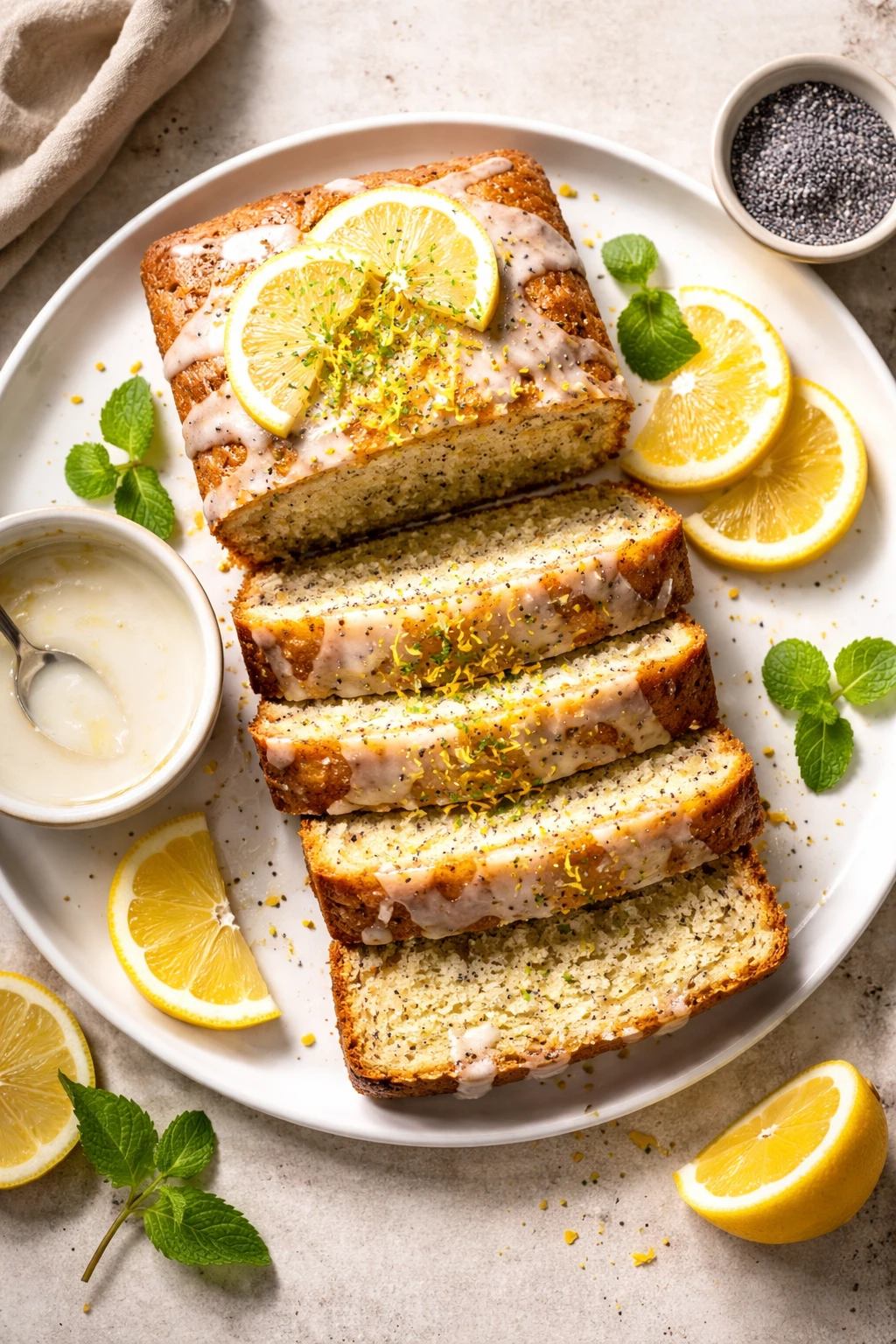
This lemon poppy seed cake is a springtime favorite—zesty, moist, and filled with crunchy poppy seeds. The secret’s in using fresh lemon zest and a simple buttermilk batter that keeps it tender. Ideal for afternoon tea or a light dessert.
Introduction
I first tried making lemon poppy seed cake years ago when a friend brought one to a spring picnic. It was so fresh and bright that I immediately wanted to recreate it at home. Over time, I've tweaked the recipe to get that perfect balance of tangy lemon flavor and moist crumb. What sets this cake apart is the use of fresh lemon zest and buttermilk, which keeps it tender and adds a subtle richness. I also love the little crunch the poppy seeds add—it’s such a fun texture contrast. One thing I learned the hard way was not to skimp on the zest; it really makes all the difference. The finished cake is golden with a delicate crumb and just the right zing from the lemon, perfect for spring gatherings or a simple afternoon treat. It’s not too sweet, so you can enjoy a slice without feeling guilty. Plus, it’s easy enough to whip up on a weekday evening if you’re craving something special. I hope you enjoy baking and eating this as much as my family does!
What You'll Need
One 9-inch bundt or loaf cake, 8 servings
- 2 1/2 cups all-purpose flour, sifted
- 2 teaspoons baking powder
- 1/2 teaspoon baking soda
- 1/2 teaspoon salt
- 1 tablespoon poppy seeds
- 1 cup unsalted butter, softened
- 1 3/4 cups granulated sugar
- 3 large eggs, room temperature
- 1 teaspoon vanilla extract
- 1 cup buttermilk, room temperature
- Zest of 2 large lemons
- 1/4 cup fresh lemon juice
How To Do It
Step 1
Preheat your oven to 350°F (175°C) and grease a 9-inch bundt or loaf pan thoroughly with butter or non-stick spray. This step is critical because it ensures your cake releases easily after baking. If the pan isn’t properly greased, you risk the cake sticking and breaking apart when you try to remove it. Also, lightly dust the pan with flour after greasing to add an extra barrier. This helps the cake keep its shape and look beautiful when served.
⏱ Time: 10 minutes
✓ Doneness: Pan is evenly coated with butter and a light dusting of flour with no clumps
Step 2
In a medium bowl, whisk together the sifted flour, baking powder, baking soda, salt, and poppy seeds. Sifting helps aerate the flour and evenly distribute the leavening agents, which means your cake will rise evenly and have a light texture. The poppy seeds add a subtle crunch and nutty flavor, so make sure they’re well mixed in to prevent clumping. Set this dry mix aside for later.
⏱ Time: 5 minutes
✓ Doneness: Dry ingredients are well combined, no visible clumps of baking powder or poppy seeds
Step 3
In a large mixing bowl, beat the softened butter and sugar together using an electric mixer on medium speed until pale and fluffy, about 3-4 minutes. This creaming step is essential because it incorporates air into the batter, which helps the cake rise and gives it a tender crumb. If you rush this or skip it, the texture can be dense. Scrape down the sides of the bowl occasionally to ensure everything is evenly mixed.
⏱ Time: 4 minutes
✓ Doneness: Mixture is light in color and fluffy in texture
Step 4
Add the eggs one at a time to the butter-sugar mixture, beating well after each addition. This gradual incorporation helps maintain the batter's emulsion and prevents it from curdling. Add the vanilla extract with the last egg. If you add eggs too quickly, the batter might separate, resulting in a dense or uneven cake.
⏱ Time: 3 minutes
✓ Doneness: Batter is smooth, glossy, and slightly thickened
Step 5
Mix the lemon zest and lemon juice into the buttermilk. The acidity in the lemon juice combined with the buttermilk’s tang reacts with the baking soda to help the cake rise and adds bright flavor. Fresh zest is key here for aroma and flavor—avoid using dried or bottled lemon flavoring. Set aside while you prepare the next step.
⏱ Time: 2 minutes
✓ Doneness: Buttermilk mixture is evenly combined with visible zest flecks
Step 6
Add the dry ingredients to the butter mixture in three additions, alternating with the lemon-buttermilk mixture. Start and end with the dry ingredients. Mix each addition on low speed just until combined to avoid overmixing, which can develop gluten and make the cake tough. The batter should be smooth and thick but pourable.
⏱ Time: 5 minutes
✓ Doneness: Batter is uniform with no streaks of flour or wet ingredients
Step 7
Pour the batter evenly into the prepared pan and smooth the top with a spatula. Tap the pan gently on the counter a few times to release any large air bubbles. This step ensures an even bake and prevents large holes or tunnels in the cake crumb. Avoid over-tapping, which can cause the batter to deflate.
⏱ Time: 3 minutes
✓ Doneness: Surface is smooth and even, with no large bubbles
Step 8
Bake the cake in the preheated oven for 35-40 minutes, or until a toothpick inserted into the center comes out clean or with a few moist crumbs. Avoid opening the oven door frequently, as this can cause the cake to sink. The cake should have a light golden crust and spring back slightly when touched.
⏱ Time: 35-40 minutes
✓ Doneness: Toothpick comes out clean, cake springs back to touch, edges pull slightly from pan
Step 9
Let the cake cool in the pan for 15 minutes, then invert onto a wire rack to cool completely. Cooling in the pan too long can cause sogginess, while removing it too early risks breaking the cake. Once cool, you can dust with powdered sugar or drizzle a simple lemon glaze for extra zing. This step is important to let the crumb set and flavors meld.
⏱ Time: 30 minutes
✓ Doneness: Cake is fully cooled, firm to touch, and easy to handle without breaking
Pro Tips
Use room temperature ingredients for better mixing.
Room temperature butter, eggs, and buttermilk blend more smoothly, creating a uniform batter. Cold ingredients can cause the batter to curdle or mix unevenly, leading to a dense or uneven crumb.
Don’t overmix the batter once dry ingredients are added.
Overmixing develops gluten in the flour, which makes the cake tough and chewy instead of tender. Mix just until combined to keep the crumb soft.
Zest lemons before juicing to maximize flavor.
Zesting first captures the oils in the lemon’s skin, which are the most flavorful part. Once juiced, the lemon becomes slippery and harder to zest effectively.
Grease and flour your pan thoroughly.
Properly preparing the pan prevents sticking and ensures your cake releases cleanly, preserving its shape and appearance.
Tap the pan gently before baking to remove air bubbles.
Air bubbles can cause large holes or tunnels in the cake. Tapping evens out the batter for a fine, uniform crumb.
Use fresh baking soda for reliable rise.
Old or expired baking soda loses its potency, resulting in a flat or dense cake. Test by adding a pinch to vinegar; it should fizz immediately.
Cool the cake in the pan before removing.
Cooling slightly allows the cake to firm up, reducing the chance of it breaking apart when inverted.
Common Mistakes to Avoid
Skipping the creaming step or rushing it.
Why it happens Some cooks want to save time and add ingredients all at once, not realizing how important creaming is for texture.
Fix Take the time to beat butter and sugar until pale and fluffy. This aerates the batter and results in a lighter cake.
Using bottled lemon extract instead of fresh zest.
Why it happens Bottled extracts are convenient and shelf-stable, so some choose them over fresh lemons.
Fix Use fresh lemon zest for authentic flavor and aroma. It makes a huge difference in brightness and complexity.
Overmixing batter after adding flour.
Why it happens Eager to get the batter smooth, some mix too vigorously, developing gluten.
Fix Mix just until no flour streaks remain. A few lumps are okay; they’ll hydrate during baking.
Not measuring flour properly.
Why it happens Scooping flour directly with a cup can compress it, adding excess flour.
Fix Spoon flour into your measuring cup and level it off with a knife for accurate measurement.
Removing cake from pan too soon.
Why it happens Impatience or fear of overcooking leads to flipping the cake while still hot.
Fix Allow cake to cool 15 minutes in the pan to set the crumb, then invert onto a rack.
Variations
Glazed Lemon Poppy Seed Cake
Add a simple lemon glaze made from powdered sugar and lemon juice drizzled over the cooled cake. It adds extra sweetness and a shiny finish, perfect for a dessert centerpiece.
Note: Glaze should be poured when the cake is completely cool to prevent melting and sogginess.
Lemon Poppy Seed Muffins
Divide the batter into muffin tins for individual servings. Baking time reduces to about 18-20 minutes, making these perfect for grab-and-go spring breakfasts.
Note: Check doneness early with a toothpick to avoid overbaking and drying out the muffins.
Almond Lemon Poppy Seed Cake
Add 1/2 cup finely ground almonds to the dry ingredients and sprinkle sliced almonds on top before baking. This variation adds a nutty depth and a crunchy topping.
Note: Reduce flour slightly to compensate for almond flour to maintain batter consistency.
Vegan Lemon Poppy Seed Cake
Replace eggs with flax eggs (1 tablespoon ground flaxseed + 3 tablespoons water per egg) and use plant-based milk with vinegar instead of buttermilk. Results in a moist, dairy-free cake with a slight texture difference.
Note: Baking time may vary; watch for doneness with a toothpick.
Honey Lemon Poppy Seed Cake
Substitute half the granulated sugar with honey for a floral sweetness and moist crumb. This adds complexity and a natural sweetness that pairs beautifully with lemon.
Note: Reduce oven temperature by 25°F to prevent over-browning due to honey’s sugars.
Nutrition
Per Serving:
Nutritional values are estimates and may vary based on specific ingredients used.
Storage & Tips
Room Temperature
Store the cake covered loosely with a cake dome or foil at room temperature for up to 2 days. Keep it away from direct sunlight to prevent drying out. This keeps the crumb moist and the lemon flavor fresh.
Refrigerator
Keep the cake in an airtight container or wrapped tightly in plastic wrap for up to 5 days. The cake may firm up and the lemon flavor can mellow slightly. Bring to room temperature before serving or warm gently in the microwave for 15-20 seconds.
Freezer
Wrap the cooled cake tightly in plastic wrap and then in foil to prevent freezer burn. Freeze for up to 3 months. Thaw overnight in the refrigerator or at room temperature. Avoid microwaving frozen cake directly as it can become soggy.
Reheating
Warm slices gently in a microwave for 15-20 seconds or in a 300°F oven for 5-7 minutes to refresh moisture. Avoid overheating, which can dry out the cake. Adding a small pat of butter or a drizzle of lemon glaze can enhance flavor after reheating.
Make Ahead
You can bake the cake a day ahead and store it wrapped at room temperature. For best freshness, add any glaze or dust powdered sugar just before serving. This makes it perfect for prepping ahead for brunch or gatherings.
FAQ
Can I use regular milk instead of buttermilk?
You can substitute regular milk mixed with 1 tablespoon lemon juice or vinegar per cup to mimic buttermilk’s acidity. Let it sit for 5 minutes before using. This acidity helps activate the baking soda for proper rise and tender crumb.
What if I don’t have poppy seeds? Can I omit them?
Yes, you can omit poppy seeds if needed, but they add a nice crunch and nutty flavor that complements the lemon. You could substitute with chia seeds or finely chopped nuts for texture, though the flavor profile will change slightly.
How do I prevent the cake from sticking to the pan?
Grease the pan thoroughly with butter or non-stick spray and dust with flour. Make sure to coat every nook and cranny, especially in a bundt pan. Let the cake cool for 15 minutes before inverting to help it release cleanly.
My cake turned out dense. What went wrong?
Dense cake often results from overmixing the batter after adding flour, under-creaming the butter and sugar, or expired leavening agents. Make sure to cream butter and sugar well, measure ingredients accurately, and mix gently once dry ingredients are added.
Can I bake this as cupcakes or muffins?
Absolutely! Divide the batter into lined muffin tins and bake at 350°F for 18-20 minutes. Check doneness early with a toothpick to avoid drying out. This makes a convenient, portioned snack or breakfast option.
How should I store leftovers?
Store leftover cake in an airtight container at room temperature for up to 2 days, or refrigerate for up to 5 days. Bring refrigerated cake to room temp or warm slightly before serving for best texture and flavor.
Can I make this cake vegan?
Yes, replace eggs with flax eggs (1 tbsp ground flaxseed + 3 tbsp water per egg) and use plant-based milk with vinegar instead of buttermilk. Baking time may vary slightly, so watch for doneness with a toothpick.
Is it okay to use bottled lemon juice instead of fresh?
Fresh lemon juice is best for bright, natural flavor. Bottled lemon juice can be used in a pinch but might taste less vibrant and slightly bitter, which affects the cake’s overall brightness.
Final Thoughts
I hope you give this lemon poppy seed cake a try soon—it’s such a bright, cheerful treat that really feels like spring in every bite. Let me know how it turns out!