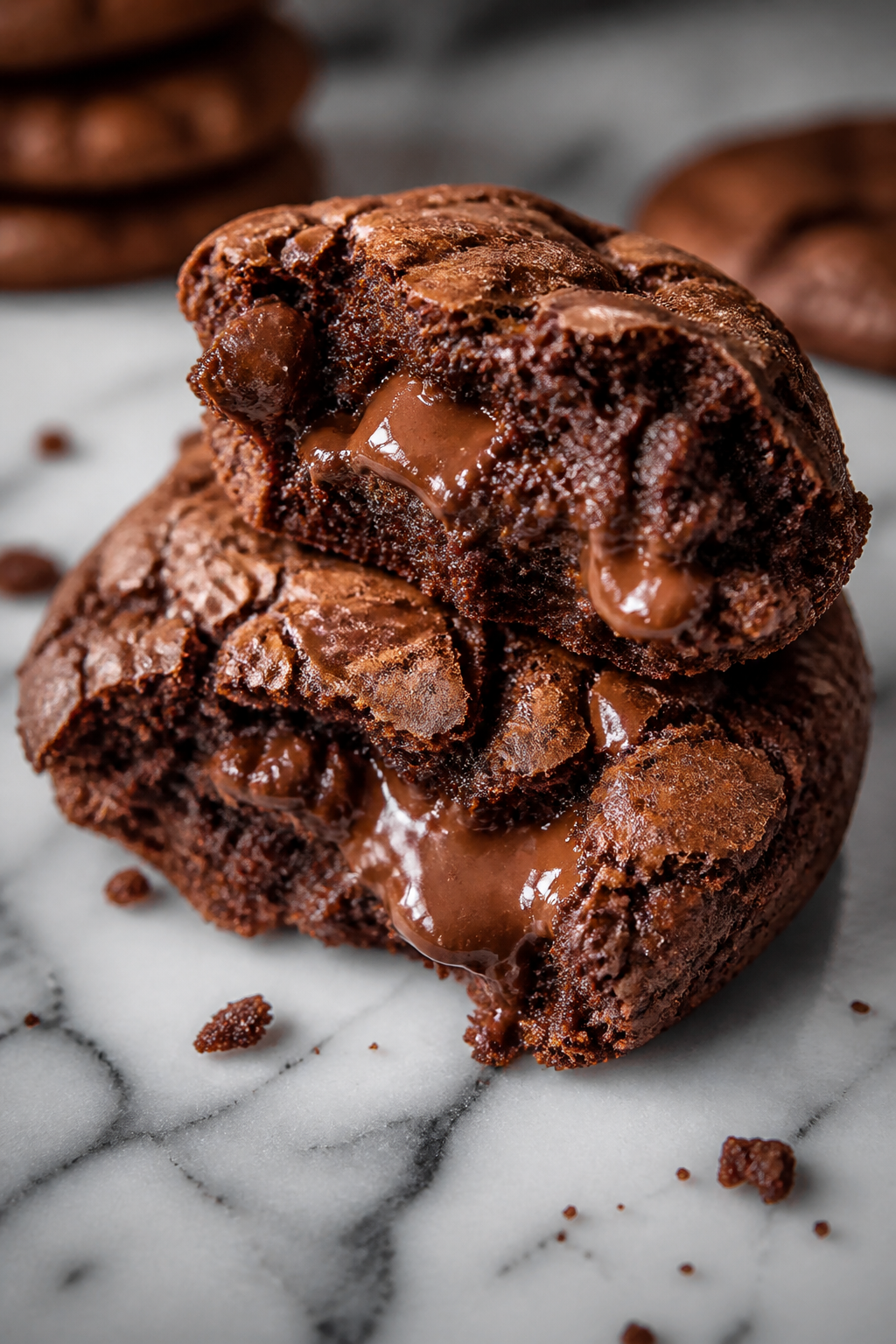
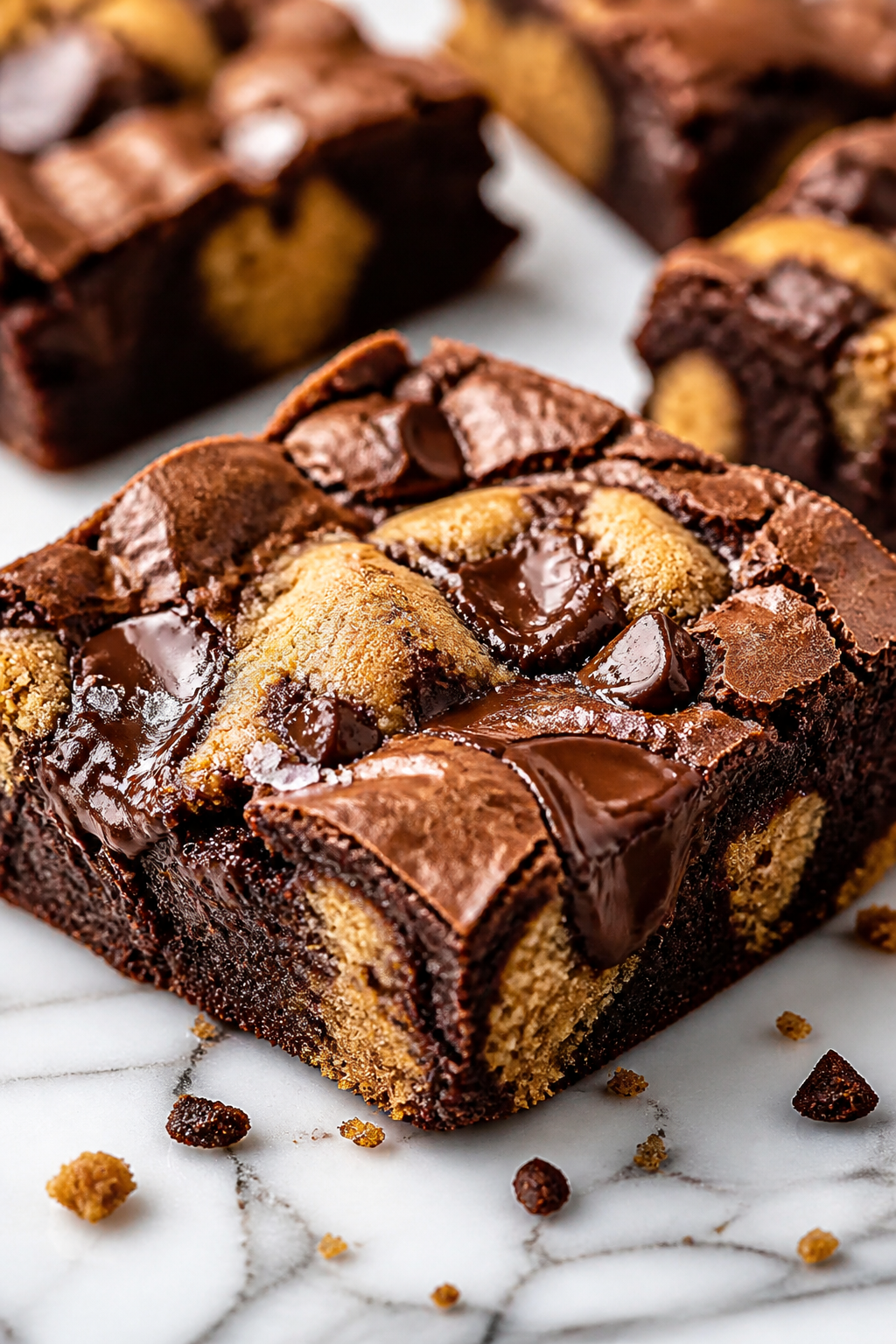
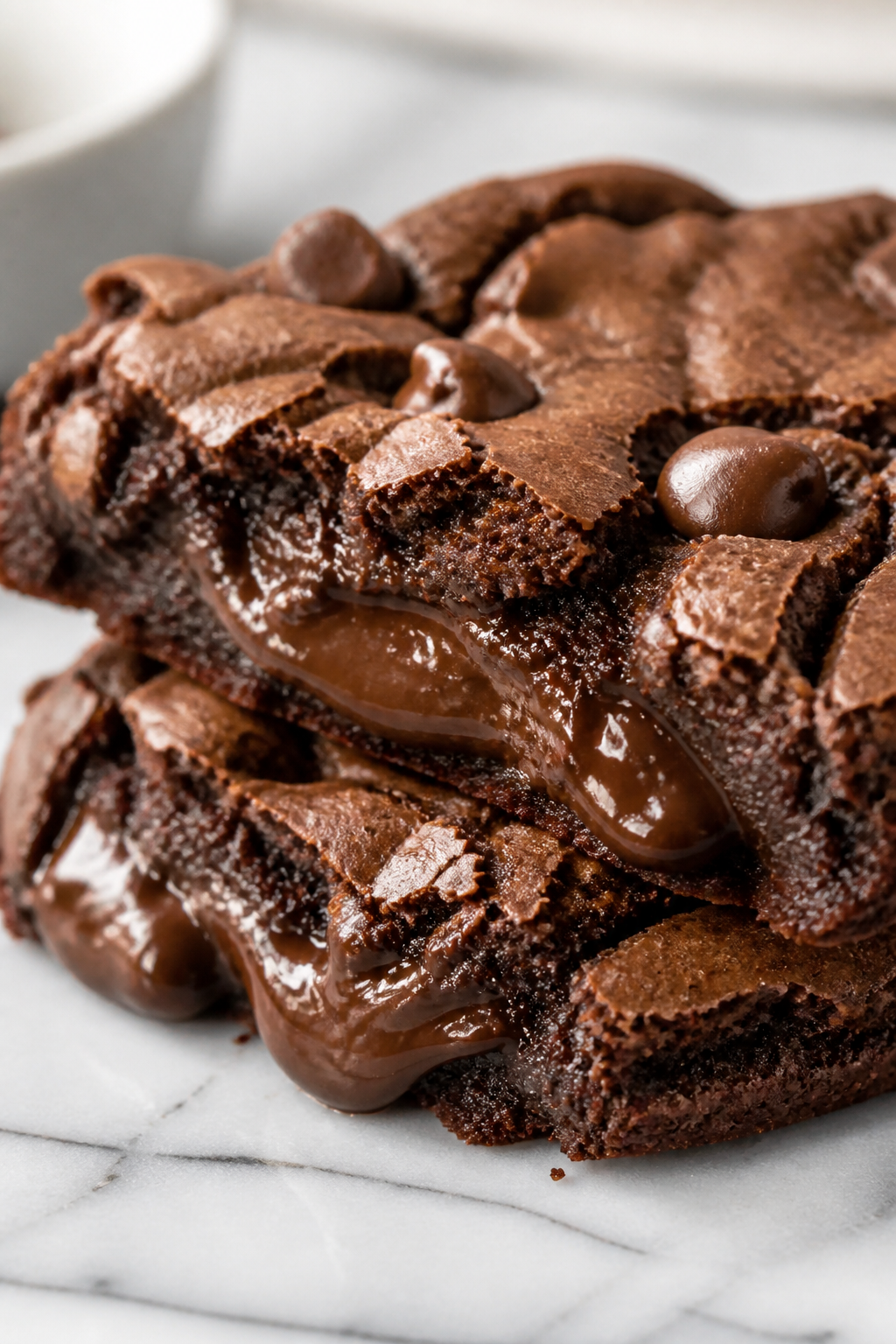
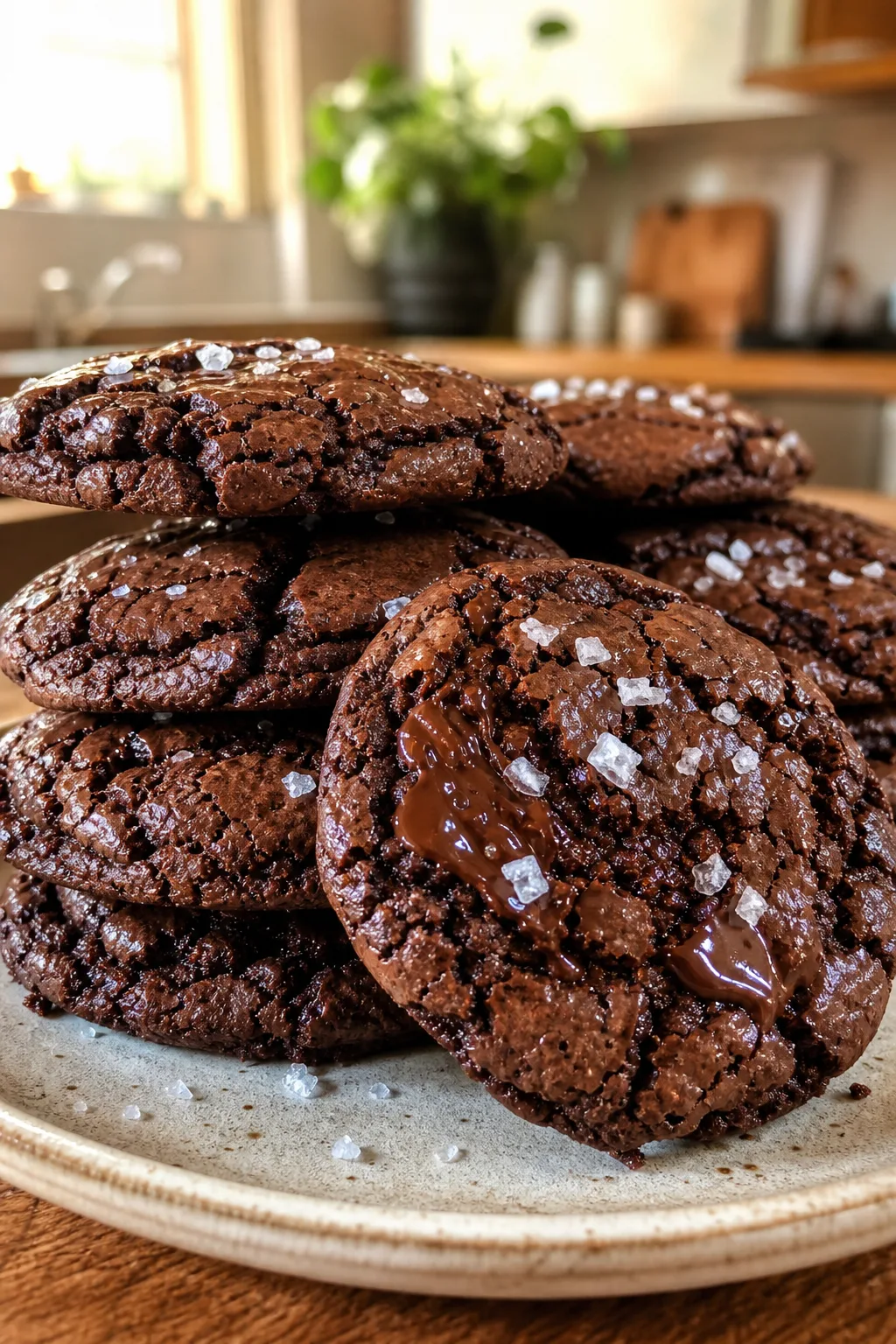
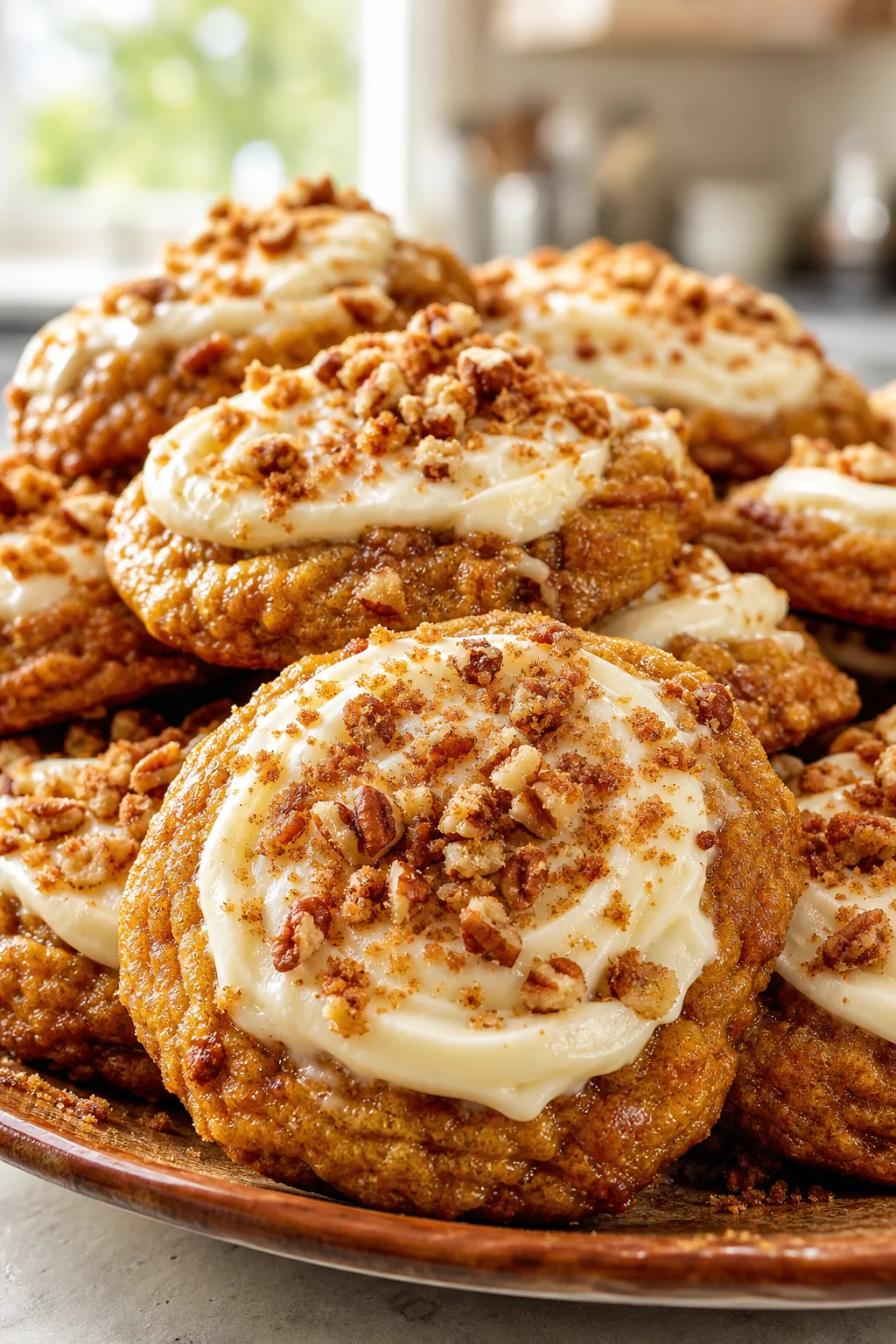
These brownie cookies are a perfect mix of fudgy brownies and chewy cookies. Using melted chocolate in the dough gives them a rich, intense flavor. Great for an afternoon treat or sharing with friends!
Introduction
I first stumbled upon brownie cookies when I was craving something chocolatey but didn’t want to commit to a full pan of brownies. After a few tries, I found a version that hits that perfect fudgy-chewy balance I love. What sets this recipe apart is using melted butter and cocoa powder instead of melted chocolate, which keeps the dough easier to work with but still super rich. Plus, folding in chocolate chips gives extra melty pockets of chocolate in every bite. I’ve made these for family gatherings and even packed them for school snacks — they always disappear fast! The cookies bake quickly, so you get that fresh-from-the-oven warmth without waiting forever. They come out with slightly crispy edges but a soft, chewy center that’s just irresistible. Honestly, I think the secret is not overbaking and letting them cool on the tray for a few minutes before moving. It’s a simple recipe, but it feels a little special every time I make it. If you love chocolate and easy baking, you’ll want to keep this one handy.
How To Do It
Step 1
Start by melting the butter in a microwave-safe bowl or on the stove. Let it cool slightly so it’s warm but not hot—this helps the sugar dissolve better and prevents cooking the eggs when you mix them in. Pour the melted butter into a large mixing bowl and whisk in the granulated sugar until combined. This step is crucial because properly mixing the sugar and butter creates a smooth base for your cookie dough and ensures even sweetness throughout.
⏱ Time: 5 minutes
✓ Doneness: Mixture looks smooth and glossy with no lumps of sugar visible
Step 2
Add the eggs one at a time, whisking well after each addition to fully incorporate. Then stir in the vanilla extract. Adding eggs gradually helps build structure and moisture in the dough, so your cookies stay chewy and don’t dry out. Make sure the eggs are well blended before moving on to avoid streaks or uneven texture in the dough.
⏱ Time: 3 minutes
✓ Doneness: Mixture is thick, shiny, and homogenous with no separate layers
Step 3
Sift together the cocoa powder, baking powder, salt, and flour in a separate bowl. Sifting helps remove lumps and aerates the dry ingredients, which results in a lighter texture and easier mixing. This step also ensures that the baking powder is evenly distributed, so the cookies rise uniformly.
⏱ Time: 5 minutes
✓ Doneness: Dry ingredients are light, fluffy, and free of clumps
Step 4
Gradually add the dry ingredients to the wet mixture, stirring gently with a spatula or wooden spoon. Fold just until combined to avoid overworking the dough, which can make cookies tough. The dough will be thick and fudgy, not runny. This balance is key for chewy brownie cookies.
⏱ Time: 4 minutes
✓ Doneness: Dough is thick, uniform in color, and slightly sticky
Step 5
Fold in the chocolate chips evenly throughout the dough. This adds pockets of melted chocolate in each cookie, enhancing flavor and texture. Spread the dough into a bowl or cover with plastic wrap and chill for at least 30 minutes if you have time—this helps the dough firm up, making it easier to scoop and preventing too much spreading during baking.
⏱ Time: 2 minutes plus 30 minutes chilling (optional)
✓ Doneness: Chocolate chips are distributed evenly with no large clumps
Step 6
Preheat your oven to 350°F (175°C) and line baking sheets with parchment paper. Use a cookie scoop or tablespoon to drop rounded balls of dough onto the sheets, spacing them about 2 inches apart. This spacing allows the cookies to spread without merging together. If your dough is too soft, chilling it helps maintain shape.
⏱ Time: 10 minutes
✓ Doneness: Dough balls are uniform in size and spaced evenly on the sheet
Step 7
Bake the cookies for 10 to 12 minutes. Keep a close eye during the last few minutes; you want the edges to look set and slightly crisp, but the centers should still look soft and a bit underbaked. This ensures a chewy, fudgy center rather than a dry cookie. Overbaking is a common mistake that leads to a crumbly texture.
⏱ Time: 10-12 minutes
✓ Doneness: Edges are firm and slightly cracked, centers look glossy and soft
Step 8
Remove the baking sheets from the oven and let the cookies cool on the sheets for about 5 minutes before transferring to a wire rack. This resting time allows the cookies to finish setting without breaking apart. Moving them too soon can cause them to fall apart, while waiting too long can make them stick to the parchment.
⏱ Time: 5 minutes
✓ Doneness: Cookies hold their shape and easily lift off parchment paper
Step 9
Once cooled, store the cookies in an airtight container at room temperature. They stay chewy and fresh for several days. If you want to refresh slightly hardened cookies, a few seconds in the microwave will soften them right up. Enjoy with a glass of milk or your favorite hot drink!
⏱ Time: N/A
✓ Doneness: Cookies remain soft and chewy when stored properly
Pro Tips
Use room temperature eggs for better mixing.
Room temperature eggs blend more easily into the warm butter mixture, preventing lumps or curdling. This ensures a smooth dough and even texture in the final cookies.
Chill the dough before baking if possible.
Chilling firms the dough, reducing spread during baking. This helps cookies keep a thicker, chewier texture and prevents them from becoming flat and crispy.
Don’t overbake; remove when edges are set but centers still look soft.
Overbaking dries out the cookies, losing that fudgy chewiness. The centers will finish cooking slightly as they cool, so pulling them early ensures a soft, tender bite.
Sift the dry ingredients before mixing.
Sifting removes lumps and aerates the flour and cocoa powder, leading to a lighter dough and even baking. It also ensures the baking powder is evenly distributed.
Use parchment paper to line baking sheets.
Parchment prevents sticking and helps cookies bake evenly without burning on the bottom. It also makes cleanup easier.
Fold in chocolate chips gently.
Overmixing after adding chips can break them or cause the dough to become too dense. Gentle folding preserves pockets of melty chocolate in the final cookie.
Let cookies cool on the baking sheet before transferring.
This resting period allows the cookies to set and firm up, preventing them from breaking apart when moved to a cooling rack.
Common Mistakes to Avoid
Overbaking the cookies
Why it happens Many think cookies should be fully browned and firm before removing, but brownie cookies need to stay soft inside.
Fix Remove cookies when edges are set but centers still look slightly underbaked. They will continue to cook on the hot baking sheet as they cool, ensuring a chewy texture.
Using cold eggs or butter
Why it happens Cold ingredients don’t mix well, causing lumps or uneven dough.
Fix Bring eggs to room temperature and use melted butter cooled slightly to warm before mixing. This helps create a smooth, consistent dough.
Skipping sifting dry ingredients
Why it happens Some skip sifting to save time, but lumps can cause uneven texture.
Fix Always sift cocoa, flour, baking powder, and salt together. It ensures even mixing and prevents clumps that affect texture.
Not spacing cookies properly on the baking sheet
Why it happens Placing dough too close causes cookies to merge into each other.
Fix Leave at least 2 inches between dough balls to allow spreading without sticking.
Overmixing the dough after adding flour
Why it happens Mixing too much develops gluten, making cookies tough.
Fix Fold flour in gently and stop mixing as soon as the dry ingredients are incorporated.
Variations
Nutty Brownie Cookies
Add 1/2 cup chopped walnuts or pecans to the dough for a crunchy texture and nutty flavor. The nuts complement the chocolate beautifully and add a nice contrast to the chewy cookie.
Note: Fold nuts in with the chocolate chips in the final mixing step to distribute evenly without breaking them up.
Espresso Brownie Cookies
Mix 1 tablespoon instant espresso powder into the dry ingredients to deepen the chocolate flavor with a subtle coffee kick. Great for coffee lovers who want a richer taste.
Note: Dissolve espresso powder evenly with cocoa powder to avoid clumps and ensure balanced flavor.
Peanut Butter Swirl Brownie Cookies
Drop spoonfuls of peanut butter on top of each cookie dough ball and swirl gently with a toothpick before baking. This adds a creamy, salty-sweet layer that pairs perfectly with chocolate.
Note: Swirl just before baking to keep distinct peanut butter pockets without fully mixing it into the dough.
Vegan Brownie Cookies
Substitute eggs with flax eggs (1 tablespoon flaxseed meal + 3 tablespoons water per egg) and use coconut oil instead of butter. This makes the recipe vegan-friendly while keeping the chewy texture.
Note: Let flax eggs sit for 5 minutes before mixing and slightly reduce baking time as vegan doughs can brown faster.
Salted Caramel Brownie Cookies
Press a small caramel candy or caramel bits into the center of each cookie dough ball before baking. Sprinkle lightly with flaky sea salt after baking for a sweet-salty twist.
Note: Use soft caramel candies and watch baking time closely to avoid over-melting or burning the caramel.
Nutrition
Per Serving:
Nutritional values are estimates and may vary based on specific ingredients used.
Storage & Tips
Room Temperature
Brownie cookies can be kept at room temperature in an airtight container for up to 3 days. Keep them away from direct sunlight or heat sources to maintain their chewy texture and prevent melting of chocolate chips.
Refrigerator
Store cookies in an airtight container in the fridge for up to 7 days. They may firm up and become less chewy when cold, so bring them to room temperature or warm slightly before serving for best texture.
Freezer
Freeze cookies in a sealed container or freezer bag for up to 3 months. Wrap individually in parchment or plastic wrap to prevent freezer burn. Thaw at room temperature for a few hours before eating.
Reheating
Warm cookies gently in the microwave for 10-15 seconds or in a low oven (300°F) for 5 minutes to restore softness. Avoid overheating, which can dry them out. A splash of milk or butter before warming can add moisture.
Make Ahead
You can prepare the dough 1-2 days ahead and keep it covered in the fridge. This resting time improves flavor and texture. Scoop and bake fresh when ready for best results.
FAQ
Can I use unsweetened baking chocolate instead of cocoa powder?
You can substitute unsweetened baking chocolate, but it will change the texture and require adjusting fat and sugar amounts. Cocoa powder provides flavor without extra fat, while baking chocolate adds fat and density. If using baking chocolate, melt it with butter and reduce the butter amount slightly for balanced dough.
Why are my brownie cookies dry or crumbly?
Dry or crumbly cookies usually mean overbaking or too much flour. Make sure to measure flour properly by spooning it into the cup and leveling it off. Also, watch baking time closely and remove cookies when edges are set but centers still look soft to keep them chewy.
Can I make these cookies gluten-free?
Yes, substitute all-purpose flour with a gluten-free blend that includes xanthan gum for structure. The texture might be slightly different but still delicious. Be sure to use a blend intended for baking to get the best results.
How do I store the cookies to keep them fresh?
Store cookies in an airtight container at room temperature for up to 3 days or refrigerate for up to a week. To keep them soft, place a slice of bread in the container; it helps maintain moisture. Reheat gently before serving if they firm up.
Can I freeze the cookie dough?
Absolutely! Scoop the dough into balls and freeze on a tray, then transfer to a freezer bag. Bake from frozen, adding a couple of extra minutes to the baking time. This is great for making fresh cookies anytime.
What if my dough is too sticky to handle?
If the dough is very sticky, chill it in the fridge for 30 minutes to firm up. This makes it easier to scoop and shape without spreading too much during baking.
Can I add nuts or other mix-ins?
Yes, nuts, dried fruit, or white chocolate chips can be great additions. Fold them in gently with the chocolate chips to keep the dough texture balanced and avoid overmixing.
Why are my cookies spreading too much?
Too much spreading usually happens if the dough is too warm or if you use too much butter. Chilling the dough before baking and measuring ingredients carefully can prevent this. Also, make sure your baking powder is fresh.
Final Thoughts
I hope you enjoy making these brownie cookies as much as I do! They’re a simple, comforting treat perfect for any day. Don’t forget to share your baking stories with me!