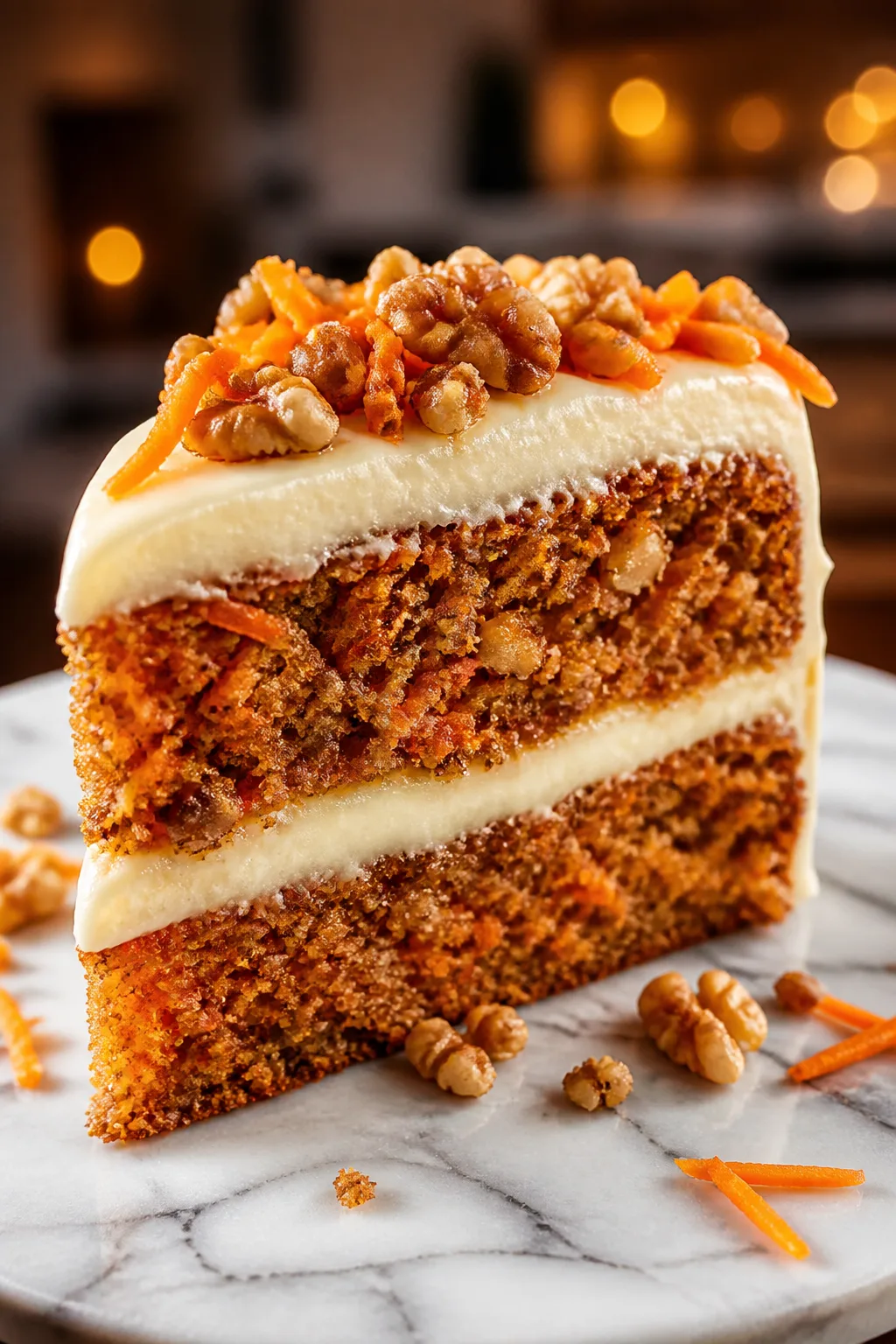
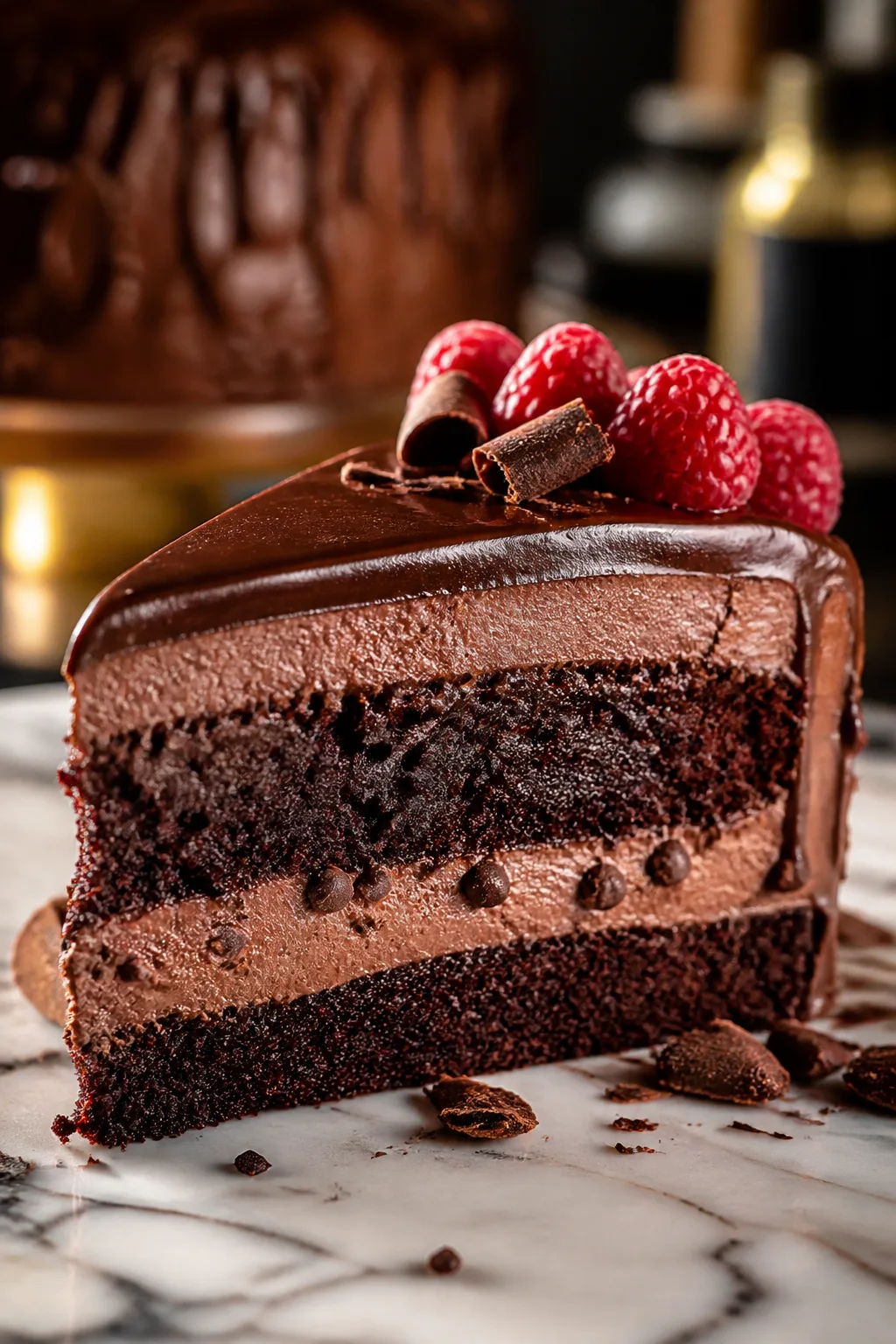
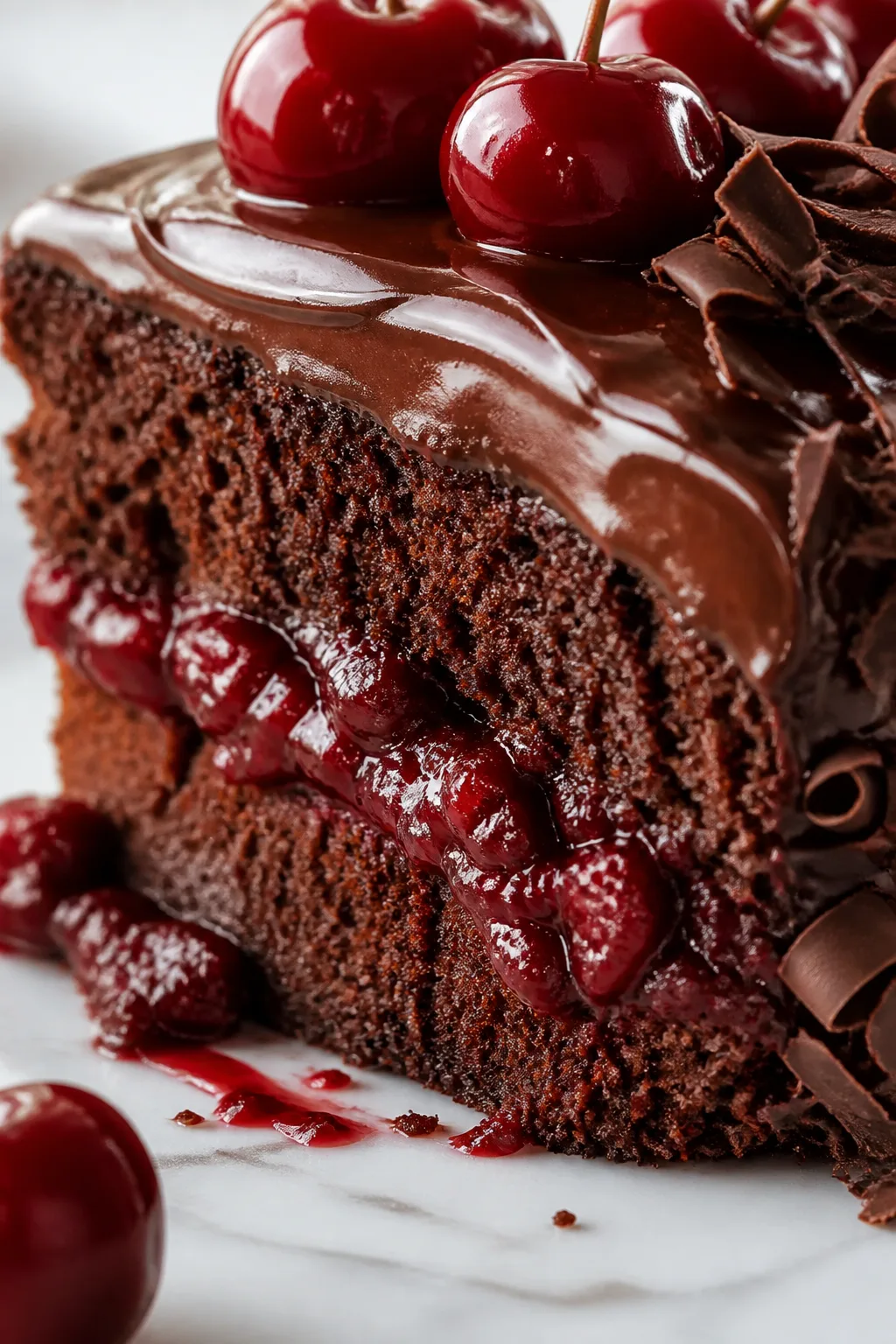
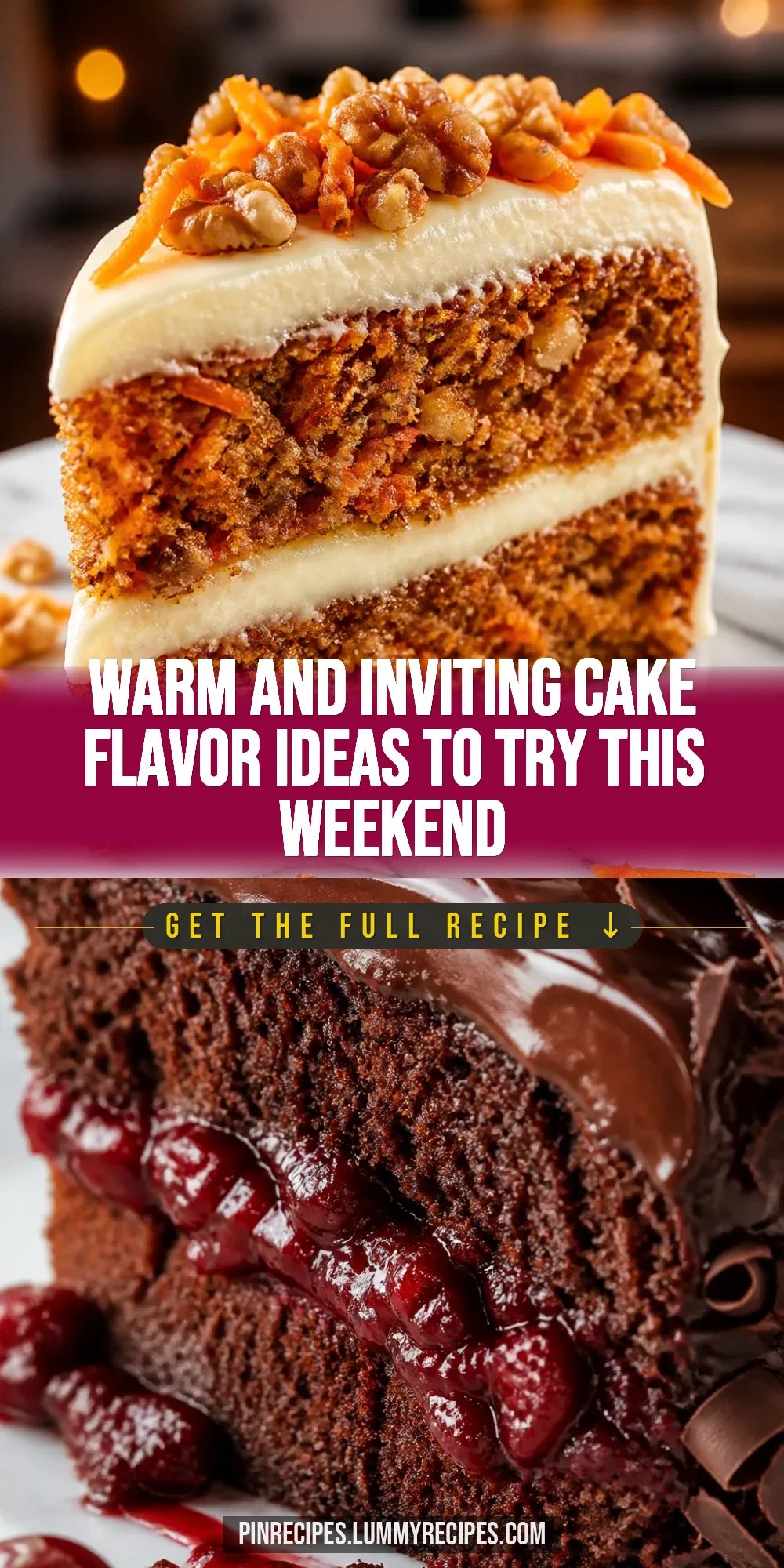
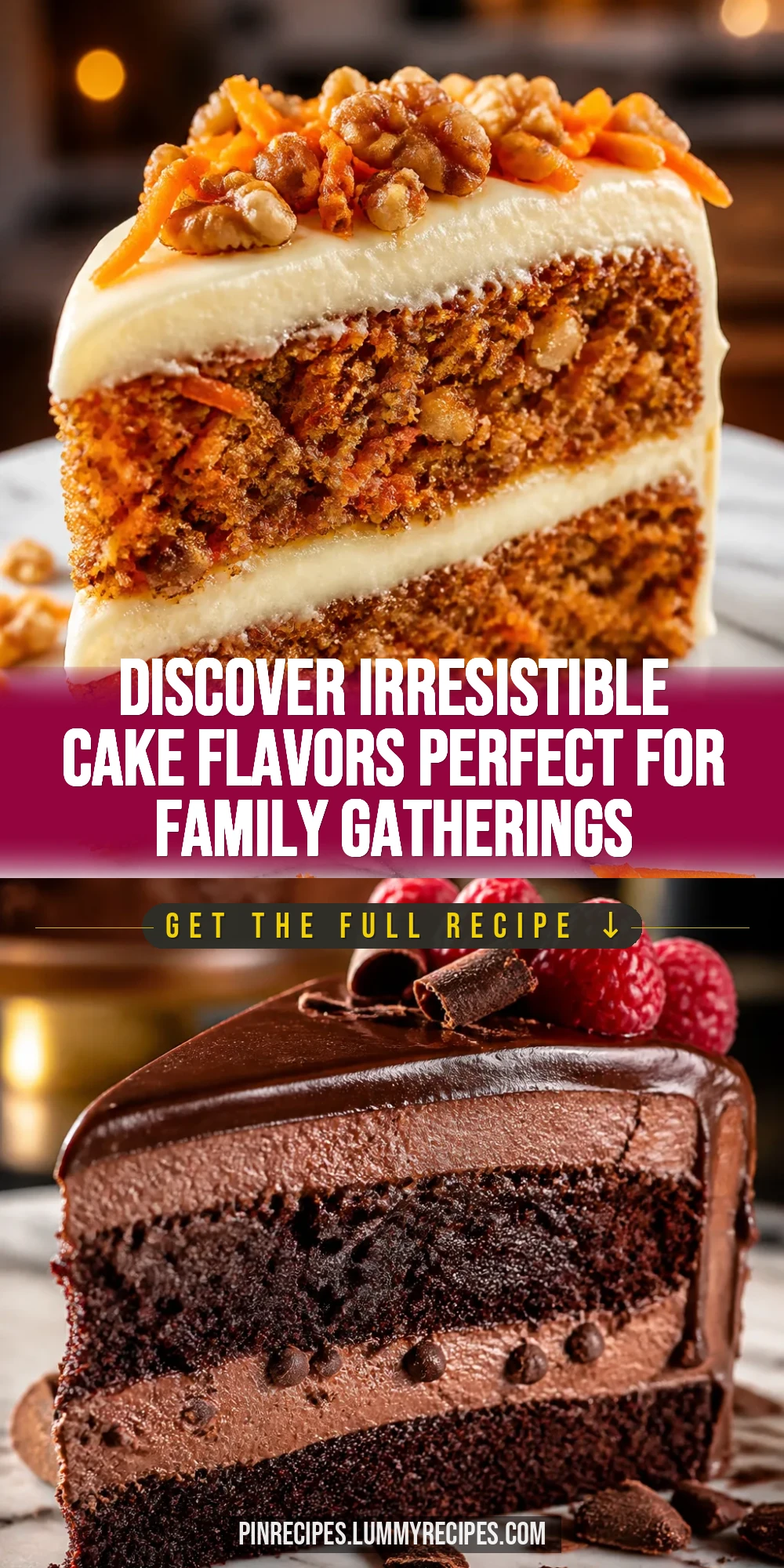
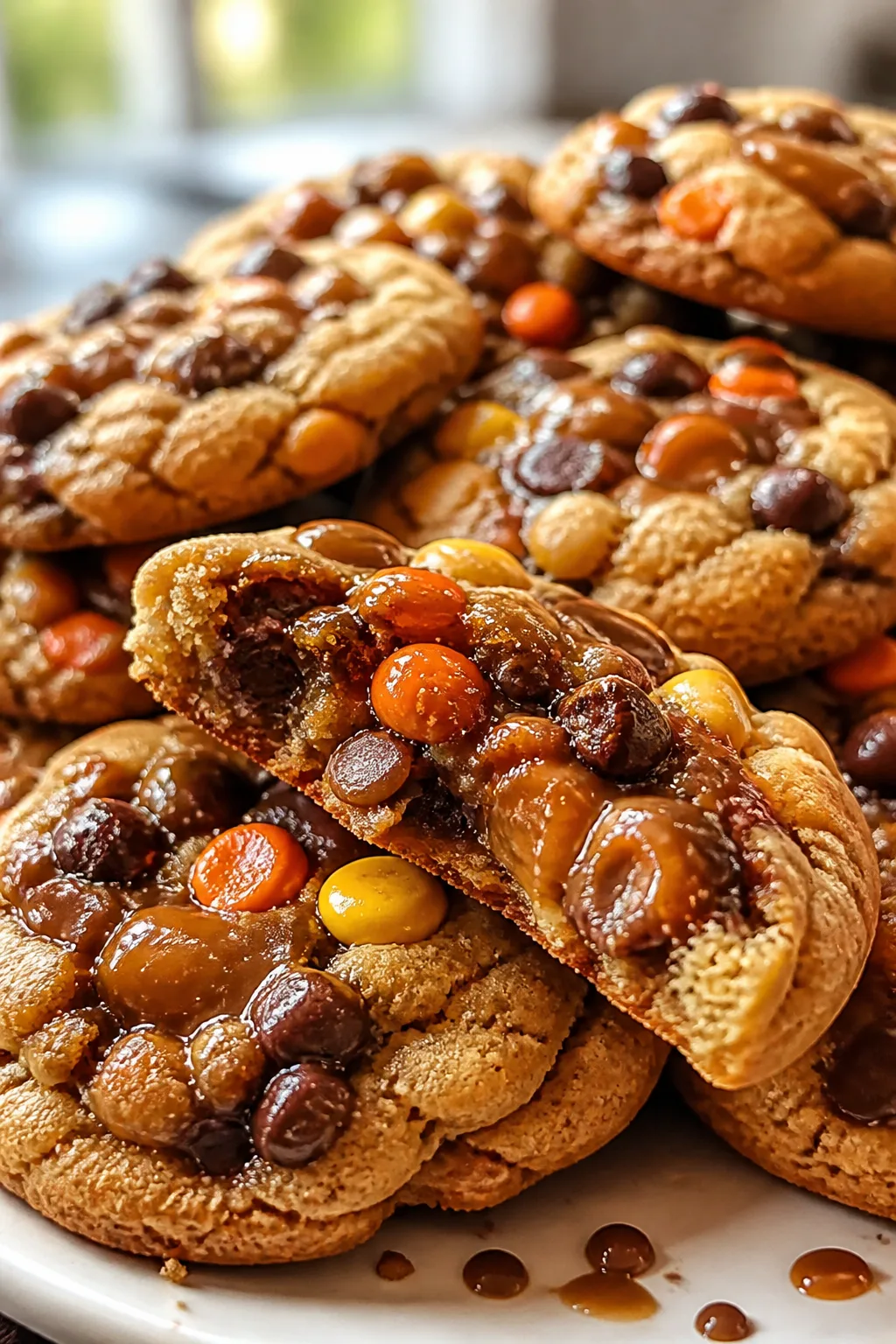
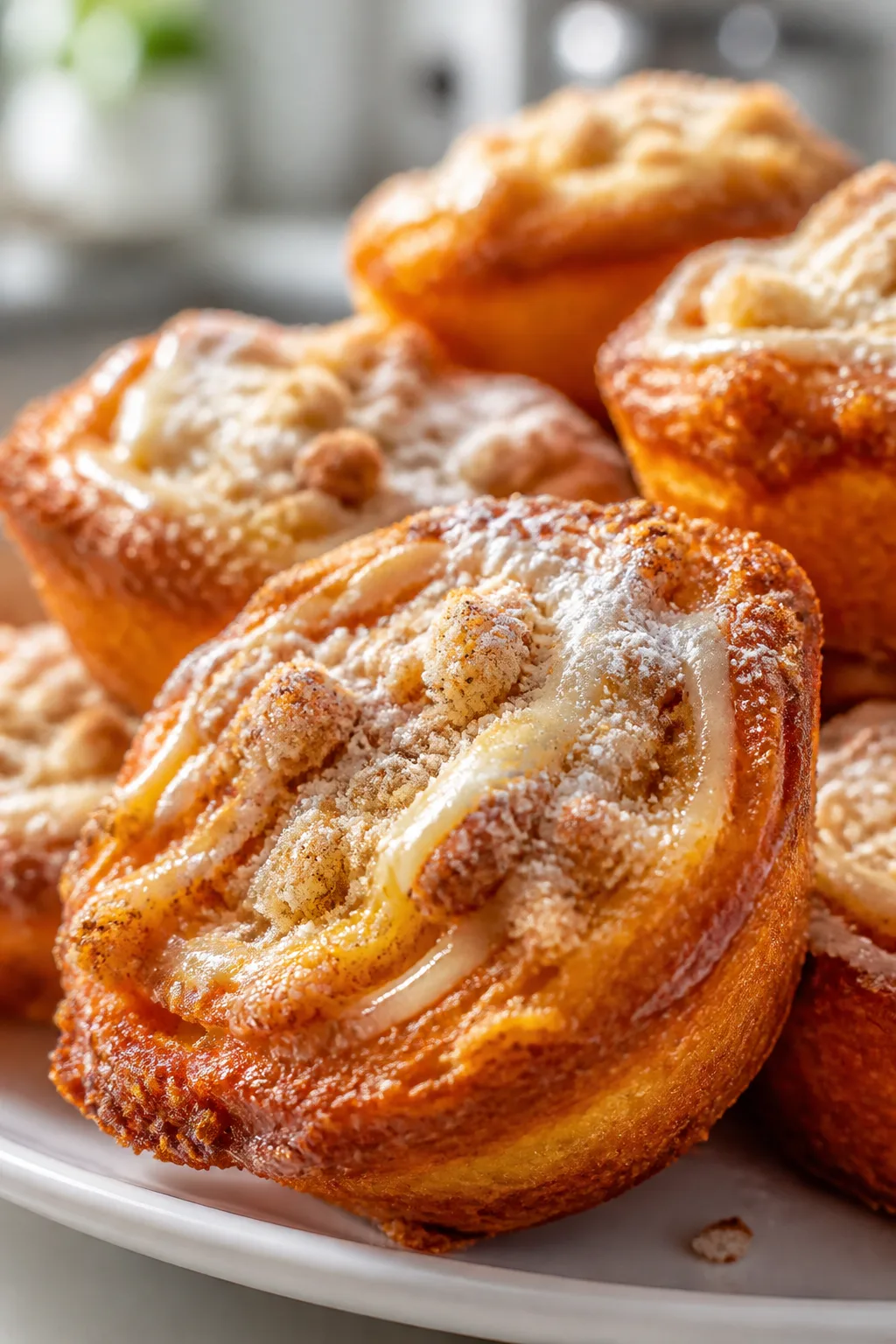
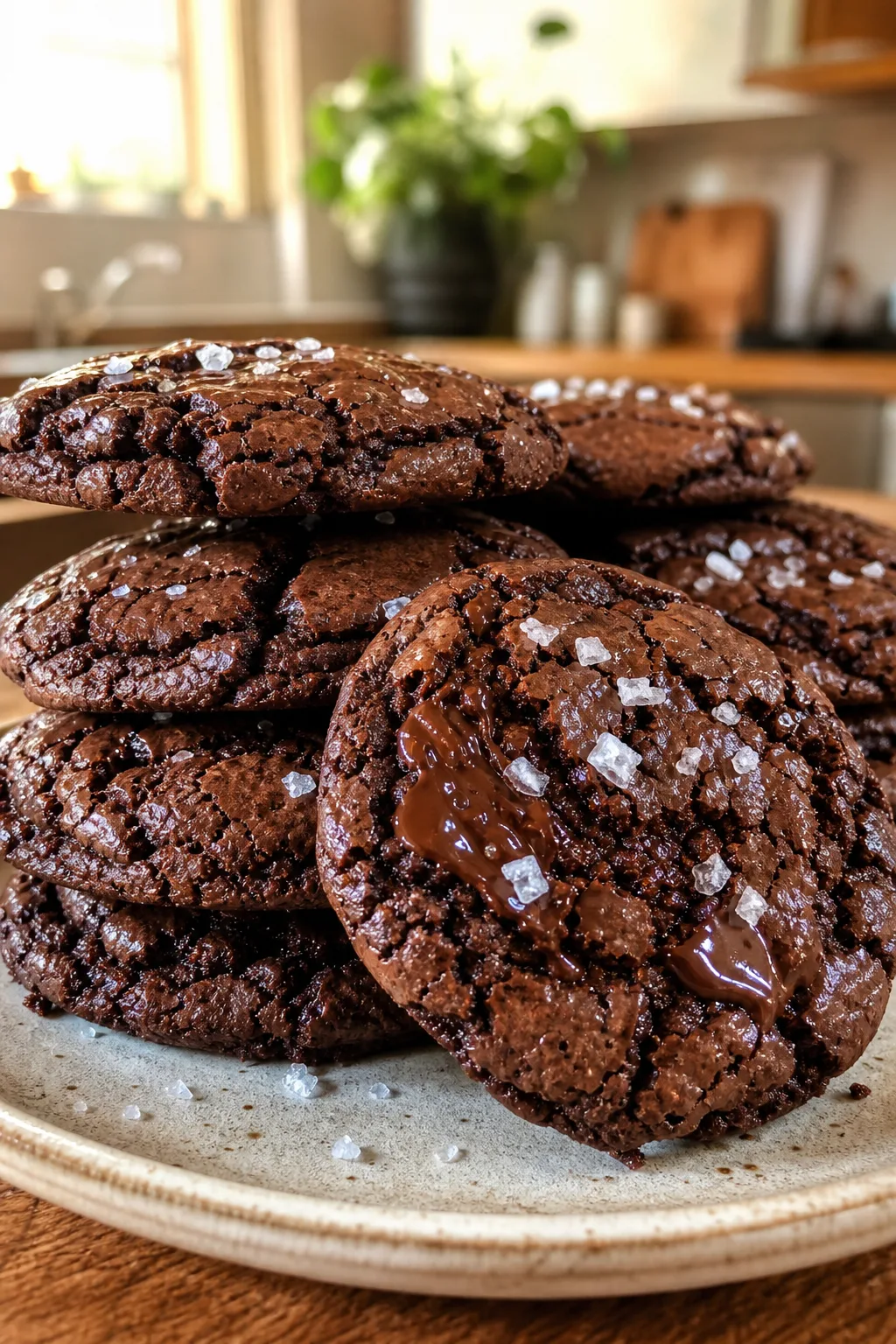
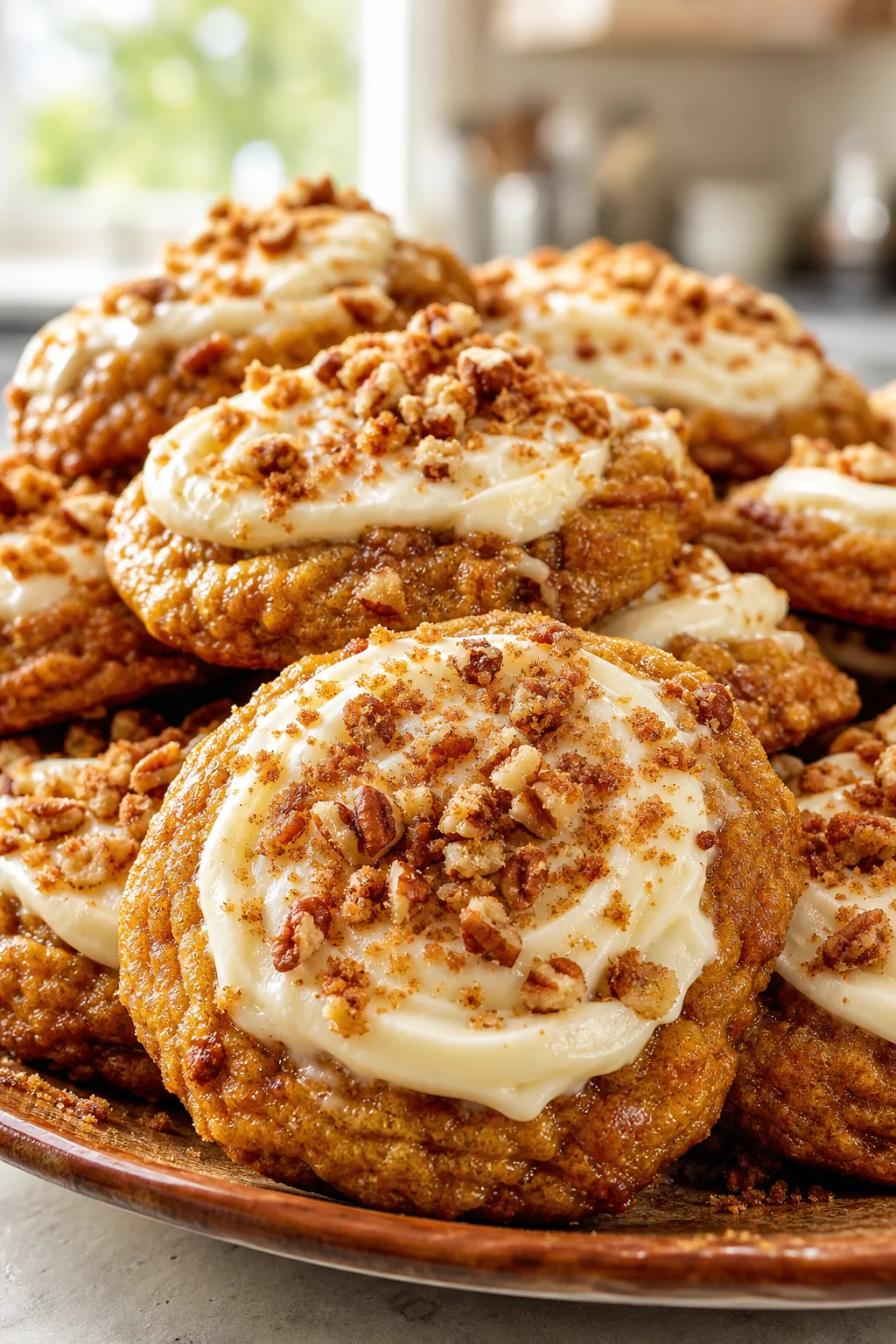
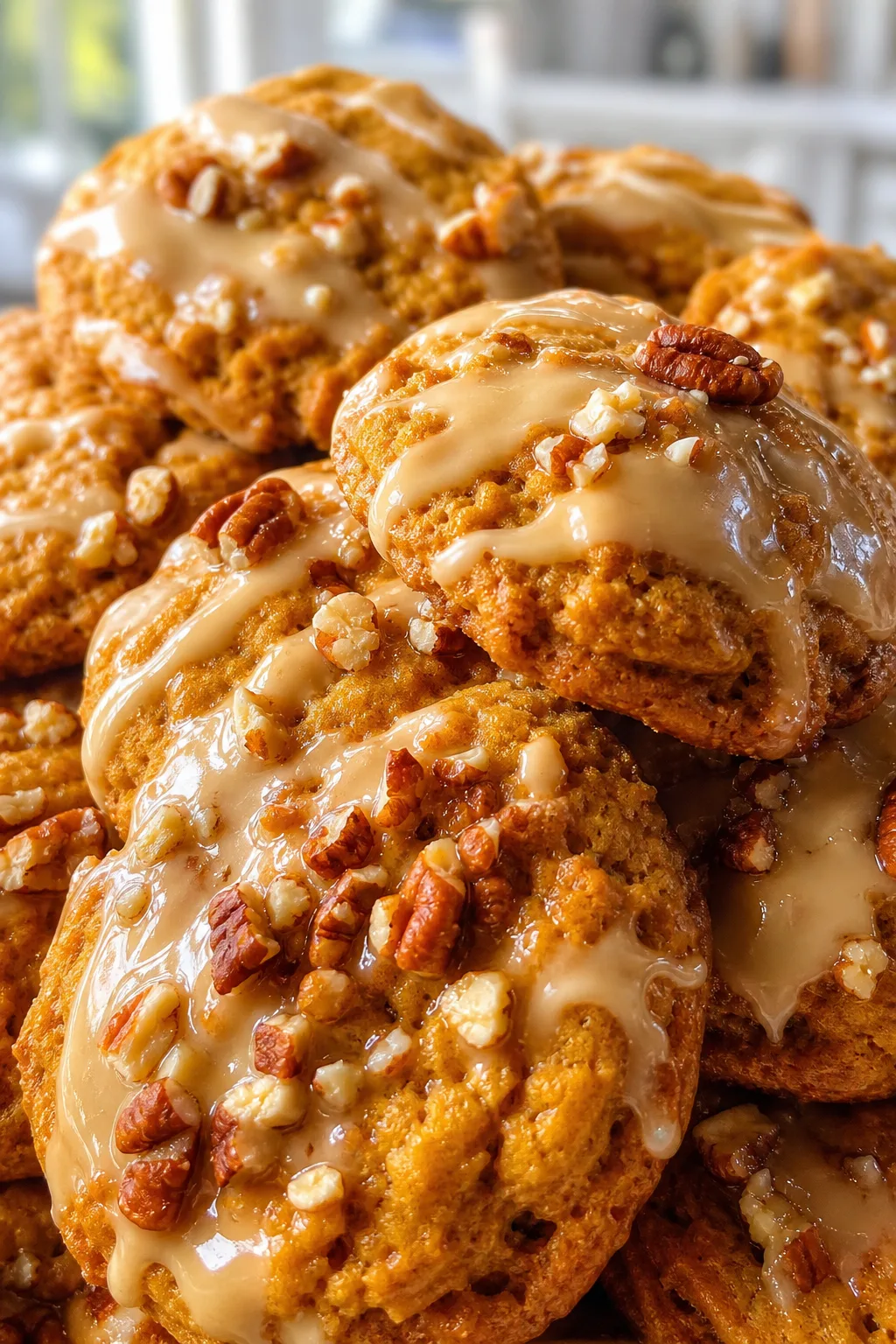
If you love baking but sometimes get stuck on which cake flavor to try next, these ideas will inspire you! From classic vanilla with a twist to cozy spice blends, each flavor feels like a warm hug. Great for birthdays or just because.
Introduction
I’ve always loved baking cakes, but sometimes I get stuck deciding which flavor to make. Over the years, I’ve gathered a handful of go-to cake flavor ideas that feel both familiar and special. These aren’t fancy or complicated — just simple, comforting flavors that bring a smile every time. I remember trying a cinnamon-spiced version one chilly afternoon, and the warm aroma instantly made the whole house feel cozy. What I love about this collection is that you can easily tweak the base recipe with a few ingredients to create something new and delicious. For example, adding lemon zest brightens the cake, while cocoa powder makes it feel like a rich chocolate treat. The key is balancing flavors so the cake stays moist and tender, which I’ve perfected by using room temperature eggs and milk and not overmixing the batter. The finished cakes are soft, flavorful, and always disappear quickly at family gatherings or casual afternoons with friends. Whether you want a classic vanilla cake or something with a hint of spice or citrus, these ideas will help you bake a cake that feels just right.
What You'll Need
One 9-inch round cake, 8 servings
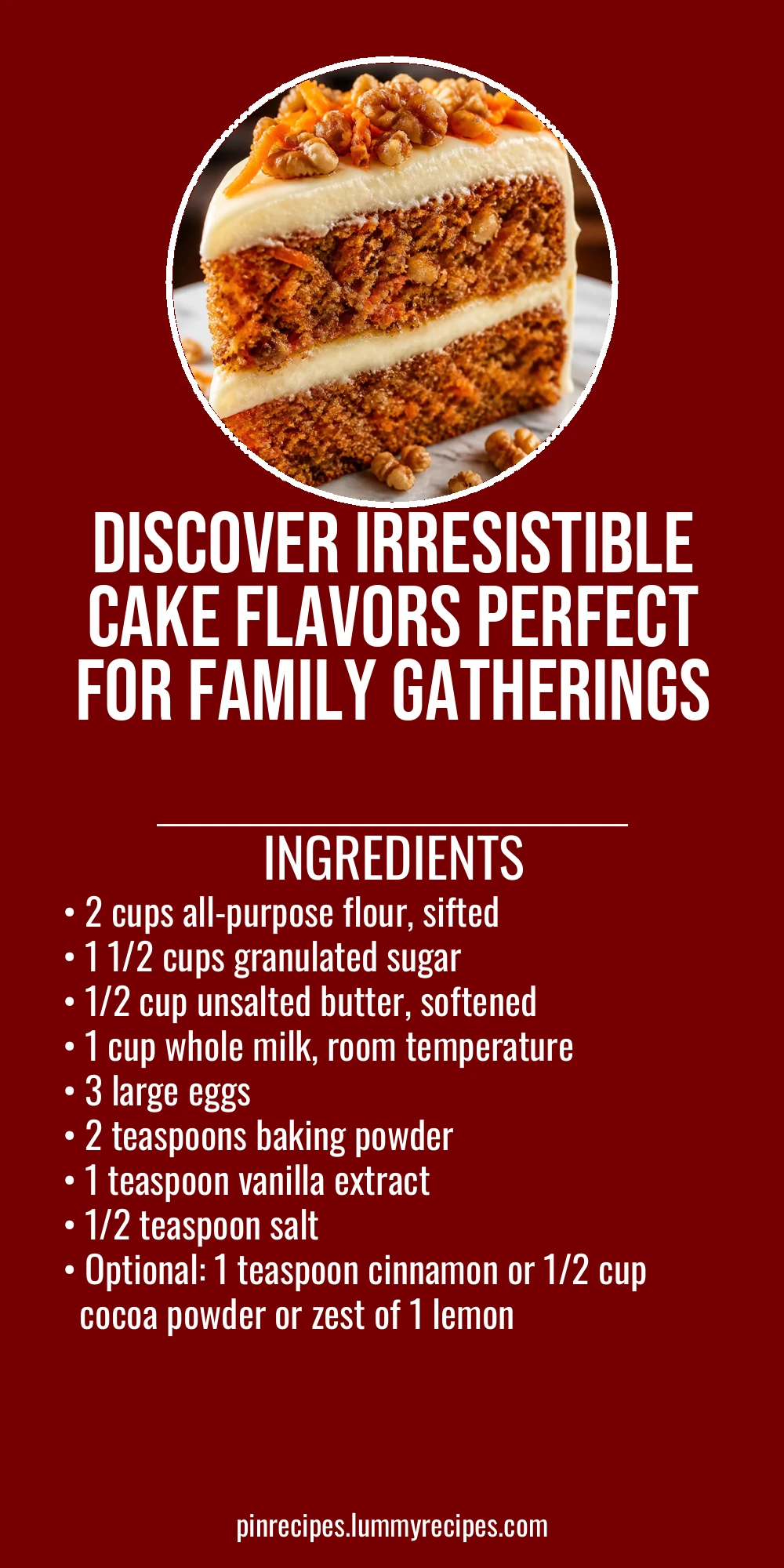
- 2 cups all-purpose flour, sifted
- 1 1/2 cups granulated sugar
- 1/2 cup unsalted butter, softened
- 1 cup whole milk, room temperature
- 3 large eggs
- 2 teaspoons baking powder
- 1 teaspoon vanilla extract
- 1/2 teaspoon salt
- Optional: 1 teaspoon cinnamon or 1/2 cup cocoa powder or zest of 1 lemon
How To Do It
Step 1
Preheat your oven to 350°F (175°C). Grease and flour a 9-inch round cake pan to ensure the cake doesn’t stick and bakes evenly. This step is crucial because it helps the cake release cleanly from the pan, preserving its shape and texture. Use softened butter and a dusting of flour, tapping out the excess. If you skip this, your cake might stick or break apart when you try to remove it.
⏱ Time: 10 minutes
✓ Doneness: Pan is evenly greased with no bare spots and a light dusting of flour covering the surface
Step 2
In a large bowl, cream the softened butter with sugar using a hand mixer or stand mixer on medium speed. Creaming incorporates air into the butter, which helps the cake rise and become fluffy. Beat until the mixture is light in color and fluffy, about 3-5 minutes. If you rush this or don’t cream well, the cake can turn out dense and heavy.
⏱ Time: 5 minutes
✓ Doneness: Butter and sugar mixture looks pale and fluffy, and the texture is airy
Step 3
Add the eggs one at a time, beating well after each addition. This helps emulsify the batter, creating a smooth texture. If you add all eggs at once, the batter may curdle or separate, affecting the cake’s crumb. Make sure your eggs are room temperature to prevent this.
⏱ Time: 3 minutes
✓ Doneness: Batter looks smooth and glossy without any lumps or separation
Step 4
Stir in vanilla extract and any optional flavor additions like cinnamon, cocoa powder, or lemon zest. These add character and depth to your cake. Mix just until combined to avoid overworking the batter, which can make the cake tough.
⏱ Time: 2 minutes
✓ Doneness: Flavors are evenly distributed with no streaks or clumps
Step 5
In a separate bowl, whisk together the flour, baking powder, and salt. Sifting or whisking these dry ingredients ensures even distribution and prevents lumps, which is important for a uniform rise and texture.
⏱ Time: 3 minutes
✓ Doneness: Dry ingredients are well combined with no clumps
Step 6
Add the dry ingredients to the wet mixture in three parts, alternating with the milk. Start and end with the flour mixture. Gently fold using a spatula or mix on low speed. This technique prevents overmixing, which can develop gluten and make the cake dense.
⏱ Time: 5 minutes
✓ Doneness: Batter is smooth, thick but pourable, with no streaks of flour
Step 7
Pour the batter evenly into the prepared pan, smoothing the top with a spatula. This helps the cake bake evenly and rise uniformly without doming too much. Tap the pan gently on the counter to release any air bubbles.
⏱ Time: 2 minutes
✓ Doneness: Batter is level and smooth on the surface
Step 8
Bake in the preheated oven for 28-32 minutes. Start checking at 28 minutes by inserting a toothpick in the center. If it comes out clean or with a few moist crumbs, the cake is done. Avoid opening the oven door too often, as this can cause the cake to sink.
⏱ Time: 30 minutes
✓ Doneness: Toothpick inserted comes out clean or with a few moist crumbs
Step 9
Let the cake cool in the pan for 10 minutes before turning it out onto a wire rack to cool completely. Cooling in the pan first helps the cake set and prevents it from breaking apart. Removing it too soon can cause it to crumble, while leaving it too long might cause sticking.
⏱ Time: 15 minutes
✓ Doneness: Cake releases easily from the pan and is cool to the touch
Pro Tips
Always use room temperature eggs and milk.
Cold ingredients can cause the batter to curdle or not mix evenly, leading to a dense or uneven crumb. Room temperature ingredients emulsify better, creating a smooth batter that traps air and rises well.
Don’t overmix the batter once you add the dry ingredients.
Overmixing develops gluten in the flour, which makes the cake tough and chewy instead of tender and soft. Mix just until the flour disappears for the best texture.
Use fresh baking powder for reliable rise.
Baking powder loses potency over time, so using old powder results in flat, dense cakes. Test freshness by adding a pinch to hot water; it should bubble vigorously.
Sift or whisk dry ingredients together before adding to wet.
This ensures even distribution of baking powder and salt, preventing uneven rising or salty pockets in the cake.
Let the cake cool in the pan for 10 minutes before removing.
This resting period allows the cake to set and reduces the risk of it breaking apart when you turn it out.
Grease and flour your pan thoroughly.
Proper pan preparation prevents sticking and preserves the cake’s shape and crust.
Tap the cake pan on the counter before baking to release air bubbles.
This helps avoid large holes or tunnels inside the cake and promotes even texture.
Common Mistakes to Avoid
Using cold ingredients.
Why it happens Many home cooks forget to take eggs and milk out ahead of time, assuming it won’t affect the batter.
Fix Always plan ahead and bring ingredients to room temperature. This helps the batter mix smoothly and rise properly.
Overmixing the batter after adding flour.
Why it happens Eager to get the batter ready, cooks sometimes mix vigorously, not realizing it toughens the cake.
Fix Mix gently and only until flour disappears. Use folding motions with a spatula instead of beating.
Not greasing the pan well.
Why it happens Rushing or skipping this step leads to sticking and broken cakes.
Fix Use softened butter and flour the pan thoroughly, especially the corners.
Opening the oven door too early or too often.
Why it happens Curiosity or impatience can cause temperature drops that make the cake sink.
Fix Wait until at least 25 minutes have passed before checking doneness and open the door gently and briefly.
Using expired baking powder.
Why it happens Baking powder is often forgotten in the pantry and loses effectiveness.
Fix Test baking powder freshness or replace it every 6 months for best results.
Variations
Cinnamon Spice Cake
Add 1 teaspoon ground cinnamon and a pinch of nutmeg to the dry ingredients for a warm, cozy flavor perfect for fall or holiday gatherings. This variation pairs beautifully with cream cheese frosting for an extra touch of richness.
Note: Spices should be mixed thoroughly with the dry ingredients to avoid clumps and ensure even flavor distribution.
Lemon Zest Cake
Add the zest of one large lemon and a tablespoon of lemon juice to the batter for a bright, fresh flavor. This cake feels light and refreshing, great for spring or summer celebrations.
Note: Use fresh, unwaxed lemons for the best zest flavor, and avoid adding too much juice to keep the batter from getting too wet.
Classic Chocolate Cake
Replace 1/2 cup of flour with unsweetened cocoa powder for a rich chocolate flavor. This simple swap turns the cake into a chocolate lover’s dream without altering the texture.
Note: Sift cocoa powder with the flour to prevent lumps and ensure even mixing.
Vanilla Almond Cake
Add 1/2 teaspoon almond extract along with the vanilla for a subtle nutty flavor. Sprinkle sliced almonds on top before baking for a crunchy finish.
Note: Almond extract is potent, so use sparingly to avoid overpowering the vanilla.
Orange Cardamom Cake
Add 1 teaspoon ground cardamom and the zest of one orange to the batter. This exotic twist adds warmth and citrus brightness, making the cake feel special yet familiar.
Note: Cardamom is strong; measure carefully and mix well with dry ingredients.
Nutrition
Per Serving:
Nutritional values are estimates and may vary based on specific ingredients used.
Storage & Tips
Room Temperature
Store the cooled cake covered loosely with a cake dome or airtight container at room temperature for up to 2 days. Avoid direct sunlight or heat to keep it moist and fresh.
Refrigerator
Keep the cake in an airtight container in the fridge for up to 5 days. The cake may dry slightly when chilled, so bring it to room temperature before serving or add a light frosting to retain moisture.
Freezer
Wrap the cooled cake tightly in plastic wrap and then foil to freeze for up to 3 months. Thaw in the refrigerator overnight and bring to room temperature before serving for best texture.
Reheating
Warm individual slices in the microwave for 10-15 seconds or in a low oven (300°F) wrapped in foil for 10 minutes. Adding a small pat of butter or a splash of milk can help restore moisture.
Make Ahead
You can prepare the cake batter a day ahead and keep it refrigerated tightly covered. Bring to room temperature before baking. Alternatively, bake the cake and freeze it undecorated, then thaw and frost on the day of serving.
FAQ
Can I substitute butter with oil in this cake recipe?
Yes, you can substitute butter with an equal amount of vegetable oil for a moister cake. However, the flavor will be less rich and buttery. Butter also helps with aeration during creaming, so the texture might be slightly denser.
How do I know when the cake is fully baked?
The best way is to insert a toothpick or cake tester into the center. If it comes out clean or with a few moist crumbs clinging, the cake is done. Also, the edges will start pulling away from the pan and the top should spring back when lightly touched.
Can I make this cake gluten-free?
Yes, but you’ll need to use a gluten-free flour blend designed for baking. The texture might be slightly different, often denser or crumblier. Adding a binder like xanthan gum can help mimic gluten’s structure.
What’s the best way to store leftover cake?
Store leftover cake in an airtight container at room temperature for up to 2 days or in the fridge for up to 5 days. Wrapping it tightly helps keep moisture in and prevents it from drying out.
Can I add frosting to these cake flavors?
Absolutely! Most of these flavors pair wonderfully with buttercream, cream cheese frosting, or even a simple dusting of powdered sugar. Choose a frosting that complements the flavor, like lemon glaze for lemon cake or cinnamon cream cheese for spice cake.
Why did my cake sink in the middle?
Common reasons include opening the oven door too early, underbaking, or using expired leavening agents. Also, overmixing the batter can cause too much air that collapses during baking.
Can I double this recipe for a larger cake?
Yes, doubling the recipe works well. Use two pans or a larger pan and adjust baking time accordingly. Start checking doneness at the original time to avoid overbaking.
Is it okay to use salted butter?
You can use salted butter, but reduce or omit the added salt in the recipe to avoid over-salting. Unsalted butter gives you better control over the flavor.
Final Thoughts
I hope these cake flavor ideas inspire you to bake something cozy and delicious soon. Don’t forget to share your favorites and any tweaks you try — I love hearing from fellow home bakers!