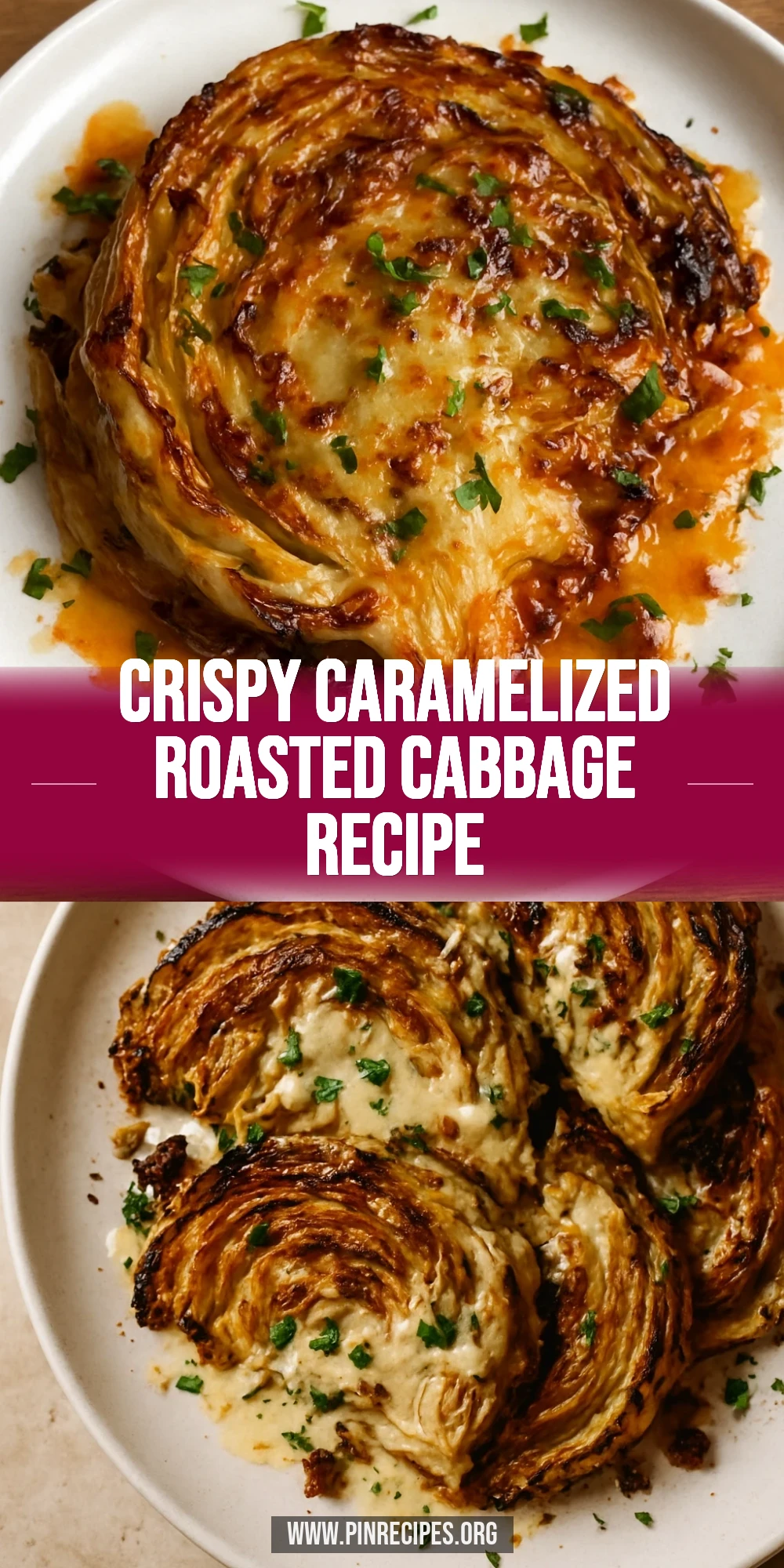
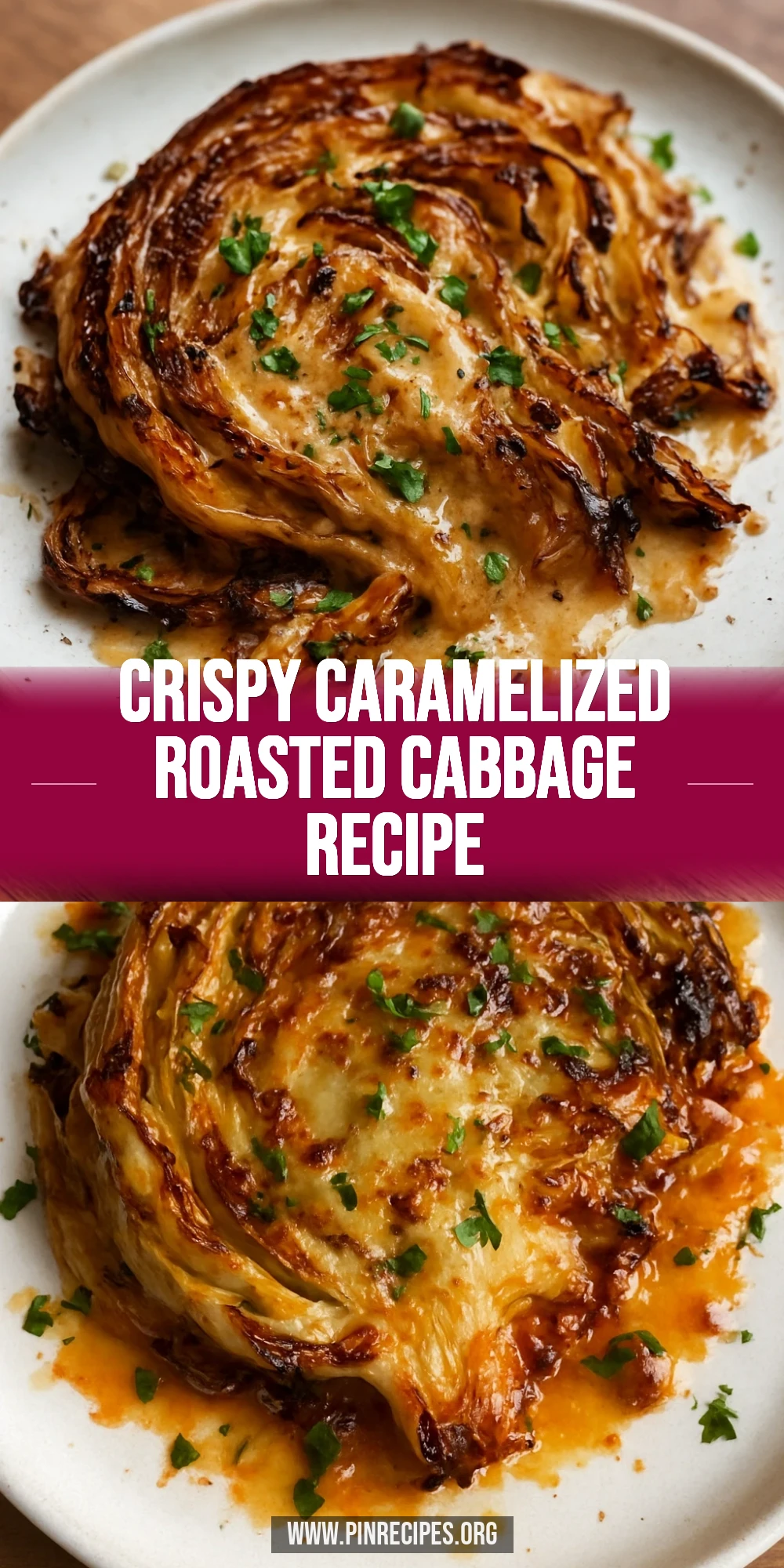
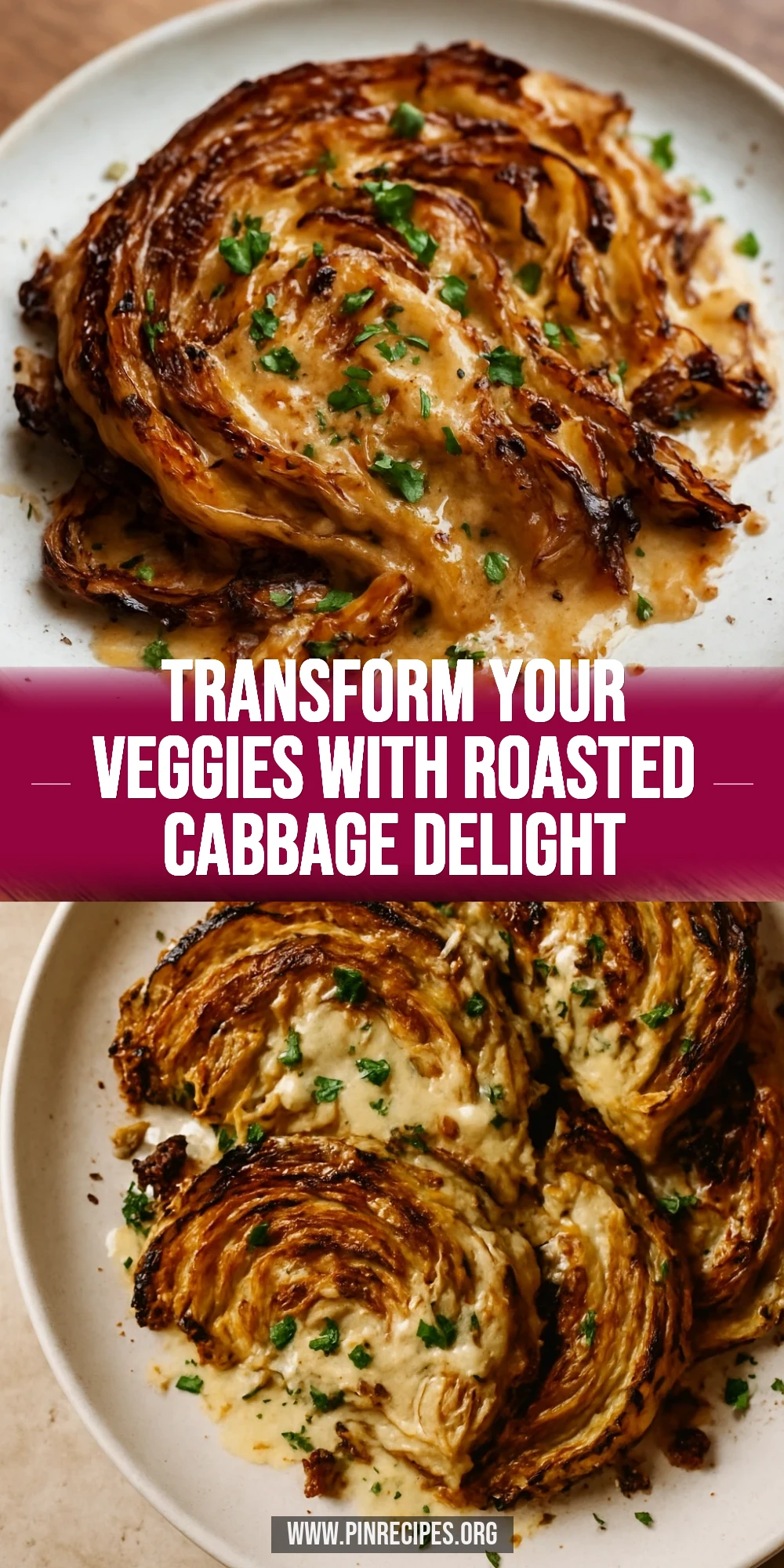
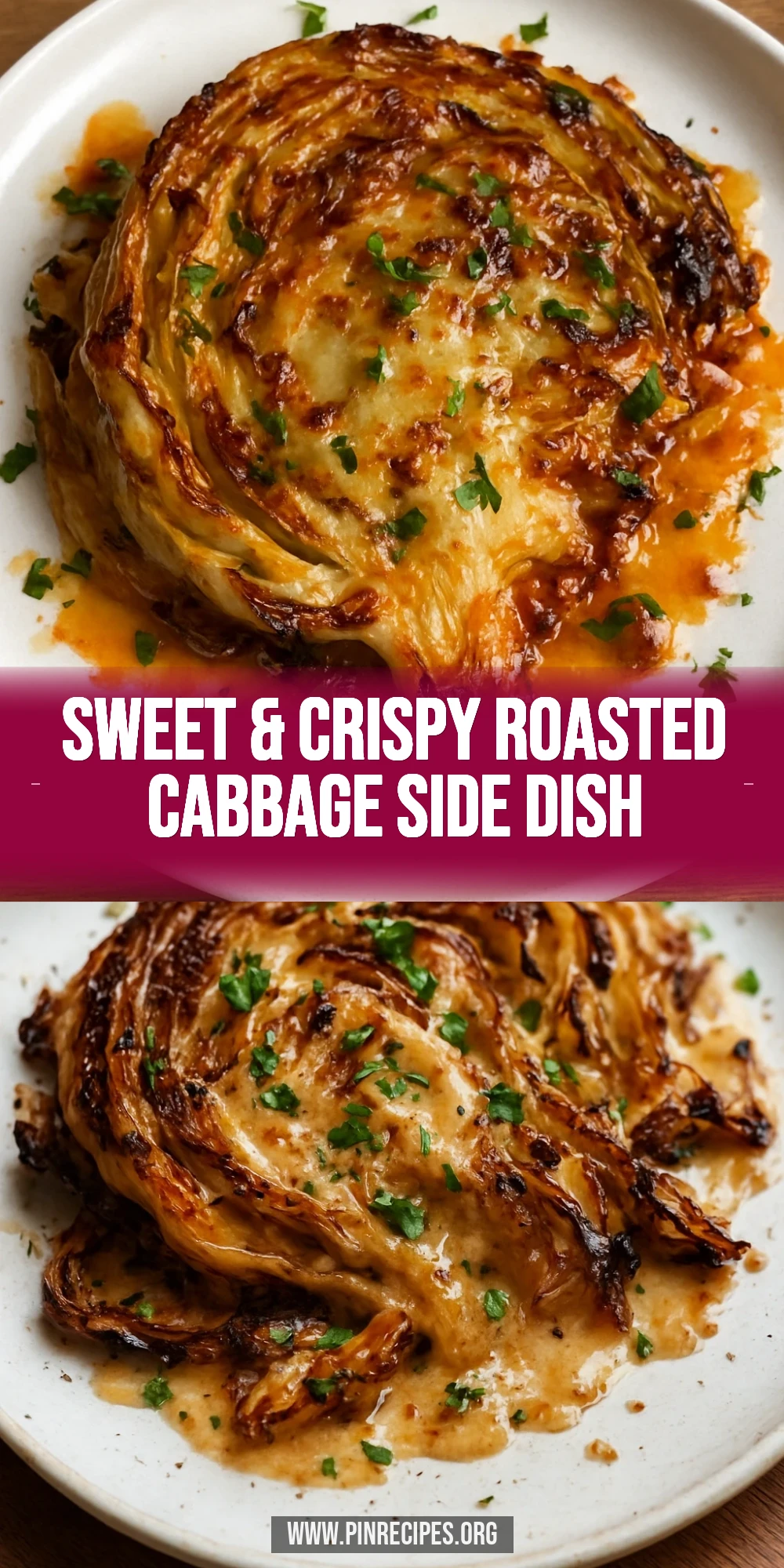
This roasted cabbage is a total game changer—sweet, caramelized edges with a tender heart. The secret? A quick broil at the end that adds just the right crispy finish. Perfect side for any weeknight dinner or cozy weekend meal.
Introduction
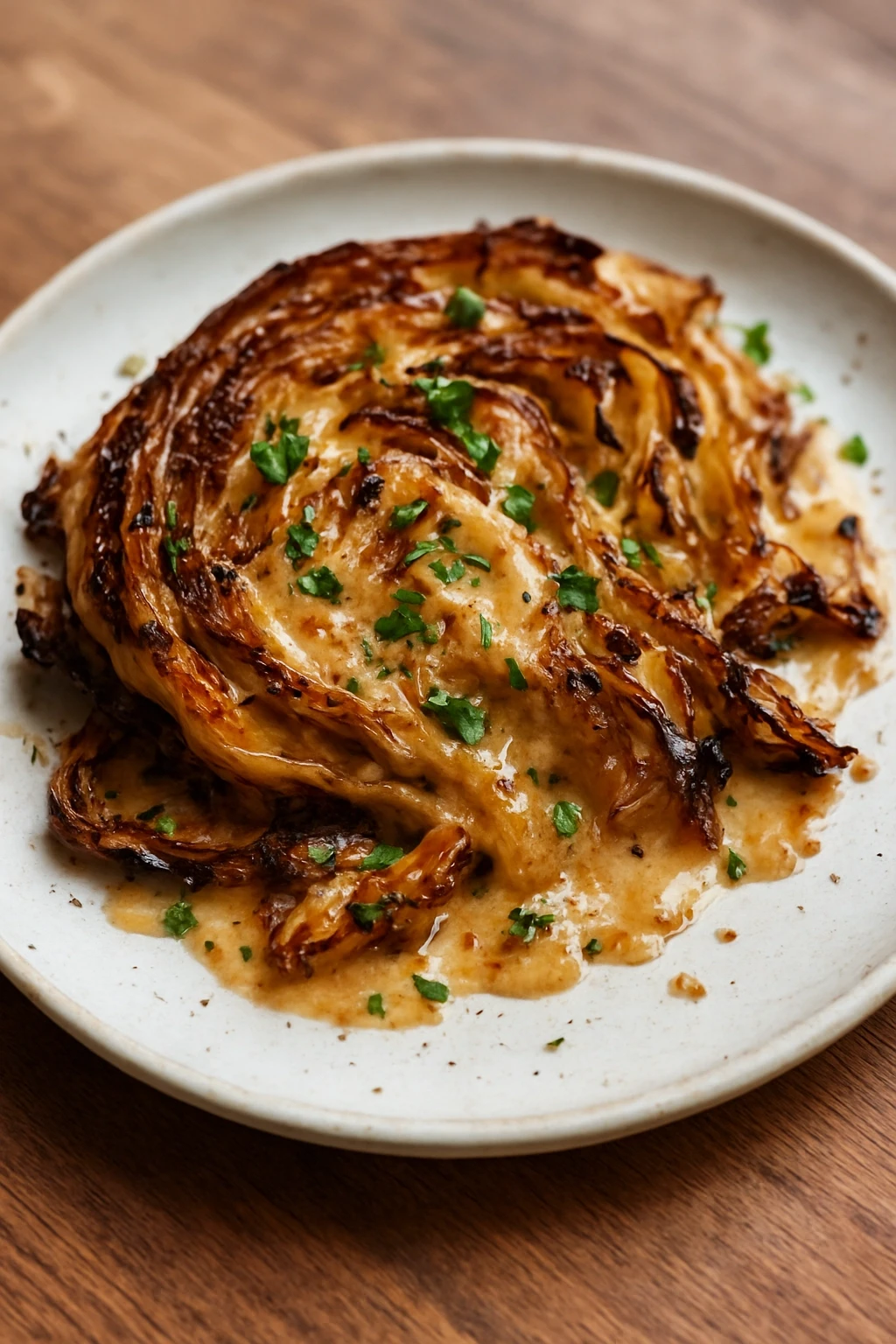
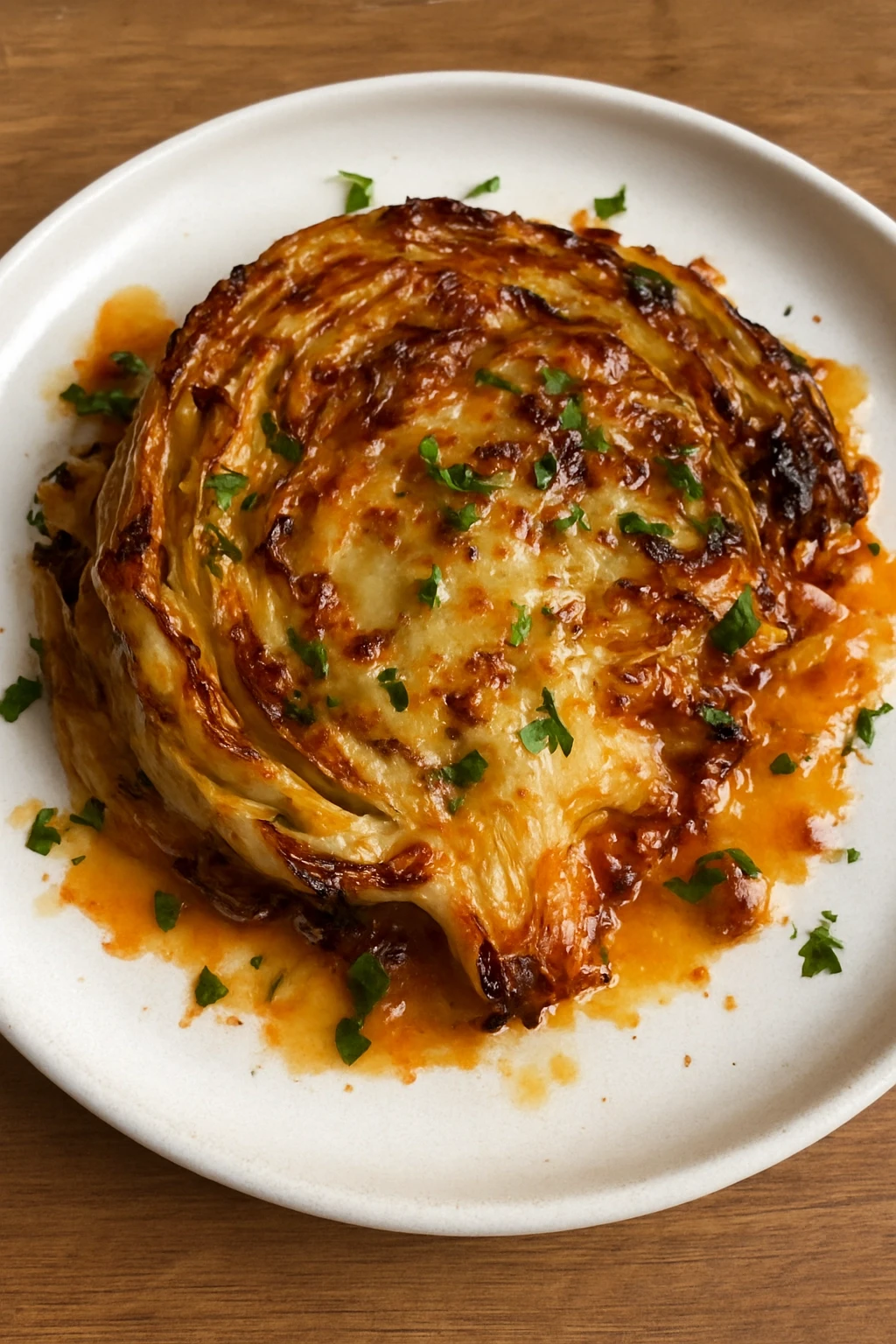
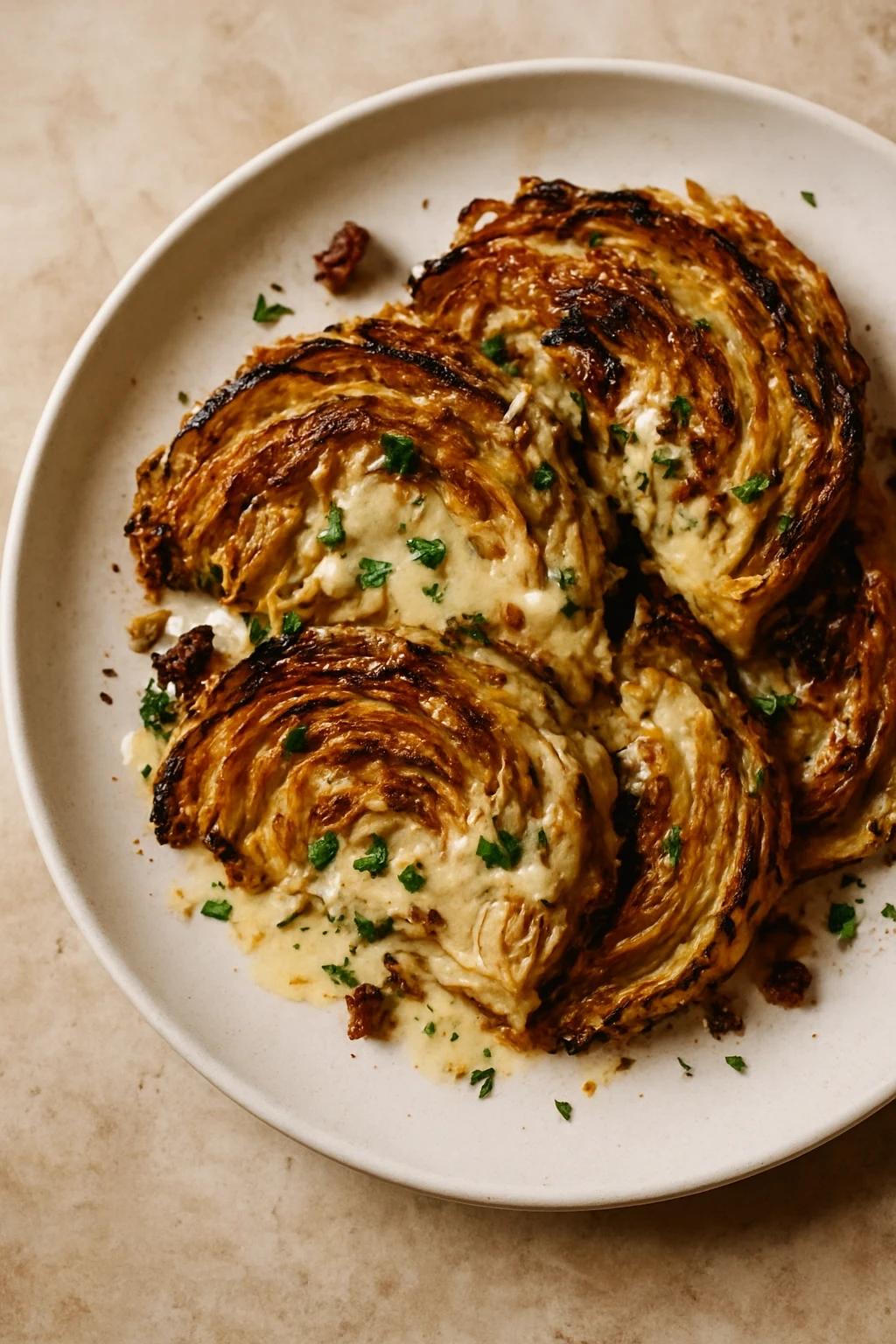
I stumbled upon this roasted cabbage recipe a couple of years ago when I was looking for an easy veggie side that didn't require tons of chopping or fuss. Honestly, cabbage usually felt a bit boring to me, but roasting it changed everything. The trick I learned is to cut it into thick wedges and give it a generous coating of olive oil and a touch of sweetness with honey. This combo brings out the natural sugars and creates those irresistible caramelized edges. Plus, a quick broil at the end really crisps up the outside without drying the inside. It’s perfect when you want something healthy but still crave comfort food vibes. My family actually fights over the leftovers, which is a total win in my book. The finished dish looks rustic and inviting, with golden-brown edges and tender, flavorful layers inside. It’s a great side for just about any meal, especially roasted meats or hearty grains. I think you’ll love how easy it is and how much flavor it packs with so little effort.
How To Do It
Step 1
Preheat your oven to 425°F (220°C). This high temperature is key for caramelizing the cabbage properly. While the oven heats, wash the cabbage and cut it into 1-inch thick wedges, keeping the core intact to hold the wedges together. This method helps the cabbage cook evenly without falling apart, and the core acts like a handle for turning later.
⏱ Time: 10 minutes
✓ Doneness: Cabbage wedges are firm and intact, no loose leaves
Step 2
Place the cabbage wedges on a large baking sheet lined with parchment paper or foil for easier cleanup. Drizzle the olive oil over the cabbage, then sprinkle with salt, pepper, and smoked paprika if using. Use your hands or a brush to coat each wedge thoroughly. This oil coating helps the cabbage caramelize and prevents it from drying out during roasting.
⏱ Time: 5 minutes
✓ Doneness: Evenly coated wedges with visible oil sheen
Step 3
Roast the cabbage in the preheated oven for 20 minutes. About halfway through, use tongs to carefully flip each wedge to ensure even browning on both sides. This flipping step is important because it exposes all sides to the heat, creating that beautiful caramelization and preventing soggy spots.
⏱ Time: 20 minutes
✓ Doneness: Edges start to turn golden brown and smell sweet
Step 4
After 20 minutes, remove the baking sheet and drizzle the honey or maple syrup evenly over the cabbage wedges. This adds a subtle sweetness that enhances the natural sugars in the cabbage. Return the baking sheet to the oven and broil on high for 3-5 minutes, watching carefully to avoid burning. The broil step crisps up the edges and deepens the caramelization.
⏱ Time: 5 minutes
✓ Doneness: Edges are deeply golden and slightly crisp
Step 5
Remove the cabbage from the oven and immediately drizzle with apple cider vinegar. The vinegar adds a bright tang that balances the sweetness and richness from roasting. Toss gently to coat all wedges evenly. Let the cabbage rest for a few minutes to soak up the flavors before serving.
⏱ Time: 5 minutes
✓ Doneness: Glossy wedges with a hint of tangy aroma
Step 6
Taste and adjust seasoning with extra salt or pepper if needed. Serve warm as a side dish with your favorite main course. This cabbage pairs especially well with roasted chicken, pork, or even a grain bowl for a vegetarian option.
⏱ Time: 2 minutes
✓ Doneness: Balanced seasoning and warm to the touch
Step 7
For leftovers, cool the cabbage completely before storing in an airtight container in the fridge. To reheat, use a skillet over medium heat to revive the crisp edges or a quick broil in the oven. Avoid microwaving if you want to keep the texture crisp.
⏱ Time: N/A
✓ Doneness: Reheated cabbage with crisp edges and tender inside
Step 8
If you want to add extra flavor, try sprinkling toasted sesame seeds or chopped fresh herbs like parsley or thyme right before serving. These add a fresh note and a bit of crunch that complements the caramelized cabbage beautifully.
⏱ Time: 1 minute
✓ Doneness: Fresh herbs visibly bright and fragrant
Step 9
Experiment with different cabbages like red or savoy for color and texture variations. Just keep the wedges thick and adjust roasting time slightly if needed. Each type brings its own unique flavor twist to the dish.
⏱ Time: N/A
✓ Doneness: Wedges cooked through with desired caramelization
Pro Tips
Cut cabbage into thick wedges instead of shredding.
Thick wedges hold their shape during roasting, allowing the inside to stay tender while the edges caramelize. Shredded cabbage tends to dry out and can become mushy rather than crispy.
Flip the cabbage halfway through roasting.
Turning the wedges exposes all sides to the hot oven air, ensuring even caramelization and preventing one side from burning or staying soggy.
Use a broiler at the end for crisp edges.
Broiling quickly intensifies the Maillard reaction on the surface, creating that golden, crispy finish without overcooking the inside.
Drizzle vinegar right after roasting.
Adding acid while the cabbage is hot helps it absorb the tangy flavor, balancing the sweetness and enhancing overall taste.
Don’t overcrowd the baking sheet.
Crowding traps steam and prevents proper browning. Give each wedge space to roast evenly and develop crisp edges.
Use parchment or foil for easy cleanup.
Roasted cabbage can stick to pans and leave burnt bits. Lining the sheet saves scrubbing and keeps the cabbage intact.
Let the cabbage rest a few minutes before serving.
Resting allows the flavors to meld and the steam to redistribute, making each bite tender and flavorful.
Common Mistakes to Avoid
Cutting wedges too thin.
Why it happens Many assume thinner pieces cook faster and better, but cabbage cooks unevenly if too thin and dries out quickly.
Fix Stick to 1-inch thick wedges to keep the center moist while the edges caramelize. This thickness balances tenderness and crispiness perfectly.
Skipping the flipping step.
Why it happens People often want to save time or forget to turn the cabbage, resulting in uneven browning.
Fix Set a timer as a reminder to flip after 10 minutes. This ensures all sides get that delicious caramelized crust.
Using too much oil.
Why it happens Some think more oil means better flavor, but excess oil causes sogginess and greasy texture.
Fix Use just enough oil to lightly coat the wedges. This promotes browning without making the cabbage heavy.
Broiling too long or not watching closely.
Why it happens Broilers work fast, and it’s easy to burn the cabbage if unattended.
Fix Broil for 3-5 minutes max and watch carefully. Remove as soon as edges turn golden brown and crispy.
Not seasoning after roasting.
Why it happens Some season only before roasting, missing the chance to adjust flavors once the cabbage has cooked.
Fix Always taste and add more salt, pepper, or vinegar after cooking to balance flavors perfectly.
Variations
Spicy Roasted Cabbage
Add a pinch of cayenne pepper or chili flakes along with the paprika for a subtle heat. You can also drizzle a bit of hot sauce after roasting for an extra kick. This variation pairs well with grilled meats or tacos.
Note: Spices with heat can burn quickly, so add them before roasting in moderation and adjust after cooking to avoid bitterness.
Garlic Herb Roasted Cabbage
Mix minced garlic and chopped fresh herbs like rosemary or thyme into the olive oil before coating the cabbage. The garlic roasts beautifully and the herbs add fragrant complexity, perfect for a cozy dinner side.
Note: Add garlic early to roast it gently without burning; fresh herbs can be added before or after roasting depending on desired intensity.
Asian-Inspired Roasted Cabbage
Brush the cabbage with a mixture of soy sauce, sesame oil, and a little honey before roasting. Finish with toasted sesame seeds and sliced scallions for a savory umami twist that’s great alongside stir-fries.
Note: Soy sauce adds salt and moisture, so reduce added salt and watch for steaming instead of roasting if too much liquid is used.
Vegan Creamy Dressing Drizzle
Serve the roasted cabbage with a drizzle of vegan cashew cream or tahini sauce. This adds richness and a creamy contrast to the crispy edges, making it a more substantial side or light main.
Note: Prepare the sauce ahead and add just before serving to keep the cabbage crisp.
Roasted Red Cabbage with Balsamic Glaze
Swap green cabbage for red cabbage and drizzle with a balsamic reduction instead of vinegar. The glaze adds a sweet tang that complements the earthiness of red cabbage beautifully.
Note: Red cabbage may take a few extra minutes to roast fully; watch for tender wedges with deep caramelization.
Nutrition
Per Serving:
Nutritional values are estimates and may vary based on specific ingredients used.
Storage & Tips
Room Temperature
Roasted cabbage can safely sit out for up to 2 hours covered loosely with foil or a clean kitchen towel. Beyond that, it’s best to refrigerate to avoid spoilage.
Refrigerator
Store leftovers in an airtight container for up to 4 days. The cabbage will lose some crispness but reheating in a skillet or oven can restore texture. Cold cabbage can also be chopped into salads for a different use.
Freezer
Freeze roasted cabbage in a freezer-safe container or bag for up to 2 months. Wrap tightly to prevent freezer burn. Thaw overnight in the fridge before reheating. Texture may soften slightly after freezing.
Reheating
Reheat gently in a skillet over medium heat with a splash of olive oil to revive crisp edges. Avoid microwaving as it tends to make the cabbage soggy. Oven reheating at 350°F for 10 minutes also works well.
Make Ahead
You can prep the wedges and season them a day ahead, storing them wrapped in the fridge. Roast and broil fresh on serving day for best texture and flavor.
FAQ
Can I use red cabbage instead of green cabbage?
Absolutely! Red cabbage works great and adds beautiful color. Just note it might take a few extra minutes to roast fully. The flavor is a bit earthier but still delicious when caramelized.
What if I don’t have honey or maple syrup?
You can skip the sweetener or substitute with a small amount of brown sugar or agave nectar. The sweetness helps caramelization, but it’s not essential if you prefer a savory version.
How do I know when the cabbage is done roasting?
Look for golden brown edges and a tender inside when pierced with a fork. The wedges should have a nice caramelized crust but still hold their shape.
Can I roast the cabbage wedges covered?
Covering traps steam and prevents caramelization, leading to soggy cabbage. It’s best to roast uncovered so the edges crisp up nicely.
Is smoked paprika necessary?
It’s optional but recommended for a subtle smoky flavor that complements roasting. If you don’t have it, regular paprika or a pinch of cumin can work as a substitute.
Can I make this recipe vegan?
Yes! Just use maple syrup or agave instead of honey to keep it vegan-friendly. Everything else is plant-based already.
How do I prevent the cabbage from burning under the broiler?
Keep a close eye during broiling and limit it to 3-5 minutes. Move the pan around if needed to avoid hot spots and remove as soon as edges turn golden.
Can I add other vegetables to roast with the cabbage?
You can, but be mindful of cooking times. Root vegetables like carrots or potatoes can be added if cut into similar sizes, but softer veggies might overcook.
Final Thoughts
Give this roasted cabbage a try—you might just find a new favorite veggie side. Let me know how it turns out and if you add your own twist!