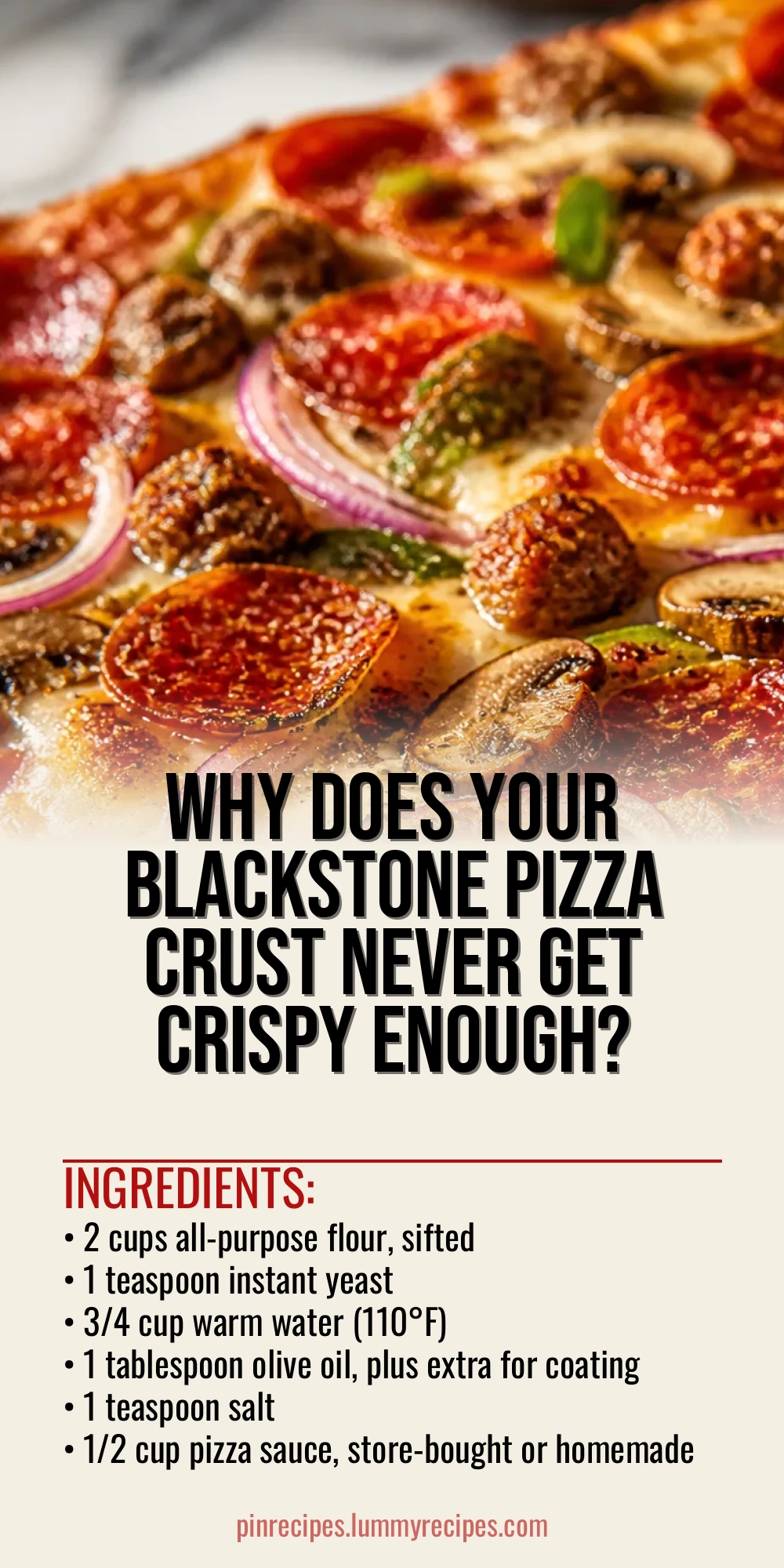
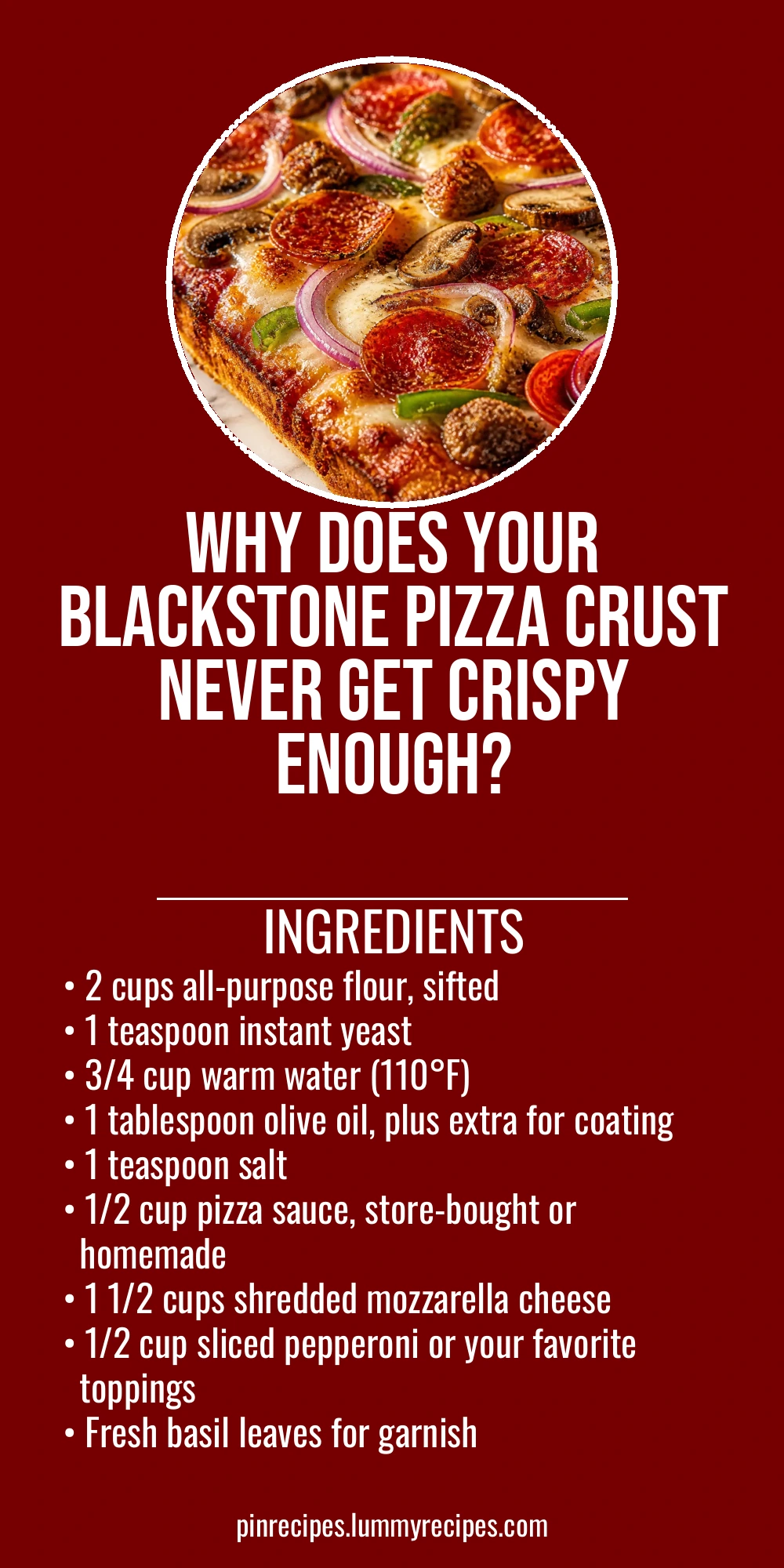
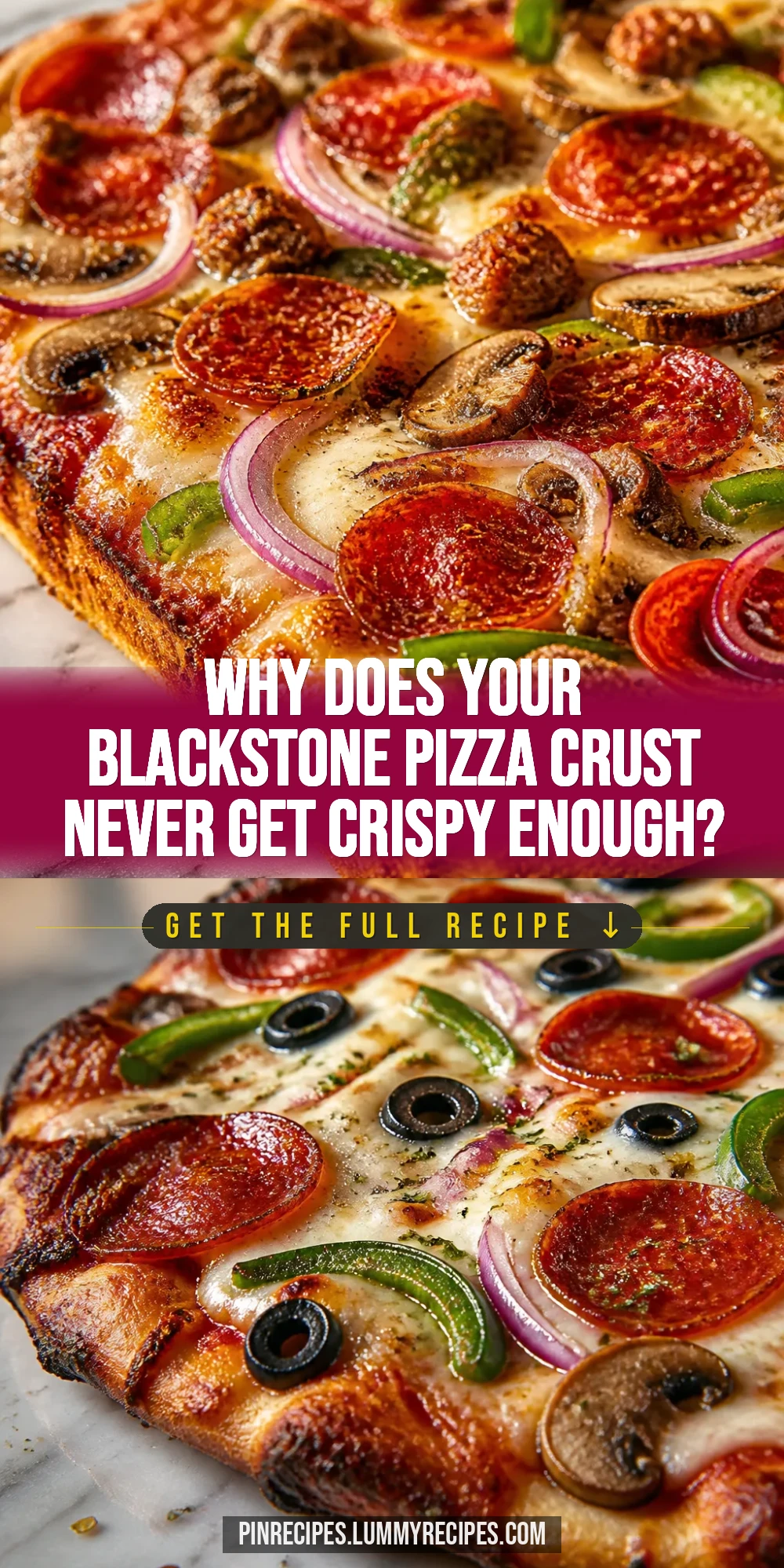
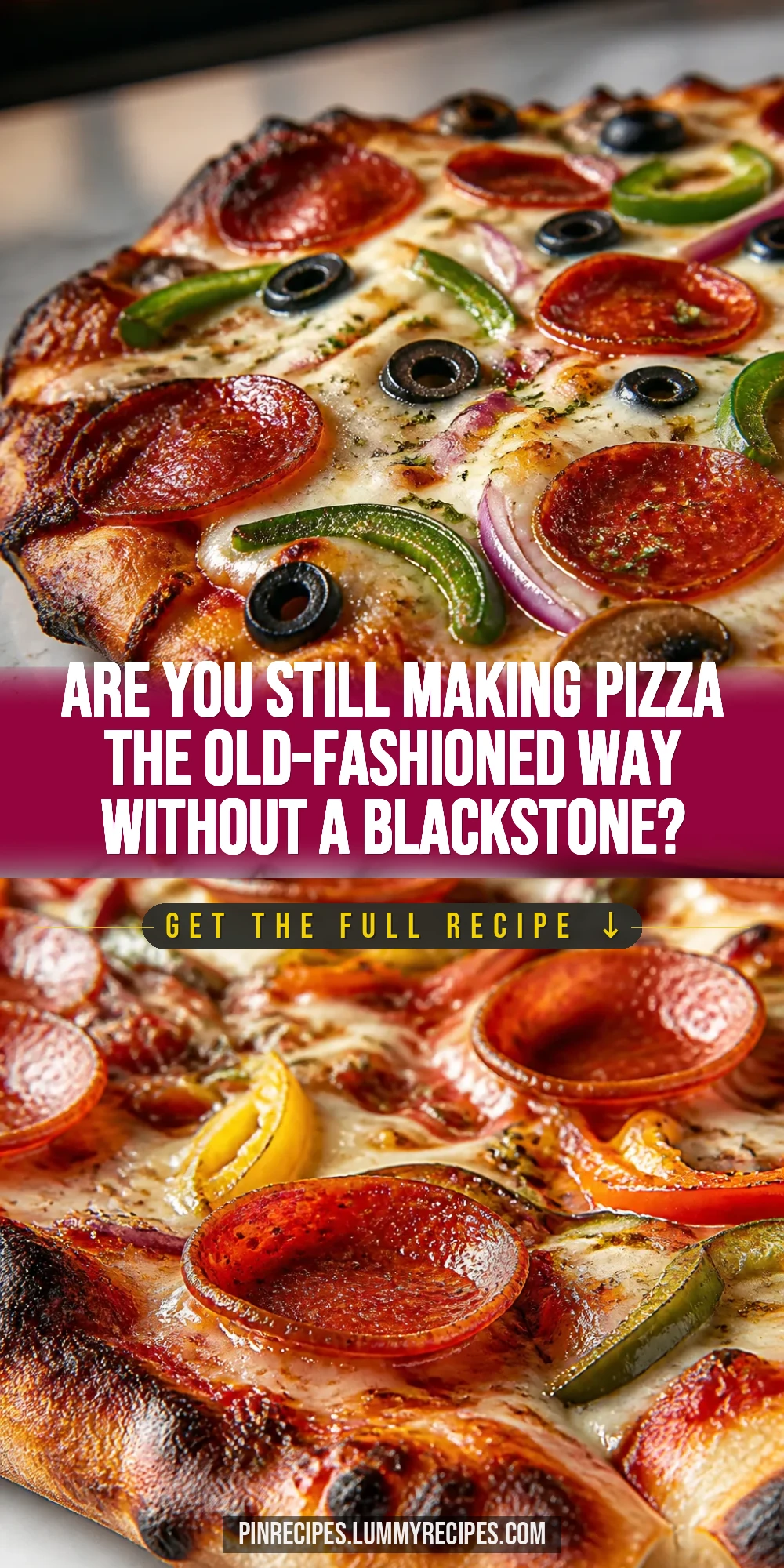
If you love that crispy, smoky crust from a Blackstone griddle, these pizza recipes are for you. Using simple, fresh ingredients and the griddle’s heat, you get a perfect crust every time. Great for casual dinners or weekend get-togethers!
Introduction
I first tried making pizza on my Blackstone griddle a couple of years ago, and honestly, it changed how I think about homemade pizza. Before that, I was stuck baking in the oven, which never gave me the same crispy crust or that slight smoky flavor I love from outdoor cooking. What makes these Blackstone pizza recipes stand out is the quick, even heat of the griddle that crisps the dough perfectly while melting the cheese just right. Plus, I’ve found that rolling the dough thinner than usual and preheating the griddle well are game changers. My family loves how the crust gets that satisfying crunch without drying out the toppings. It’s a fun way to cook outside, and honestly, it feels like a little celebration every time we make these pizzas. If you’ve got a Blackstone or a similar griddle, this recipe will quickly become your go-to for pizza nights. Just wait until you see how golden and bubbly the cheese gets—it’s irresistibly good!
What You'll Need
Makes 2 medium pizzas, 4 servings
- 2 cups all-purpose flour, sifted
- 1 teaspoon instant yeast
- 3/4 cup warm water (110°F)
- 1 tablespoon olive oil, plus extra for coating
- 1 teaspoon salt
- 1/2 cup pizza sauce, store-bought or homemade
- 1 1/2 cups shredded mozzarella cheese
- 1/2 cup sliced pepperoni or your favorite toppings
- Fresh basil leaves for garnish
How To Do It
Step 1
In a large bowl, combine the sifted flour, instant yeast, and salt. Gradually add the warm water and olive oil, mixing with a wooden spoon until the dough starts to come together. Then, knead the dough on a lightly floured surface for about 8-10 minutes until it’s smooth and elastic. This kneading activates the gluten, which is essential for a chewy yet crispy crust. Avoid rushing this step because under-kneaded dough will be dense and won’t crisp up well on the griddle.
⏱ Time: 10 minutes
✓ Doneness: Dough is smooth, elastic, and slightly tacky but not sticky
Step 2
Place the dough in a lightly oiled bowl, cover with a clean towel, and let it rise in a warm spot for about 45 minutes or until it doubles in size. This fermentation step develops flavor and lightens the dough’s texture. If you skip or shorten this, your pizza crust might turn out tough and flavorless. Don’t rush it—patience here pays off with a better crust.
⏱ Time: 45 minutes
✓ Doneness: Dough has doubled in size and is soft to the touch
Step 3
Preheat your Blackstone griddle on medium-high heat for at least 10 minutes. A properly heated griddle ensures the dough cooks evenly and crisps up quickly. Use an infrared thermometer if you have one; aim for about 400°F on the surface. If the griddle isn’t hot enough, the crust will be soggy, and toppings might overcook before the crust sets.
⏱ Time: 10 minutes
✓ Doneness: Griddle surface is visibly hot and shimmering slightly
Step 4
Divide the risen dough into two equal portions and roll each out on a floured surface into a 10-inch circle, about 1/4 inch thick. Thinner dough cooks faster and crisps better on the Blackstone. If you roll it too thick, the middle might stay doughy. Try to keep the edges a bit thicker to hold the toppings.
⏱ Time: 5 minutes
✓ Doneness: Dough circles are thin and even with slightly thicker edges
Step 5
Lightly brush the griddle with olive oil to prevent sticking. Place one dough circle on the griddle and cook for about 3-4 minutes, watching for bubbles forming on the surface and a golden brown bottom. This initial cook sets the crust so it doesn’t get soggy when you add toppings. Avoid flipping too early or the dough might tear.
⏱ Time: 4 minutes
✓ Doneness: Bottom is golden brown with small bubbles on top
Step 6
Flip the dough over carefully using a large spatula or tongs. Quickly spread half the pizza sauce evenly over the cooked side, then sprinkle with mozzarella and your chosen toppings. The residual heat will melt the cheese while the bottom crisps further. If you add toppings before cooking the first side, the crust won’t crisp properly.
⏱ Time: 2 minutes
✓ Doneness: Cheese starts melting and toppings warm through
Step 7
Cover the pizza loosely with a large metal bowl or lid to trap heat and help the cheese melt evenly. Cook for another 5-6 minutes on medium heat. This mimics an oven environment and ensures toppings cook without burning the crust. Keep an eye to avoid burning the bottom; adjust heat if needed.
⏱ Time: 6 minutes
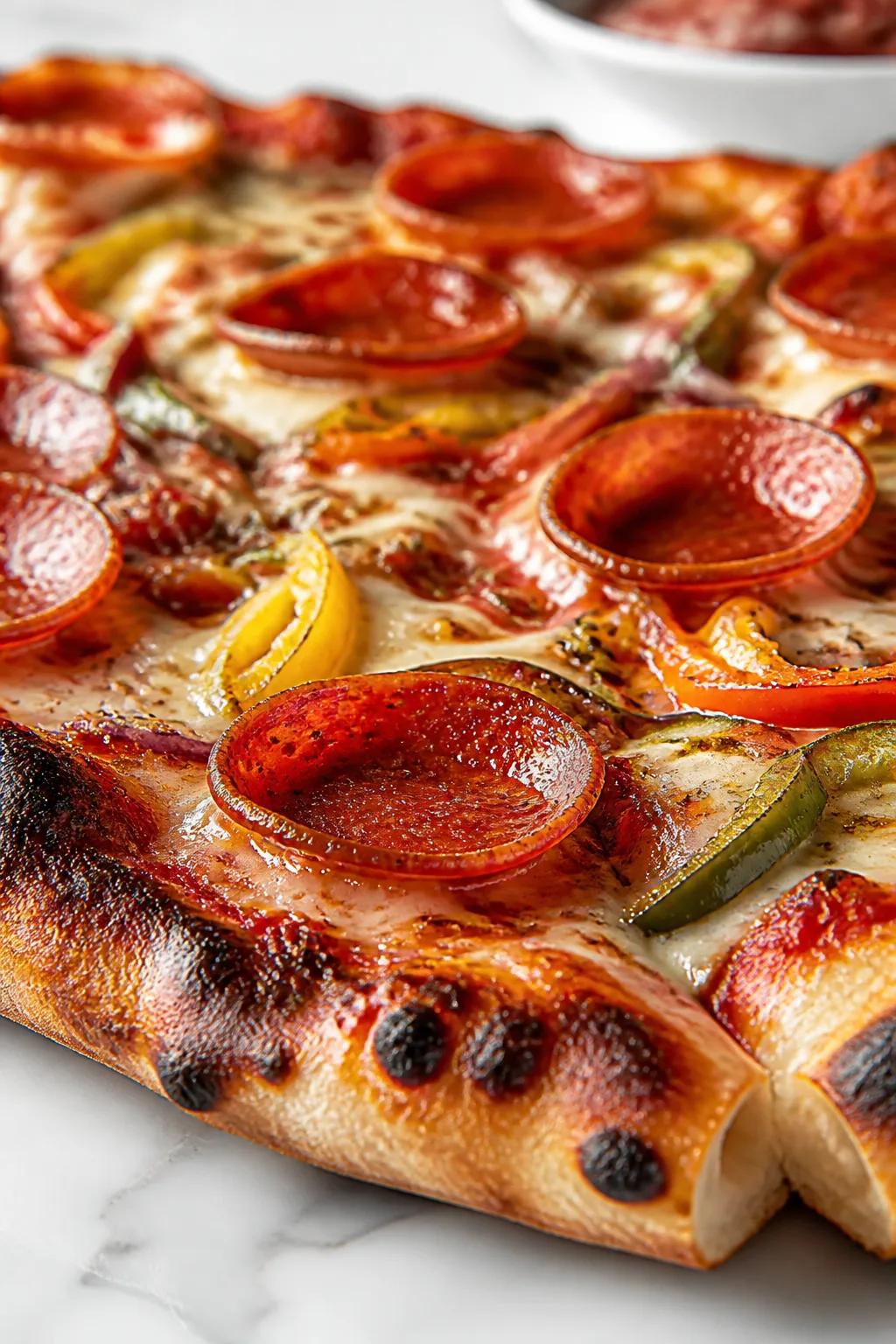
✓ Doneness: Cheese is bubbly and slightly golden, crust edges crisp
Step 8
Carefully remove the pizza from the griddle and let it rest for 2 minutes before slicing. This resting allows the cheese to set slightly and toppings to settle, making slicing easier and less messy. Cutting too soon can cause toppings to slide off.
⏱ Time: 2 minutes
✓ Doneness: Pizza is warm but not overly hot, cheese holds shape when sliced
Step 9
Repeat the process with the second dough ball. Garnish your pizzas with fresh basil leaves and a drizzle of olive oil if you like. Serve hot and enjoy the crispy, smoky crust with melty cheese and fresh toppings. This method works great for customizing with your family’s favorite toppings.
⏱ Time: 5 minutes
✓ Doneness: Pizza is fresh, aromatic, and ready to serve
Pro Tips
Preheat the Blackstone griddle for at least 10 minutes before cooking.
This ensures the surface is evenly hot, which is essential for a crispy crust. If the griddle isn’t hot enough, the dough will absorb oil and become greasy instead of crisping up. A well-heated surface promotes Maillard reactions, giving that golden color and complex flavor.
Roll the dough thinner than usual, about 1/4 inch thick.
Thinner dough cooks faster on the griddle and crisps better without burning. Thicker dough tends to stay doughy in the center because the griddle cooks from the bottom up, unlike an oven’s all-around heat.
Cover the pizza with a metal bowl during the final cooking stage.
This traps heat and melts the cheese evenly, mimicking an oven environment. Without covering, cheese may not melt fully or toppings might dry out before the crust cooks through.
Use a spatula to flip the dough carefully after the first side cooks.
Flipping too early or roughly can tear the dough, ruining the crust structure. Waiting until bubbles form and the bottom is golden ensures the dough is sturdy enough to flip.
Brush the griddle lightly with olive oil before placing the dough.
This prevents sticking and adds a subtle flavor. Too much oil can cause greasy crust, so use just enough to coat the surface thinly.
Let the dough rest after rising for a few minutes before shaping.
Resting relaxes the gluten, making it easier to roll out without shrinking back. This helps achieve a uniform thickness and better texture.
Use room temperature toppings to avoid cooling the dough surface.
Cold toppings can lower the dough temperature, slowing cooking and risking sogginess. Using room temperature ingredients keeps the cooking process consistent.
Common Mistakes to Avoid
Not preheating the griddle enough
Why it happens Many cooks underestimate how long the Blackstone takes to reach the right temperature or get impatient and start cooking early.
Fix Always allow at least 10 minutes of preheating on medium-high heat. Use an infrared thermometer if possible to check surface temperature. This step is critical for crisp crust.
Rolling dough too thick
Why it happens Beginners often roll dough thick to avoid tearing but this leads to undercooked centers on the griddle.
Fix Aim for about 1/4 inch thickness. If dough tears, let it rest and try rolling again gently. Thin dough cooks better and crisps nicely.
Adding toppings before cooking the first side
Why it happens Some try to assemble pizza fully before cooking, which prevents crust from crisping.
Fix Cook one side of dough plain first until golden, then add sauce and toppings after flipping. This method keeps crust crisp.
Overloading toppings
Why it happens It’s tempting to pile on cheese and toppings, but too much moisture can weigh down the crust.
Fix Use moderate amounts and avoid watery vegetables unless pre-cooked or drained. This keeps crust from getting soggy.
Not covering pizza during final cook
Why it happens Skipping the cover step can leave cheese unmelted and toppings unevenly cooked.
Fix Use a metal bowl or lid to trap heat and melt cheese evenly. It’s a simple trick that makes a big difference.
Variations
Veggie Delight Blackstone Pizza
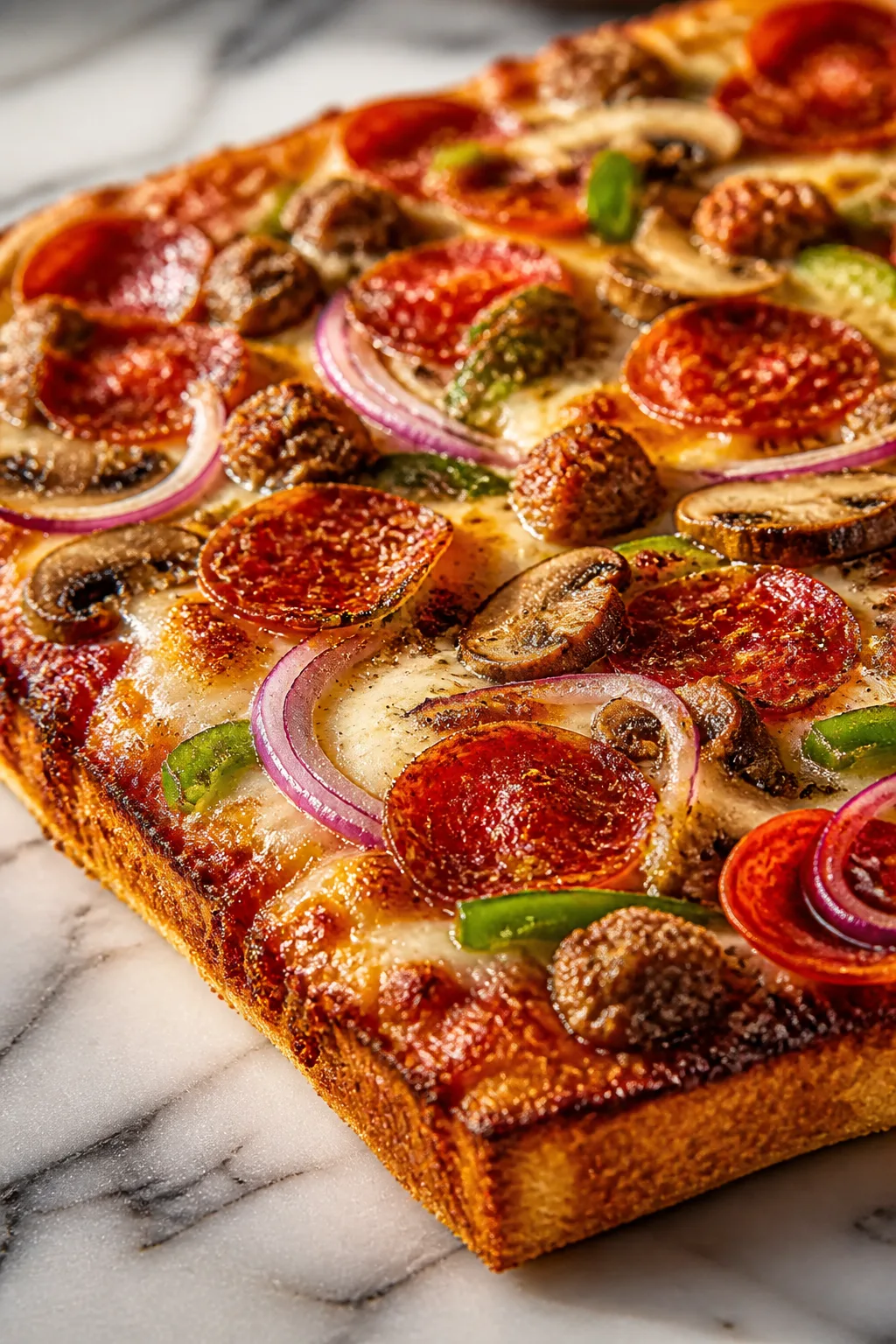
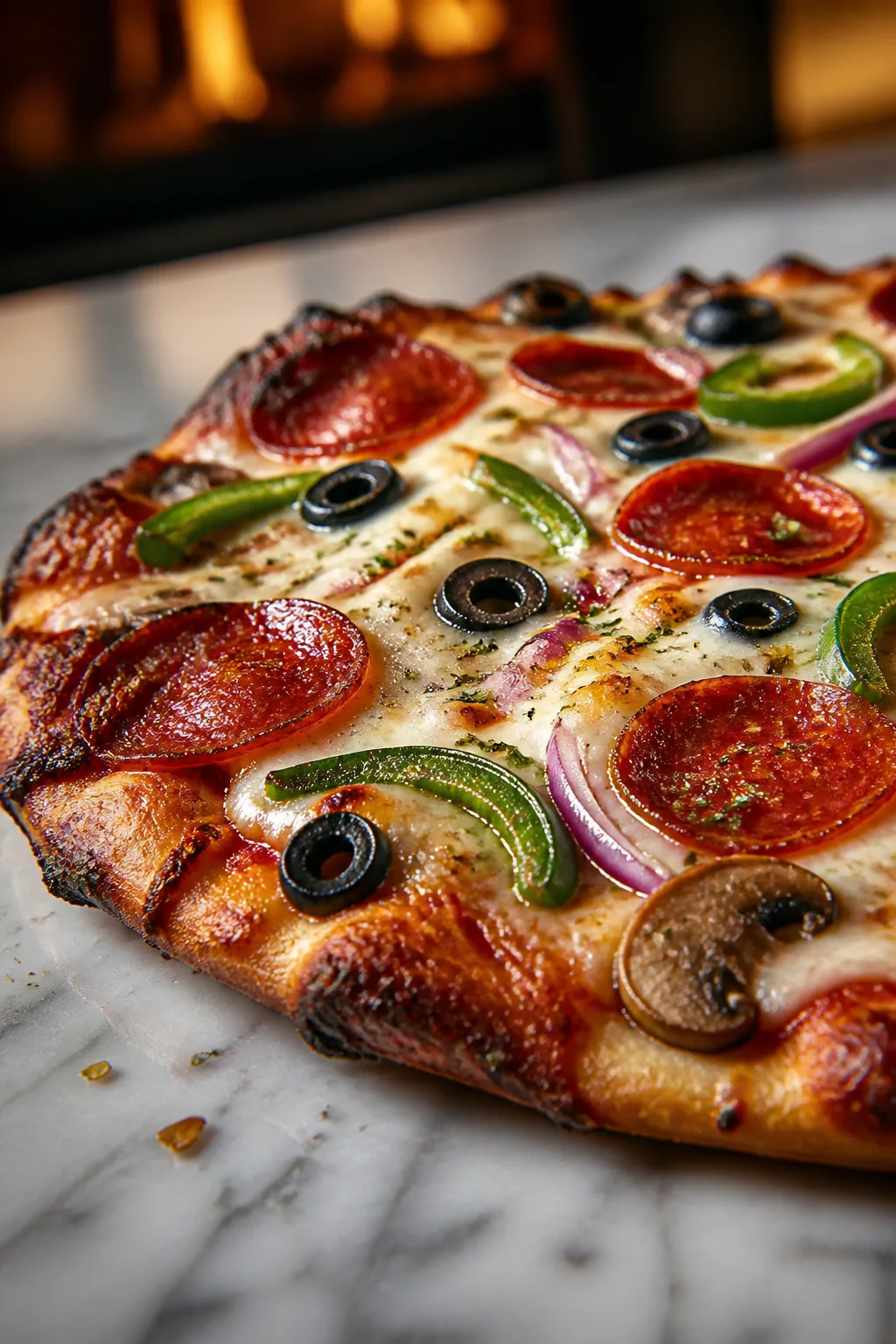
Swap pepperoni for a colorful mix of bell peppers, mushrooms, onions, and black olives. Use a bit of feta cheese for extra tang. This version is lighter but still packed with flavor and crisps up beautifully on the griddle.
Note: Since veggies release moisture, sauté them lightly before adding to avoid soggy crust.
BBQ Chicken Blackstone Pizza
Use BBQ sauce instead of traditional pizza sauce, add shredded cooked chicken, red onions, and cilantro. Top with mozzarella and smoked gouda for a smoky, rich flavor that pairs perfectly with the griddle’s char.
Note: Precook chicken thoroughly and use moderate sauce to prevent sogginess.
Four Cheese Blackstone Pizza
Mix mozzarella, parmesan, provolone, and asiago for a decadent cheese blend. Keep toppings simple to let the cheeses shine. This pizza melts beautifully and crisps to a golden finish on the Blackstone.
Note: Use cheeses with similar melting points for even cooking.
Margherita Style Blackstone Pizza
Classic fresh tomato slices, basil leaves, and fresh mozzarella with a drizzle of olive oil. This simple, fresh pizza highlights the griddle’s ability to crisp thin dough while keeping toppings fresh and flavorful.
Note: Add basil after cooking to keep it vibrant and fresh.
Spicy Italian Blackstone Pizza
Add spicy Italian sausage, jalapeños, and red pepper flakes for a kick. Balance with a mild tomato sauce and plenty of cheese. This bold pizza cooks quickly and crisps up perfectly on the griddle.
Note: Cook sausage fully before adding to avoid undercooked meat.
Nutrition
Per Serving:
Nutritional values are estimates and may vary based on specific ingredients used.
Storage & Tips
Room Temperature
Once cooked, pizza should not be left out at room temperature for more than 2 hours. Cover loosely with foil or a clean towel to keep it from drying out if serving soon.
Refrigerator
Store leftover pizza in an airtight container or wrapped tightly in plastic wrap for up to 3 days. The crust may soften but reheating on the griddle or oven restores crispness.
Freezer
Wrap pizza slices tightly in plastic wrap and foil, then freeze for up to 2 months. To thaw, place in the fridge overnight. Reheat on the Blackstone or oven to regain crisp texture.
Reheating
Reheat pizza on a preheated Blackstone griddle or skillet over medium heat for 3-5 minutes until cheese is melted and crust is crisp. Avoid microwaving as it makes crust soggy.
Make Ahead
Prepare dough and let it rise a day ahead, then refrigerate. Bring to room temperature before shaping. Sauce and toppings can be prepped earlier to speed up assembly on cooking day.
FAQ
Can I use regular yeast instead of instant yeast?
Yes, but you’ll need to proof regular yeast in warm water with a bit of sugar first, which takes about 5-10 minutes. Instant yeast skips this step and mixes directly with dry ingredients, making the process faster and more convenient.
How do I prevent my pizza from sticking to the griddle?
Make sure the griddle is well preheated and lightly oiled before placing the dough. Using olive oil rather than cooking spray helps create a thin, even layer that prevents sticking without making the crust greasy.
What if my dough tears while rolling it out?
If dough tears, let it rest for 5-10 minutes to relax the gluten before trying again. Rolling too quickly or cold dough can cause tearing. Work gently and flour your surface lightly.
Can I use gluten-free flour for this recipe?
Gluten-free flours don’t develop gluten, which affects dough elasticity and chewiness, so the crust texture will differ. You’d need a special gluten-free blend and possibly xanthan gum. The cooking method works, but expect a different result.
How do I know when the pizza is done on the Blackstone?
Look for a golden brown, crisp bottom and bubbly, melted cheese on top. The edges should be slightly browned and firm to the touch. If the cheese is still unmelted or crust pale, cook a bit longer.
Can I freeze the dough before cooking?
Yes, you can freeze the dough after the first rise by wrapping it tightly. Thaw in the fridge overnight before shaping. This is a great make-ahead option to save time on pizza night.
What toppings work best on Blackstone pizza?
Toppings that cook quickly or are precooked work best, like pepperoni, pre-cooked sausage, fresh veggies, and cheeses. Avoid watery veggies unless sautéed first to prevent soggy crust.
Is it possible to make a thicker crust on the Blackstone?
Yes, but thicker crusts require lower heat and longer cooking to prevent burning. This can be tricky on the Blackstone’s direct heat, so rolling thinner is generally easier and yields better results.
Final Thoughts
Give these Blackstone pizza recipes a try—you’ll love how easy and delicious homemade pizza can be on the griddle. Let me know how your pizza night turns out!