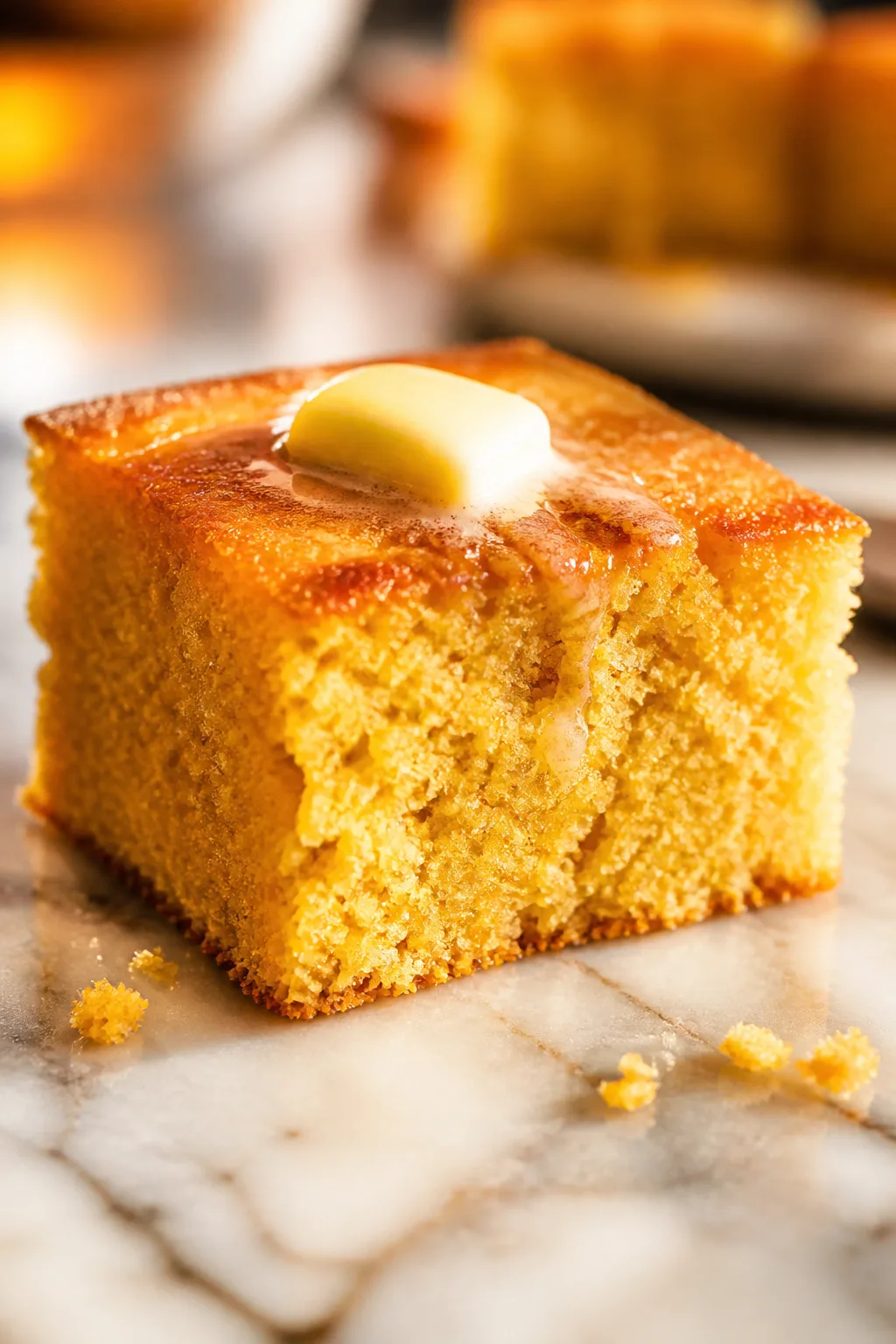
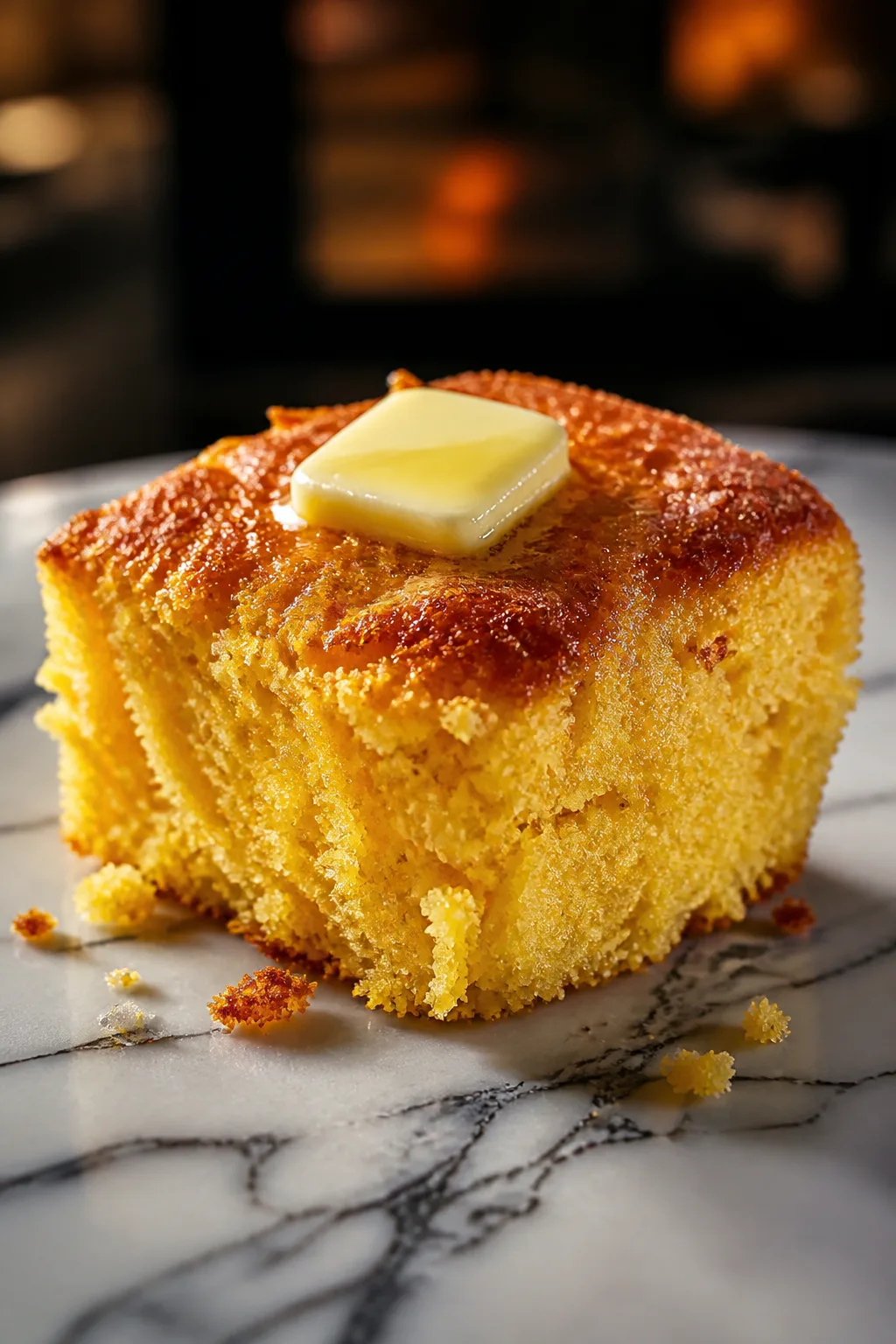
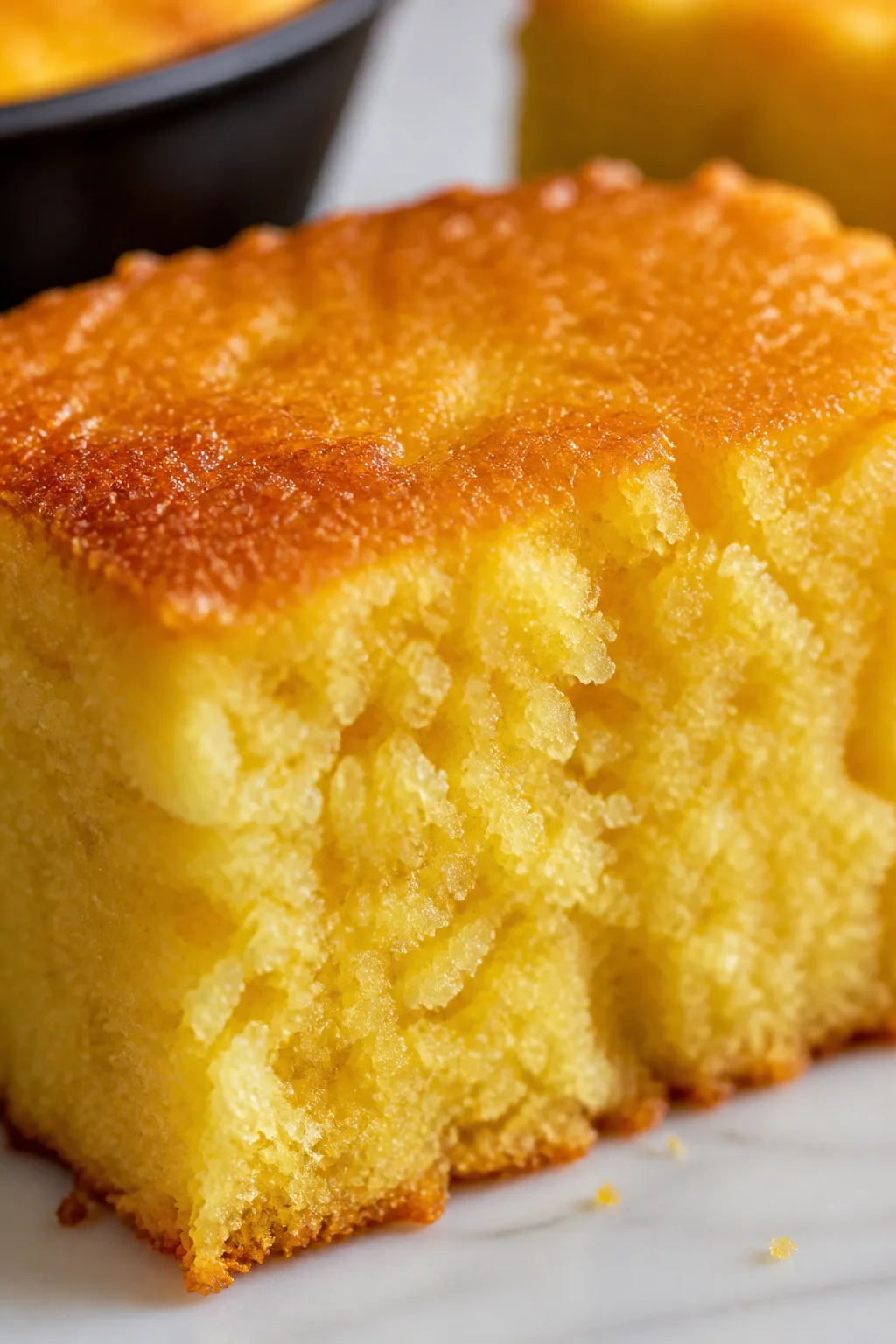
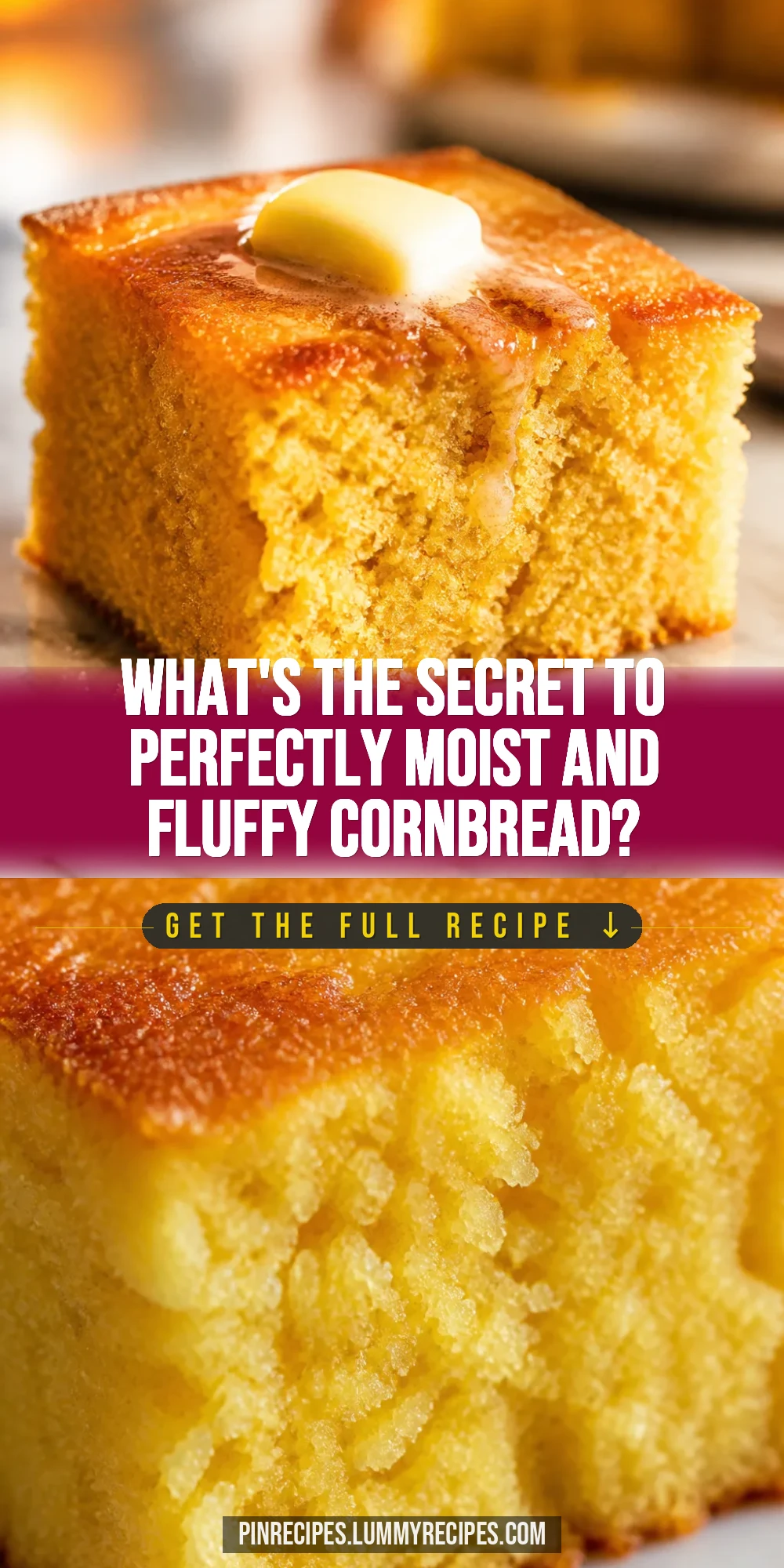
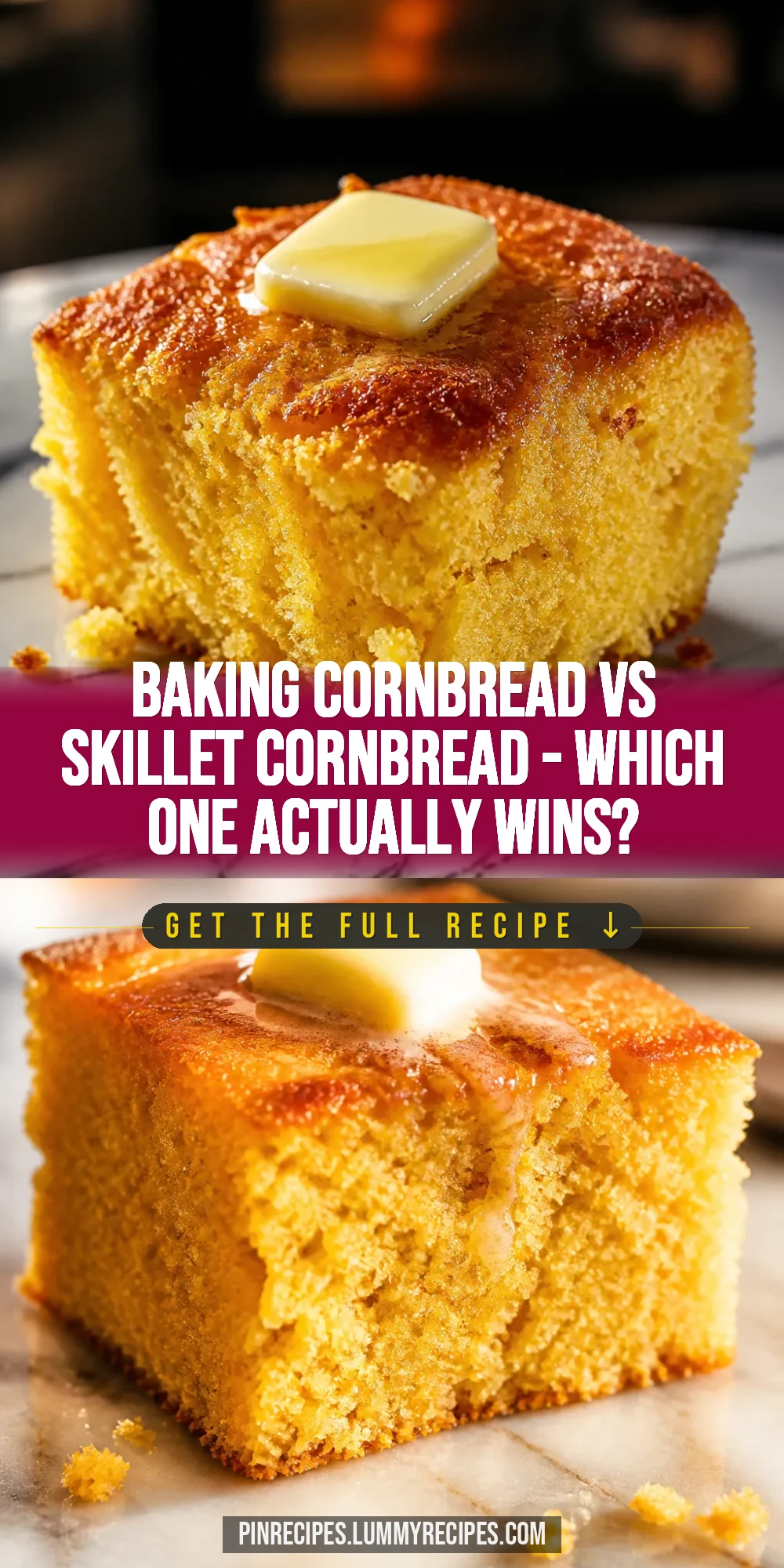
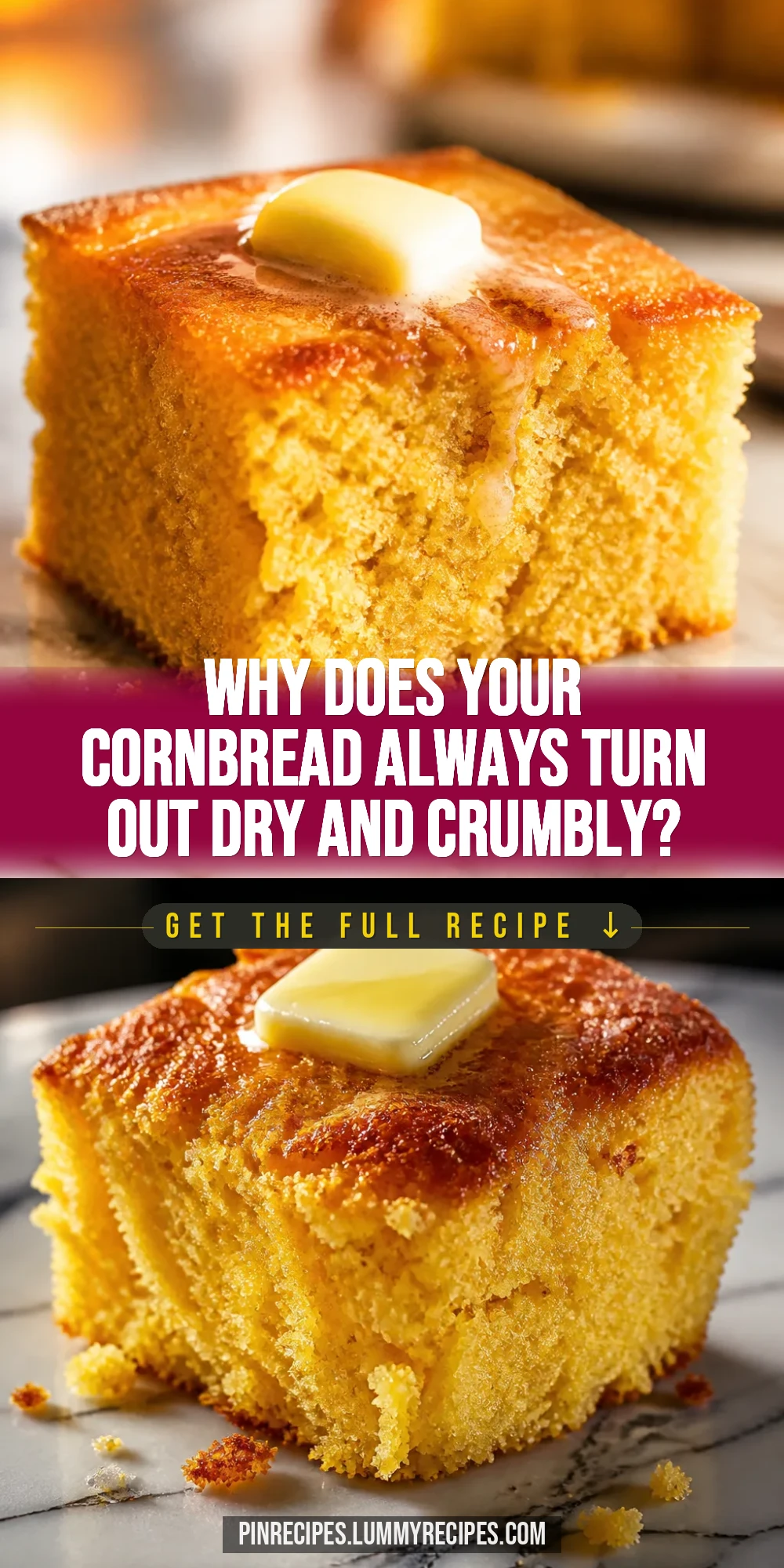
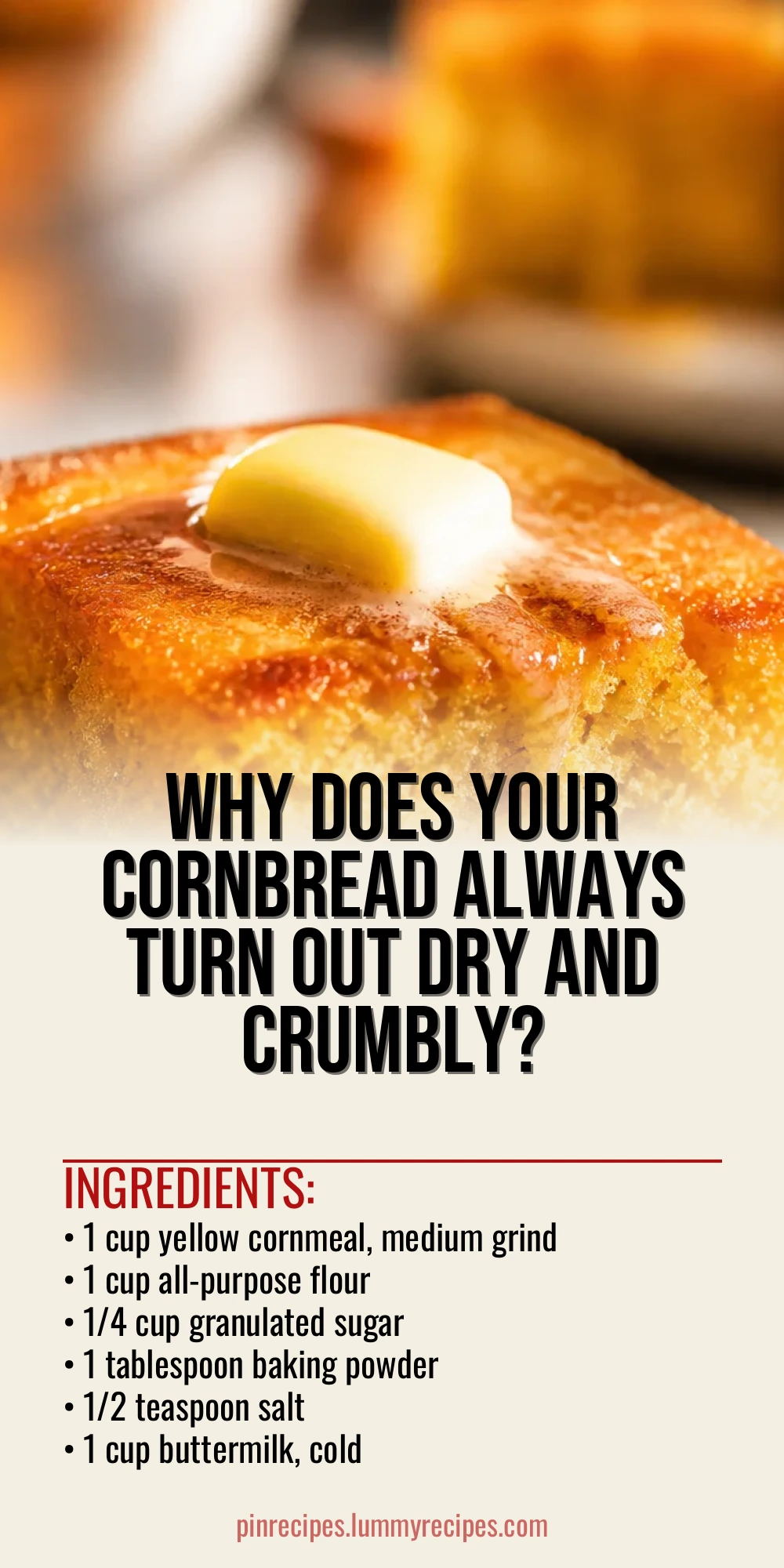
This classic cornbread is a warm, comforting staple with a golden crust and tender crumb. I love how a touch of buttermilk gives it a slight tang and moist texture. Perfect alongside chili or Sunday supper!
Introduction
I first made this classic cornbread recipe years ago when I wanted a simple side that reminded me of family dinners growing up. It’s one of those recipes that feels like a warm hug—crispy golden edges with a tender, moist center. What makes this version stand out is the use of buttermilk, which adds a subtle tang and keeps the crumb soft without being dense. Also, I learned early on that mixing just until combined is key; overmixing makes it tough. I remember once rushing the mixing and ending up with a dry cornbread that nobody wanted to eat—lesson learned! Now, I always take my time and let the butter cool before adding it to the batter to avoid cooking the eggs prematurely. The finished cornbread is perfect with a pat of butter melting on top, especially alongside chili or a hearty stew. It’s simple, reliable, and always a crowd-pleaser.
What You'll Need
One 9-inch square pan, about 8 servings
- 1 cup yellow cornmeal, medium grind
- 1 cup all-purpose flour
- 1/4 cup granulated sugar
- 1 tablespoon baking powder
- 1/2 teaspoon salt
- 1 cup buttermilk, cold
- 2 large eggs, beaten
- 1/4 cup unsalted butter, melted and cooled
How To Do It
Step 1
Preheat your oven to 400°F (200°C) and grease a 9-inch square baking pan or cast-iron skillet with butter. This step ensures the cornbread won’t stick and helps develop a nice crust. Using a hot oven is crucial because it encourages a golden, slightly crispy edge while keeping the inside tender.
⏱ Time: 10 minutes
✓ Doneness: Pan is evenly greased and oven is fully preheated
Step 2
In a large bowl, whisk together the cornmeal, flour, sugar, baking powder, and salt. Mixing the dry ingredients first helps distribute the baking powder evenly, which is essential for a good rise. Avoid lumps by whisking well but don’t worry if it’s not perfectly smooth.
⏱ Time: 3 minutes
✓ Doneness: Dry ingredients are well combined with no large clumps
Step 3
In a separate bowl, beat the eggs lightly, then add the cold buttermilk and melted butter. It’s important that the butter is cooled so it doesn’t cook the eggs or cause lumps. Combining wet ingredients separately ensures even mixing when added to the dry mix.
⏱ Time: 5 minutes
✓ Doneness: Wet ingredients are fully blended with no separation
Step 4
Pour the wet ingredients into the dry and gently fold together with a spatula. Mix just until combined—overmixing develops gluten and makes the cornbread tough. You’ll still see a few lumps, and that’s okay; it means you haven’t overworked the batter.
⏱ Time: 2 minutes
✓ Doneness: Batter is combined but slightly lumpy, no dry flour visible
Step 5
Pour the batter into the prepared pan and smooth the top with a spatula. Spreading evenly helps the cornbread bake uniformly. Don’t press too hard; just an even layer is enough.
⏱ Time: 2 minutes
✓ Doneness: Batter surface is smooth and evenly spread in pan
Step 6
Bake in the preheated oven for 20-25 minutes. Check at 20 minutes by inserting a toothpick in the center; it should come out clean or with a few moist crumbs. The cornbread should be golden brown on top and pulling away slightly from the edges.
⏱ Time: 20-25 minutes
✓ Doneness: Golden top, toothpick comes out clean, edges slightly pulled away
Step 7
Remove from oven and let the cornbread cool in the pan for about 10 minutes before slicing. Cooling lets it set up so it doesn’t crumble when cut. If you cut it too soon, it might fall apart.
⏱ Time: 10 minutes
✓ Doneness: Cornbread is warm but firm enough to slice cleanly
Step 8
Serve warm with a pat of butter or honey if you like a little sweetness. The contrast between warm bread and melting butter is irresistible and enhances the flavor.
⏱ Time: Immediate
✓ Doneness: Butter melting on warm slices, inviting aroma
Step 9
Store any leftovers wrapped tightly at room temperature for up to 2 days or refrigerate to keep longer. Reheat gently to keep moist. Cornbread is best fresh but still delicious the next day.
⏱ Time: N/A
✓ Doneness: Cornbread remains moist after reheating
Pro Tips
Use cold buttermilk and cooled melted butter.
Cold liquids slow gluten development and keep the batter from heating too soon, which helps maintain a tender crumb. Warm or hot butter can cook the eggs, causing lumps and a rubbery texture.
Mix wet and dry ingredients just until combined.
Overmixing develops gluten, resulting in dense and tough cornbread. A few lumps in the batter are okay and help keep the texture light and tender.
Preheat your oven fully before baking.
A hot oven ensures the cornbread rises quickly and forms a golden crust. Baking in a cold or warm oven can cause it to be dense and pale.
Grease your pan generously.
Butter or oil creates a barrier that prevents sticking and helps develop a crispy crust. Using a cast-iron skillet adds even heat and a rustic crust.
Let the cornbread rest before slicing.
Resting allows the crumb to set, reducing crumbling and making clean slices easier.
Use medium grind cornmeal for best texture.
Fine cornmeal can make the bread gummy, while coarse cornmeal can be too gritty. Medium grind balances flavor and texture perfectly.
Check your baking powder’s freshness.
Old baking powder loses potency, resulting in flat cornbread. Test by mixing a little with hot water; it should bubble actively.
Common Mistakes to Avoid
Overmixing the batter
Why it happens Many cooks think mixing more ensures better blending, but it actually develops gluten and toughens the bread.
Fix Mix just until the wet and dry ingredients come together. Stop when you still see a few lumps for the best texture.
Using warm melted butter
Why it happens Sometimes melted butter is used right off the stove, which can cook eggs and cause lumps.
Fix Let melted butter cool to room temperature before adding to eggs and buttermilk to keep the batter smooth.
Not preheating the oven
Why it happens Rushing the process leads to baking in a cooler oven, which affects rise and crust formation.
Fix Always wait for the oven to reach 400°F before putting the cornbread in to bake.
Using expired baking powder
Why it happens Old baking powder loses its leavening power, resulting in flat, dense bread.
Fix Test baking powder before use or replace regularly to ensure good rise.
Cutting cornbread immediately after baking
Why it happens Hot cornbread is fragile and can crumble when sliced too soon.
Fix Let it cool in the pan for at least 10 minutes to set the crumb before slicing.
Variations
Honey-Sweetened Cornbread
Swap the granulated sugar for 1/4 cup honey to add natural sweetness and a moist crumb. Honey also adds a slight floral note that pairs beautifully with savory dishes.
Note: Reduce other liquids slightly to compensate for honey’s moisture; watch for quicker browning during baking.
Jalapeño Cheddar Cornbread
Add 1/2 cup shredded sharp cheddar and 1-2 finely chopped jalapeños for a spicy, cheesy twist. This variation is great as a side for barbecue or chili.
Note: Fold cheese and jalapeños gently into the batter to avoid overmixing; bake as usual.
Gluten-Free Cornbread
Replace all-purpose flour with a gluten-free flour blend. This keeps the texture tender while making the recipe suitable for gluten-sensitive eaters.
Note: Gluten-free flours absorb liquids differently; you may need to adjust buttermilk slightly for batter consistency.
Skillet Cornbread
Bake the batter in a preheated cast-iron skillet for a crispier crust and rustic look. The skillet’s heat creates a crunchy edge that’s hard to beat.
Note: Heat the skillet in the oven before adding batter; handle carefully as it will be very hot.
Sweet Corn and Herb Cornbread
Fold in 1/2 cup fresh corn kernels and 2 tablespoons chopped fresh herbs like thyme or chives. This adds bursts of sweetness and freshness, perfect for spring meals.
Note: Add corn and herbs last, folding gently to avoid overmixing; bake as directed.
Nutrition
Per Serving:
Nutritional values are estimates and may vary based on specific ingredients used.
Storage & Tips
Room Temperature
Store cornbread wrapped in foil or plastic wrap at room temperature for up to 2 days. Keep it covered to prevent drying out, and avoid leaving it exposed to air.
Refrigerator
Place cornbread in an airtight container and refrigerate for up to 5 days. It may become a bit firmer when cold, so reheat gently before serving for best texture.
Freezer
Wrap tightly in plastic wrap and aluminum foil, then freeze for up to 3 months. Thaw overnight in the fridge and reheat gently to restore moisture.
Reheating
Reheat slices in a warm oven at 325°F for 10-15 minutes or microwave for 20-30 seconds with a damp paper towel to keep moist. Avoid overheating which can dry it out.
Make Ahead
Prepare the batter up to 1 day ahead and keep refrigerated. Bake fresh when ready to serve for best texture and flavor.
FAQ
Can I substitute regular milk for buttermilk in this recipe?
Yes, you can make a buttermilk substitute by adding 1 tablespoon of lemon juice or vinegar to 1 cup of milk and letting it sit for 5 minutes. This acidity is important for the rise and tender crumb, so plain milk won’t give the same result.
Why is my cornbread always dry?
Dry cornbread usually results from overmixing, baking too long, or using too much cornmeal without enough liquid. Make sure to mix just until combined and check the cornbread a few minutes before the end of baking to avoid overcooking.
Can I use self-rising flour instead of all-purpose flour and baking powder?
You can, but reduce or omit the baking powder since self-rising flour already contains leavening. Adjust salt accordingly. The texture might be slightly different but still tasty.
How do I get a crispy crust on my cornbread?
Bake in a preheated oven at 400°F and use a well-greased cast-iron skillet or baking pan. The high heat and fat help develop a golden, crispy crust.
Can I make this cornbread vegan?
Yes, substitute eggs with flax eggs (1 tablespoon ground flaxseed + 3 tablespoons water per egg) and use plant-based milk with a splash of vinegar for buttermilk. Use vegan butter or oil instead of regular butter.
Why does my cornbread sink in the middle?
This often happens if the oven temperature is too low or the batter is overmixed. Make sure your oven is fully preheated and mix just until ingredients are combined.
Can I add corn kernels or other mix-ins?
Absolutely! Fresh or canned corn, diced jalapeños, or cheese can be folded in gently at the end. Just be careful not to overmix and adjust baking time slightly if needed.
What’s the best way to reheat leftover cornbread?
Reheat in a 325°F oven for 10-15 minutes or microwave with a damp paper towel for 20-30 seconds to keep it moist. Avoid overheating to prevent drying out.
Final Thoughts
I hope you enjoy this classic cornbread as much as my family does. Give it a try and let me know how it turns out – it’s such a cozy, simple treat!