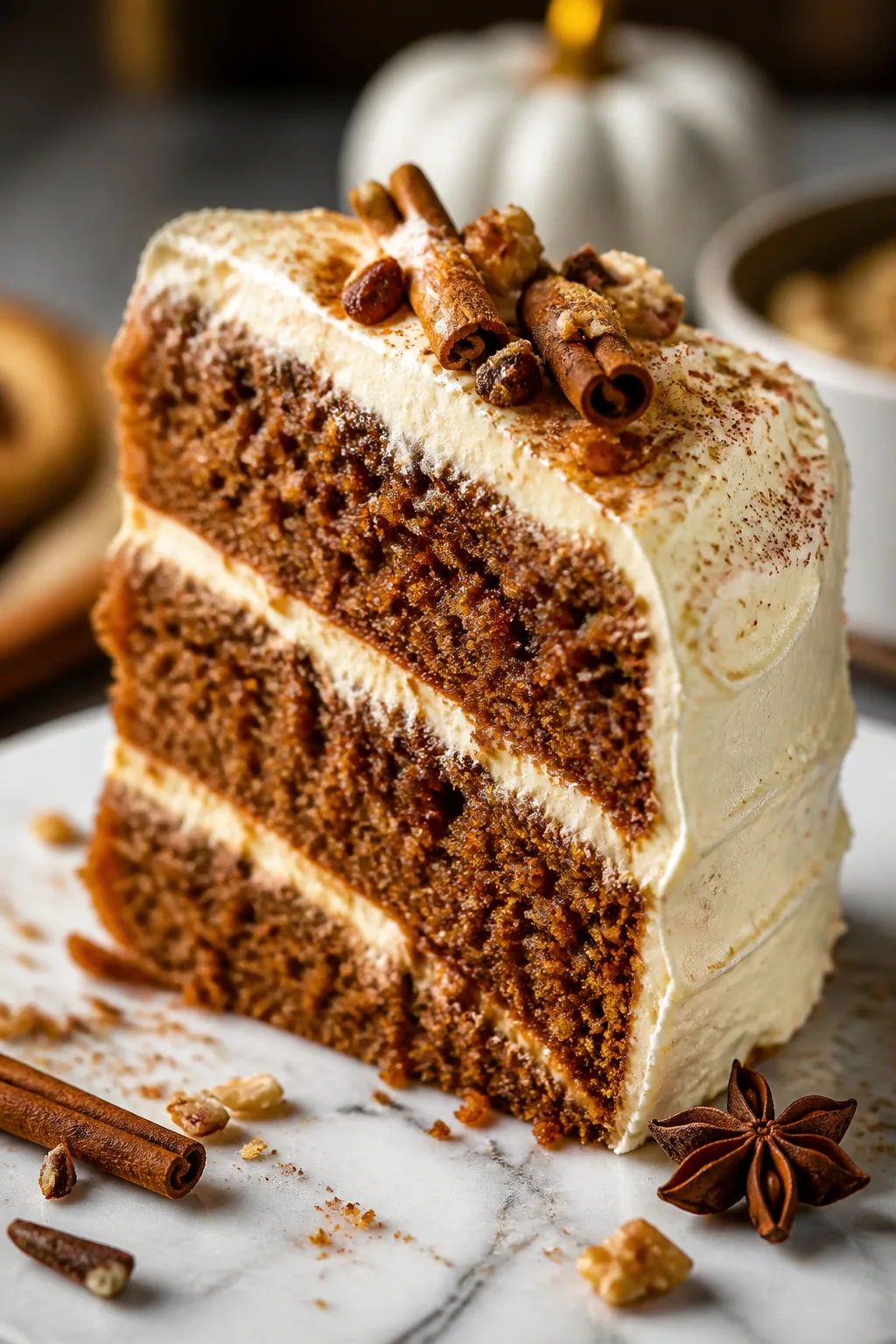
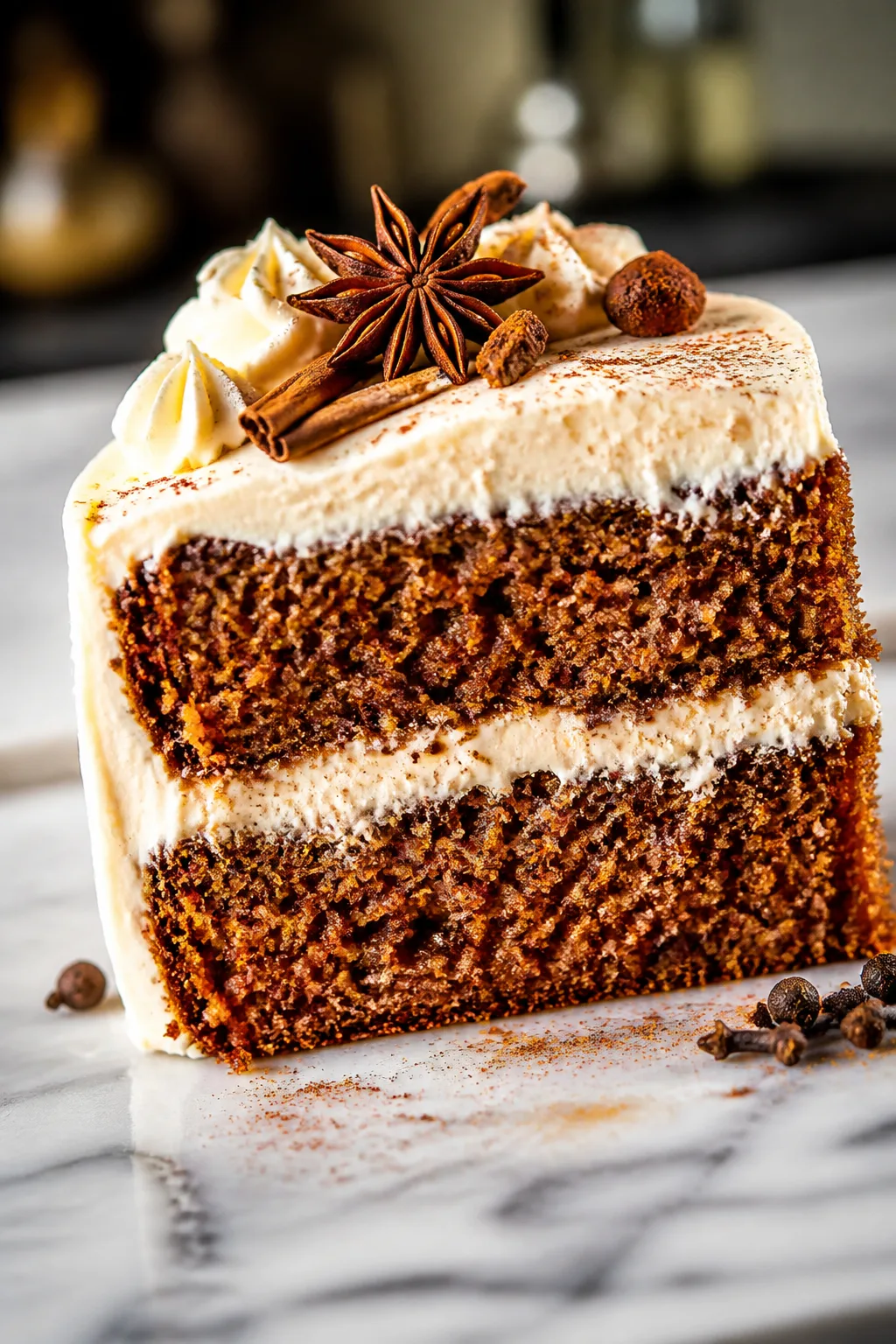
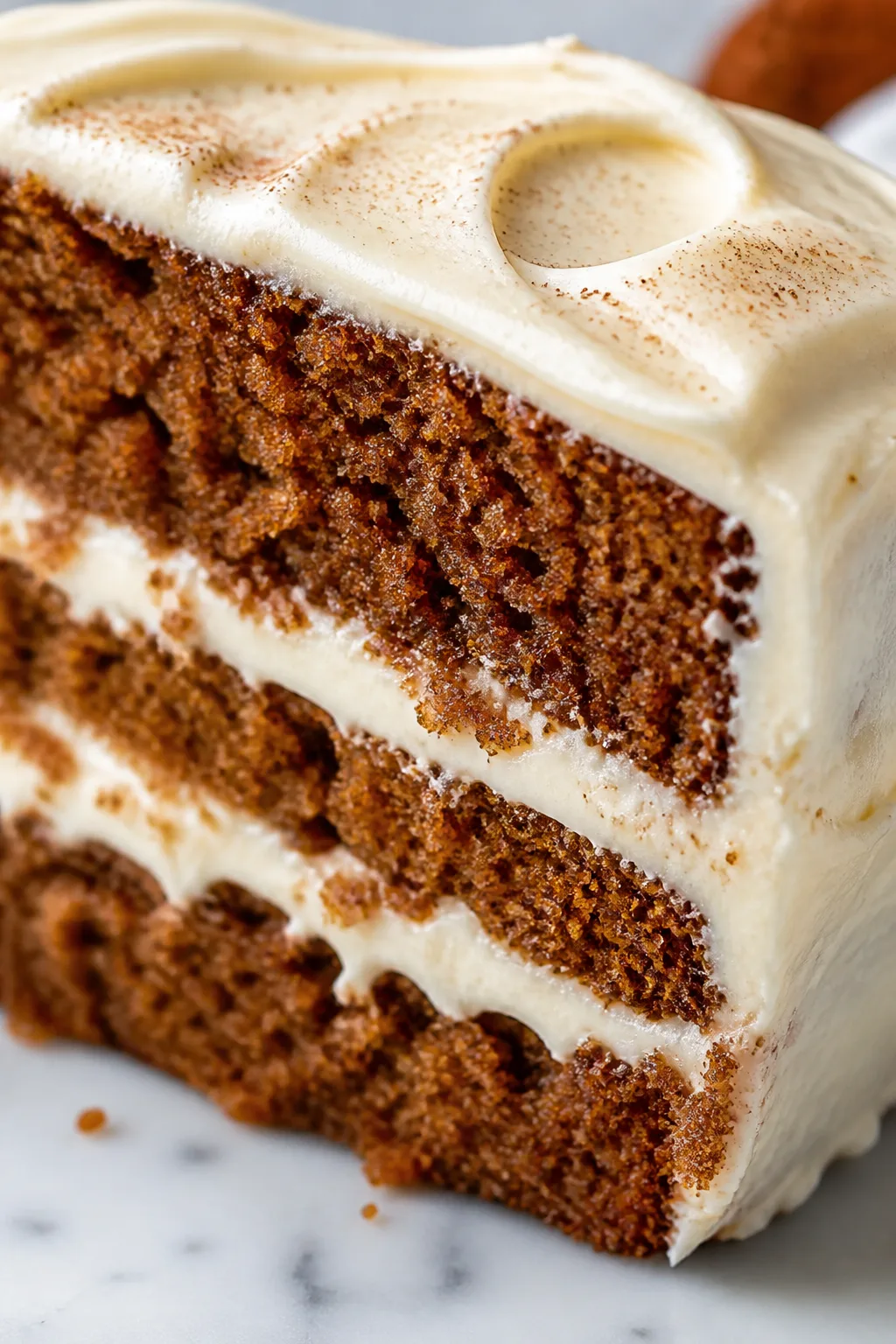
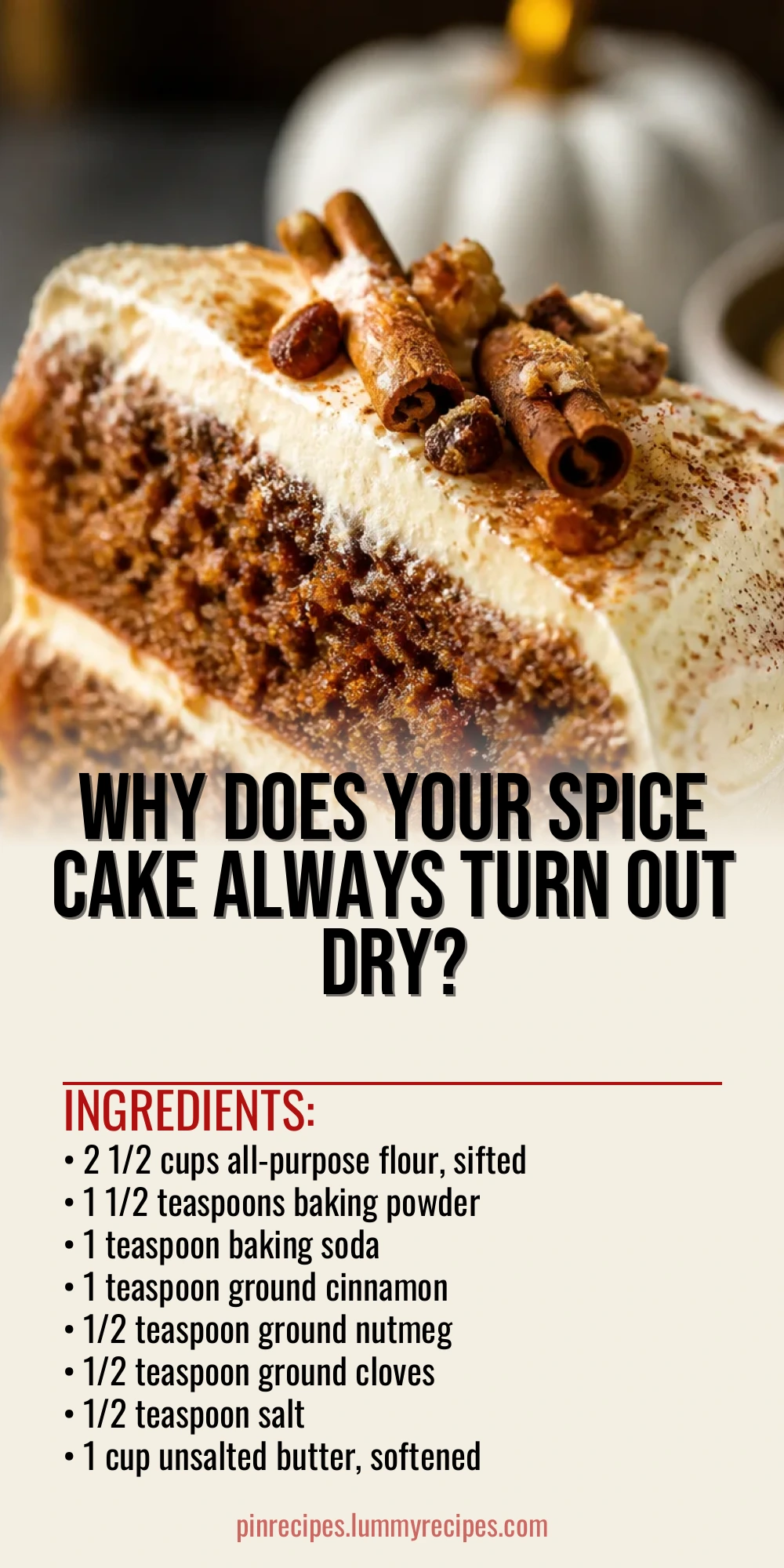
This homemade spice cake is a cozy treat packed with cinnamon, nutmeg, and cloves. The secret? Freshly ground spices and buttermilk for moistness. Great for afternoon tea or family dessert nights!
Introduction
I first made this spice cake recipe from scratch on a chilly autumn afternoon when I wanted something warm and comforting for my family. Unlike the usual boxed mixes, this cake uses freshly ground spices and buttermilk, which really elevate the flavor and texture. The trick I learned is to cream the butter and sugar thoroughly before adding eggs one at a time, ensuring a light, tender crumb. Plus, the buttermilk adds just the right tang and moisture, making the cake perfectly soft without being dense. Every bite is like a cozy hug, with just the right balance of cinnamon, nutmeg, and cloves. It’s become a favorite for weekend baking and holiday gatherings—simple, satisfying, and so much better than anything store-bought. I think you’ll love how easy it is to make and how impressive it tastes!
What You'll Need
One 9-inch round cake, serves 8
- 2 1/2 cups all-purpose flour, sifted
- 1 1/2 teaspoons baking powder
- 1 teaspoon baking soda
- 1 teaspoon ground cinnamon
- 1/2 teaspoon ground nutmeg
- 1/2 teaspoon ground cloves
- 1/2 teaspoon salt
- 1 cup unsalted butter, softened
- 1 1/2 cups granulated sugar
- 3 large eggs
- 1 cup buttermilk
- 1 teaspoon vanilla extract
How To Do It
Step 1
Preheat your oven to 350°F (175°C) and grease a 9-inch round cake pan. Sifting the flour, baking powder, baking soda, spices, and salt together ensures even distribution and prevents clumps, which is key for a uniform crumb and balanced spice flavor throughout the cake. Set this dry mix aside while you prepare the wet ingredients.
⏱ Time: 10
✓ Doneness: Dry ingredients are evenly combined with no lumps
Step 2
In a large bowl, cream the softened butter and sugar together using a hand or stand mixer on medium speed. This step is crucial because creaming incorporates air into the batter, which helps create a light texture. Beat until the mixture is pale and fluffy, about 3-5 minutes. Avoid rushing this step, as under-creamed butter can result in a dense cake.
⏱ Time: 5
✓ Doneness: Butter and sugar mixture is light in color and fluffy in texture
Step 3
Add the eggs one at a time, beating well after each addition. This gradual incorporation helps maintain the emulsion and prevents the batter from curdling. If you add eggs too quickly, the mixture can separate, affecting the cake's rise and texture.
⏱ Time: 3
✓ Doneness: Batter is smooth and well combined with no streaks
Step 4
Mix in the vanilla extract to add depth and warmth to the cake’s flavor. Vanilla complements the spices beautifully, enhancing their aroma without overpowering them.
⏱ Time: 1
✓ Doneness: Vanilla is evenly mixed into the batter
Step 5
Alternately add the dry ingredients and buttermilk to the batter, starting and ending with the dry mix. Use a low speed or fold gently to avoid overmixing, which can develop gluten and make the cake tough. The buttermilk reacts with baking soda to create bubbles that lighten the cake.
⏱ Time: 5
✓ Doneness: Batter is smooth and slightly thick but pourable
Step 6
Pour the batter into the prepared pan and smooth the top with a spatula. This ensures even baking and a nice flat surface for frosting or serving. Tap the pan gently on the counter to release any large air bubbles.
⏱ Time: 2
✓ Doneness: Batter evenly spread with no large air pockets
Step 7
Bake in the preheated oven for 28-32 minutes. Start checking at 28 minutes by inserting a toothpick into the center; it should come out clean or with a few moist crumbs. Avoid opening the oven door too often, as temperature fluctuations can cause the cake to sink.
⏱ Time: 30
✓ Doneness: Toothpick inserted in center comes out clean or with moist crumbs
Step 8
Let the cake cool in the pan for 10 minutes, then turn out onto a wire rack to cool completely. This prevents sogginess from steam trapped in the pan and helps the crumb set properly for slicing.
⏱ Time: 15
✓ Doneness: Cake is cool to the touch and firm
Step 9
Once cooled, frost or dust with powdered sugar as desired. I love pairing this cake with a simple cream cheese frosting or just a sprinkle of powdered sugar to keep the warm spice flavors front and center.
⏱ Time: 10
✓ Doneness: Frosting evenly spread or powdered sugar lightly dusted
Pro Tips
Always measure your flour by spooning it into the measuring cup and leveling it off with a knife.
Scooping flour directly with the measuring cup can pack it down and lead to using too much flour, resulting in a dry, dense cake. Lightly spooning and leveling ensures accurate measurement and a tender crumb.
Use room temperature ingredients for better mixing.
Butter, eggs, and buttermilk at room temperature blend more easily and evenly, preventing curdling or uneven texture. Cold ingredients can cause the batter to seize or mix unevenly, affecting rise and crumb.
Don’t overmix once you add the flour.
Overmixing develops gluten, which makes the cake tough and chewy instead of soft and tender. Mix just until the dry ingredients are incorporated for the best texture.
Freshly grind your spices just before baking.
Whole spices retain their oils and flavors longer. Grinding them fresh releases those oils, giving your cake a vibrant and intense spice aroma and flavor that pre-ground spices can’t match.
Use buttermilk or a buttermilk substitute to activate the baking soda.
The acid in buttermilk reacts with baking soda to create carbon dioxide bubbles that lighten the cake. Without this reaction, your cake can be dense and flat.
Cream butter and sugar until pale and fluffy.
This step traps air in the batter, which helps the cake rise and creates a tender crumb. Rushing this step can lead to a dense cake.
Bake in the center of the oven for even heat distribution.
Placing the cake too close to the top or bottom can cause uneven baking or burning. Center placement ensures the cake cooks evenly and browns nicely.
Common Mistakes to Avoid
Using old or pre-ground spices
Why it happens Many home cooks use what’s on hand without considering freshness, leading to muted flavor.
Fix Always check the freshness date and grind whole spices fresh before baking to maximize aroma and taste.
Overmixing the batter after adding flour
Why it happens It’s easy to think more mixing makes a smoother batter, but it develops gluten.
Fix Mix just until combined. Stop as soon as you don’t see dry flour patches to keep the cake tender.
Skipping the buttermilk or acid
Why it happens Sometimes buttermilk is replaced with plain milk, missing the acid needed for leavening.
Fix Use buttermilk or add lemon juice/vinegar to milk as a substitute to activate baking soda.
Not creaming butter and sugar properly
Why it happens Rushing this step or using cold butter can prevent air incorporation.
Fix Use softened butter and beat until pale and fluffy for best texture.
Opening the oven door too often during baking
Why it happens Curiosity can cause temperature drops and affect rising.
Fix Check doneness near the end of baking time with minimal door openings.
Variations
Cream Cheese Frosting
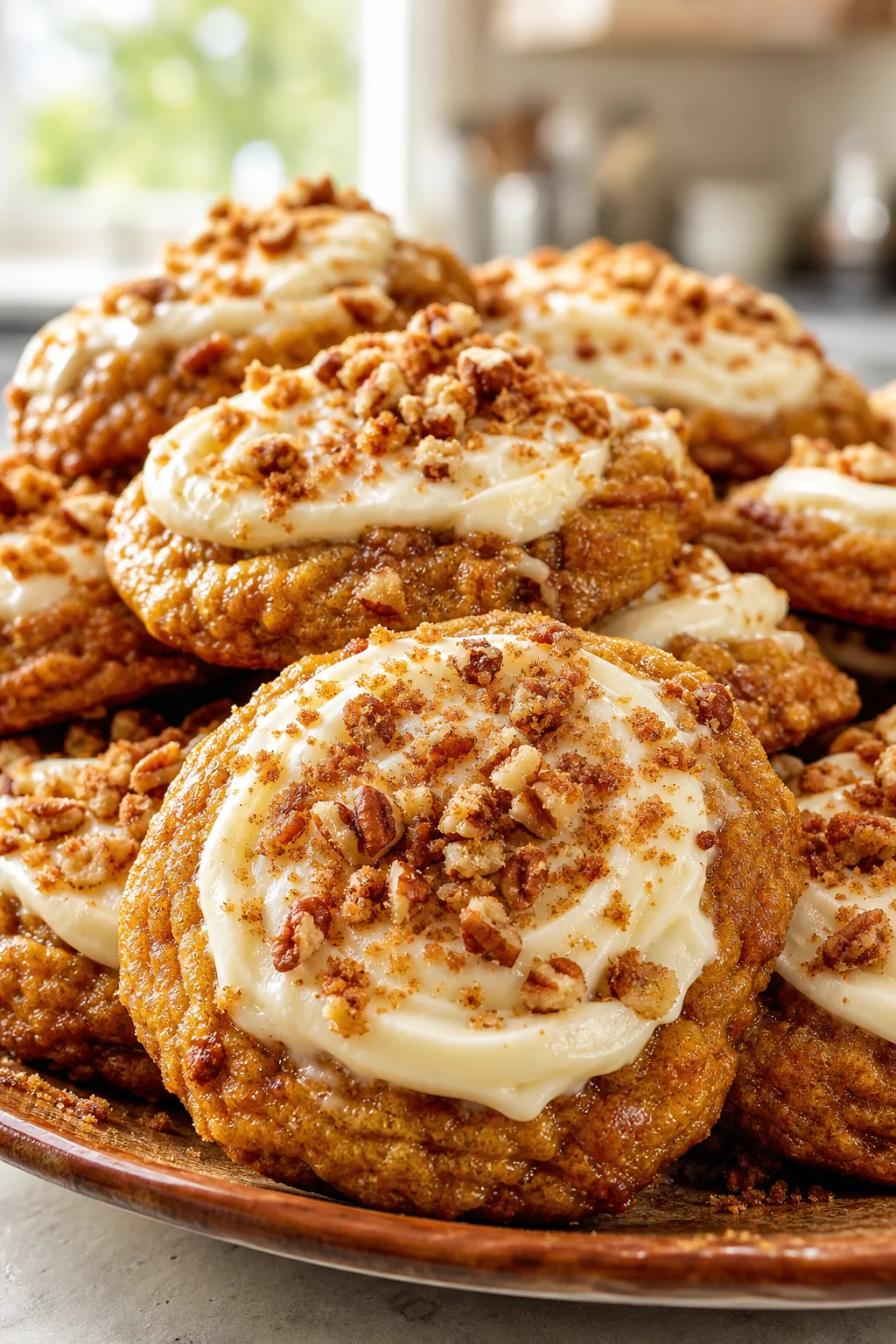
Top your spice cake with a tangy cream cheese frosting for a classic pairing. The creamy tang balances the warm spices perfectly and adds richness.
Note: Chill the cake completely before frosting to prevent melting. Use softened cream cheese and butter for smooth spreading.
Add Chopped Nuts
Fold in 1/2 cup chopped walnuts or pecans for added crunch and nutty flavor. Toasting the nuts first enhances their aroma.
Note: Gently fold nuts into batter at the end to avoid overmixing and maintain texture.
Pumpkin Spice Variation
Add 1/2 cup pumpkin puree and increase cinnamon slightly for a moist, seasonal twist. This adds moisture and a subtle sweetness.
Note: Reduce buttermilk slightly to compensate for added pumpkin moisture and bake a few minutes longer.
Gluten-Free Version
Use a gluten-free all-purpose flour blend with xanthan gum to replicate the texture. The spices and buttermilk keep it flavorful and moist.
Note: Check the blend’s instructions for substitution ratios and adjust baking time as needed.
Vegan Spice Cake
Replace eggs with flax eggs and use plant-based milk with vinegar instead of buttermilk. Use vegan butter or coconut oil for richness.
Note: Mix flax eggs (1 tbsp flaxseed meal + 3 tbsp water) and let sit before adding. Expect a slightly denser cake.
Nutrition
Per Serving:
Nutritional values are estimates and may vary based on specific ingredients used.
Storage & Tips
Room Temperature
Store the cake covered tightly with plastic wrap or in an airtight container at room temperature for up to 2 days. Keep away from direct sunlight or heat to prevent drying out.
Refrigerator
Keep the cake in an airtight container in the fridge for up to 5 days. The cake may firm up and the flavors deepen, but it’s best served at room temperature. Remove from fridge about 30 minutes before serving.
Freezer
Wrap the cooled cake tightly in plastic wrap and then foil. Freeze for up to 3 months. Thaw overnight in the fridge or at room temperature wrapped to retain moisture.
Reheating
Warm slices gently in a microwave for 15-20 seconds or in a 300°F oven wrapped in foil for 10 minutes. Avoid overheating to prevent drying. Add a light brush of milk or syrup if needed to refresh moisture.
Make Ahead
You can bake the cake layers a day ahead and keep them wrapped tightly at room temperature or refrigerated. Assemble and frost on the day of serving for best texture and freshness.
FAQ
Can I use regular milk instead of buttermilk?
You can substitute regular milk mixed with 1 tablespoon of lemon juice or vinegar per cup to mimic buttermilk’s acidity. Let it sit for 5 minutes before using. This acidity activates the baking soda, which helps the cake rise and stay tender.
How do I prevent my spice cake from being dense?
Make sure to cream the butter and sugar well to incorporate air, and avoid overmixing once the flour is added. Also, using fresh leavening agents and buttermilk ensures proper rise and moisture.
Can I make this cake gluten-free?
Yes, by using a gluten-free all-purpose flour blend that includes xanthan gum, you can replicate the texture well. Baking time might vary slightly, so keep an eye on doneness.
What frosting pairs best with spice cake?
Cream cheese frosting is a classic and complements the warm spices beautifully. You can also use simple vanilla buttercream or a dusting of powdered sugar for a lighter touch.
How should I store leftover spice cake?
Store leftovers in an airtight container at room temperature for up to 2 days or refrigerate for up to 5 days. For longer storage, wrap tightly and freeze for up to 3 months.
Why is my spice cake sinking in the middle?
This usually happens if the oven temperature is too low or if the cake is underbaked. Make sure to preheat the oven fully and test doneness with a toothpick before removing.
Can I add nuts or fruit to this recipe?
Absolutely! Chopped nuts like walnuts or pecans add crunch, and dried fruits like raisins or chopped dates complement the spices nicely. Fold them in gently at the end.
Is it okay to use pre-ground spices?
You can, but fresh ground spices offer a more vibrant flavor and aroma. If using pre-ground, check freshness and use within 6 months for best results.
Final Thoughts
I hope you enjoy making and sharing this classic spice cake as much as my family does. Don’t forget to tell me how it turns out and any tweaks you try!