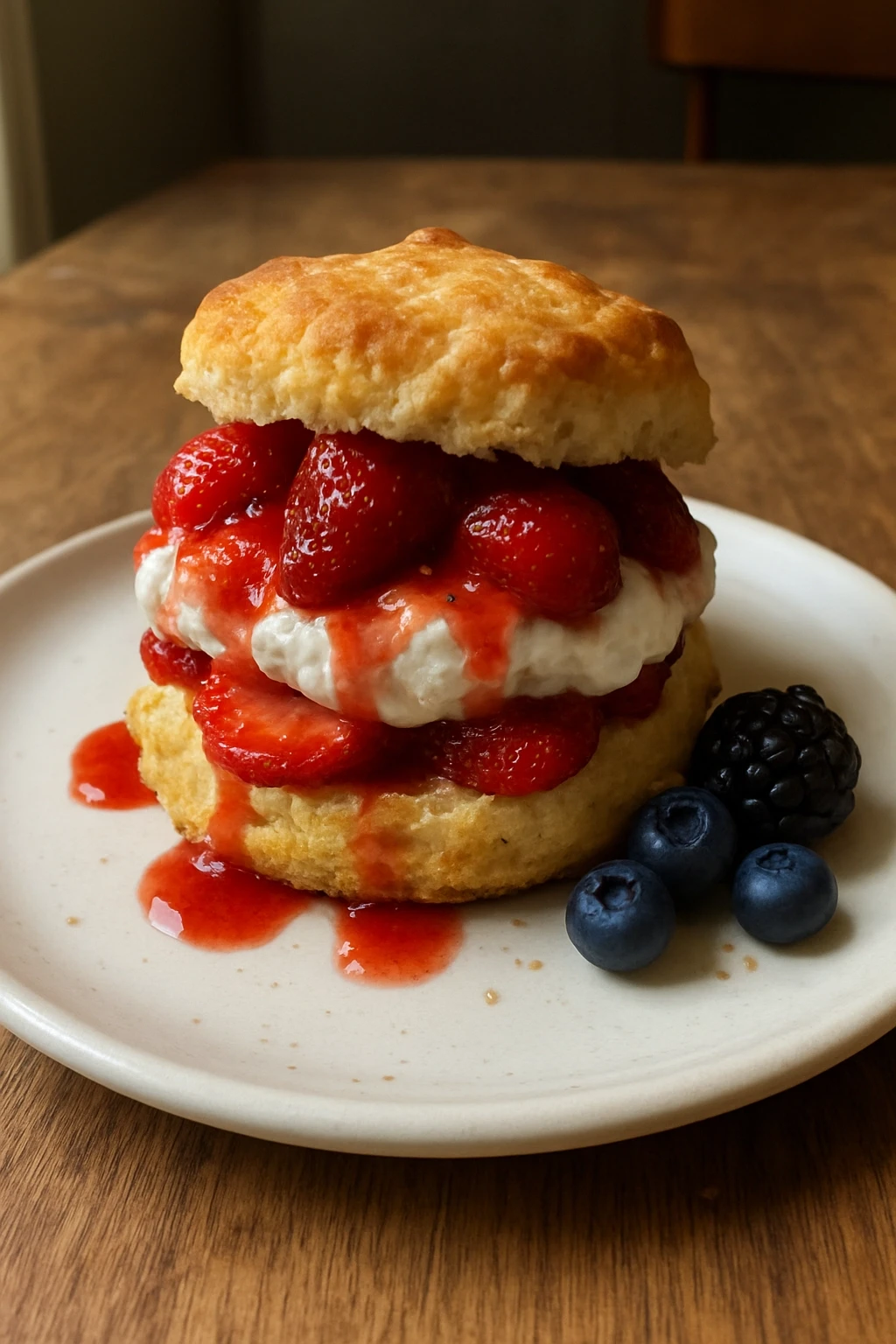
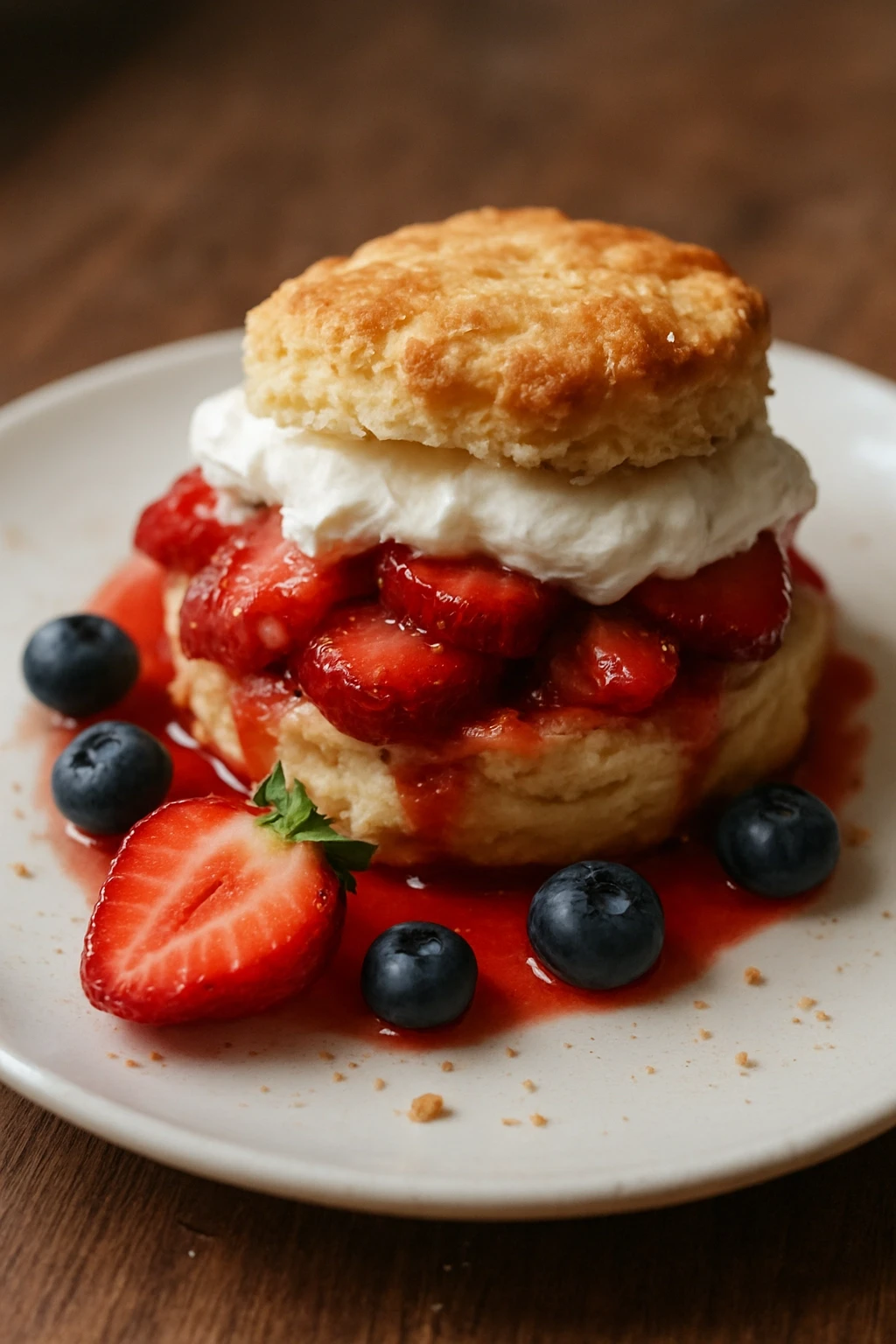
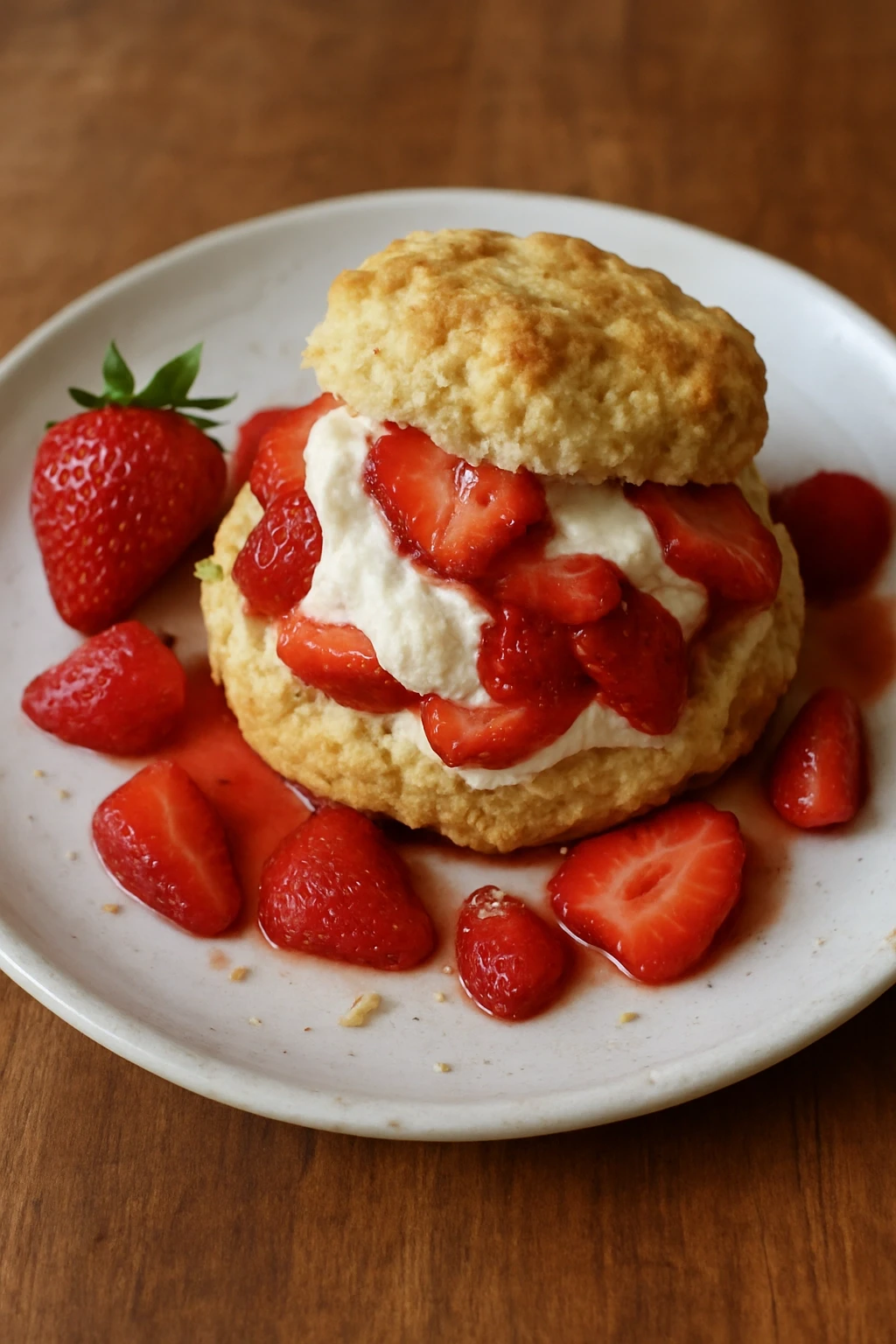
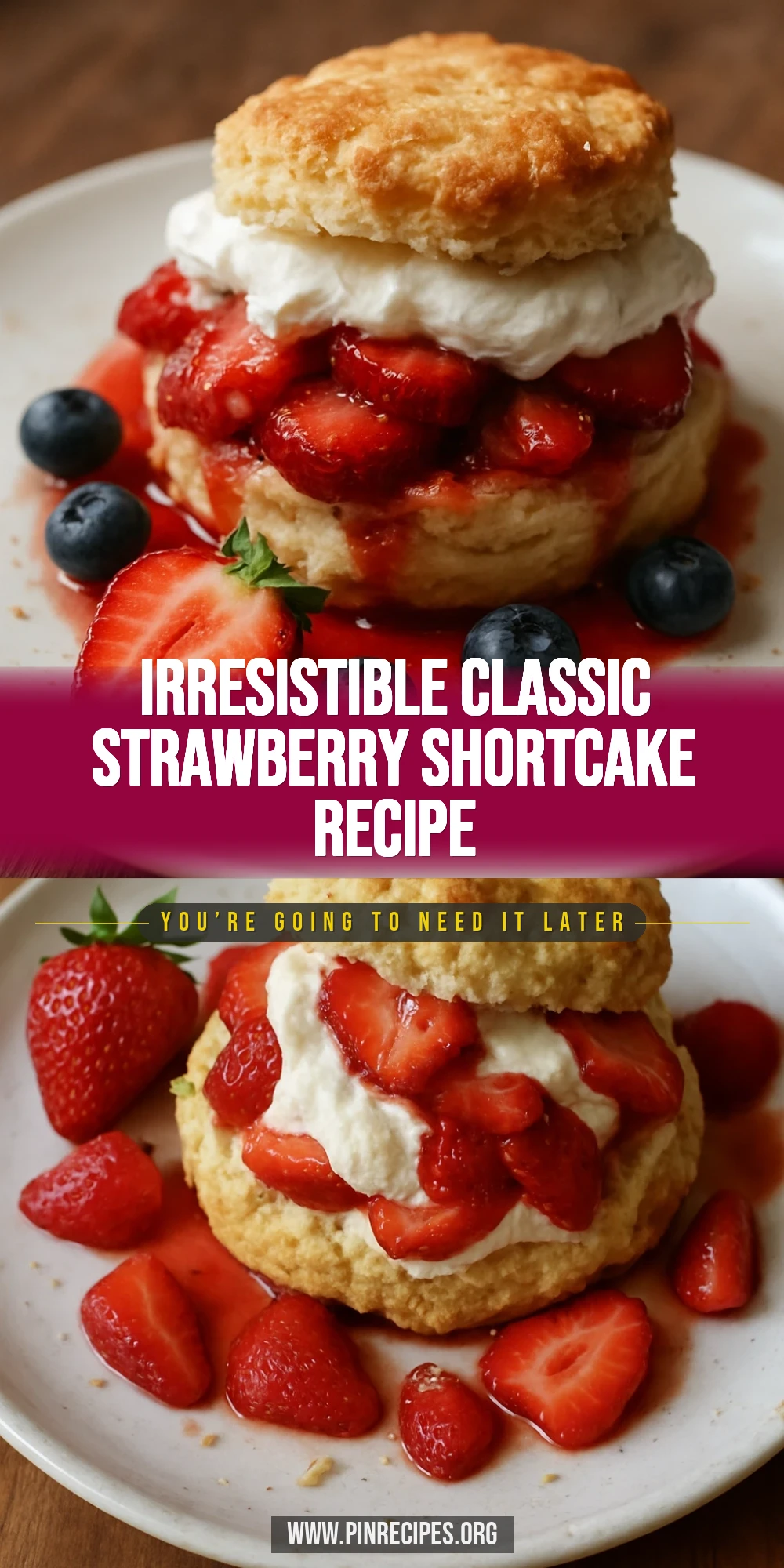
This strawberry shortcake is a nostalgic treat made with juicy fresh strawberries and light, buttery biscuits. The secret? Whipping the cream just right and macerating the berries overnight. Perfect for summer gatherings or a sweet weekend indulgence.
Introduction
Strawberry shortcake has always been one of those desserts that feels like a warm hug from childhood. I remember my grandma making it every summer when strawberries were in season, and the smell of fresh biscuits baking in her kitchen was irresistible. I tried a few recipes over the years, but none quite captured that perfect balance of fluffy, buttery biscuits and sweet, juicy strawberries until I tweaked this version. The trick I learned was to macerate the strawberries with sugar overnight — it really brings out their natural juices and sweetness without making them mushy. Plus, whipping the cream just until soft peaks form gives the topping a light, airy texture that melts in your mouth. This strawberry shortcake is perfect for summer barbecues or a simple weekend treat, and it always gets rave reviews from friends and family. The biscuits turn out tender but sturdy enough to hold all that juicy berry goodness, and the cream adds just the right touch of richness. Honestly, it’s one of my favorite ways to celebrate strawberry season every year.
How To Do It
Step 1
Start by preparing the strawberries. Hull and slice about 2 cups of fresh strawberries, then toss them with 1/4 cup of granulated sugar in a bowl. Let them sit at room temperature for at least 30 minutes or preferably overnight in the fridge. This process, called maceration, draws out the juices and sweetens the berries naturally, making them juicy but not mushy. If you rush this step, the strawberries won’t develop their full flavor and the shortcake can taste a bit dry.
⏱ Time: 30 minutes to overnight
✓ Doneness: Strawberries release a glossy, syrupy liquid and look plump and juicy
Step 2
Preheat your oven to 425°F (220°C). In a large bowl, whisk together 2 cups of sifted all-purpose flour, 1 tablespoon baking powder, 1/2 teaspoon salt, and 1/4 cup sugar. Cut in 1/2 cup cold cubed unsalted butter using a pastry cutter or your fingers until the mixture resembles coarse crumbs. The cold butter creates steam during baking, which helps the biscuits rise and become flaky. Avoid overworking the dough here to keep the biscuits tender.
⏱ Time: 10 minutes
✓ Doneness: Mixture looks crumbly with pea-sized butter pieces evenly distributed
Step 3
Add 2/3 cup whole milk and 1 teaspoon vanilla extract to the flour mixture. Stir gently until just combined. The dough should be slightly sticky but hold together. Overmixing will develop gluten and make the biscuits tough. Use a spatula or your hands to bring it together quickly without kneading.
⏱ Time: 2-3 minutes
✓ Doneness: Dough forms a cohesive ball but remains soft and sticky
Step 4
Turn the dough out onto a lightly floured surface and gently pat it into a 1-inch thick rectangle. Using a biscuit cutter or a glass, cut out rounds without twisting the cutter to keep edges sharp. Gather scraps, gently press together, and cut more biscuits until all dough is used. Place biscuits on a baking sheet lined with parchment paper, spaced about 1 inch apart.
⏱ Time: 5 minutes
✓ Doneness: Biscuits are uniform in shape with clean edges and smooth tops
Step 5
Bake the biscuits in the preheated oven for 15-20 minutes until golden brown on top and a toothpick inserted in the center comes out clean. The high heat helps create a crisp exterior while keeping the inside soft and flaky. Avoid opening the oven door too often to prevent heat loss which can affect rising.
⏱ Time: 15-20 minutes
✓ Doneness: Biscuits have a golden-brown crust and sound hollow when tapped
Step 6
While the biscuits bake, whip 1 cup of heavy cream with 2 tablespoons powdered sugar and 1 teaspoon vanilla extract until soft peaks form. Be careful not to overwhip or the cream will become grainy and start turning to butter. The whipped cream adds a light, creamy contrast to the sweet berries and flaky biscuits.
⏱ Time: 5 minutes
✓ Doneness: Cream holds soft peaks and looks smooth and fluffy
Step 7
Once biscuits have cooled slightly, slice them in half horizontally. Spoon a generous amount of the macerated strawberries over the bottom half, letting some of the syrup soak in. Top with a dollop of whipped cream and then the biscuit top. The layering creates a balance of textures – crisp biscuit, juicy berries, and silky cream.
⏱ Time: 5 minutes
✓ Doneness: Shortcake layers are distinct and the cream holds shape without melting
Step 8
Serve immediately for the best texture and flavor. If you need to prepare ahead, keep components separate and assemble just before serving to prevent sogginess. This dessert shines best fresh but can be refrigerated briefly if needed.
⏱ Time: 0 minutes
✓ Doneness: Freshly assembled shortcake looks vibrant and inviting
Step 9
Enjoy your strawberry shortcake with a cup of tea or coffee. The combination of sweet berries, buttery biscuits, and light whipped cream is a simple pleasure that never gets old. Don’t rush the process—each step builds flavor and texture that makes this dessert so special.
⏱ Time: 0 minutes
✓ Doneness: Balanced flavors and textures come together in every bite
Pro Tips
Macerate strawberries overnight for best flavor.
Allowing the strawberries to sit with sugar overnight lets them release their juices naturally, intensifying their sweetness and creating a syrup that moistens the biscuit. Rushing this step means less flavor development and a drier dessert.
Keep your butter and utensils cold when making the biscuit dough.
Cold butter creates steam pockets during baking, which leads to flaky layers. If butter warms up too much, it blends too thoroughly into the flour, resulting in dense, tough biscuits instead of light and flaky ones.
Don’t overmix the biscuit dough — stir until just combined.
Overmixing develops gluten in the flour, making biscuits chewy and tough. Gentle mixing keeps the dough tender, resulting in soft, fluffy biscuits with a delicate crumb.
Whip cream just until soft peaks form.
Stopping at soft peaks ensures the cream is light and fluffy but still stable. Overwhipping breaks down fat molecules, causing the cream to become grainy and eventually turn into butter, ruining the texture.
Use a sharp biscuit cutter without twisting when cutting dough rounds.
Twisting the cutter seals the edges and prevents the biscuits from rising properly. Pressing straight down allows the biscuits to rise evenly and maintain a tender, flaky edge.
Serve shortcake immediately after assembling.
This keeps the biscuit from becoming soggy from the strawberries’ juices and preserves the contrast between the crisp biscuit, juicy berries, and fluffy cream, which is key to the dessert’s appeal.
Chill your mixing bowl and beaters before whipping cream.
Cold equipment helps the cream whip faster and hold its structure longer, resulting in a more stable whipped cream that won’t weep or deflate quickly.
Common Mistakes to Avoid
Skipping the maceration step for strawberries.
Why it happens Many assume fresh berries are sweet enough on their own and want to save time, but this step is crucial for flavor and juiciness.
Fix Set aside the sliced strawberries with sugar for at least 30 minutes or ideally overnight. This allows the berries to release their natural juices and become sweeter, enhancing the dessert’s overall flavor and texture.
Using melted butter in the biscuit dough.
Why it happens Some cooks think melted butter is easier to mix or will produce a richer biscuit, but it changes the texture drastically.
Fix Always use cold, cubed butter and cut it into the flour until you get pea-sized pieces. This creates steam pockets during baking, which makes the biscuit flaky and tender.
Overmixing the dough.
Why it happens It’s tempting to mix thoroughly to combine all ingredients, but this develops gluten and toughens the biscuits.
Fix Mix just until the dough holds together. It’s okay if it looks a bit shaggy or sticky. Handle the dough gently to keep the biscuits tender.
Overwhipping the cream.
Why it happens Trying to get stiff peaks can lead to accidentally turning the cream into butter.
Fix Stop whipping as soon as soft peaks form — when the cream holds shape but still looks smooth and silky. This gives the best texture and mouthfeel.
Cutting biscuits with a twisted motion.
Why it happens Twisting the cutter is a common habit to release it from the dough, but it seals edges and prevents proper rising.
Fix Press straight down with a sharp cutter and gently lift it away without twisting. This helps biscuits rise evenly with tender edges.
Variations
Lemon-Infused Strawberry Shortcake
Add a teaspoon of lemon zest to the biscuit dough and a splash of lemon juice to the macerated strawberries. This brightens the flavor and adds a refreshing citrus note that pairs beautifully with the sweet berries and cream.
Note: Be careful not to add too much lemon juice to the strawberries, or the shortcake might become soggy. Keep the zest finely grated to avoid bitterness.
Gluten-Free Strawberry Shortcake
Substitute the all-purpose flour with a gluten-free baking blend that includes xanthan gum. The texture will be slightly different—more crumbly but still delicious. Ensure your baking powder is gluten-free to avoid any reactions.
Note: Gluten-free dough is more delicate; handle gently and avoid overmixing to prevent toughness.
Vegan Strawberry Shortcake
Use a plant-based butter substitute and almond or oat milk in the biscuit dough. Replace heavy cream with chilled coconut cream whipped with powdered sugar and vanilla extract. The result is a rich, dairy-free dessert that still feels indulgent.
Note: Coconut cream whips best when very cold and may have a slight coconut flavor.
Chocolate Drizzled Strawberry Shortcake
Add a drizzle of melted dark chocolate over the assembled shortcakes for a decadent twist. The bittersweet chocolate contrasts nicely with the sweet berries and cream, making this a crowd-pleaser for chocoholics.
Note: Melt chocolate gently over a double boiler to avoid burning and allow it to cool slightly before drizzling.
Strawberry Shortcake Trifle
Layer broken biscuit pieces, macerated strawberries, and whipped cream in a large glass bowl or individual jars. This no-cutting method is perfect for casual gatherings and makes serving a breeze.
Note: Let the trifle sit for 30 minutes before serving to let flavors meld, but don’t wait too long or the biscuit will get soggy.
Nutrition
Per Serving:
Nutritional values are estimates and may vary based on specific ingredients used.
Storage & Tips
Room Temperature
Shortcake components can be kept at room temperature for up to 2 hours if covered to protect from contaminants. However, assembled shortcake is best served immediately to avoid sogginess.
Refrigerator
Store macerated strawberries and whipped cream separately in airtight containers for up to 2 days. Biscuits can be wrapped tightly and kept at room temperature or refrigerated for 1-2 days. Reassemble just before serving for best texture.
Freezer
Biscuits freeze well for up to 3 months when wrapped tightly in plastic wrap and foil. Thaw at room temperature and warm briefly in the oven to refresh before assembling. Do not freeze assembled shortcake as cream and berries degrade.
Reheating
Warm biscuits in a 350°F oven for 5-7 minutes wrapped in foil to avoid drying out. Avoid microwaving as it can make them rubbery. Add fresh whipped cream and strawberries after warming.
Make Ahead
Macerate strawberries and whip cream 1 day ahead and refrigerate separately. Bake biscuits on the day of serving or bake ahead and warm before serving. Assemble shortcakes just before guests arrive for best results.
FAQ
Can I use frozen strawberries for this recipe?
Yes, you can use frozen strawberries, but be sure to thaw them completely and drain any excess liquid before macerating with sugar. Frozen berries tend to release more water, so draining helps prevent the shortcake from becoming soggy.
What if I don’t have a biscuit cutter?
You can use a round glass or even a sharp knife to cut the biscuit dough into squares or rounds. Just be sure to cut straight down without twisting to help the biscuits rise evenly and maintain their flaky edges.
How long can I store leftover shortcake?
Assembled shortcake is best eaten fresh, but leftovers can be refrigerated for up to 24 hours. Keep the components separate if possible to maintain texture, and reassemble before serving. Biscuits stored alone last 1-2 days at room temperature or refrigerated.
Can I make the biscuits gluten-free?
Absolutely! Substitute all-purpose flour with a gluten-free baking blend that contains xanthan gum for structure. Handle the dough gently as gluten-free dough can be more fragile, and bake as usual.
Why did my biscuits turn out dense?
Dense biscuits usually result from overmixing the dough or using melted butter instead of cold cubes. Be sure to mix just until combined and keep butter cold to create flaky layers from steam during baking.
How do I know when the cream is whipped enough?
Stop whipping when the cream holds soft peaks — it should hold its shape but still look smooth and creamy. Overwhipping causes the cream to become grainy and eventually turn to butter.
Can I use low-fat milk instead of whole milk?
Whole milk gives the biscuits a richer texture and better rise due to its fat content. Using low-fat milk might make the biscuits less tender and flavorful, but it can be substituted if necessary.
What’s the best way to store leftover biscuits?
Wrap biscuits tightly in plastic wrap or place in an airtight container at room temperature for 1-2 days. For longer storage, freeze them wrapped well and thaw before reheating.
Final Thoughts
I hope you enjoy making and sharing this strawberry shortcake as much as I do! It’s such a joyful dessert that brings a little summer magic to any table—let me know how yours turns out!