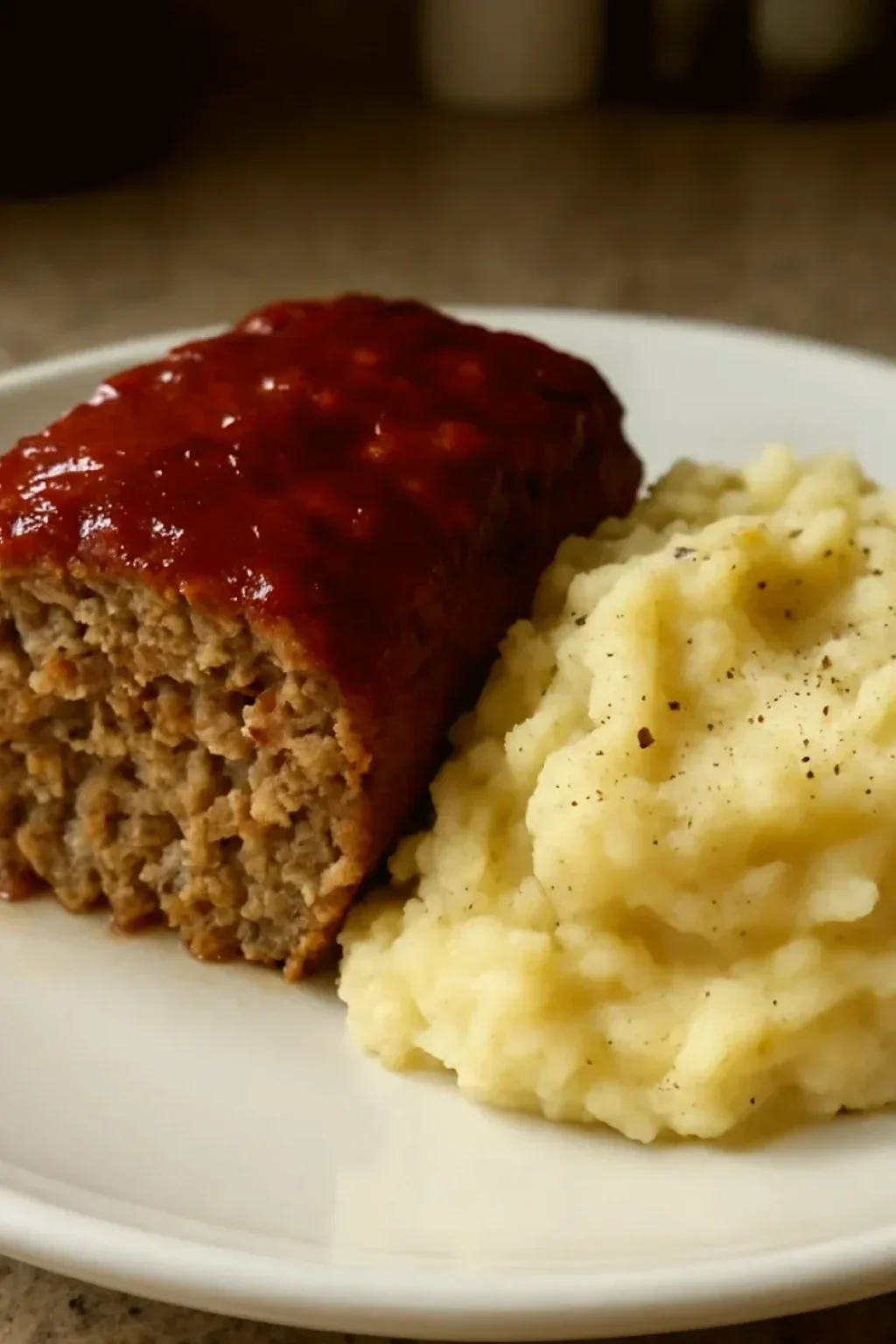
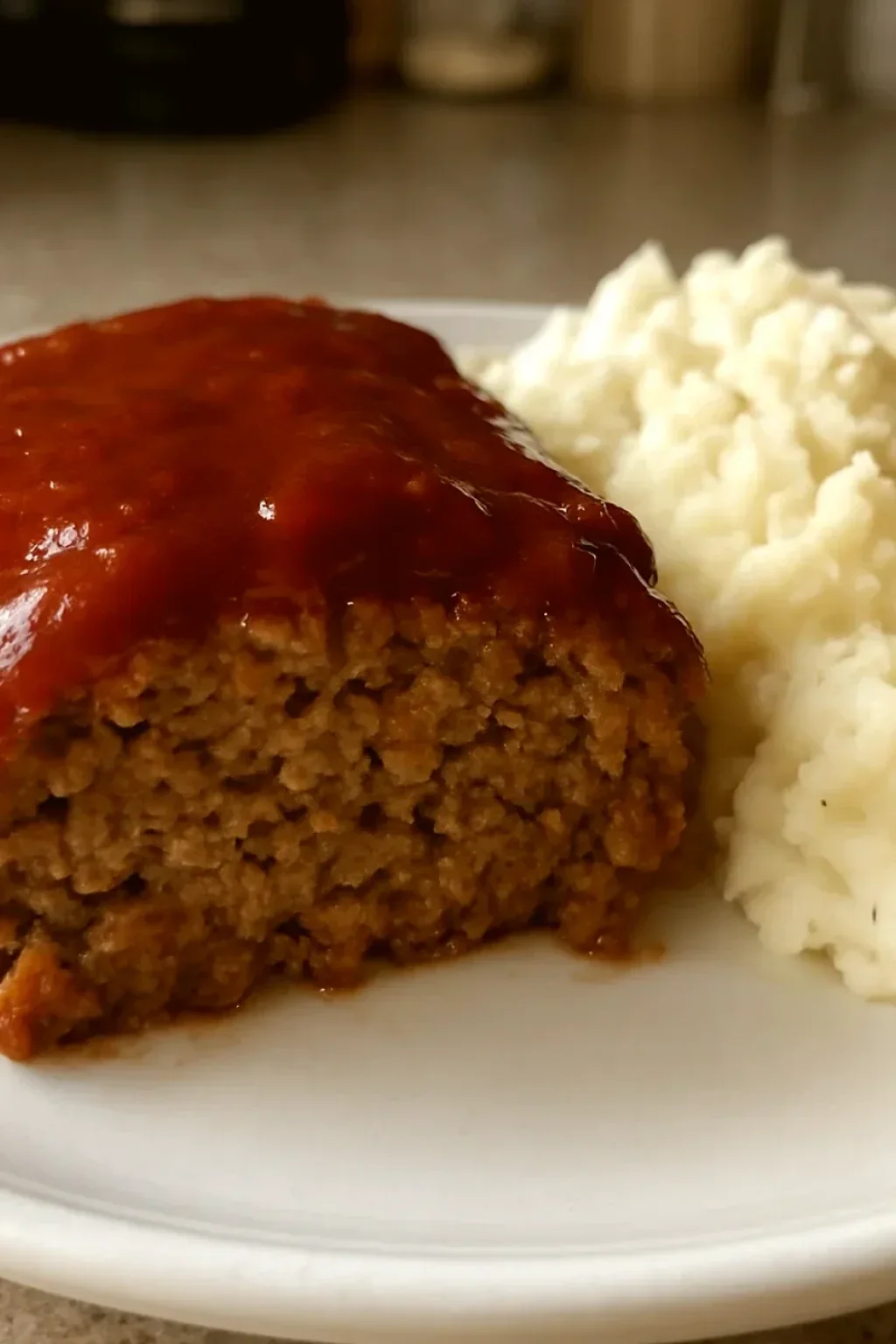
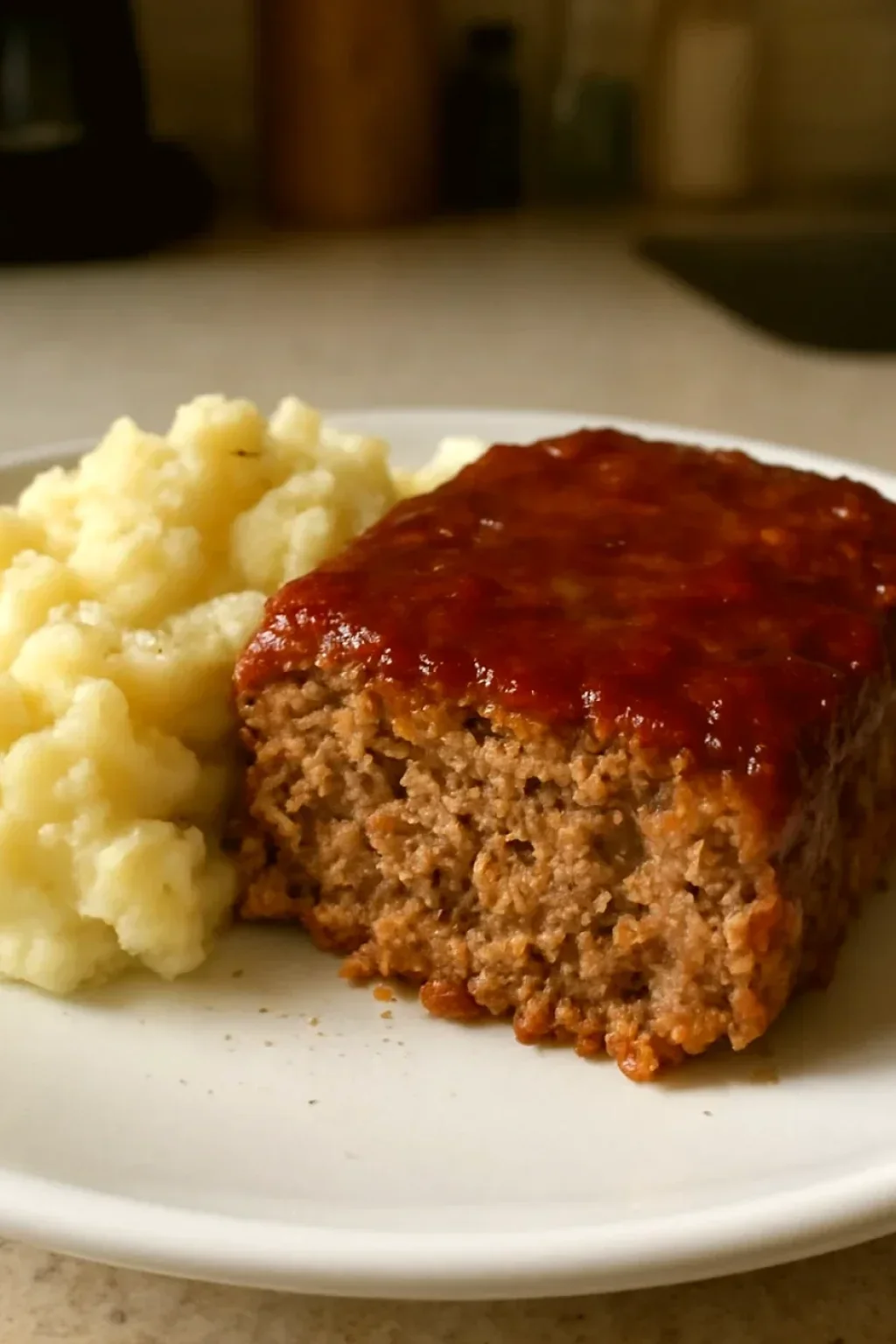
A straightforward meatloaf recipe that stays moist and flavorful, paired with properly creamy mashed potatoes. Learn the techniques that prevent dry meatloaf, how to achieve the right texture balance, and why this method produces consistent results every time.
Introduction
<p>I make this meatloaf on weeknights when I need dinner on the table in under an hour and don't want to think too hard about it. It's the kind of meal that works when you're tired, when kids are hungry, or when you just want something warm and filling without drama. I've tested this recipe at least twenty times over the past few years, tweaking the ketchup glaze and breadcrumb ratio until it stopped being just acceptable and became genuinely good.</p><p>What makes this version different from most meatloaf posts is the cooking temperature and timing. Most posts call for an hour or more in the oven, which dries out the meat and creates that dense, gray texture nobody actually enjoys. This version bakes at 350°F for just 25-30 minutes, which keeps the interior moist while still developing that caramelized ketchup crust on top. The mashed potatoes cook at the same time, so everything finishes together.</p><p>This works for busy weeknights, Sunday dinners when you want something familiar, or when you need to feed people who claim they don't like meatloaf. The leftovers make excellent sandwiches the next day, which is honestly half the reason I make it.</p>
What You'll Need
One 1.5-lb loaf, 4 servings
- 1 lb (450g) ground beef, 80/20 blend
- 1 cup (120g) breadcrumbs, preferably panko
- 1/2 cup (80g) yellow onion, finely chopped
- 1/2 cup (120ml) ketchup, divided
- 1 large egg, beaten
- 1 tsp (5g) garlic powder
- 1 tsp (6g) fine sea salt
- 1/2 tsp (1g) black pepper
- 2 lbs (900g) russet potatoes, peeled and quartered
- 1/2 cup (120ml) whole milk, room temperature
- 4 tbsp (57g) unsalted butter
- Salt and pepper to taste for finishing
How To Do It
Step 1
Set your oven to 350°F and let it preheat for 10 minutes. This temperature allows the center of the meatloaf to reach 160°F without the exterior overcooking. Higher temperatures create a crust before the inside is done; lower temperatures take too long and dry out the meat.
⏱ Time: 10 minutes
✓ Doneness: Oven thermometer reads 350°F, rack is in center position
Step 2
Chop the onion as finely as you can manage—small pieces distribute better and don't create pockets of raw onion flavor. Put the ground beef, breadcrumbs, chopped onion, egg, 6 tablespoons of the ketchup (reserve 2 tablespoons for the glaze), garlic powder, salt, and pepper into a large bowl. Use your hands to mix everything together, working quickly and gently for about 30-45 seconds. You'll feel when it's combined—there won't be any visible streaks of unmixed ingredients. Stop as soon as it's uniform. Overmixing develops the gluten in the breadcrumbs and creates a tough, dense texture instead of the tender result you want.
⏱ Time: 2-3 minutes
✓ Doneness: Mixture is uniform in color, no streaks of unmixed beef or egg visible, feels slightly tacky to touch
Step 3
Shape the mixture into a compact loaf about 8 inches long and place it in a 9x5 inch baking dish. The egg and breadcrumbs act as binders, so it should hold together easily without falling apart. Spread the reserved 2 tablespoons of ketchup across the top in a thin, even layer. As the meatloaf bakes, the sugars in this ketchup will caramelize and form a slightly sticky glaze that seals in moisture and adds a sweet-tangy flavor to the top.
⏱ Time: 2 minutes
✓ Doneness: Loaf is symmetrical and compact, ketchup layer is thin and even across entire surface
Step 4
Put the baking dish on the middle rack of your preheated oven. Bake for 25 minutes, then check the internal temperature by inserting an instant-read thermometer into the thickest part of the loaf. You're looking for exactly 160°F. If it's at 158°F, give it another 2 minutes and check again. If it's at 160°F, pull it out immediately. Do not let it reach 165°F—those extra five degrees will make the meat noticeably drier because the protein contracts more tightly. The surface should look slightly bronzed and the ketchup glaze should be darkened but not burnt.
⏱ Time: 25-30 minutes
✓ Doneness: Instant-read thermometer reads exactly 160°F in center, surface is bronzed, ketchup glaze is caramelized and slightly sticky
Step 5
While the meatloaf bakes, quarter your peeled potatoes and put them in a large pot. Cover them completely with cold water and add about 1 teaspoon of salt. Bring the water to a rolling boil over high heat, then reduce to medium-high to maintain a steady but not aggressive boil. The potatoes need 15-20 minutes from the moment the water reaches a full boil. Start checking at 15 minutes by piercing one with a fork—it should slide through with almost no resistance. When you lift a piece out with a slotted spoon, it should feel light and almost fall apart. If there's any firmness in the center, keep boiling for another 2-3 minutes and check again.
⏱ Time: 15-20 minutes
✓ Doneness: Fork slides through potato with zero resistance, potato feels floury and light when lifted, centers are completely tender
Step 6
Drain the potatoes in a colander and immediately return them to the warm pot, which you've set on a turned-off burner. Add the butter and milk—both should be close to room temperature or slightly warmed. If you add cold dairy, it cools the potatoes and makes them harder to mash smoothly. Use a potato masher and press down firmly, working around the pot to break down each piece. Continue mashing for 1-2 minutes until you reach a creamy consistency with just a few small lumps remaining. If you prefer completely smooth potatoes, switch to a hand mixer on low speed for 30 seconds, but don't overdo it or you'll release too much starch and create a gluey paste. Season with salt and pepper to taste. The potatoes should be soft enough to fall off a spoon in a thick stream but not so loose that they're soupy.
⏱ Time: 3-5 minutes
✓ Doneness: Texture is creamy with minimal lumps, potatoes hold soft peaks when mashed, mixture is warm throughout
Step 7
Take the meatloaf out of the oven and let it rest in the baking dish for 3-5 minutes before slicing. This resting period lets the internal temperature stabilize and allows the proteins to relax slightly, which helps them reabsorb some of the juices that have pooled inside. If you cut into it immediately, those juices run out onto the plate instead of staying in the meat. Use a sharp, serrated knife and cut with gentle downward pressure rather than sawing back and forth, which tends to tear the meat and create ragged slices.
⏱ Time: 3-5 minutes
✓ Doneness: Meatloaf is still quite hot but not steaming aggressively, juices have mostly reabsorbed, surface is set and slightly firm
Pro Tips
Always use 80/20 ground beef, never leaner. The fat content is essential for keeping the meatloaf moist during cooking.
I've made this with 90/10 beef before and it was noticeably drier and less flavorful. Fat carries flavor compounds and prevents the meat from squeezing out all its moisture when the proteins contract. The 20% fat content is the minimum you need for tender meatloaf.
Don't add raw vegetables like diced bell peppers or grated zucchini directly into the meatloaf mixture unless you cook them first.
Fresh vegetables contain a lot of water that releases during cooking, making the loaf soggy and preventing it from holding its shape. If you want vegetable flavor, sauté them for 3-4 minutes first to remove some moisture.
Check the temperature at 25 minutes, not 30. Most home ovens run slightly hotter than their dial indicates, and those extra 5 minutes can push you past 160°F.
I've overcooked this meatloaf more times than I'd like to admit by waiting the full 30 minutes. Once it hits 165°F, the proteins tighten significantly and squeeze out liquid. Taking it out at exactly 160°F gives you a safety margin for carryover cooking.
Warm the milk and butter before adding them to the potatoes. Cold dairy cools the potatoes and makes them starchy and heavy instead of light and fluffy.
I learned this the hard way after making gluey mashed potatoes several times. Temperature affects how the starch granules behave—warm liquid keeps them loose and produces a creamier texture.
Use a potato masher, not a food processor or immersion blender. Mechanical processing overworks the potatoes and releases too much starch.
I tried using a food processor once to save time and ended up with what looked like wallpaper paste. The rapid mechanical action damages the potato cell structure and causes them to release starch into the mixture, turning it into a thick, gluey mass.
Cook a small test portion of the meatloaf mixture separately in a skillet before baking the whole loaf. This lets you check the seasoning and texture.
I started doing this after making an entire meatloaf that was undersalted. A tablespoon of the mixture cooked in a small pan takes 2 minutes and lets you verify everything is right before committing the whole batch to the oven.
Common Mistakes to Avoid
Mixing the meatloaf ingredients too thoroughly or for too long
Why it happens It seems logical that more mixing would ensure even distribution of seasonings and create better cohesion, but prolonged mixing develops gluten in the breadcrumbs, which makes the finished loaf dense and tough instead of tender.
Fix Mix by hand for just 30-45 seconds, until you can't see any unmixed streaks. The moment it looks uniform, stop. You can't fix overmixed meatloaf, so it's better to undermix slightly than overdo it.
Cooking the meatloaf to 165°F or higher because that's the standard food safety temperature
Why it happens Many people follow general food safety guidelines that recommend 165°F for ground meats, but ground beef is actually safe at 160°F. Those extra 5 degrees cause the proteins to contract more tightly and squeeze out moisture.
Fix Use an instant-read thermometer and pull the meatloaf out the moment it hits 160°F. The carryover heat will bring it up to about 162°F during resting, which is still well within the safe zone.
Boiling potatoes for the full 20-25 minutes without checking doneness earlier
Why it happens Most potato posts call for 20-25 minutes of boiling, but this often results in waterlogged potatoes that absorb too much water and become mushy. The exact timing depends on potato size and variety.
Fix Start checking at 15 minutes and drain them as soon as a fork slides through with zero resistance. Overcooked potatoes can't be salvaged—they'll always be watery and gluey no matter how you mash them.
Mashing potatoes when they're either too hot (just drained) or after they've cooled down
Why it happens Extremely hot potatoes seem easier to mash, but high heat can cause the starch to become gluey. Cold potatoes have already begun to set and are harder to break down smoothly.
Fix Let the drained potatoes sit for 1-2 minutes after draining, then mash them while they're still quite warm but not steaming hot. The butter should melt instantly when it touches the potatoes.
Variations
Beef and Pork Blend
Replace half the ground beef with ground pork (8 oz beef, 8 oz pork). Pork adds subtle sweetness and extra moisture. Add 1/4 teaspoon dried sage to complement the pork flavor.
Note: Pork has a slightly different fat composition than beef and stays exceptionally moist during cooking. The blend creates a more complex flavor profile while maintaining the same cooking time and temperature.
Gluten-Free Meatloaf
Substitute the panko breadcrumbs with an equal amount (by weight) of crushed gluten-free crackers or almond flour mixed with 1 tablespoon cornstarch. The binding mechanism works the same way.
Note: Almond flour absorbs moisture slightly differently than wheat-based breadcrumbs. If the mixture feels too dry after combining, add 1-2 tablespoons of milk to compensate.
Lower-Sodium Version
Reduce the salt in the meatloaf to 1/2 teaspoon and replace the ketchup topping with unsalted tomato paste mixed with 1 tablespoon apple cider vinegar. This cuts sodium while maintaining acidity and flavor.
Note: Ketchup typically contains 150-200mg of sodium per tablespoon. Unsalted tomato paste with vinegar provides the same acidic balance without the sodium load.
Brown Butter Mashed Potatoes
Instead of adding plain butter, heat the 4 tablespoons in a small saucepan over medium heat for about 5 minutes until the milk solids turn golden brown and smell nutty. Pour this brown butter into the mashed potatoes along with the warm milk.
Note: Browning butter creates hundreds of new flavor compounds through the Maillard reaction. The nutty flavor complements both the meatloaf and potatoes and adds depth that regular butter doesn't provide.
Vegetable-Enhanced Version
Add 1/2 cup finely grated carrots and 1/4 cup diced mushrooms that have been sautéed for 3 minutes in a dry pan to remove moisture. Mix these into the meatloaf along with the other ingredients.
Note: Pre-cooking vegetables removes excess moisture so they don't release water into the meatloaf during baking. Raw vegetables would make the loaf soggy and prevent it from holding together properly.
Nutrition
Per Serving:
approximately 520
Calories
Values are estimates and may vary based on exact ingredients, brands, and preparation methods. Calculations assume 80/20 ground beef and whole milk. Using leaner beef or lower-fat milk will reduce calories and fat content.
Storage & Tips
Refrigerator
Store leftover meatloaf and mashed potatoes separately in airtight containers for up to 3 days. The potatoes will develop a slightly grainy texture after the first day as they lose moisture, but the meatloaf actually improves—the flavors meld overnight and the texture becomes even more cohesive.
Freezer
Meatloaf freezes well for up to 3 months when wrapped tightly in plastic wrap followed by aluminum foil. Mashed potatoes can be frozen for up to 2 months, though they become somewhat grainy when thawed. Slice the meatloaf before freezing so you can pull out individual portions without thawing the whole loaf.
Reheating
For refrigerated meatloaf, place a slice on a microwave-safe plate, cover loosely with a damp paper towel, and microwave at 50% power for 1-2 minutes. The lower power prevents the edges from becoming tough and rubbery. For mashed potatoes, reheat in a small saucepan over low heat, stirring frequently and adding a splash of milk if they've dried out. If reheating from frozen, thaw overnight in the refrigerator first.
Make Ahead
You can prepare the meatloaf mixture up to 8 hours in advance and refrigerate it in the baking dish covered with plastic wrap. The flavors actually develop more complexity during this resting time. The cold mixture will need an extra 2-3 minutes in the oven, so check the internal temperature at 28 minutes instead of 25.
FAQ
Why is my meatloaf dry and crumbly?
This almost always means the internal temperature exceeded 162°F or you used beef that was too lean. Use 80/20 ground beef specifically and pull the meatloaf out at exactly 160°F—not higher. Overmixing can also cause dryness by developing gluten, so mix for only 30-45 seconds. If it's still dry with those changes, add an extra egg or increase the ketchup to 3/4 cup next time.
Can I make this meatloaf ahead of time?
Yes. Mix the ingredients up to 8 hours ahead and refrigerate the shaped loaf covered with plastic wrap. The cold mixture takes about 2-3 extra minutes to cook, so start checking at 28 minutes. You can also bake it completely the day before and reheat slices gently in the oven at 325°F for 12-15 minutes.
What can I use instead of breadcrumbs?
Crushed gluten-free crackers, regular panko, or finely ground oats all work in equal amounts. Don't use flour directly—it absorbs too much moisture and creates a dense texture. If using oats, pulse them in a food processor first to break them down slightly.
Can I double this recipe?
Yes, but make two separate loaves instead of one large one. A single meatloaf twice this size takes much longer to cook and has a high risk of being overcooked on the outside before the center is done. Two standard loaves bake in the same 30-minute window and cook more evenly.
Why are my mashed potatoes gluey?
This happens from overcooked potatoes, overmixing, or adding cold dairy. Always use warm milk and butter, cook potatoes only until fork-tender, and mash by hand for 1-2 minutes maximum. Once potatoes are gluey, you can't fix them—you have to start over with fresh potatoes.
How can I tell if the meatloaf is done without a thermometer?
An instant-read thermometer is the most reliable method, but without one, look for a very firm loaf with clear juices and no pink in the center when you cut into it. The meatloaf should feel solid but not hard when you press it with a fork. Visual cues alone are less accurate than temperature, though.
Final Thoughts
This meatloaf and mashed potato combination works because it respects basic cooking principles—temperature control, proper fat ratios, and moisture management. Once you understand why the 160°F threshold matters, why breadcrumbs retain moisture, and why warm dairy produces better potatoes, you can adjust these techniques for other posts. If this works well for you or if you discover variations that improve it, I'd be interested to hear about your results.