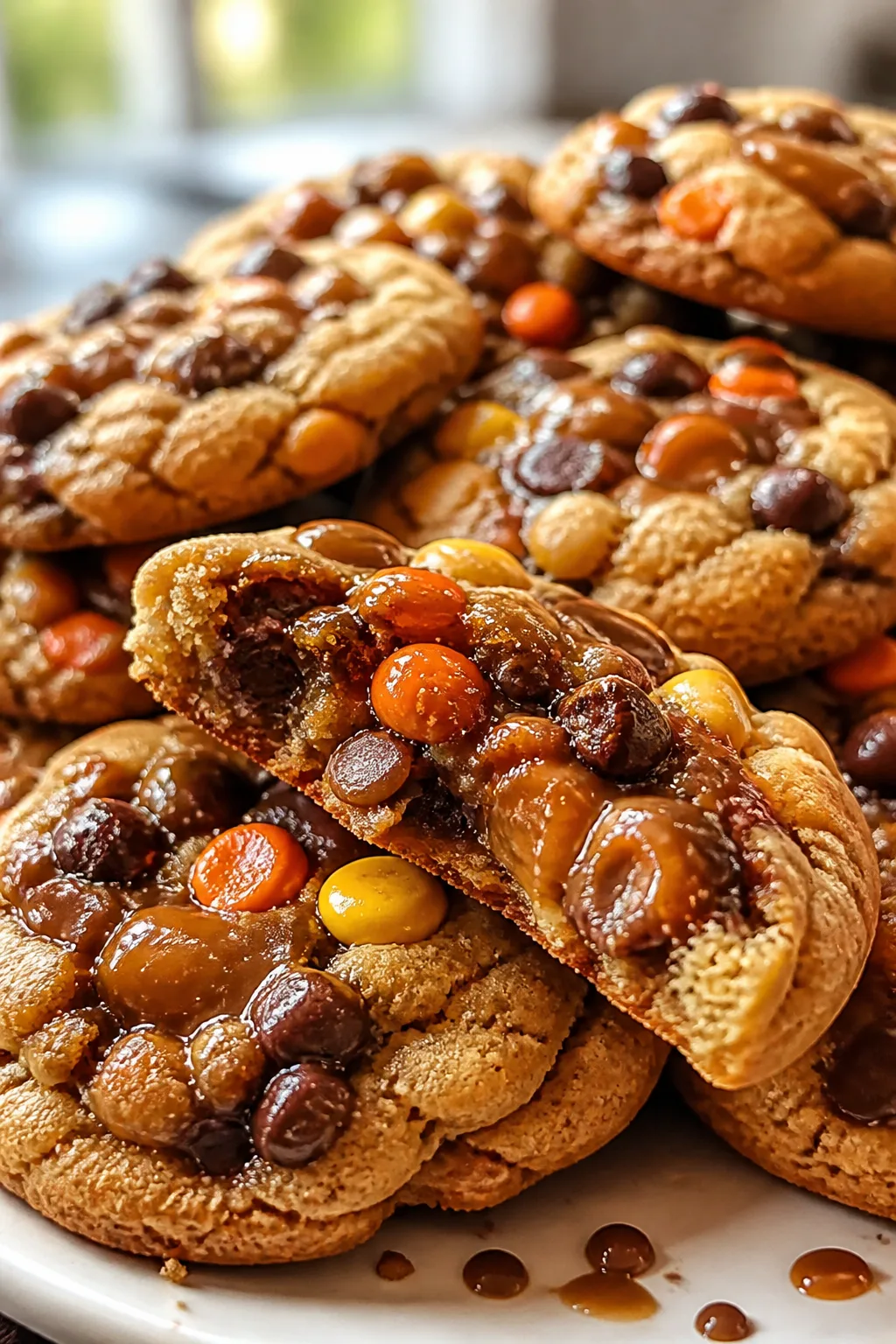
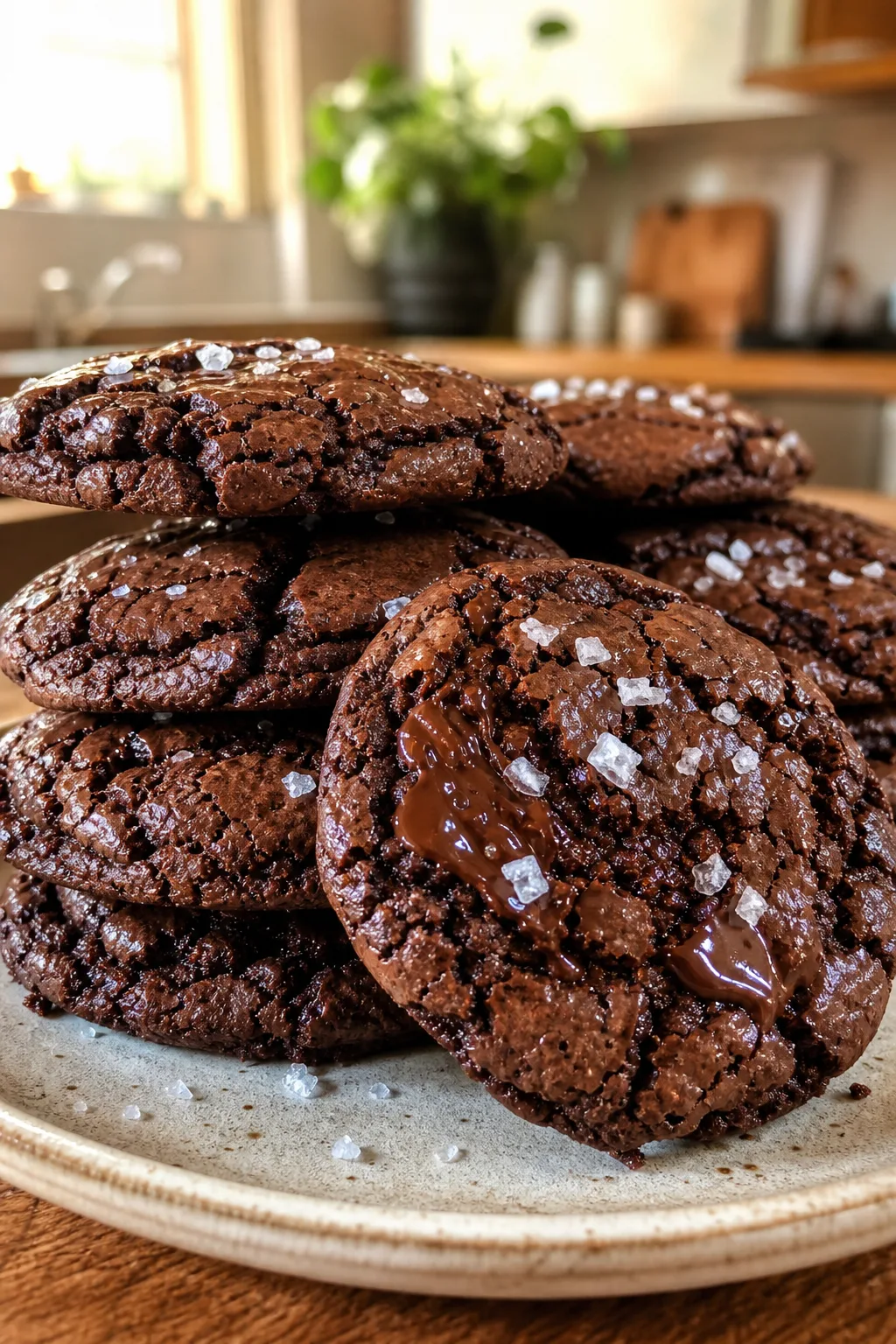
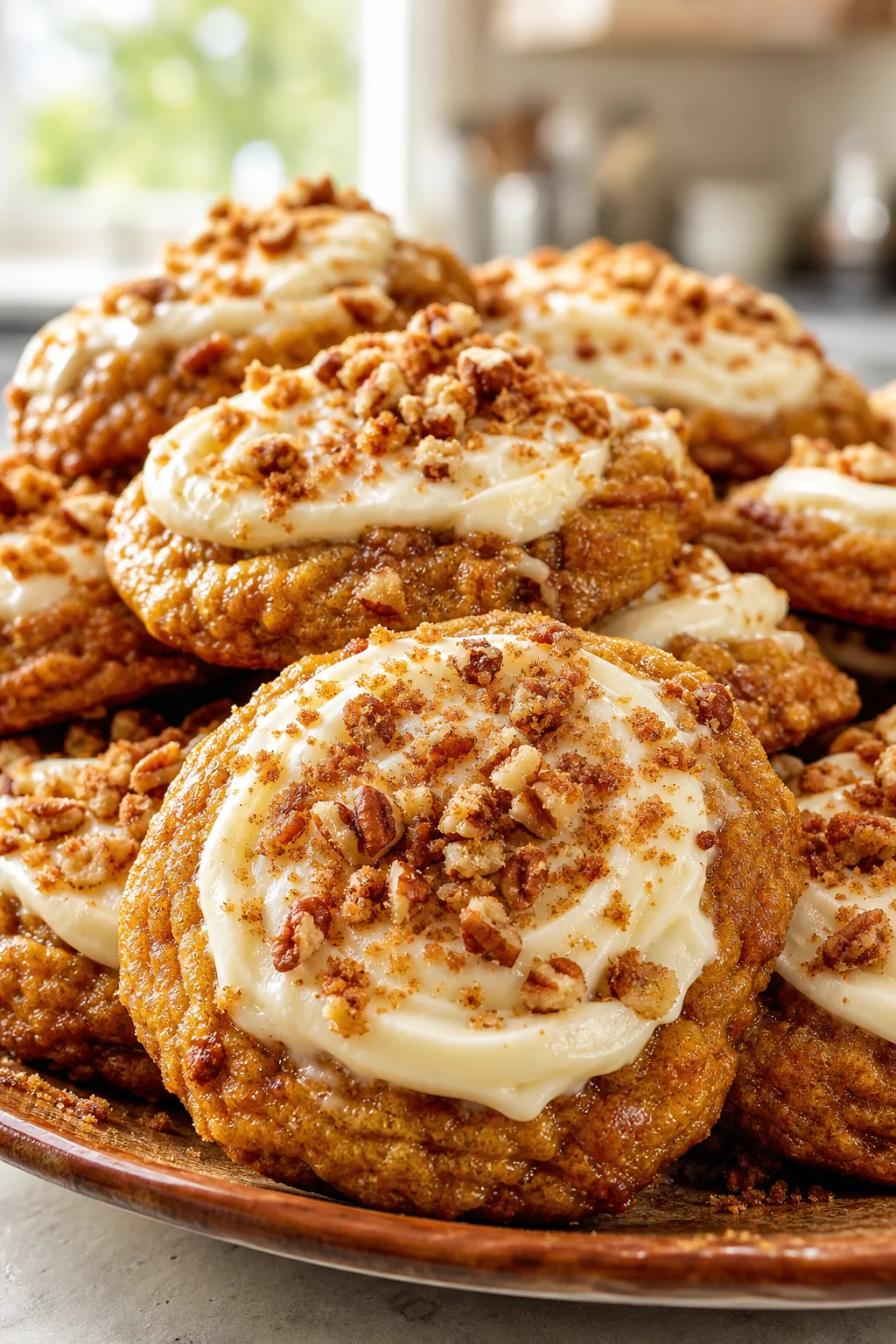
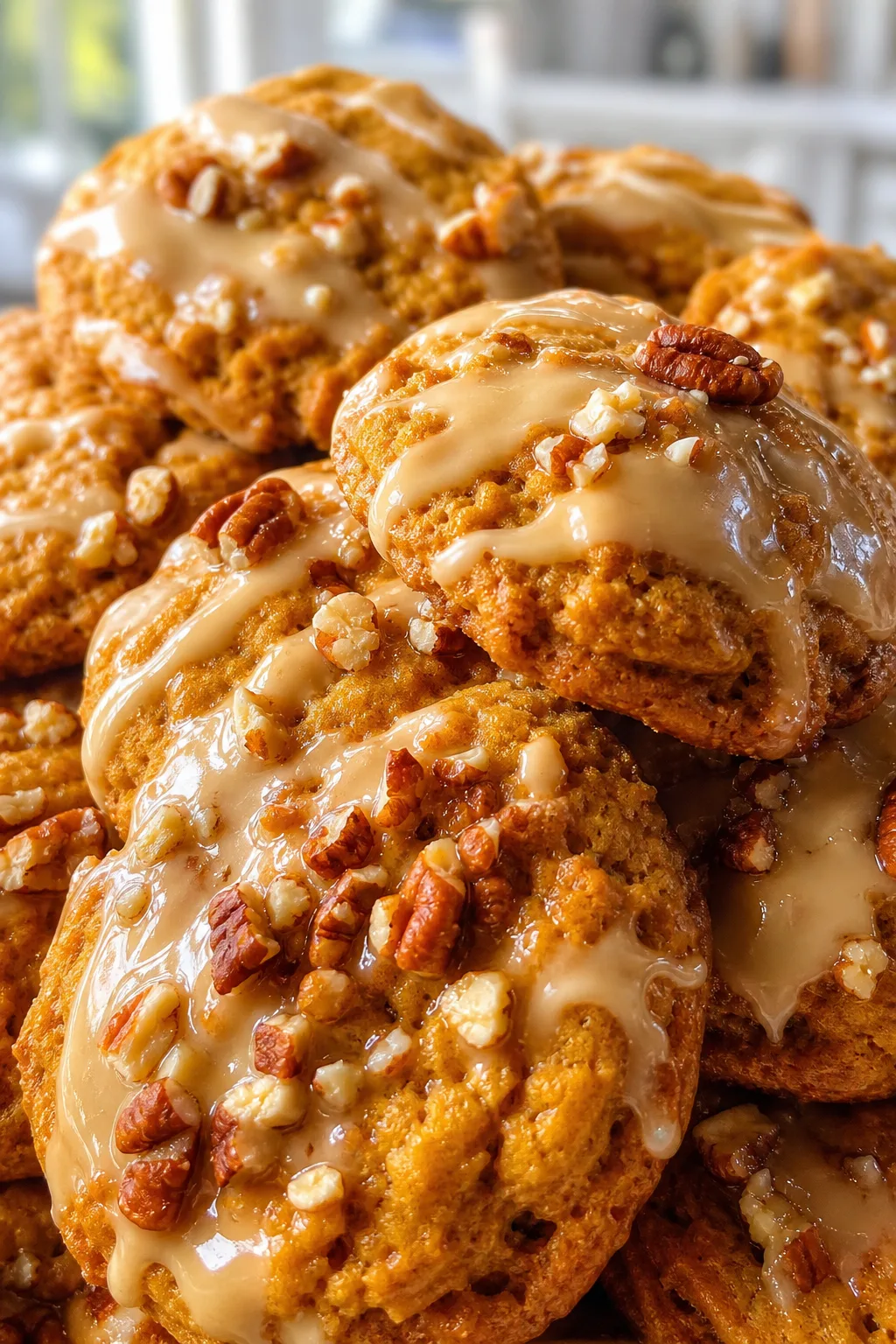
This one-bowl cookie recipe is a game changer—super simple and quick with minimal cleanup. The secret? Mixing everything in one bowl keeps it fuss-free and perfect for last-minute baking sessions. Great for sharing anytime you crave a homemade treat!
Introduction
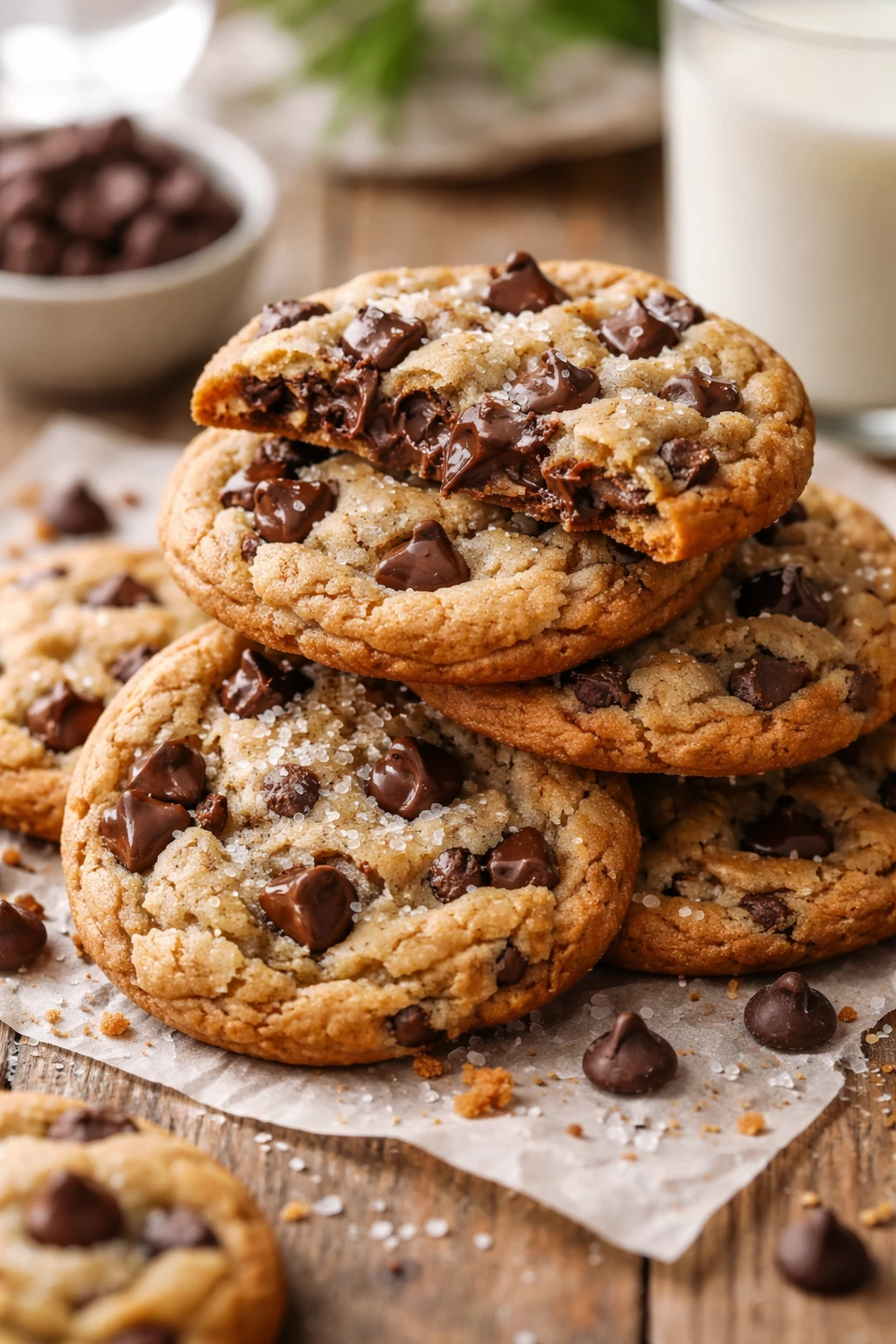
I first stumbled on this one bowl cookie recipe during a chaotic holiday season when I desperately needed a quick, no-mess dessert. What I love about this recipe is how it skips the usual multiple bowls and steps, mixing everything right in one bowl. It’s a lifesaver when you want homemade cookies but don’t want to deal with a sink full of dishes afterward. The trick I learned is to cream the butter and sugars really well in the same bowl before adding the eggs and dry ingredients, which creates a tender, chewy texture. These cookies bake up golden on the edges with soft centers, just the way I like them. Every time I make them, my family asks for more, and I think it’s because they taste homemade but come together so easily. Plus, the chocolate chips melt into gooey pockets of sweetness that make these cookies irresistible. Whether you’re baking with kids or need a quick treat for unexpected guests, this recipe won’t let you down.
How To Do It
Step 1
Start by preheating your oven to 350°F (175°C) and line two baking sheets with parchment paper. This ensures even baking and prevents sticking. It’s important to have your oven fully heated before you bake so the cookies rise properly and bake evenly. Skipping this step might cause uneven cooking or flat cookies.
⏱ Time: 10 minutes
✓ Doneness: Oven is fully preheated to 350°F and baking sheets are ready
Step 2
In a large mixing bowl, cream together the softened butter, brown sugar, and granulated sugar using a wooden spoon or electric mixer on medium speed. This step is crucial because creaming incorporates air into the mixture, which helps the cookies become light and chewy. Beat until the mixture is fluffy and pale, about 3-4 minutes. If you rush this, your cookies might turn out dense.
⏱ Time: 4 minutes
✓ Doneness: Butter and sugars are light, fluffy, and well combined
Step 3
Add the eggs one at a time, mixing well after each addition, then stir in the vanilla extract. Adding eggs slowly helps to emulsify the batter, which means the fat and water combine smoothly, giving your cookies a tender crumb. If you add eggs too quickly, the batter might curdle and affect texture.
⏱ Time: 3 minutes
✓ Doneness: Batter looks smooth and glossy with no streaks of egg
Step 4
In a separate small bowl, whisk together the all-purpose flour, baking soda, and salt. This evenly distributes the leavening agents and salt, which is key for balanced flavor and proper rise. If you don’t mix these dry ingredients well, you might get uneven spots or salty bites in your cookies.
⏱ Time: 2 minutes
✓ Doneness: Dry ingredients are fully combined with no clumps
Step 5
Gradually add the dry ingredients to the wet ingredients, mixing gently with a wooden spoon or spatula just until combined. Overmixing can develop gluten in the flour, leading to tough cookies, so stop mixing as soon as you see no more flour. The dough will be thick and slightly sticky.
⏱ Time: 3 minutes
✓ Doneness: Dough looks uniform with no visible flour streaks
Step 6
Fold in the chocolate chips evenly throughout the dough. This ensures every cookie gets delicious pockets of melted chocolate. Be gentle to avoid overmixing the dough, which can affect texture. You can use any type of chocolate chips you like, but semi-sweet is classic and balances the sweetness well.
⏱ Time: 2 minutes
✓ Doneness: Chocolate chips are evenly distributed in the dough
Step 7
Using a cookie scoop or tablespoon, drop rounded balls of dough about 2 inches apart onto the prepared baking sheets. Spacing is important because the cookies will spread as they bake. Crowding them can cause them to merge into one giant cookie.
⏱ Time: 5 minutes
✓ Doneness: Dough balls are evenly spaced and uniform in size
Step 8
Bake the cookies in the preheated oven for 10-12 minutes, rotating the baking sheets halfway through for even browning. Watch for the edges to turn golden while the centers remain soft. Removing them too early will make them doughy; too late and they’ll be crispier than desired.
⏱ Time: 12 minutes
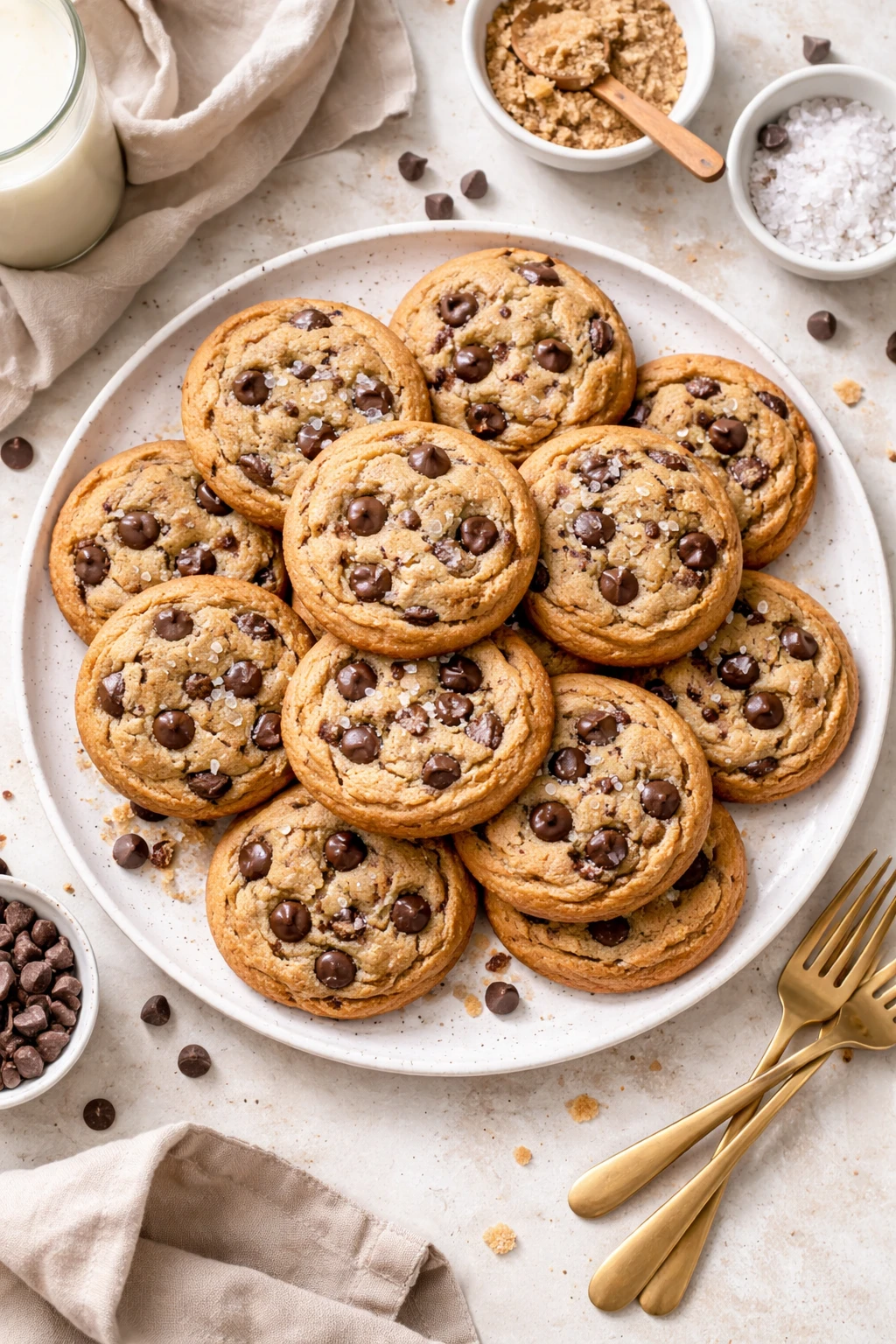
✓ Doneness: Edges are golden and centers look set but soft
Step 9
Let the cookies cool on the baking sheet for 5 minutes before transferring to a wire rack. This resting time lets the cookies firm up so they don’t break apart. If you try to move them too soon, they might crumble or stick to the sheet.
⏱ Time: 5 minutes
✓ Doneness: Cookies are firm enough to lift without breaking
Pro Tips
Make sure your butter is softened but not melted before mixing.
Softened butter creams with sugar more effectively, trapping air that helps create a light, tender cookie texture. Melted butter results in greasy dough and flat, dense cookies because it doesn’t hold air.
Don’t overmix the dough once you add the flour.
Overmixing develops gluten, which makes cookies tough and chewy in a bad way. Mix just until you see no dry flour to keep the texture tender and soft.
Use room temperature eggs for easier incorporation.
Cold eggs can cause the butter to seize or curdle during mixing, which affects the dough’s texture and can lead to uneven cookies.
Chill the dough for 30 minutes if you want thicker cookies.
Chilling solidifies the fats, slowing spread during baking and resulting in puffier, chewier cookies. Skip this if you prefer thinner, crisper cookies.
Rotate your baking sheets halfway through baking.
Ovens often have hot spots, so rotating ensures even browning and consistent cookie texture across the batch.
Use parchment paper or silicone mats for easy release.
These liners prevent sticking and promote even baking without burning the bottoms, making cleanup easier too.
Don’t crowd the cookie dough balls on the baking sheet.
Cookies spread as they bake; too close means they’ll merge into one giant cookie, losing the perfect shape and texture.
Common Mistakes to Avoid
Using melted butter instead of softened butter
Why it happens People often think melted butter saves time, but it changes the dough’s texture drastically.
Fix Always use butter softened to room temperature—not melted. This allows proper creaming with sugars, trapping air for light, chewy cookies.
Overmixing after adding flour
Why it happens Eager to combine ingredients quickly, many keep stirring, unaware it develops gluten.
Fix Mix just until flour disappears. Stop as soon as dough is uniform to keep cookies tender.
Not preheating the oven fully
Why it happens Rushing to bake without waiting for the oven to reach temperature.
Fix Preheat your oven completely to 350°F before baking. This ensures even cooking and proper rise.
Crowding dough balls on the baking sheet
Why it happens Trying to fit too many cookies saves time but affects shape.
Fix Space dough balls at least 2 inches apart to prevent them from merging during baking.
Using expired baking soda
Why it happens Baking soda loses potency over time, especially if stored improperly.
Fix Test baking soda freshness by mixing a small pinch with vinegar; it should fizz vigorously. Replace if not.
Variations
Oatmeal Chocolate Chip Cookies
Add 1 cup rolled oats to the dough for a heartier texture and a nutty flavor. You can also toss in chopped nuts like walnuts for extra crunch. Expect chewier cookies with a rustic feel.
Note: Oats absorb moisture, so you might need to reduce flour slightly or add a splash of milk if dough feels dry.
Peanut Butter Chocolate Chip Cookies
Swap half the butter for creamy peanut butter to infuse rich, nutty flavor. These cookies will be denser and more moist with a lovely peanut-chocolate combo.
Note: Peanut butter adds fat and moisture, so reduce butter accordingly to keep dough consistency balanced.
Double Chocolate Cookies
Add 1/4 cup cocoa powder to the dry ingredients and use dark chocolate chips instead of semi-sweet. This makes for rich, fudgy cookies with an intense chocolate flavor.
Note: Cocoa powder can dry the dough; add a tablespoon of milk if needed to keep dough soft.
White Chocolate Macadamia Nut Cookies
Replace semi-sweet chips with white chocolate chips and fold in 1/2 cup chopped macadamia nuts. The result is a sweet, buttery cookie with a delightful crunch.
Note: Macadamia nuts toast quickly; fold them in raw to avoid bitterness but consider toasting separately for extra flavor.
Vegan One Bowl Cookies
Use vegan butter and replace eggs with flax eggs (1 tbsp ground flaxseed + 3 tbsp water per egg). Use dairy-free chocolate chips. These cookies are just as tasty with a slightly different texture.
Note: Flax eggs add moisture and binding but can make dough softer; chill dough before baking for best shape.
Nutrition
Per Serving:
Nutritional values are estimates and may vary based on specific ingredients used.
Storage & Tips
Room Temperature
Cookies keep well at room temperature for up to 3 days when stored in an airtight container. Keep them away from direct sunlight or heat to prevent melting chocolate chips and drying out.
Refrigerator
Store cookies in an airtight container in the fridge for up to 7 days. They may firm up and lose some softness, so warm slightly in the microwave for 10 seconds before serving if desired.
Freezer
Freeze cookies in a single layer on a baking sheet, then transfer to a freezer-safe container or bag for up to 3 months. Thaw at room temperature for 30 minutes before eating. Avoid refreezing.
Reheating
Reheat cookies in a 300°F oven for 5-7 minutes to restore softness and melty chocolate. Avoid microwaving for too long as it can harden cookies once cooled.
Make Ahead
You can prepare the dough 1-2 days ahead and keep it refrigerated, tightly wrapped. Scoop and bake fresh when ready for best texture and flavor.
FAQ
Can I use salted butter instead of unsalted?
Yes, but reduce or omit the added salt in the recipe to avoid overly salty cookies. Unsalted butter lets you control salt levels precisely, which helps balance flavor.
What if I don’t have brown sugar?
You can substitute with an equal amount of white sugar plus 1 tablespoon molasses per cup to mimic brown sugar’s moisture and flavor. Using only white sugar will yield crisper, less chewy cookies.
Can I make this recipe gluten-free?
Yes, substitute all-purpose flour with a gluten-free blend that includes xanthan gum. The texture might be slightly different but still tasty. Be sure to check your baking soda and chocolate chips are gluten-free too.
How do I know when the cookies are done baking?
Look for golden edges with centers that still look slightly soft and shiny. They’ll firm up as they cool, so don’t overbake or cookies will be dry and crumbly.
Can I add nuts or other mix-ins?
Absolutely! Chopped nuts, dried fruit, or different chocolate chips can be folded in at the end. Just keep total mix-ins to about 1 1/2 cups to maintain dough balance.
Why do my cookies spread too much?
This often happens if butter is too warm or dough is too thin. Chill dough before baking or use slightly less butter to control spread. Also, make sure you’re measuring flour correctly.
Can I freeze the cookie dough?
Yes, cookie dough freezes well. Scoop dough balls onto a tray, freeze until firm, then transfer to a bag. Bake from frozen, adding a couple extra minutes to baking time.
What’s the best way to store baked cookies?
Store in airtight containers at room temperature for up to 3 days. Adding a slice of bread inside the container helps keep cookies soft by maintaining moisture.
Final Thoughts
I hope you give this one bowl cookie recipe a try—it’s simple, delicious, and perfect for any occasion. Don’t forget to share your baking wins with me!