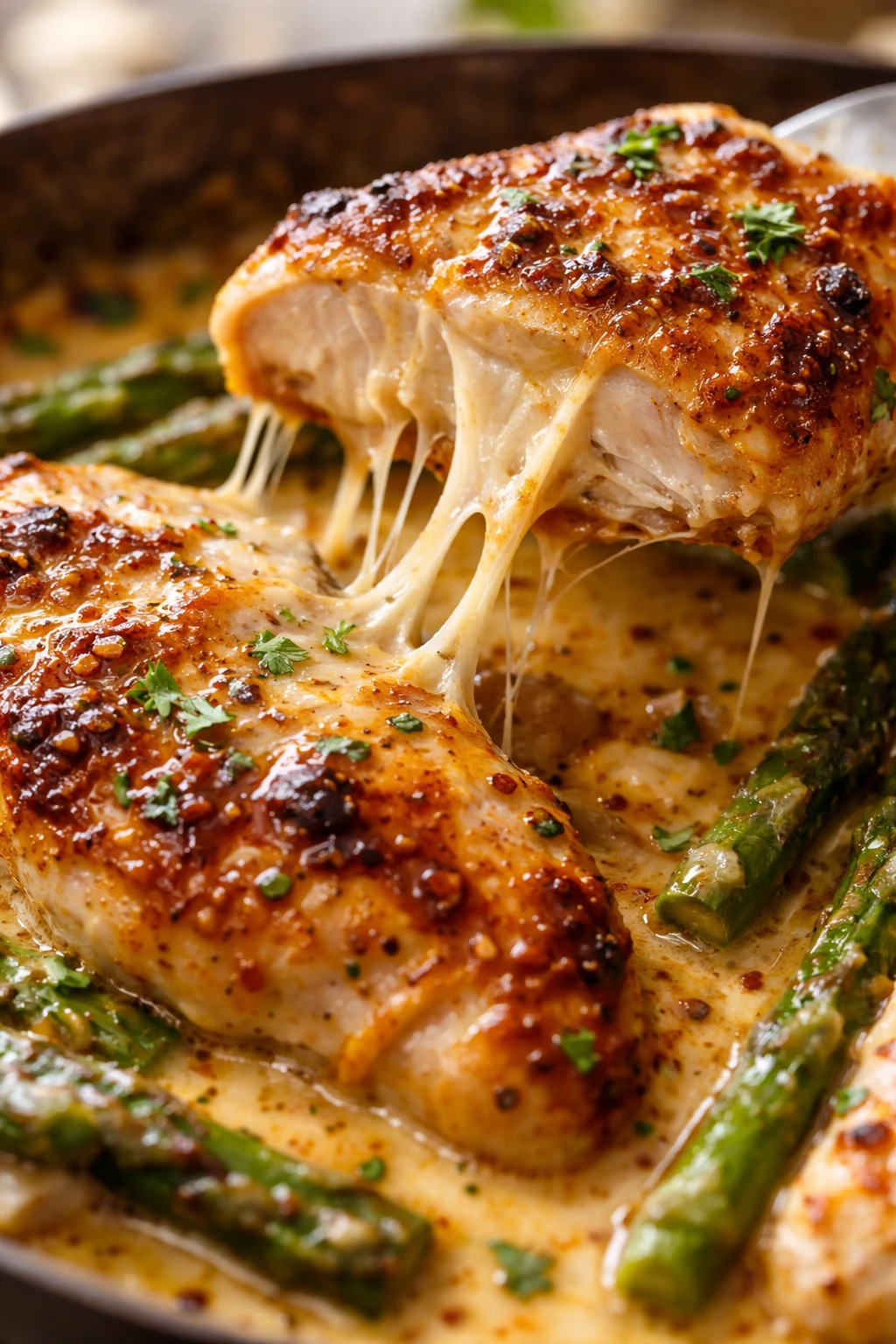
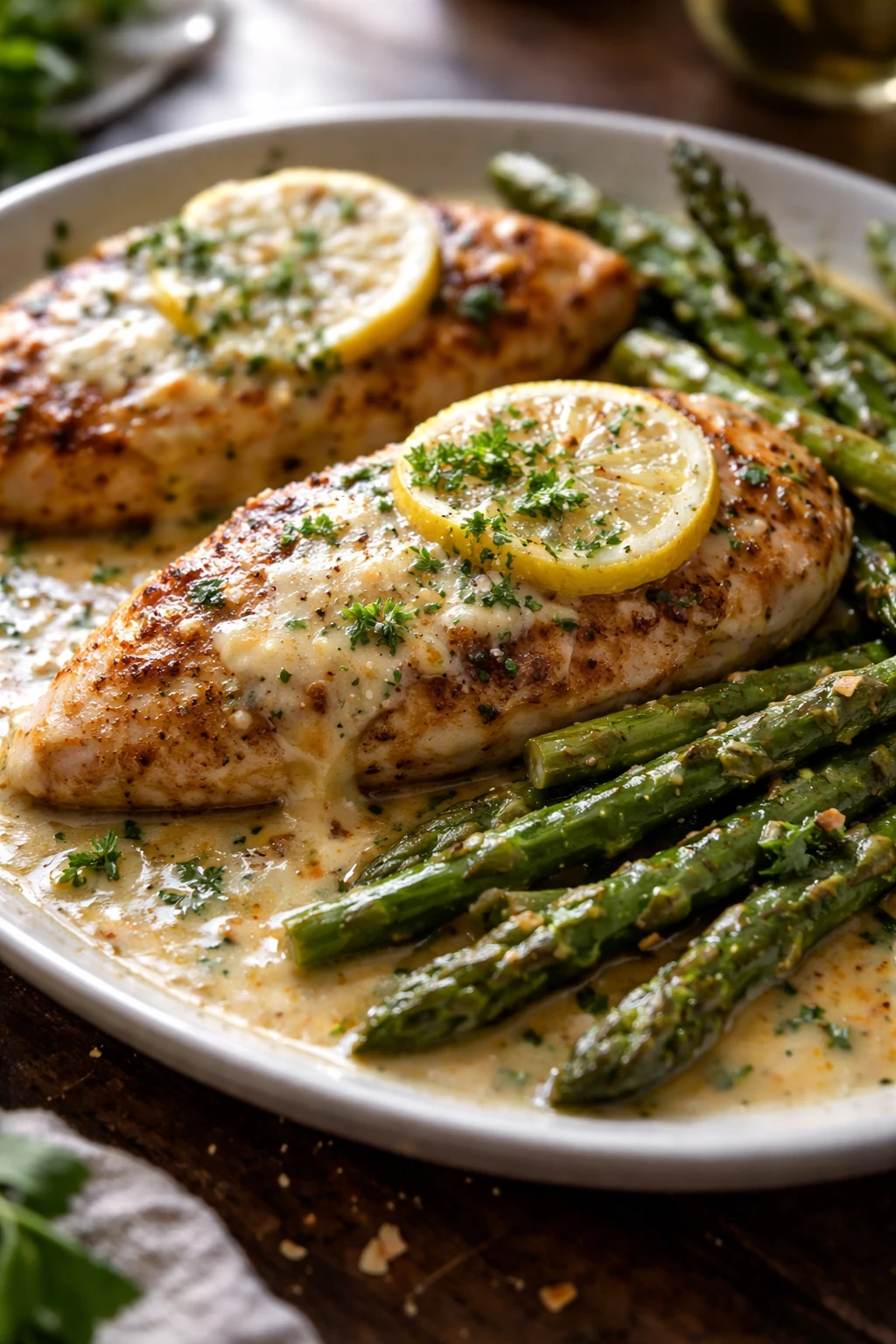
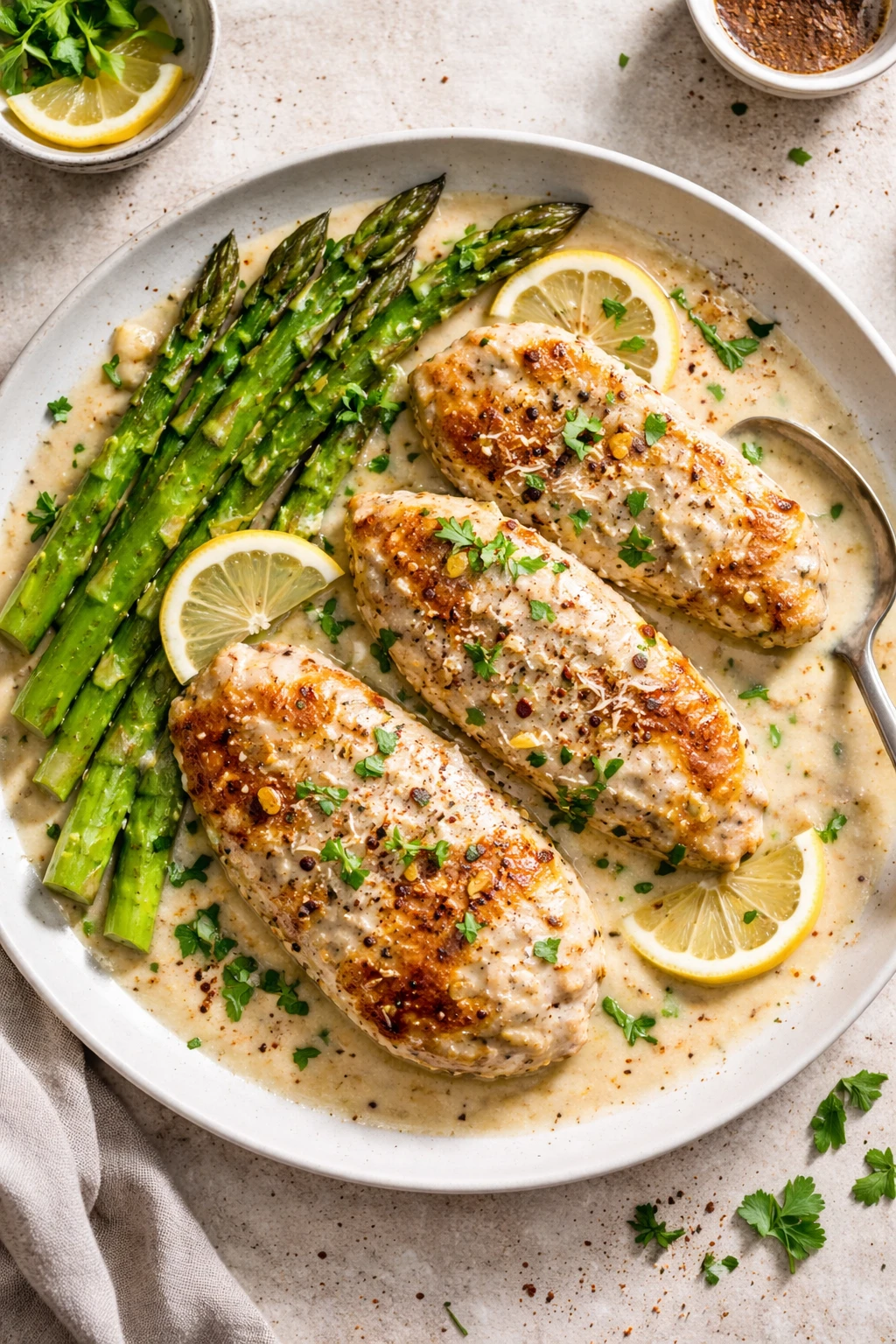
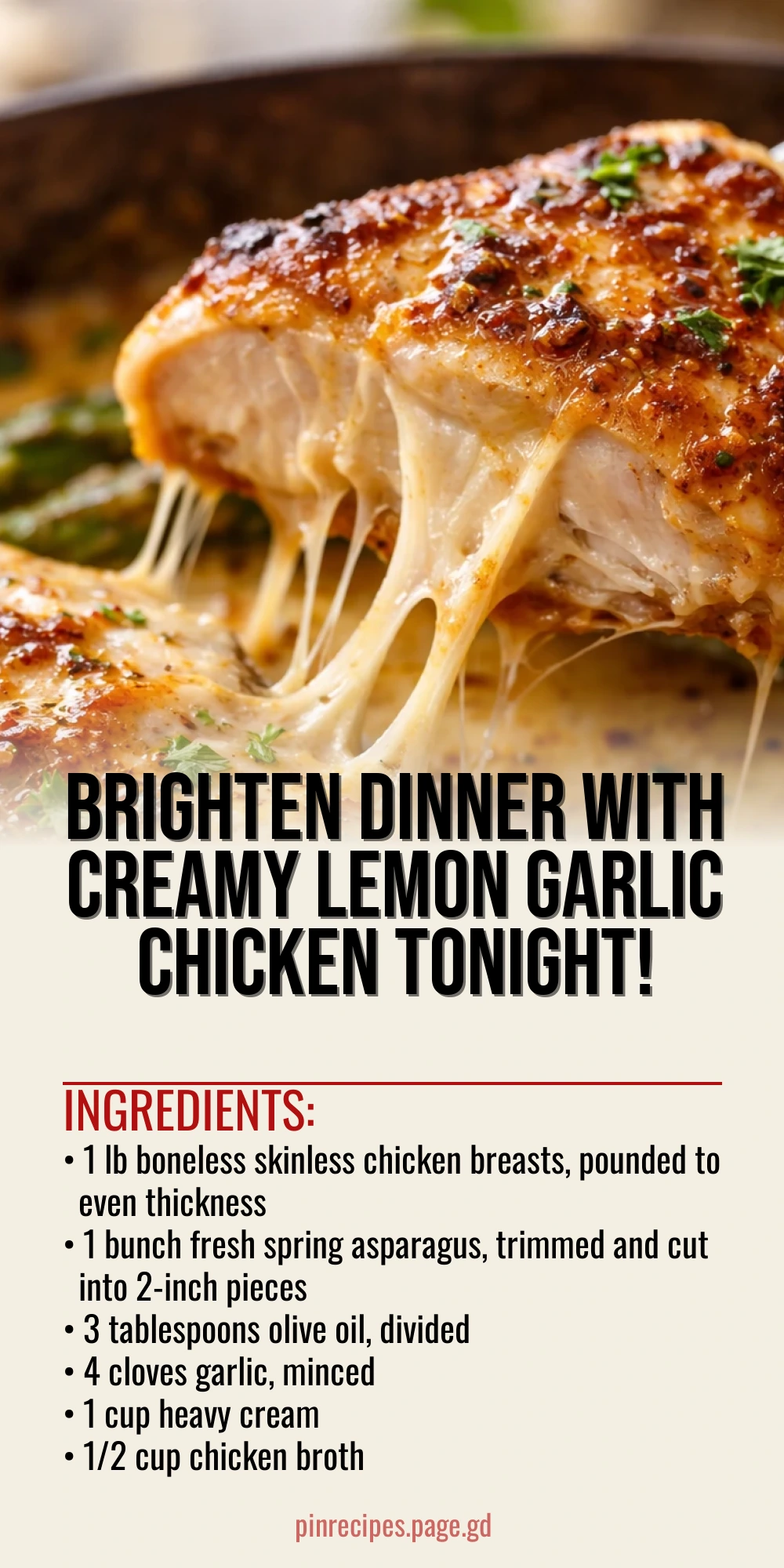
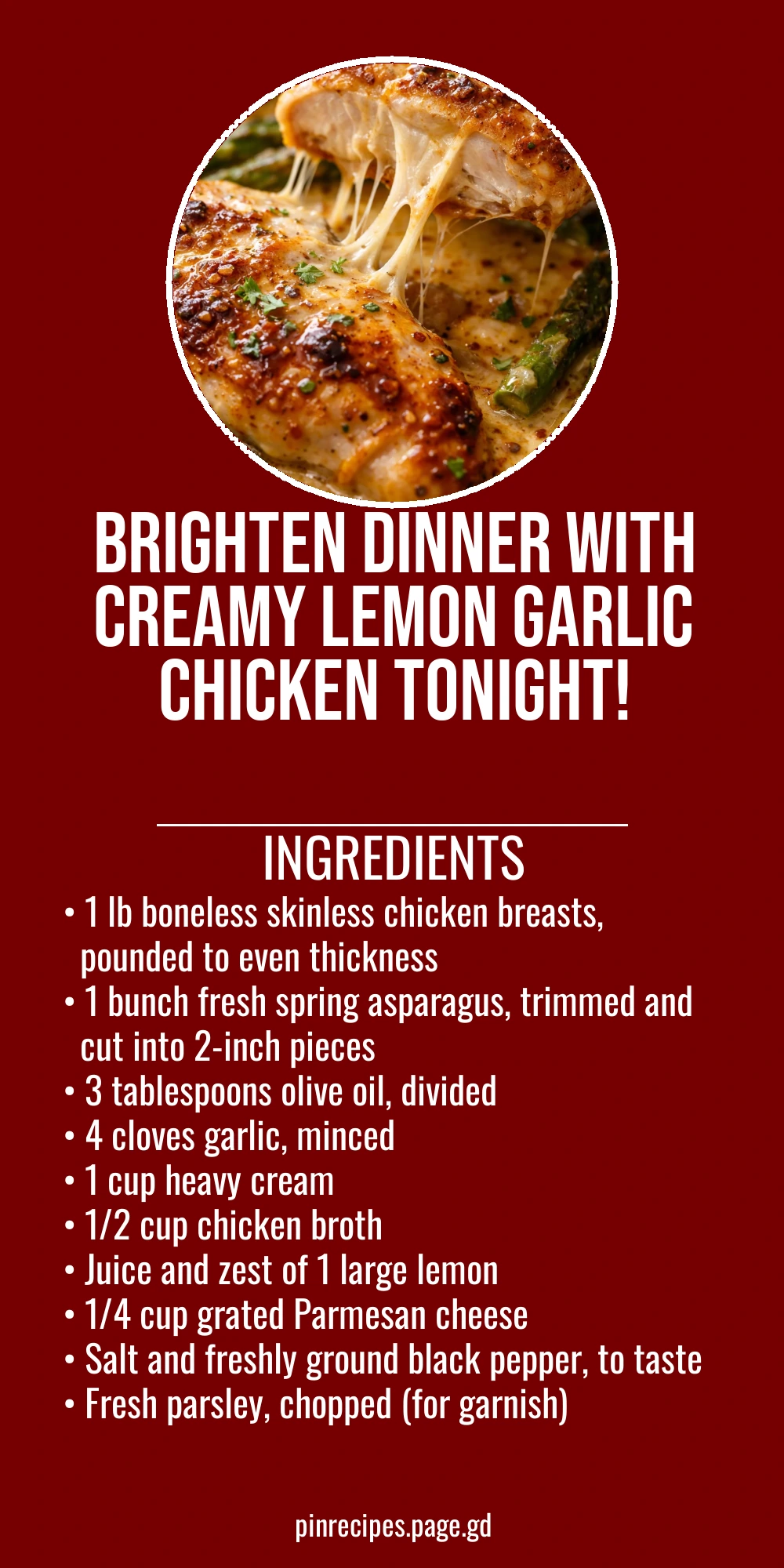
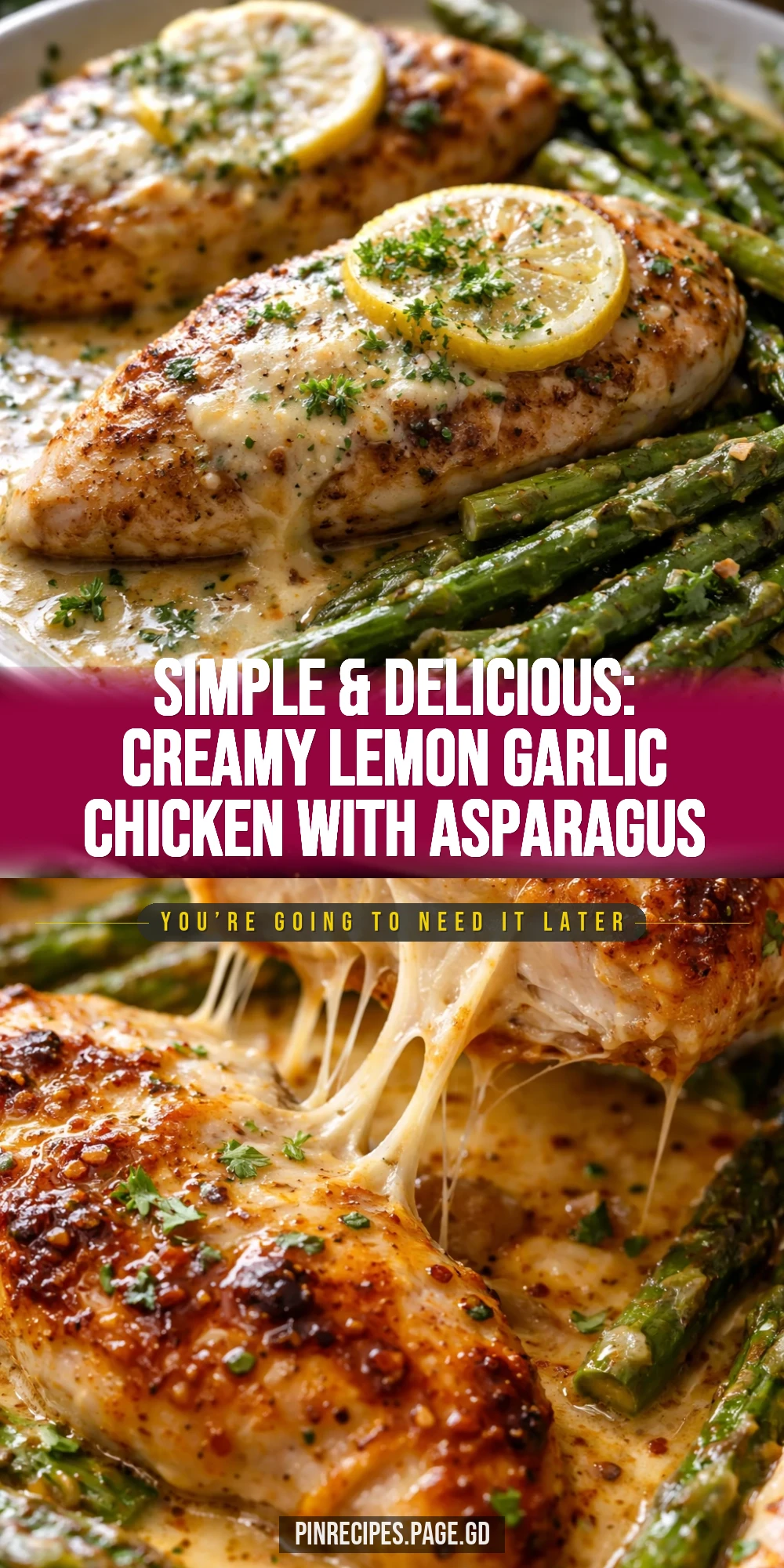
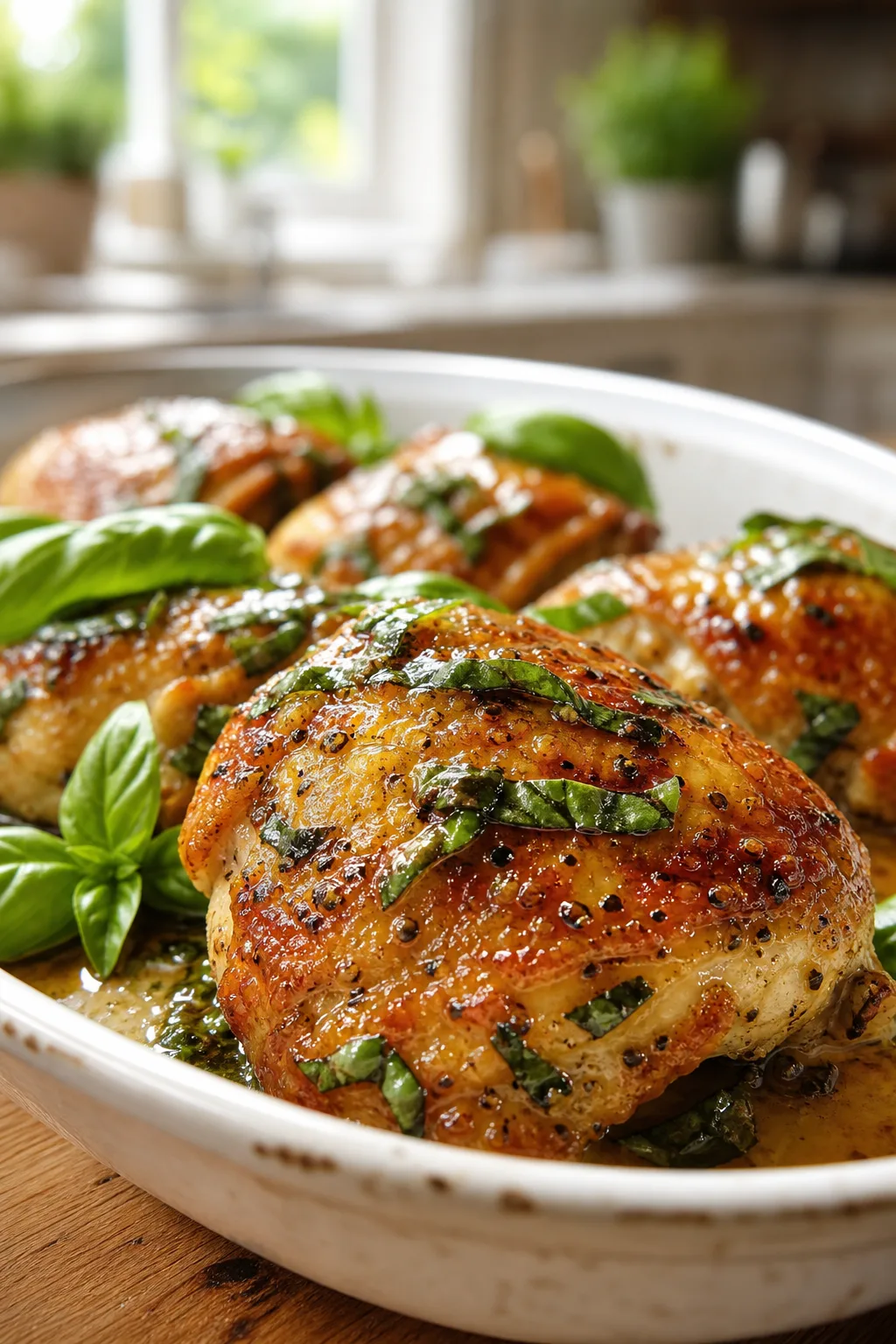
This creamy lemon garlic chicken with fresh spring asparagus is a fresh twist on a classic. The bright lemon and tender asparagus make it perfect for a cozy dinner or a weekend treat. I love how the garlic infuses the sauce with warmth!
Introduction
I first stumbled upon this creamy lemon garlic chicken with spring asparagus a few springs ago when I wanted something bright and comforting after a long day. It’s become one of those dishes I make when I want dinner to feel special but without fuss. What makes this version stand out is how the lemon zest and juice really lift the creaminess, balancing richness with freshness. Plus, the asparagus adds that perfect spring crunch and color. I learned early on that pounding the chicken to an even thickness helps it cook evenly and stay juicy, which is key because no one likes dry chicken! The garlic-infused sauce comes together quickly but tastes like you’ve been simmering it for hours. When it’s done, you get a silky, tangy sauce that clings to tender chicken and crisp asparagus. It’s perfect for a family dinner or when friends come over—you’ll get compliments every time. Honestly, I’ve had my share of overcooked chicken disasters before perfecting this, so trust me, the timing and layering of flavors here are spot on. The finished dish looks inviting with bright green asparagus and lemon slices, and it smells like spring sunshine in your kitchen. I hope you love making it as much as I do!
How To Do It
Step 1
Start by prepping your chicken breasts: place them between two sheets of parchment or plastic wrap and gently pound them with a meat mallet or rolling pin until about 1/2 inch thick. This step is crucial because it ensures the chicken cooks evenly and stays tender. If you skip this, uneven thickness can lead to some parts drying out while others remain undercooked. Once pounded, season both sides generously with salt and pepper. This initial seasoning layers flavor right into the meat. Set aside while you prep the other ingredients.
⏱ Time: 10 minutes
✓ Doneness: Chicken breasts are flattened evenly and seasoned well.
Step 2
Heat 2 tablespoons of olive oil in a large skillet over medium-high heat until shimmering but not smoking. Add the chicken breasts and cook for about 4-5 minutes on each side, depending on thickness. You want a golden-brown crust to develop—that’s the Maillard reaction, which builds deep flavor. Avoid moving the chicken too much so it browns properly. Once cooked through (internal temp 165°F), transfer to a plate and tent with foil to keep warm. If you rush this step, the chicken won’t brown well and will lack flavor.
⏱ Time: 10 minutes
✓ Doneness: Chicken has a golden crust and is cooked through but still juicy.
Step 3
In the same skillet, add the remaining 1 tablespoon olive oil and reduce heat to medium. Toss in the minced garlic and sauté for about 30 seconds to 1 minute until fragrant but not browned. Garlic burns quickly and turns bitter, so keep an eye on it and stir constantly. This quick sauté releases garlic’s aroma and flavors the oil, which will infuse the sauce beautifully.
⏱ Time: 1 minute
✓ Doneness: Garlic is fragrant and lightly golden, not burnt.
Step 4
Add the chicken broth to the skillet to deglaze, scraping up any browned bits stuck to the pan with a wooden spoon. Those bits are full of flavor and will enrich the sauce. Let the broth simmer for 2 minutes to reduce slightly and concentrate flavor.
⏱ Time: 2 minutes
✓ Doneness: Broth has reduced slightly and pan looks deglazed.
Step 5
Pour in the heavy cream and stir to combine. Bring the mixture to a gentle simmer over medium-low heat. This slow simmer thickens the sauce without curdling the cream. If the heat is too high, the sauce can separate. Stir frequently to prevent sticking. Simmer until the sauce thickens enough to coat the back of a spoon, about 3-5 minutes.
⏱ Time: 5 minutes
✓ Doneness: Sauce is creamy and coats the back of a spoon.
Step 6
Add the lemon juice and zest to the sauce, stirring well. The fresh lemon adds brightness and cuts through the richness of the cream, balancing the flavors perfectly. Taste and adjust seasoning with salt and pepper as needed.
⏱ Time: 1 minute
✓ Doneness: Sauce tastes bright with a balanced creamy lemon flavor.
Step 7
Add the trimmed asparagus pieces to the sauce and cook for 3-4 minutes until tender-crisp. Asparagus cooks quickly and should retain a bit of crunch for texture contrast. Overcooking makes it mushy and dulls the fresh flavor. Stir gently to coat the asparagus evenly in the sauce.
⏱ Time: 4 minutes
✓ Doneness: Asparagus is bright green and tender but still crisp.
Step 8
Return the cooked chicken breasts to the skillet, nestling them into the sauce and asparagus. Spoon some sauce over the chicken and simmer together for 2 minutes to meld flavors and warm the chicken through. This final step ensures every bite is juicy and flavorful.
⏱ Time: 2 minutes
✓ Doneness: Chicken is warmed through and coated in sauce.
Step 9
Remove from heat and sprinkle the grated Parmesan cheese over the top. The cheese melts slightly into the sauce, adding a subtle nutty richness. Garnish with freshly chopped parsley for a pop of color and freshness. Serve immediately with crusty bread or over rice to soak up all that delicious sauce.
⏱ Time: 1 minute
✓ Doneness: Cheese is slightly melted and parsley is bright green.
Pro Tips
Pound chicken breasts evenly before cooking.
Even thickness ensures the chicken cooks uniformly, preventing dry edges or undercooked centers. It also tenderizes the meat, making it juicier and more pleasant to eat.
Don’t rush browning the chicken.
Searing at the right temperature develops the Maillard reaction, which creates deep, savory flavors and a beautiful crust. Moving the chicken too much prevents this and results in bland meat.
Simmer the sauce gently to prevent curdling.
High heat can cause the cream to separate and curdle. Maintaining a gentle simmer keeps the sauce smooth and creamy, preserving the emulsion of cream and lemon juice.
Add asparagus last and cook until tender-crisp.
Asparagus cooks quickly and should retain some crunch and vibrant color. Overcooking makes it mushy and dulls its fresh flavor, which is a key contrast in the dish.
Use fresh lemon juice and zest for brightness.
Fresh lemon provides vibrant acidity and aromatic oils that bottled juice can’t match, balancing the richness of the cream and enhancing the overall flavor.
Deglaze the pan with chicken broth after searing.
Deglazing lifts flavorful browned bits from the pan, incorporating them into the sauce and adding depth without extra steps.
Rest the chicken after cooking before adding to sauce.
Resting allows juices to redistribute, keeping the chicken moist when reheated briefly in the sauce.
Common Mistakes to Avoid
Skipping pounding the chicken.
Why it happens Many cooks assume chicken breasts cook evenly as is, but thickness varies and leads to uneven cooking.
Fix Take the extra few minutes to pound the chicken evenly. Use a meat mallet or rolling pin and cover the chicken with plastic wrap to avoid mess. This simple step prevents dry or raw spots.
Cooking asparagus too long.
Why it happens It’s easy to forget asparagus cooks quickly, especially when multitasking.
Fix Add asparagus last and watch it closely. Cook just until bright green and tender-crisp, about 3-4 minutes. Remove promptly to retain texture and color.
Boiling the cream sauce rapidly.
Why it happens High heat speeds cooking but can cause cream to break and curdle.
Fix Lower the heat to a gentle simmer once cream is added. Stir frequently and avoid boiling to keep the sauce smooth.
Using bottled lemon juice instead of fresh.
Why it happens Convenience or forgetting fresh lemons leads to bottled use.
Fix Always opt for fresh lemon juice and zest. The fresh oils and brightness make a big difference in flavor.
Not deglazing the pan.
Why it happens Some skip this step to save time or don’t realize its importance.
Fix After searing chicken, pour in broth and scrape the pan to lift browned bits. This adds rich flavor to the sauce with minimal effort.
Variations
Creamy Lemon Garlic Chicken with Mushrooms
Add sliced cremini or button mushrooms when sautéing garlic for an earthy twist. Mushrooms soak up the sauce and add umami depth. Expect a richer, heartier dish with a meaty texture contrast.
Note: Cook mushrooms until golden before adding liquids to develop flavor and avoid sogginess.
Lemon Garlic Chicken with Zucchini and Asparagus
Include sliced zucchini along with asparagus for extra veggies and color. The zucchini softens quickly and adds mild sweetness, complementing the lemony sauce.
Note: Add zucchini with asparagus and cook until just tender to prevent mushiness.
Dairy-Free Creamy Lemon Garlic Chicken
Substitute heavy cream with full-fat coconut milk and use nutritional yeast instead of Parmesan for a dairy-free version. The sauce remains creamy with a subtle coconut undertone.
Note: Simmer coconut milk gently to thicken without curdling; flavor will be different but delicious.
Spicy Lemon Garlic Chicken
Add red pepper flakes or a diced jalapeño with the garlic for a spicy kick. This variation adds warmth and depth, balancing the bright lemon and creamy sauce with heat.
Note: Adjust spice level to taste and add gradually to avoid overpowering the dish.
Herb-Infused Lemon Garlic Chicken
Stir in fresh thyme or rosemary with garlic for aromatic herb notes. This adds complexity and pairs beautifully with lemon and asparagus for a more rustic feel.
Note: Add herbs early in the sauce to infuse flavor without overpowering.
Nutrition
Per Serving:
Nutritional values are estimates and may vary based on specific ingredients used.
Storage & Tips
Room Temperature
This dish can safely sit at room temperature for up to 2 hours when covered loosely to prevent contamination. Beyond that, refrigerate promptly to avoid food safety risks.
Refrigerator
Store leftovers in an airtight container in the fridge for up to 3 days. The sauce may thicken and the asparagus soften when cold; reheat gently to restore creaminess and texture.
Freezer
Freeze in a sealed container for up to 2 months. Wrap tightly to prevent freezer burn. Thaw overnight in the fridge before reheating to maintain texture.
Reheating
Reheat gently on the stovetop over low heat or in the microwave at medium power. Add a splash of chicken broth or water if the sauce thickens too much. Avoid boiling to prevent breaking the cream sauce.
Make Ahead
You can prepare the sauce and asparagus up to 1 day ahead and refrigerate separately from cooked chicken. Reheat the sauce gently and add warmed chicken just before serving for best texture.
FAQ
Can I use chicken thighs instead of breasts?
Absolutely! Chicken thighs are juicier and more forgiving if slightly overcooked. They require a few extra minutes to cook through and may need to be cut into smaller pieces for even cooking. The flavor will be richer, and the texture a bit different but equally delicious.
What can I substitute for heavy cream?
You can use half-and-half or whole milk mixed with a bit of flour to thicken, but the sauce won’t be as rich or creamy. Coconut milk is a great dairy-free alternative that still provides creaminess with a subtle coconut flavor.
How do I prevent the cream sauce from curdling?
Simmer the sauce gently over medium-low heat and avoid boiling once cream is added. Stir frequently and add acidic ingredients like lemon juice slowly to maintain a stable emulsion and prevent separation.
Can I make this recipe gluten-free?
Yes! This recipe is naturally gluten-free if you use gluten-free chicken broth and ensure your Parmesan cheese has no additives containing gluten. Always check labels to be sure.
What sides go well with this dish?
This creamy lemon garlic chicken pairs beautifully with crusty bread, steamed rice, or buttery mashed potatoes to soak up the sauce. A simple green salad or roasted vegetables complement the flavors nicely.
How do I know when the chicken is cooked through?
Use a meat thermometer to check the internal temperature; it should reach 165°F (74°C). The chicken should also feel firm but still springy when pressed. Cutting into the thickest part should show no pink.
Can I use frozen asparagus?
Fresh asparagus is best for texture and flavor, but if using frozen, thaw and pat dry before adding to the sauce. Frozen asparagus tends to be softer, so add it later in cooking and reduce cooking time to avoid mushiness.
Is it okay to prepare parts of this recipe ahead of time?
Yes, you can prepare the sauce and asparagus a day ahead and store separately from cooked chicken. Reheat gently and combine just before serving to keep the chicken juicy and the sauce fresh.
Final Thoughts
I hope you enjoy making this creamy lemon garlic chicken with spring asparagus as much as I do! Don’t forget to share your results and tweaks — I love hearing how it turns out in your kitchen.