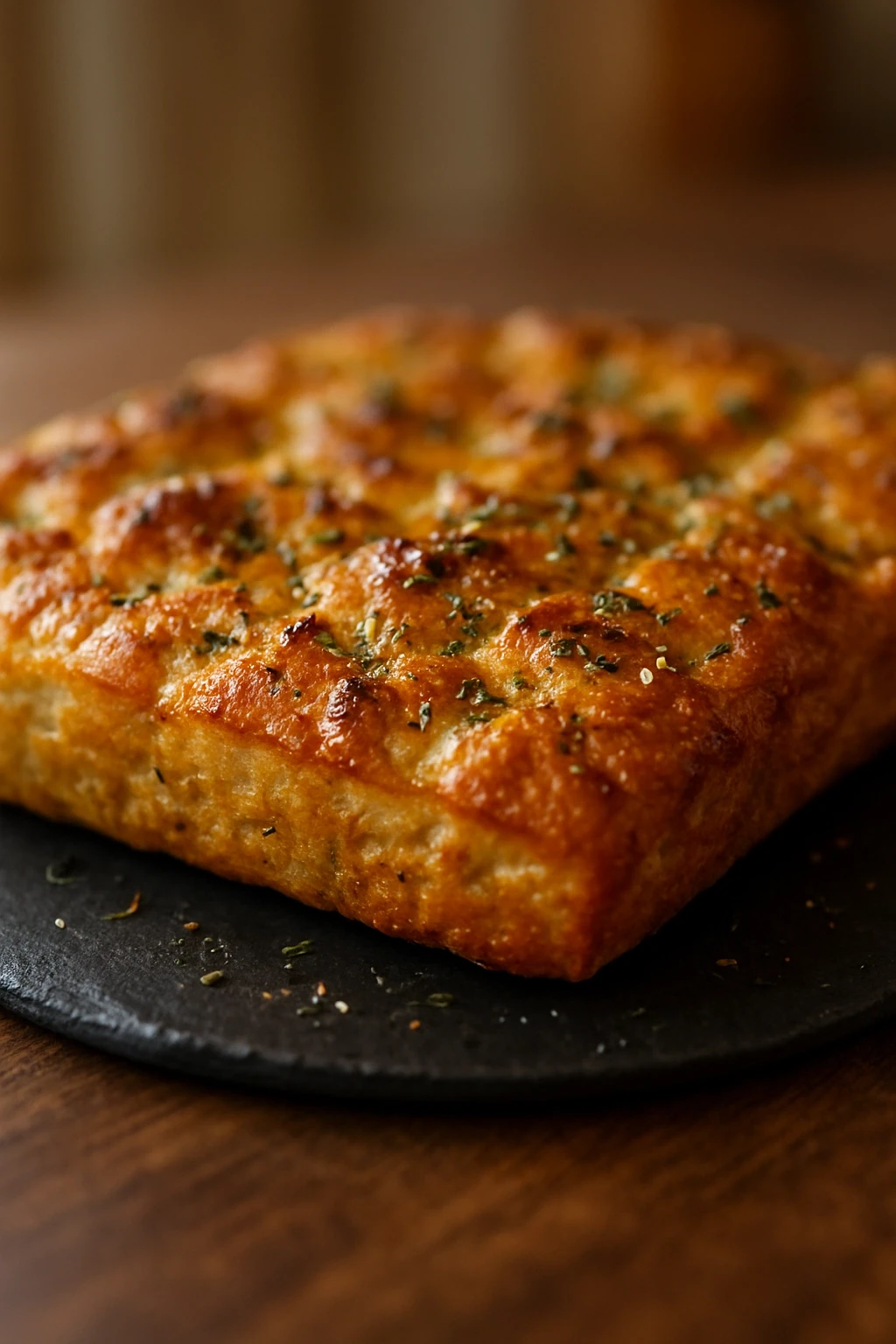
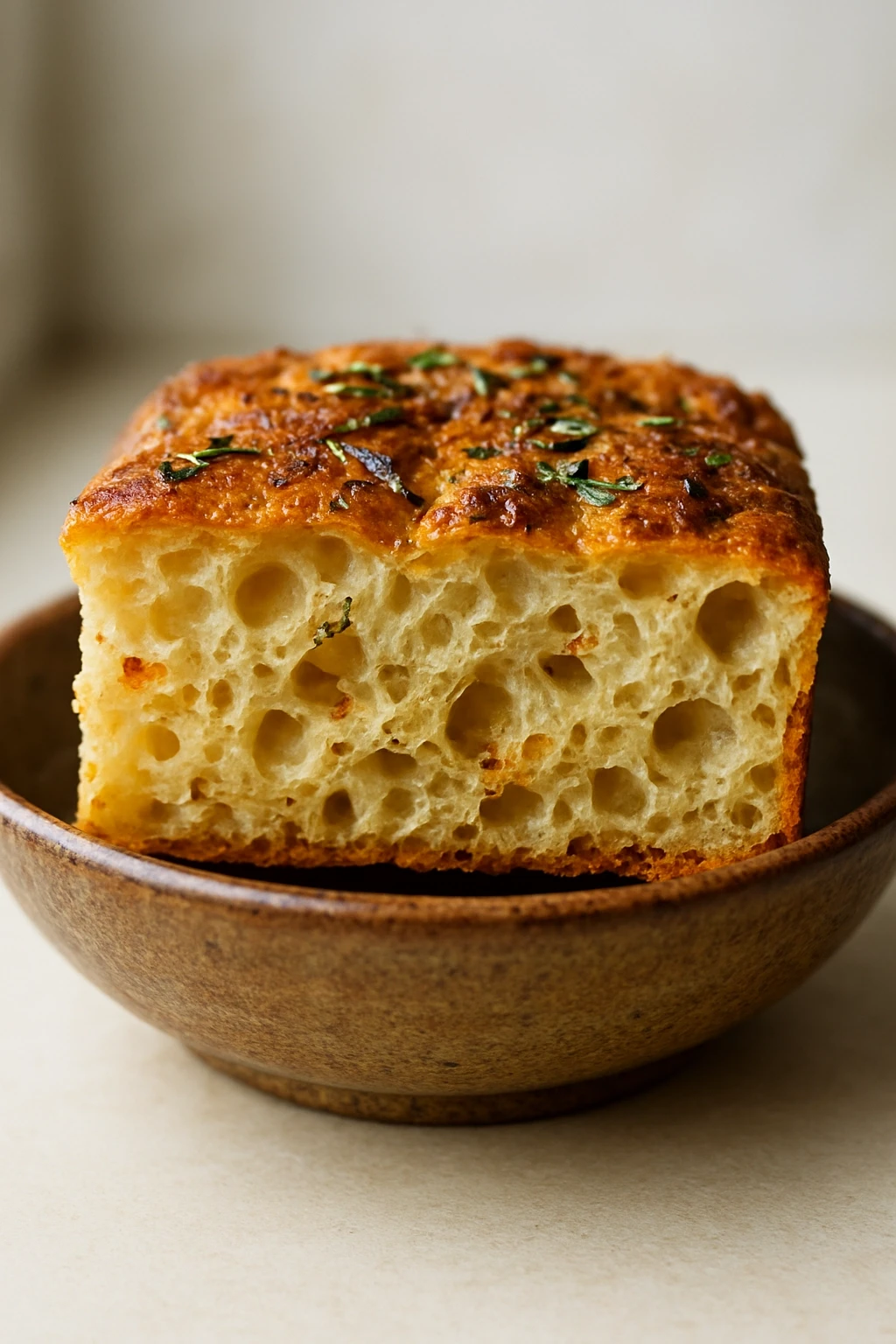
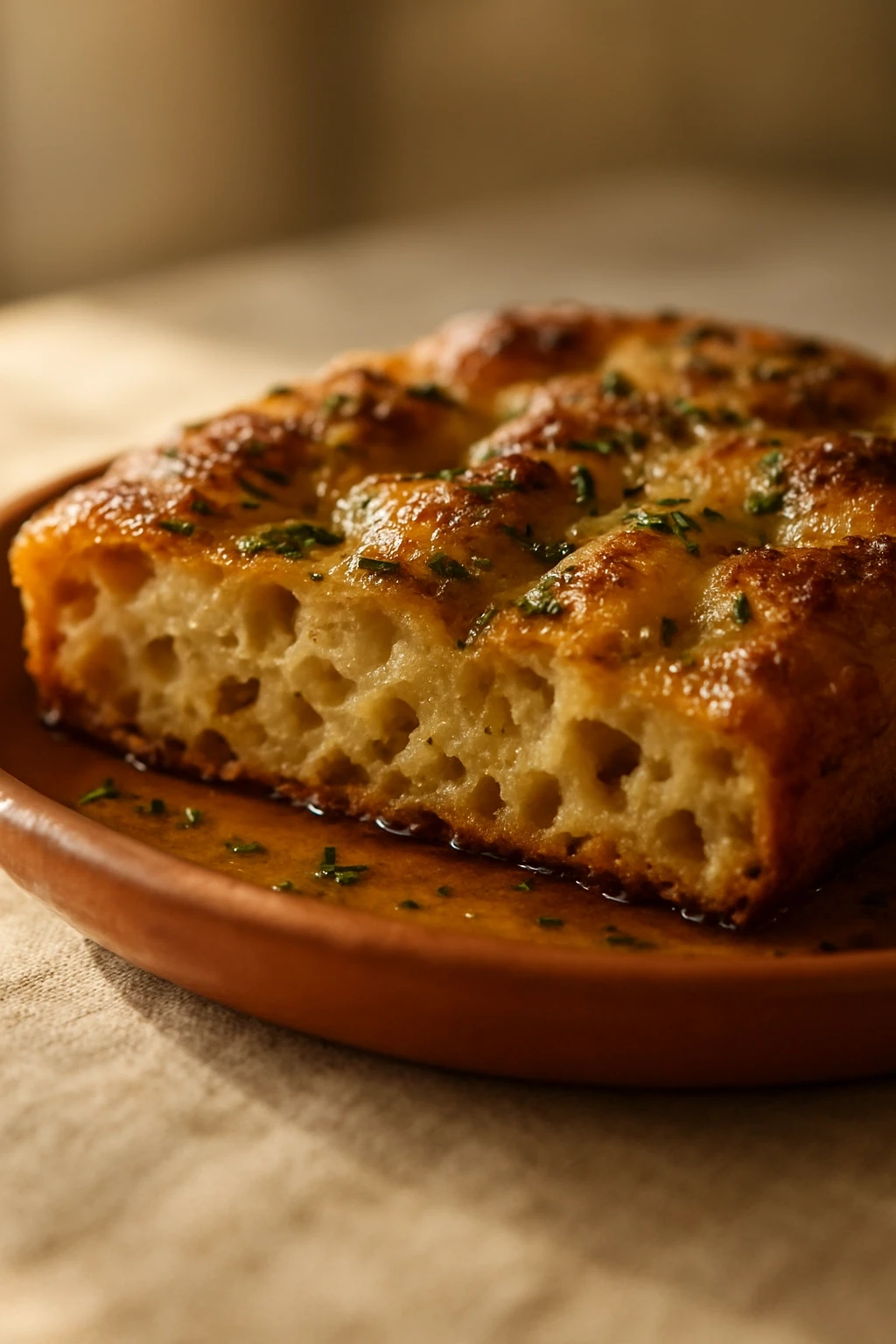
This focaccia uses sourdough discard to create a crispy, flavorful crust with a tender crumb inside. The secret? A generous olive oil drizzle and a quick overnight rise. Perfect for weekend brunch or alongside dinner.
Introduction
I first stumbled upon using sourdough discard in focaccia when I wanted to avoid wasting my starter discard—it’s such a shame to throw it out! This recipe quickly became a favorite because it turns that discard into a beautifully crispy, golden focaccia with a tender, airy crumb. What sets this version apart is the extra olive oil and the overnight rise in the fridge, which really develops flavor and texture. I’ve tried making focaccia without the discard, but honestly, this version has a subtle tang and depth that’s just unbeatable. The trick I learned is to dimple the dough deeply before baking and be generous with olive oil and sea salt on top—that’s what gives it that irresistible crunch and flavor. When it comes out of the oven, it’s golden, bubbly, and smells amazing. It’s perfect for a cozy weekend brunch or as a side to soups and salads. Plus, it’s so forgiving for home bakers who want to get that bakery-quality focaccia without fuss.
What You'll Need
One 9x13 inch focaccia, about 6 servings
- 1 cup sourdough discard, room temperature
- 2 1/2 cups all-purpose flour
- 1 tsp instant yeast
- 1 tsp salt
- 1 cup warm water (about 80°F)
- 1/4 cup extra virgin olive oil, plus more for drizzling
- Coarse sea salt, for topping
- Fresh rosemary sprigs, for topping
How To Do It
Step 1
In a large mixing bowl, combine the sourdough discard, warm water, and instant yeast. Stir gently to dissolve the yeast. This step activates the yeast and helps ensure your dough will rise well, even with the discard’s natural acidity. Avoid using water that’s too hot, as it can kill the yeast. Let this mixture sit for about 5 minutes until you see some bubbles forming, signaling that the yeast is alive and ready.
⏱ Time: 5 minutes
✓ Doneness: Bubbles or foam forming on the surface of the mixture
Step 2
Add the flour and salt to the yeast mixture. Stir with a wooden spoon or your hand until a rough dough forms. The dough will be sticky and shaggy at this point, which is exactly what you want for focaccia. Resist the temptation to add too much flour here. The stickiness helps create the airy texture inside the bread. Once combined, cover the bowl with plastic wrap or a damp towel to prevent drying out.
⏱ Time: 5 minutes
✓ Doneness: No dry flour visible and dough holding together loosely
Step 3
Let the dough rest at room temperature for 1 hour. This bulk fermentation allows the yeast to start working and the gluten to develop. You’ll notice the dough puffing up slightly and becoming smoother. During this rest, you can perform a quick stretch and fold once to strengthen the dough, which helps build structure without kneading.
⏱ Time: 60 minutes
✓ Doneness: Dough has risen slightly and surface looks smoother
Step 4
Transfer the dough to a well-oiled 9x13 inch baking pan. Using your oiled fingers, gently press and stretch the dough to fill the pan. Don’t worry if it resists a bit; let it rest for a few minutes and then stretch more. This shaping step is key to getting focaccia’s signature flat but airy texture. Cover the pan with plastic wrap and refrigerate overnight or for at least 8 hours to develop flavor and texture.
⏱ Time: 10 minutes plus overnight rest
✓ Doneness: Dough fills the pan with some elasticity and slight bubbles visible
Step 5
Remove the dough from the fridge about 30 minutes before baking to come to room temperature. Preheat your oven to 450°F (230°C). This high temperature is important for crisping the crust quickly. While waiting, drizzle the dough generously with olive oil, then use your fingertips to dimple the surface deeply. These dimples trap the oil and create the focaccia’s characteristic texture.
⏱ Time: 30 minutes
✓ Doneness: Surface of dough is oily and deeply dimpled
Step 6
Sprinkle coarse sea salt and fresh rosemary sprigs evenly over the oiled dough. The salt adds bursts of flavor and crunch, while rosemary infuses an aromatic note. Don’t be shy with these toppings; they’re what make the focaccia special. If you want a different flavor, try thyme or olives instead.
⏱ Time: 5 minutes
✓ Doneness: Even coverage of salt crystals and herbs on dough surface
Step 7
Bake the focaccia in the preheated oven for 25-30 minutes. Keep an eye on the color; you want a deep golden brown crust with some darker spots where the oil has caramelized. This caramelization is what gives focaccia its irresistible crispy edges and rich flavor. Avoid opening the oven door too often, as it can cause the bread to collapse.
⏱ Time: 25-30 minutes
✓ Doneness: Golden brown crust with bubbly, blistered surface
Step 8
Once baked, remove the focaccia from the oven and immediately drizzle with a little more olive oil while it’s hot. This final touch keeps the crust moist and shiny. Let it cool in the pan for about 10 minutes before slicing. Cooling helps the crumb set and prevents it from becoming gummy when cut.
⏱ Time: 10 minutes
✓ Doneness: Focaccia is slightly warm and shiny with a crispy crust
Step 9
Slice the focaccia into squares and serve warm or at room temperature. It’s fantastic on its own, with soups, or used for sandwiches. Leftovers can be toasted the next day to refresh the crust. Enjoy the contrast of the crunchy outside and pillowy soft inside!
⏱ Time: 0 minutes
✓ Doneness: Clean slices revealing airy crumb and golden crust
Pro Tips
Use room temperature sourdough discard for best mixing and fermentation.
Cold discard can shock the yeast and slow fermentation, leading to denser bread. Room temperature discard blends more easily and activates yeast properly, ensuring a good rise and flavor development.
Don’t skip the overnight cold fermentation in the fridge.
This slow rise enhances flavor by allowing organic acids and yeast to develop fully. It also improves dough strength and texture, resulting in a focaccia that’s both airy inside and crispy outside.
Dimple the dough deeply and drizzle olive oil generously before baking.
The dimples trap oil and air, creating pockets that crisp up beautifully. Olive oil on the surface crisps during baking and keeps the focaccia moist. Skipping this leads to a flat, less flavorful bread.
Use a high baking temperature (450°F) for a quick, crispy crust.
High heat triggers Maillard reactions that brown and flavor the crust while keeping the interior soft. Lower temperatures produce pale, chewy focaccia without that signature crunch.
Let the dough come to room temperature before baking if refrigerated.
Cold dough bakes unevenly and can reduce oven spring. Bringing it to room temperature ensures yeast is active and dough responds well to heat, producing a lighter crumb.
Use coarse sea salt on top rather than fine salt.
Coarse salt provides bursts of salty flavor and texture contrast. Fine salt dissolves too quickly and won’t give the same delightful crunch or flavor pop.
Oil your hands and pan generously to prevent sticking and add flavor.
Focaccia dough is sticky and delicate. Oiling prevents tearing while shaping and baking, and adds richness to the crust. Skimping on oil can result in a dry, tough crust.
Common Mistakes to Avoid
Using cold sourdough discard straight from the fridge.
Why it happens Many assume discard can be used immediately, but cold temperature shocks yeast and slows fermentation.
Fix Let your discard come to room temperature before mixing. This activates yeast and helps dough rise properly.
Not dimpling the dough enough before baking.
Why it happens People often press lightly or skip dimpling, missing the texture signature of focaccia.
Fix Use your fingertips to press deep dimples all over the dough to trap oil and air pockets for that perfect crust.
Skipping the overnight cold rise.
Why it happens Impatience or lack of planning leads to rushing the process.
Fix Plan ahead and refrigerate the shaped dough overnight. This step develops flavor and improves texture dramatically.
Using too much flour during mixing or shaping.
Why it happens Sticky dough can be intimidating, so bakers add flour to make it manageable.
Fix Embrace the sticky texture; oil your hands instead of adding flour. Extra flour makes focaccia dense and dry.
Baking at too low a temperature.
Why it happens Some ovens don’t get hot enough or bakers fear burning the bread.
Fix Preheat oven to 450°F and bake quickly for a crisp crust with a tender crumb. Lower temps yield pale, chewy bread.
Variations
Olive and Rosemary Focaccia
Add a handful of pitted black olives to the dough or scatter on top before baking along with rosemary. This adds a salty, fruity depth that pairs beautifully with the herbaceous notes. Expect a slightly denser crumb due to the olives’ moisture.
Note: Press olives gently into the dough’s surface so they don’t fall off. Adjust baking time by a few minutes if olives are very moist.
Garlic and Herb Focaccia
Mix minced garlic and mixed herbs like thyme, oregano, and basil into the olive oil before drizzling on top. This creates an aromatic crust bursting with flavor, perfect for serving alongside pasta or salads.
Note: Be careful not to burn the garlic; add it fresh right before baking or after removing from oven.
Cheese-Topped Focaccia
Sprinkle grated Parmesan or shredded mozzarella over the top before baking. The cheese melts and browns, adding a rich, savory layer that pairs well with the focaccia’s tang.
Note: Use moderate amounts to avoid sogginess. Watch closely near the end of baking to prevent burning.
Whole Wheat Sourdough Focaccia
Substitute half of the all-purpose flour with whole wheat flour for a nuttier flavor and heartier texture. The focaccia will be denser and more rustic but still delightfully crispy outside.
Note: Whole wheat absorbs more water; you may need to increase hydration slightly and extend fermentation time.
Spicy Chili and Herb Focaccia
Add red chili flakes to the olive oil drizzle and sprinkle fresh thyme or oregano on top. This variation adds a subtle heat that’s great for those who like a little kick in their bread.
Note: Adjust chili amount to taste. Adding chili too early can cause bitterness; add it fresh before baking.
Nutrition
Per Serving:
Nutritional values are estimates and may vary based on specific ingredients used.
Storage & Tips
Room Temperature
Focaccia can safely sit out covered at room temperature for up to 4 hours. Keep it wrapped loosely with a clean kitchen towel or in a bread box to prevent drying out and crust softening.
Refrigerator
Store leftover focaccia in an airtight container or wrapped tightly in plastic wrap for up to 3 days. The crust may soften in the fridge but reheating in the oven restores crispness nicely.
Freezer
Freeze focaccia wrapped tightly in plastic wrap and then foil for up to 2 months. To thaw, leave at room temperature for a few hours or overnight in the fridge. Reheat in a hot oven to refresh texture.
Reheating
Reheat focaccia in a preheated 375°F oven for 8-10 minutes until warmed through and crust is crisp again. Avoid microwave reheating as it makes the bread chewy and soggy. A splash of olive oil before reheating can enhance moisture.
Make Ahead
Prepare and shape the focaccia dough the night before and refrigerate overnight. On the day of serving, bring it to room temperature while the oven preheats, then bake fresh. This saves time and enhances flavor.
FAQ
Can I use sourdough starter instead of discard?
You can, but because active starter is more hydrated and has more wild yeast, you may need to adjust flour and water amounts. Using discard is easier since it’s thicker and less active, making dough consistency more predictable.
What if I don’t have instant yeast?
You can substitute active dry yeast by proofing it first in warm water with a pinch of sugar for 5-10 minutes until foamy. Use the same amount but expect a slightly longer rise time.
How do I know when the focaccia is done baking?
Look for a deep golden brown crust with some blistered spots from the olive oil. The bread should sound hollow when tapped on the bottom and have a crispy texture. Avoid underbaking to prevent gummy crumb.
Can I make this focaccia without refrigerating overnight?
Yes, but the flavor and texture won’t be as developed. You’ll need to let the dough rise longer at room temperature (about 2-3 hours) and bake immediately. The crust may be less crispy and crumb less airy.
Why is my focaccia dense and not airy?
Common reasons include using cold discard, adding too much flour, or not letting the dough rise long enough. Make sure to keep discard at room temperature, avoid extra flour, and allow proper fermentation for light texture.
Can I use whole wheat flour instead of all-purpose flour?
Yes, but whole wheat absorbs more water and produces a denser crumb. Consider substituting half the flour and increasing hydration slightly. Longer fermentation helps improve texture with whole wheat.
How should I store leftover focaccia to keep it fresh?
Wrap focaccia tightly in plastic wrap or store in an airtight container at room temperature for up to 1 day, or refrigerate for up to 3 days. Reheat in the oven to restore crispness before serving.
Can I freeze focaccia dough before baking?
It’s better to freeze baked focaccia. Freezing dough can affect yeast activity and rise. If you must freeze dough, thaw completely and allow a full rise before baking.
Final Thoughts
Give this sourdough discard focaccia a try—you’ll love how easy it is and how delicious it turns out. Don’t forget to share your baking wins with me!