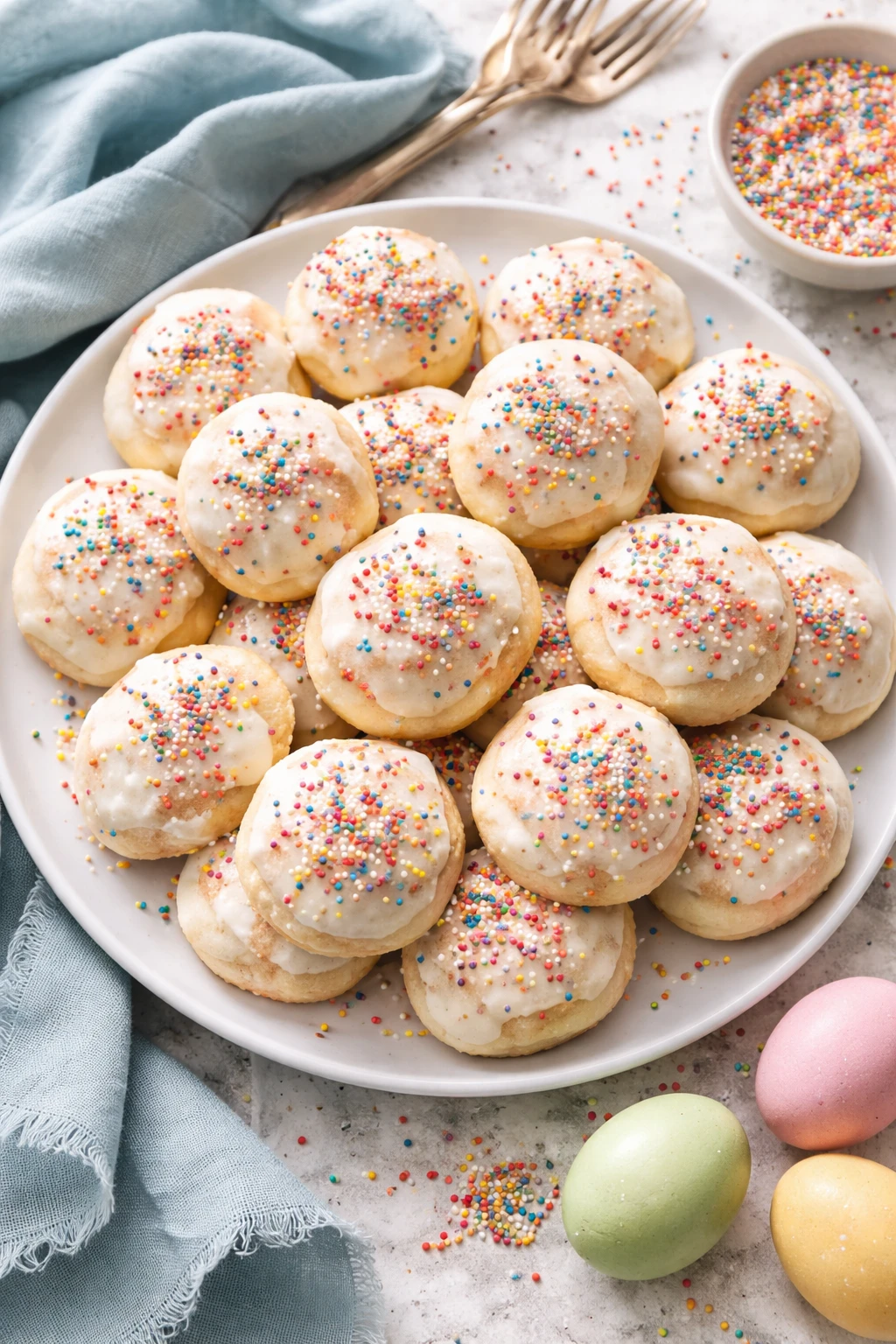
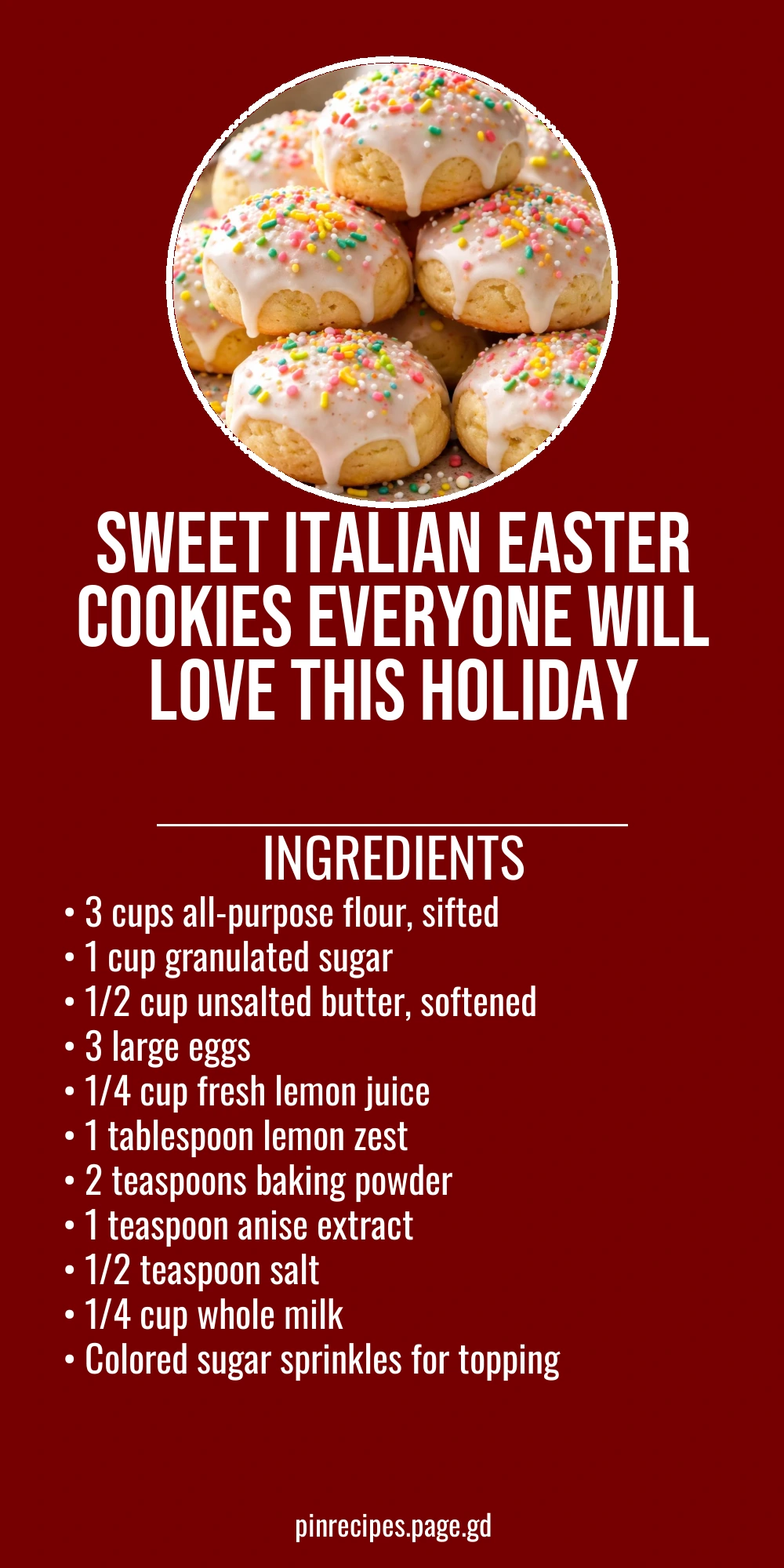
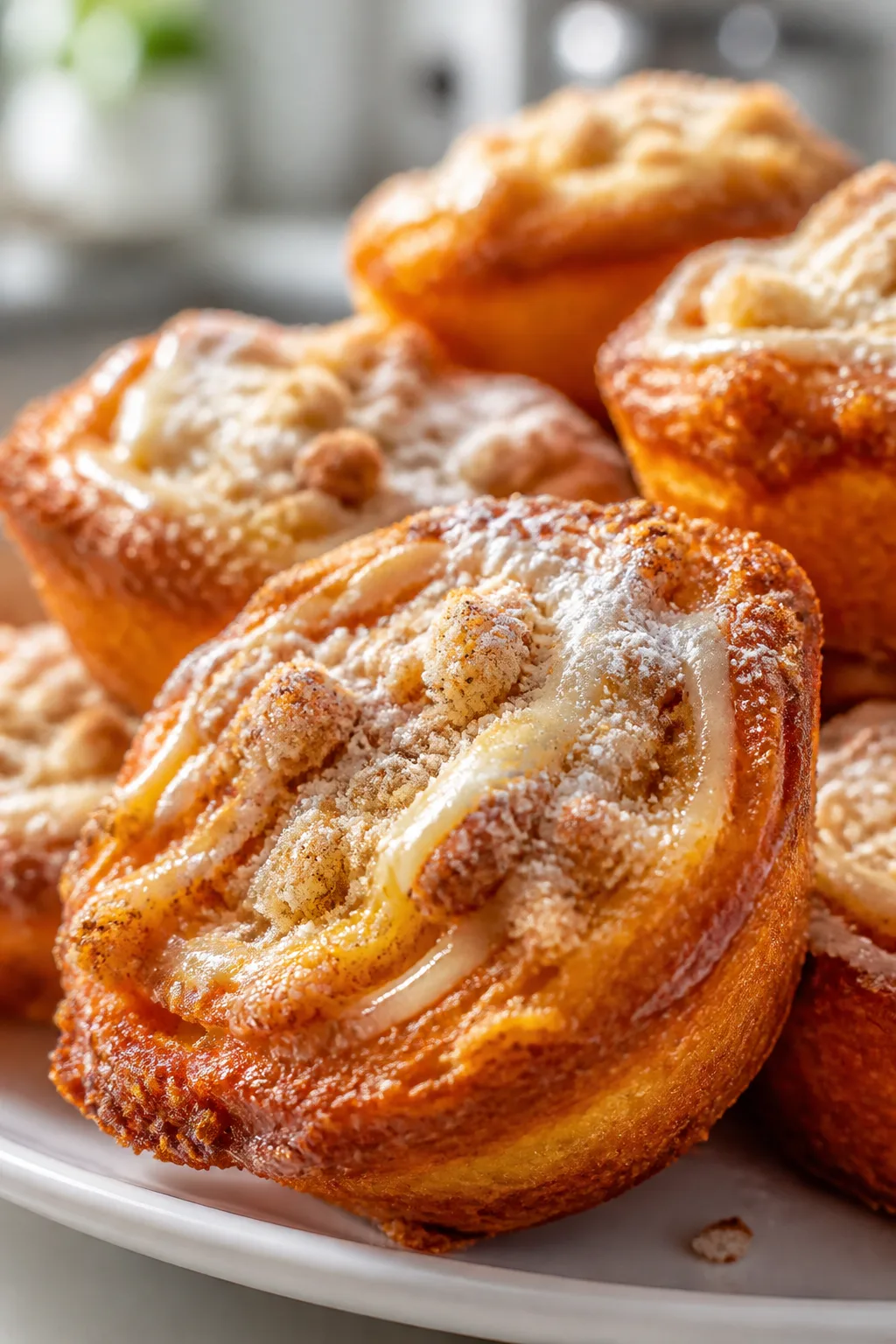
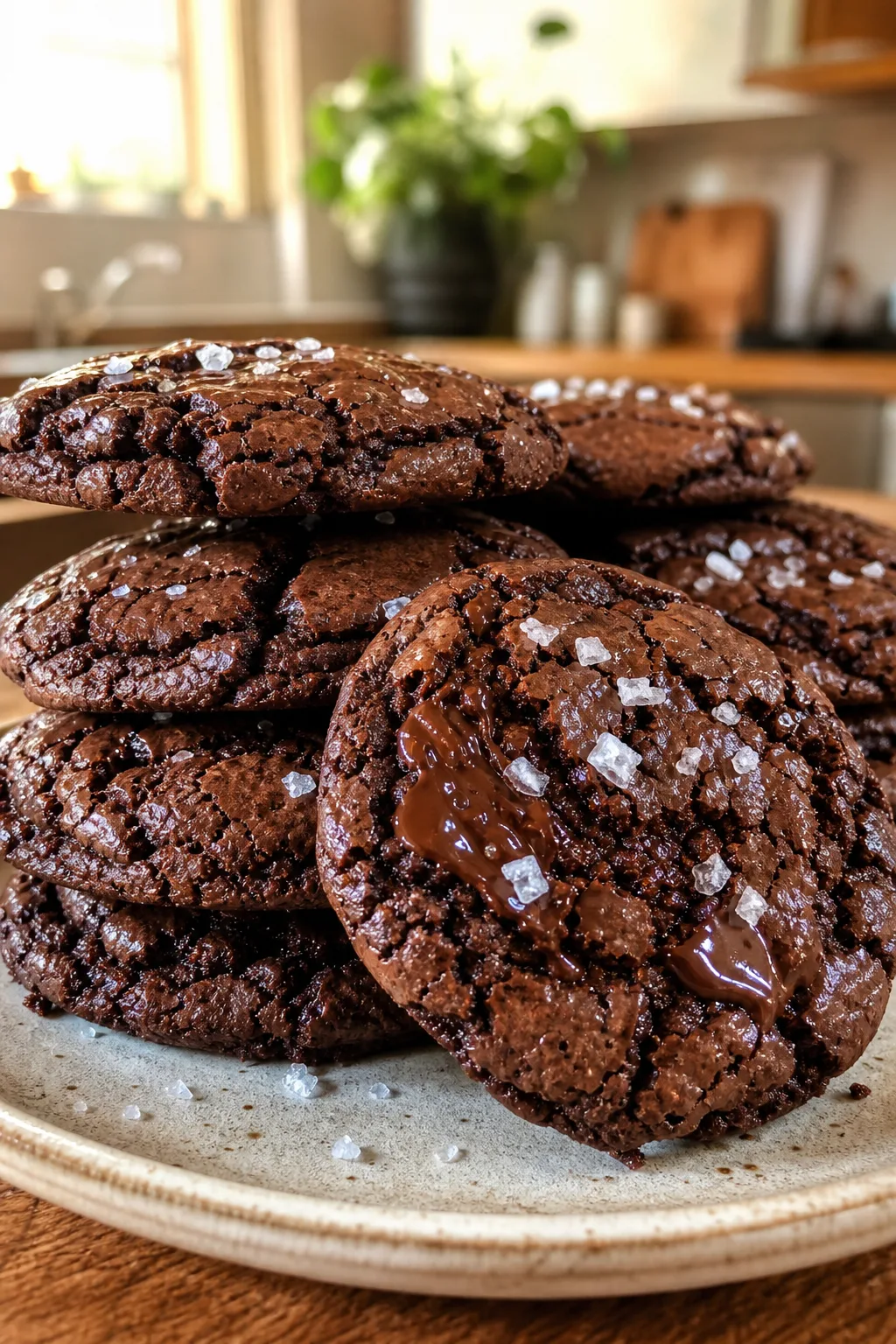
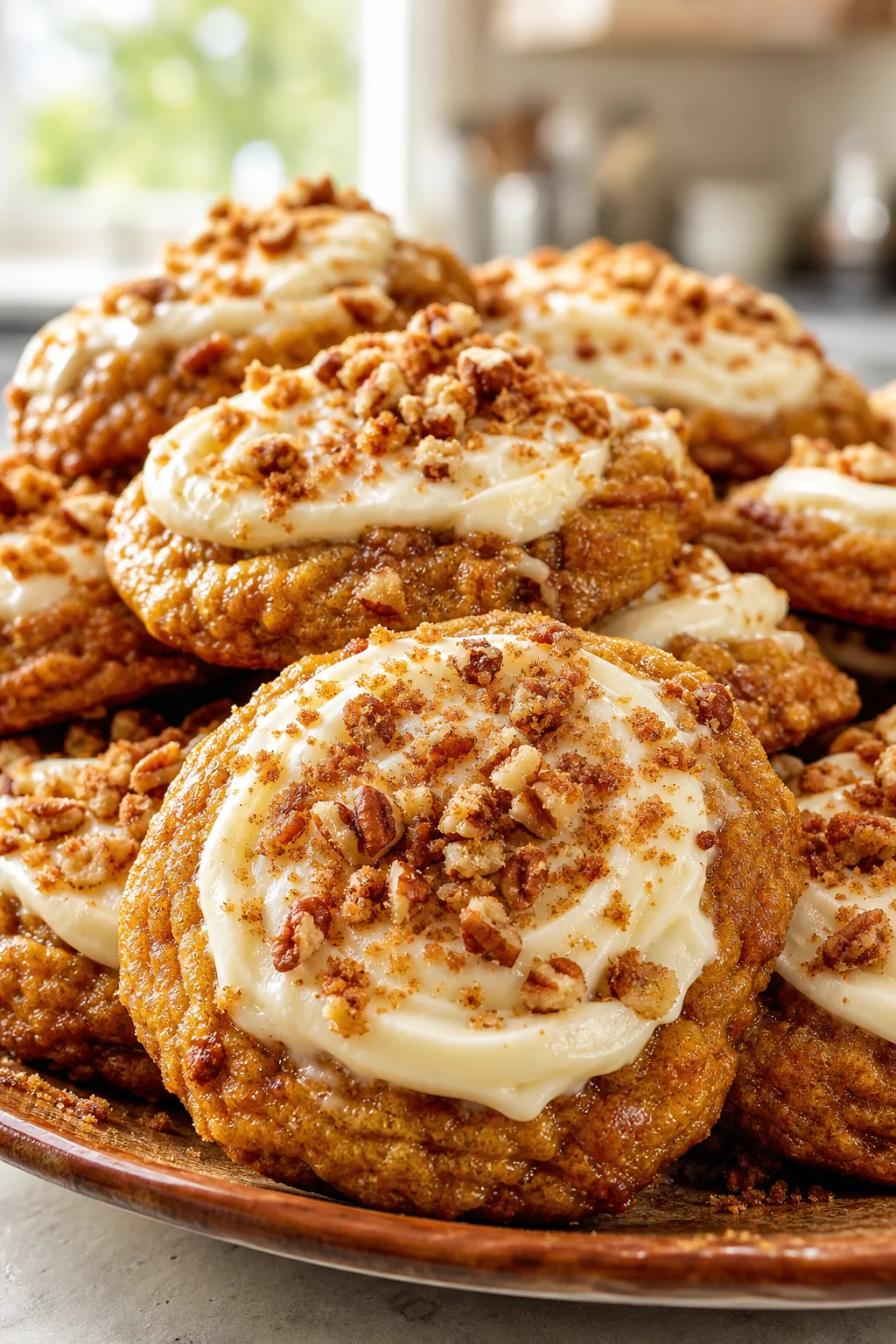
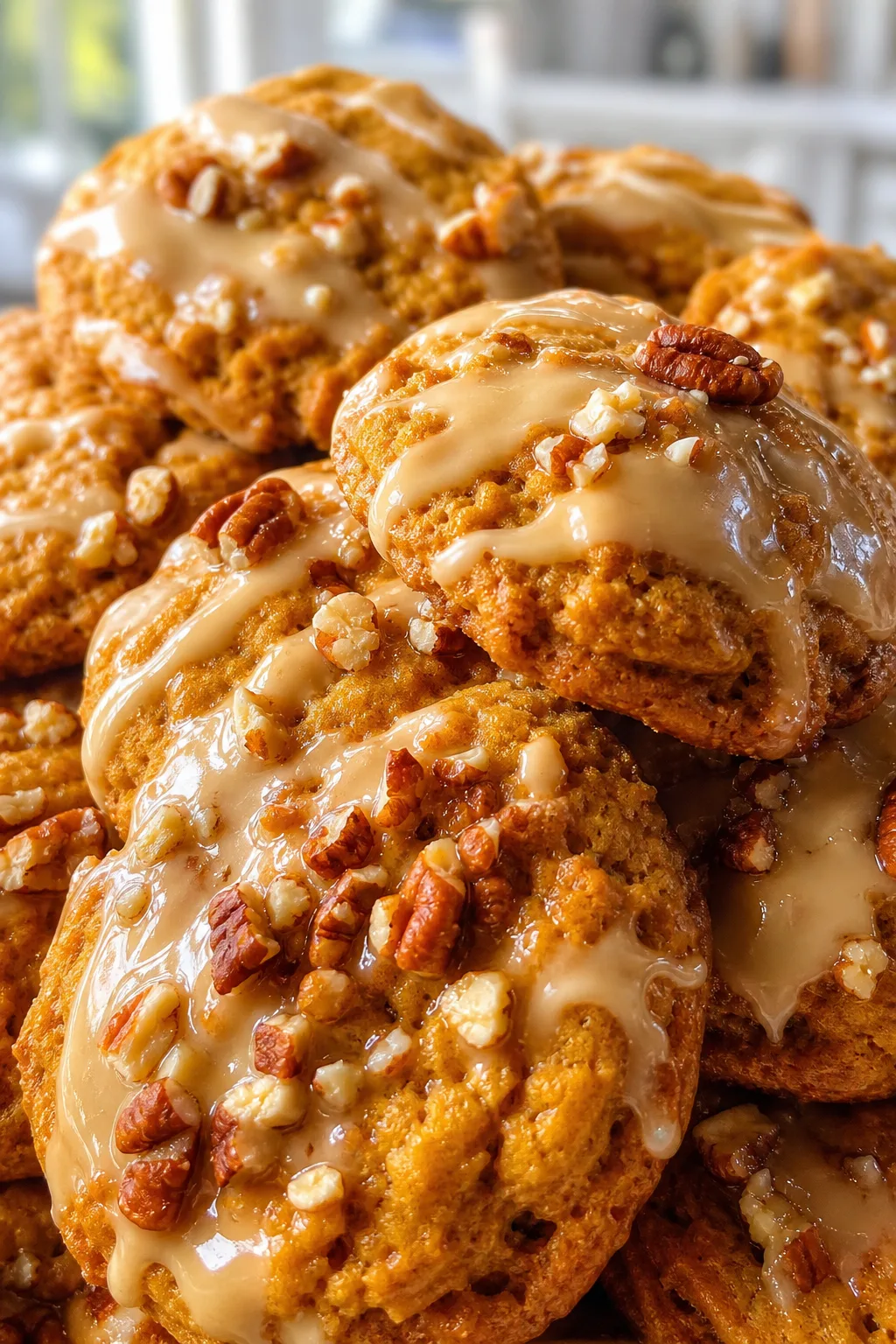
These Italian Easter cookies are a sweet tradition that bring a soft, citrusy delight to your holiday table. Made with a hint of anise and topped with colorful sprinkles, they're perfect for sharing with family and friends during Easter celebrations.
Introduction
I first came across these Italian Easter cookies during a family gathering a few years ago, and they instantly became a favorite tradition. What I love about this recipe is how it balances a subtle citrus brightness with the unique flavor of anise, which adds a lovely depth without overpowering the cookie. Unlike many other holiday cookies that can be overly sweet or dense, these turn out soft and tender with a slight crumbly texture that just melts in your mouth. The trick I learned early on is to not overmix the dough once the flour is added, which keeps the cookies light and delicate. Also, the lemon zest and juice give them that fresh, springtime vibe that feels just right for Easter. When baked, they develop a gentle golden hue, and the colorful sprinkles on top add a cheerful touch. These cookies are perfect for sharing with friends and family, or even gifting in pretty boxes. Honestly, the first time I tried baking them, I rushed the dough chilling step and ended up with flatter cookies, so patience here really pays off. This recipe has become my go-to for holiday baking, and I think you’ll enjoy how simple it is to make yet how impressive it tastes.
How To Do It
Step 1
In a large bowl, cream together the softened butter and granulated sugar using an electric mixer on medium speed until the mixture is light and fluffy. This aeration is key to a tender cookie texture and ensures the sugar is well incorporated, which helps the cookies rise evenly. It usually takes about 3-5 minutes. Avoid rushing this step or you might end up with dense cookies.
⏱ Time: 5 minutes
✓ Doneness: Mixture looks pale, fluffy, and smooth with no visible sugar granules
Step 2
Add the eggs one at a time, beating well after each addition to fully combine. This gradual incorporation helps maintain the emulsion and prevents the batter from curdling. Then stir in the lemon juice, lemon zest, and anise extract until evenly distributed. These ingredients give the cookies their signature bright and aromatic flavor.
⏱ Time: 4 minutes
✓ Doneness: Batter is smooth and fragrant with citrus and anise notes
Step 3
In a separate bowl, whisk together the sifted flour, baking powder, and salt. Sifting is important here to remove any lumps and to aerate the dry ingredients, which contributes to a lighter cookie. Gradually add this dry mixture to the wet ingredients in batches, mixing on low speed or folding gently with a spatula. Overmixing at this stage can develop gluten, making the cookies tough.
⏱ Time: 6 minutes
✓ Doneness: Dough comes together without streaks of flour but remains soft
Step 4
Add the milk slowly to the dough, mixing just until incorporated. The milk adds moisture and helps achieve the right dough consistency that’s soft but not sticky. If the dough feels too crumbly, a little extra milk can be added, but be cautious to avoid making it too wet, which will spread during baking.
⏱ Time: 2 minutes
✓ Doneness: Dough is pliable and slightly tacky but holds its shape
Step 5
Cover the dough with plastic wrap and chill in the refrigerator for at least 1 hour. Chilling firms up the dough, which prevents the cookies from spreading too much in the oven and helps develop the flavors. Skipping this step often results in flat, dense cookies.
⏱ Time: 60 minutes
✓ Doneness: Dough is firm to the touch and easy to handle
Step 6
Preheat your oven to 350°F (175°C) and line baking sheets with parchment paper. Using a teaspoon or small cookie scoop, portion out the dough onto the sheets, spacing them about 2 inches apart to allow room for spreading. This spacing is important to avoid cookies merging into one another.
⏱ Time: 10 minutes
✓ Doneness: Dough balls are evenly sized and spaced on the baking sheet
Step 7
Lightly flatten each dough ball with your fingers or the bottom of a glass, then sprinkle generously with colored sugar sprinkles. The sprinkles add a festive look and a slight crunch contrast to the soft cookie. Pressing gently ensures they stick during baking.
⏱ Time: 5 minutes
✓ Doneness: Cookies are flattened to about 1/2 inch thick with sprinkles adhered
Step 8
Bake the cookies in the preheated oven for 12-15 minutes. Keep a close eye starting at 12 minutes; the cookies should be lightly golden around the edges but still soft in the center. Overbaking will dry them out. The aroma of lemon and anise will become more pronounced as they bake.
⏱ Time: 12-15 minutes
✓ Doneness: Edges are lightly golden, centers look set but soft
Step 9
Remove the baking sheets from the oven and allow the cookies to cool on the sheets for 5 minutes before transferring them to a wire rack to cool completely. Cooling on the sheet lets them firm up slightly to avoid breaking, while the wire rack prevents sogginess by allowing air circulation.
⏱ Time: 10 minutes
✓ Doneness: Cookies are firm enough to handle but still tender
Pro Tips
Don’t skip chilling the dough before baking.
Chilling solidifies the butter, which controls spreading during baking and helps the cookies keep their shape. It also allows flavors to meld, resulting in a more aromatic cookie. Skipping this step often causes flat, greasy cookies.
Use fresh lemon zest and juice for the best flavor.
The zest contains essential oils that add bright, fresh citrus notes, while fresh juice provides acidity that reacts with baking powder for lift. Bottled lemon juice or dried zest won’t give the same vibrant flavor.
Cream butter and sugar until pale and fluffy.
This step incorporates air into the dough, which helps create a tender, light texture. If you rush or under-cream, the cookies may turn out dense and heavy.
Fold in flour gently to avoid overmixing.
Overmixing develops gluten, leading to tough cookies. Folding just until combined keeps the texture soft and crumbly.
Use an electric mixer for creaming but switch to a spatula for flour.
Mixers aerate the butter and sugar well but can overwork the dough once flour is added. Using a spatula prevents overmixing and maintains a tender texture.
Press sprinkles gently onto dough balls before baking.
This helps the sprinkles adhere during baking, preventing them from falling off and ensuring a pretty, festive finish.
Bake cookies until edges are lightly golden but centers still look soft.
This ensures the cookies are fully cooked but remain tender inside. Overbaking dries them out and makes them crumbly.
Common Mistakes to Avoid
Skipping the dough chilling step
Why it happens Many rush to bake immediately, thinking it saves time or isn’t necessary.
Fix Plan ahead to chill the dough for at least an hour. This firms up the butter, preventing excessive spreading and resulting in better texture and flavor.
Overmixing after adding flour
Why it happens Eager to combine ingredients fully, cooks often mix too vigorously.
Fix Fold the flour in gently just until no streaks remain. This preserves tenderness by limiting gluten development.
Using bottled lemon juice instead of fresh
Why it happens Convenience or lack of fresh lemons leads to this substitution.
Fix Use fresh lemon juice and zest for optimal flavor and aroma. Bottled juice lacks essential oils and brightness.
Not creaming butter and sugar enough
Why it happens Rushing or using cold butter can cause this.
Fix Ensure butter is softened and beat until the mixture is pale and fluffy, about 3-5 minutes, for light texture.
Baking at too high a temperature
Why it happens Some ovens run hot or cooks try to speed baking.
Fix Bake at 350°F (175°C) and watch closely. High heat browns edges too fast and dries out cookies.
Variations
Almond Italian Easter Cookies
Substitute 1/2 cup of the flour with finely ground almonds for a nutty flavor and slightly denser texture. Add a teaspoon of almond extract along with the anise for extra aroma. These cookies will have a richer taste and a bit more chew.
Note: Ground almonds absorb moisture differently, so you may need to add a splash more milk for the right dough consistency.
Gluten-Free Italian Easter Cookies
Use a gluten-free all-purpose flour blend in place of regular flour. Add 1/4 teaspoon xanthan gum if your blend doesn’t already contain it to help with structure. Expect a slightly different texture but still tender and delicious.
Note: Gluten-free dough can be more fragile; chill well and handle gently to prevent cracking.
Honey-Sweetened Italian Easter Cookies
Replace half the granulated sugar with honey for a subtle floral sweetness and softer texture. Reduce milk slightly to compensate for the extra liquid. These cookies will be moister and have a deeper flavor.
Note: Honey browns faster, so watch baking time closely to prevent overbrowning.
Orange and Anise Italian Easter Cookies
Swap lemon zest and juice for fresh orange zest and juice for a sweeter citrus twist. This variation is milder and pairs beautifully with the anise flavor for a unique holiday treat.
Note: Orange juice is less acidic, so the rise may be slightly reduced; consider adding a pinch more baking powder.
Chocolate-Dipped Italian Easter Cookies
After baking and cooling, dip half of each cookie in melted dark chocolate and let set. This adds a rich contrast to the citrus and anise flavors and makes the cookies extra special for gifting.
Note: Use good quality chocolate and cool cookies completely before dipping to ensure smooth coating.
Nutrition
Per Serving:
Nutritional values are estimates and may vary based on specific ingredients used.
Storage & Tips
Room Temperature
Store the cookies in an airtight container at room temperature for up to 3 days. Keep them away from direct sunlight or heat to maintain freshness. They remain soft but will gradually dry out if left uncovered.
Refrigerator
You can refrigerate the cookies in an airtight container for up to 7 days. They may firm up slightly but will soften again at room temperature. Avoid refrigeration if you prefer a softer texture.
Freezer
Freeze cookies in a single layer on a baking sheet until solid, then transfer to a resealable freezer bag or airtight container for up to 3 months. Thaw at room temperature to prevent condensation and sogginess.
Reheating
Warm cookies gently in a 300°F oven for 5-7 minutes to refresh softness. Avoid microwaving as it can make them rubbery. A light brush of milk before warming can help restore moisture.
Make Ahead
Prepare the dough 1-2 days in advance and keep it tightly wrapped in the refrigerator. Portion and bake on the day you want to serve for the freshest cookies. Alternatively, bake ahead and freeze fully baked cookies for convenience.
FAQ
Can I substitute anise extract with something else?
Yes, if you don’t have anise extract, you can use a small amount of fennel seed powder or even a touch of vanilla extract, though the flavor will differ. Anise has a distinctive licorice note that’s traditional, so substitutes will change the cookie’s character but still taste good.
Why did my cookies spread too much and become flat?
This usually happens if the dough wasn’t chilled long enough or if the butter was too soft or melted. Chilling firms the fat and prevents excessive spreading. Also, make sure not to overmix the dough, which can break down the structure.
Can I make these cookies vegan?
You can try substituting eggs with flax eggs (1 tbsp flaxseed meal + 3 tbsp water per egg) and use a plant-based butter alternative. Keep in mind the texture and flavor might be slightly different, and you may need to adjust baking time.
How do I store leftover cookies so they stay fresh?
Store them in an airtight container at room temperature away from heat or light. Adding a slice of bread to the container can help maintain moisture. For longer storage, freezing is best.
Is it okay to use bottled lemon juice instead of fresh?
Fresh lemon juice and zest provide brighter, fresher flavor and better aroma. Bottled lemon juice lacks essential oils and can make the cookies taste less vibrant, so fresh is recommended if possible.
Can I add nuts or dried fruit to the dough?
Yes, chopped almonds or dried cherries can be folded in for extra texture and flavor. Add about 1/2 cup and adjust the flour slightly if needed to keep the dough consistency balanced.
Why are my cookies sometimes tough instead of tender?
Overmixing the dough after adding flour develops gluten, making cookies tough. Also, using cold butter or not creaming butter and sugar enough can cause this. Be gentle and patient during mixing.
What’s the best way to measure flour for this recipe?
Use the spoon-and-level method: spoon flour into your measuring cup and level off with a knife. Avoid scooping directly with the cup, which packs the flour and can cause dense cookies.
Final Thoughts
I hope you give these Italian Easter cookies a try and enjoy the sweet tradition with your loved ones. Don’t forget to share how they turn out—I’d love to hear your baking stories!