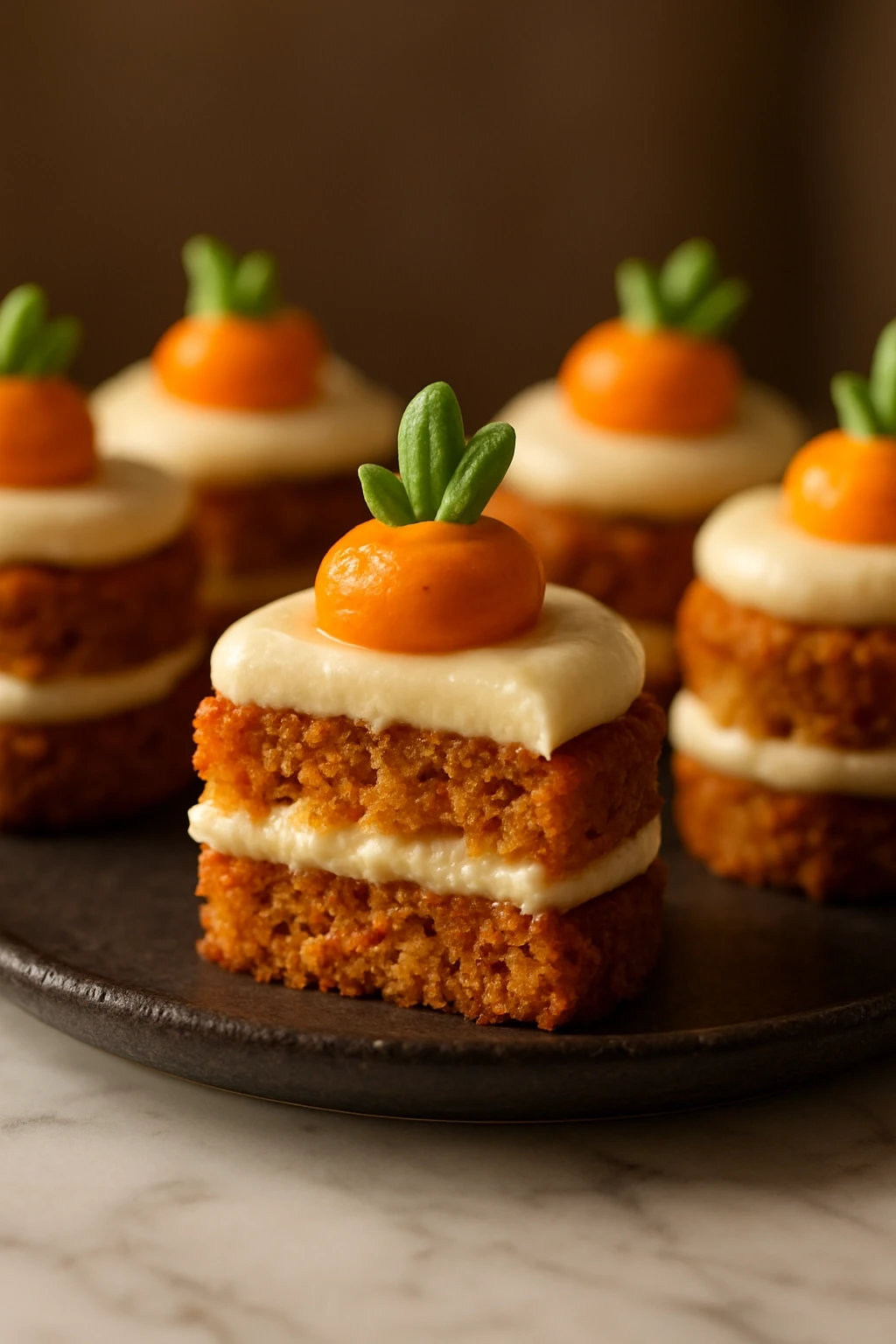
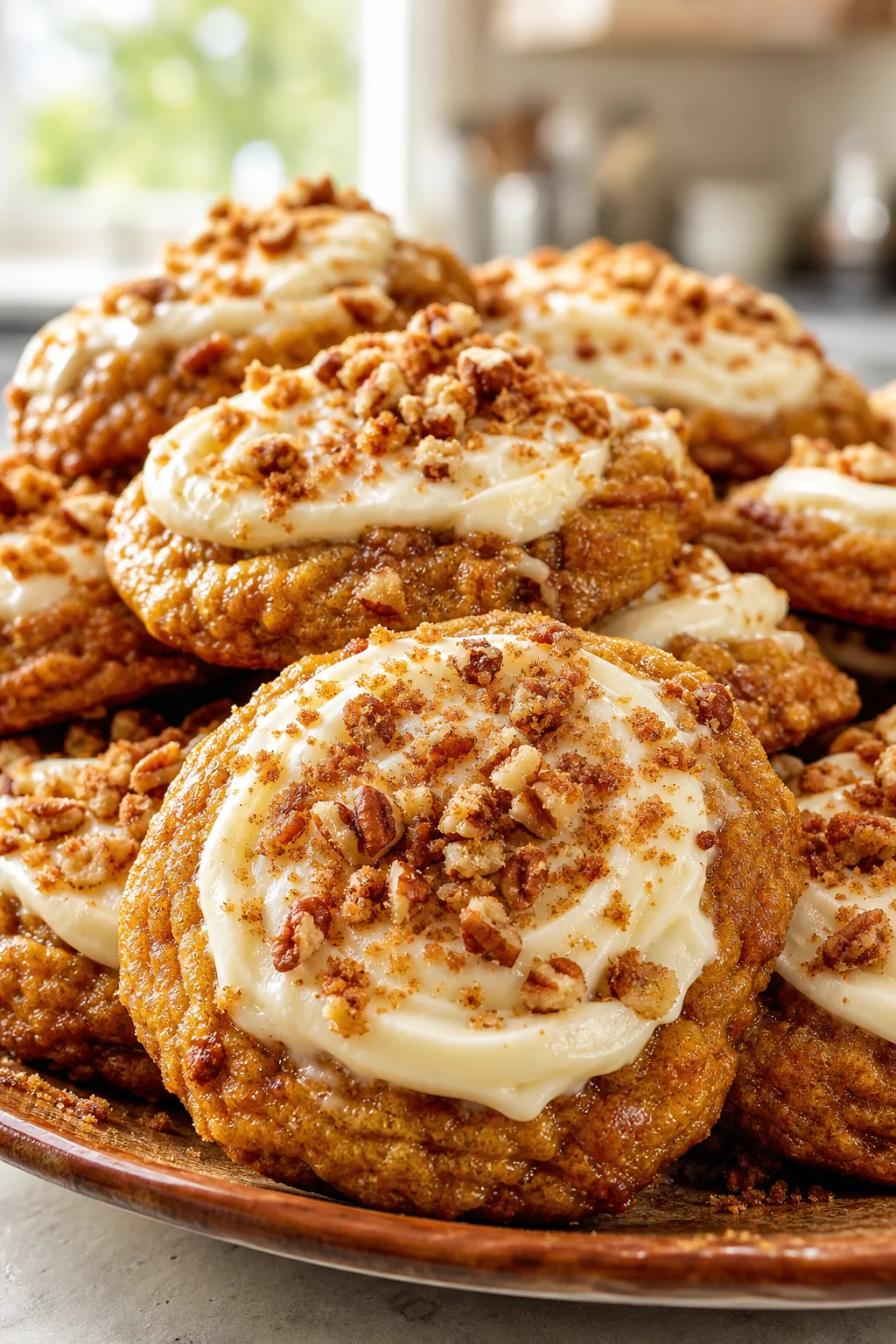
These adorable carrot cake treats are perfect for Easter celebrations. Moist, spiced with cinnamon, and topped with cream cheese frosting, they bring joy and sweetness to any gathering!
Introduction
I first made these cute carrot cake Easter treats a few years ago when I wanted to bring something special to a family gathering. They were a hit! What makes this version stand out is the addition of crushed pineapple, which keeps the cake incredibly moist and adds a subtle sweetness. Plus, the cream cheese frosting is a must-have for that classic flavor. The best part? They look delightful on any dessert table, and they’re perfect for sharing with loved ones. Trust me, once you take a bite, you’ll be hooked!
How To Do It
Step 1
Preheat your oven to 350°F (175°C) and grease a 9x13 inch baking pan. Preheating is crucial as it ensures even baking from the start. If you skip this step, your cake may not rise properly. Make sure the oven is hot enough before you pour in the batter!
⏱ Time: 10 minutes
✓ Doneness: The oven should be hot enough that a drop of water sizzles upon contact.
Step 2
In a large mixing bowl, whisk together the flour, baking soda, baking powder, cinnamon, and salt. This step is important because it ensures that the leavening agents are evenly distributed throughout the flour, which helps the cake rise uniformly. Take care not to overmix; just combine until there are no dry spots.
⏱ Time: 5 minutes
✓ Doneness: The mixture should be well combined but not overly smooth.
Step 3
In another bowl, beat together the granulated sugar, brown sugar, and vegetable oil until well blended. This creates a nice base for your cake. The sugars help to caramelize slightly as they bake, adding flavor and moisture. Make sure there are no lumps of sugar left.
⏱ Time: 3 minutes
✓ Doneness: The mixture should be smooth and slightly thickened.
Step 4
Add the eggs one at a time, mixing well after each addition. This method helps incorporate air into the batter, resulting in a lighter cake. If you add them all at once, the mixture may not emulsify properly, leading to a denser texture. Watch for a pale, homogenous mixture.
⏱ Time: 5 minutes
✓ Doneness: The batter should appear fluffy and well-combined.
Step 5
Stir in the grated carrots, crushed pineapple, and vanilla extract until just combined. The carrots add moisture and sweetness, while the pineapple enhances the flavor and texture. Avoid overmixing here; you want to keep the batter light and airy. The mixture should be colorful and chunky.
⏱ Time: 3 minutes
✓ Doneness: You should see flecks of orange from the carrots and pineapple throughout the batter.
Step 6
Gradually fold the dry ingredients into the wet mixture until no flour streaks remain. Be gentle to avoid deflating the batter. This step is where the magic happens; it combines all the flavors and textures. If you overmix, your cake could turn out tough instead of light and fluffy.
⏱ Time: 4 minutes
✓ Doneness: The batter should be smooth and thick, with no visible flour.
Step 7
Pour the batter into the prepared pan and smooth the top with a spatula. Bake for 25-30 minutes, or until a toothpick inserted in the center comes out clean. This step is crucial for achieving that perfect texture. If you underbake, you’ll end up with a gooey center, but overbaking can make the cake dry. Watch for a golden-brown top.
⏱ Time: 30 minutes
✓ Doneness: The cake should spring back when lightly touched and be golden brown on top.
Step 8
While the cake cools, prepare the cream cheese frosting. Beat the softened cream cheese and butter until creamy, then gradually add the powdered sugar and vanilla extract. This step is key for a smooth frosting. If the butter or cream cheese is too cold, it won’t blend well, leaving lumps. Aim for a light and fluffy texture.
⏱ Time: 5 minutes
✓ Doneness: The frosting should be light, fluffy, and spreadable.
Step 9
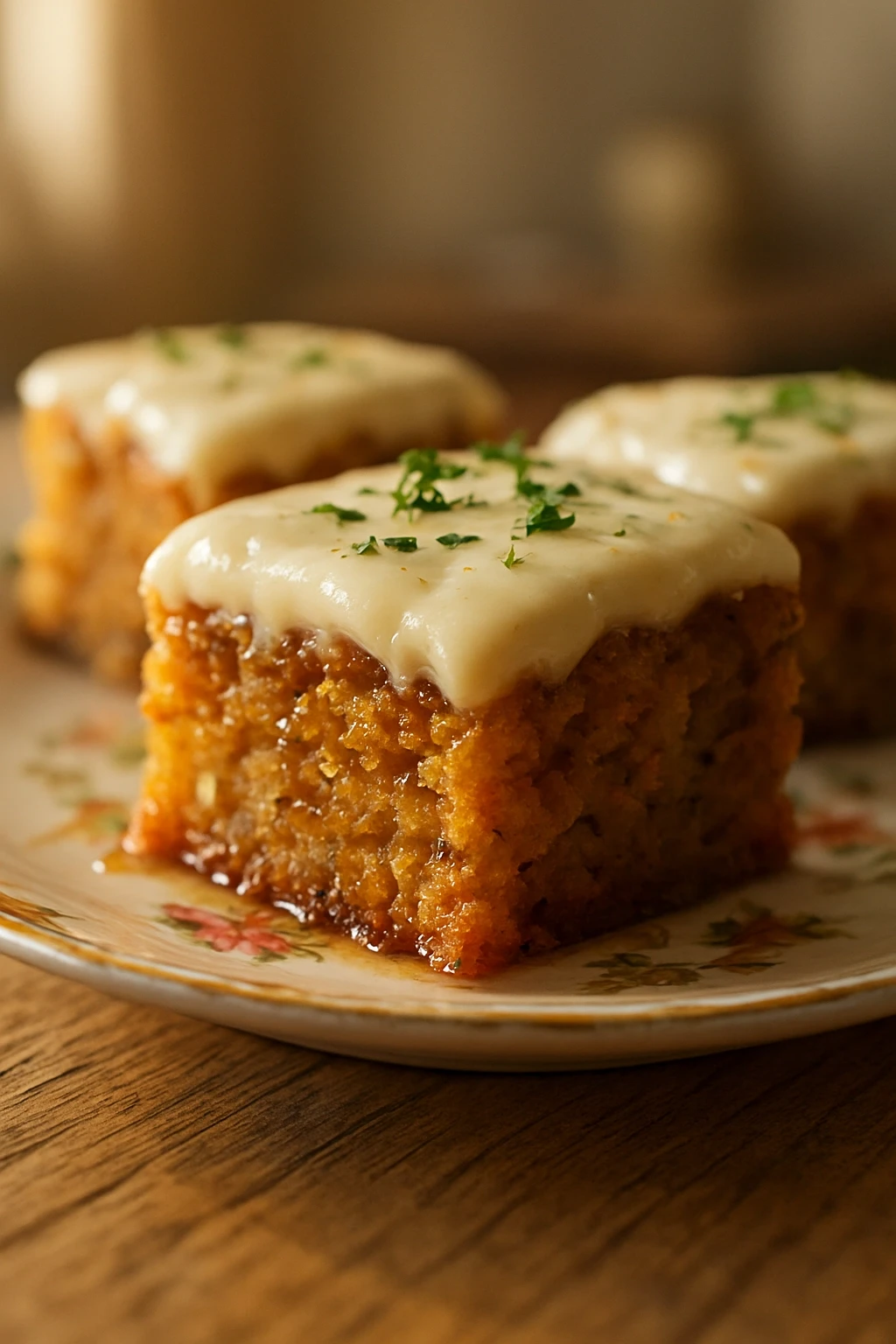
Once the cake has completely cooled, generously frost the top with the cream cheese frosting. This is where you can get creative! Use a spatula to create swirls or add decorative sprinkles. Frosting a warm cake can cause the frosting to melt, so patience is key here. The finished cake should look inviting and delicious.
⏱ Time: 5 minutes
✓ Doneness: The frosting should sit nicely on top without sliding off.
Pro Tips
Always use room temperature ingredients.
Room temperature ingredients blend together more smoothly, creating a better texture in your cake. Cold ingredients can lead to lumps and a less fluffy cake, so take the time to let them warm up before mixing.
Don’t skip the cooling step before frosting.
If you frost a warm cake, the frosting can melt and slide off, ruining the presentation. Allowing the cake to cool completely ensures that the frosting stays put and looks beautiful.
Grate your carrots finely.
Finely grated carrots integrate better into the batter, ensuring a moist cake without large chunks. Larger pieces can create an uneven texture that may not bake evenly.
Taste your frosting before spreading.
Adjusting the sweetness of your frosting can make a big difference. If it’s too sweet for your taste, add a pinch of salt to balance it out. This little trick can elevate your frosting immensely!
Experiment with add-ins like pineapple or coconut.
Adding crushed pineapple not only enhances flavor but also keeps the cake moist. If you want a tropical twist, try adding shredded coconut; it adds texture and a delightful flavor.
Common Mistakes to Avoid
Overmixing the batter.
Why it happens Many cooks think that mixing until completely smooth is best, but this can actually develop gluten and lead to a dense cake.
Fix Mix until just combined; it’s okay if there are a few small lumps. This will ensure a light and fluffy texture.
Not measuring flour correctly.
Why it happens Using the wrong amount of flour can drastically change the cake's texture, leading to either a dry or overly wet batter.
Fix Use the spoon and level method: spoon flour into your measuring cup and level it off with a knife for accuracy.
Frosting too early.
Why it happens It’s tempting to frost while the cake is still warm, but this can ruin your frosting.
Fix Let the cake cool completely on a wire rack before frosting. This usually takes about an hour.
Using cold eggs or butter.
Why it happens Cold ingredients don’t mix well, leading to a lumpy batter and uneven texture.
Fix Take your eggs and butter out of the fridge at least 30 minutes before you start baking.
Variations
Pineapple Coconut Carrot Cake
For a tropical twist, add 1 cup of shredded coconut along with the crushed pineapple. This adds a delightful chewiness and extra moisture to the cake.
Note: Watch the baking time; the added moisture may require a few extra minutes in the oven.
Spiced Walnut Carrot Cake
Incorporate 1/2 cup of chopped walnuts for added crunch. The nuts complement the spices and add a lovely texture contrast.
Note: Toast the walnuts beforehand to enhance their flavor before adding them to the batter.
Carrot Cake Cupcakes
Transform this recipe into cupcakes for easy serving! Fill cupcake liners about 2/3 full and bake for 18-20 minutes.
Note: Keep an eye on them as they bake; cupcakes tend to cook faster than a full cake.
Chocolate Chip Carrot Cake
For a sweeter twist, fold in 1 cup of semi-sweet chocolate chips into the batter. This adds a rich flavor and makes the cake even more indulgent.
Note: Make sure to adjust the baking time slightly if adding chocolate chips; they can affect how the cake rises.
Nutrition
Per Serving:
Nutritional values are estimates and may vary based on specific ingredients used.
Storage & Tips
Room Temperature
These treats can safely sit at room temperature for up to 2 hours if covered. After that, they should be refrigerated to maintain freshness.
Refrigerator
Store in an airtight container for up to 5 days. The flavors actually deepen after a day or two, but the frosting will harden slightly when chilled.
Freezer
You can freeze these treats for up to 3 months. Wrap them tightly in plastic wrap and then in aluminum foil to prevent freezer burn.
Reheating
To enjoy them warm, microwave for about 10-15 seconds. Avoid overheating, as this can melt the frosting.
Make Ahead
You can prepare the cake a day ahead and store it without frosting. Frost it on the day of serving for the best texture.
FAQ
Can I substitute the vegetable oil?
Absolutely! You can use melted coconut oil or even unsweetened applesauce for a healthier option. Just keep in mind that using applesauce will change the texture slightly, making it denser.
How can I make this cake gluten-free?
You can substitute all-purpose flour with a gluten-free 1:1 baking flour. Be sure to check that your baking powder is gluten-free as well. The texture may vary slightly, but it should still be delicious!
What if I don’t have cream cheese for the frosting?
You can make a simple buttercream frosting by using just butter, powdered sugar, and a splash of milk or cream. It won’t have the same tangy flavor, but it will still be sweet and delicious.
How do I know when my cake is done baking?
Insert a toothpick into the center of the cake; if it comes out clean or with a few crumbs, it’s done. If it has wet batter on it, give it a few more minutes in the oven.
Can I use other fruits in this recipe?
Definitely! You can swap out the pineapple for applesauce or even mashed bananas for a different flavor profile. Just be mindful of the moisture content, as it may affect the baking time.
Final Thoughts
I hope you give these adorable carrot cake Easter treats a try! They’re sure to brighten up your holiday celebrations. Let me know how they turn out!