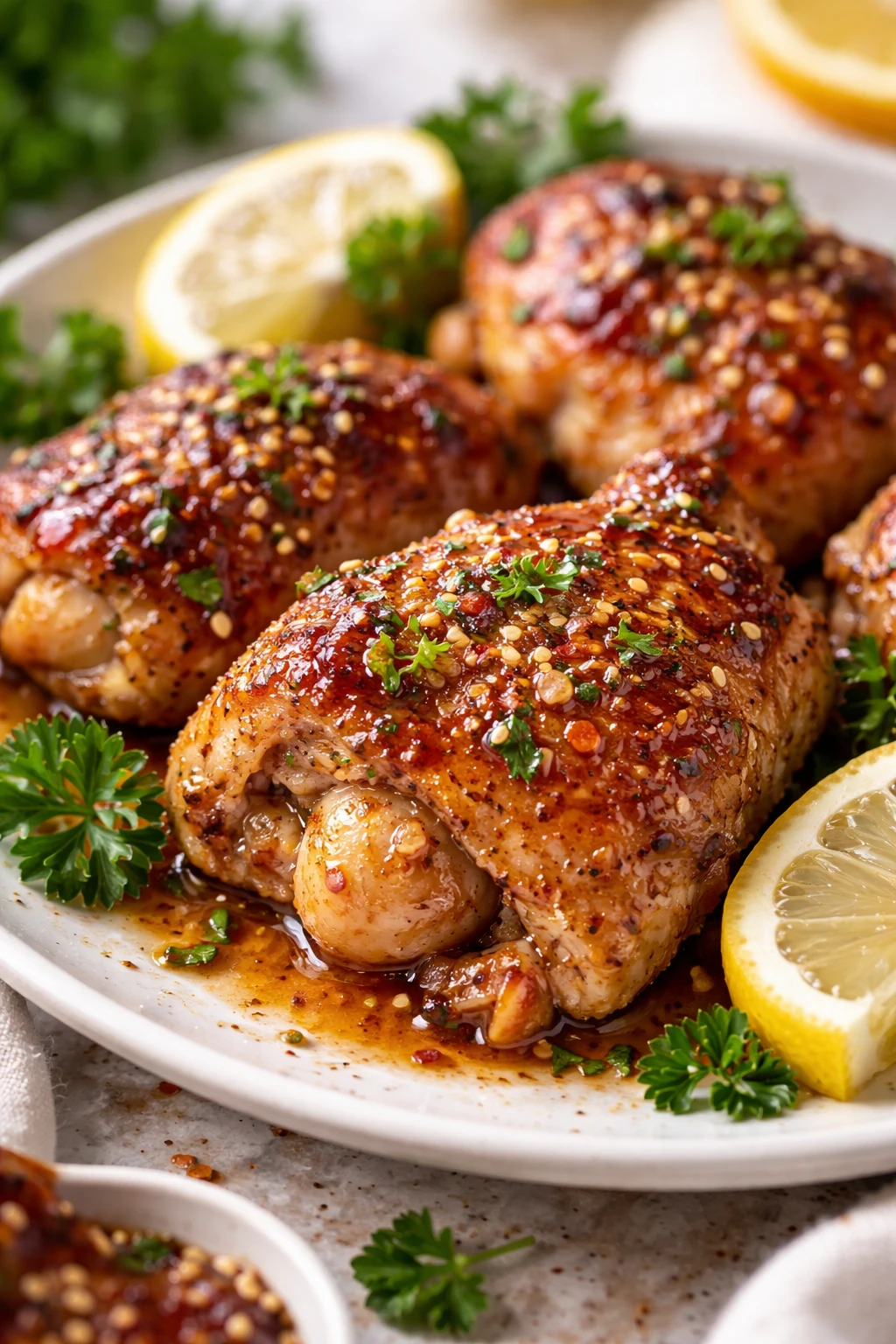
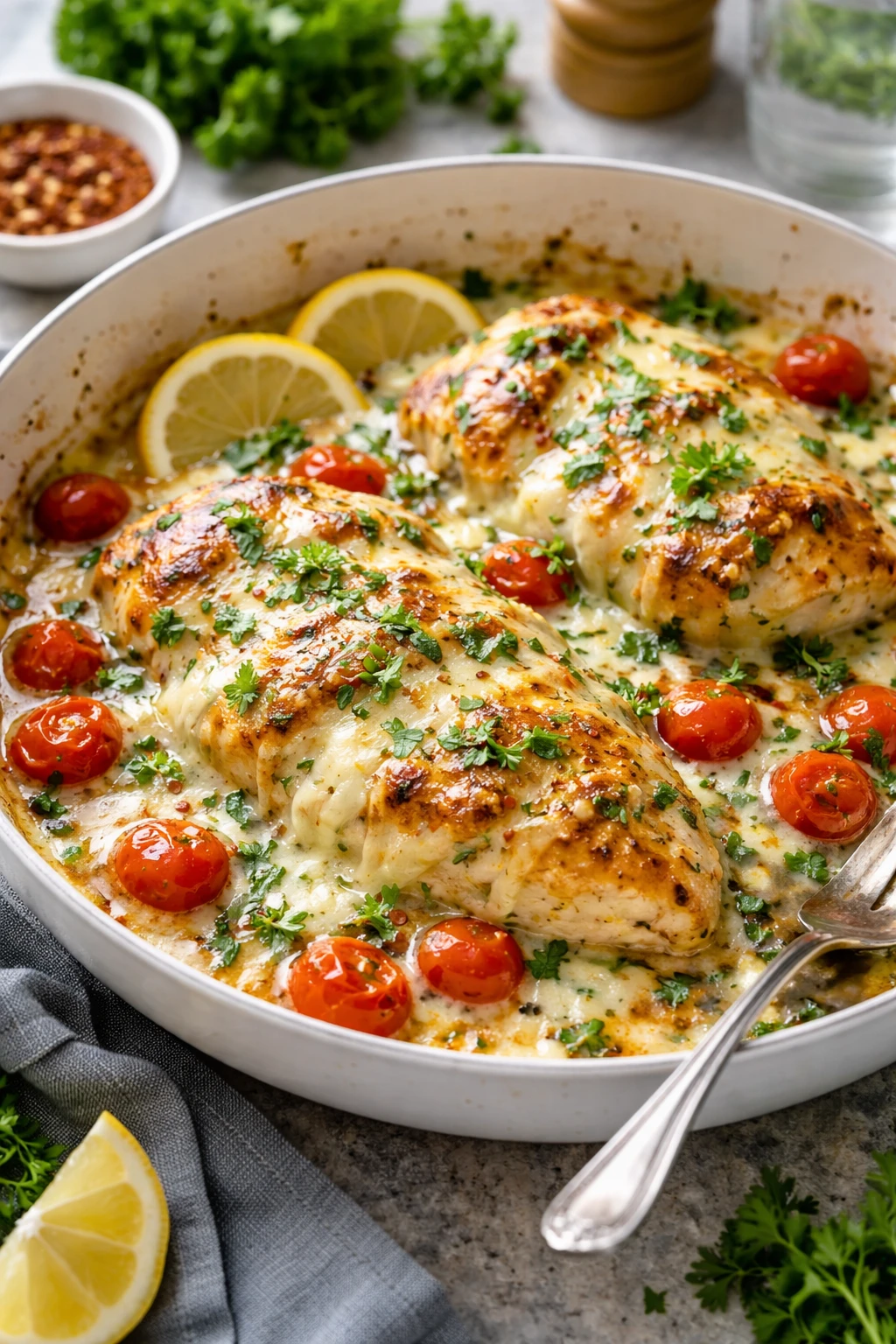
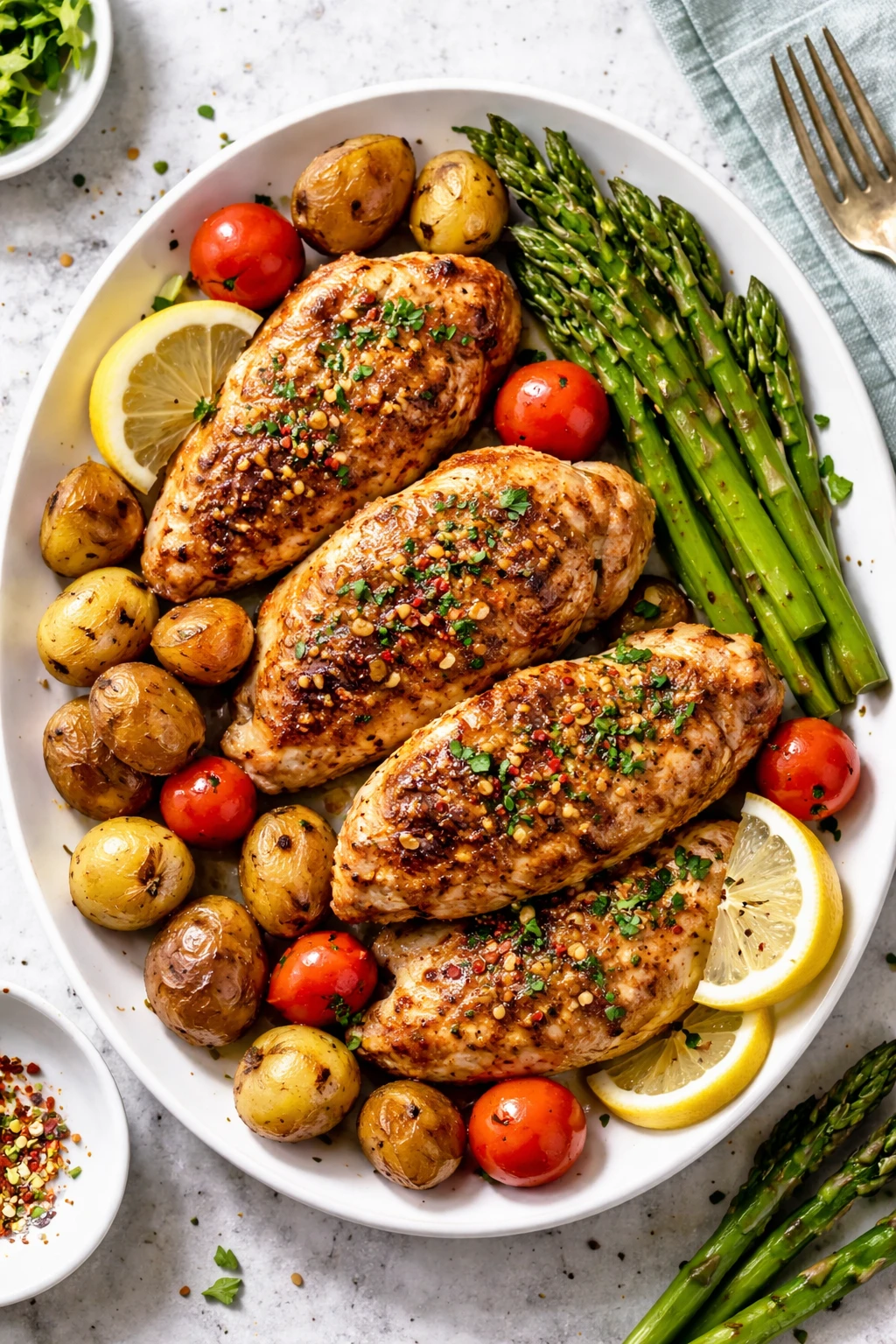
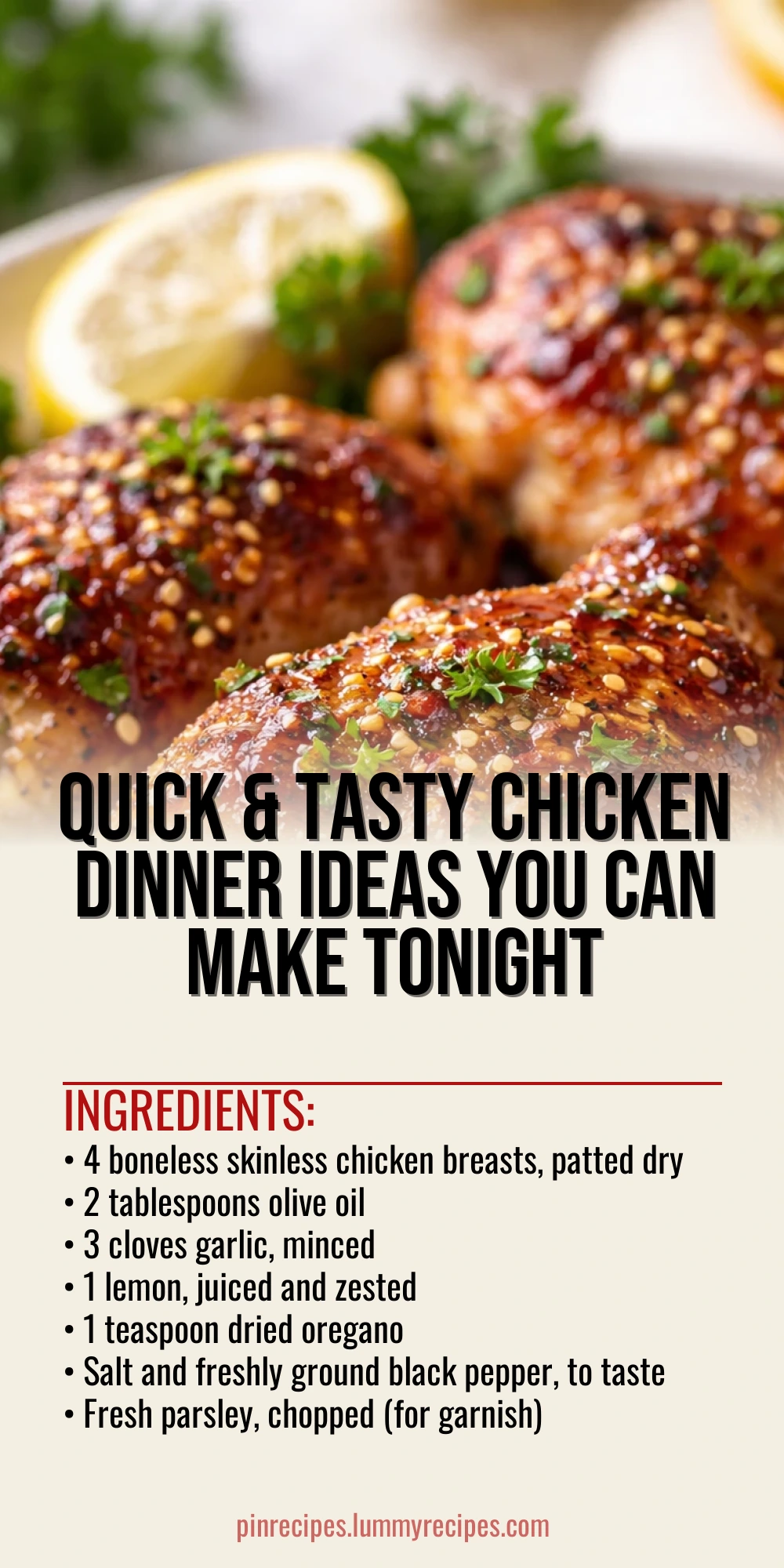
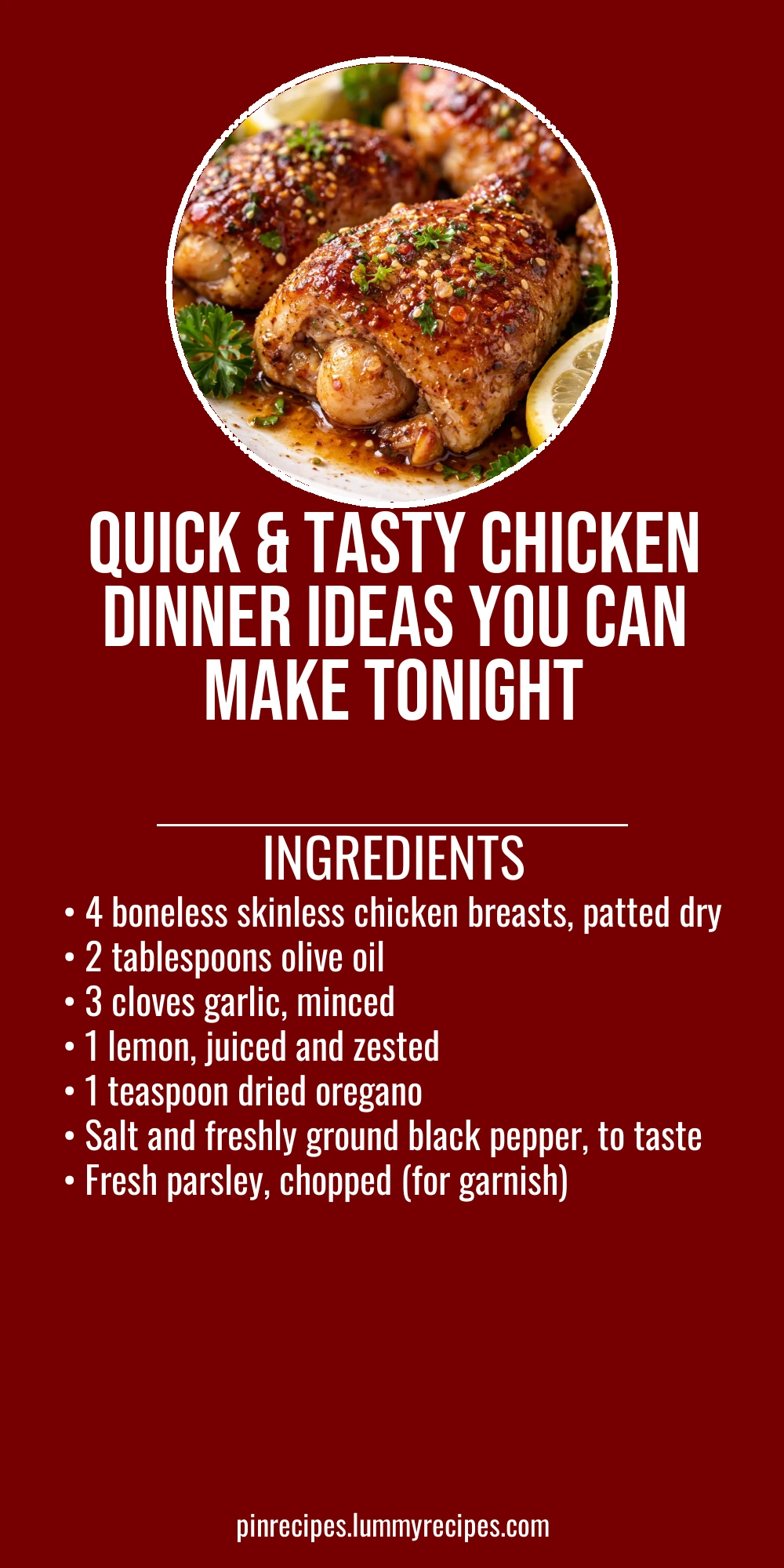
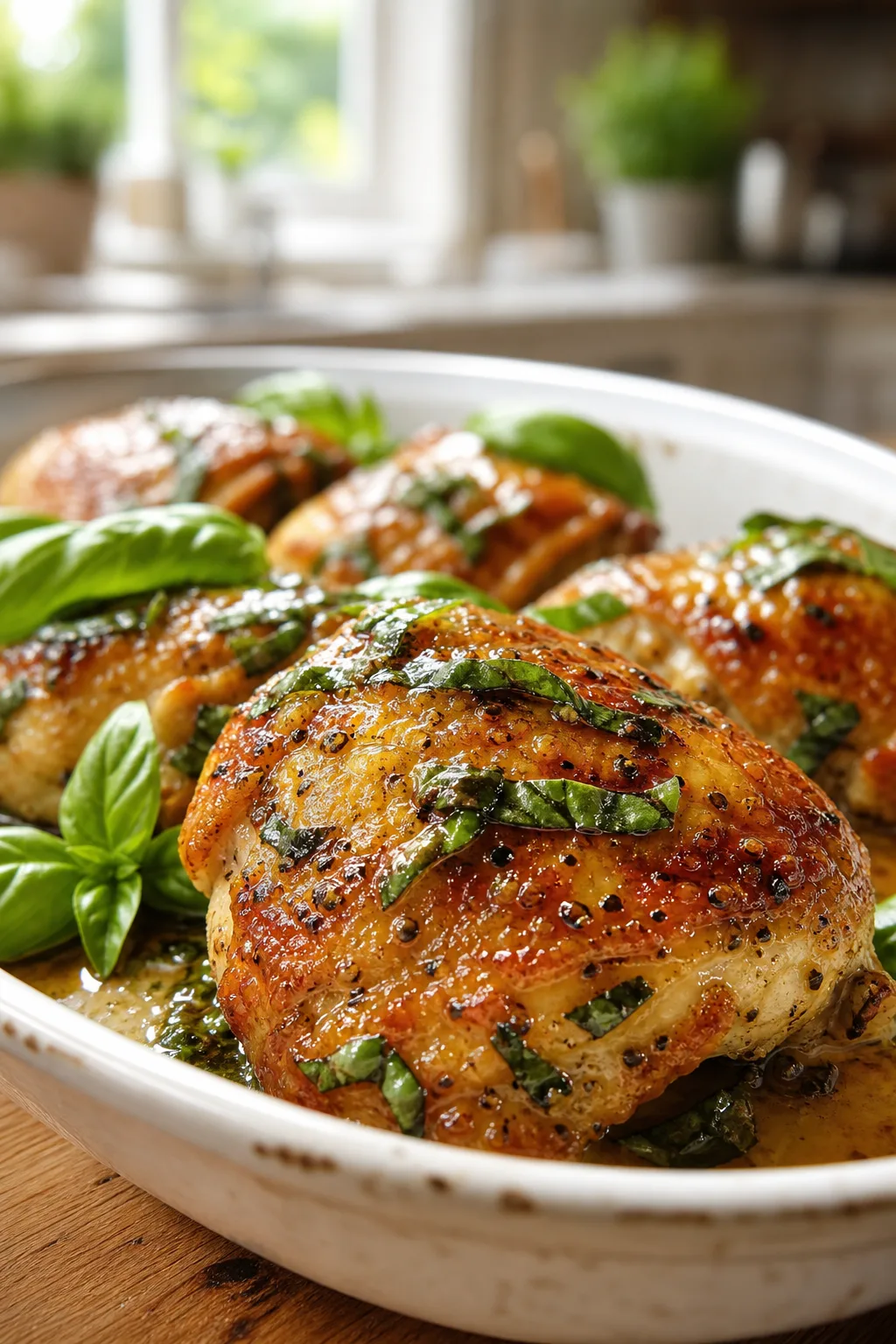
This easy chicken recipe is my go-to for busy weeknights—simple, flavorful, and quick. The secret? A splash of lemon juice that brightens up the tender, juicy chicken. Perfect served with rice or a fresh salad!
Introduction
I’ve been making this easy chicken recipe for years whenever I want a fuss-free dinner that still feels special. The first time I tried it, I was rushing home after work and needed something quick but tasty. What makes this version stand out is the simple combo of lemon and garlic—it really brightens the chicken and keeps it juicy. I also learned that patting the chicken dry before cooking helps it brown beautifully instead of steaming. Sometimes I’ve overcooked chicken in the past, but this method keeps it tender and flavorful every time. When it’s done, the chicken has a lovely golden crust and a fresh, zesty finish that my whole family loves. Plus, it’s versatile enough to pair with whatever sides you have on hand. I usually serve it with rice or a crisp salad for a balanced meal. Trust me, once you try this, it’ll become a staple in your weeknight rotation!
How To Do It
Step 1
Start by patting the chicken breasts dry with paper towels. This step is crucial because removing surface moisture helps the chicken sear properly, creating a nice golden crust instead of steaming. Season both sides generously with salt, pepper, and dried oregano. Letting the chicken sit at room temperature for about 10 minutes before cooking also helps it cook evenly.
⏱ Time: 10 minutes
✓ Doneness: Chicken should feel slightly tacky from seasoning and be at room temperature.
Step 2
Heat olive oil in a large skillet over medium-high heat until shimmering but not smoking. Add the chicken breasts carefully, giving them space so they don’t crowd the pan. Sear without moving them for about 5-6 minutes on the first side until golden brown. This Maillard reaction creates deep flavor and texture. Avoid flipping too early or the crust won’t form properly.
⏱ Time: 6 minutes
✓ Doneness: Edges of the chicken will look golden and slightly crisp.
Step 3
Flip the chicken breasts and cook the other side for another 5 minutes. Lower the heat to medium to ensure the chicken cooks through without burning the outside. If your chicken breasts are thick, cover the pan loosely with a lid to trap heat and finish cooking evenly.
⏱ Time: 5 minutes
✓ Doneness: Chicken should be golden on both sides and feel firm but not rock hard.
Step 4
Add the minced garlic to the pan and sauté for about 30 seconds until fragrant, stirring quickly to avoid burning. Garlic adds a wonderful aromatic depth that pairs perfectly with lemon and oregano. Be careful not to let it scorch, as burnt garlic tastes bitter.
⏱ Time: 30 seconds
✓ Doneness: Garlic will smell fragrant and golden but not brown.
Step 5
Pour in the lemon juice and sprinkle lemon zest over the chicken. The acidity helps tenderize the meat while adding a fresh brightness. Use a spoon to baste the chicken with the lemon-garlic oil in the pan for extra flavor.
⏱ Time: 2 minutes
✓ Doneness: The pan will have a glossy sauce coating the chicken.
Step 6
Reduce heat to low and let the chicken simmer gently in the lemon sauce for about 5-7 minutes. This step finishes cooking the chicken through without drying it out and allows the flavors to meld. If the sauce reduces too much, add a splash of water or chicken broth.
⏱ Time: 7 minutes
✓ Doneness: Chicken is cooked through; juices run clear when pierced.
Step 7
Remove the chicken from the pan and let it rest for 5 minutes before slicing. Resting allows the juices to redistribute, making the meat more tender and juicy. Don’t skip this step or the chicken will lose moisture when cut.
⏱ Time: 5 minutes
✓ Doneness: Chicken feels firm but yields slightly to gentle pressure.
Step 8
While the chicken rests, simmer the pan sauce for another minute to thicken slightly if needed. Taste and adjust seasoning with salt and pepper. You can also stir in a little butter for a richer finish if you like.
⏱ Time: 1-2 minutes
✓ Doneness: Sauce coats the back of a spoon and tastes balanced.
Step 9
Slice the chicken against the grain and arrange on a serving plate. Spoon the lemon-garlic sauce over the top and garnish with chopped fresh parsley for color and freshness. Serve immediately with your favorite sides for a quick, satisfying meal.
⏱ Time: 5 minutes
✓ Doneness: Chicken slices are tender and moist, sauce glistens.
Pro Tips
Always pat your chicken dry before seasoning.
Removing moisture from the chicken surface helps achieve a proper sear, creating a flavorful crust. If the chicken is wet, it will steam instead of brown, resulting in a less appetizing texture and flavor.
Let the chicken rest at room temperature before cooking.
Allowing the chicken to come to room temperature ensures more even cooking. Cold chicken straight from the fridge can cook unevenly, with the outside overcooked before the inside is done.
Don’t overcrowd the pan when searing.
Crowding traps steam and lowers the pan temperature, preventing proper browning. Cooking in batches if needed ensures each piece develops a beautiful crust.
Add garlic towards the end of cooking.
Garlic burns quickly and becomes bitter if cooked too long. Adding it near the end preserves its fresh aroma and flavor, enhancing the dish without harshness.
Use fresh lemon juice and zest for best flavor.
Fresh lemon provides bright acidity and fragrant oils in the zest that bottled juice lacks. This balance lifts the dish and prevents it from tasting flat or overly sour.
Cover the pan loosely if chicken breasts are thick.
Covering traps heat and helps cook the chicken evenly through without drying the exterior. This technique is especially helpful for thicker cuts.
Rest the chicken after cooking before slicing.
Resting allows juices to redistribute within the meat, making each bite juicy and tender. Cutting too soon causes the juices to run out, resulting in dry chicken.
Common Mistakes to Avoid
Skipping the drying step before cooking
Why it happens Many cooks rush and season chicken straight from the fridge without drying it first, assuming it’s unnecessary.
Fix Take a moment to pat the chicken dry thoroughly with paper towels before seasoning. This simple step ensures the chicken sears properly, forming a delicious crust instead of steaming.
Cooking chicken on too high heat
Why it happens In a hurry, cooks often crank up the heat to speed cooking but risk burning the outside while leaving the inside raw.
Fix Use medium to medium-high heat for searing and then lower to medium or medium-low to finish cooking. This prevents burning and ensures even doneness.
Adding garlic too early
Why it happens Some add garlic at the start, not realizing it burns quickly and turns bitter.
Fix Add garlic only after the chicken has browned, cooking it briefly to release flavor without burning.
Not resting the chicken after cooking
Why it happens Impatience leads to slicing immediately, causing the juices to escape.
Fix Let the chicken rest for 5 minutes off heat to keep it juicy and tender.
Overcrowding the pan
Why it happens Trying to cook all pieces at once to save time reduces pan temperature and causes steaming.
Fix Cook in batches if necessary, ensuring each piece has space to brown properly.
Variations
Spicy Lemon Garlic Chicken
Add a pinch of red pepper flakes or cayenne pepper along with the oregano for a spicy kick. This variation adds warmth and depth while keeping the bright lemon flavor front and center. It’s perfect if you like a little heat without overwhelming the dish.
Note: Be careful not to burn the chili flakes when adding garlic; add them together at the end for best flavor.
Herb Butter Chicken
After cooking, stir in a tablespoon of herb-infused butter (like parsley or thyme) into the pan sauce. This adds richness and a silky texture that elevates the simple lemon garlic base into something a bit more indulgent.
Note: Add butter off heat to prevent it from separating and to keep the sauce smooth.
Creamy Lemon Chicken
Stir in 1/4 cup of heavy cream or coconut milk at the end of cooking for a creamy sauce that balances the acidity of the lemon. This makes the dish more comforting and luxurious, great for serving over pasta or mashed potatoes.
Note: Simmer gently after adding cream to avoid curdling.
Mediterranean Style Chicken
Add chopped sun-dried tomatoes, olives, and capers to the pan along with garlic for a Mediterranean twist. The salty, tangy flavors complement the lemon and oregano beautifully and add complexity.
Note: Add these ingredients after flipping the chicken so they warm through without drying out.
Sheet Pan Chicken with Veggies
Cook chicken breasts on a sheet pan with chopped vegetables like bell peppers, zucchini, and red onion tossed in the same lemon garlic seasoning. This one-pan meal is super easy and packs a veggie punch.
Note: Roast at 400°F for 20-25 minutes until chicken is cooked through and veggies are tender.
Nutrition
Per Serving:
Nutritional values are estimates and may vary based on specific ingredients used.
Storage & Tips
Room Temperature
This chicken can safely sit at room temperature for up to 2 hours if covered loosely. Beyond that, bacteria can grow, so refrigerate promptly.
Refrigerator
Store leftover chicken in an airtight container for up to 3 days. The lemon sauce may thicken or separate slightly when cold; reheat gently to restore texture. It can be served cold in salads but tastes best warmed.
Freezer
Freeze cooked chicken in airtight containers or freezer bags for up to 3 months. Wrap well to prevent freezer burn. Thaw overnight in the fridge and reheat gently to avoid drying out.
Reheating
Reheat on the stovetop over low heat with a splash of water or broth to loosen the sauce. Microwave on medium power in short intervals, stirring in between. Avoid high heat which can dry out the chicken.
Make Ahead
You can prepare the chicken and sauce up to 1 day ahead. Store separately if possible. Reheat gently before serving and add fresh parsley just before plating for best flavor and appearance.
FAQ
Can I use chicken thighs instead of breasts?
Yes! Boneless skinless thighs work great and tend to stay juicier. Adjust cooking time slightly as thighs may take a bit longer to cook through. The flavor will be richer and more forgiving if slightly overcooked.
How do I know when the chicken is fully cooked?
The best way is to use a meat thermometer; chicken is done at 165°F (74°C). Without a thermometer, cut into the thickest part and ensure the juices run clear without pink.
Can I marinate the chicken ahead of time?
Absolutely! Marinating for 30 minutes to 2 hours enhances flavor and tenderness. Avoid marinating longer than 4 hours in acidic lemon juice as it can start to 'cook' the meat and alter texture.
What sides go well with this chicken?
This chicken pairs beautifully with rice, quinoa, roasted vegetables, or a crisp green salad. Mashed potatoes or crusty bread are also great for soaking up the lemon garlic sauce.
Can I make this recipe dairy-free?
Yes, the basic recipe is naturally dairy-free. Just skip any optional butter additions or substitute with olive oil or dairy-free margarine.
How do I prevent the chicken from drying out?
Don’t overcook! Use medium heat and check doneness early. Rest the chicken after cooking to keep it juicy. Adding the lemon sauce and basting also helps retain moisture.
Is it okay to use dried herbs instead of fresh?
Dried oregano works well here and is used in this recipe. Fresh herbs can be added as garnish for brightness but aren’t necessary.
Can I cook this chicken in the oven instead of stovetop?
Yes, bake at 375°F (190°C) for about 20-25 minutes until cooked through. You can toss the chicken with the seasoning and lemon beforehand for flavor.
Final Thoughts
Give this easy chicken recipe a try—you’ll love how simple and delicious it is. Don’t forget to share your results; I’d love to hear how it turns out for you!