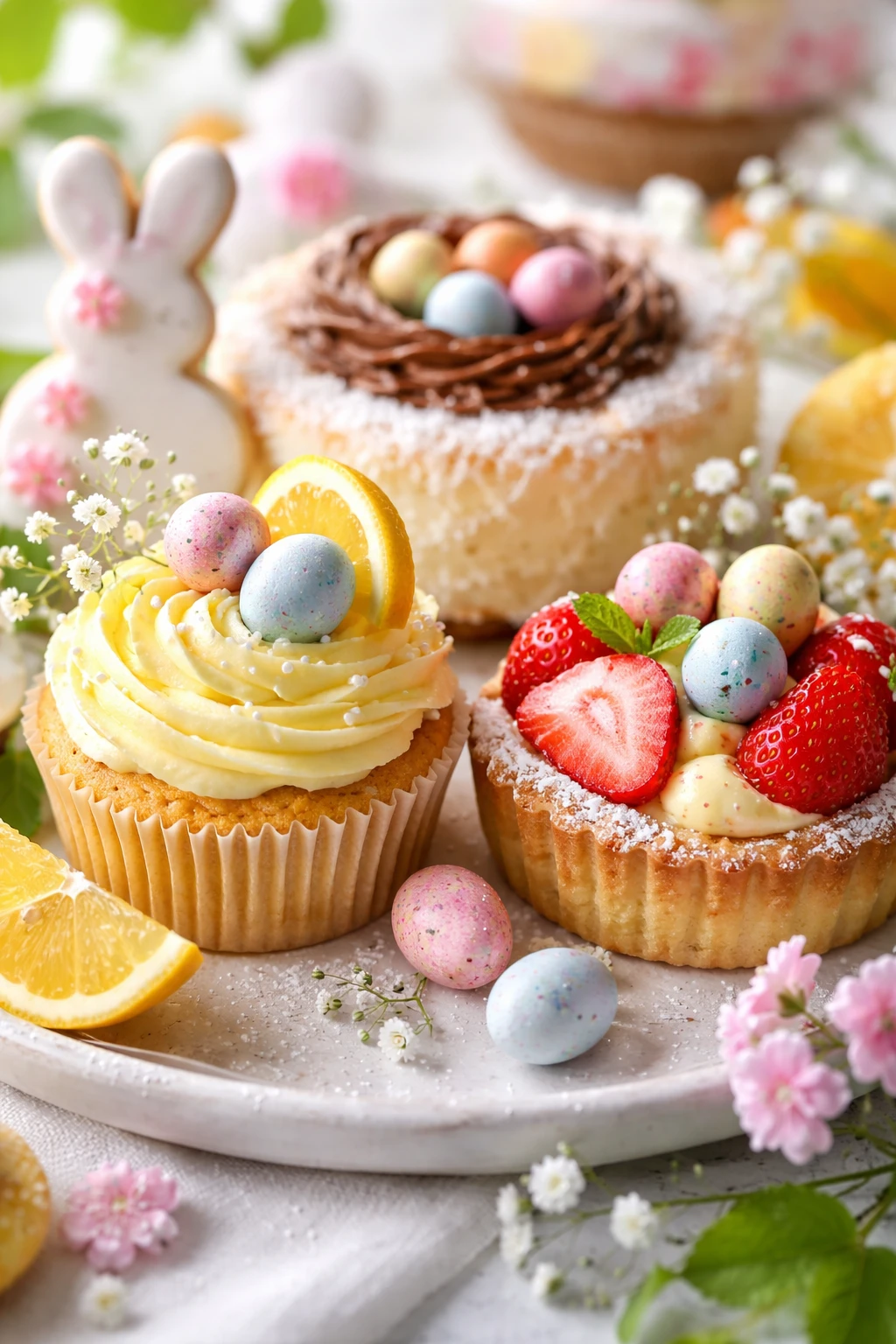
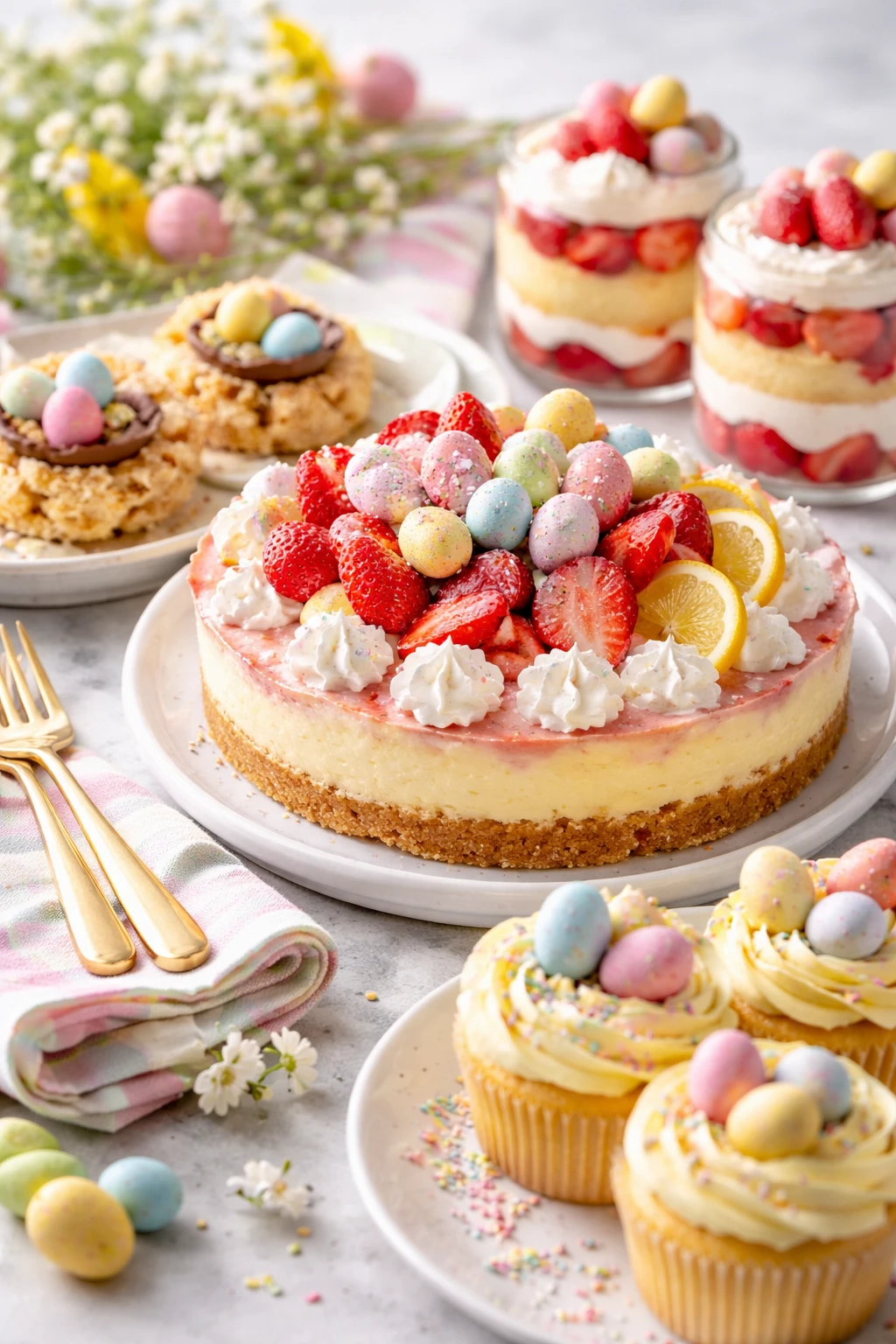
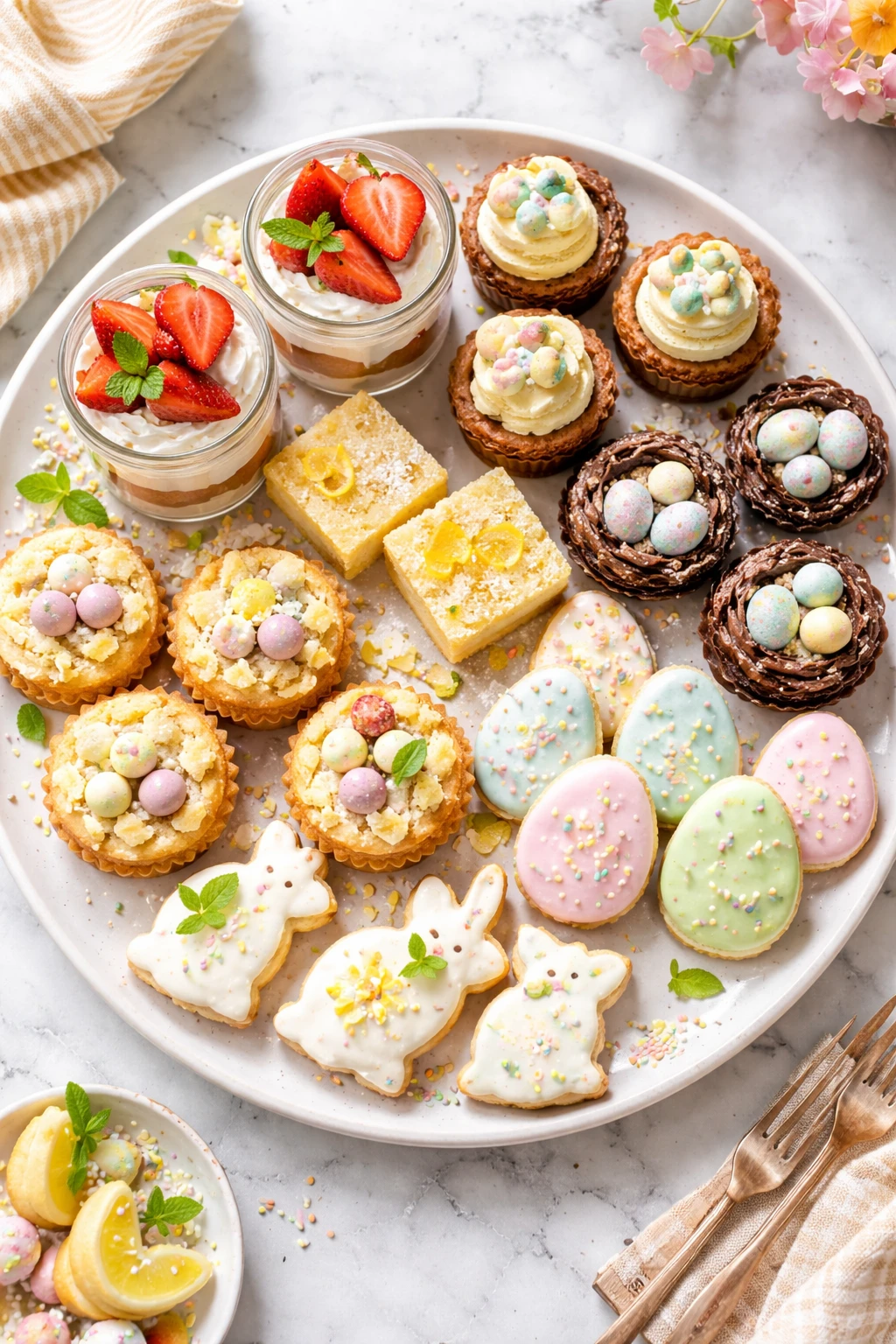
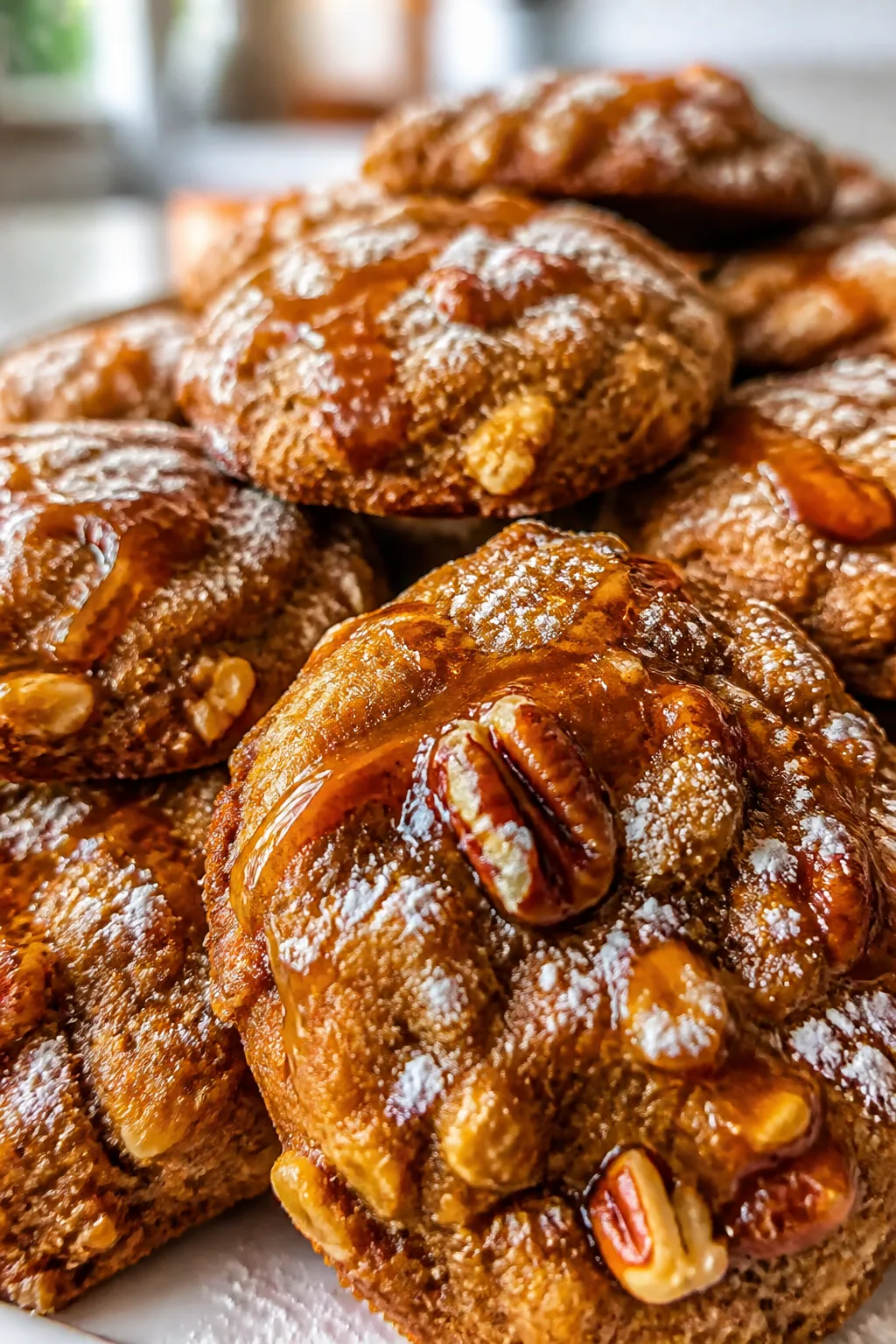
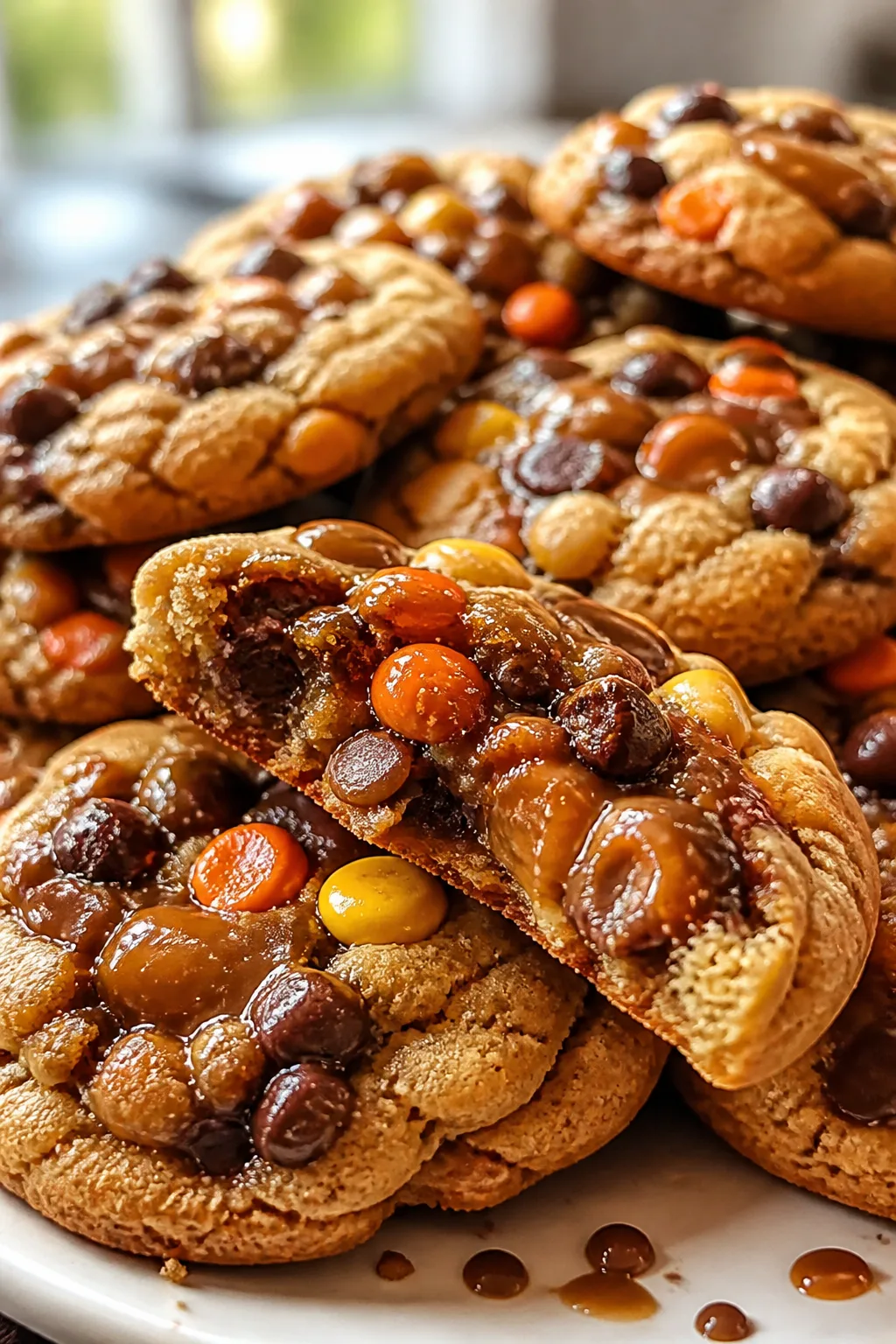
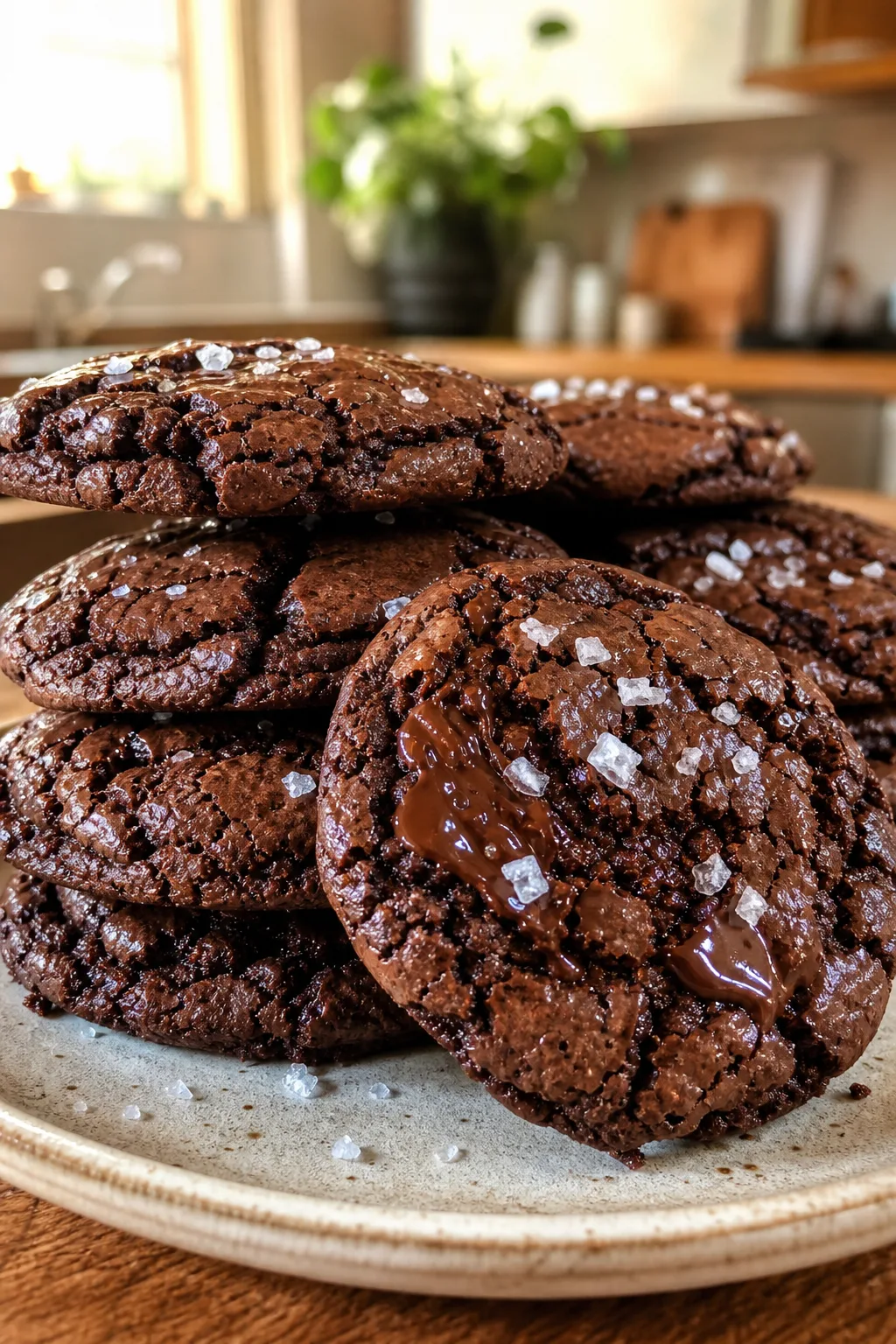
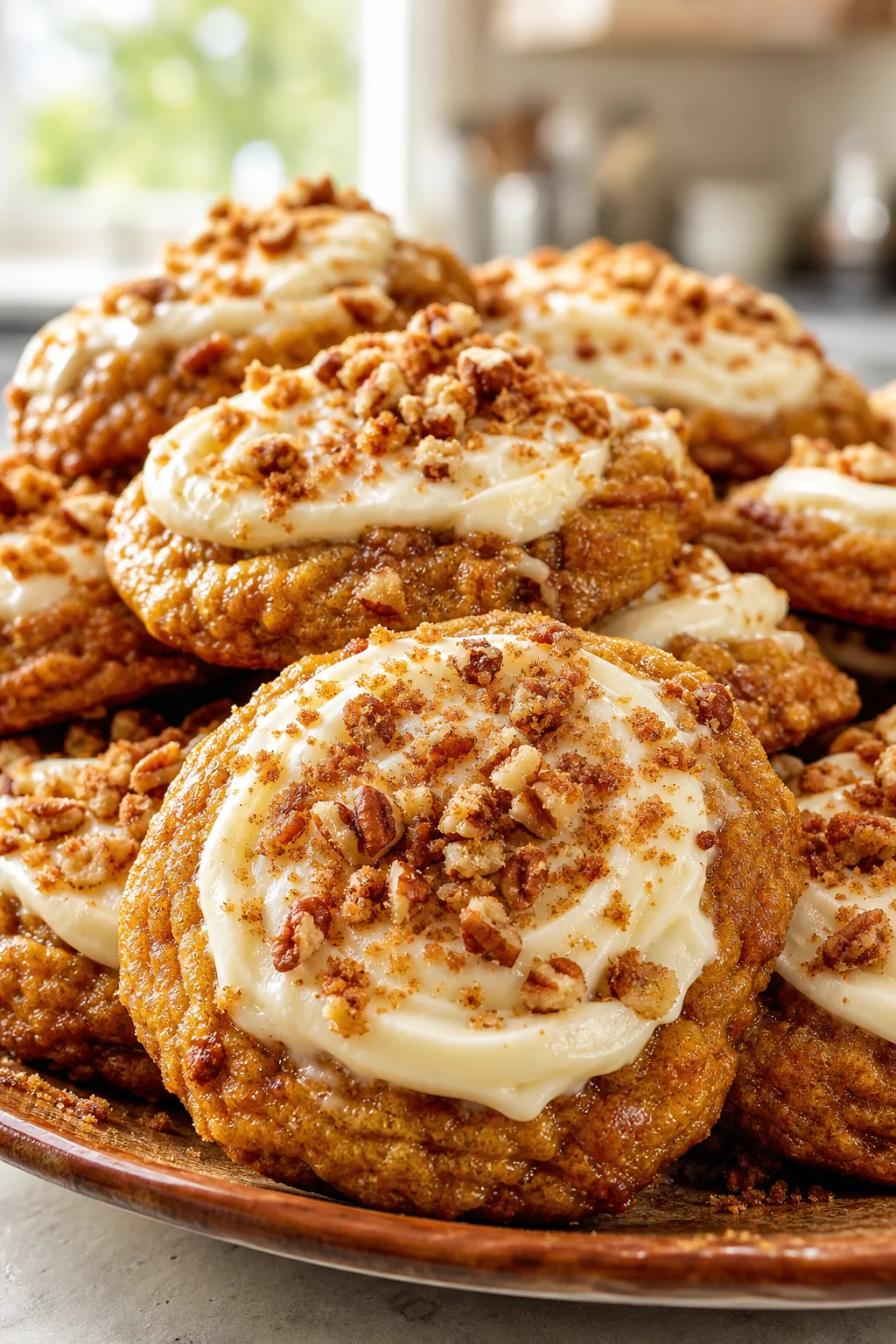
These Easter desserts are a breeze to make but look stunning on any holiday table. Featuring fresh spring flavors and easy techniques, they’re perfect for impressing family and friends without the stress.
Introduction
I remember the first time I wanted to create Easter desserts that felt special but didn’t require me to spend hours in the kitchen. Over the years, I’ve developed a few go-to recipes that are both simple and crowd-pleasing. What makes these desserts stand out is the fresh spring ingredients — like juicy strawberries and creamy cheese — paired with easy baking techniques that anyone can master. One trick I love is using softened butter and room temperature eggs to get a perfectly tender crumb without overmixing. These desserts come out looking charming and tasting fresh, perfect for a holiday gathering. Plus, they don’t require fancy tools or complicated steps, so you can enjoy the celebration instead of stressing over dessert. I’ve had my share of baking mishaps, but these recipes are forgiving and reliable, which is a huge win when cooking for family. Expect light, flavorful treats that bring a little springtime joy to your table!
How To Do It
Step 1
Start by preheating your oven to 350°F (175°C) and greasing a 9-inch round cake pan. This ensures your dessert won’t stick and will bake evenly. Using softened butter helps the batter mix smoothly without lumps, which is key for a tender texture. Avoid melting the butter, as that can change the batter consistency and affect how the cake rises.
⏱ Time: 10 minutes
✓ Doneness: Pan is evenly greased and oven is fully preheated
Step 2
In a mixing bowl, cream together the softened butter and granulated sugar until light and fluffy, about 3-5 minutes. This step incorporates air, which helps the cake rise and gives it a delicate crumb. If you rush this or don’t cream long enough, your dessert might turn out dense or heavy.
⏱ Time: 5 minutes
✓ Doneness: Mixture looks pale and fluffy, with no visible sugar grains
Step 3
Add the eggs one at a time, beating well after each addition to fully incorporate them. This helps build structure and moisture in the batter. If you add eggs too quickly or don’t mix properly, the batter can curdle, affecting texture.
⏱ Time: 3 minutes
✓ Doneness: Batter is smooth and slightly thickened, no streaks of egg visible
Step 4
Mix in the vanilla extract to add depth and warmth to the flavor. It’s a small step but makes a big difference in the final taste. Use pure vanilla extract for the best aroma.
⏱ Time: 1 minute
✓ Doneness: Vanilla is fully blended with no separation
Step 5
In a separate bowl, whisk together the flour, baking powder, and salt. This ensures the leavening agent is evenly distributed, which helps the cake rise uniformly. Skipping this can lead to pockets of baking powder or uneven texture.
⏱ Time: 2 minutes
✓ Doneness: Dry ingredients are fully combined with no clumps
Step 6
Gradually add the dry ingredients to the wet mixture, folding gently to avoid overmixing. Overmixing develops gluten, resulting in a tough cake. Stop mixing as soon as you no longer see flour streaks for a tender crumb.
⏱ Time: 3 minutes
✓ Doneness: Batter is smooth and slightly thick but not dense
Step 7
Pour the batter into the prepared pan and smooth the top with a spatula. Bake for 25-30 minutes or until a toothpick inserted in the center comes out clean. Don’t open the oven door too early to prevent the cake from sinking.
⏱ Time: 25-30 minutes
✓ Doneness: Golden top with toothpick clean from the center
Step 8
While the cake bakes, prepare the cream cheese frosting by beating softened cream cheese with powdered sugar until creamy and smooth. This frosting adds a tangy richness that balances the sweet cake perfectly.
⏱ Time: 5 minutes
✓ Doneness: Frosting is smooth, spreadable, and free of lumps
Step 9
Once the cake has cooled completely, spread the cream cheese frosting evenly over the top. Arrange sliced strawberries and fresh mint leaves on top for a fresh, colorful finish. This final touch makes the dessert feel festive and inviting.
⏱ Time: 10 minutes
✓ Doneness: Frosting is evenly spread and fruit is fresh and vibrant
Pro Tips
Always use room temperature ingredients for the batter.
Room temperature butter and eggs combine more smoothly, creating a stable emulsion that traps air well. This leads to a lighter, fluffier cake. Cold ingredients can cause the batter to curdle or mix unevenly, resulting in a dense texture.
Don’t overmix the batter once you add the dry ingredients.
Overmixing develops gluten in the flour, which makes the cake tough and chewy instead of tender. Mixing just until combined ensures a soft crumb and delicate texture, which is especially important for light Easter desserts.
Use fresh strawberries and add them right before serving.
Fresh strawberries provide vibrant color and flavor, but if added too early, they release moisture that can make the frosting soggy. Adding them last keeps the dessert visually appealing and maintains the perfect texture.
Preheat your oven fully before baking.
Baking in a properly preheated oven ensures even cooking and proper rise. If the oven is not hot enough, the cake might bake unevenly or sink in the middle. This step is crucial for consistent results.
Use a toothpick to test doneness near the end of baking.
Inserting a toothpick in the center helps confirm the cake is cooked through without overbaking. A clean toothpick means the cake is done, while wet batter means it needs more time, preventing dry or undercooked desserts.
Beat the cream cheese frosting until perfectly smooth.
Smooth frosting spreads easily and looks professional. Lumps can occur if the cream cheese is too cold or not beaten enough. Softening the cream cheese and beating it well ensures a creamy, luscious finish.
Grease your pan thoroughly and consider lining it with parchment paper.
Proper greasing prevents sticking and helps the cake release cleanly. Parchment paper adds an extra layer of protection and makes removing the cake effortless, preserving its shape and presentation.
Common Mistakes to Avoid
Using cold butter or eggs in the batter.
Why it happens Many home cooks forget to take ingredients out ahead of time or underestimate how long it takes to soften butter and warm eggs.
Fix Plan ahead and remove butter and eggs from the fridge at least 30 minutes before starting. This ensures they blend smoothly, creating a better texture and rise.
Overmixing the batter after adding flour.
Why it happens It’s tempting to mix thoroughly to avoid lumps, but this can develop gluten excessively.
Fix Mix gently and just until the dry ingredients disappear. A few small lumps are okay and won’t affect the final cake.
Opening the oven door too early during baking.
Why it happens Curiosity or impatience leads to opening the door before the cake sets.
Fix Wait at least 20 minutes before checking. Opening the door too soon can cause the cake to collapse due to temperature shock.
Not softening cream cheese before making frosting.
Why it happens Rushing the process or forgetting to plan ahead.
Fix Leave cream cheese out for 30-60 minutes or microwave briefly on low power to soften. This prevents lumps and ensures smooth frosting.
Adding fruit too early and letting it sit on frosting.
Why it happens Some add fruit right after frosting, causing sogginess.
Fix Add fresh fruit just before serving to keep it fresh and prevent moisture from seeping into the frosting.
Variations
Lemon Poppy Seed Easter Cake
Swap vanilla for fresh lemon zest and juice, and add a tablespoon of poppy seeds to the batter. This gives a bright citrus flavor perfect for spring. Top with a lemon cream cheese frosting for a zesty twist.
Note: Add the poppy seeds with dry ingredients and adjust baking time slightly if needed; the batter might be a bit denser.
Carrot Cake with Cream Cheese Frosting
Incorporate grated carrots, cinnamon, and chopped walnuts into the batter for a classic carrot cake. The cream cheese frosting complements the warm spices beautifully, making it a cozy Easter treat.
Note: Add carrots and nuts after mixing dry and wet ingredients; be careful not to overmix to keep the cake tender.
Chocolate Easter Cake
Add 1/4 cup cocoa powder to the dry ingredients for a rich chocolate flavor. You can also fold in chocolate chips for extra indulgence. Frost with a chocolate cream cheese frosting for a decadent dessert.
Note: Sift cocoa powder with flour to avoid clumps and slightly increase baking time by 2-3 minutes.
Berry Medley Tart
Use the cream cheese frosting as a filling for a pre-baked tart shell and top with a mix of fresh berries like blueberries, raspberries, and strawberries for a no-bake Easter dessert option.
Note: Chill the tart after assembling to set the frosting filling before serving.
Vegan Easter Cake
Replace eggs with flax eggs and use vegan butter or coconut oil. Use plant-based cream cheese for the frosting. This version is just as moist and delicious, perfect for vegan guests.
Note: Flax eggs require a few minutes to thicken before mixing; baking time may vary slightly.
Nutrition
Per Serving:
Nutritional values are estimates and may vary based on specific ingredients used.
Storage & Tips
Room Temperature
Store the dessert covered at room temperature for up to 4 hours, ideal if serving the same day. Keep it away from direct sunlight or heat sources to prevent frosting from melting.
Refrigerator
Keep leftovers in an airtight container in the fridge for up to 3 days. The cake might firm up and the frosting may thicken, so let it sit at room temperature for 15 minutes before serving for best texture.
Freezer
Wrap the cake tightly in plastic wrap and aluminum foil to freeze for up to 2 months. Thaw overnight in the fridge and bring to room temperature before serving to restore softness.
Reheating
Avoid reheating as the frosting can melt. If desired, warm a slice gently in the microwave for 10-15 seconds, but be careful not to overheat or the texture will suffer.
Make Ahead
Bake the cake and prepare the frosting 1-2 days ahead. Store them separately—wrap the cake well and keep frosting in a sealed container in the fridge. Assemble and decorate the day of serving for freshest results.
FAQ
Can I make this dessert gluten-free?
Yes! Substitute the all-purpose flour with a gluten-free blend that includes xanthan gum for structure. Be aware that baking times might vary slightly, so check doneness with a toothpick. The texture may be a bit different but still delicious.
What if I don’t have cream cheese for the frosting?
You can substitute with mascarpone or ricotta cheese for a similar creamy texture. Another option is a simple whipped cream frosting, though it won’t have the same tangy flavor. Just make sure to adjust sugar to taste.
How do I prevent the cake from drying out?
Don’t overbake; check the cake a few minutes before the timer ends. Also, use room temperature ingredients and avoid overmixing, which can make the cake dense and dry. Proper storage in airtight containers keeps it moist longer.
Can I prepare the dessert a day ahead?
Absolutely! Bake the cake and cool completely, then store it wrapped. Make the frosting separately and refrigerate. Assemble and decorate just before serving to keep the fruit fresh and frosting smooth.
Is it okay to use frozen strawberries?
Frozen strawberries release more moisture and can make the frosting soggy. If you must use them, thaw and drain well, then pat dry before adding. Fresh berries are best for texture and appearance.
What’s the best way to slice the cake neatly?
Use a sharp serrated knife and wipe it clean between cuts. For best results, chill the cake slightly so the frosting firms up, making slicing cleaner and preventing smudging.
Can I double the recipe for a larger crowd?
Yes, doubling works well. Use a larger pan or two pans and adjust baking time accordingly. Keep an eye on the cake’s doneness by testing with a toothpick to avoid over or underbaking.
How do I avoid the cake sinking in the middle?
Make sure your baking powder is fresh and don’t open the oven door early. Also, properly creaming butter and sugar and using room temperature eggs help the cake rise evenly and hold its shape.
Final Thoughts
I hope you give these easy Easter desserts a try—they’re sure to bring smiles to your holiday table! Don’t forget to share your baking wins and tweaks with me.