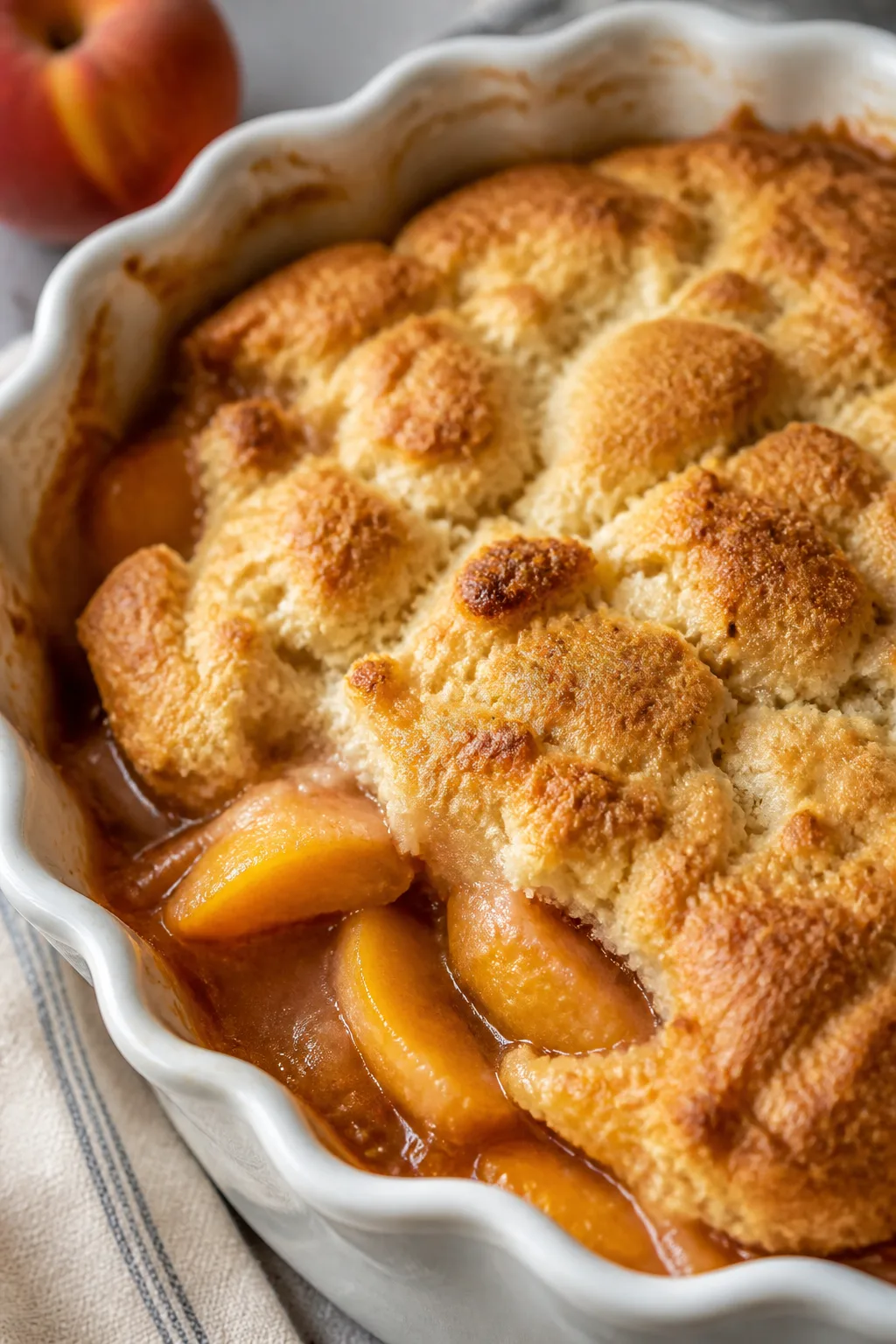
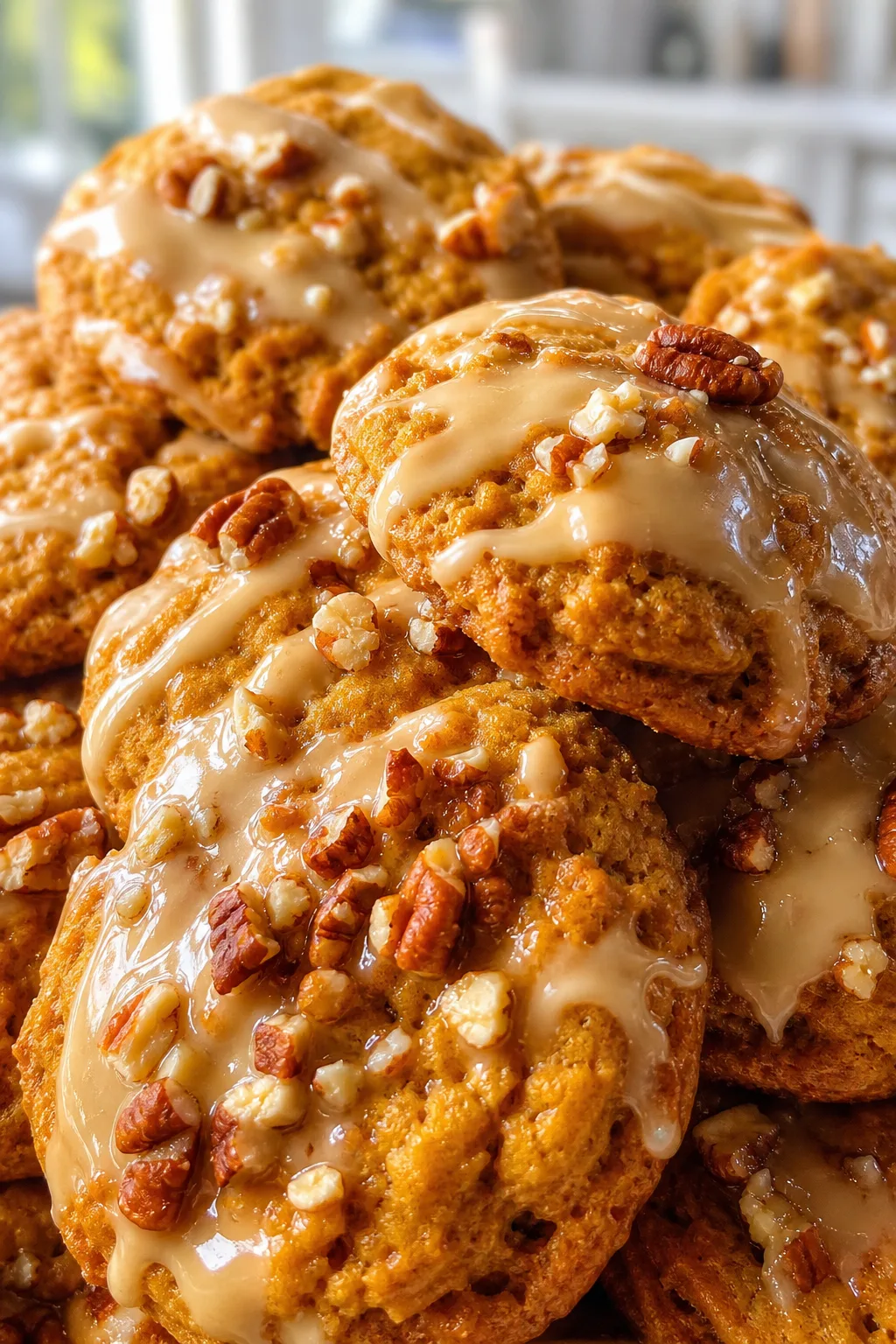
This fresh peach cobbler is a simple, comforting dessert with juicy peaches and a flaky buttery crust. The secret? A quick biscuit topping that bakes up golden and tender. Great for summer gatherings or cozy nights in.
Introduction
I remember the first time I made fresh peach cobbler — it was late summer, peaches were at their peak, and I wanted something simple but special. This recipe has become a family favorite because it’s easy and delivers that perfect balance of juicy fruit and flaky crust. What sets this cobbler apart is the biscuit-style topping that bakes up golden and tender, soaking up the peach juices without getting soggy. Over the years, I’ve learned to use just the right amount of sugar and lemon juice to enhance the peaches’ natural sweetness and brightness. The buttery crust is cold when mixed in, which helps create those flaky layers everyone loves. When it comes out of the oven, it’s warm, comforting, and smells like summer in a pan — perfect for a casual dinner dessert or weekend treat. I think you’ll find it’s one of those recipes that’s hard to mess up but always feels like a little celebration.
How To Do It
Step 1
Preheat your oven to 375°F (190°C). In a large bowl, toss the sliced peaches with half the sugar, the cinnamon, and the lemon juice. This step is important because the sugar draws out the juices from the peaches, creating a natural syrup that keeps the cobbler moist and flavorful. The lemon juice adds a subtle brightness that balances the sweetness. Let the mixture sit while you prepare the topping to allow the flavors to meld and the peaches to soften slightly.
⏱ Time: 10
✓ Doneness: Peach mixture looks juicy and slightly syrupy.
Step 2
In a separate bowl, whisk together the flour, baking powder, salt, and the remaining sugar. Cut in the cold butter using a pastry cutter or your fingers until the mixture resembles coarse crumbs. This cold butter is key for a flaky topping as it creates pockets of fat that steam during baking, giving you that tender crumb. Avoid overworking the dough to keep the texture light. Then stir in the milk just until combined; the batter should be thick but spreadable.
⏱ Time: 5
✓ Doneness: Dough holds together but is not overly wet or sticky.
Step 3
Pour the peach mixture into a buttered 9x13-inch baking dish, spreading it evenly. The syrupy juices should cover the bottom, which helps keep the crust from drying out and adds flavor. Spoon the biscuit batter over the peaches in dollops, then gently spread it with a spatula to cover most of the fruit but leaving some gaps for steam to escape. This uneven topping gives a rustic look and allows the peaches to peek through.
⏱ Time: 5
✓ Doneness: Peach layer evenly covered with biscuit topping.
Step 4
Brush the biscuit topping with the melted butter. This adds a golden color and rich flavor to the crust as it bakes. It also helps the crust develop a lovely crisp edge. Be generous but don’t soak it, or the topping might become soggy.
⏱ Time: 2
✓ Doneness: Topping glistens with a thin layer of butter.
Step 5
Bake the cobbler in the preheated oven for 35-40 minutes. You want the crust to be golden brown and the peach juices to be bubbling around the edges. Baking at this temperature allows the topping to cook through without burning while giving the peaches time to soften and meld with the crust. Avoid opening the oven too often to keep the heat steady.
⏱ Time: 35
✓ Doneness: Golden crust with bubbling peach juices visible.
Step 6
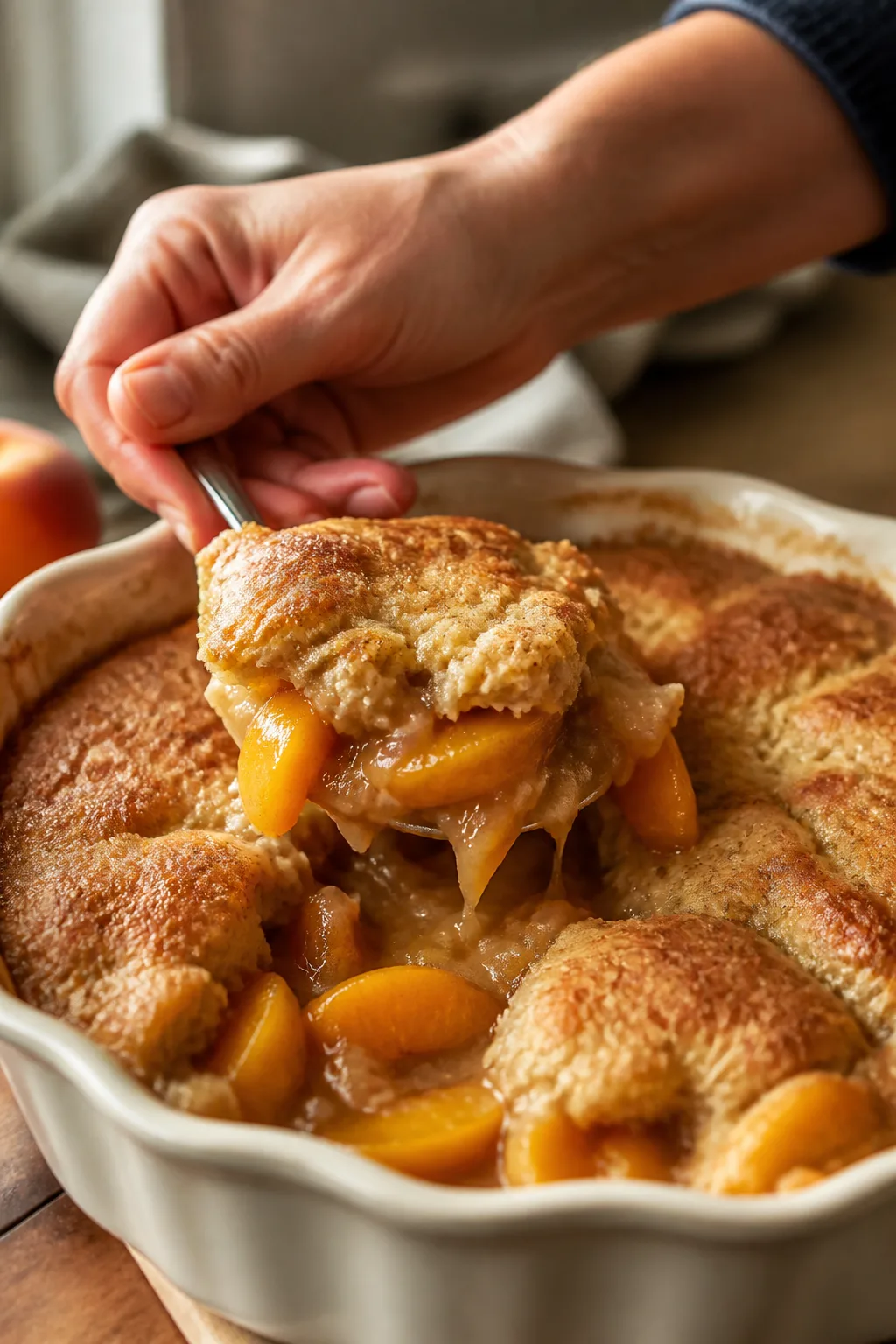
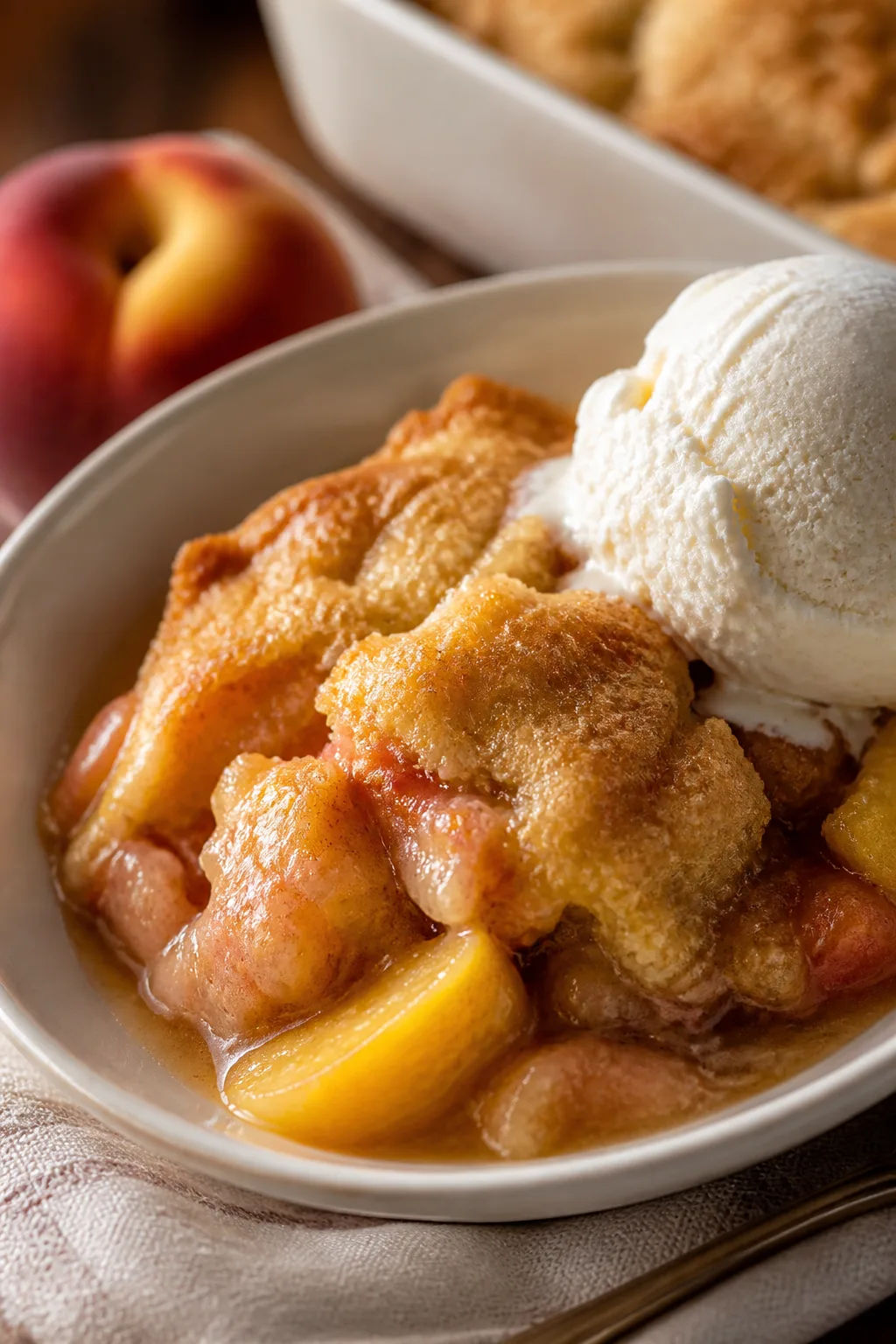
Remove the cobbler from the oven and let it cool for about 10 minutes before serving. This resting time lets the juices thicken slightly so the cobbler isn’t too runny. It also makes it easier to scoop. Serve warm, ideally with a scoop of vanilla ice cream or a dollop of whipped cream for extra indulgence.
⏱ Time: 10
✓ Doneness: Cobbler is warm but not too hot to serve.
Step 7
If you want to add a little extra flavor, sprinkle a pinch of nutmeg or ginger into the peach mixture before baking. These spices complement the peaches beautifully without overpowering them. It’s an easy way to customize the cobbler for the season or your taste.
⏱ Time: 1
✓ Doneness: Spices evenly mixed in and aromatic.
Step 8
For a slightly thicker crust, you can chill the biscuit dough for 15 minutes before spooning it over the peaches. This helps the butter stay cold longer during baking, enhancing flakiness. Just be sure to adjust your baking time by a few minutes if the dough is colder.
⏱ Time: 15
✓ Doneness: Dough is firm to the touch but still pliable.
Step 9
To prevent the crust from becoming soggy, avoid stirring the peaches after mixing with sugar and lemon juice. Let the natural juices release and thicken during baking. Stirring can break down fruit too much and make the topping heavy. Patience here pays off with a better texture.
⏱ Time: 0
✓ Doneness: Peaches maintain shape and juices thicken during baking.
Pro Tips
Use ripe but firm peaches for the best texture.
Ripe peaches provide natural sweetness and juiciness, but if they’re too soft, the cobbler can become mushy. Firm peaches hold their shape during baking, ensuring a pleasant texture contrast with the flaky crust.
Keep butter cold when mixing into the flour.
Cold butter creates steam pockets as it melts during baking, which forms flaky layers in the crust. If the butter warms too much, it blends fully with the flour and the crust turns dense and heavy.
Don’t overmix the biscuit dough.
Overmixing develops gluten, making the crust tough instead of tender and flaky. Stir just until the ingredients come together for the best texture.
Let the peach mixture rest before baking.
Allowing the peaches to macerate with sugar and lemon juice draws out juices and softens the fruit slightly, resulting in a juicier, more flavorful filling.
Brush melted butter on the topping before baking.
This encourages a golden-brown crust and adds rich flavor. It also helps the topping crisp up nicely without drying out.
Bake until juices are bubbling and crust is golden.
Bubbling juices indicate the filling is hot and thickened, while a golden crust signals the topping is fully cooked and has developed flavor and texture.
Let the cobbler cool for 10 minutes before serving.
Cooling allows the filling to thicken slightly, preventing it from being too runny and making it easier to serve without losing shape.
Common Mistakes to Avoid
Using underripe or overly soft peaches
Why it happens Sometimes people use whatever peaches are available without considering ripeness, leading to poor texture.
Fix Choose peaches that are fragrant and slightly firm. If peaches are too soft, the filling can become mushy. Firm peaches hold their shape and provide a better mouthfeel.
Overmixing the biscuit dough
Why it happens It's easy to want to fully combine ingredients, but this develops gluten.
Fix Mix just until ingredients come together. A few lumps are fine. This keeps the crust tender and flaky.
Not brushing the topping with butter
Why it happens Skipping this step to save time.
Fix Brush melted butter generously on the biscuit topping before baking for a golden, flavorful crust.
Baking at too high a temperature
Why it happens Some try to speed baking by increasing heat, risking burnt crust and undercooked filling.
Fix Bake at 375°F to allow even cooking and proper caramelization without burning.
Serving cobbler immediately after baking
Why it happens Impatience to eat hot dessert.
Fix Let cobbler rest 10 minutes to thicken the filling and improve serving consistency.
Variations
Spiced Peach Cobbler
Add 1/2 teaspoon ground cinnamon and 1/4 teaspoon ground nutmeg to the peach mixture for a warm, cozy flavor twist. This version pairs perfectly with vanilla ice cream on cooler evenings.
Note: Spices blend into the peaches during maceration, enhancing aroma and depth without altering baking time.
Gluten-Free Peach Cobbler
Substitute the all-purpose flour with a gluten-free baking blend. Add 1/4 teaspoon xanthan gum if your blend doesn't contain it to help the biscuit topping hold together.
Note: Gluten-free dough may be slightly more delicate; handle gently and avoid overmixing.
Vegan Peach Cobbler
Replace butter with vegan margarine and use a plant-based milk like almond or oat milk. This keeps the cobbler dairy-free while maintaining a rich, flaky crust.
Note: Vegan butter behaves similarly to dairy butter if chilled properly before mixing.
Peach and Berry Cobbler
Add 1 cup mixed berries (blueberries, raspberries) to the peach mixture for a colorful, slightly tart variation that adds complexity and freshness.
Note: Berries release extra juice; consider reducing sugar slightly to balance sweetness.
Crunchy Topping Peach Cobbler
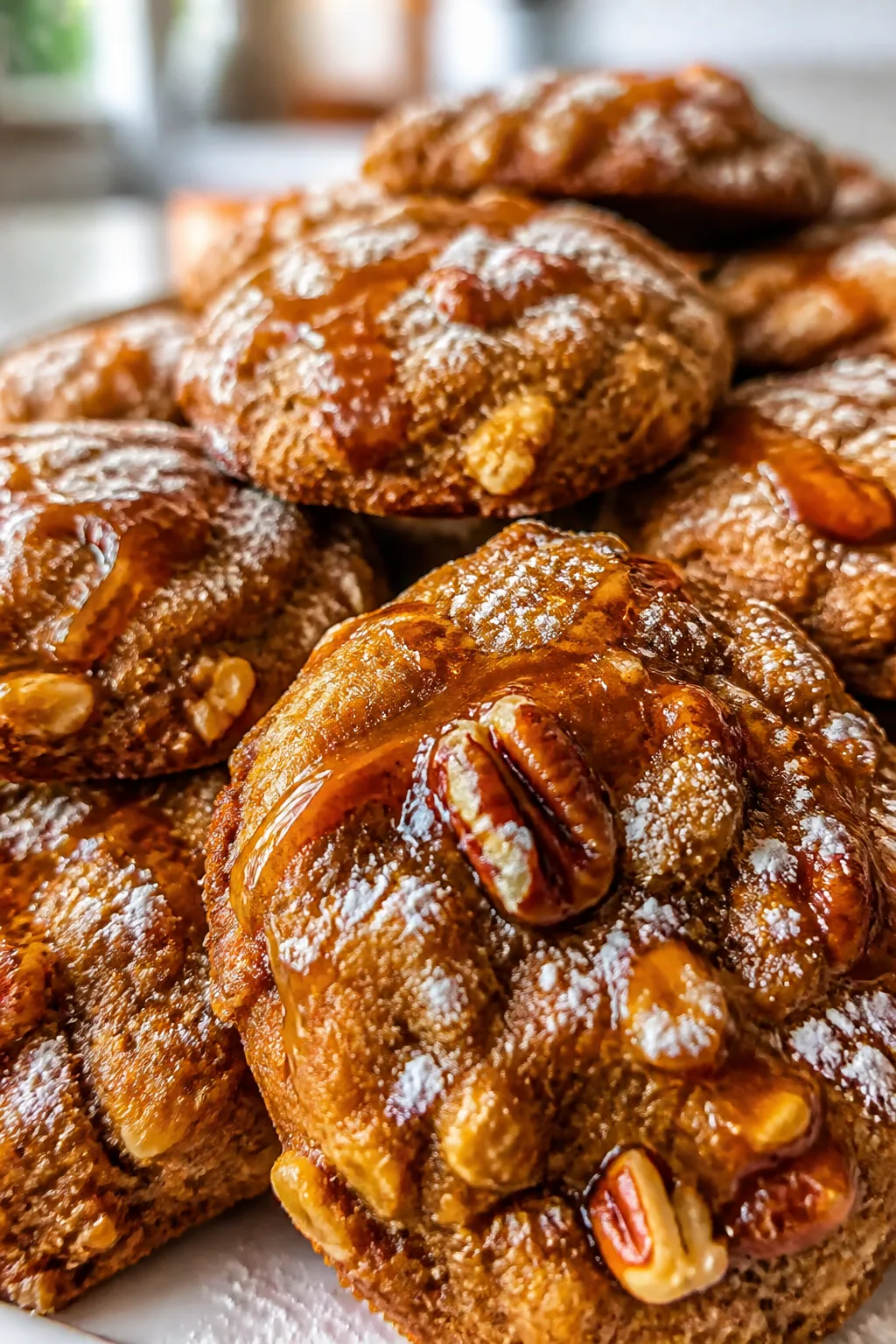
Sprinkle chopped pecans or walnuts over the biscuit topping before baking for added crunch and nutty flavor. This adds texture contrast and a toasty aroma.
Note: Nuts toast during baking; no adjustments to cooking time needed.
Nutrition
Per Serving:
Nutritional values are estimates and may vary based on specific ingredients used.
Storage & Tips
Room Temperature
Fresh peach cobbler can safely be kept covered at room temperature for up to 2 hours. Beyond that, refrigeration is recommended to prevent spoilage.
Refrigerator
Store leftover cobbler in an airtight container in the fridge for up to 4 days. The crust may soften slightly but reheating restores some crispness. It can also be enjoyed cold.
Freezer
Freeze cobbler in a tightly wrapped container or foil for up to 2 months. To prevent freezer burn, wrap it well and remove as much air as possible. Thaw overnight in the refrigerator before reheating.
Reheating
Reheat individual servings in the microwave for 1-2 minutes or warm the whole dish in a 350°F oven for 15-20 minutes. Adding a splash of milk or butter before reheating can help revive moisture and flavor.
Make Ahead
You can prepare the peach mixture and biscuit dough separately 1 day ahead. Store peaches covered in the fridge and keep dough wrapped tightly. Assemble and bake on the day you want to serve for best texture.
FAQ
Can I use frozen peaches for this cobbler?
Yes, frozen peaches can be used if fresh aren’t available. Thaw and drain excess liquid before using to avoid a watery filling. You might want to reduce added sugar slightly since frozen peaches can be sweeter.
How do I prevent the crust from getting soggy?
Avoid stirring the peaches after mixing with sugar and lemon juice to keep the fruit intact. Brushing the biscuit topping with butter and baking at the right temperature also helps create a crisp crust.
Can I make this cobbler gluten-free?
Absolutely! Substitute all-purpose flour with a gluten-free baking blend and add xanthan gum if your blend doesn’t include it. Handle the dough gently to maintain texture.
What’s the best way to peel peaches quickly?
Score a small X on the bottom of each peach and blanch in boiling water for 30 seconds, then transfer to ice water. The skins will slip off easily without damaging the fruit.
Can I prepare the cobbler ahead of time?
Yes, you can prep the peach mixture and biscuit dough a day ahead and store separately in the fridge. Assemble and bake fresh for the best texture.
Can I add other fruits to the peach filling?
Yes, adding berries or sliced nectarines works well. Just adjust sugar slightly if the added fruit is very sweet or tart.
How do I store leftover cobbler?
Store leftovers in an airtight container in the refrigerator for up to 4 days. Reheat gently to restore warmth and texture.
Final Thoughts
I hope you enjoy making this fresh peach cobbler as much as I do. It’s a simple dessert that brings so much warmth and nostalgia to the table. Let me know how it turns out!