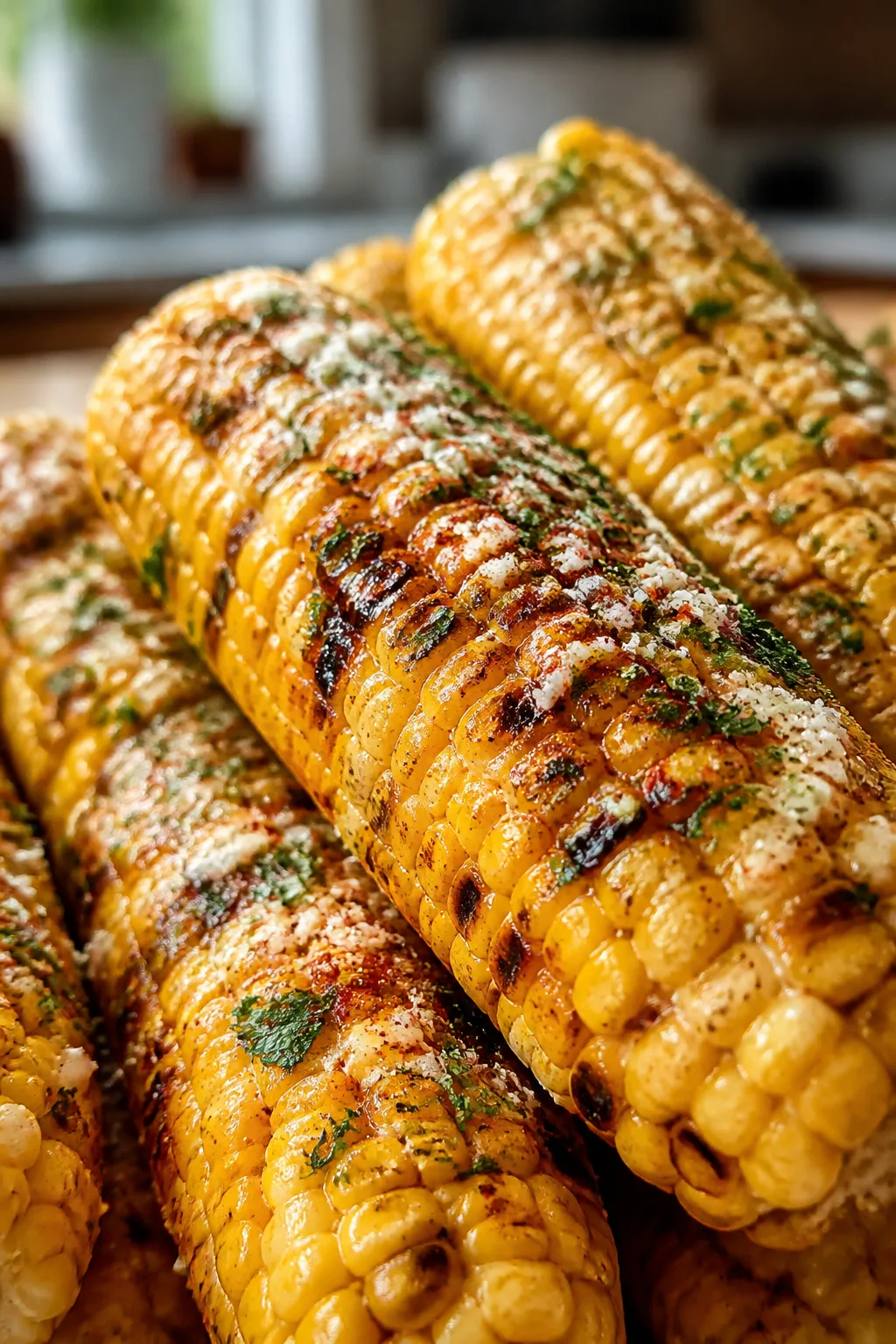
Freezing corn on the cob whole is such a simple way to keep that fresh summer sweetness all year round. I love how this method locks in flavor and texture without any fuss. Perfect for prepping ahead and enjoying corn anytime you want!
Introduction
I first learned how to freeze corn on the cob whole a few summers ago when I had an abundance of fresh ears from my garden. I wanted to enjoy that sweet, juicy flavor all year without the hassle of shucking and cutting before freezing. This method really stood out because it’s so straightforward and keeps the corn tasting incredibly fresh. What makes it better than just freezing kernels? The cob acts like a natural protective barrier, helping the kernels retain moisture and texture during freezing. Plus, blanching the whole cob just right ensures the enzymes that cause spoilage are stopped without overcooking. I’ve found that this technique saves me so much time in the kitchen later, especially when I want to throw corn on the grill or boil it quickly for a meal. The frozen cobs come out tender yet crisp, bursting with that classic summer sweetness. Give it a try—you’ll love how easy it is to prep and how fresh it tastes even months later.
What You'll Need
Approximately 6 whole ears of frozen corn, 6 servings
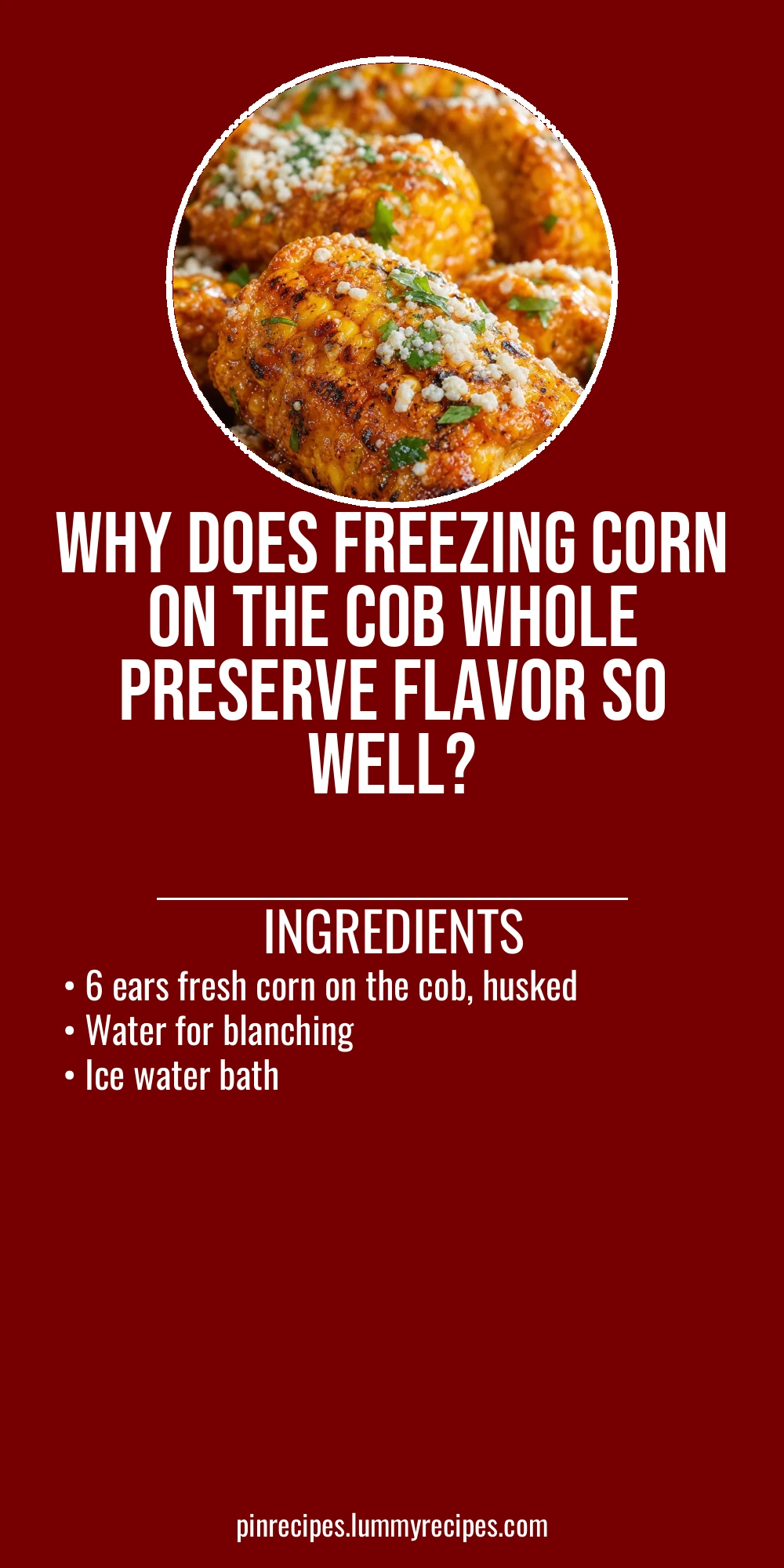
- 6 ears fresh corn on the cob, husked
- Water for blanching
- Ice water bath
How To Do It
Step 1
Start by husking the corn completely, removing all silk strands. This step is crucial because leftover silk can affect the texture and cause off-flavors during freezing. Make sure the corn is clean and dry before blanching to avoid excess water diluting the flavor.
⏱ Time: 5
✓ Doneness: Corn ears are clean with no silk remaining and feel dry to the touch.
Step 2
Bring a large pot of water to a rolling boil. Add the whole ears of corn and blanch them for exactly 4 minutes. Blanching stops enzyme activity that can degrade flavor and texture during freezing. Avoid over-blanching as it will make the kernels mushy after thawing.
⏱ Time: 4
✓ Doneness: Corn turns a vibrant yellow and is tender but still firm when pierced with a fork.
Step 3
Immediately transfer the blanched corn to a large ice water bath to halt the cooking process. This rapid cooling preserves the corn’s bright color and crisp texture. Let the cobs chill for the same amount of time as blanching, about 4 minutes.
⏱ Time: 4
✓ Doneness: Corn is fully cooled and feels cold to the touch with no residual heat.
Step 4
Drain the corn well and pat dry with clean kitchen towels. Excess moisture can cause freezer burn and ice crystals that degrade texture, so make sure the cobs are as dry as possible before freezing.
⏱ Time: 5
✓ Doneness: Corn ears feel dry and free of surface water.
Step 5
Wrap each ear individually in plastic wrap or place them in freezer-safe bags, squeezing out as much air as possible. Air exposure leads to freezer burn and loss of flavor over time.
⏱ Time: 5
✓ Doneness: Each ear is tightly wrapped or sealed with minimal air inside.
Step 6
Label the packages with the date and place them flat in the freezer. Freezing flat helps the corn freeze quickly and evenly, preserving quality.
⏱ Time: 5
✓ Doneness: Packages are clearly labeled and arranged to freeze without crowding.
Step 7
When ready to use, thaw frozen corn on the cob in the refrigerator or cook directly from frozen by boiling or grilling. Cooking from frozen helps keep the kernels juicy and prevents drying out.
⏱ Time: 0
✓ Doneness: Corn is heated through and tender, ready to serve.
Step 8
Avoid refreezing thawed corn as it can cause texture degradation. Plan your portions to use all frozen corn within 6-8 months for best flavor.
⏱ Time: 0
✓ Doneness: Corn remains firm and flavorful after thawing, with no icy patches.
Step 9
For extra flavor, brush corn with butter and sprinkle salt immediately after cooking. This enhances the sweet corn flavor and adds a comforting richness.
⏱ Time: 2
✓ Doneness: Corn is glossy with melted butter and evenly seasoned.
Pro Tips
Blanch corn ears with husks removed but keep them whole for best texture.
Blanching whole ears preserves the natural structure and moisture balance of the kernels, preventing them from becoming waterlogged or mushy. Removing husks before blanching ensures even heat penetration and stops enzyme activity effectively.
Cool corn immediately in an ice water bath after blanching.
Rapid cooling stops the cooking process instantly, locking in bright color and crisp texture. Without this step, residual heat continues to cook the corn, leading to softer kernels and loss of sweetness.
Dry corn thoroughly before freezing to avoid ice crystal formation.
Excess surface moisture freezes into ice crystals that damage the corn’s texture and cause freezer burn. Patting dry ensures the corn freezes with minimal ice buildup, preserving flavor and mouthfeel.
Freeze corn ears flat and individually wrapped.
Flat freezing allows the corn to freeze quickly and evenly, reducing ice crystal size and texture damage. Individual wrapping prevents air exposure and freezer burn, keeping each ear fresh for months.
Label your packages with the freezing date.
Knowing when you froze the corn helps you use it within optimal time frames (6-8 months) for best flavor and texture. Frozen corn older than this may develop off flavors or freezer burn.
Cook corn directly from frozen for best texture.
Thawing corn before cooking can lead to soggy kernels and water loss. Cooking from frozen keeps the kernels firm and juicy, preserving that fresh-off-the-cob taste.
Avoid refreezing thawed corn to maintain quality.
Refreezing causes moisture loss and ice crystal growth, which damages the corn’s texture and flavor. Plan portions carefully to use corn once thawed.
Common Mistakes to Avoid
Skipping the blanching step before freezing.
Why it happens Many assume freezing alone preserves freshness, but enzymes in raw corn cause spoilage and texture loss over time.
Fix Always blanch whole ears for 4 minutes in boiling water to stop enzyme activity. This simple step locks in flavor and prevents mushiness.
Over-blanching the corn.
Why it happens Rushing blanching or leaving corn too long can soften kernels and reduce sweetness.
Fix Stick to 4 minutes exactly, then immediately cool in ice water to preserve texture and flavor.
Not drying corn thoroughly before freezing.
Why it happens Moisture on the surface freezes into ice crystals, causing freezer burn and texture damage.
Fix Pat ears dry with towels after cooling to remove all surface water before wrapping.
Freezing multiple ears together without wrapping individually.
Why it happens Air exposure causes freezer burn and uneven freezing.
Fix Wrap each ear tightly in plastic wrap or place in individual freezer bags with air squeezed out.
Thawing corn before cooking.
Why it happens Thawing releases moisture and softens kernels, leading to soggy corn.
Fix Cook corn directly from frozen by boiling or grilling for best texture.
Variations
Freezing Corn Kernels Instead of Whole Ears
If you prefer to freeze just the kernels, cut them off the cob after blanching. This method is convenient for adding corn to soups or salads but may lose some texture compared to freezing whole ears.
Note: Blanch kernels for 3 minutes and cool immediately. Spread on a tray to freeze individually before bagging to prevent clumping.
Freezing Corn With Husks On
Some freeze corn with husks intact to protect kernels further, but this can trap moisture and cause ice buildup. If using this method, make sure to dry thoroughly and use airtight packaging.
Note: Blanch with husks on for 5 minutes, then cool. Husk removal before cooking is required.
Adding Herbs Before Freezing for Flavor
Brush ears with a garlic herb butter before freezing for a flavorful twist. This adds richness and makes cooking later even easier.
Note: Use a light coating to avoid sogginess; freeze quickly to lock in flavors.
Freezing Corn for Grilling Later
Freeze whole ears with husks removed but keep them wrapped tightly. When ready, grill directly from frozen for a smoky summer taste anytime.
Note: No thawing needed; cook on medium heat until heated through and slightly charred.
Using Vacuum Sealing for Longer Storage
Vacuum sealing the wrapped ears removes all air and extends freezer life up to a year, preserving peak freshness and flavor.
Note: Blanch and dry corn as usual, then vacuum seal each ear individually before freezing.
Nutrition
Per Serving:
Nutritional values are estimates based on fresh corn and may vary slightly after freezing.
Storage & Tips
Room Temperature
Corn on the cob should not be stored at room temperature after blanching; it spoils quickly. Always freeze promptly after preparation.
Refrigerator
Fresh corn lasts 1-2 days refrigerated. Frozen corn should be thawed in the fridge if not cooking directly. Flavor and texture are best when used quickly after thawing.
Freezer
Store frozen corn on the cob in airtight packaging for up to 8 months. Proper wrapping prevents freezer burn and preserves taste. Avoid freezer overcrowding to ensure even freezing.
Reheating
Cook frozen corn on the cob by boiling, grilling, or microwaving directly from frozen. Avoid thawing before cooking to maintain texture. Add butter or seasoning after cooking for best flavor.
Make Ahead
Blanch and cool corn ears up to 2 days before freezing to save time. Wrap and freeze just before storage. This prep method keeps your workflow smooth and your corn fresh.
FAQ
Can I freeze corn on the cob without blanching?
Freezing corn without blanching is not recommended because enzymes in raw corn cause loss of sweetness, color, and texture over time. Blanching stops these enzymes and preserves quality.
How long can I keep frozen corn on the cob?
Frozen corn on the cob is best used within 6-8 months. Beyond this, it may develop freezer burn or off flavors, though it remains safe to eat if stored properly.
Do I need to remove the husks before freezing?
Yes, removing husks before blanching and freezing helps prevent ice buildup and ensures even cooking later. Husk removal also reduces risk of mold or off flavors.
Can I freeze corn on the cob with butter already applied?
You can apply a light coating of butter before freezing for added flavor, but avoid heavy coatings that may cause soggy texture. Freeze quickly to lock in freshness.
Should I thaw frozen corn before cooking?
It's best to cook corn directly from frozen to preserve texture and juiciness. Thawing first can cause kernels to become mushy and lose flavor.
How do I avoid freezer burn on frozen corn?
Label packages with freezing date and use within recommended time to avoid quality loss.
Can I freeze corn kernels instead of whole ears?
Freezing whole ears preserves texture better but kernels are more versatile for recipes.
What’s the best way to cook frozen corn on the cob?
Boiling or grilling corn directly from frozen works best. Grill for a few minutes per side until heated through or boil for 5-7 minutes. Avoid microwaving for best texture.
Final Thoughts
Give freezing corn on the cob whole a try this summer and enjoy fresh, sweet corn anytime. I’d love to hear how it turns out for you—don’t forget to share your experience!