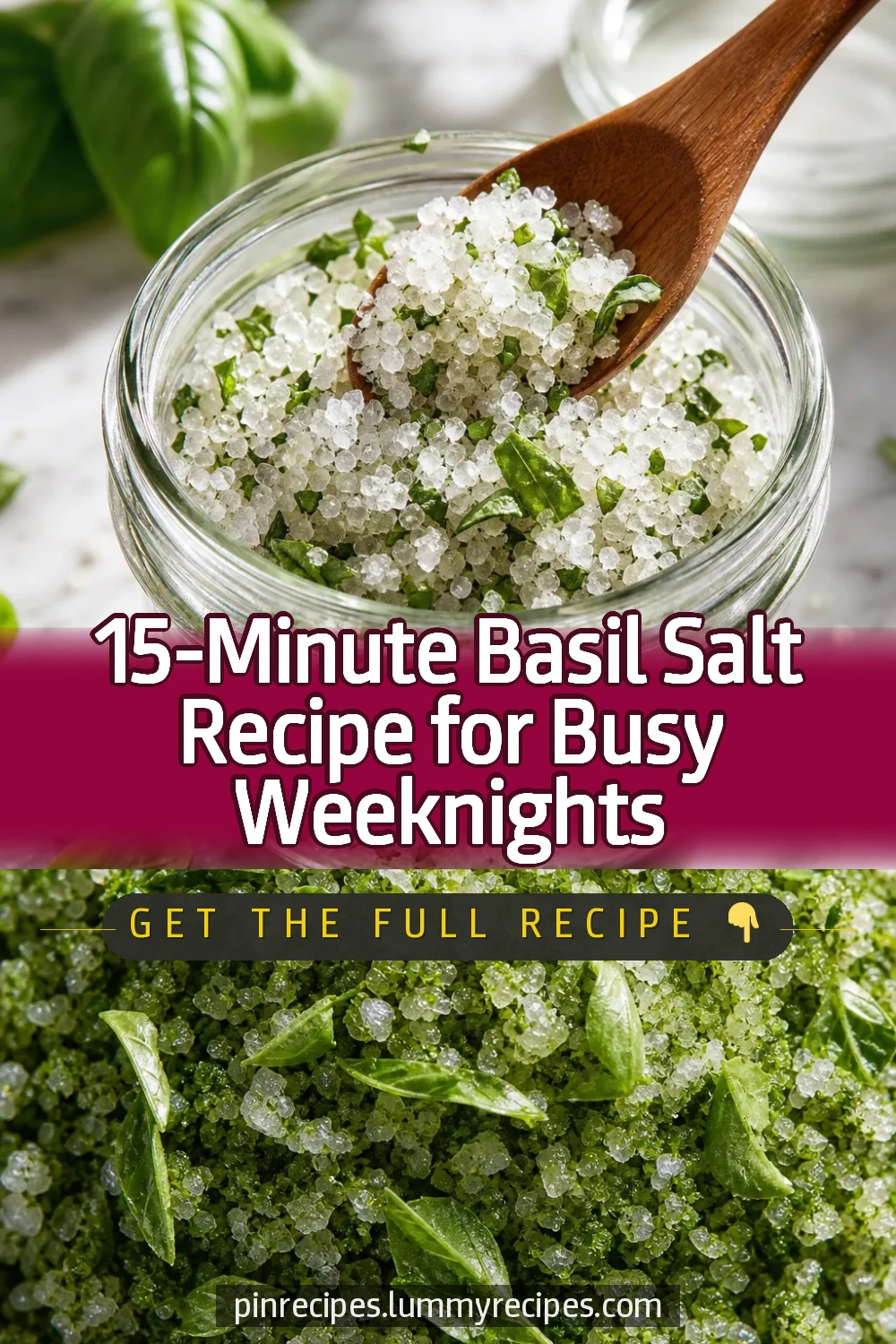
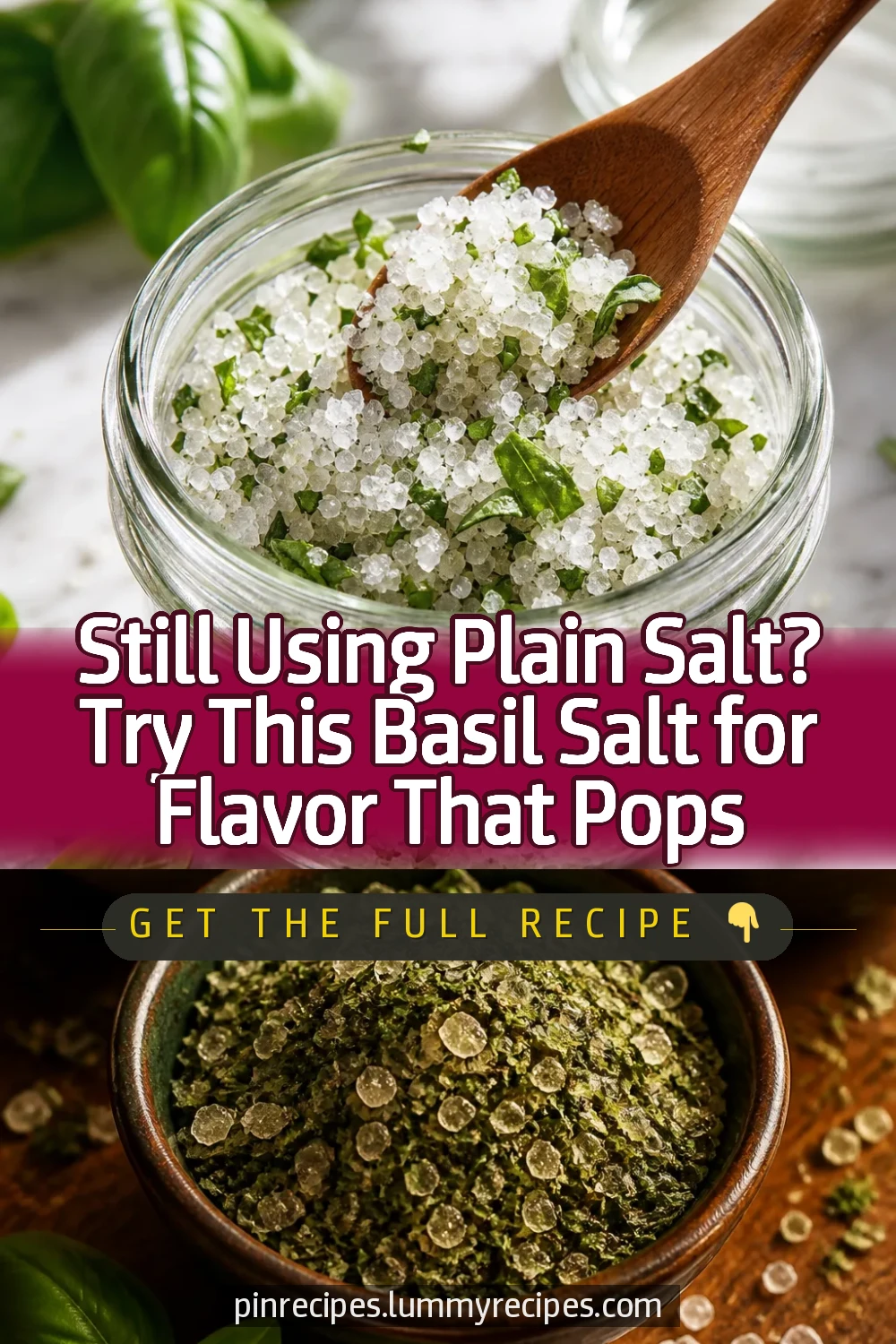
This basil salt recipe is a simple way to add fresh herb flavor to any meal. Made with dried basil and coarse sea salt, it’s perfect for seasoning meats, veggies, or even popcorn. I love keeping a jar handy for quick flavor boosts!
Introduction
I first stumbled upon basil salt while trying to find a simple way to preserve fresh basil from my garden. I was tired of the leaves wilting so quickly and wanted something versatile that could add flavor to everything from salads to grilled meats. This homemade basil salt recipe quickly became a staple in my kitchen because it’s so easy and adds that perfect herbal punch without overpowering dishes. What makes this version special is using coarse sea salt instead of fine salt; it helps preserve the basil’s aroma and gives a nice crunchy texture when sprinkled. Plus, crushing the dried basil just before mixing releases the oils and freshness that dried herbs sometimes lose. I love keeping a jar of this on hand for quick seasoning — it’s great for sprinkling on roasted potatoes, finishing off pasta, or even jazzing up a simple scrambled egg. The color is vibrant, and the aroma is wonderfully fresh, which makes it not only practical but pretty to have on the table. If you’ve ever struggled with fresh herbs going bad or want an easy way to flavor your meals, this basil salt is a game changer. It’s a small homemade touch that makes a big difference.
What You'll Need
Approximately 1 cup basil salt, about 8 servings
- 1 cup coarse sea salt
- 1/4 cup dried basil leaves, crushed
How To Do It
Step 1
Start by drying fresh basil leaves completely if using fresh, or use store-bought dried basil. The key is to ensure the basil is fully dry to prevent clumping or spoilage in the salt. If using fresh, spread the leaves on a baking sheet and dry in a low oven (around 170°F) for 20-30 minutes until crisp. Crushing the dried basil releases its essential oils, enhancing flavor. Avoid adding any moisture at this stage as it will cause the salt to clump.
⏱ Time: 20-30 minutes if drying fresh basil
✓ Doneness: Leaves should be completely crisp and brittle, breaking easily between fingers.
Step 2
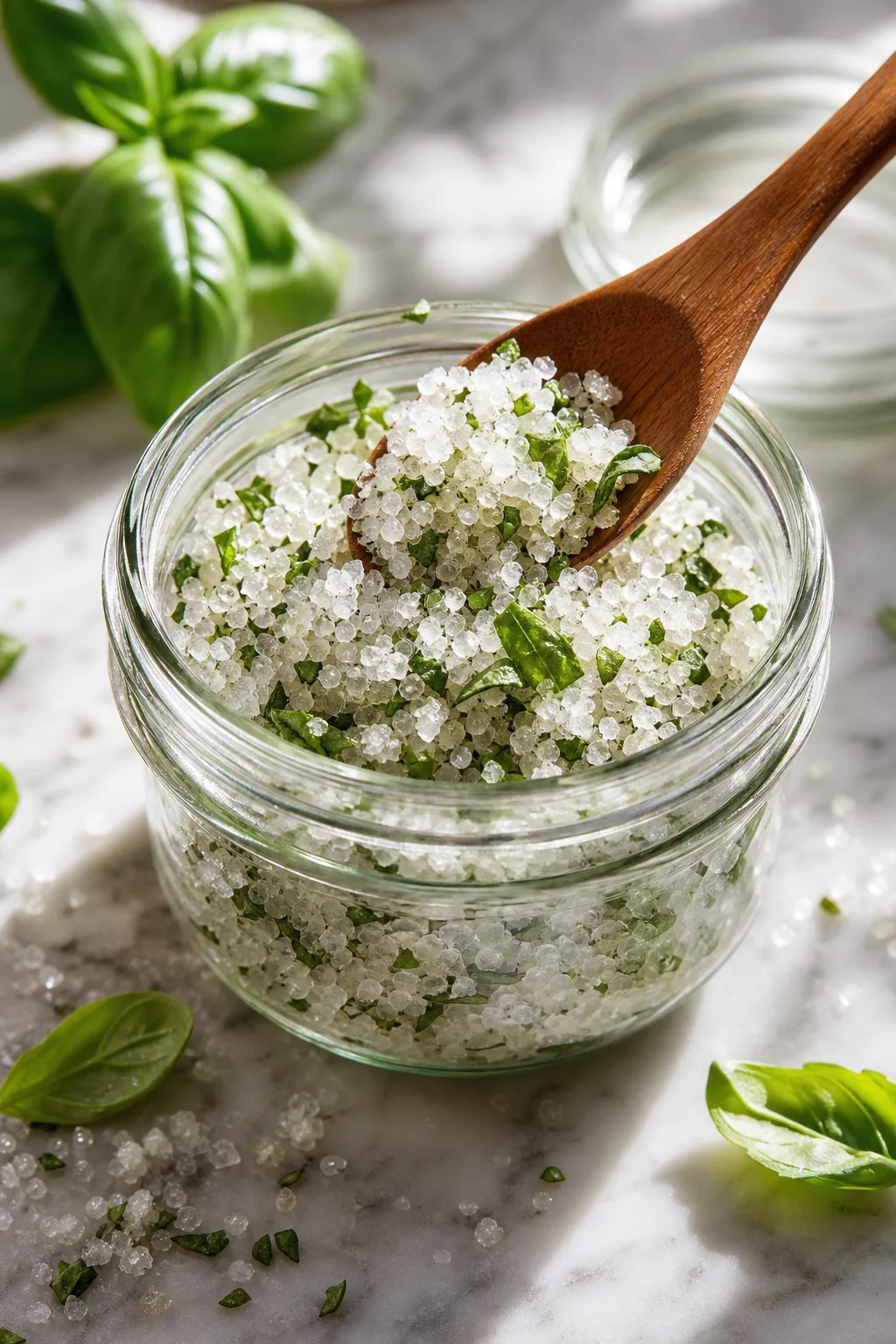
Lightly crush the dried basil leaves using a mortar and pestle or your fingers to release their aroma. Combine the crushed basil with coarse sea salt in a bowl and mix thoroughly until evenly distributed. Store the basil salt in an airtight container away from light and moisture to preserve freshness. The coarse salt helps keep the basil dry and flavorful longer than fine salt would.
⏱ Time: 5 minutes
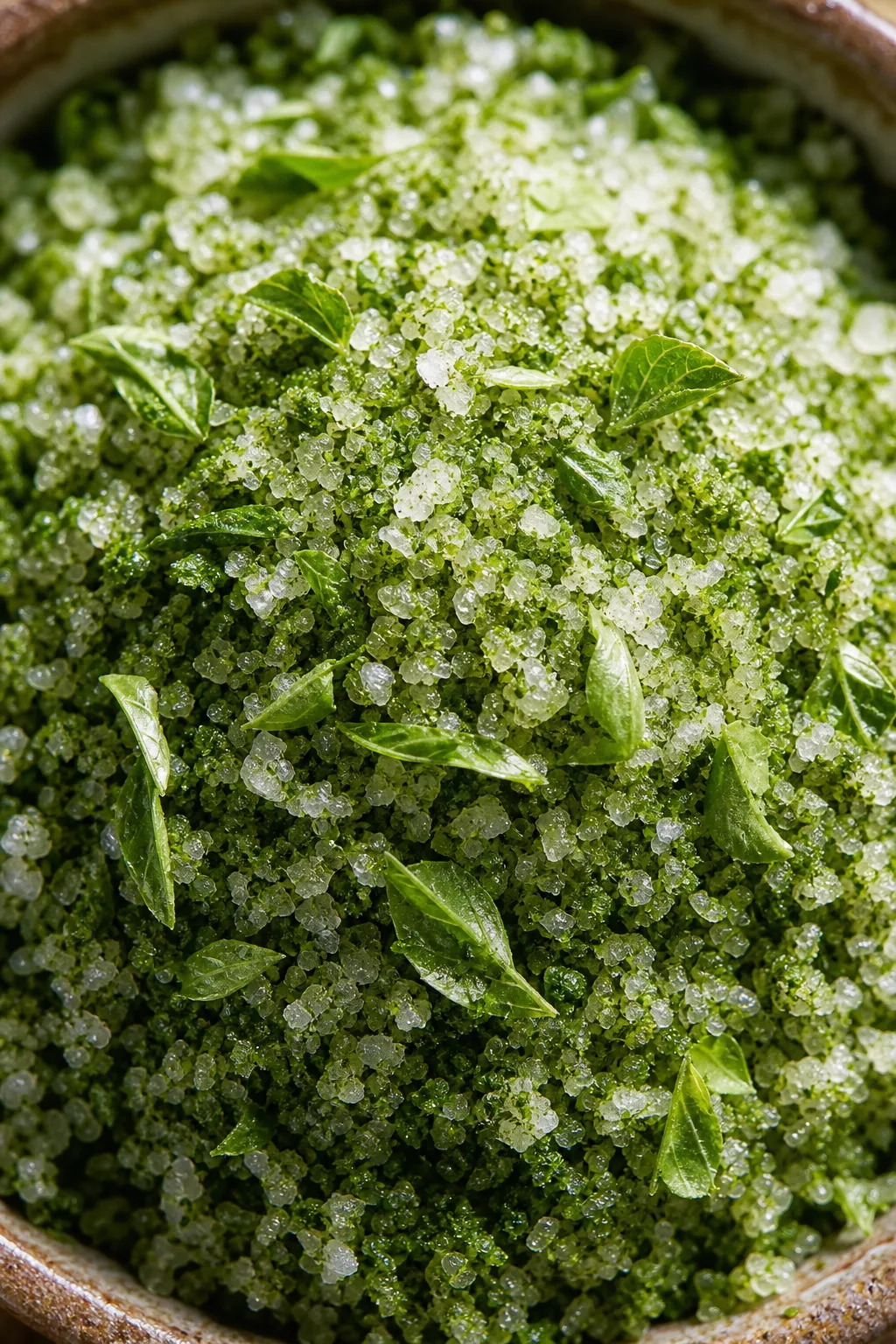
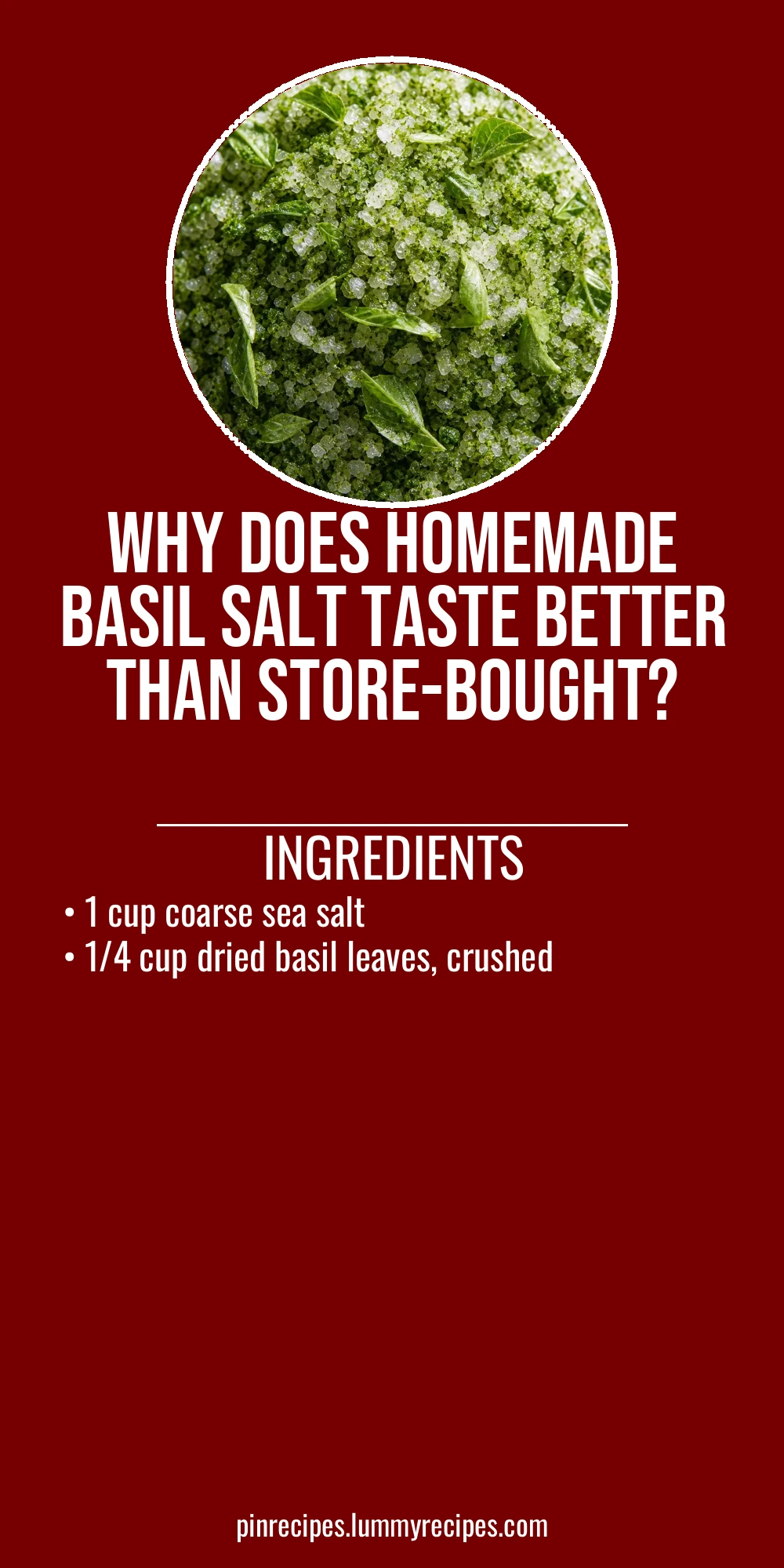
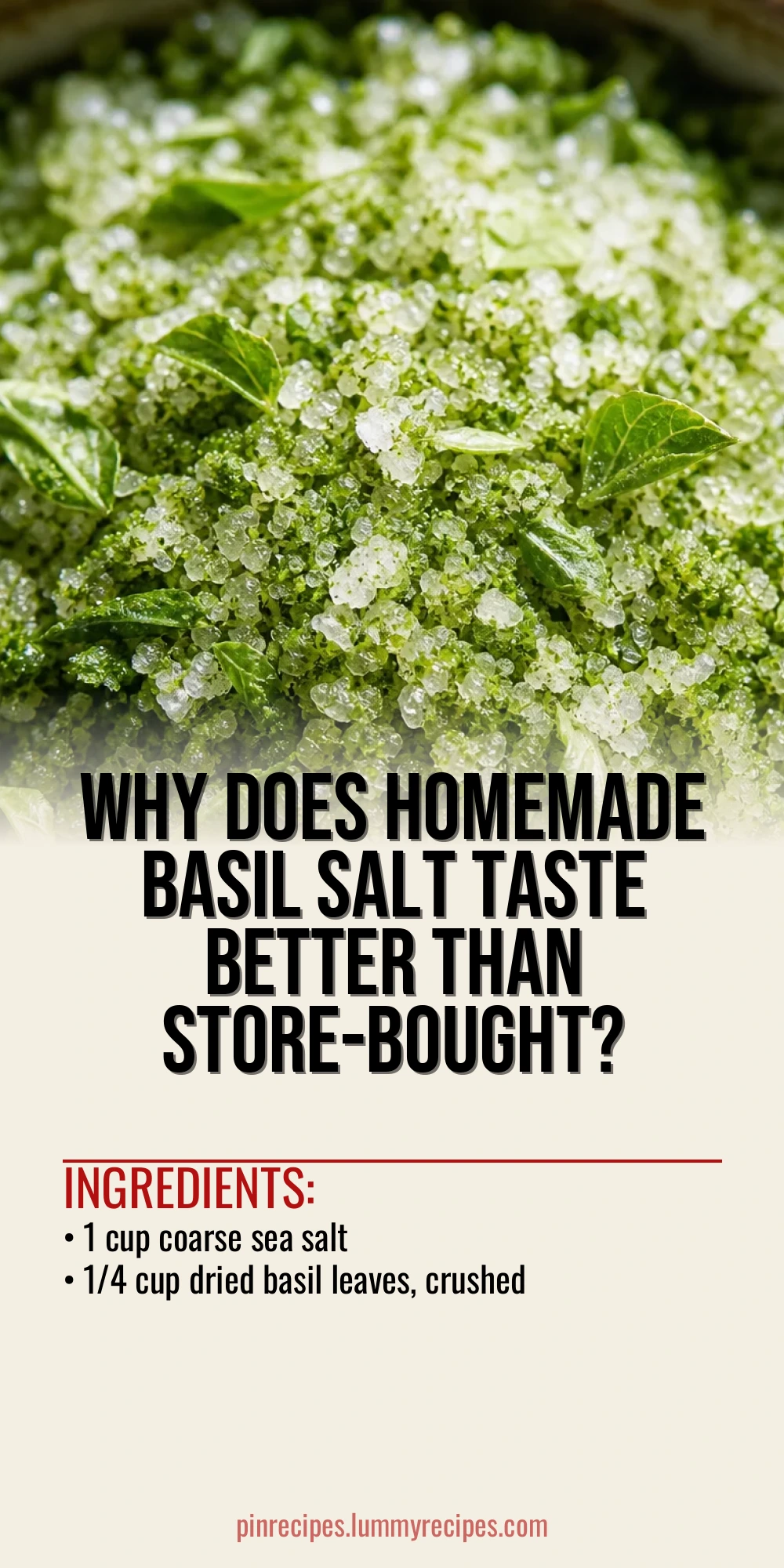
✓ Doneness: The mixture should be evenly speckled with green basil flakes and have a fresh herbal scent.
Pro Tips
Dry basil leaves completely before mixing to prevent clumping.
Any residual moisture in the basil will cause the salt to clump and lose its free-flowing texture. Thorough drying ensures a long shelf life and preserves the fresh herbal flavor. Moisture can also promote spoilage or mold growth.
Crush basil leaves lightly instead of grinding into powder.
Light crushing releases essential oils and aroma without turning the basil into dust, which can make the salt blend less visually appealing and affect texture. Flaky basil pieces provide bursts of flavor and a rustic look.
Store basil salt in an airtight container away from heat and light.
Exposure to air, humidity, and sunlight degrades the basil’s color and flavor over time. Proper storage preserves freshness, vibrant green color, and prevents the salt from absorbing unwanted odors.
Common Mistakes to Avoid
Using fresh basil without drying it properly
Why it happens Many cooks want to use fresh herbs directly but don’t realize moisture causes clumping and spoilage in salt blends.
Fix Completely dry fresh basil leaves in a low oven or dehydrator before mixing with salt. Make sure the leaves are crisp and brittle to avoid moisture issues.
Grinding basil too finely
Why it happens Some assume finer powder means better flavor distribution, but it can make the salt dusty and less appealing.
Fix Lightly crush basil leaves to release oils but retain texture. This ensures bursts of fresh flavor and a pleasing appearance.
Variations
Lemon Basil Salt
Add finely grated lemon zest to the basil salt for a citrusy twist that brightens seafood and salads. The zest should be dried before mixing to prevent moisture buildup.
Note: Dry lemon zest completely to avoid clumping; adjust salt quantity slightly to balance flavors.
Garlic Basil Salt
Mix in garlic powder with the basil salt for a savory blend perfect for roasted vegetables or meats. Use a mild garlic powder to avoid overpowering the basil.
Note: Add garlic powder sparingly and mix thoroughly to ensure even distribution without clumping.
Nutrition
Per Serving:
Nutritional values are approximate and based primarily on the salt content.
Storage & Tips
Room Temperature
Basil salt can be safely kept at room temperature for several months if stored in an airtight container away from heat and moisture. Keep it in a cool, dry place to maintain freshness and prevent clumping.
Refrigerator
Refrigeration is not necessary and may introduce moisture. If you choose to refrigerate, ensure the container is airtight and dry to prevent condensation.
Freezer
Freezing basil salt is not recommended as it can cause moisture condensation upon thawing, leading to clumping and loss of texture.
Reheating
No reheating required. Use basil salt as a finishing seasoning on cooked dishes for best flavor impact.
Make Ahead
You can prepare basil salt several days in advance and store it in an airtight jar. This allows flavors to meld and intensify. Just ensure it stays dry and sealed.
FAQ
Can I use fresh basil instead of dried for this recipe?
Fresh basil must be completely dried before mixing with salt to avoid moisture that causes clumping and spoilage. Dry fresh leaves in a low oven or dehydrator until crisp before crushing and combining with salt.
How long does basil salt last?
Stored properly in an airtight container away from heat and moisture, basil salt can last 3-6 months while retaining flavor and color. Over time, the basil may fade but the salt remains usable.
Can I use table salt instead of coarse sea salt?
Coarse sea salt is preferred for texture and moisture absorption. Table salt is finer, which can cause clumping and a less appealing mouthfeel. If using table salt, expect a different texture and shorter shelf life.
What dishes work best with basil salt?
Basil salt is versatile and works well on roasted vegetables, grilled meats, pasta dishes, salads, and even popcorn. Use it as a finishing salt to add fresh herbal flavor and a subtle crunch.
How do I crush dried basil for this recipe?
Use a mortar and pestle or your fingers to gently crush dried basil leaves until they break into small flakes. Avoid grinding into powder to maintain texture and flavor bursts.
Can I add other herbs or spices to basil salt?
Yes, you can customize by adding dried lemon zest, garlic powder, or other herbs. Just ensure all ingredients are fully dried to prevent moisture issues and adjust quantities to balance flavors.
Is basil salt suitable for low-sodium diets?
Basil salt contains salt as a main ingredient, so it’s not suitable for low-sodium diets. Use sparingly or substitute with low-sodium salt blends if needed.
Can I use basil salt in cooking or only as a finishing salt?
Basil salt is best used as a finishing salt to preserve its fresh herbal flavor. Cooking it for long periods can diminish the basil aroma and flavor.
Final Thoughts
I hope you enjoy making and using this basil salt as much as I do. It’s a simple way to brighten up everyday meals with fresh herb flavor. Let me know how you use it!