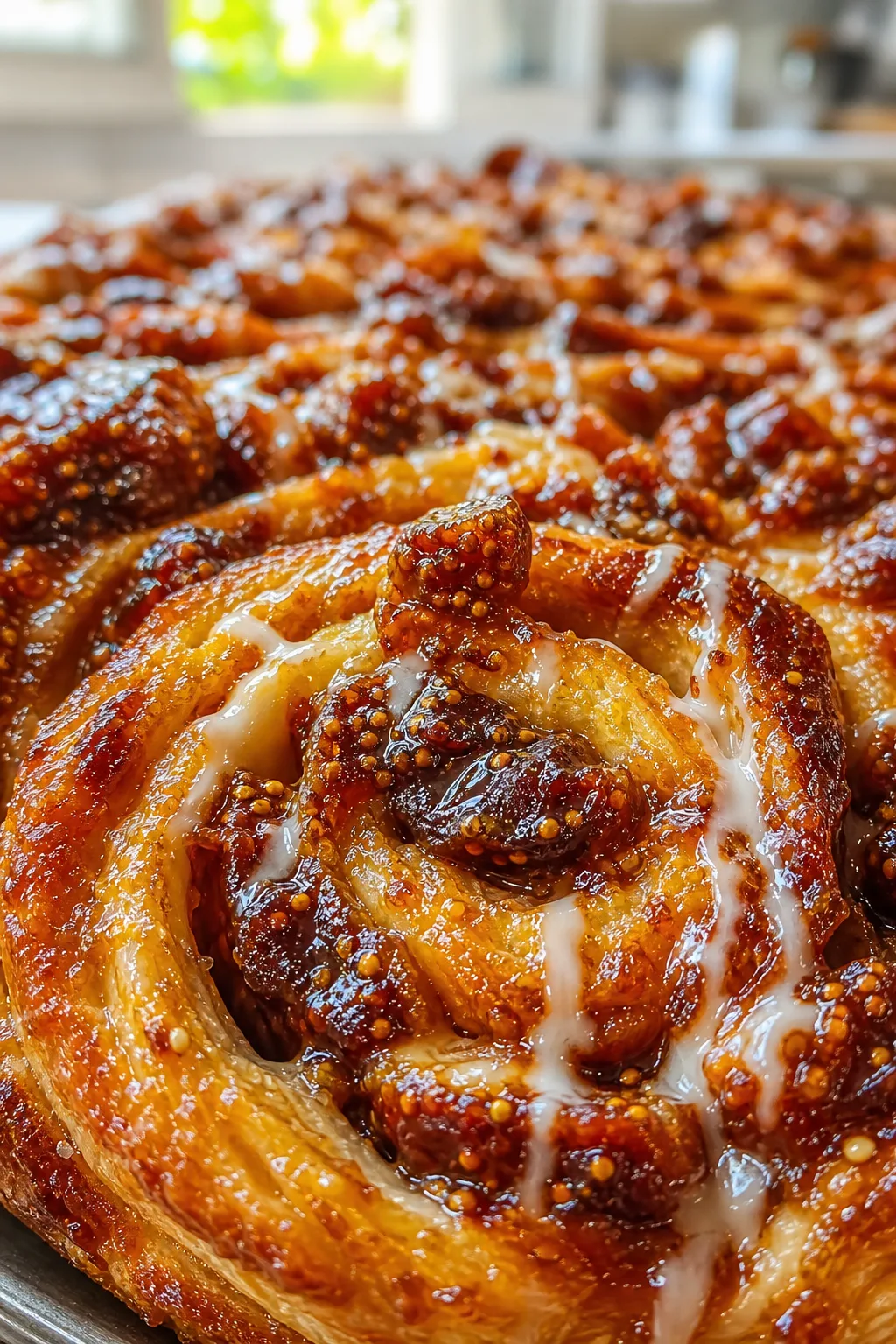
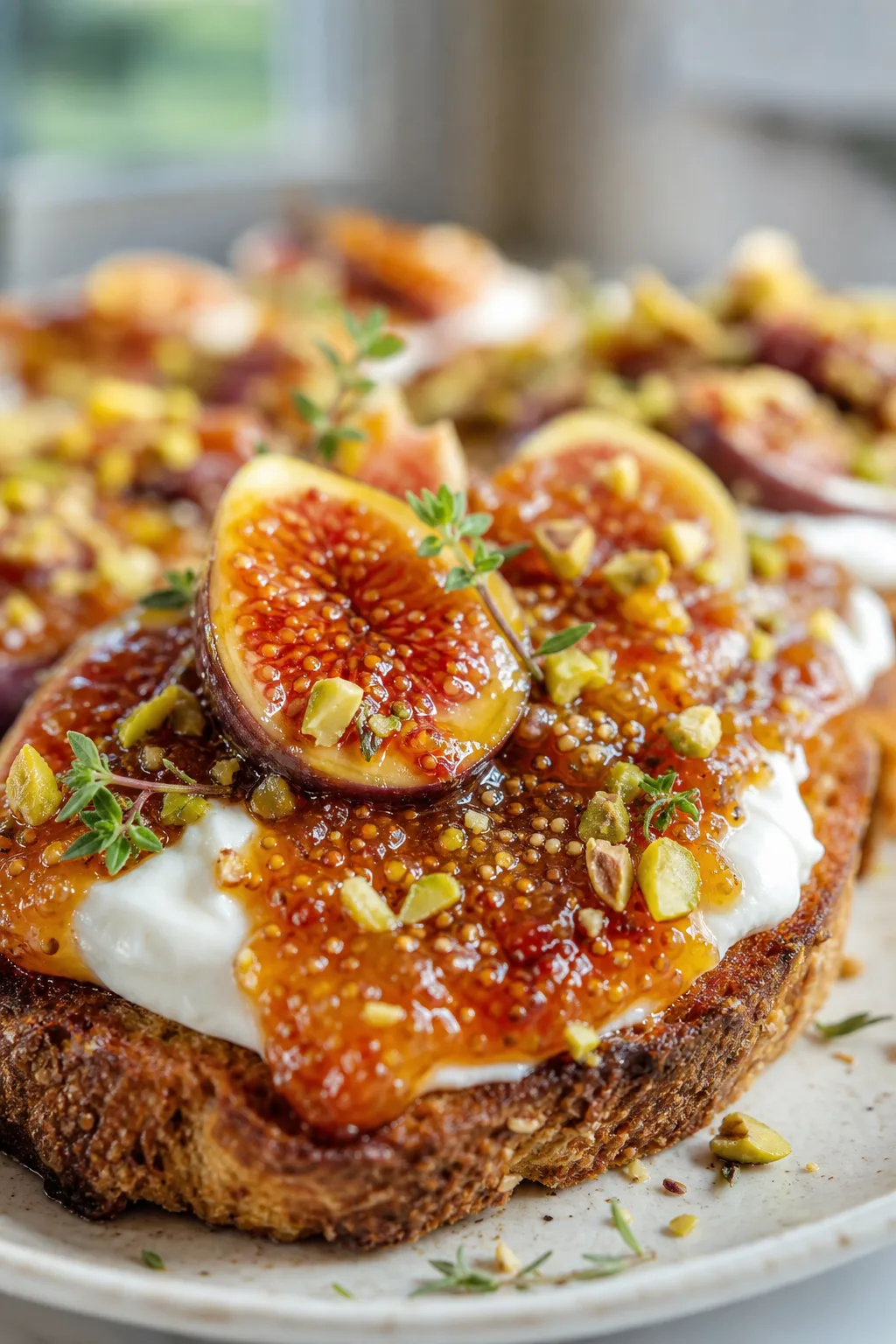
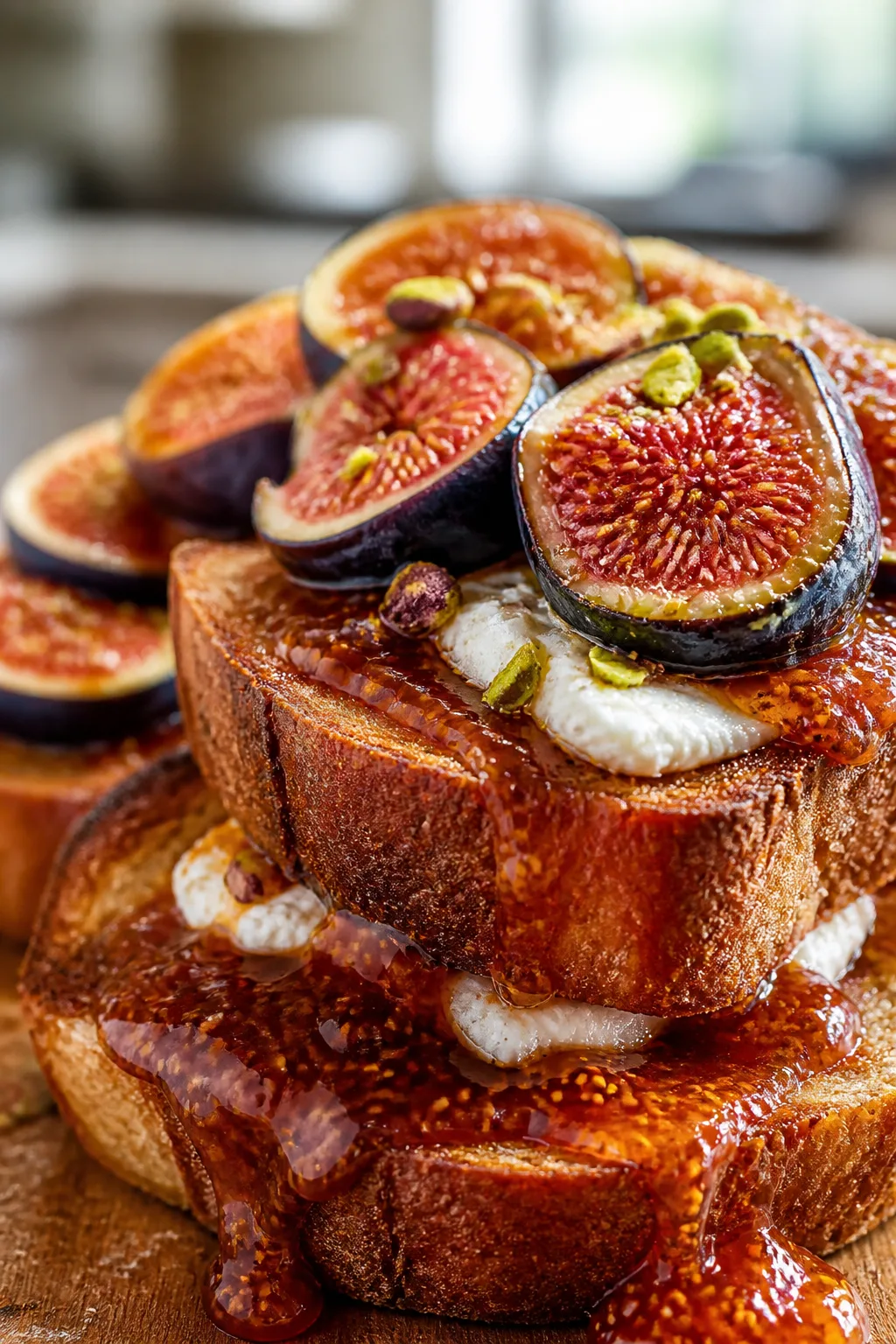
This fig jam recipe with pectin is a simple way to get a perfectly set, spreadable jam every time. I love how the pectin helps it thicken without long cooking, keeping fresh fig flavor bright. Great for breakfast or gift-giving!
Introduction
I first tried making fig jam years ago, and it was a bit of a disaster—too runny and bland. Then I discovered the magic of pectin, which changed everything. This recipe is my go-to for a jam that sets perfectly every time without spending hours simmering. What makes it special is the balance of fresh figs with just enough lemon juice and pectin to thicken the jam while preserving that bright, natural fig flavor. I like to add a touch of vanilla for warmth, but that’s totally optional. The result is a glossy, thick jam with little flecks of fig seeds that add a rustic charm. It’s perfect on toast, stirred into yogurt, or even spooned over ice cream. I love making this in late summer when figs are at their peak, and it’s a wonderful way to preserve their sweetness for months. Plus, it’s simple enough for even beginner cooks to master, which makes it a favorite to share with friends and family. If you’ve ever struggled to get jam to set, this recipe will be a game changer for you too.
What You'll Need
Approximately 3 cups, 4 servings
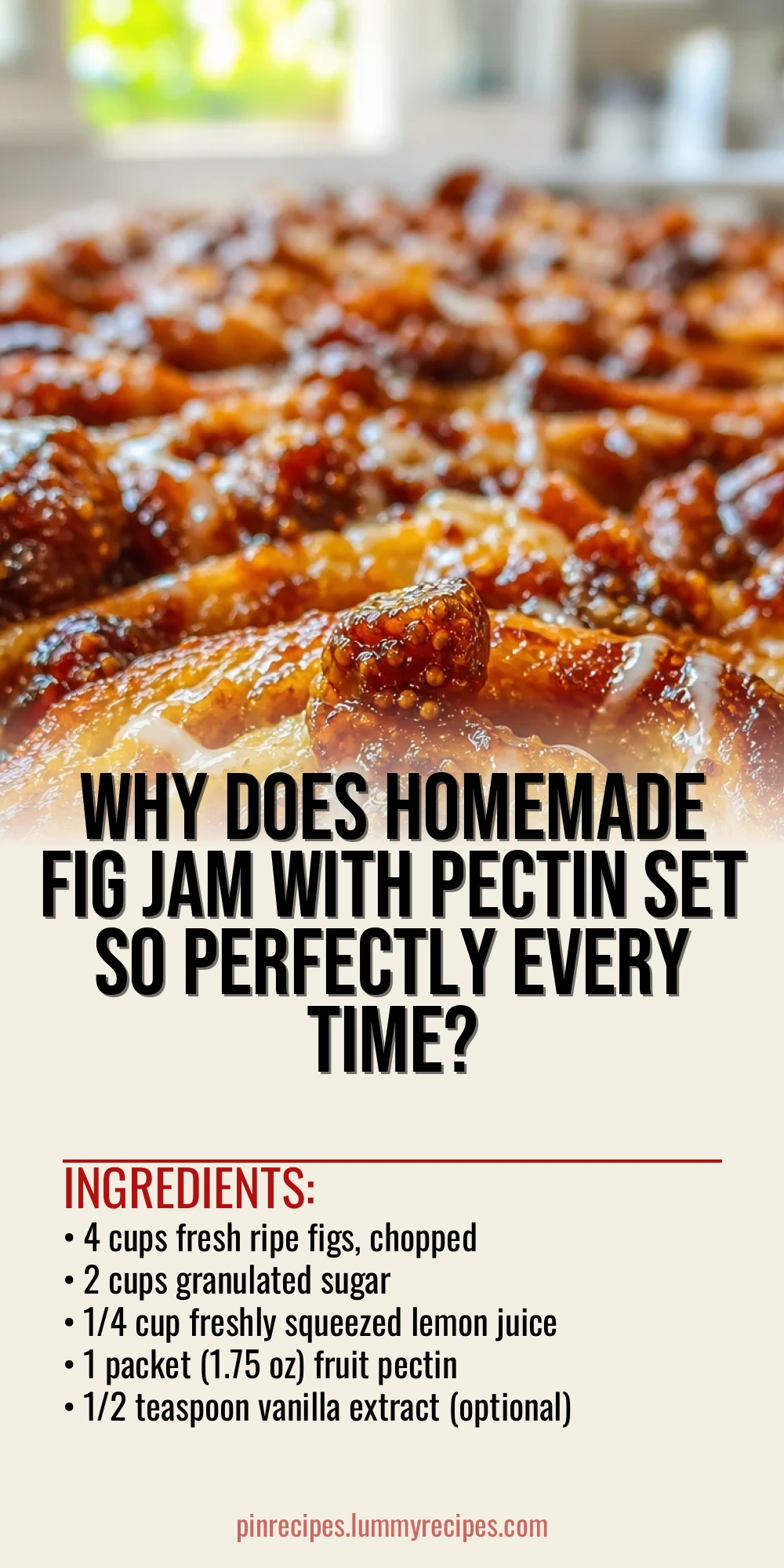
- 4 cups fresh ripe figs, chopped
- 2 cups granulated sugar
- 1/4 cup freshly squeezed lemon juice
- 1 packet (1.75 oz) fruit pectin
- 1/2 teaspoon vanilla extract (optional)
How To Do It
Step 1
Start by washing and chopping the fresh figs into small pieces. This helps release their natural juices during cooking. Place the chopped figs in a large heavy-bottomed pot to prevent scorching. Add the lemon juice, which not only brightens the flavor but also helps activate the pectin later. Stir the mixture gently and let it sit for about 10 minutes to macerate, which softens the fruit and draws out more juice. This step is important because it ensures the jam will have a nice texture and flavor without needing excessive cooking time.
⏱ Time: 15
✓ Doneness: Figs should look softened and juicy, with liquid pooling slightly around them.
Step 2
Sprinkle the fruit pectin evenly over the fig mixture and stir it in well. Pectin is the natural thickening agent that will help the jam set quickly and with a glossy finish. Turn the heat to medium-high and bring the mixture to a full rolling boil, stirring constantly to prevent burning. Once boiling, add the sugar all at once and stir vigorously until fully dissolved. Keep boiling for 1-2 minutes more, maintaining the rolling boil, then remove from heat. This quick boil with pectin and sugar activates the gel formation, so don’t rush or skip this step, or your jam might not set properly.
⏱ Time: 10
✓ Doneness: The jam should be bubbling vigorously and look thickened and glossy when stirred.
Step 3
If using vanilla extract, stir it in now for a subtle depth of flavor. Let the jam cool for a few minutes in the pot before transferring it into sterilized jars. This prevents cracking of the glass and helps the jam set evenly. Fill the jars leaving about 1/4 inch headspace, wipe rims clean, and seal tightly. Allow the jam to cool completely at room temperature before refrigerating. The jam will continue to thicken as it cools, reaching its perfect spreadable consistency within a few hours.
⏱ Time: 10
✓ Doneness: Jars should be filled cleanly with no spills, and jam should appear thick and shiny.
Step 4
Sterilize your jars and lids by boiling them in water for 10 minutes or running them through a hot dishwasher cycle. This step is crucial to prevent spoilage and ensure your jam stays fresh longer. Dry the jars on a clean towel before filling with jam. Using sterilized jars also helps avoid mold growth and keeps your jam safe for storage.
⏱ Time: 15
✓ Doneness: Jars and lids should be completely dry and free of any dust or debris.
Step 5
Before serving, test the set of your jam by placing a small spoonful on a chilled plate and running your finger through it. If it wrinkles and holds shape, it’s ready. If it’s too runny, you can return the jam to the pot and boil for another minute before re-testing. This simple test helps you avoid disappointing runny jam and ensures your spread will have the perfect consistency.
⏱ Time: 5
✓ Doneness: Jam wrinkles on the plate and doesn’t flood back together immediately.
Step 6
Store your sealed jars in the refrigerator for up to 3 weeks or freeze for longer storage. When freezing, leave extra headspace to allow for expansion. Thaw in the fridge overnight before using. Proper storage keeps your jam tasting fresh and safe to eat.
⏱ Time: 5
✓ Doneness: Jars should be tightly sealed and labeled with date.
Step 7
For a smoother jam, you can lightly mash the figs with a potato masher before adding pectin. This breaks down the fruit more and creates a less chunky texture. It’s a nice option if you prefer a more traditional jam consistency.
⏱ Time: 5
✓ Doneness: Fruit mixture appears more uniform and less chunky.
Step 8
Use a heavy-bottomed pot to cook the jam to prevent hot spots that cause burning. Stir frequently, especially during boiling, to maintain even heat distribution and avoid scorching the sugar. This ensures a clean, pure flavor without any bitter burnt notes.
⏱ Time: 30
✓ Doneness: Jam cooks evenly with no burnt smells or residue on the pot.
Step 9
Allow the jam to cool completely before refrigerating or gifting. Cooling at room temperature helps the jam finish setting and thickening. Avoid refrigerating hot jam directly as condensation can cause spoilage or watery texture.
⏱ Time: 20
✓ Doneness: Jam is cool to the touch and jars no longer feel warm.
Pro Tips
Use fresh, ripe figs for the best flavor and natural sweetness.
Ripe figs have higher sugar content and softer flesh, which breaks down more easily during cooking. This results in a naturally sweet, flavorful jam with a pleasant texture. Using underripe figs can lead to a tart or bland jam that requires more added sugar and longer cooking.
Stir constantly during boiling to prevent burning and scorching.
Jam mixtures are thick and high in sugar, which can easily burn on the bottom of the pot if left unstirred. Scorching imparts a bitter flavor and uneven texture. Constant stirring distributes heat evenly and helps dissolve sugar fully for a smooth, clean-tasting jam.
Sterilize jars properly to extend shelf life and prevent mold.
Jars that aren’t sterilized can harbor bacteria or mold spores that spoil the jam quickly. Boiling jars and lids or using a hot dishwasher cycle kills these microbes. Proper sterilization ensures your jam stays fresh and safe for weeks or months.
Common Mistakes to Avoid
Skipping the pectin or using too little.
Why it happens Some cooks assume natural fruit pectin is enough, but figs are low in pectin, so jams often don’t set properly without added pectin.
Fix Always measure and add the recommended amount of fruit pectin. Follow the boiling times exactly to activate the pectin. If you want to avoid pectin, be prepared for longer cooking times and softer jam.
Not stirring enough during cooking.
Why it happens Jam can be thick and sticky, so some may leave it unattended during boiling, risking burning.
Fix Stir constantly, especially during boiling, to prevent scorching and ensure even cooking. Use a heavy-bottomed pot to help distribute heat.
Using unripe or overripe figs.
Why it happens It’s tempting to use whatever figs are on hand, but underripe figs lack sweetness and overripe figs can be mushy or ferment.
Fix Select figs that are ripe but still firm to the touch. Wash gently and chop evenly for best texture.
Not sterilizing jars properly.
Why it happens Some may rush the process or skip sterilization, risking spoilage.
Fix Always boil jars and lids or run through a hot dishwasher cycle and dry thoroughly before filling.
Adding sugar before boiling the pectin mixture.
Why it happens Some add sugar too early, which can prevent pectin from activating properly.
Fix Add sugar only after bringing the fig and pectin mixture to a rolling boil and then boil again with sugar for 1-2 minutes.
Variations
Spiced Fig Jam
Add warming spices like cinnamon, cloves, and star anise during cooking to give the jam a cozy, autumnal flavor. Remove whole spices before jarring. This variation pairs wonderfully with cheese boards and roasted meats.
Note: Spices should be added early to infuse flavor but removed before jarring to avoid gritty texture.
Fig and Orange Marmalade
Incorporate finely chopped orange peel and juice for a bright, citrusy twist. The natural pectin in orange peel also helps the jam set and adds complexity to the flavor profile.
Note: Use thinly sliced peel and cook slightly longer to soften the citrus for a smooth texture.
Honey-Sweetened Fig Jam
Replace half or all sugar with honey for a floral sweetness and a slightly softer set. This variation is great for those looking for a less refined sugar option but requires careful cooking to prevent burning.
Note: Reduce heat slightly and stir frequently when using honey to avoid caramelization.
Fig and Vanilla Bean Jam
Split a vanilla bean and add the seeds to the jam for an intense vanilla flavor. This adds a gourmet touch and complements the natural sweetness of the figs beautifully.
Note: Add vanilla seeds during cooking and remove the pod before jarring.
No-Pectin Slow-Cooked Fig Jam
Skip the pectin and cook figs slowly over low heat for 1-2 hours until naturally thickened. This produces a rustic, chunky jam with deep caramelized flavor but requires more time and attention.
Note: Stir frequently to prevent sticking and test set often as natural pectin levels vary.
Nutrition
Per Serving:
Nutritional values are estimates and may vary based on specific ingredients used.
Storage & Tips
Room Temperature
Once sealed, jars can be kept at room temperature for up to 1 week if refrigerated promptly after opening. Keep jars covered and away from direct sunlight to avoid spoilage.
Refrigerator
Store opened jars in the refrigerator in an airtight container for up to 3 weeks. The jam may thicken further when chilled. Stir before serving if it becomes too firm.
Freezer
Freeze jam in freezer-safe containers for up to 3 months. Leave extra headspace to allow expansion. Thaw in the refrigerator overnight before use. Texture may soften slightly after freezing but remains delicious.
Reheating
Jam does not require reheating but can be warmed gently in a saucepan or microwave if desired. Avoid boiling after setting to preserve texture and flavor.
Make Ahead
Prepare the jam fully and store in sterilized jars. You can make it 1-2 weeks ahead of serving and keep refrigerated. For gifting, seal jars immediately and store in a cool, dark place.
FAQ
Can I use frozen figs for this jam recipe?
Yes, frozen figs work well once thawed. They may release more liquid, so you might need to cook the jam slightly longer to achieve the desired thickness. Always drain excess liquid if necessary before adding pectin.
What if I don’t have fruit pectin? Can I still make fig jam?
You can make fig jam without pectin by cooking the fruit longer to naturally thicken it. However, this requires more time and attention to prevent burning. The jam will be softer and less glossy but still delicious.
How do I know when the jam has set properly?
Use the chilled plate test: place a spoonful of jam on a cold plate, let it sit for a minute, then run your finger through it. If it wrinkles and holds its shape, it’s set. If it’s runny, cook for another minute and test again.
Can I reduce the sugar in this recipe?
Reducing sugar may affect the set and preservation. Pectin needs sugar to gel properly. You can try small reductions, but expect a softer set and shorter shelf life. Consider using low-sugar pectin formulations if available.
Why is lemon juice important in this jam?
Lemon juice adds acidity that activates pectin and balances sweetness. It also helps preserve the jam’s color and flavor. Without enough acid, the jam may not set correctly and can taste flat.
How should I sterilize jars for jam making?
Boil jars and lids in water for 10 minutes or run them through a hot dishwasher cycle. Dry on a clean towel before filling. Proper sterilization prevents mold and extends shelf life.
Can I add spices or flavorings to the fig jam?
Absolutely! Spices like cinnamon or vanilla add warmth and complexity. Add whole spices early and remove before jarring. Extracts like vanilla are best added after cooking to preserve aroma.
How long will homemade fig jam last?
Unopened, properly sealed jars can last several months in a cool, dark place. Once opened, refrigerate and use within 3 weeks for best flavor and safety.
Final Thoughts
I hope you enjoy making and sharing this fig jam as much as my family does. It’s a simple, rewarding recipe that brings a little homemade sweetness to your table. Let me know how yours turns out!