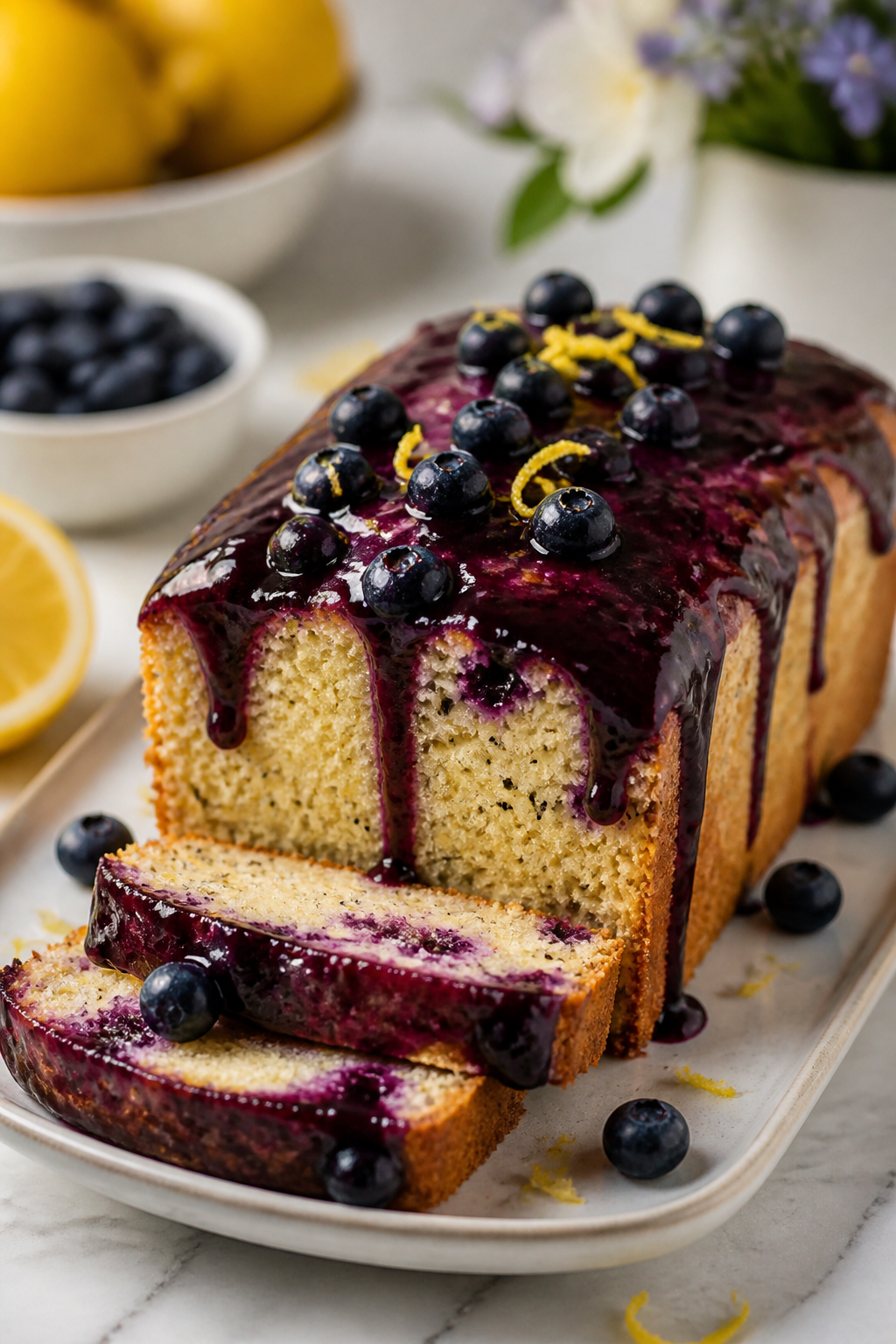
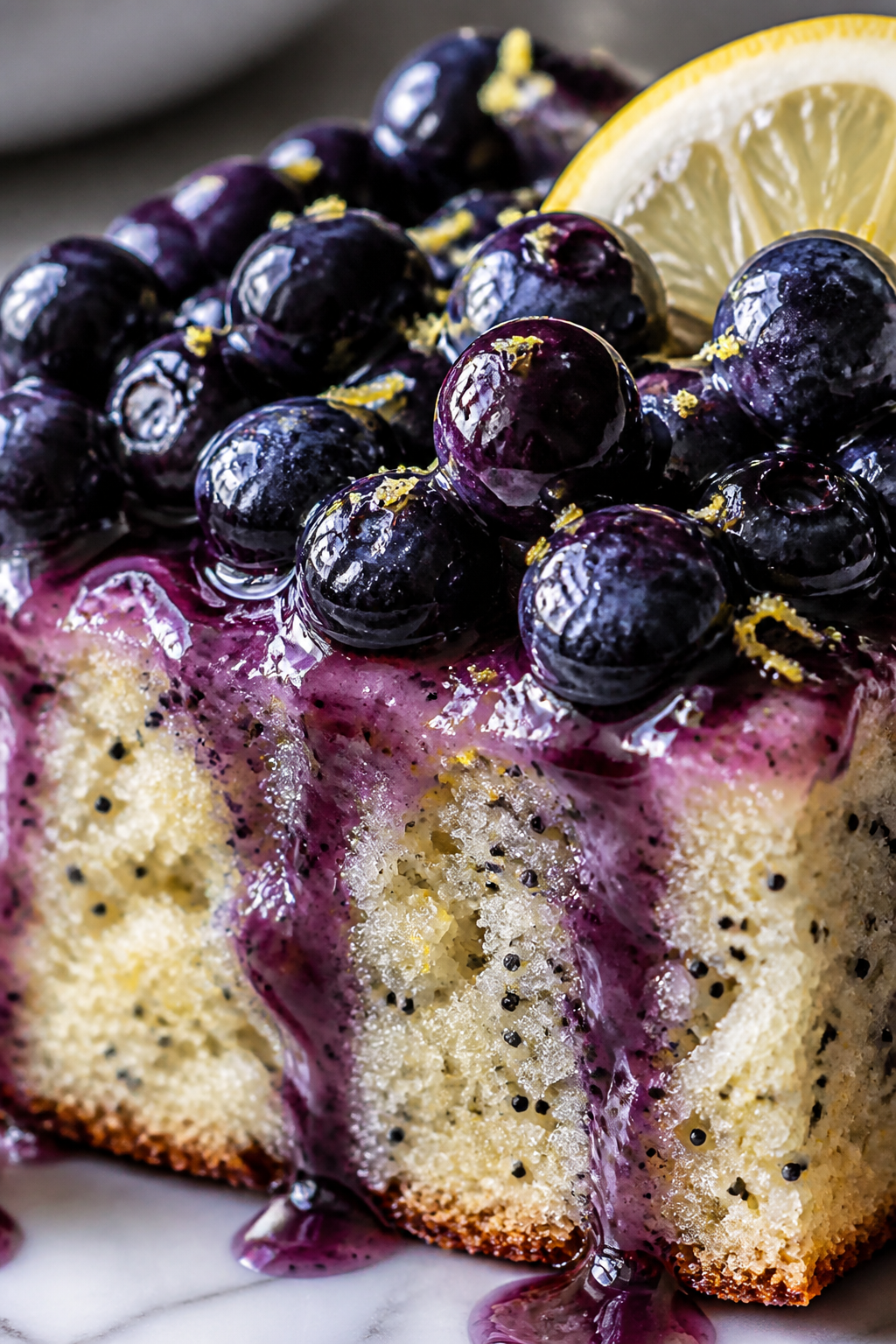
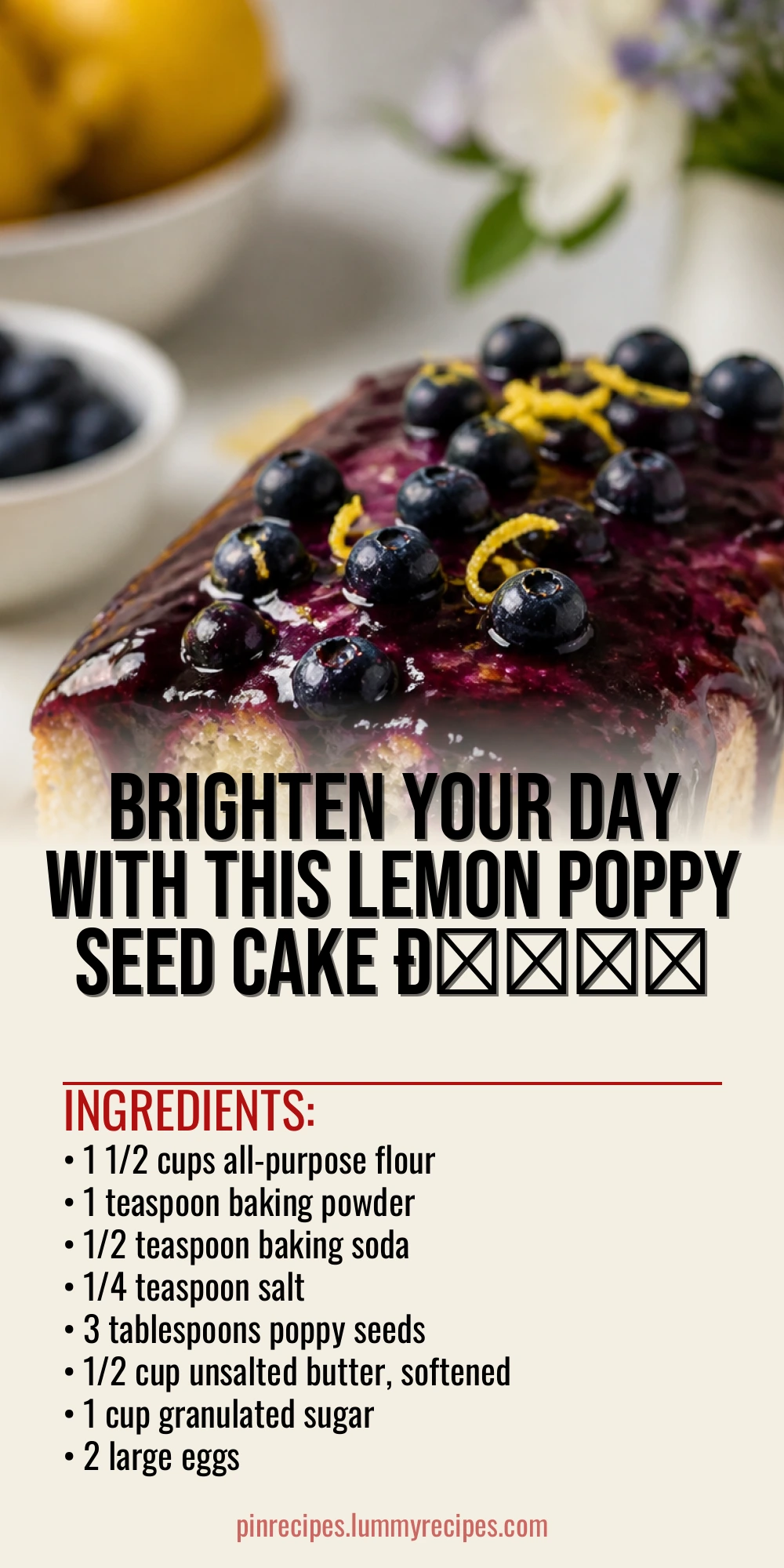
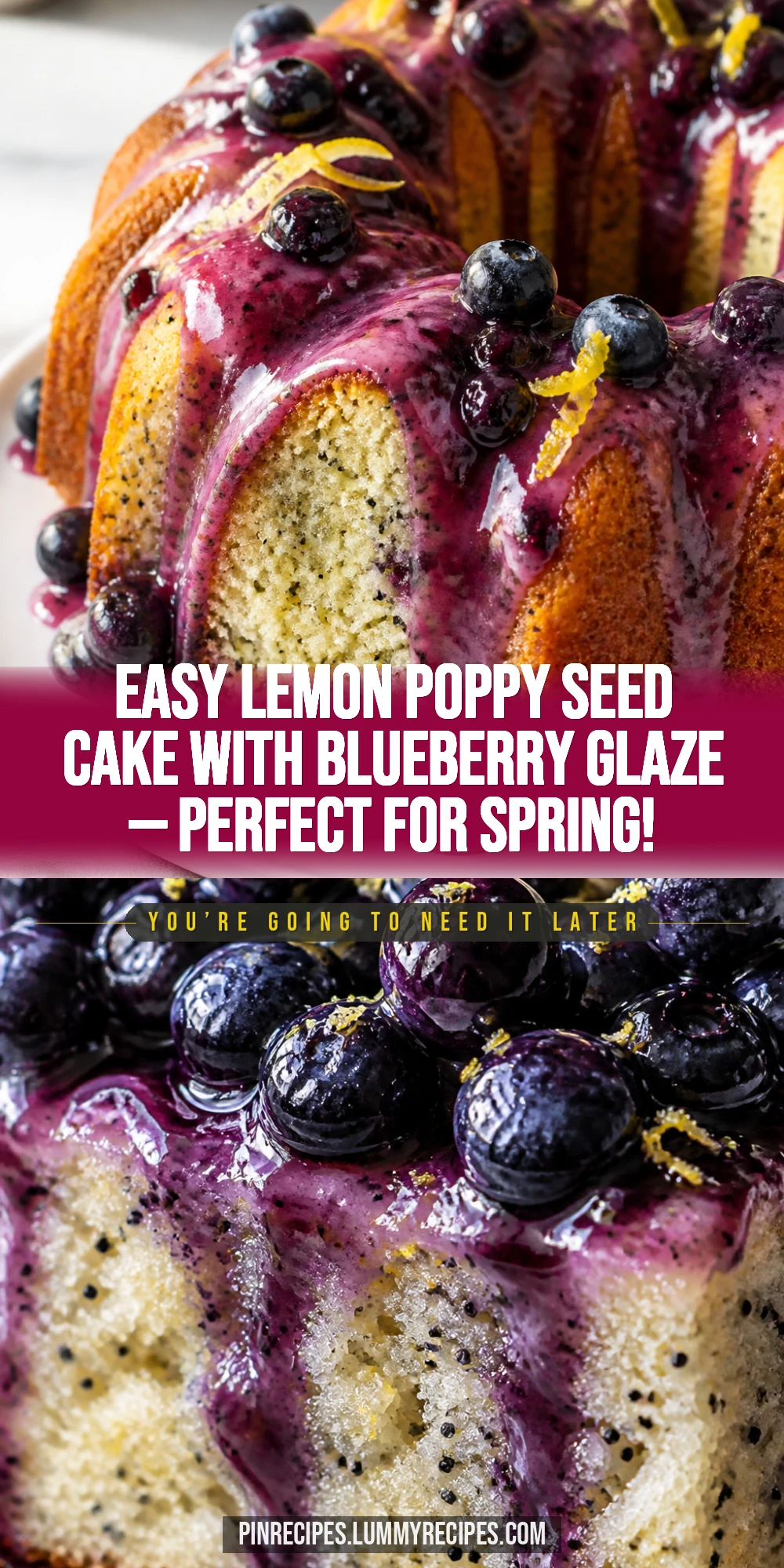
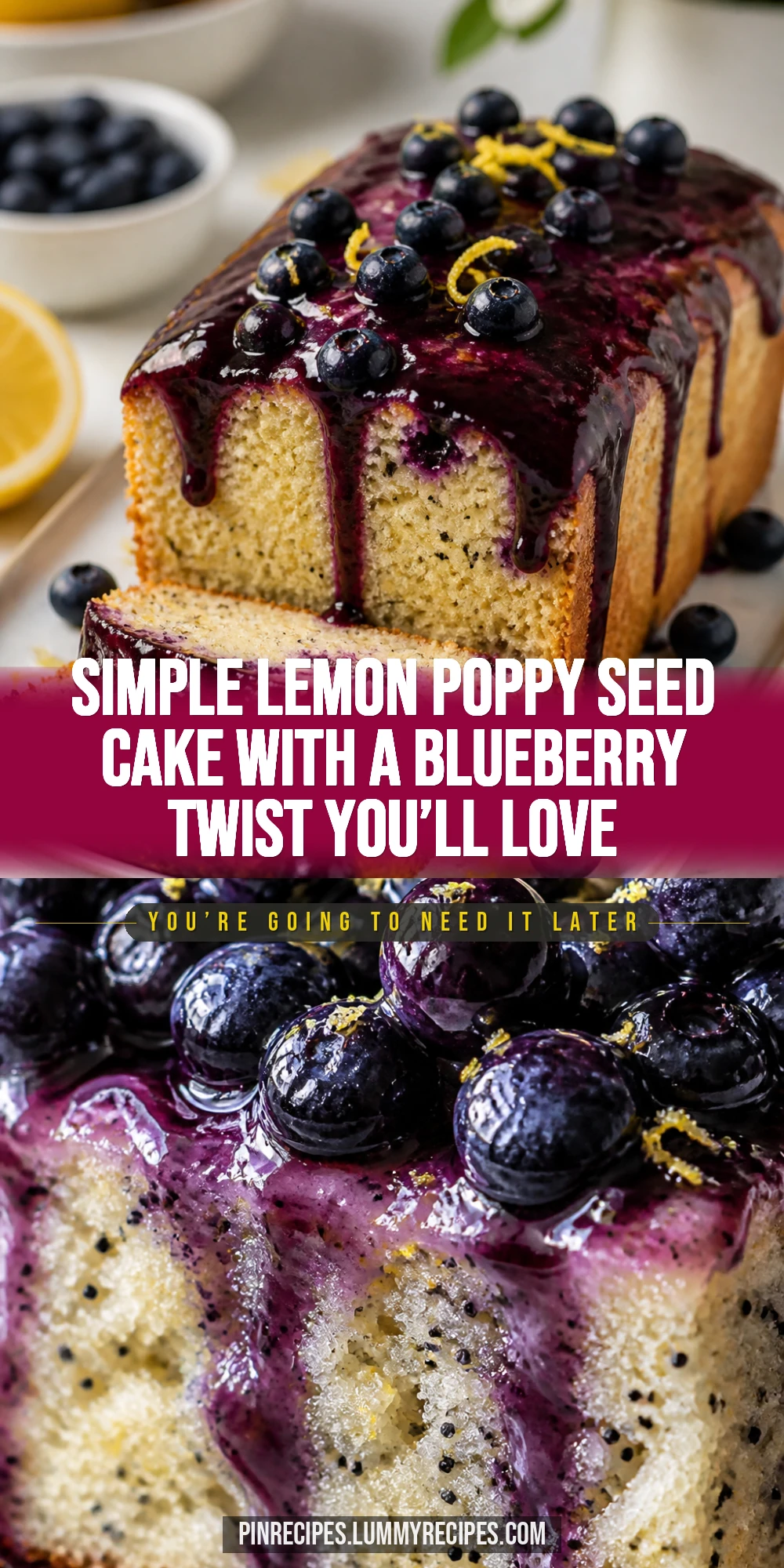
This lemon poppy seed cake is light and zesty, topped with a fresh blueberry glaze that adds a sweet-tart finish. The poppy seeds give a nice crunch, and it’s perfect for spring brunches or afternoon tea.
Introduction
I first made this lemon poppy seed cake a few springs ago when I wanted a light, bright dessert that wasn’t overly sweet. What makes this cake stand out is the fresh blueberry glaze — it adds just the right balance of sweetness and a little tang that pairs beautifully with the lemon. I’ve tried other lemon cakes before, but this one has a moist crumb thanks to the sour cream, and the poppy seeds give a subtle crunch that’s so satisfying. The trick I learned is to zest the lemon before juicing it to get the freshest flavor, and folding the wet ingredients gently to keep the cake tender. When it comes out of the oven, the aroma is just heavenly, and the glaze adds a gorgeous glossy finish that makes it perfect for spring gatherings or afternoon tea. Honestly, it’s become a favorite in my family — even my picky eaters ask for seconds! The cake is simple enough for a weeknight treat but special enough to serve guests. I think you’ll love how fresh and vibrant it tastes, with just the right amount of sweetness and texture contrast.
What You'll Need
One 9-inch cake, 8 servings
- 1 1/2 cups all-purpose flour
- 1 teaspoon baking powder
- 1/2 teaspoon baking soda
- 1/4 teaspoon salt
- 3 tablespoons poppy seeds
- 1/2 cup unsalted butter, softened
- 1 cup granulated sugar
- 2 large eggs
- 1/2 cup sour cream
- 1/4 cup fresh lemon juice
- 1 tablespoon lemon zest
- 1 teaspoon vanilla extract
- For the glaze:
- 1 cup fresh blueberries
- 1/4 cup powdered sugar
- 1 tablespoon lemon juice
How To Do It
Step 1
Preheat your oven to 350°F (175°C) and grease a 9-inch round cake pan with butter or nonstick spray. This step is crucial because it prevents the cake from sticking and helps it bake evenly. Make sure to coat the pan thoroughly, including the sides, to allow the cake to release easily after baking. If you skip this or don’t grease well, the cake might tear when you try to remove it.
⏱ Time: 10 minutes
✓ Doneness: Pan is evenly greased and no dry spots remain
Step 2
In a medium bowl, whisk together the flour, baking powder, baking soda, salt, and poppy seeds. Sifting the dry ingredients helps to aerate the flour and evenly distribute the leavening agents and poppy seeds, which results in a lighter cake texture. Mixing these dry ingredients first ensures they’re well combined before adding to the wet mixture, preventing clumps and uneven rising.
⏱ Time: 5 minutes
✓ Doneness: Dry ingredients are fully combined with no lumps
Step 3
In a large bowl, beat the softened butter and sugar together until pale and fluffy, about 3-4 minutes. This creaming step incorporates air into the batter, which helps the cake rise and creates a tender crumb. Use room temperature butter for the best results; cold butter won’t cream properly and melted butter will make the batter too dense.
⏱ Time: 4 minutes
✓ Doneness: Butter and sugar mixture is light in color and fluffy in texture
Step 4
Add the eggs one at a time, beating well after each addition. This ensures the eggs are fully incorporated, which helps with the structure of the cake. Adding eggs slowly prevents the batter from curdling and keeps it smooth. If you add them all at once, the mixture might separate, leading to a dense cake.
⏱ Time: 3 minutes
✓ Doneness: Batter is smooth and glossy with no streaks of egg
Step 5
Mix in the sour cream, lemon juice, lemon zest, and vanilla extract until just combined. The sour cream adds moisture and tenderness, while the lemon juice and zest provide fresh citrus flavor. Be careful not to overmix here; overworking the batter can develop gluten and make the cake tough.
⏱ Time: 2 minutes
✓ Doneness: Wet ingredients are evenly mixed with no streaks
Step 6
Gradually fold the dry ingredients into the wet mixture using a spatula. Folding gently helps maintain the air bubbles from the creamed butter and sugar, keeping the cake light. Mix just until you see no more flour; overmixing will result in a denser texture.
⏱ Time: 3 minutes
✓ Doneness: Batter is smooth with no visible flour streaks
Step 7
Pour the batter into the prepared pan and smooth the top with a spatula. Tap the pan lightly on the counter to release any large air bubbles. This step helps the cake bake evenly without large holes or tunnels inside.
⏱ Time: 5 minutes
✓ Doneness: Batter is evenly distributed and surface is smooth
Step 8
Bake for 28-32 minutes, or until a toothpick inserted in the center comes out clean or with a few moist crumbs. Baking time can vary depending on your oven, so start checking around 28 minutes. Avoid opening the oven door too often, as this can cause the cake to sink.
⏱ Time: 30 minutes
✓ Doneness: Toothpick comes out clean or with a few moist crumbs
Step 9
While the cake cools, prepare the blueberry glaze by blending fresh blueberries, powdered sugar, and lemon juice until smooth. Strain the mixture to remove skins if you want a silky glaze. Pour over the cooled cake and let it set for 15 minutes before serving. The glaze adds a fresh fruity brightness and a pretty finish.
⏱ Time: 15 minutes
✓ Doneness: Glaze is smooth, glossy, and slightly thickened
Pro Tips
Always use room temperature butter and eggs for better mixing.
Room temperature ingredients blend more smoothly, creating a uniform batter that traps air better. Cold butter won’t cream properly, and cold eggs can cause the batter to seize or curdle, resulting in a dense cake.
Zest lemons before juicing to maximize flavor.
Lemon zest contains essential oils that provide intense citrus aroma and flavor. If you juice first, you risk losing some zest or the zest may be dry and less flavorful, reducing the cake’s lemony brightness.
Don’t overmix the batter once flour is added.
Overmixing develops gluten, which makes cakes tough and chewy. Folding gently just until combined keeps the crumb tender and light, which is essential for this delicate cake.
Tap the cake pan before baking to release large air bubbles.
Tapping helps remove big pockets of air that could cause holes or uneven baking. This ensures a uniform crumb and prevents the cake from collapsing during baking.
Use fresh blueberries for the glaze and strain for a smooth finish.
Fresh berries provide natural sweetness and vibrant color. Straining removes skins and seeds, giving a glossy, attractive glaze that enhances the cake’s presentation.
Let the cake cool completely before glazing.
Applying glaze to warm cake can cause it to melt and run off, resulting in a messy presentation. Cooling allows the glaze to set properly and enhances flavor contrast.
Measure flour correctly by spooning and leveling.
Scooping flour directly with a cup packs it tightly, leading to dry, dense cakes. Spoon flour into the measuring cup and level off for accuracy and a moist, tender crumb.
Common Mistakes to Avoid
Using cold butter or eggs
Why it happens Many people forget to take ingredients out ahead of time or rush the process, assuming it won’t affect the cake.
Fix Plan ahead and remove butter and eggs from the fridge 30-60 minutes before baking. This ensures better mixing and a lighter cake texture.
Overmixing after adding flour
Why it happens It’s tempting to mix thoroughly to avoid lumps, but this develops gluten.
Fix Mix just until no flour streaks remain. Use a spatula to gently fold in the flour rather than beating vigorously.
Not greasing the pan well
Why it happens Sometimes people rush or assume a light spray is enough.
Fix Grease the pan thoroughly with butter or nonstick spray, covering sides and bottom to prevent sticking and tearing.
Baking at too high a temperature
Why it happens Ovens vary, and some cooks increase heat to speed baking.
Fix Stick to 350°F (175°C). Higher temps can dry out the cake or brown it too fast, leaving the inside undercooked.
Applying glaze to warm cake
Why it happens Impatience or misunderstanding of glaze setting.
Fix Wait until the cake is completely cool before glazing to avoid melting and uneven coverage.
Variations
Almond Lemon Poppy Seed Cake
Swap half the flour for almond flour and add 1/2 teaspoon almond extract for a nutty twist. The almond flour adds moistness and a subtle crunch, complementing the lemon beautifully.
Note: Almond flour can make the batter denser; fold gently and check baking time as it may need a few extra minutes.
Gluten-Free Lemon Poppy Seed Cake
Use a 1-to-1 gluten-free baking flour blend instead of all-purpose flour. The texture will be slightly different but still moist and flavorful, perfect for gluten-sensitive guests.
Note: Gluten-free flours absorb moisture differently; you may need to add an extra tablespoon of sour cream or lemon juice.
Vegan Lemon Poppy Seed Cake
Replace eggs with flax eggs and use vegan butter and coconut yogurt instead of sour cream. The cake will be slightly denser but still moist and delicious.
Note: Flax eggs take longer to bind, so let the batter rest for 5 minutes before baking to improve texture.
Blueberry Swirl Lemon Poppy Seed Cake
Fold fresh blueberries into the batter before baking for bursts of juicy fruit inside. This adds texture and flavor beyond the glaze.
Note: Coat blueberries lightly in flour before folding to prevent them from sinking to the bottom.
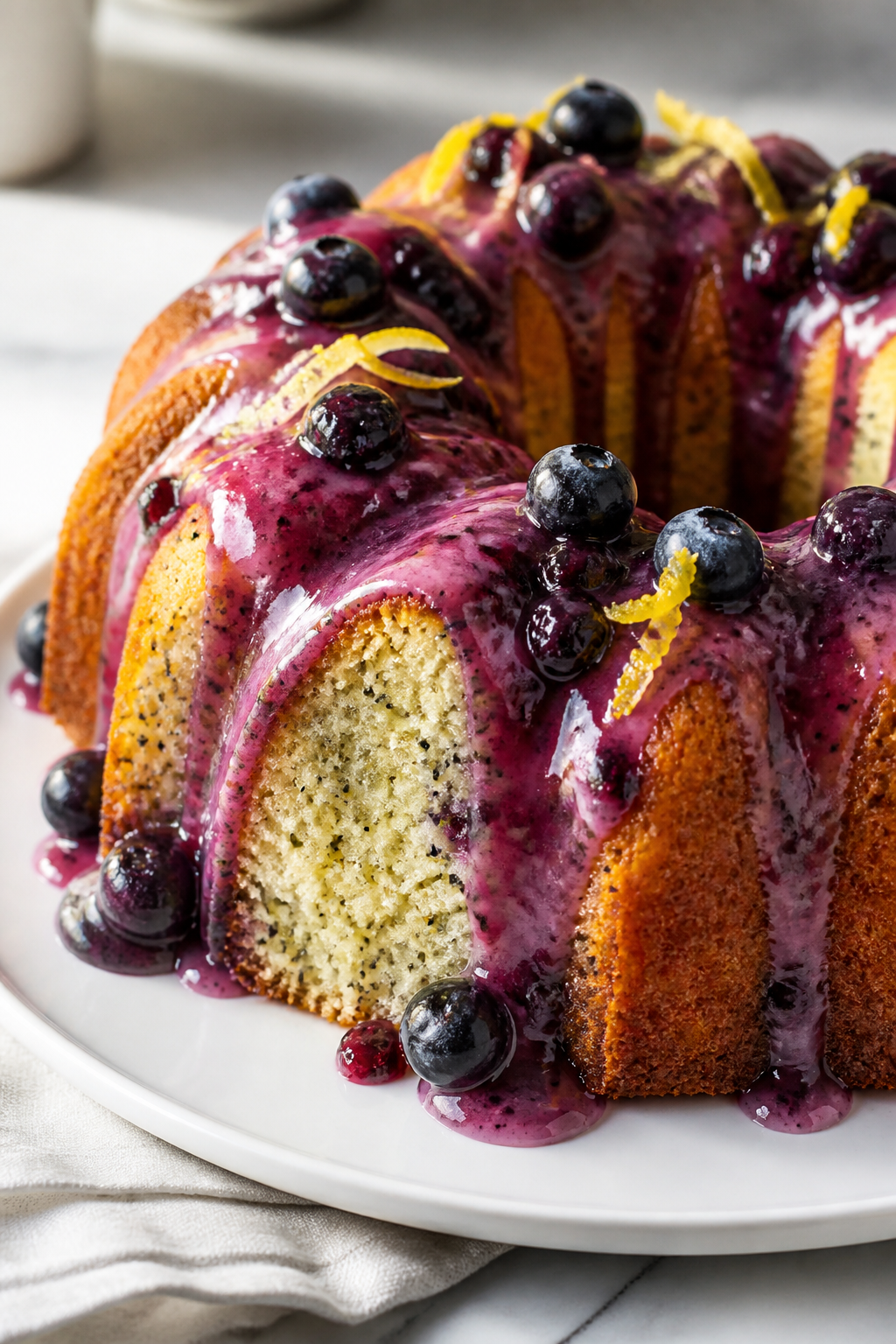
Lemon Poppy Seed Bundt Cake
Bake the batter in a bundt pan for a festive presentation. The shape allows more crust edges, adding a pleasant texture contrast.
Note: Increase baking time by 5-10 minutes and check doneness with a toothpick carefully.
Nutrition
Per Serving:
Nutritional values are estimates and may vary based on specific ingredients used.
Storage & Tips
Room Temperature
Store the cake covered loosely with a cake dome or plastic wrap at room temperature for up to 2 days. Keep it away from direct sunlight or heat sources to prevent the glaze from melting.
Refrigerator
Keep the cake in an airtight container in the fridge for up to 5 days. The glaze may firm up and the cake will be denser when cold, so bring to room temperature before serving for best flavor.
Freezer
Wrap the cake tightly in plastic wrap and then foil, freezing for up to 2 months. Thaw overnight in the fridge, then bring to room temperature before serving to restore texture.
Reheating
Warm individual slices gently in the microwave for 10-15 seconds or in a 300°F oven for 5-7 minutes to revive softness. Avoid overheating which can dry out the cake. No need to reheat the glaze separately.
Make Ahead
Bake the cake a day ahead and store covered at room temperature. Prepare the blueberry glaze fresh on the day of serving and pour over the cooled cake to keep it fresh and vibrant.
FAQ
Can I use frozen blueberries for the glaze?
Yes, but thaw them completely and drain excess liquid before blending. Frozen berries may produce a thinner glaze and less vibrant color, so you might want to reduce added lemon juice slightly.
What if I don’t have sour cream?
You can substitute plain Greek yogurt or crème fraîche in equal amounts. These provide similar moisture and acidity, though yogurt may make the cake slightly tangier.
How do I know when the cake is done?
Insert a toothpick into the center; it should come out clean or with a few moist crumbs. If batter sticks, bake for a few more minutes and test again to avoid underbaking.
Can I make this cake dairy-free?
Yes, use vegan butter and a dairy-free yogurt or sour cream substitute. The texture might be slightly different but still delicious and moist.
Why is my cake dense or heavy?
Common causes include overmixing the batter, using cold ingredients, or inaccurate flour measurement. Use room temperature ingredients, fold gently, and measure flour properly for a light crumb.
Can I double the recipe for a larger cake?
Absolutely. Use a larger pan or two pans and increase baking time by 5-10 minutes. Check doneness with a toothpick to avoid over or underbaking.
How long will the glaze keep?
The blueberry glaze is best used fresh but can be stored in the fridge for up to 3 days in an airtight container. Stir before using as it may separate slightly.
Can I add nuts to this cake?
Yes, chopped almonds or walnuts can be folded into the batter for extra texture. Toast nuts lightly for more flavor and add about 1/2 cup.
Final Thoughts
I hope you enjoy making and sharing this bright lemon poppy seed cake with blueberry glaze. It’s such a fresh, easy treat perfect for spring—let me know how yours turns out!