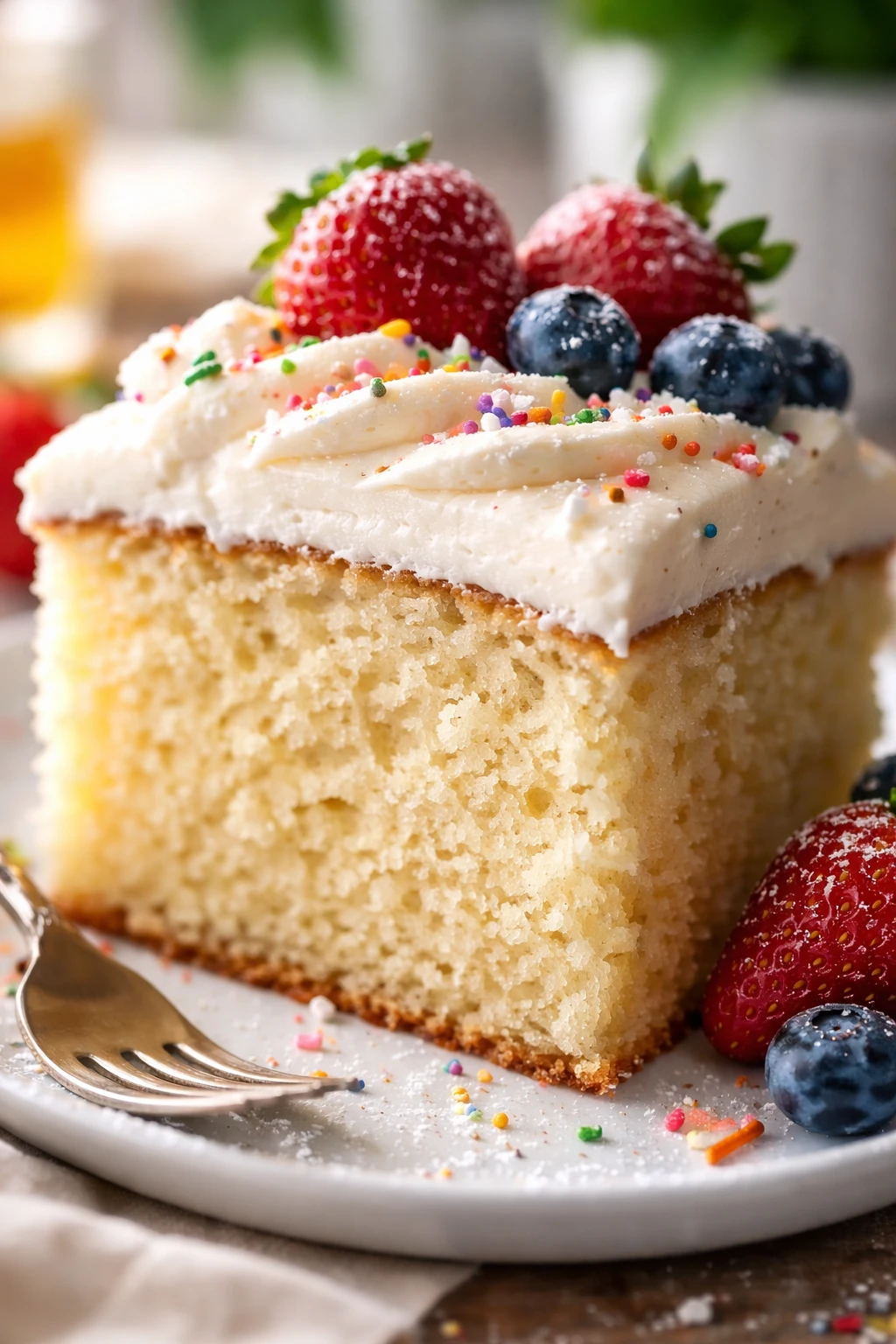
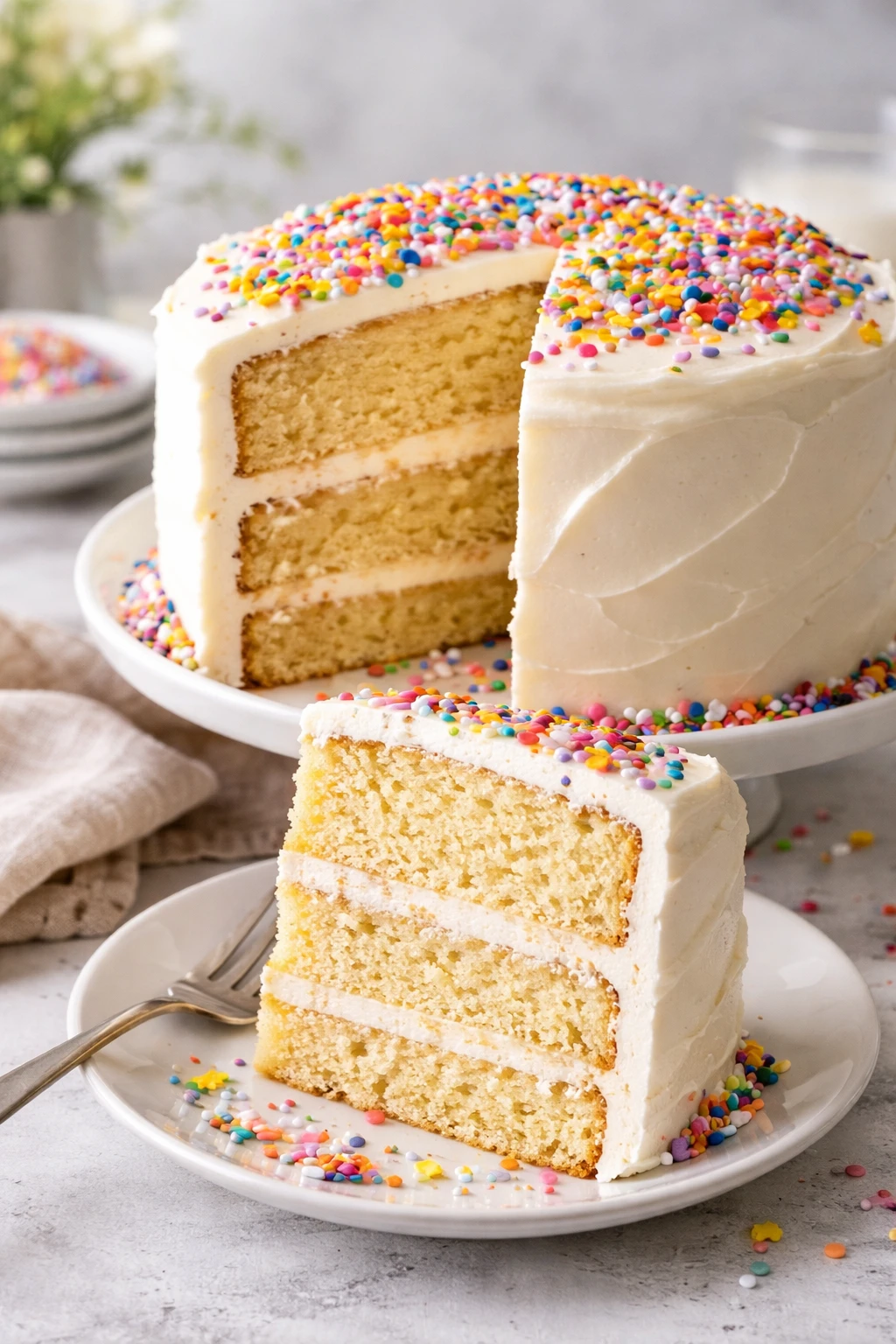
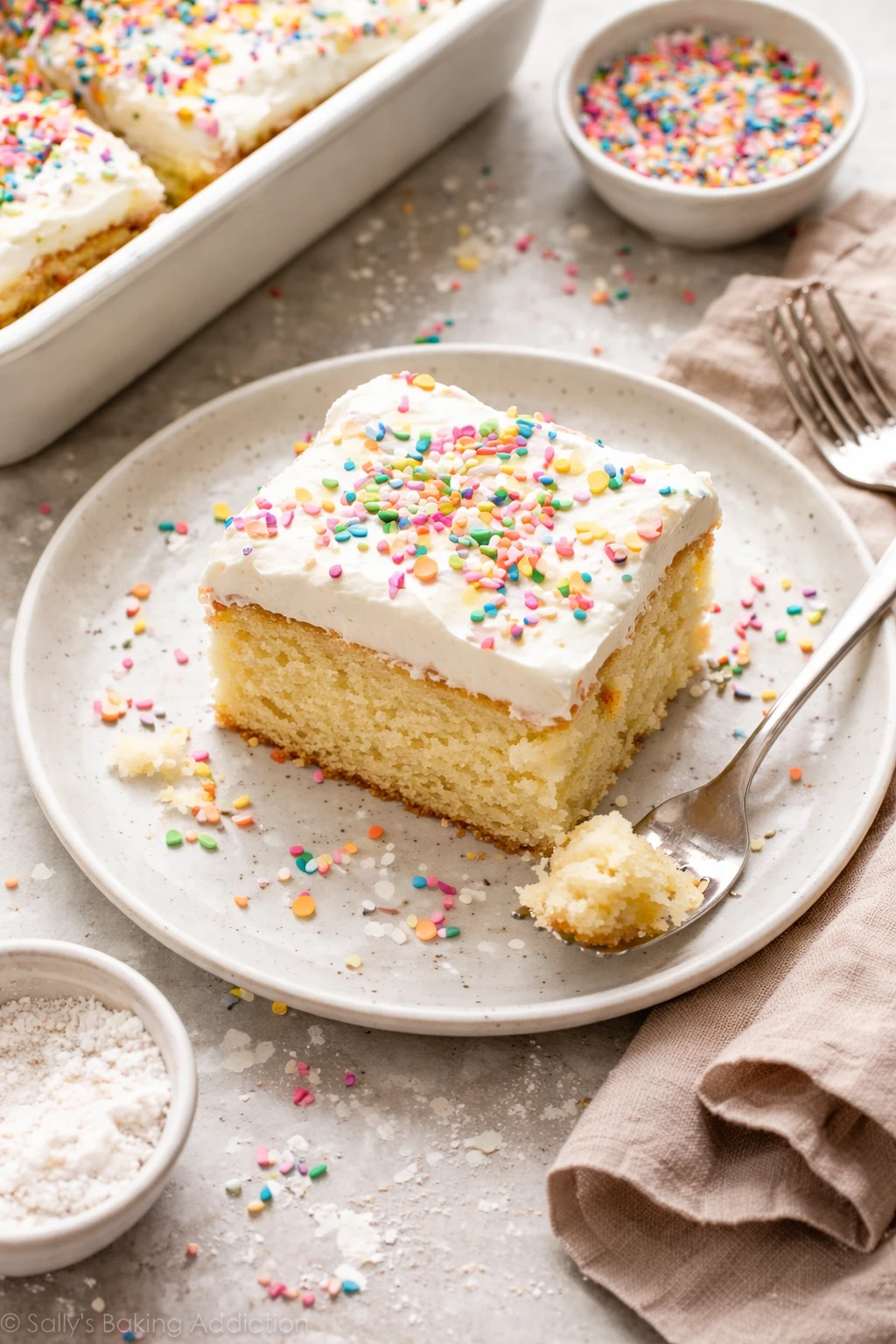
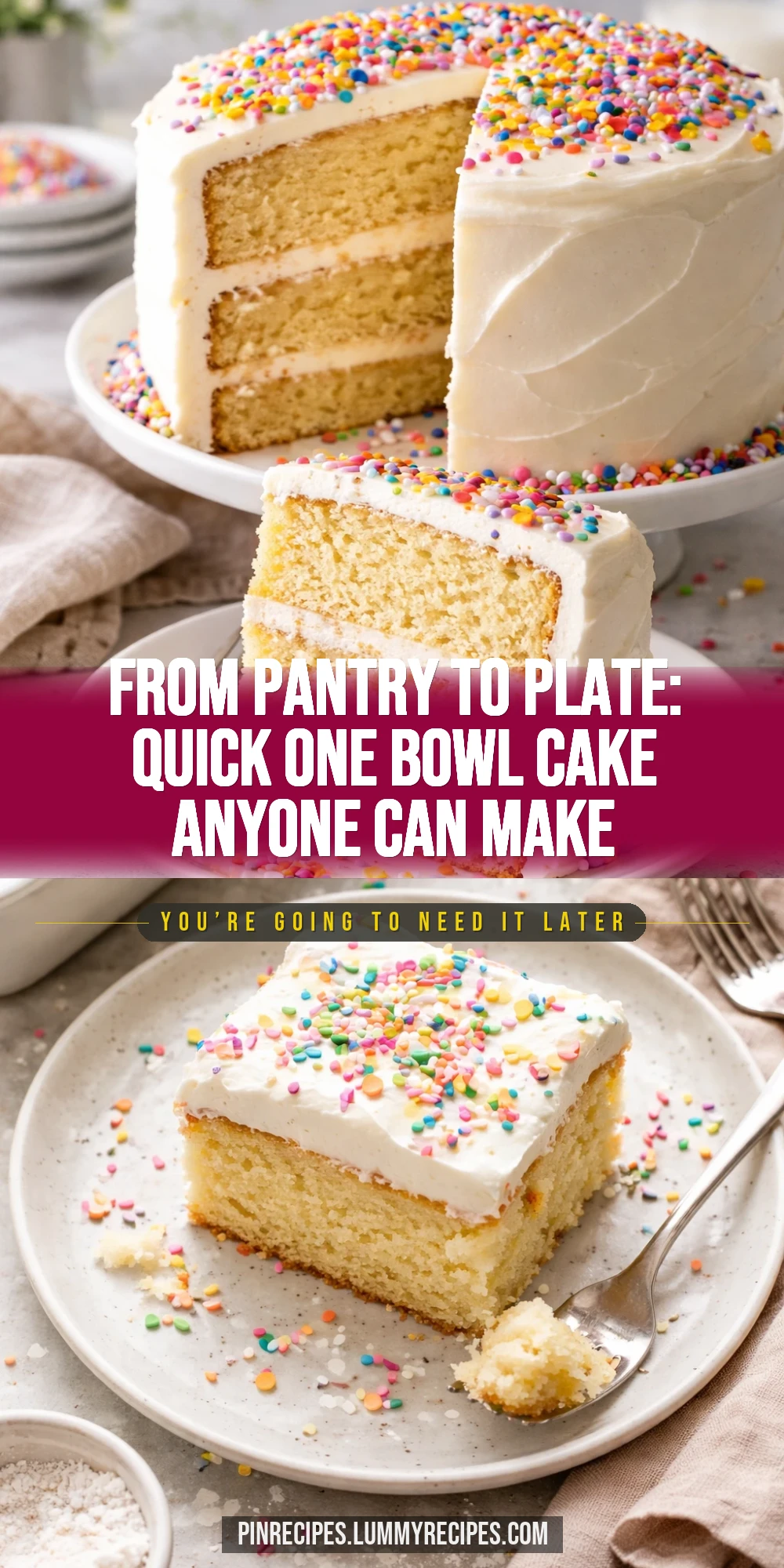
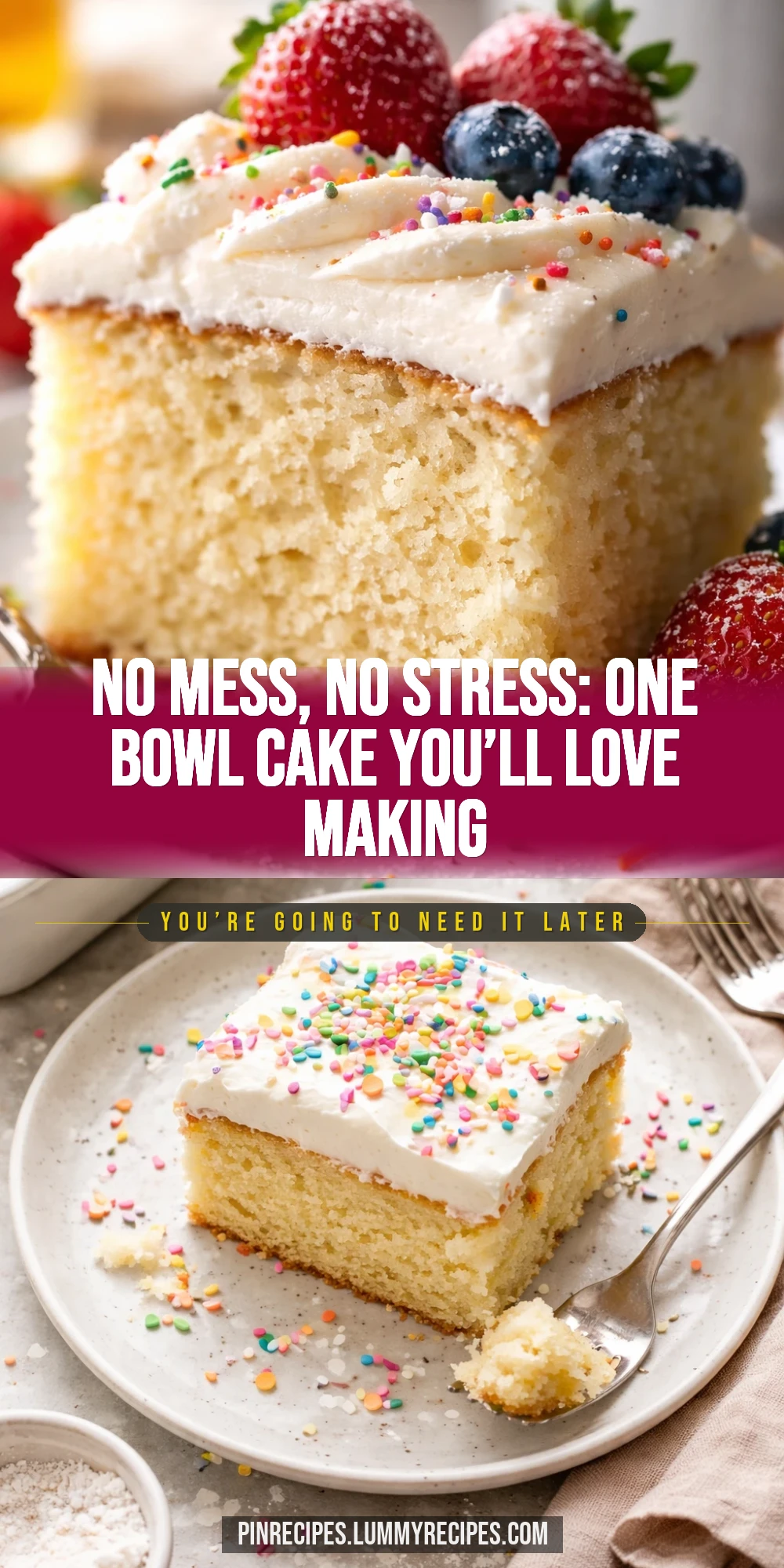
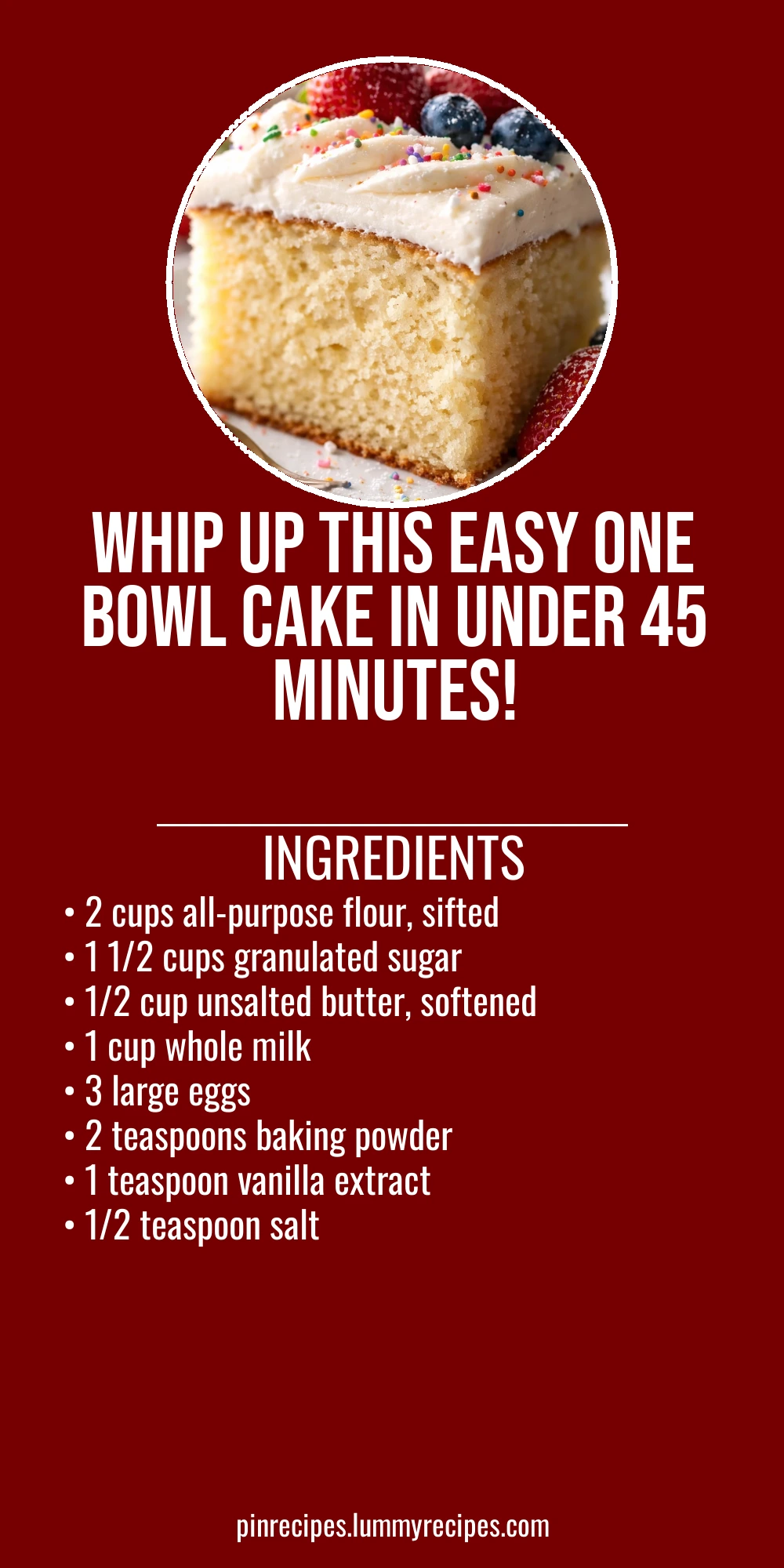
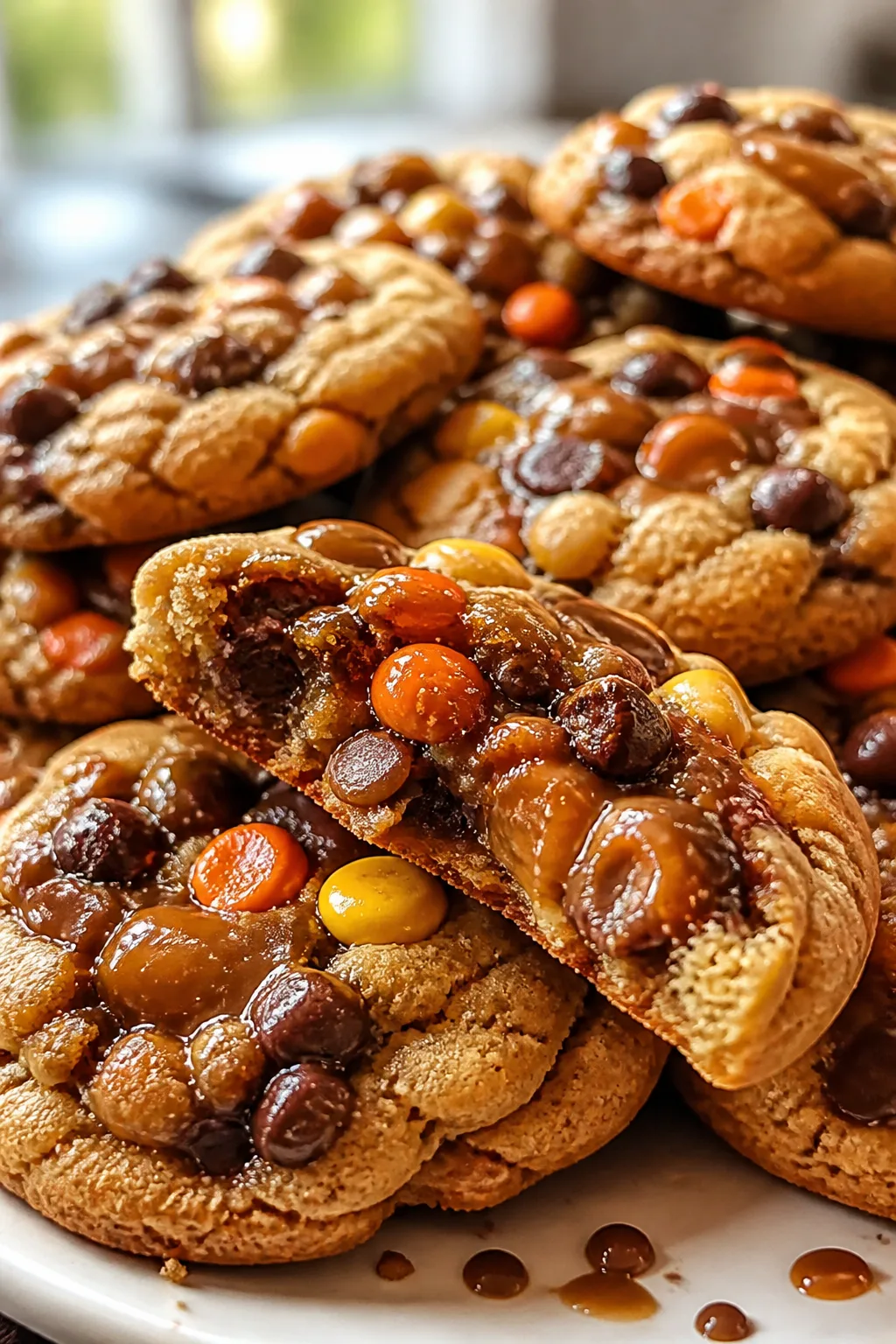
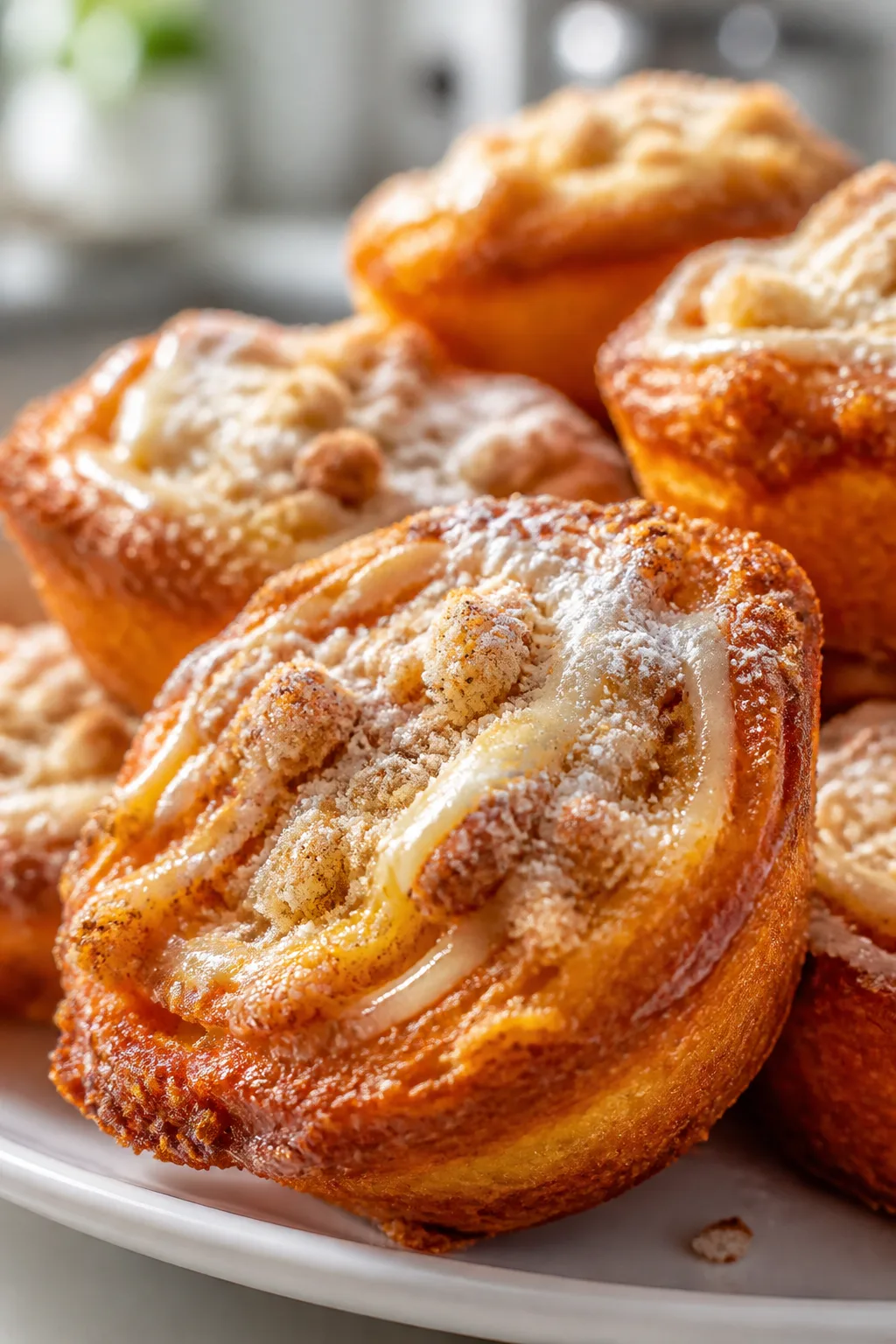
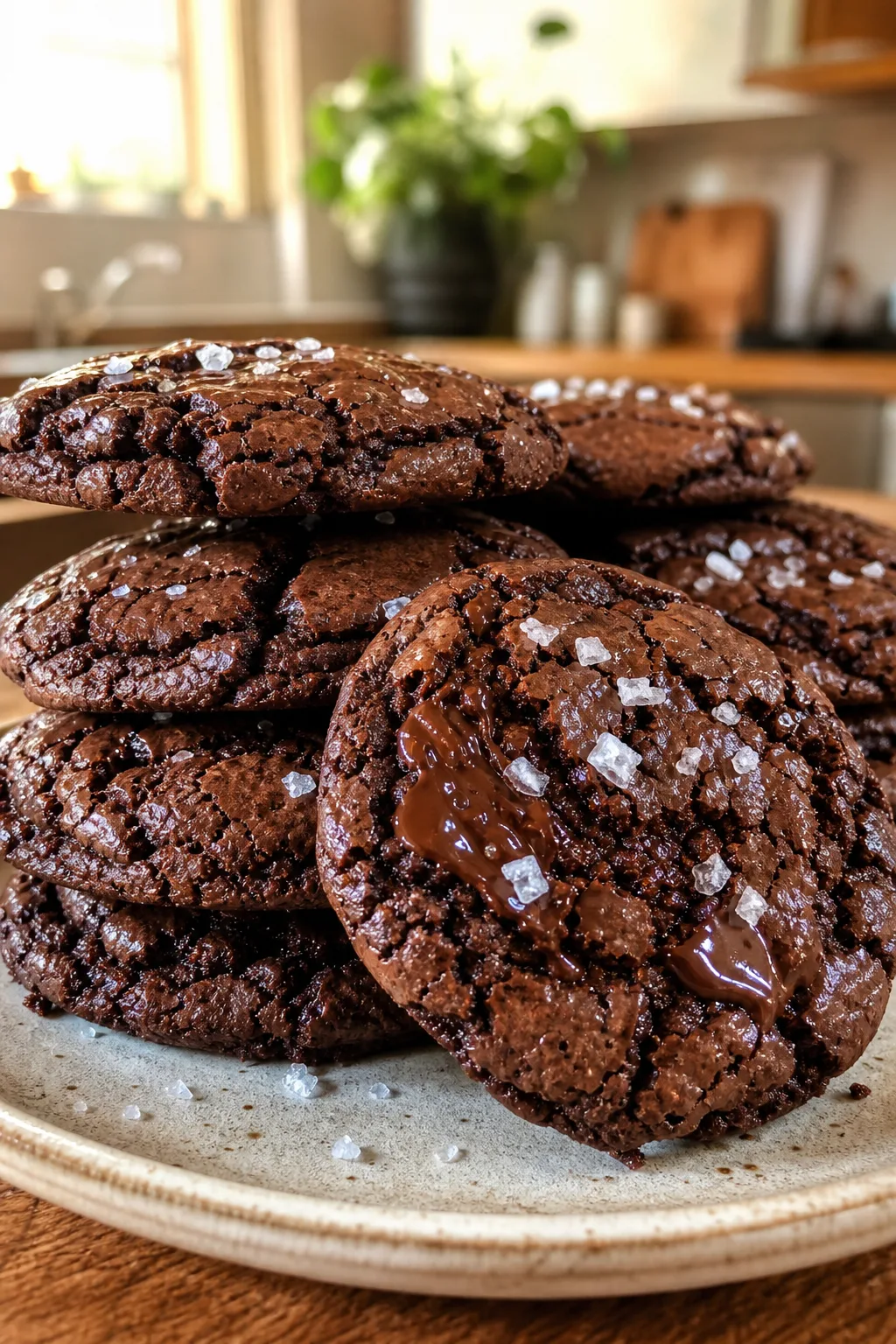
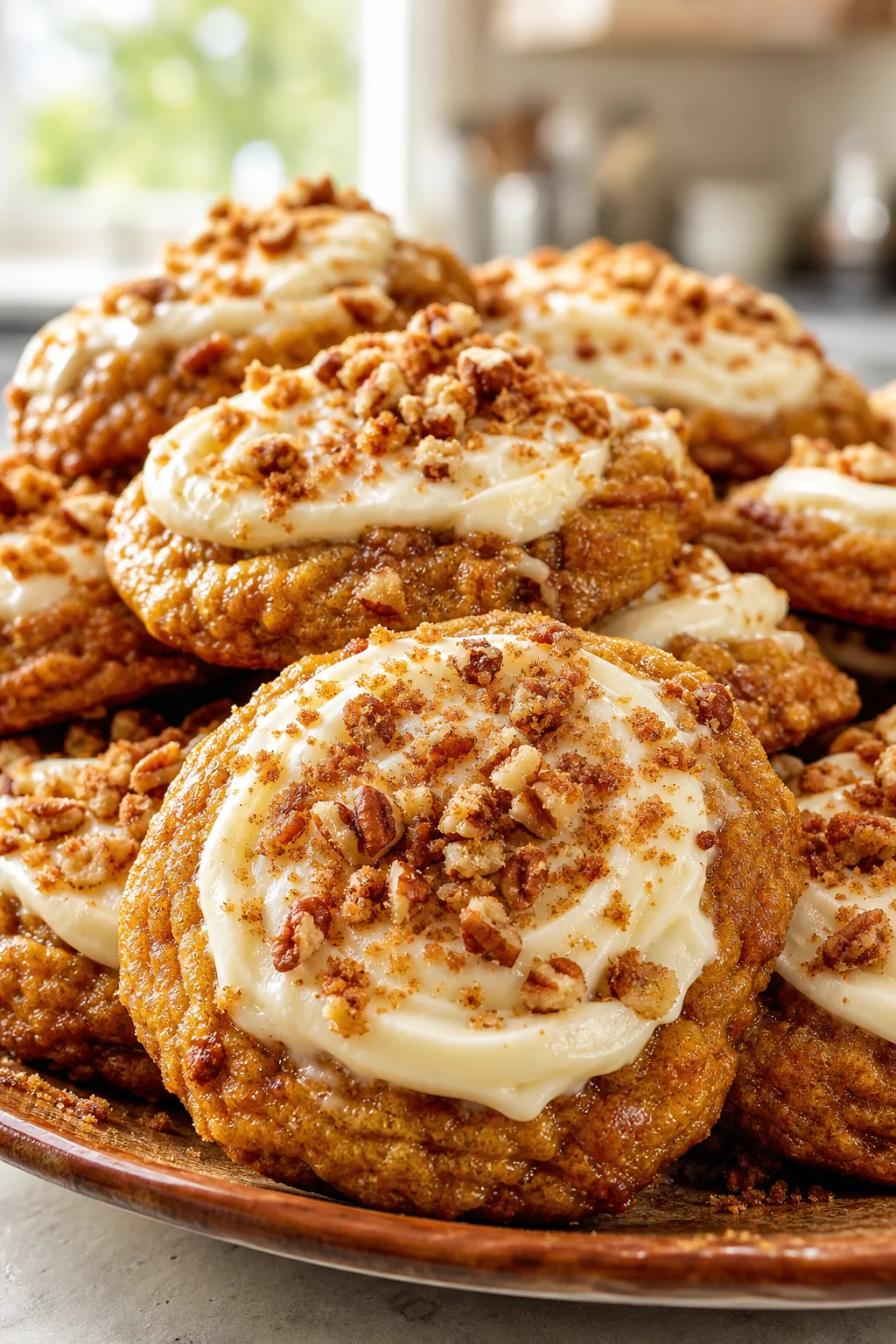
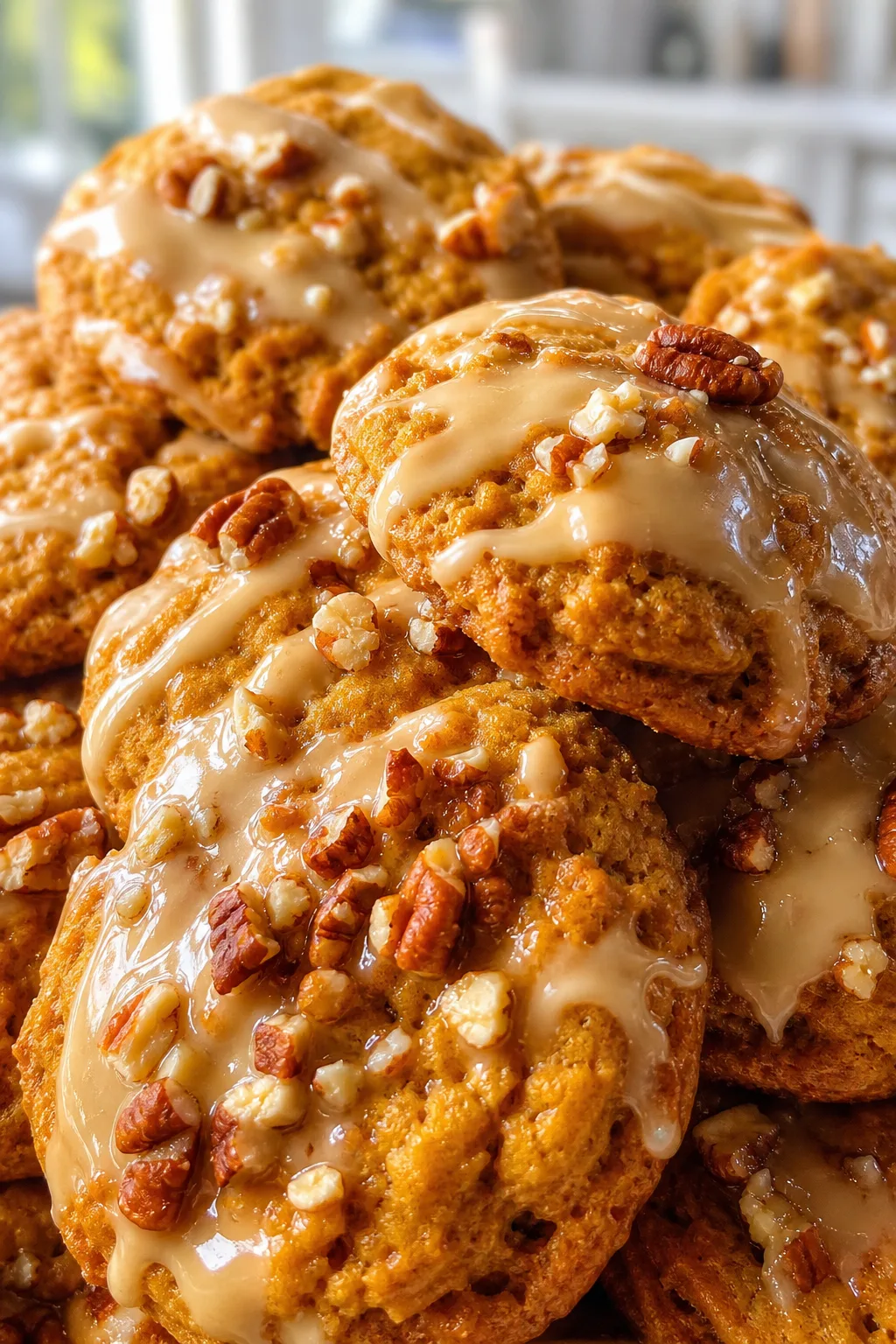
This one bowl cake is a game changer—super simple with minimal cleanup, yet so moist and flavorful. Using just one bowl means you can whip it up quickly for last-minute celebrations or cozy afternoons. Trust me, it’s a keeper!
Introduction
I remember the first time I made this one bowl cake recipe—it was a rainy afternoon, and I wanted something sweet without the hassle of a big mess. This cake quickly became my go-to because it’s so straightforward: mix everything in one bowl, no fancy gadgets needed. What sets this version apart is the balance of ingredients and the method I use to combine them gently, which keeps the crumb tender and moist. I’ve tried other one bowl cakes before, but sometimes they turn out dense or dry. This one hits the sweet spot every time, with a soft texture and just the right sweetness. Plus, it’s versatile—you can dress it up with frosting, fresh fruit, or enjoy it plain with a cup of tea. The trick I learned is to not overmix once the flour is added; it makes all the difference in the crumb. When it comes out of the oven, it’s golden on the outside and perfectly soft inside. I love how simple this recipe is, especially when you need a dessert fast but want it to taste homemade and special. It’s become a favorite for birthdays, casual get-togethers, and those days when you just need a little cake comfort.
What You'll Need
One 9-inch round cake, 8 servings
- 2 cups all-purpose flour, sifted
- 1 1/2 cups granulated sugar
- 1/2 cup unsalted butter, softened
- 1 cup whole milk
- 3 large eggs
- 2 teaspoons baking powder
- 1 teaspoon vanilla extract
- 1/2 teaspoon salt
How To Do It
Step 1
Preheat your oven to 350°F (175°C). Grease a 9-inch round cake pan with butter or non-stick spray and lightly dust with flour to prevent sticking. This step ensures your cake will release easily after baking without crumbling or tearing, which can happen if the pan isn’t properly prepared. Take your time here because a well-prepped pan is key to a perfect cake shape and texture.
⏱ Time: 10 minutes
✓ Doneness: Pan is evenly greased with no dry spots and a light flour coating
Step 2
In a large mixing bowl, combine the softened butter and sugar. Use a hand mixer or stand mixer on medium speed to cream them together until the mixture is light and fluffy, about 3-4 minutes. This process incorporates air into the batter, which helps the cake rise and gives it a tender crumb. Don’t rush this step or the cake might turn out dense.
⏱ Time: 4 minutes
✓ Doneness: Mixture is pale, fluffy, and smooth with no visible sugar grains
Step 3
Add the eggs one at a time, beating well after each addition to fully incorporate. This gradual mixing helps maintain the emulsion and prevents the batter from curdling. If you add all eggs at once, the batter might separate, affecting texture and rise.
⏱ Time: 3 minutes
✓ Doneness: Batter is smooth and glossy with no streaks of egg white
Step 4
Mix in the vanilla extract for flavor. This might seem like a small addition, but vanilla enhances the sweetness and rounds out the taste. Use pure vanilla extract for the best aroma and depth.
⏱ Time: 1 minute
✓ Doneness: Vanilla is fully blended, no pockets of liquid remain
Step 5
In a separate bowl, whisk together the flour, baking powder, and salt. Sifting the dry ingredients helps to aerate them and ensures even distribution of the leavening agent, which is essential for a consistent rise and texture.
⏱ Time: 5 minutes
✓ Doneness: Dry ingredients are fully combined with no clumps
Step 6
Add the dry ingredients to the wet mixture in three additions, alternating with the milk, starting and ending with the flour mixture. Stir gently with a spatula after each addition just until combined. Overmixing at this stage develops gluten, which can make the cake tough instead of tender. The batter should look smooth but still slightly thick.
⏱ Time: 5 minutes
✓ Doneness: Batter is smooth with no visible streaks of flour
Step 7
Pour the batter into the prepared cake pan and smooth the top with a spatula. This ensures even baking and a nice flat surface for frosting or decoration. Tap the pan gently on the counter to release any large air bubbles trapped in the batter.
⏱ Time: 3 minutes
✓ Doneness: Batter is evenly spread with no large air pockets
Step 8
Bake in the preheated oven for 28-32 minutes. Start checking at 28 minutes by inserting a toothpick into the center; it should come out clean or with a few moist crumbs. Baking too long will dry out the cake, while underbaking leaves it gummy inside.
⏱ Time: 30 minutes
✓ Doneness: Toothpick inserted in center comes out clean or with a few moist crumbs
Step 9
Allow the cake to cool in the pan for 10 minutes, then turn it out onto a wire rack to cool completely. Cooling in the pan too long traps steam and can make the bottom soggy. Cooling on a rack lets air circulate, preserving the cake’s texture.
⏱ Time: 20 minutes
✓ Doneness: Cake is cool to the touch and firm enough to handle without breaking
Pro Tips
Don’t overmix after adding the flour.
Overmixing develops gluten strands in the flour, which makes the cake tough and chewy rather than tender. Mixing just until combined keeps the crumb soft and delicate.
Use room temperature ingredients.
Butter, eggs, and milk at room temperature blend more evenly and trap air better during mixing, resulting in a fluffier cake. Cold ingredients can cause the batter to curdle or mix unevenly.
Sift your dry ingredients.
Sifting aerates the flour and evenly distributes baking powder and salt, preventing clumps and ensuring a consistent rise and texture throughout the cake.
Cream butter and sugar thoroughly.
Proper creaming incorporates air bubbles that expand during baking, giving the cake lift and a lighter texture. Skipping or rushing this step leads to a denser cake.
Check the cake a few minutes before the minimum baking time.
Ovens vary, so checking early prevents overbaking, which dries out the cake. Use a toothpick to test doneness for the best results.
Cool the cake on a wire rack.
Cooling on a rack allows air to circulate around the cake, preventing moisture buildup and soggy bottom crust.
Tap the pan gently after pouring batter.
This releases large air bubbles that can cause holes or uneven texture in the baked cake, ensuring a smooth crumb.
Common Mistakes to Avoid
Using melted butter instead of softened
Why it happens Some assume melted butter is easier to mix, but it doesn’t trap air like softened butter does during creaming.
Fix Always use butter softened to room temperature—soft enough to indent but not oily. This traps air for a fluffy texture.
Overmixing batter after adding flour
Why it happens Eager to get a smooth batter, cooks often mix too long, unknowingly developing gluten.
Fix Mix gently and stop as soon as flour disappears. It’s okay if the batter looks slightly lumpy.
Skipping sifting of dry ingredients
Why it happens It feels like an unnecessary step or time-consuming.
Fix Sift flour, baking powder, and salt together to avoid lumps and ensure even rising.
Not greasing the pan properly
Why it happens In a hurry, some skip this or do it unevenly.
Fix Grease well and dust with flour to prevent sticking and maintain cake shape.
Baking at too high temperature
Why it happens Some ovens run hot or cooks increase temperature to speed baking.
Fix Stick to 350°F; higher temps brown edges too fast and leave the center undercooked.
Variations
Chocolate One Bowl Cake
Add 1/2 cup unsweetened cocoa powder to the dry ingredients and reduce flour by the same amount. This gives you a rich chocolate version that’s just as easy. You can also fold in chocolate chips for extra indulgence.
Note: Cocoa powder absorbs moisture, so slightly increase milk by 2 tablespoons if batter feels too thick.
Lemon Poppy Seed Cake
Add 2 tablespoons lemon zest and 1 tablespoon poppy seeds to the batter. The citrus brightness and subtle crunch make this a fresh twist perfect for spring or summer gatherings.
Note: Add zest with the dry ingredients and poppy seeds last to distribute evenly.
Gluten-Free One Bowl Cake
Substitute all-purpose flour with a gluten-free blend that includes xanthan gum. This keeps the texture soft and moist without gluten. Bake as usual but check doneness a bit earlier as gluten-free flours can bake faster.
Note: Ensure your blend contains binding agents to mimic gluten’s structure.
Banana One Bowl Cake
Mash 2 ripe bananas and reduce milk by 1/4 cup. The bananas add natural sweetness and moisture, making the cake tender and flavorful. Great for using up overripe fruit.
Note: Mix bananas with wet ingredients before combining with dry for even distribution.
Spiced One Bowl Cake
Add 1 teaspoon cinnamon, 1/2 teaspoon nutmeg, and a pinch of cloves to the dry ingredients. This warm spice blend transforms the cake into a cozy treat perfect for fall or winter.
Note: Mix spices with flour to ensure even flavor throughout the cake.
Nutrition
Per Serving:
Nutritional values are estimates and may vary based on specific ingredients used.
Storage & Tips
Room Temperature
Keep the cake covered loosely with a cake dome or plastic wrap at room temperature for up to 2 days. Avoid direct sunlight or heat sources to prevent drying out.
Refrigerator
Store in an airtight container for up to 5 days. The cake may dry slightly in the fridge, so bring to room temperature before serving or warm gently for best texture.
Freezer
Wrap the cooled cake tightly in plastic wrap and then foil to prevent freezer burn. Freeze for up to 3 months. Thaw overnight in the fridge before serving.
Reheating
Warm slices in the microwave for 15-20 seconds or in a low oven (300°F) for 10 minutes. Adding a small dab of butter or a splash of milk before warming helps restore moisture.
Make Ahead
You can prepare the batter a few hours ahead and keep it covered in the fridge. Let it come to room temperature before baking. Alternatively, bake the cake a day ahead and store wrapped tightly; it will taste even better the next day.
FAQ
Can I substitute oil for butter in this recipe?
Yes, you can substitute oil for butter to make the cake moister, but keep in mind that butter adds flavor and helps with texture. Use about 3/4 cup oil for 1 cup butter and reduce milk slightly. The cake will be tender but less rich.
What if I don’t have baking powder?
Baking powder is essential for leavening here. If you only have baking soda, you can use 1/4 teaspoon baking soda plus 1/2 teaspoon cream of tartar to replace 1 teaspoon baking powder. Otherwise, the cake won’t rise properly.
Can I make this cake vegan?
To make it vegan, substitute eggs with flax eggs (1 tablespoon flaxseed meal + 3 tablespoons water per egg) and use a plant-based milk and vegan butter or oil. The texture might be slightly different but still delicious.
How do I know when the cake is done?
The best test is a toothpick inserted in the center coming out clean or with just a few moist crumbs. The cake should also start pulling away from the sides of the pan and have a golden color on top.
Can I double this recipe?
Yes, doubling works well. Use two pans or a larger pan and adjust baking time accordingly—larger cakes may need more time but check doneness regularly.
What type of pan is best for this cake?
A 9-inch round cake pan works perfectly. You can also use an 8-inch pan for a taller cake or a square pan; just adjust baking time slightly and check doneness early.
Why is my cake dense or heavy?
Common causes are overmixing after adding flour, using cold ingredients, or expired baking powder. Make sure to mix gently and use fresh leavening agents.
Can I add frosting or toppings?
Absolutely! This cake pairs well with buttercream, cream cheese frosting, fresh fruit, or a simple dusting of powdered sugar. It’s a versatile base for many dessert ideas.
Final Thoughts
Give this easy one bowl cake a try—you’ll love how simple and delicious it is! Don’t forget to share your results and any fun twists you try.