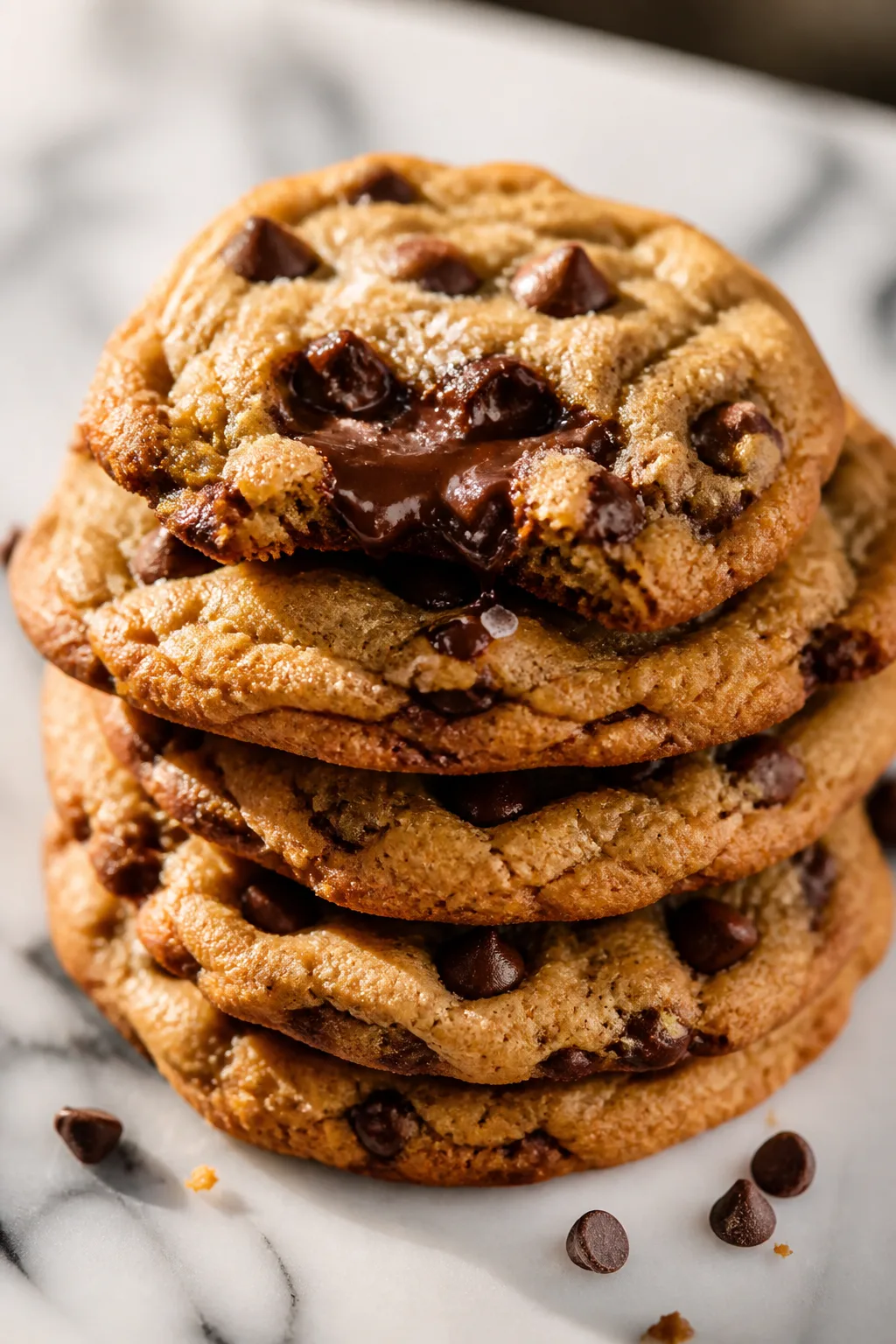
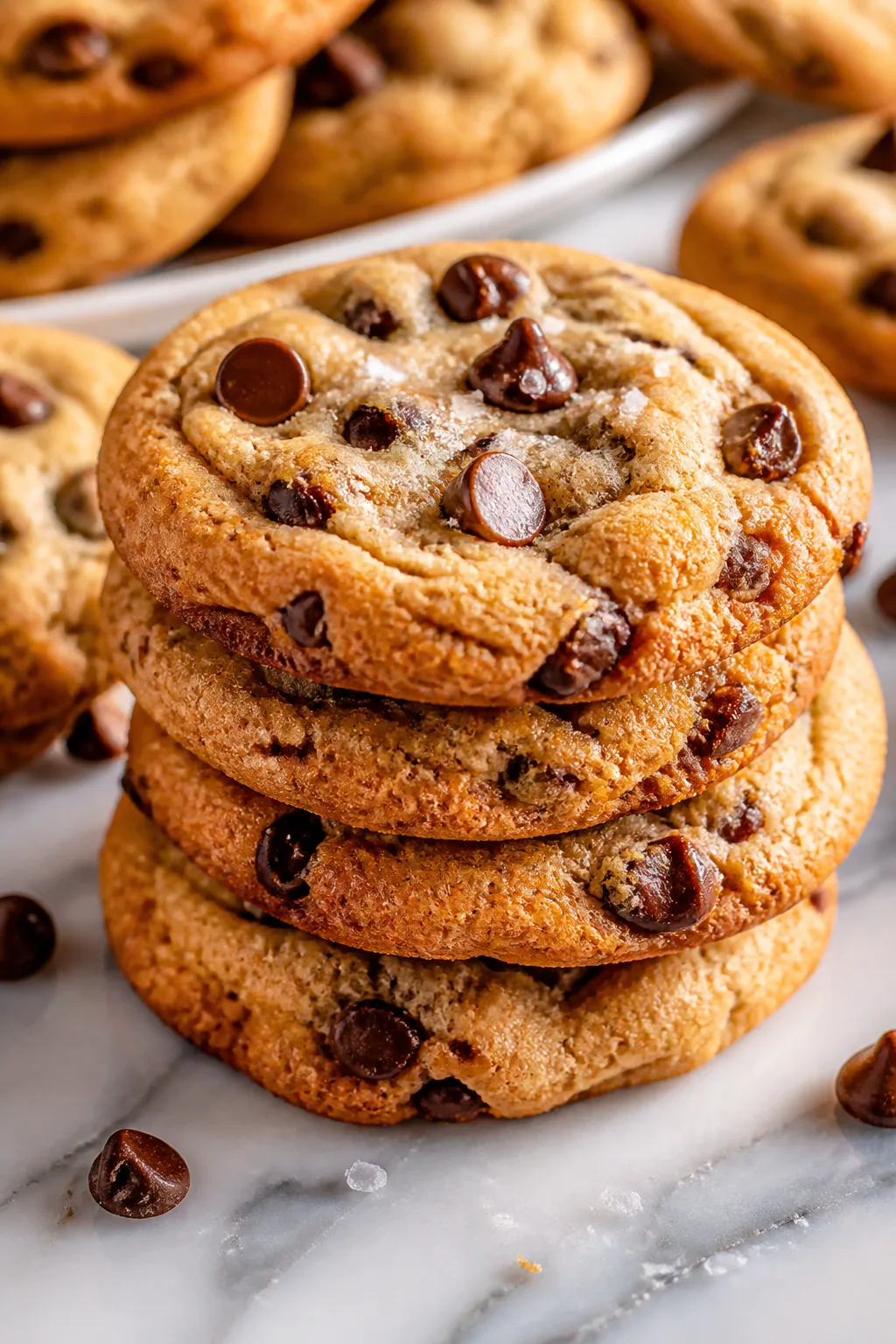
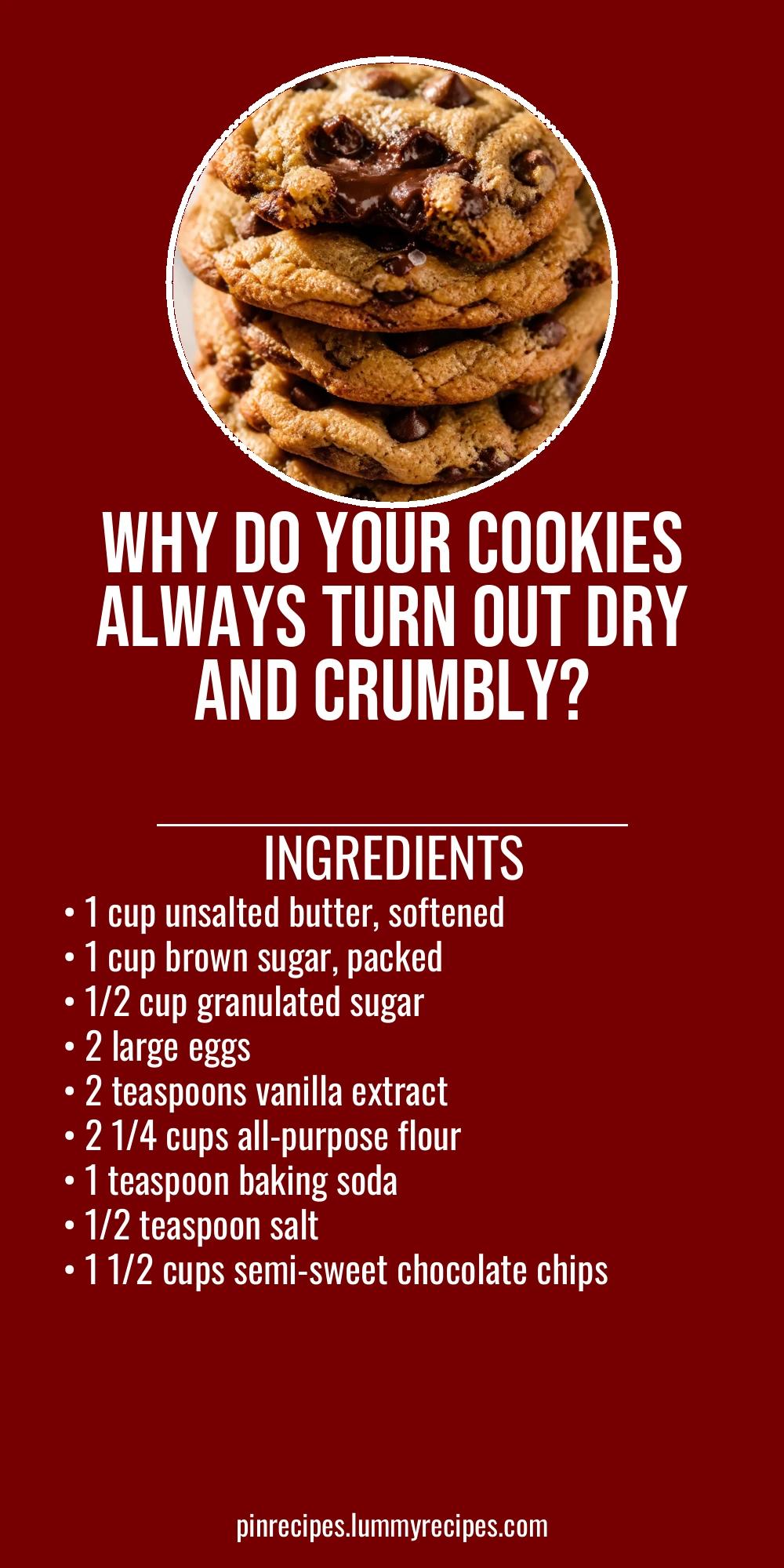
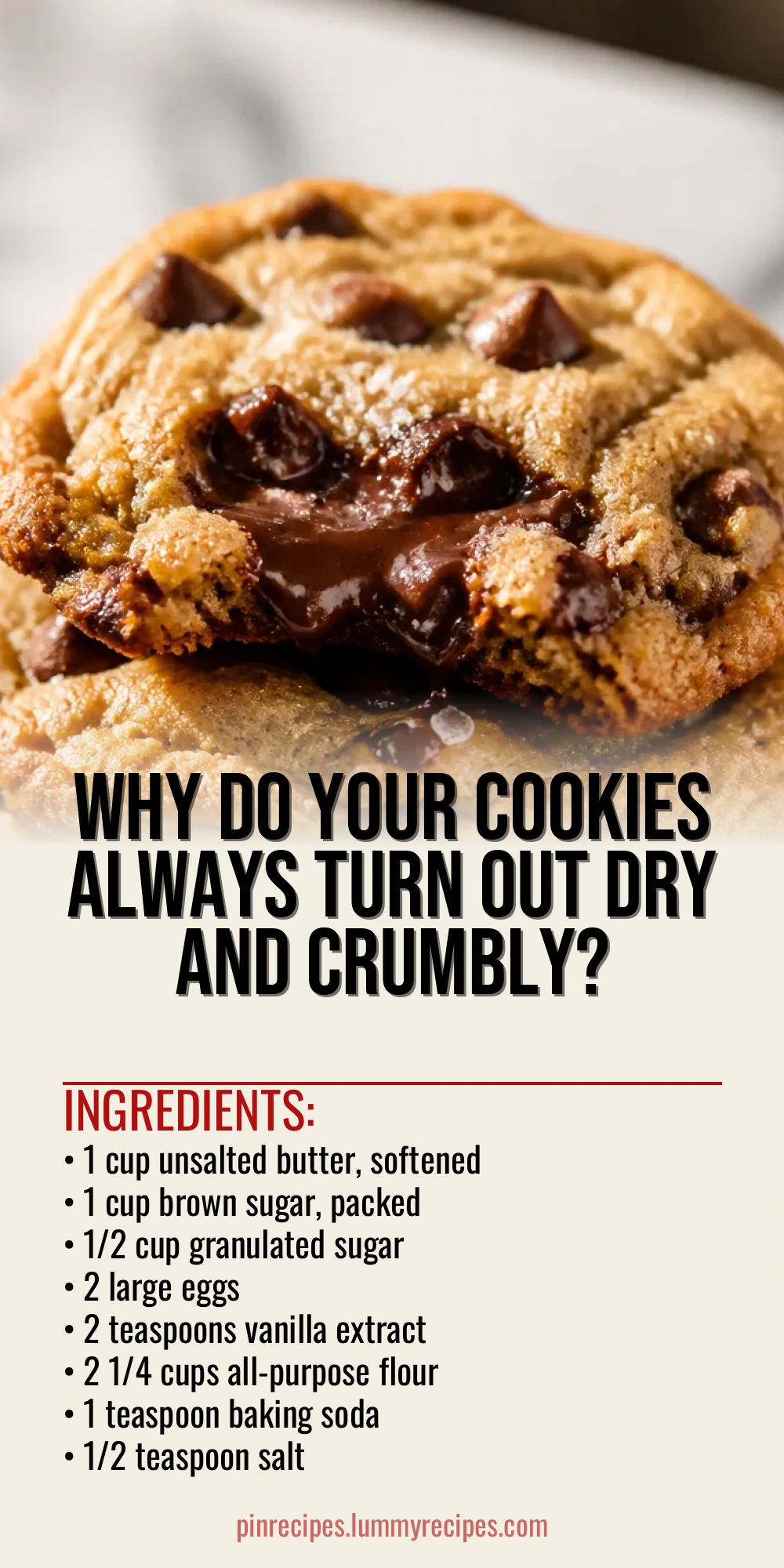
I love this one bowl cookies recipe because it’s super simple and cuts down on mess. Just mix everything in one bowl and bake. Great for a quick family dessert or when you want fresh cookies fast!
Introduction
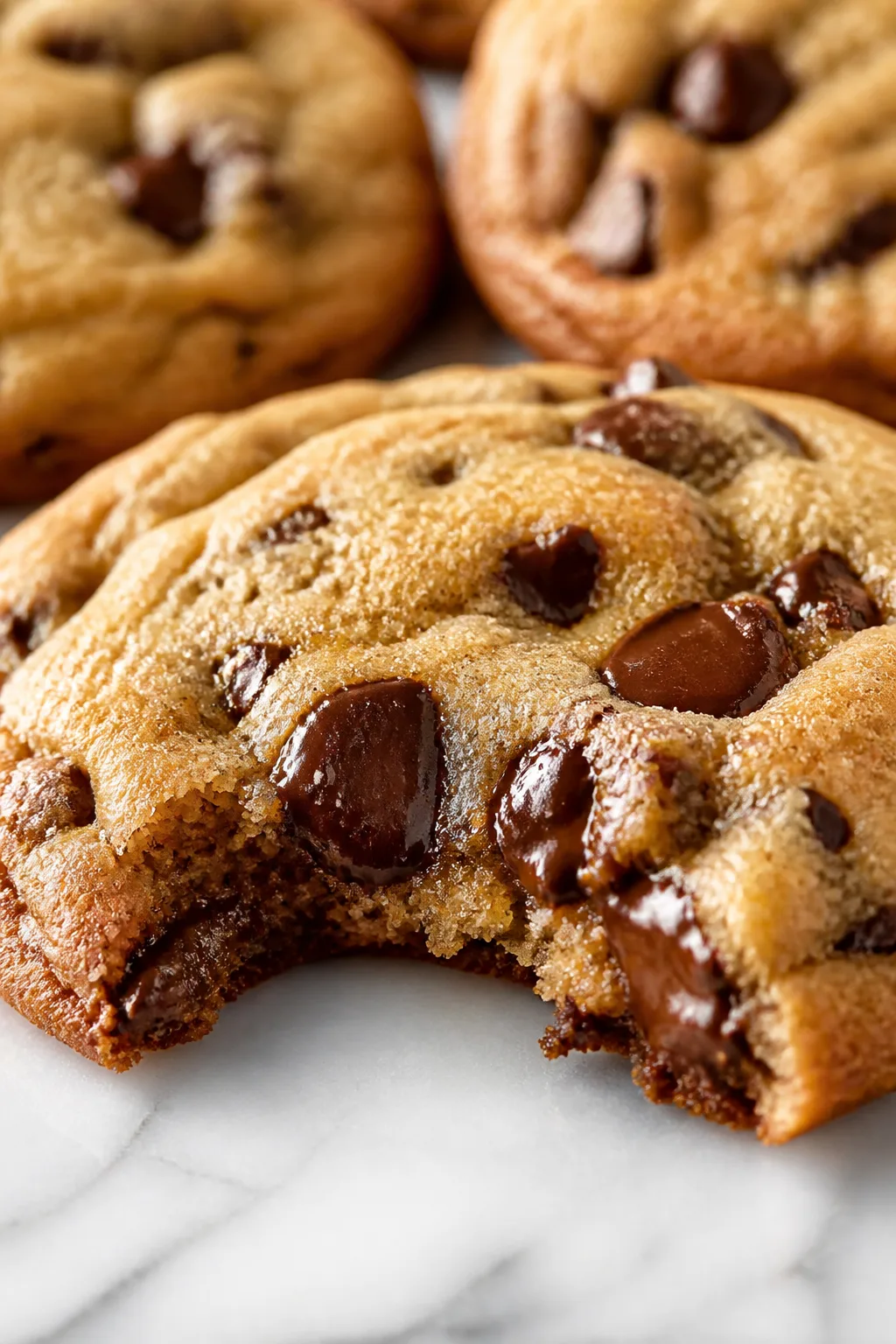
I first tried making one bowl cookies a few years ago when I was craving fresh cookies but didn’t want to deal with a mountain of dishes. This recipe quickly became a favorite because it’s so straightforward — everything goes into one bowl and you’re done mixing. What makes it different? I use brown sugar for extra moisture and a touch of vanilla that gives the cookies a warm, inviting aroma. The trick I learned is to cream the butter and sugars really well before adding eggs; it helps the cookies rise just right and stay soft. When baked, these cookies come out perfectly golden with slightly crispy edges and a chewy center, just the way I like them. Plus, the chocolate chips melt beautifully, making every bite a little indulgence. It’s a great recipe for busy weeknights or anytime you want a quick homemade treat without fuss.
How To Do It
Step 1
Preheat your oven to 350°F (175°C) and line two baking sheets with parchment paper. This ensures even baking and prevents sticking. Getting the oven ready first means you can bake immediately once the dough is mixed, helping the cookies maintain their texture.
⏱ Time: 10
✓ Doneness: Oven fully preheated to 350°F
Step 2
In a large mixing bowl, cream together the softened butter, brown sugar, and granulated sugar using a hand mixer or stand mixer on medium speed. This step should take about 3-4 minutes until the mixture is light and fluffy. Proper creaming incorporates air, which helps create a tender cookie texture.
⏱ Time: 4
✓ Doneness: Mixture looks pale and fluffy
Step 3
Add the eggs one at a time, beating well after each addition, then stir in the vanilla extract. This gradual incorporation helps the eggs emulsify evenly with the butter and sugar, preventing curdling and ensuring a smooth dough.
⏱ Time: 3
✓ Doneness: Batter is smooth and glossy
Step 4
In a separate small bowl, whisk together the all-purpose flour, baking soda, and salt. Whisking distributes the leavening agent and salt evenly, which is key for consistent rise and flavor throughout the cookies.
⏱ Time: 2
✓ Doneness: Dry ingredients are fully combined with no lumps
Step 5
Gradually add the dry ingredients to the wet mixture, mixing on low speed just until combined. Overmixing at this stage can develop gluten, making cookies tough, so mix gently and stop as soon as you see no more flour.
⏱ Time: 3
✓ Doneness: Dough comes together with no visible flour streaks
Step 6
Fold in the semi-sweet chocolate chips evenly with a spatula. Folding rather than mixing preserves the dough texture and ensures chocolate chips are distributed without overworking the dough.
⏱ Time: 2
✓ Doneness: Chocolate chips are evenly scattered throughout the dough
Step 7
Use a cookie scoop or tablespoon to drop rounded balls of dough about 2 inches apart on the prepared baking sheets. Spacing is important because cookies spread as they bake and need room to keep their shape.
⏱ Time: 5
✓ Doneness: Evenly spaced dough balls on baking sheet
Step 8
Bake in the preheated oven for 10-12 minutes or until the edges are golden but the centers still look slightly soft. Avoid overbaking to keep the cookies chewy. The residual heat will finish cooking the centers as they cool.
⏱ Time: 12
✓ Doneness: Edges are golden brown and centers look set but soft
Step 9
Allow the cookies to cool on the baking sheets for 5 minutes before transferring them to a wire rack to cool completely. This resting time helps the cookies firm up and prevents them from breaking apart when moved.
⏱ Time: 10
✓ Doneness: Cookies are firm enough to lift without breaking
Pro Tips
Make sure your butter is softened but not melted before creaming.
Softened butter traps air when creamed with sugar, creating a light texture. Melted butter leads to greasy, flat cookies because it doesn’t hold air the same way.
Don’t overmix once you add the flour.
Overmixing develops gluten in the flour, which can make cookies tough and chewy instead of tender. Mix just until combined for the best texture.
Use a cookie scoop for even-sized cookies.
Uniform cookie sizes ensure even baking so some cookies don’t burn while others stay undercooked.
Chill the dough for 30 minutes if you want thicker cookies.
Chilling solidifies the fats, reducing spread during baking and resulting in a thicker, chewier cookie.
Line baking sheets with parchment paper for easy cleanup.
Parchment prevents sticking and promotes even baking, plus it saves you scrubbing pans later.
Let cookies cool on the baking sheet before moving.
Cookies are fragile when hot and can break apart if moved too soon. Cooling helps them set and hold shape.
Use fresh baking soda for best rise.
Old baking soda loses potency, which can lead to flat, dense cookies.
Common Mistakes to Avoid
Using melted butter instead of softened butter
Why it happens Some cooks think melted butter is easier to mix, but it changes the chemistry of the dough.
Fix Always use butter softened to room temperature. It creams with sugar to trap air, which is key for texture.
Overmixing after adding flour
Why it happens It’s easy to keep mixing to get rid of lumps, but this develops gluten.
Fix Mix just until flour disappears. Stop as soon as dough comes together to keep cookies tender.
Not spacing cookies properly on the baking sheet
Why it happens In a rush, some put cookies too close and they merge.
Fix Leave about 2 inches between dough balls so they can spread evenly without sticking.
Baking too long
Why it happens Waiting for cookies to look fully browned can dry them out.
Fix Remove cookies when edges are golden but centers still look soft; they firm up as they cool.
Skipping the parchment paper
Why it happens Some think it’s unnecessary or want to save time.
Fix Use parchment or silicone mats to prevent sticking and promote even heat distribution.
Variations
Oatmeal Chocolate Chip One Bowl Cookies
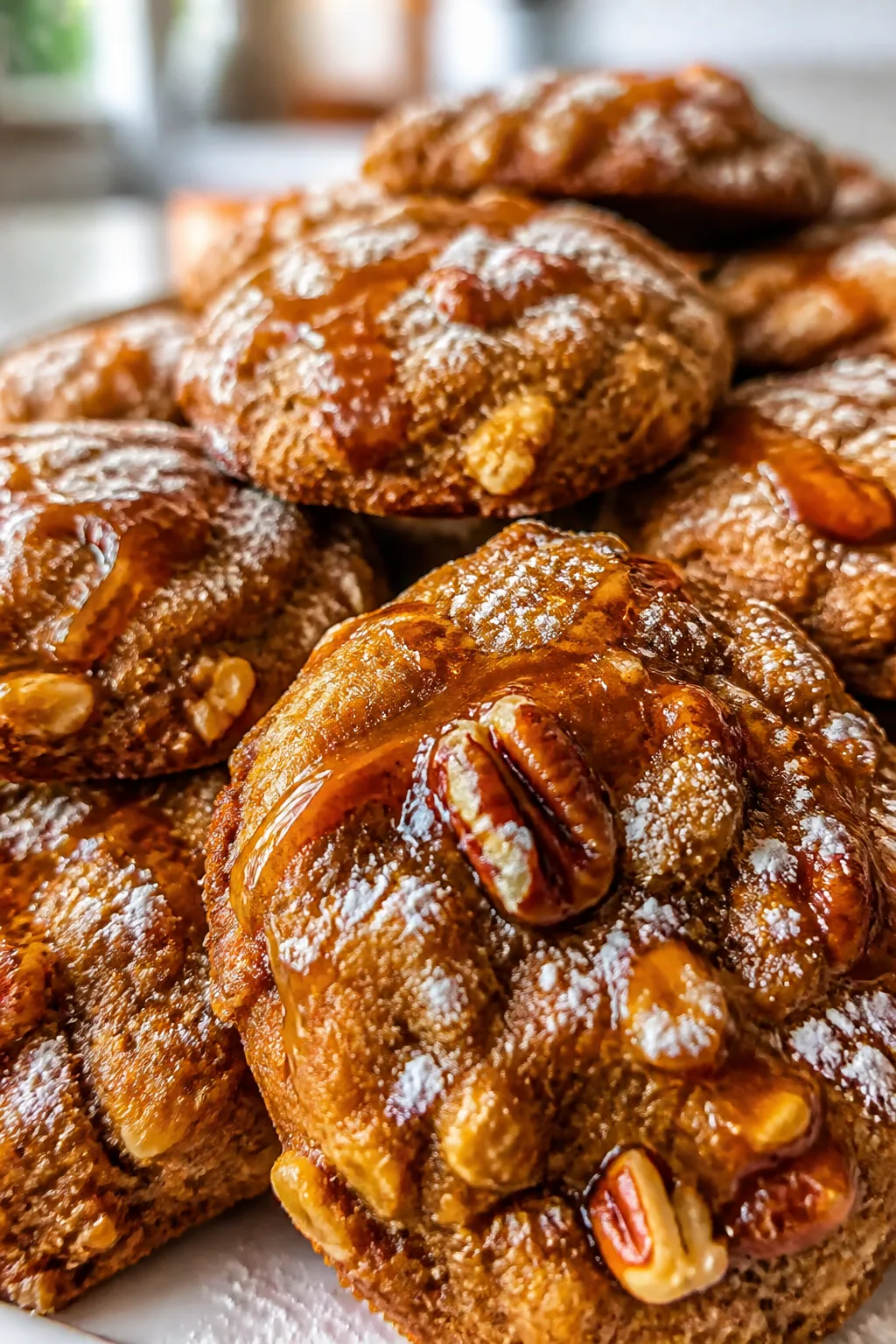
Add 1 cup old-fashioned oats and reduce flour by 1/2 cup for a heartier, chewier cookie with a bit of texture. You can also toss in chopped nuts or raisins for extra flavor.
Note: Oats absorb moisture differently, so the dough may be thicker; adjust baking time slightly if needed.
Peanut Butter One Bowl Cookies
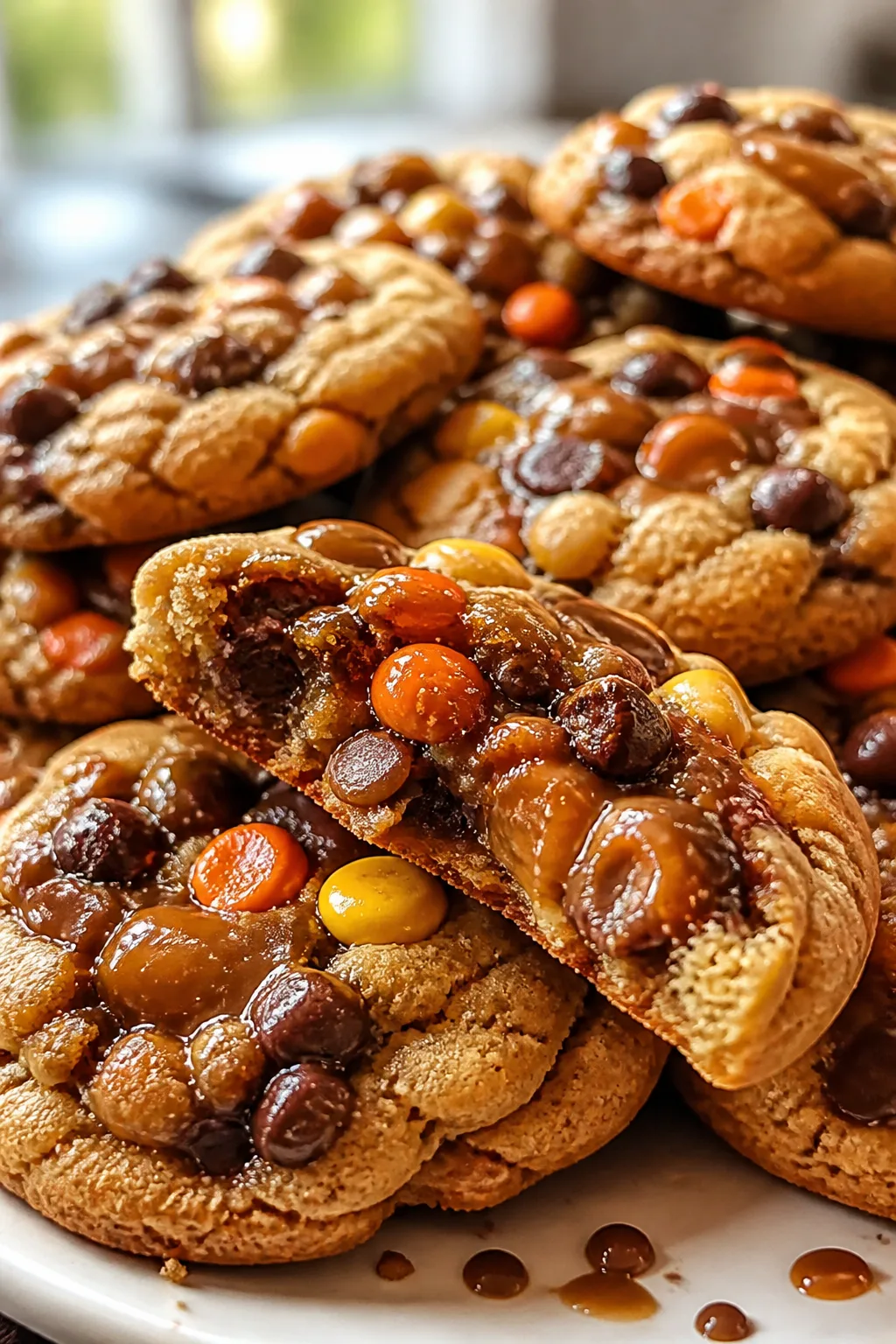
Replace half the butter with creamy peanut butter for rich flavor and softer texture. These cookies have a lovely nutty aroma and melt in your mouth.
Note: Peanut butter adds fat and moisture, so reduce butter slightly to keep dough balanced.
Double Chocolate One Bowl Cookies
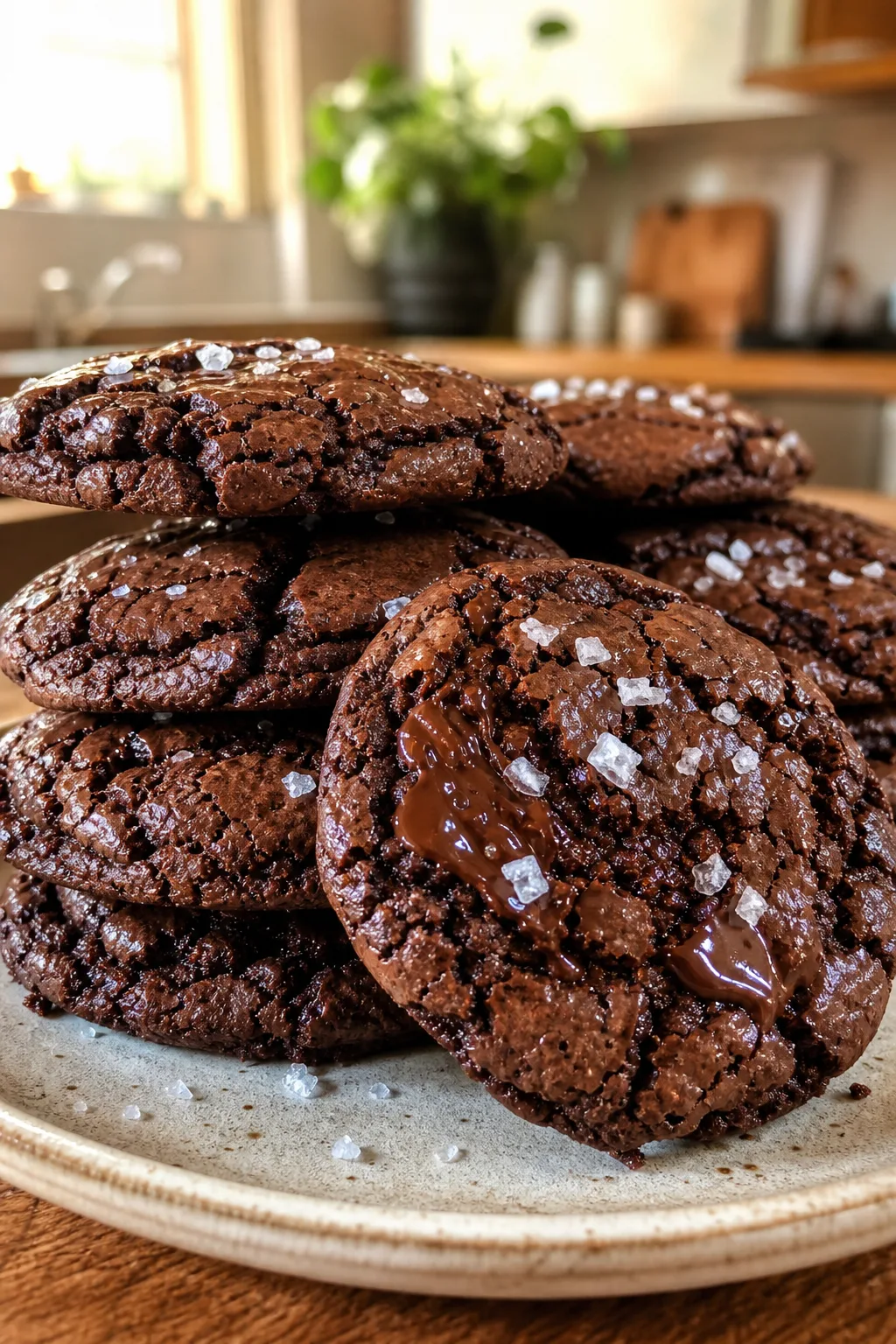
Add 1/4 cup unsweetened cocoa powder to the dry ingredients and swap chocolate chips for white or dark chocolate chunks for an indulgent twist.
Note: Cocoa powder can dry dough, so add an extra tablespoon of milk or egg if needed.
Gluten-Free One Bowl Cookies
Use a 1-to-1 gluten-free flour blend and add 1/4 teaspoon xanthan gum if not included in the blend. These cookies stay soft and delicious without gluten.
Note: Gluten-free dough may be more delicate; chill dough before baking for better shape.
Vegan One Bowl Cookies
Swap butter for vegan margarine and eggs for flax eggs (1 tablespoon ground flaxseed + 3 tablespoons water per egg). The cookies remain moist and flavorful.
Note: Flax eggs need time to gel before mixing; let sit 5 minutes before adding.
Nutrition
Per Serving:
Nutritional values are estimates and may vary based on specific ingredients used.
Storage & Tips
Room Temperature
Store cookies in an airtight container at room temperature for up to 3 days. They keep their softness best if not exposed to air. Avoid direct sunlight or heat.
Refrigerator
Cookies can be stored in the fridge for up to 1 week in an airtight container. They may firm up and lose some softness but can be warmed slightly before serving.
Freezer
Freeze cookies in a sealed container or freezer bag for up to 3 months. Separate layers with parchment paper to prevent sticking. Thaw at room temperature or warm briefly in the oven.
Reheating
Warm cookies in a 300°F oven for 5-7 minutes to restore softness and melty chocolate. Avoid microwaving too long as it can make them tough.
Make Ahead
You can prepare the dough 1-2 days ahead and keep it covered in the fridge. Scoop and bake fresh when ready for the best texture and flavor.
FAQ
Can I use salted butter instead of unsalted?
Yes, but reduce or omit the added salt in the recipe to prevent the cookies from becoming too salty. Unsalted butter gives you more control over seasoning.
What if I don’t have brown sugar?
You can substitute with more granulated sugar, but the cookies might be less moist and lack the caramel flavor brown sugar adds. For a closer match, mix granulated sugar with a small amount of molasses.
Can I freeze the cookie dough before baking?
Absolutely! Freezing dough balls before baking helps control spread and results in thicker cookies. Bake straight from frozen, adding a couple of extra minutes to the baking time.
Why did my cookies turn out flat?
Flat cookies often result from using melted butter, overmixing, or expired baking soda. Make sure to use softened (not melted) butter and fresh leavening agents.
How can I make my cookies chewier?
Use more brown sugar than white sugar, don’t overbake, and consider chilling the dough before baking. These steps help retain moisture and develop a chewy texture.
Is it okay to use a hand mixer instead of a stand mixer?
Yes, a hand mixer works perfectly fine. Just make sure to cream the butter and sugars thoroughly for the best texture.
Can I add nuts or dried fruit?
Definitely! Adding chopped nuts or dried fruit like cranberries or raisins adds texture and flavor. Fold them in gently after the chocolate chips.
Why do my cookies stick to the pan?
Not using parchment paper or silicone mats can cause sticking. Also, cookies may stick if baked on greased pans without lining. Use parchment for easy removal.
Final Thoughts
I hope you enjoy baking these one bowl cookies as much as I do! They’re simple, quick, and always a hit. Let me know how yours turn out!