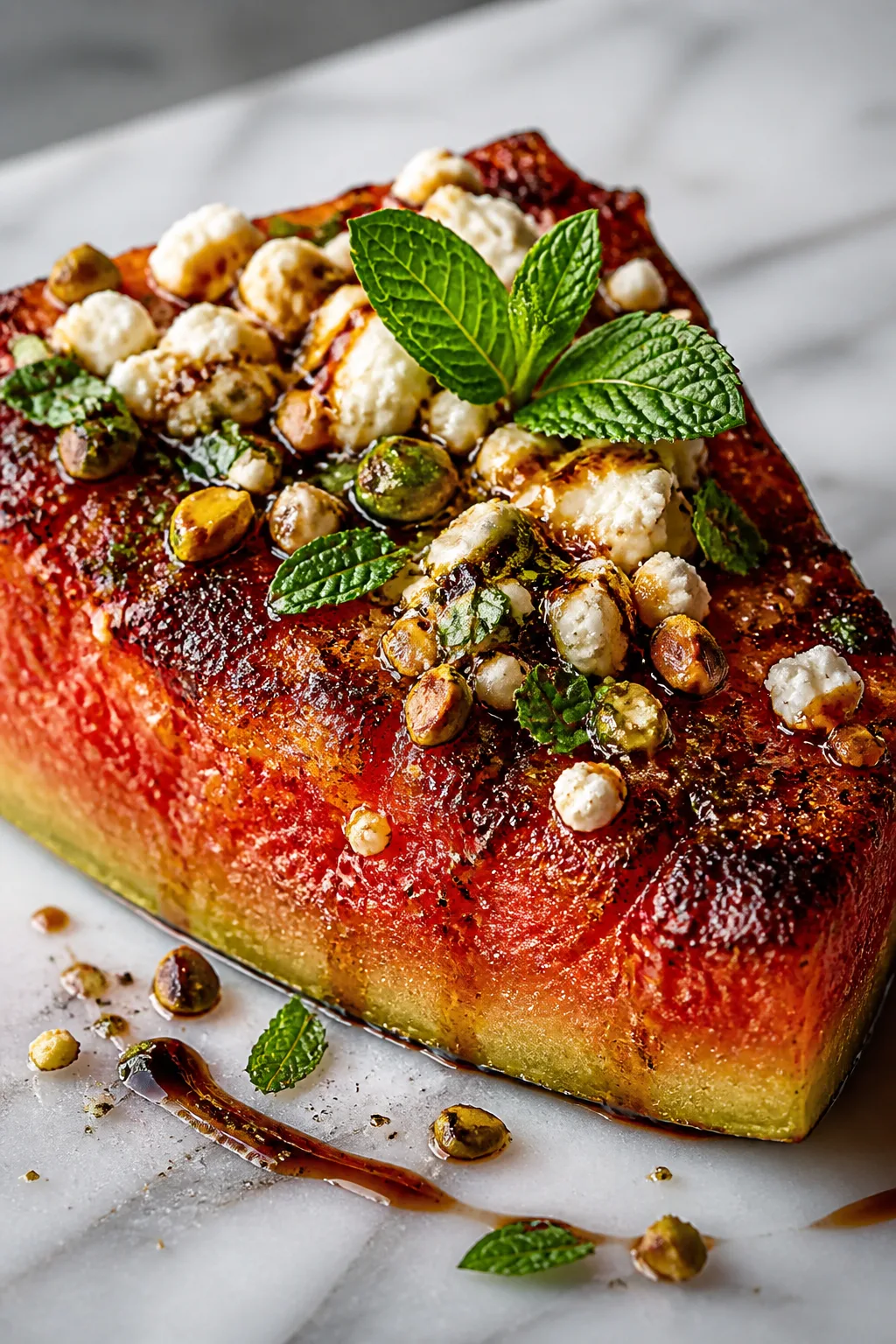
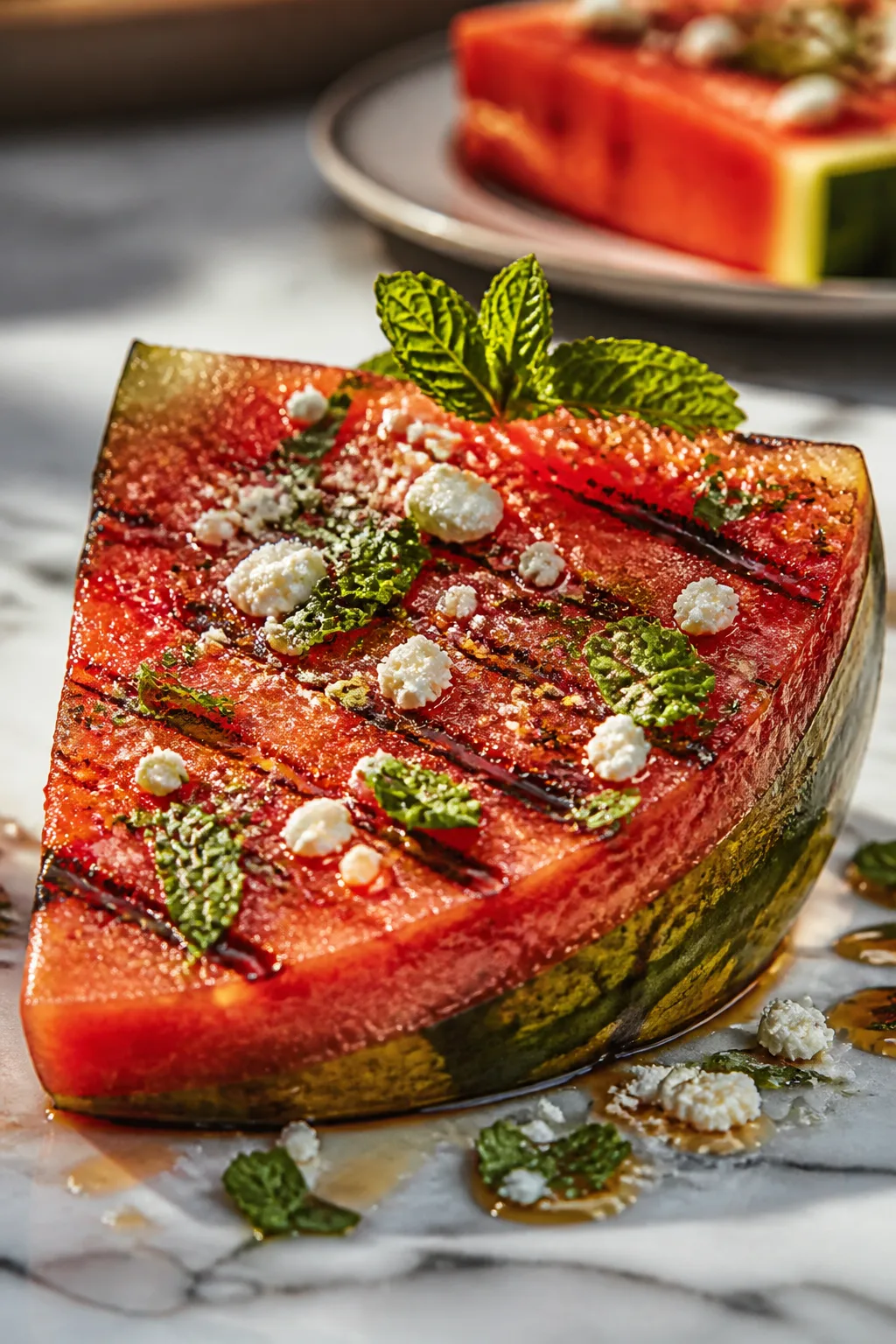
I never thought baking watermelon could be so delicious! This oven-baked watermelon caramelizes slightly, turning super juicy and sweet. It’s a fun twist to serve at summer dinners or as a unique dessert.
Introduction
I stumbled upon this oven-baked watermelon recipe a few summers ago when I wanted to try something different with the fruit. At first, it sounded a little odd—baking watermelon? But once I tried it, I was hooked. Baking the watermelon gently caramelizes its natural sugars, creating a juicy, sweet, and slightly smoky flavor that’s unlike anything you get from eating it fresh. I like to drizzle a bit of honey and lime juice over the wedges before popping them in the oven, which balances the sweetness and adds a subtle tang. It’s a simple technique, but it transforms the fruit into a unique dessert or side dish that’s perfect for warm evenings or family dinners. The texture softens just enough to melt in your mouth, yet it still holds its shape. Plus, it’s a fun way to surprise guests who expect the usual cold watermelon slices. This recipe has become a favorite in my house for summer gatherings, and I think you’ll love how easy and delicious it is too.
How To Do It
Step 1
Preheat your oven to 350°F (175°C). Line a baking sheet with parchment paper or lightly grease it to prevent sticking. Arrange the watermelon wedges in a single layer on the sheet, making sure they aren’t crowded. This helps the heat circulate evenly around each piece, allowing them to roast properly without steaming. Avoid stacking or overlapping the wedges, which can make them soggy instead of caramelized.
⏱ Time: 10 minutes
✓ Doneness: Wedges look slightly dried around the edges but still plump and moist in the center
Step 2
In a small bowl, mix the honey (or maple syrup), lime juice, cinnamon, and a pinch of salt. Brush this mixture evenly over each watermelon wedge. The honey adds sweetness that caramelizes nicely, while lime juice balances it with a fresh zing. The cinnamon gives a warm, subtle spice that complements the fruit’s flavor. Don’t skip the salt—it enhances all the flavors and prevents the watermelon from tasting flat.
⏱ Time: 5 minutes
✓ Doneness: Wedges are evenly coated with a glossy, fragrant glaze
Step 3
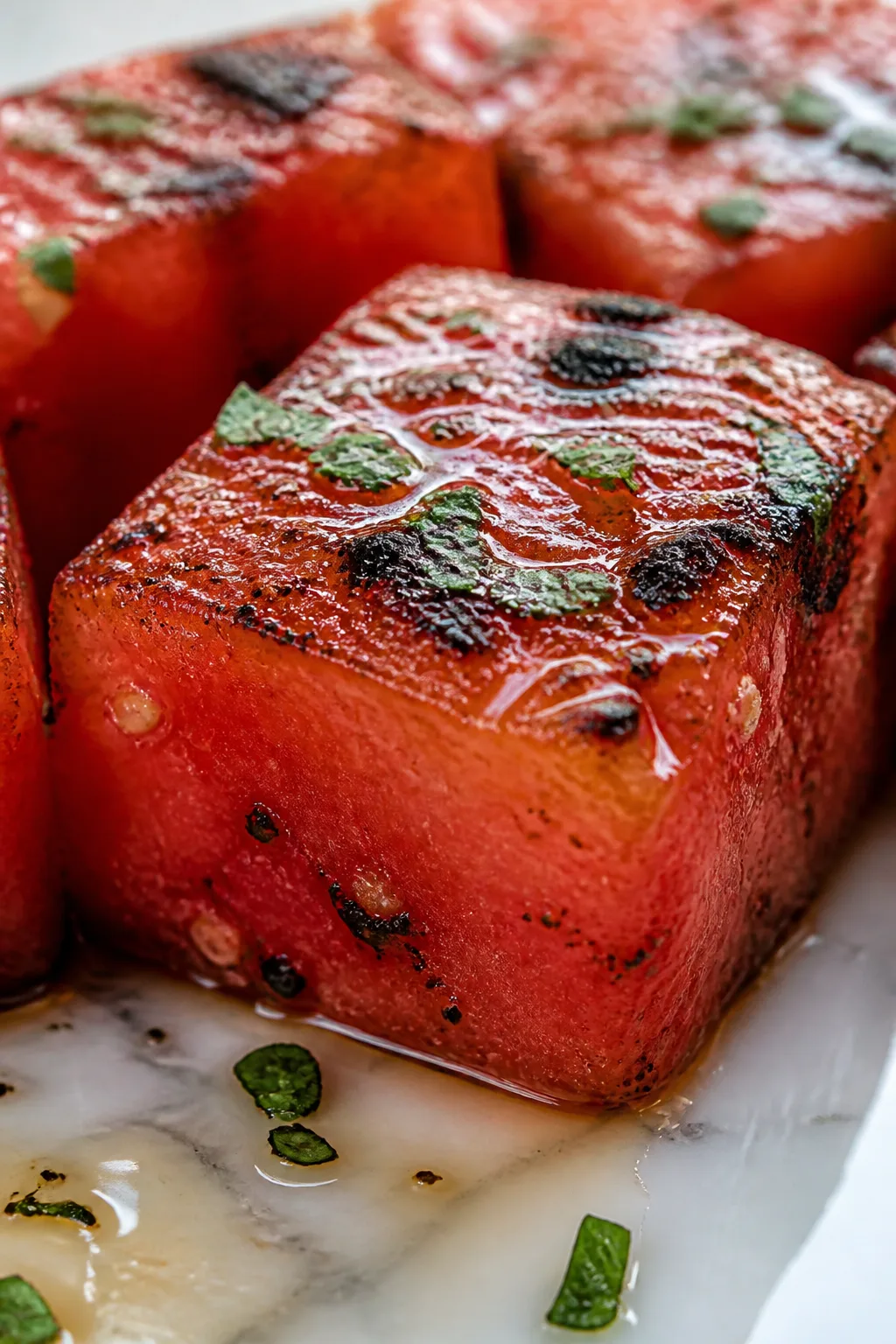
Place the baking sheet in the oven and roast the watermelon for 20-25 minutes. Keep an eye on them after 15 minutes to avoid overcooking. The goal is for the edges to caramelize slightly and the flesh to become tender but not mushy. Roasting at this moderate temperature allows the sugars to develop a golden color and intensifies the natural sweetness without drying the fruit out.
⏱ Time: 20-25 minutes
✓ Doneness: Edges are golden brown with caramelized spots, and watermelon feels soft but still holds shape
Step 4
Remove the watermelon from the oven and let it cool for a few minutes before serving. This resting time allows the juices to redistribute, making each bite juicy and flavorful. Serve warm or at room temperature, either on its own or with a dollop of Greek yogurt or a sprinkle of fresh mint for extra freshness.
⏱ Time: 5 minutes
✓ Doneness: Watermelon is slightly warm and juicy, with a fragrant aroma
Step 5
For an extra touch, sprinkle some toasted coconut flakes or chopped pistachios on top just before serving. The crunch contrasts nicely with the soft, juicy watermelon and adds a nutty flavor that pairs beautifully with the cinnamon and lime.
⏱ Time: Optional, 2 minutes
✓ Doneness: Toppings evenly distributed and visually appealing
Step 6
If you want to make this recipe ahead, prepare the watermelon wedges and the honey-lime glaze separately. Store them in the fridge and combine just before baking. This keeps the fruit fresh and prevents it from becoming soggy in advance.
⏱ Time: Preparation only
✓ Doneness: Ingredients prepped and stored properly for later use
Step 7
Use a sharp knife to cut the watermelon into uniform wedges for even cooking. Uneven pieces can cause some to overcook while others remain underdone. Consistency is key to getting that perfect caramelized texture across all wedges.
⏱ Time: Preparation
✓ Doneness: Wedges are roughly the same size and thickness
Step 8
Avoid high oven temperatures or broiling, which can burn the watermelon’s sugars before the inside softens. Low and slow roasting is the secret to tender, sweet results without bitterness.
⏱ Time: Cooking
✓ Doneness: Even golden color without burnt spots
Step 9
Serve this dish as a light dessert or alongside grilled meats and salads for a refreshing summer meal. Its natural sweetness and juicy texture make it a versatile addition that’s sure to surprise your family and guests.
⏱ Time: Serving
✓ Doneness: Dish plated attractively and ready to enjoy
Pro Tips
Use a rimmed baking sheet to catch any juices that might bubble over during roasting.
Watermelon has a high water content, and as it bakes, some juice may leak out. A rimmed pan prevents spills in your oven and makes cleanup easier, ensuring your kitchen stays tidy.
Don’t overcrowd the baking sheet; leave space between wedges.
Crowding traps steam, which prevents caramelization. Leaving space allows hot air to circulate, helping the watermelon develop those golden, flavorful edges instead of steaming and becoming soggy.
Brush the honey-lime glaze evenly for consistent flavor and caramelization.
Even coating ensures each wedge gets the perfect balance of sweetness and acidity. Uneven glaze can cause some pieces to burn or others to be bland, so take your time brushing it on.
Let the watermelon rest a few minutes after baking before serving.
Resting allows juices to redistribute evenly inside the wedges, making each bite juicy and flavorful instead of watery or dry.
Use fresh lime juice rather than bottled for the best flavor.
Fresh lime juice has a brighter, more vibrant acidity that enhances the dish. Bottled juice can taste dull or artificial, impacting the overall freshness of the recipe.
Try adding a sprinkle of fresh mint or basil before serving.
Herbs add a fresh, aromatic layer that complements the warm spices and sweet watermelon, elevating the dish’s complexity and appeal.
Cut watermelon into uniform wedges for even cooking.
Different sizes cook at different rates, so uniform wedges ensure all pieces roast evenly and finish at the same time without some being under or overcooked.
Common Mistakes to Avoid
Overcooking the watermelon until mushy
Why it happens It’s easy to leave the watermelon in the oven too long, thinking more time equals better caramelization, but this causes the fruit to break down and lose its pleasant texture.
Fix Set a timer and check the watermelon around 20 minutes. Look for golden edges and tender flesh that still holds shape. Remove immediately once caramelized to avoid sogginess.
Skipping the salt in the glaze
Why it happens Many think salt isn’t needed with sweet fruit, but without it, the flavor can taste flat or one-dimensional.
Fix Always add a pinch of salt to the glaze to balance sweetness and enhance natural flavors. It makes a big difference in the final taste.
Using a high oven temperature or broiler
Why it happens High heat cooks the watermelon too fast, burning sugars before the inside softens.
Fix Bake at a moderate 350°F to allow slow caramelization and tender texture. Avoid broiling or temperatures above 400°F.
Not spacing the wedges on the baking sheet
Why it happens Crowded wedges steam instead of roast, preventing caramelization and making the watermelon soggy.
Fix Arrange wedges with space between them to allow air circulation and proper roasting.
Using underripe or watery watermelon
Why it happens Underripe fruit lacks natural sugars and can become mushy when baked.
Fix Choose ripe, firm watermelon with bright red flesh for best results. Seedless varieties simplify prep.
Variations
Spicy Oven-Baked Watermelon
Add a pinch of cayenne pepper or chili powder to the honey-lime glaze for a sweet-heat flavor combo. This variation adds a surprising kick that pairs wonderfully with the caramelized sweetness.
Note: Be cautious with spice amounts—start small to avoid overpowering the delicate watermelon flavor.
Herb-Infused Watermelon
Mix finely chopped fresh herbs like mint, basil, or rosemary into the glaze before brushing. The herbs add freshness and complexity, making it a great side for grilled meats or salads.
Note: Add herbs after baking for the brightest flavor, or bake briefly with the herbs for a subtler infusion.
Coconut and Nut Topped Watermelon
Sprinkle toasted coconut flakes and chopped nuts like pistachios or almonds over the baked watermelon. This adds crunch and a nutty flavor contrast that complements the soft, juicy fruit.
Note: Add toppings just before serving to maintain crunch.
Lemon Zest and Ginger Glaze
Swap lime juice for lemon juice and add a bit of grated fresh ginger to the glaze. This variation brightens the dish with citrus notes and a warm ginger spice.
Note: Use fresh ginger sparingly to avoid overpowering the watermelon’s sweetness.
Grilled Oven-Baked Watermelon
After baking, quickly grill the watermelon wedges for 1-2 minutes per side to add smoky char marks and deepen flavor. This adds a rustic twist perfect for summer cookouts.
Note: Watch carefully to avoid burning; grilling is just for a quick sear.
Nutrition
Per Serving:
Nutritional values are estimates and may vary based on specific ingredients used.
Storage & Tips
Room Temperature
Oven-baked watermelon can be left at room temperature for up to 2 hours if covered loosely with foil or a clean cloth to protect it from dust and insects.
Refrigerator
Store leftover baked watermelon in an airtight container in the fridge for up to 3 days. It may lose some juiciness when cold but can be warmed gently before serving to restore softness.
Freezer
Freezing is not recommended as watermelon’s high water content causes texture breakdown on thawing, resulting in mushy fruit.
Reheating
Reheat gently in a 300°F oven for 5-7 minutes or microwave on low power for 30 seconds to warm without drying out. Adding a splash of water or honey can help retain moisture.
Make Ahead
Prepare the glaze and cut watermelon wedges a day ahead and store separately in the fridge. Assemble and bake just before serving to keep the fruit fresh and prevent sogginess.
FAQ
Can I use frozen watermelon for this recipe?
Frozen watermelon is not ideal because it loses its firm texture after thawing, turning mushy. For best results, always use fresh, ripe watermelon to maintain the right texture and flavor when baking.
How do I know when the watermelon is done baking?
Look for golden caramelized edges and a softened but still firm flesh. The watermelon should be juicy and tender without collapsing or becoming watery. Baking time usually ranges from 20-25 minutes at 350°F.
Can I skip the honey or maple syrup?
You can omit the sweetener, but the caramelization and flavor depth will be less pronounced. The natural sugars in watermelon will still roast, but adding honey or maple syrup enhances sweetness and browning.
Is this recipe suitable for kids?
Yes! The baked watermelon is sweet and tender, making it a fun and healthy snack or dessert for kids. Just be sure to remove any seeds before baking to avoid choking hazards.
Can I bake watermelon wedges longer for more caramelization?
Baking longer risks drying out the watermelon and making it mushy. It’s best to bake until just caramelized and tender, around 20-25 minutes, for optimal texture and flavor.
What can I serve with oven-baked watermelon?
It pairs wonderfully with grilled meats, fresh salads, or as a light dessert with a dollop of yogurt or a sprinkle of fresh herbs. It’s versatile and adds a unique sweet note to many meals.
Can I prepare this recipe vegan?
Absolutely! Use maple syrup instead of honey to keep it vegan-friendly. The rest of the ingredients are naturally vegan.
How do I prevent the watermelon from becoming watery after baking?
Avoid overcrowding the pan and bake at a moderate temperature to allow juices to caramelize rather than pool. Also, let the wedges rest briefly after baking to help juices redistribute and reduce excess liquid.
Final Thoughts
Give this oven-baked watermelon a try and surprise your family with a sweet, juicy twist on a classic fruit. I’d love to hear how it turns out for you!