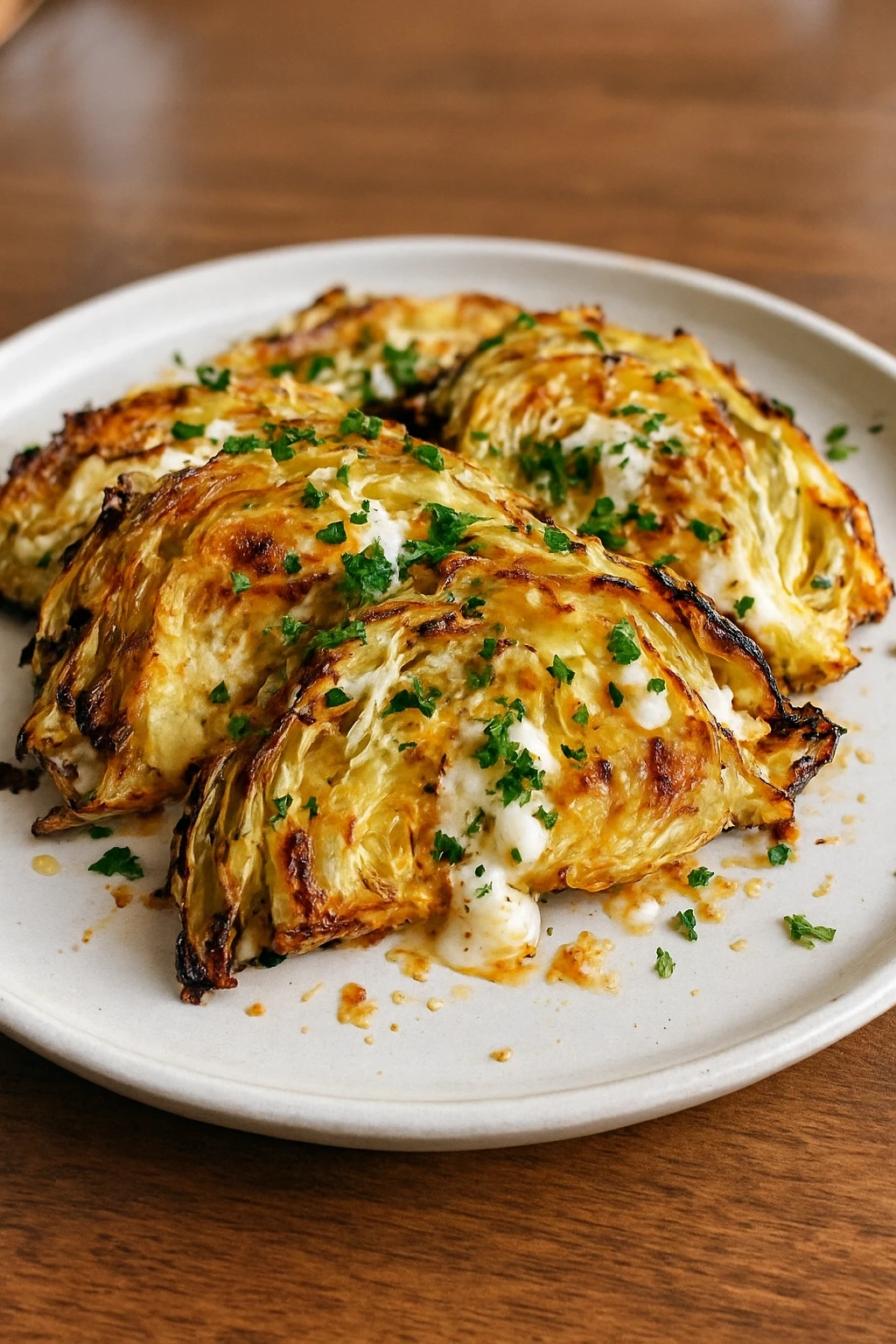
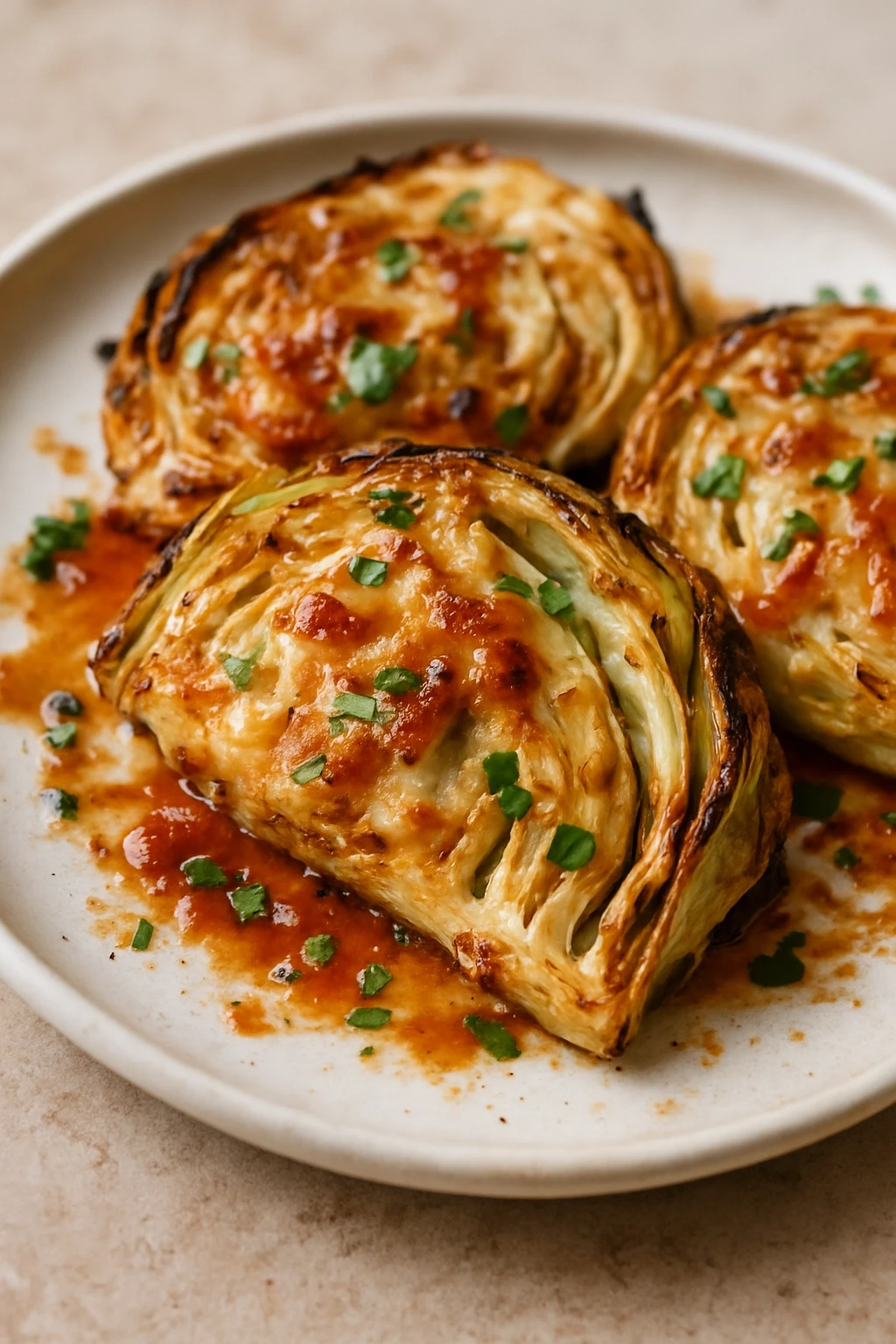
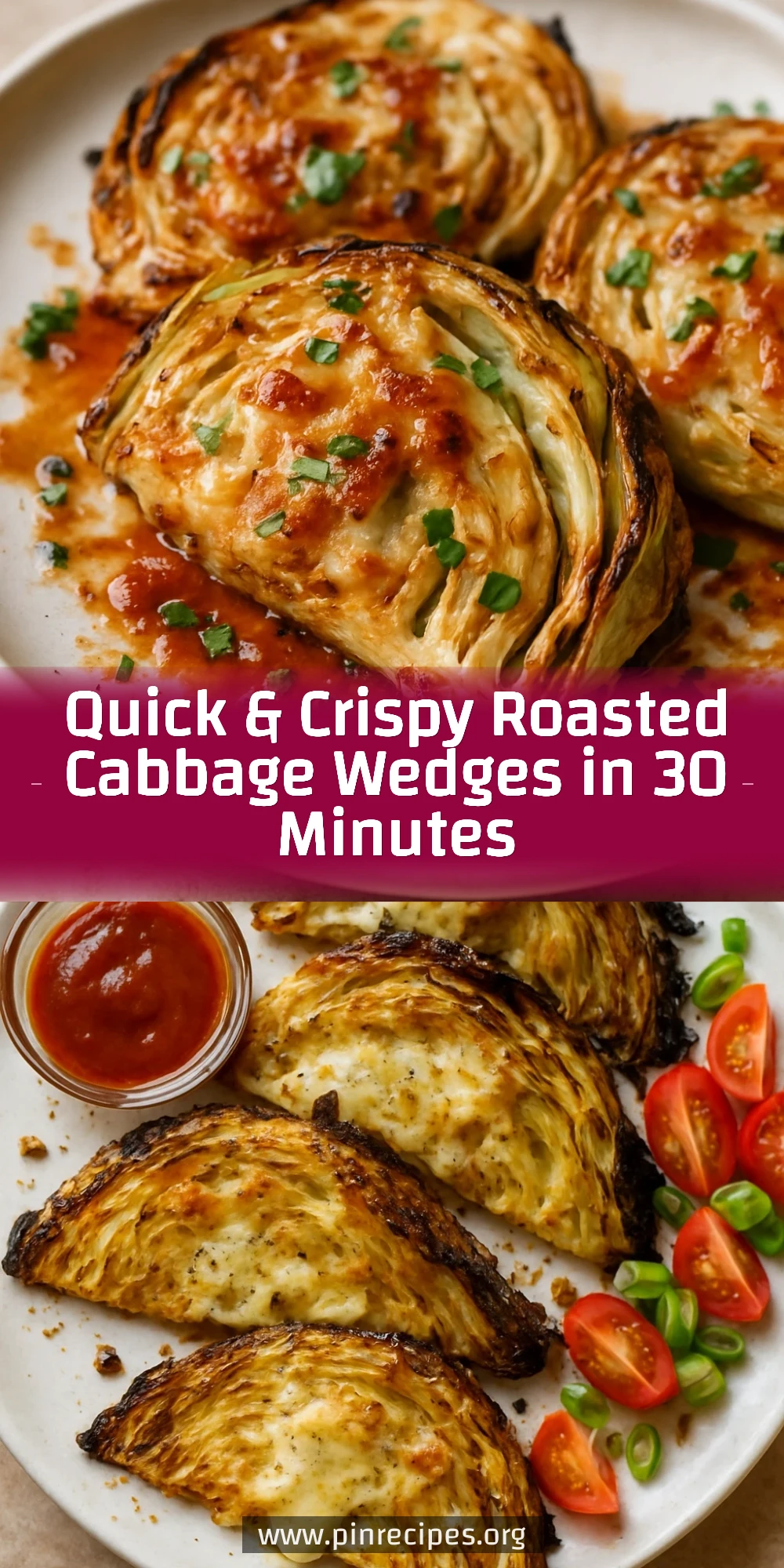
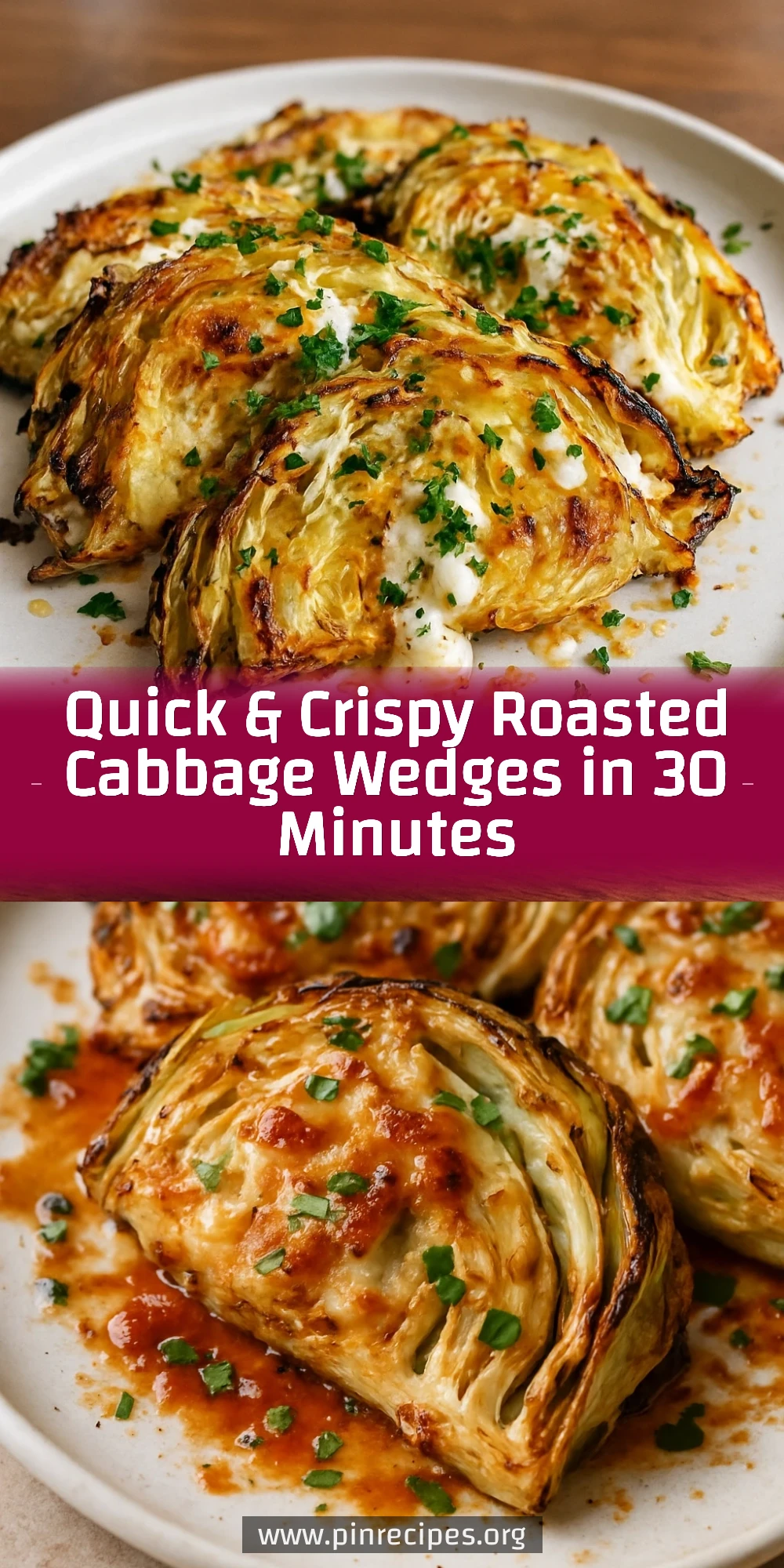
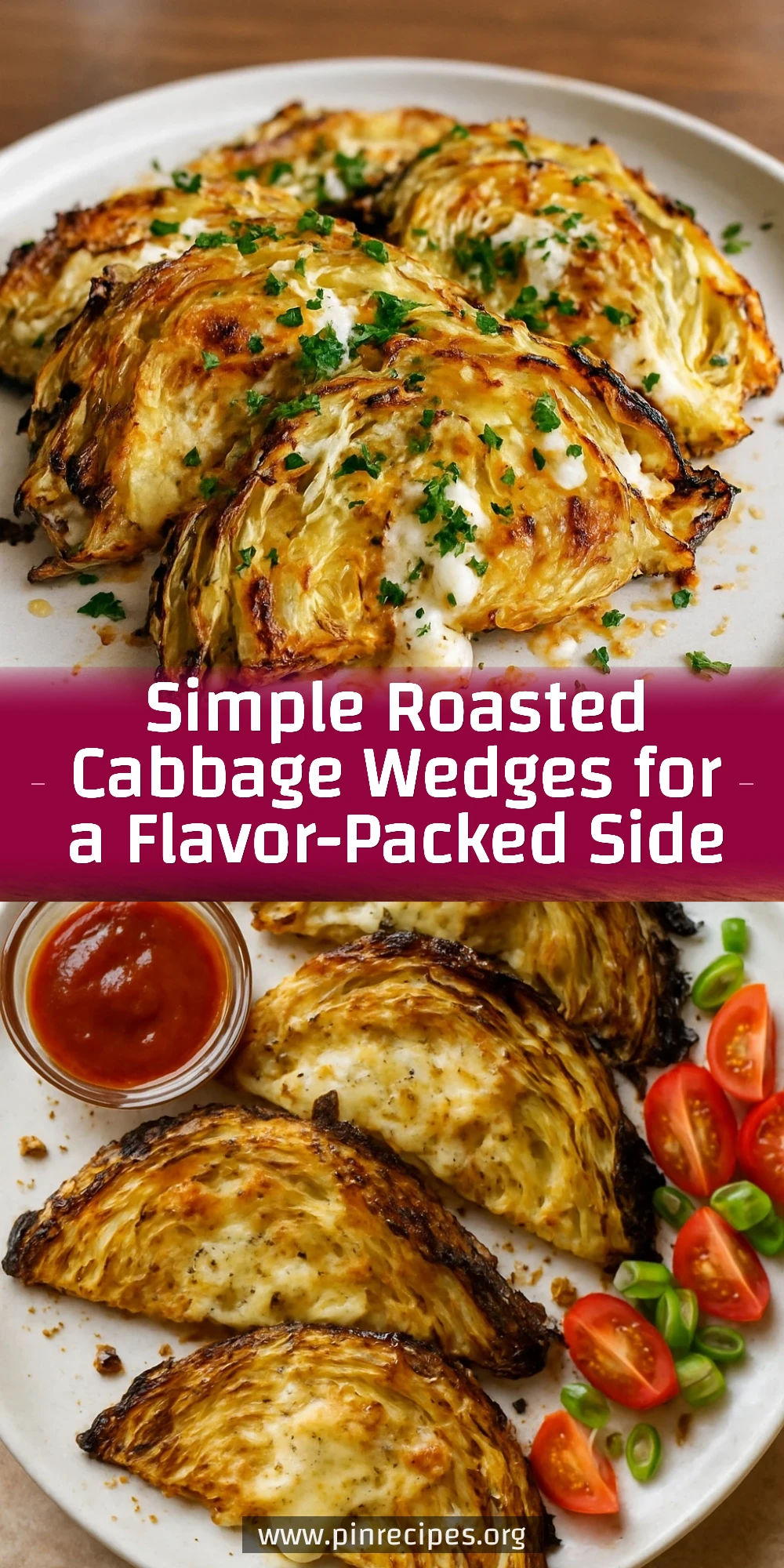
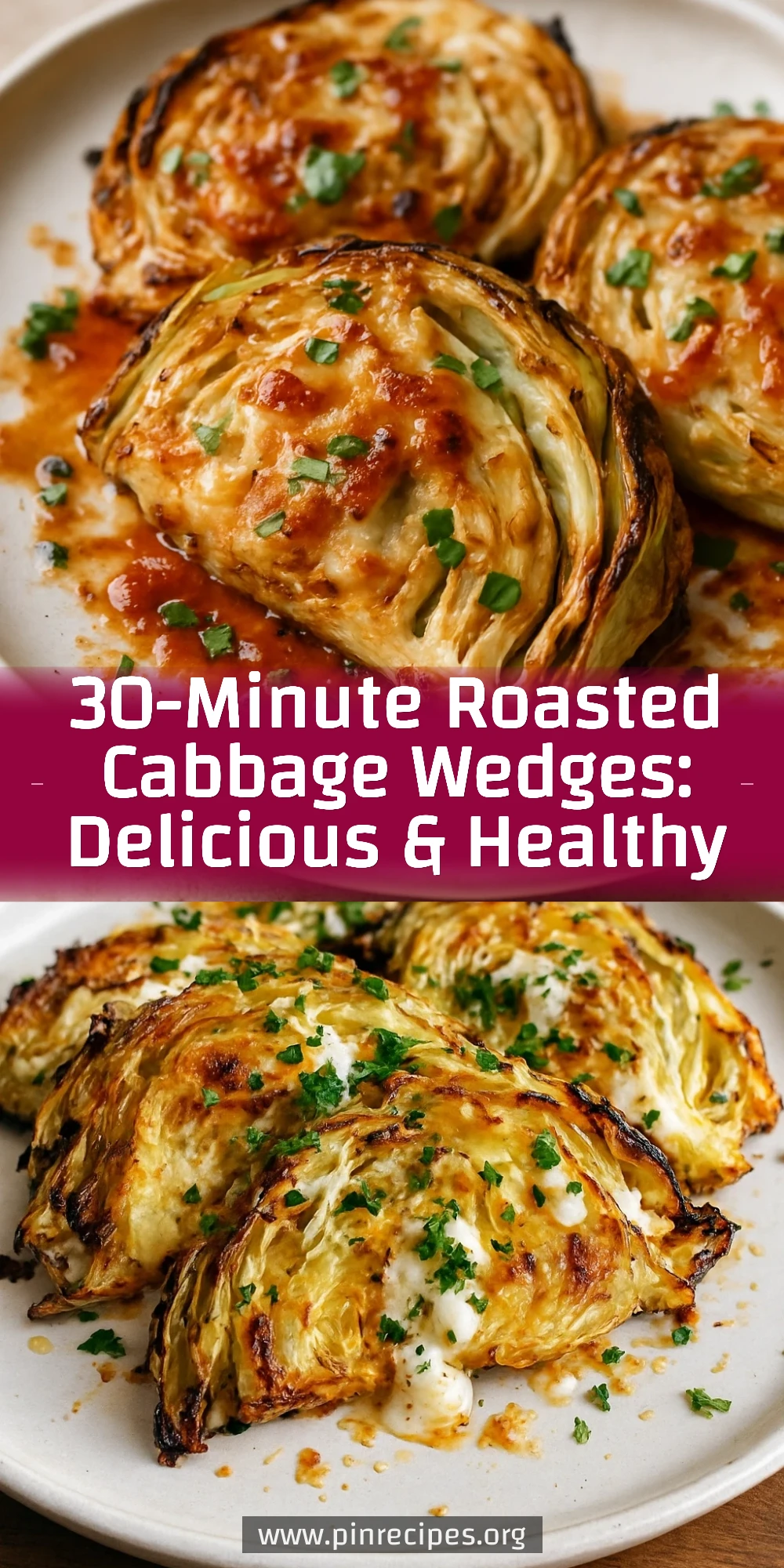
These roasted cabbage wedges are a simple, delicious way to enjoy a veggie side. The secret’s in the high heat roasting that caramelizes the edges perfectly. Great for weeknight dinners or alongside your favorite protein.
Introduction
I’ve always been a bit skeptical about cabbage—mostly because it can turn mushy or bitter if not cooked right. But roasting it? That changed everything for me. The first time I tried roasting cabbage wedges, I was amazed at how the edges crisped up beautifully while the inside stayed tender and sweet. What makes this recipe stand out is the simple seasoning mix with smoked paprika and garlic, which adds a subtle smoky depth without overpowering the cabbage’s natural flavor. Plus, roasting at a high temperature caramelizes the sugars in the cabbage, giving it a lovely golden color and slightly nutty taste. I usually serve these wedges alongside grilled chicken or fish, but honestly, they’re so good you could eat them on their own. This recipe is my go-to when I want a quick, healthy side that feels a little special but doesn’t require much fuss. Just toss, roast, and enjoy!
How To Do It
Step 1
Preheat your oven to 425°F (220°C). This high heat is key because it helps the cabbage wedges caramelize and get crispy edges instead of steaming and becoming soggy. While the oven heats, slice your cabbage into 8 even wedges, keeping the core intact so the wedges hold their shape during roasting. Try to keep the wedges roughly the same size for even cooking. If you cut them too thin, they might dry out; too thick, and the center might stay undercooked.
⏱ Time: 10 minutes
✓ Doneness: Oven fully preheated and cabbage wedges evenly cut with intact cores
Step 2
In a large bowl, combine the olive oil, kosher salt, black pepper, smoked paprika, and minced garlic. Toss the cabbage wedges gently in this mixture, making sure each wedge is well coated. The oil helps conduct heat and promotes browning, while the spices add flavor that infuses during roasting. Be careful not to overcoat; you want the seasoning to enhance, not overpower, the cabbage’s natural taste.
⏱ Time: 5 minutes
✓ Doneness: Cabbage wedges evenly coated with a thin, glossy layer of oil and spices
Step 3
Arrange the cabbage wedges on a large baking sheet, cut side down. This positioning is crucial because it maximizes contact with the hot pan, encouraging those beautiful caramelized edges. Make sure the wedges aren’t crowded; give them space to roast evenly. Crowding traps steam and results in soggy cabbage.
⏱ Time: 3 minutes
✓ Doneness: Wedges spaced evenly on the baking sheet, cut side firmly touching the pan
Step 4
Place the baking sheet in the preheated oven and roast for about 20 minutes. Halfway through, check the wedges and, if you want extra crispiness, flip them carefully to brown the other side. The roasting time allows the cabbage sugars to caramelize, creating a rich, slightly sweet flavor and crispy texture. Avoid opening the oven too often to keep the temperature steady.
⏱ Time: 20 minutes
✓ Doneness: Edges are golden brown and crispy, centers are tender when pierced with a fork
Step 5
Once roasted, remove the cabbage wedges from the oven and, if you like, squeeze fresh lemon juice over them for a bright, tangy finish. This step is optional but really lifts the flavors and balances the richness from the roasting.
⏱ Time: 2 minutes
✓ Doneness: Wedges glistening with a fresh citrus aroma and ready to serve
Step 6
Serve the cabbage wedges warm as a side dish with your favorite protein or even as a light vegetarian main. They hold up well on a platter and taste great even when cooled slightly. Leftovers reheat nicely, too, which makes this recipe perfect for meal prep or busy nights.
⏱ Time: 0 minutes
✓ Doneness: Dish plated with wedges intact and vibrant in color
Step 7
To reheat leftovers, pop the wedges back into a hot oven or toaster oven for a few minutes to revive the crispiness. Avoid microwaving if you want to keep that texture intact, as it tends to make the cabbage soggy.
⏱ Time: 5 minutes
✓ Doneness: Wedges warmed through and edges crisped up again
Step 8
Feel free to customize the seasoning by adding chili flakes for heat or a sprinkle of Parmesan for a savory twist. Just add these after roasting to keep their flavors vibrant and textures right.
⏱ Time: 0 minutes
✓ Doneness: Seasonings evenly sprinkled and ready to enjoy
Step 9
If you want to make this dish vegan or gluten-free, it’s naturally suited for both. Just double-check your spices and oils for any additives. This recipe is wonderfully flexible and forgiving, so don’t hesitate to experiment with your favorite herbs or spices.
⏱ Time: 0 minutes
✓ Doneness: Dish adapted to dietary needs without compromising flavor
Pro Tips
Make sure to preheat your oven fully before roasting.
A fully preheated oven ensures the cabbage wedges start cooking immediately at high heat, which is crucial for caramelization. If the oven isn’t hot enough, the wedges will steam instead of roast, resulting in a soggy texture and less flavor development.
Don’t overcrowd the baking sheet.
Crowding traps moisture and prevents the edges from crisping. Giving each wedge space allows hot air to circulate and moisture to evaporate, which is key for achieving those delicious golden, crispy edges.
Use a sturdy baking sheet or roasting pan.
A heavy pan retains heat better and helps sear the cabbage edges. Thin pans can cool down quickly when you add the wedges, leading to uneven cooking and less browning.
Flip the wedges halfway through roasting.
Turning the wedges exposes all sides to the heat, promoting even caramelization. Skipping this step might leave one side less crispy and underdeveloped in flavor.
Add lemon juice just before serving.
Adding lemon juice after roasting preserves its fresh, bright acidity. If added before cooking, the acid can break down the cabbage and dull the flavor.
Use fresh garlic and mince it finely.
Fresh garlic releases more flavor and aroma than pre-minced or powdered forms. Finely minced garlic disperses evenly and caramelizes gently during roasting, enhancing the overall taste.
Serve the wedges immediately for best texture.
Roasted cabbage tastes best warm when the edges are still crisp. Waiting too long causes the wedges to soften as steam builds, losing that wonderful contrast of textures.
Common Mistakes to Avoid
Cutting wedges too thin or too small
Why it happens Many people think smaller pieces cook faster and more evenly, but with cabbage, small pieces dry out or burn before the inside is tender.
Fix Cut wedges about 1.5 to 2 inches thick, keeping the core intact to hold the wedge together. This thickness allows the inside to cook through while the edges caramelize perfectly.
Not preheating the oven fully
Why it happens Impatience or rushing can cause cooks to put the cabbage in before the oven is hot enough.
Fix Always wait until the oven reaches 425°F before roasting. Use an oven thermometer if needed to ensure accuracy.
Overcrowding the pan
Why it happens Trying to cook everything at once to save time or dishes.
Fix Use two pans if needed to space out wedges. Proper airflow is essential for crisping and caramelization.
Skipping the oil or using too little
Why it happens Trying to reduce fat or assuming cabbage has enough moisture.
Fix Coat wedges lightly but evenly with oil to promote browning and prevent sticking.
Adding lemon juice before roasting
Why it happens Thinking the acid will infuse flavor better during cooking.
Fix Add lemon juice after roasting to keep its brightness and avoid bitterness.
Variations
Spicy Roasted Cabbage Wedges
Add 1/2 teaspoon cayenne pepper or chili flakes to the seasoning mix for a spicy kick. This variation pairs well with grilled meats or tacos, bringing warmth and a touch of heat to the dish.
Note: Be careful not to overdo the spice; start with a small amount and adjust to taste. The roasting process mellows heat slightly but concentrates flavors.
Parmesan and Herb Roasted Cabbage
After roasting, sprinkle freshly grated Parmesan and chopped fresh herbs like parsley or thyme over the wedges. This adds a savory, cheesy element and fresh herbal notes that brighten the dish.
Note: Add Parmesan right after roasting so it melts slightly but doesn’t burn. Fresh herbs should be added last to keep their aroma vibrant.
Asian-Inspired Roasted Cabbage
Mix soy sauce, sesame oil, and a touch of grated ginger into the olive oil before tossing the wedges. Finish with toasted sesame seeds and sliced scallions for an umami-rich side dish.
Note: Soy sauce adds saltiness and moisture; reduce added salt accordingly to avoid over-seasoning.
Vinegar-Glazed Roasted Cabbage
Drizzle a tablespoon of apple cider vinegar or balsamic vinegar over the wedges right after roasting. The acidity cuts through the richness and adds a tangy complexity.
Note: Add vinegar after roasting to preserve its brightness and avoid harsh bitterness.
Roasted Red Cabbage Wedges
Swap green cabbage for red cabbage for a colorful twist. The flavor is slightly sweeter and earthier, and the wedges roast similarly, making for a vibrant plate.
Note: Red cabbage may take a minute or two longer to roast fully; watch for tender centers and caramelized edges.
Nutrition
Per Serving:
Nutritional values are estimates and may vary based on specific ingredients used.
Storage & Tips
Room Temperature
Roasted cabbage wedges can safely sit at room temperature for up to 2 hours if covered loosely with foil or a clean kitchen towel to protect from dust and insects. Beyond that, it's best to refrigerate to avoid bacterial growth.
Refrigerator
Store leftovers in an airtight container in the fridge for up to 3 days. The wedges will soften as they cool, so reheat in a hot oven or toaster oven to regain crisp edges. They can also be eaten cold, but texture will be less crisp.
Freezer
Freeze roasted cabbage wedges for up to 1 month. Wrap tightly in plastic wrap and place in a freezer-safe bag to prevent freezer burn. Thaw overnight in the fridge and reheat in the oven to restore texture.
Reheating
Reheat in a 400°F oven or toaster oven for 5-7 minutes until warmed through and edges re-crisp. Avoid microwaving as it tends to make the wedges soggy. A light spray of oil before reheating can help restore crispness.
Make Ahead
You can prep and season the cabbage wedges 1 day ahead and keep them covered in the fridge. Roast them fresh on the day you plan to serve to get the best texture and flavor. Alternatively, roast fully and reheat just before serving.
FAQ
Can I use red cabbage instead of green cabbage?
Absolutely! Red cabbage works great with this recipe and adds a beautiful color contrast. It has a slightly sweeter and earthier flavor. Just keep an eye on roasting time—red cabbage may need an extra minute or two to become tender and caramelized.
What if I don’t have smoked paprika?
If you don’t have smoked paprika, you can substitute regular paprika for a milder flavor or add a pinch of chipotle powder for smokiness. The flavor profile will shift slightly, but the dish will still be delicious.
Can I roast the cabbage wedges on a grill instead of the oven?
Yes! Grilling cabbage wedges adds a lovely smoky flavor. Use medium-high heat and grill wedges cut side down first to get good char marks. Watch carefully to avoid burning and flip to cook evenly.
How do I prevent the cabbage from becoming mushy?
The key is high heat roasting and spacing the wedges so they don’t steam. Also, keeping the wedges thick with the core intact helps maintain structure and prevents mushiness.
Can I make this recipe vegan?
This recipe is naturally vegan as long as you use olive oil and plant-based seasonings. Just avoid adding any cheese or animal-based toppings unless you want to customize.
What’s the best way to reheat leftovers?
Reheat in a hot oven or toaster oven at 400°F for 5-7 minutes to bring back crispiness. Avoid microwaving as it makes the wedges soggy and limp.
Can I prepare the cabbage wedges ahead of time?
Yes, you can cut and season the wedges a day ahead and keep them covered in the fridge. Roast them fresh for best texture. Alternatively, roast fully and reheat before serving.
Is olive oil necessary for roasting?
Olive oil helps with browning and flavor, so it’s highly recommended. You can substitute with another oil with a high smoke point, but skipping oil will result in less caramelization and a drier texture.
Final Thoughts
Give these roasted cabbage wedges a try—you might just find yourself loving cabbage in a whole new way! Don’t forget to share how yours turn out.