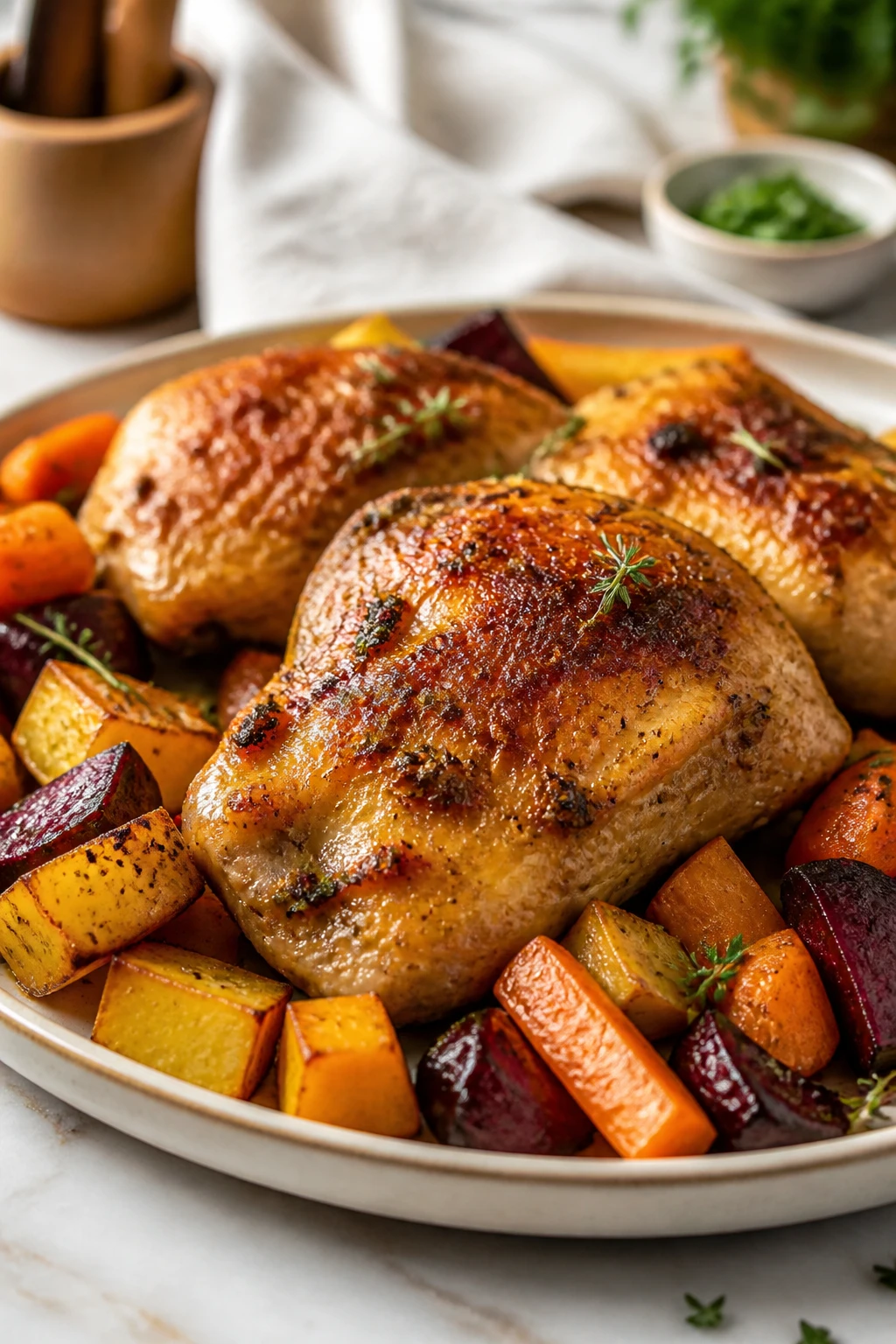
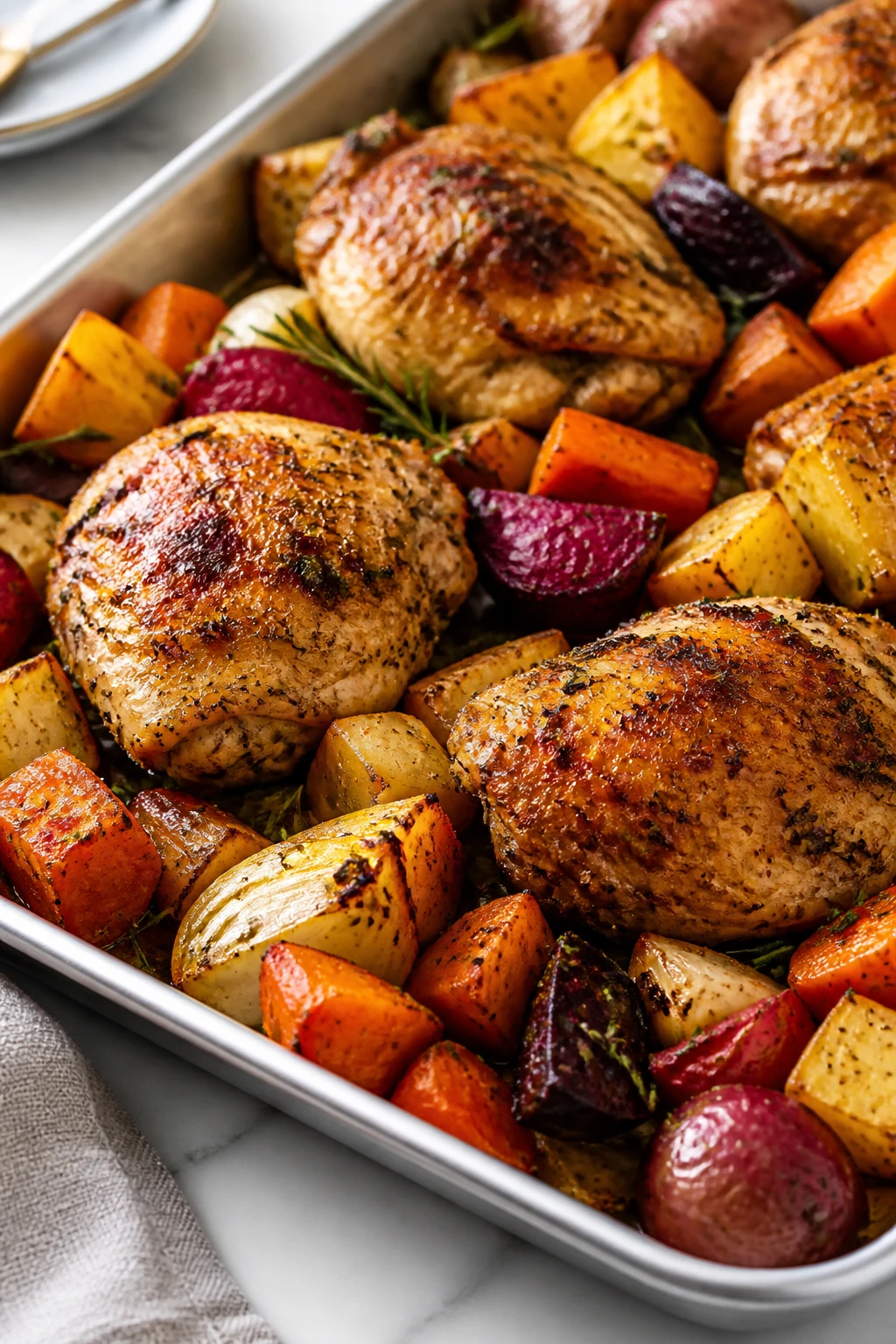
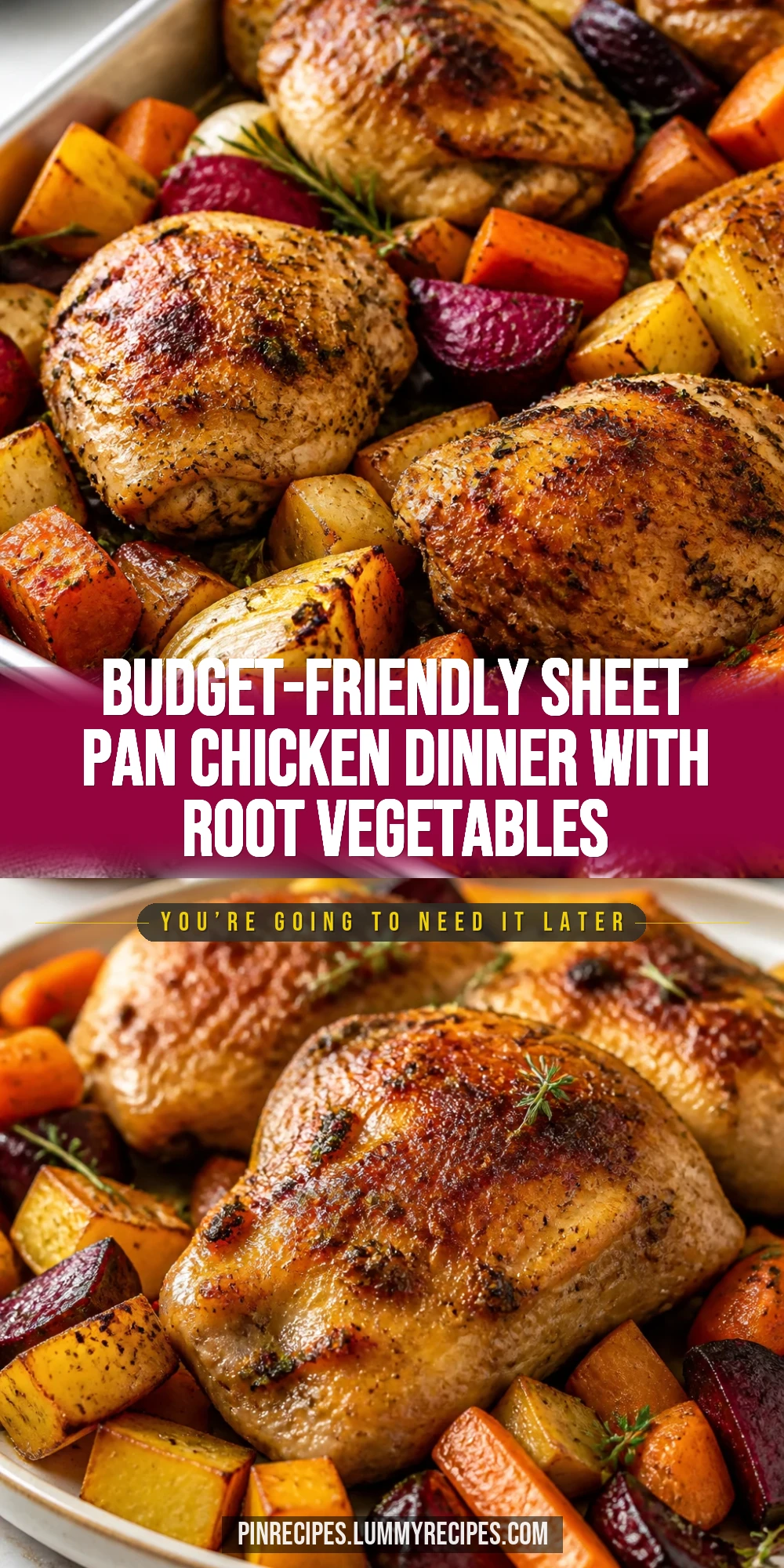
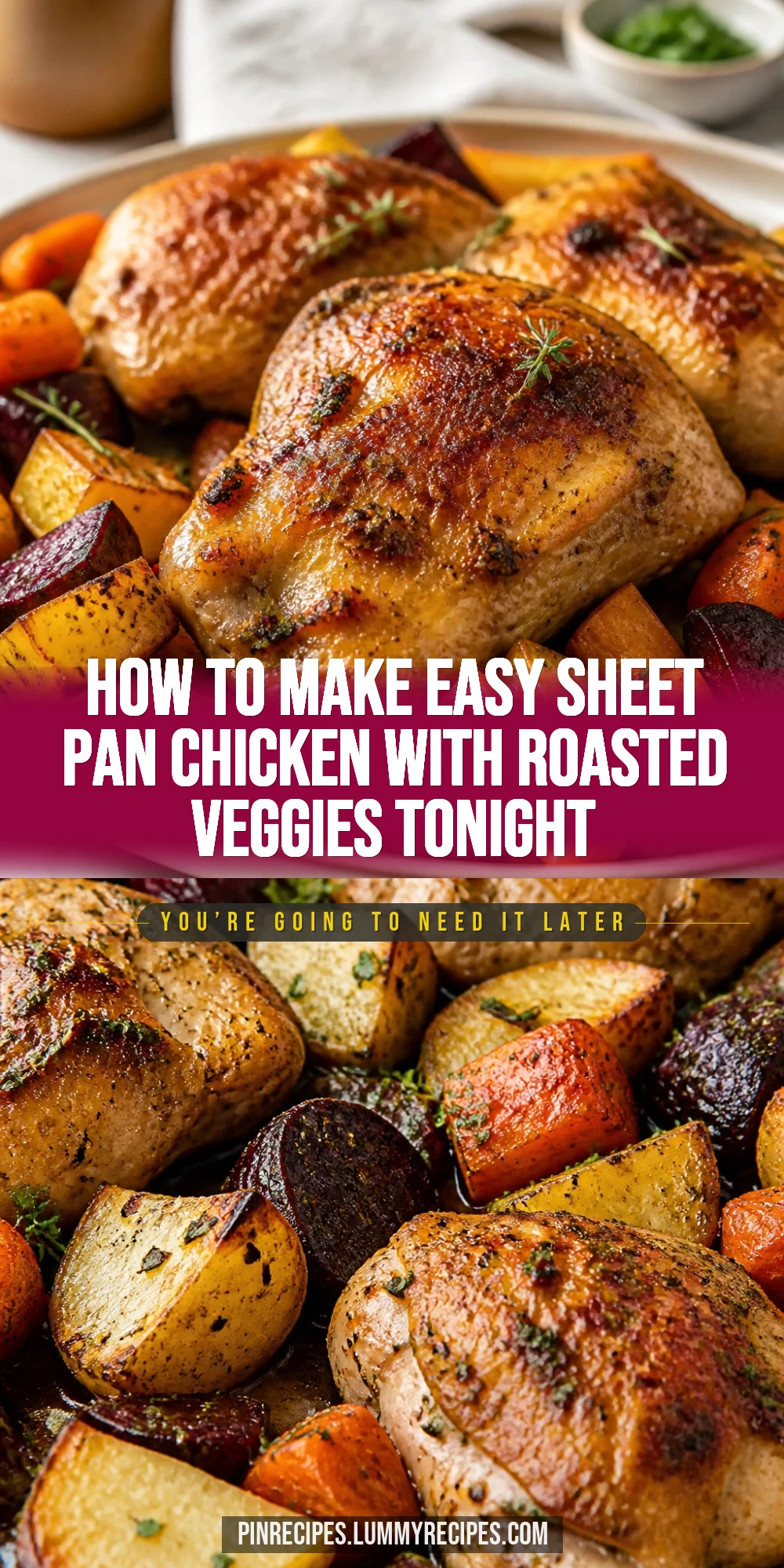
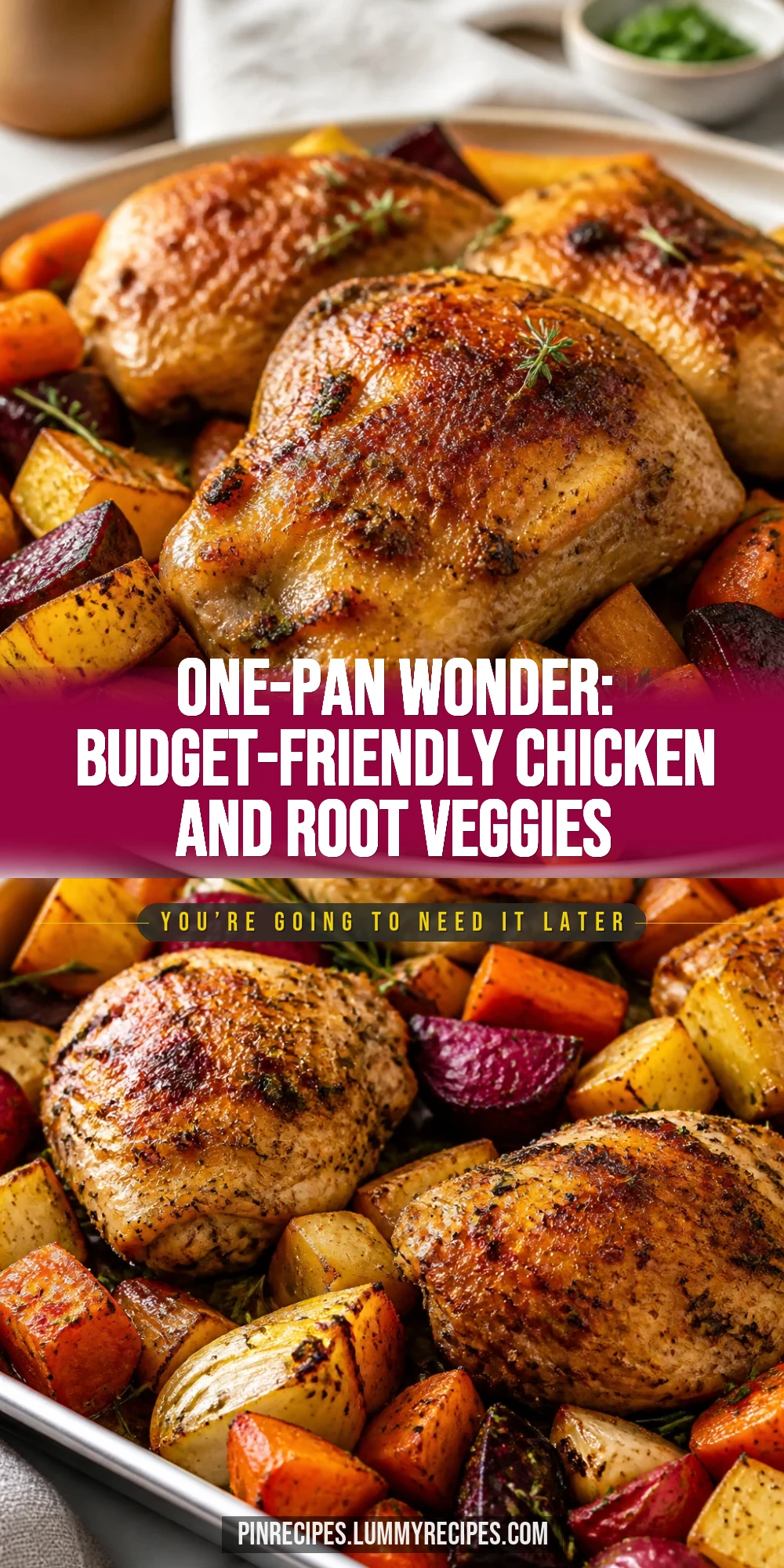
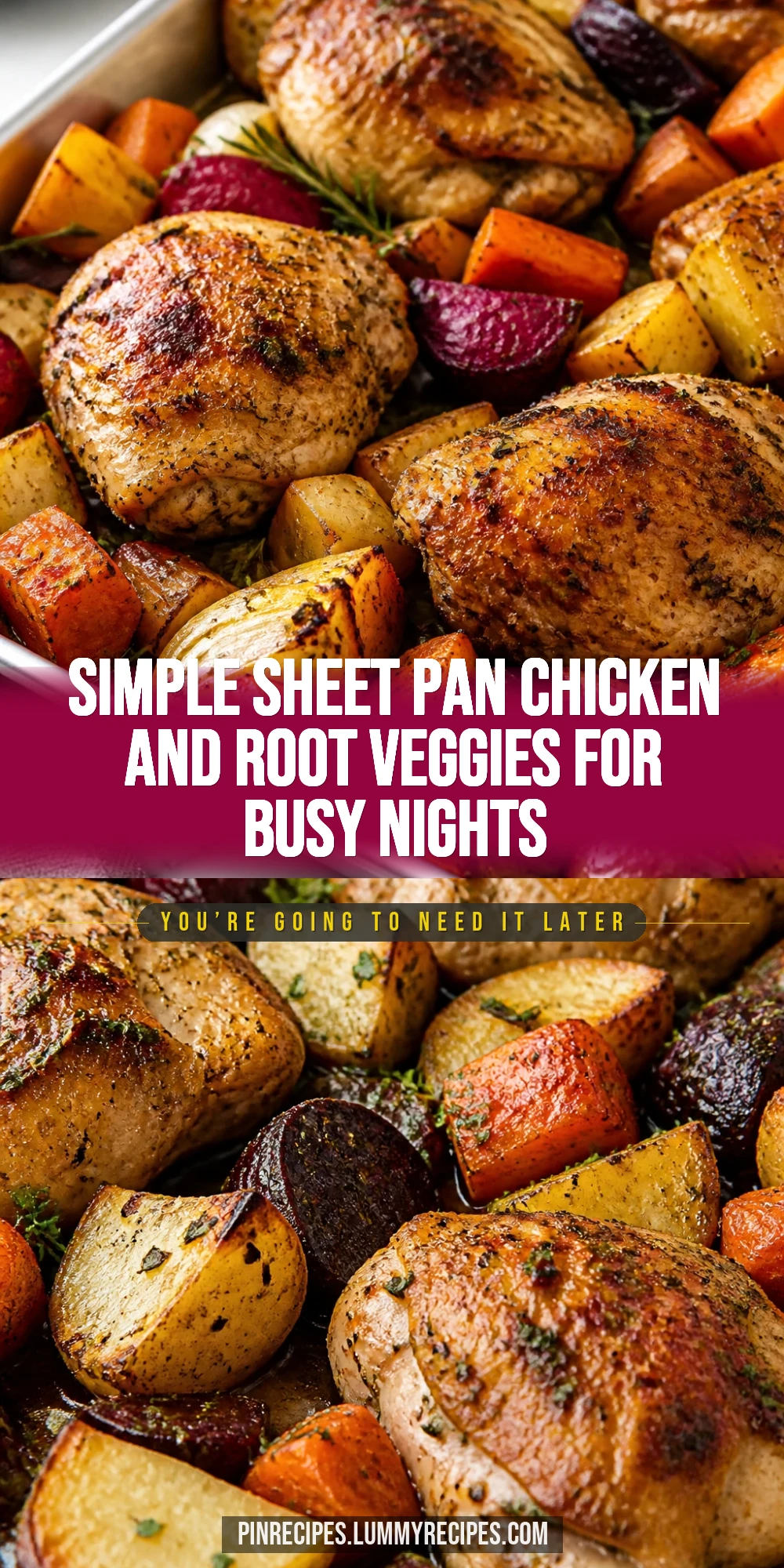
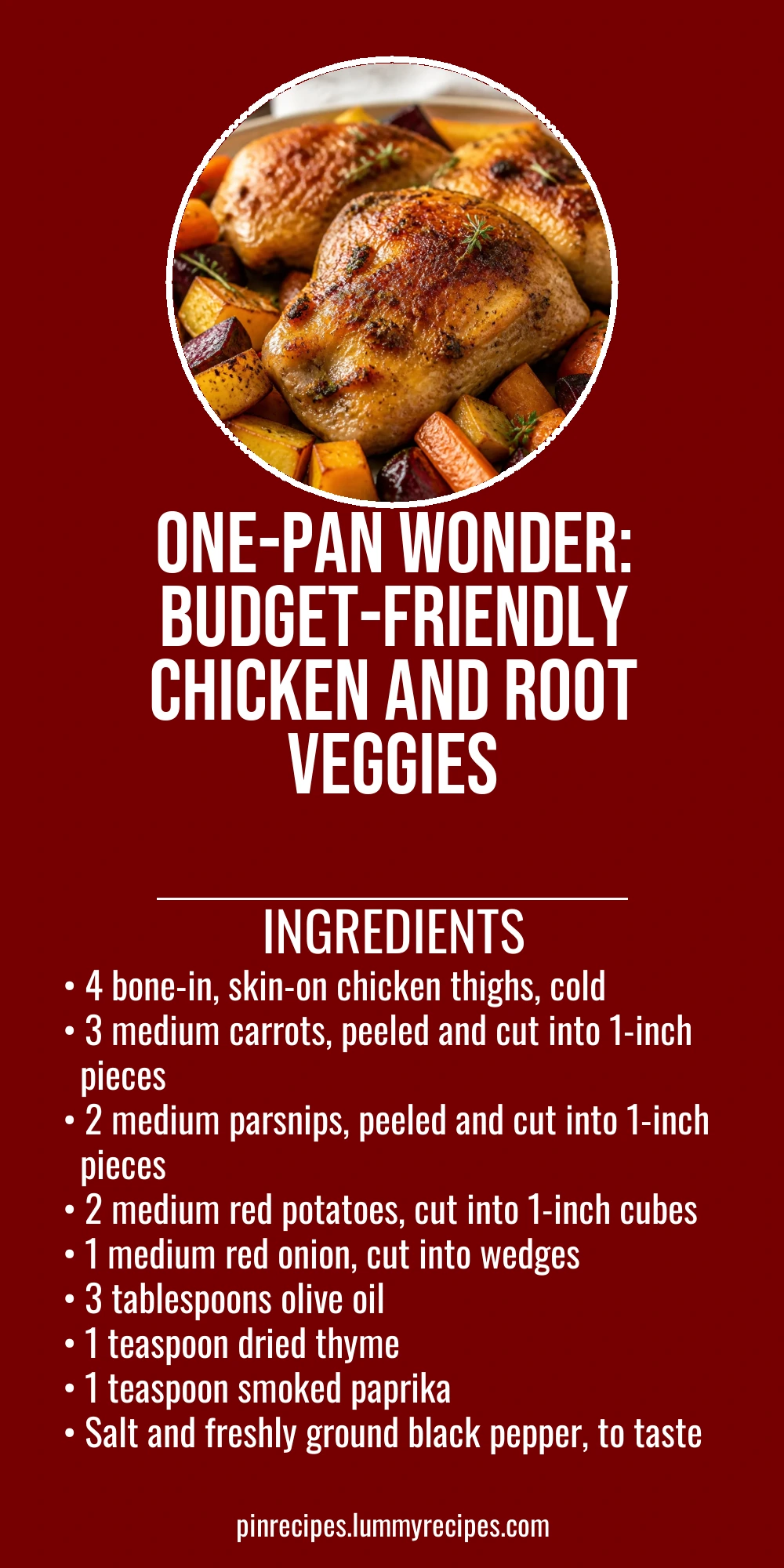
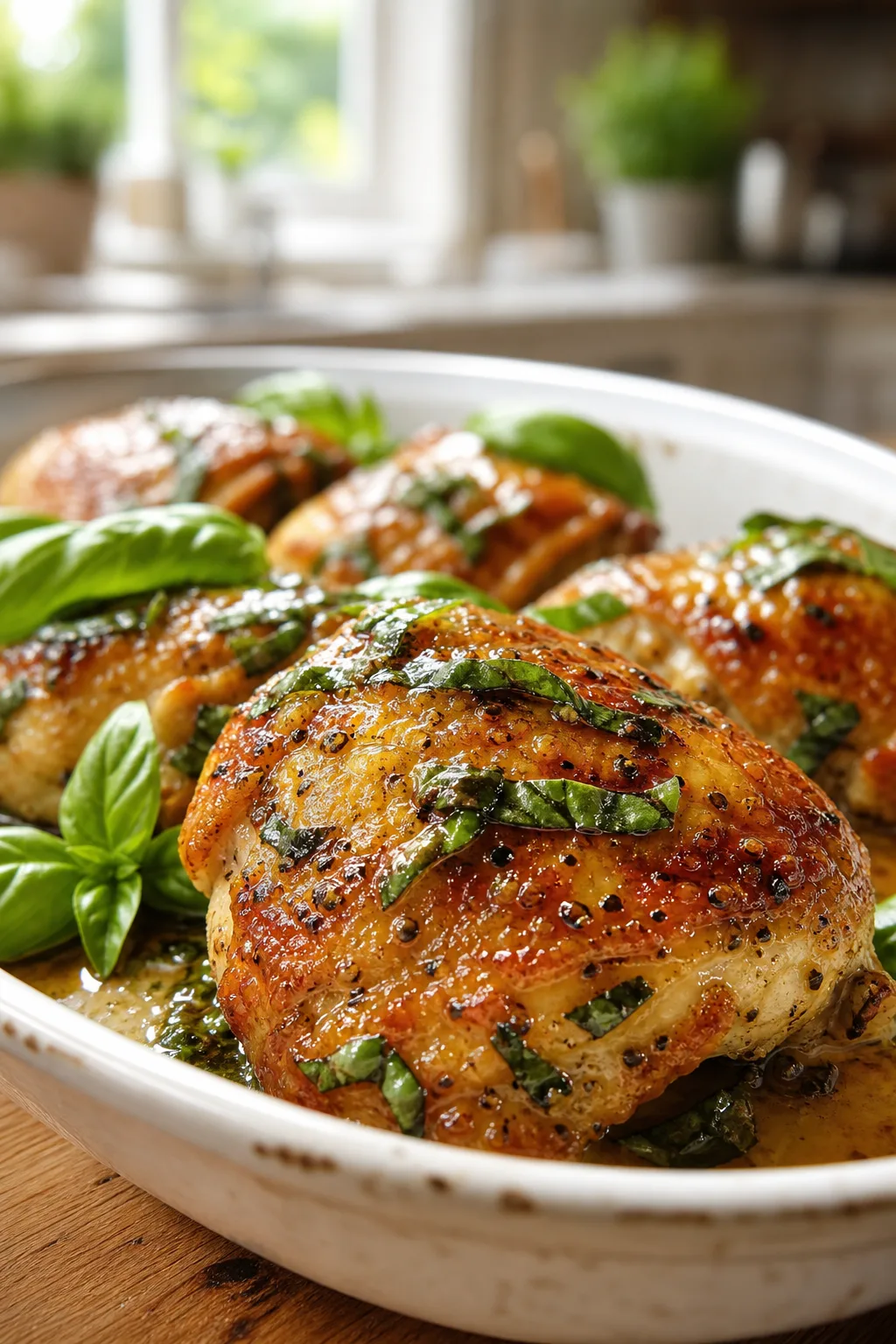
This sheet pan chicken dinner is my go-to when I want something hearty but fuss-free. Roasting the root veggies alongside the chicken means everything soaks up those cozy flavors. Perfect for a simple weeknight meal that feels special.
Introduction
I first made this easy sheet pan chicken with roasted root vegetables on a day when I was short on time but craving something warm and comforting. The beauty of this recipe is how straightforward it is — just toss everything on one pan, season well, and let the oven do its magic. What sets this version apart is the use of bone-in, skin-on chicken thighs which stay juicy and develop that irresistible crispy skin. Plus, roasting a medley of root vegetables like carrots, parsnips, and potatoes alongside the chicken means all those flavors mingle and deepen. I remember the first time I tried roasting the veggies without peeling them properly and the texture was off — so peeling and cutting them into uniform pieces is key for even cooking. The finished dish has this cozy, rustic vibe with tender meat and sweet, caramelized veggies. It’s perfect for a simple weeknight dinner or when you want to impress without fuss. Honestly, it’s become a staple in my kitchen because it’s budget-friendly but doesn’t feel like it. You’ll love how easy it is to prep and how satisfying it tastes!
How To Do It
Step 1
Preheat your oven to 425°F (220°C). This high temperature is crucial because it helps the chicken skin crisp up nicely while roasting the vegetables to a golden, caramelized finish. Line a large sheet pan with parchment paper or lightly grease it to prevent sticking. Preparing the pan this way also makes cleanup a breeze, which is a big win for busy nights.
⏱ Time: 10 minutes
✓ Doneness: Oven fully preheated and pan ready with parchment or oil sheen
Step 2
In a large bowl, combine the carrots, parsnips, red potatoes, and red onion. Drizzle with 2 tablespoons of olive oil, sprinkle with half the dried thyme, smoked paprika, salt, and pepper. Toss everything together until the vegetables are evenly coated. This step ensures the seasoning sticks well and the oil helps with caramelization, which brings out the natural sweetness of the roots.
⏱ Time: 5 minutes
✓ Doneness: Vegetables look glossy and well-seasoned, no dry spots
Step 3
Spread the seasoned vegetables evenly on the prepared sheet pan, leaving space in the center for the chicken thighs. Spacing is important so the vegetables roast instead of steam, which keeps them crispy on the edges and tender inside.
⏱ Time: 3 minutes
✓ Doneness: Vegetables arranged in a single layer with room for chicken pieces
Step 4
Pat the chicken thighs dry with paper towels — this step is key to getting crispy skin. In a small bowl, mix the remaining olive oil with minced garlic, the rest of the thyme, smoked paprika, salt, and pepper. Rub this mixture all over the chicken thighs, making sure to get under the skin where possible for deeper flavor infusion.
⏱ Time: 7 minutes
✓ Doneness: Chicken skin looks evenly coated and slightly glossy
Step 5
Place the chicken thighs skin-side up in the center of the sheet pan among the vegetables. Positioning the chicken skin-side up allows the fat to render and crisp the skin while the meat stays juicy underneath.
⏱ Time: 2 minutes
✓ Doneness: Chicken thighs arranged with skin facing up and not crowded
Step 6
Roast everything in the preheated oven for about 35-40 minutes. Halfway through cooking (around 20 minutes), stir the vegetables gently to promote even roasting and baste the chicken with pan juices to keep it moist. Avoid skipping this step, or the veggies might cook unevenly and the chicken skin won’t crisp as well.
⏱ Time: 40 minutes
✓ Doneness: Chicken skin is golden and crisp; vegetables are tender and caramelized
Step 7
Check for doneness by inserting a meat thermometer into the thickest part of a chicken thigh; it should read 165°F (74°C). If you don’t have a thermometer, pierce the meat and ensure the juices run clear with no pink. This guarantees safe and perfectly cooked chicken.
⏱ Time: 2 minutes
✓ Doneness: Internal temperature reads 165°F or juices run clear
Step 8
Remove the sheet pan from the oven and let the chicken rest for 5 minutes before serving. Resting allows the juices to redistribute, keeping the meat tender and juicy rather than drying out when cut.
⏱ Time: 5 minutes
✓ Doneness: Chicken feels firm but juicy when gently pressed
Step 9
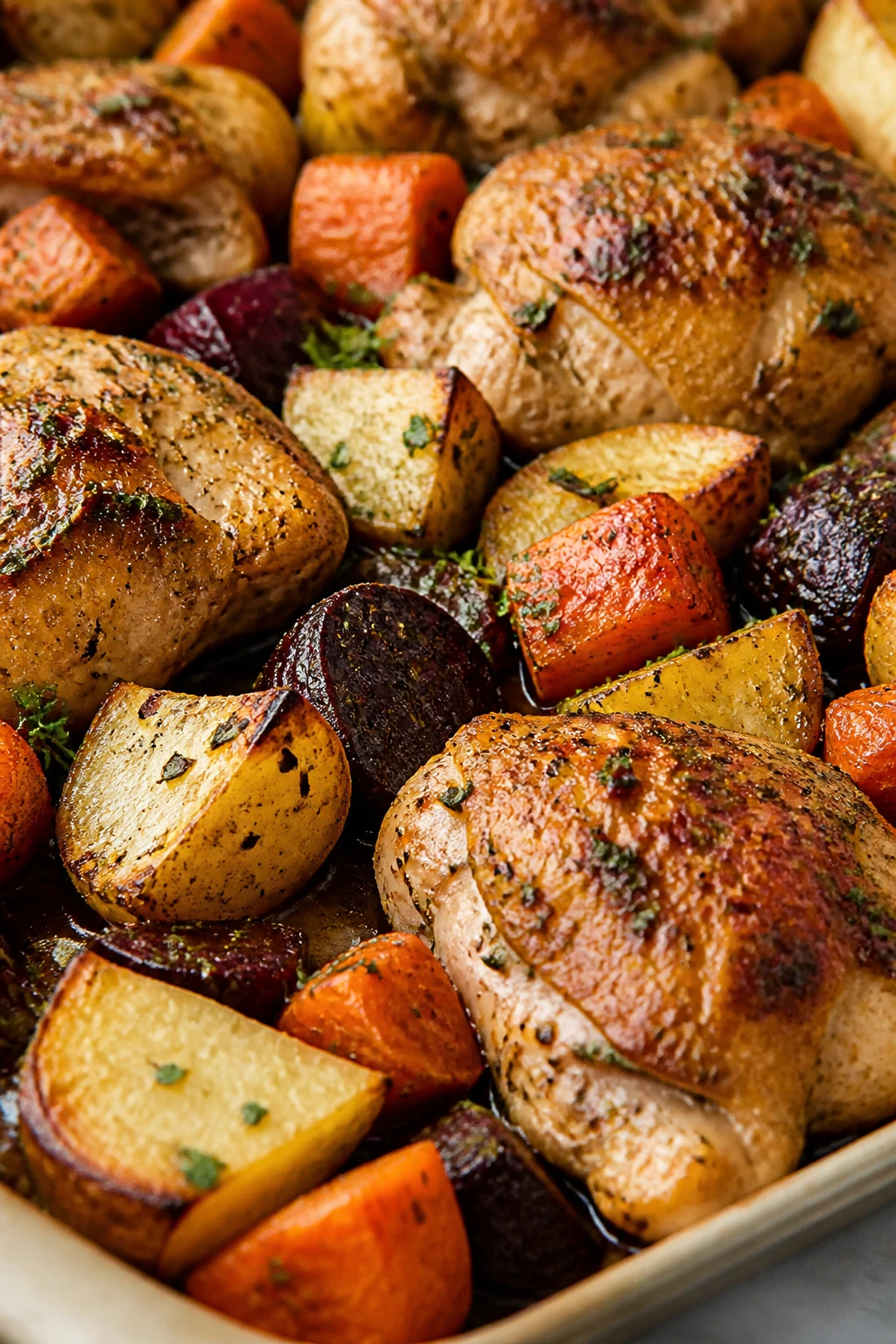
Sprinkle chopped fresh parsley over the chicken and vegetables for a pop of color and fresh flavor. Serve warm straight from the pan for a rustic, comforting meal that’s simple but satisfying.
⏱ Time: 2 minutes
✓ Doneness: Dish looks vibrant with fresh green garnish
Pro Tips
Pat the chicken thighs dry before seasoning.
Removing excess moisture from the chicken skin is crucial for achieving a crispy texture. If the skin is wet, it will steam instead of roasting, resulting in a soggy finish. Patting dry helps the oil and spices stick better and promotes browning through the Maillard reaction.
Cut vegetables into uniform pieces.
Uniform sizing ensures that all vegetables cook evenly at the same rate. If pieces vary too much in size, smaller ones may overcook and become mushy while larger pieces remain underdone. This simple step guarantees a consistent texture throughout.
Stir the vegetables halfway through roasting.
Turning the veggies midway promotes even caramelization and prevents burning on one side. It also redistributes any rendered chicken fat and pan juices, enhancing flavor and moisture. Skipping this can lead to uneven cooking and dry spots.
Use bone-in, skin-on chicken thighs for best flavor.
The bone helps conduct heat internally, cooking the meat evenly and keeping it juicy. The skin crisps up nicely in the oven, adding texture and flavor. Boneless or skinless cuts tend to dry out faster and lack the same richness.
Let the chicken rest before serving.
Resting allows the juices to redistribute throughout the meat, preventing them from running out when cut. This keeps the chicken moist and tender. Cutting immediately after roasting can cause dryness and loss of flavor.
Preheat your oven fully before roasting.
Starting with a hot oven ensures the chicken skin begins crisping immediately, locking in moisture. It also promotes proper caramelization of the vegetables. A cold or insufficiently heated oven can result in soggy skin and unevenly cooked veggies.
Season generously but evenly.
Proper seasoning is key to flavor development. Distributing salt, spices, and oil evenly ensures every bite is tasty. Under-seasoning or patchy coverage can leave bland spots, while over-seasoning can overpower the natural flavors.
Common Mistakes to Avoid
Not drying the chicken skin before roasting.
Why it happens Many cooks skip this step thinking it’s unnecessary or don’t realize how moisture affects crisping.
Fix Always pat the chicken skin dry with paper towels before seasoning. This removes surface moisture that would otherwise steam the skin, preventing it from crisping properly. The drier the skin, the better the Maillard reaction during roasting.
Cutting vegetables unevenly.
Why it happens In a rush, it’s easy to chop veggies haphazardly without considering size consistency.
Fix Take a few extra minutes to cut all vegetables into similar-sized pieces, about 1 inch. This ensures they roast evenly and finish cooking simultaneously, avoiding some pieces being undercooked while others are mushy.
Crowding the pan with too many ingredients.
Why it happens Trying to fit everything on one pan can lead to overcrowding, especially if pan size isn’t considered.
Fix Use a large enough sheet pan so ingredients are spread in a single layer with space between them. Overcrowding traps steam, resulting in soggy veggies and less crispy chicken skin.
Skipping the halfway stir.
Why it happens Some may forget or think stirring isn’t necessary.
Fix Set a timer to remind yourself to stir the vegetables about halfway through cooking. This promotes even browning and prevents burning on one side, enhancing flavor and texture.
Cutting into the chicken immediately after roasting.
Why it happens Impatience to eat can lead to slicing the chicken too soon.
Fix Let the chicken rest for at least 5 minutes after removing it from the oven. This allows juices to redistribute, keeping the meat moist and flavorful instead of drying out.
Variations
Add a Spicy Twist
Mix in a teaspoon of cayenne pepper or chili flakes with the seasoning blend for a bit of heat. You can also toss some sliced jalapeños with the vegetables. This adds a lively kick without overwhelming the natural flavors of the chicken and root veggies.
Note: Spicy additions won’t affect cooking time but watch out for burning spices; add them in the seasoning step to distribute evenly.
Use Sweet Potatoes Instead of Red Potatoes
Swap red potatoes with sweet potatoes for a sweeter, softer texture. Sweet potatoes roast beautifully and add extra nutrients, making the dish a bit more colorful and nutritious while keeping the same easy technique.
Note: Sweet potatoes may cook slightly faster; cut into slightly larger pieces to match cooking time with other vegetables.
Herb Variation with Rosemary and Sage
Replace thyme with fresh rosemary and sage for a more aromatic and woodsy flavor profile. These herbs pair wonderfully with roasted chicken and root vegetables, giving the dish a cozy, rustic feel.
Note: Use fresh herbs finely chopped and toss with the oil before seasoning to maximize flavor release during roasting.
Add a Balsamic Glaze Finish
Drizzle a balsamic reduction over the chicken and vegetables just before serving for a tangy-sweet contrast that brightens the dish. This adds complexity and a restaurant-quality touch with minimal effort.
Note: Make the glaze ahead by simmering balsamic vinegar until thickened; add right after resting the chicken.
Make It Gluten-Free and Dairy-Free
This recipe is naturally gluten and dairy-free as is, but you can enhance it by checking all spice blends for additives. Serve with a simple green salad for a light, allergen-friendly meal everyone can enjoy.
Note: No adjustments needed for cooking technique; just verify ingredient labels for hidden gluten or dairy.
Nutrition
Per Serving:
Nutritional values are estimates and may vary based on specific ingredients used.
Storage & Tips
Room Temperature
This dish can safely sit out for up to 2 hours if covered loosely with foil or a clean towel. Beyond that, bacteria growth increases, so refrigerate promptly to maintain safety and freshness.
Refrigerator
Store leftovers in an airtight container for up to 3 days. The flavors meld nicely overnight, but the chicken skin may lose some crispness. Reheat gently to avoid drying out the meat, and add a splash of water or broth if needed to keep veggies moist.
Freezer
Freeze cooked chicken and vegetables in a freezer-safe container or heavy-duty bag for up to 2 months. Wrap tightly to prevent freezer burn. Thaw overnight in the refrigerator before reheating for best texture and flavor retention.
Reheating
Reheat in a 350°F oven for 15-20 minutes until warmed through, covering loosely with foil to prevent drying. Alternatively, microwave on medium power in short bursts, stirring vegetables occasionally. Avoid overheating to keep the chicken juicy.
Make Ahead
You can prep and season the vegetables and chicken up to 1 day in advance, storing them covered separately in the fridge. Assemble and roast just before serving for maximum freshness and crispness.
FAQ
Can I use boneless chicken breasts instead of thighs?
You can, but boneless breasts cook faster and tend to dry out more easily. If you swap, reduce the cooking time and watch closely to avoid overcooking. Also, the skin won’t crisp up since breasts are often skinless, so the texture will be different.
What if I don’t have parsnips? Can I skip or replace them?
Absolutely! Parsnips add sweetness and texture but aren’t essential. You can replace them with additional carrots, turnips, or even sweet potatoes. Just make sure to cut replacements into similar sizes for even cooking.
How do I know when the chicken is fully cooked without a thermometer?
Pierce the thickest part of the thigh with a knife; the juices should run clear, not pink. The meat should also feel firm but springy to the touch. If in doubt, cook a few extra minutes but watch closely to avoid drying out.
Can I use frozen vegetables for this recipe?
Frozen vegetables tend to release water when cooked, which can make the dish soggy. For best results, use fresh root vegetables. If you must use frozen, thaw and pat them dry thoroughly before roasting.
Is it okay to use a different spice blend?
Definitely! This recipe is flexible. Feel free to experiment with your favorite herbs and spices, like Italian seasoning, curry powder, or Cajun spices. Just adjust quantities to taste and consider how they complement the chicken and vegetables.
How can I make this recipe spicier?
Add cayenne pepper, chili flakes, or diced fresh chili peppers to the seasoning mix. You can also serve with a hot sauce on the side. Start with small amounts and adjust to your heat preference.
Can I make this recipe vegan?
To make it vegan, swap the chicken thighs for firm tofu or chickpeas for protein. Roast the root vegetables as directed, and consider adding smoked paprika and garlic for flavor. Cooking times may vary depending on your protein choice.
What’s the best way to reheat leftovers without drying out the chicken?
Reheat gently in a low oven (around 350°F) covered with foil to retain moisture. Adding a splash of broth or water before reheating helps keep the chicken juicy. Microwaving on medium power in short bursts also works but can dry the skin.
Final Thoughts
Give this easy sheet pan chicken with roasted root vegetables a try—it’s a simple, budget-friendly meal that tastes way more special than it looks. I’d love to hear how it turns out for you!