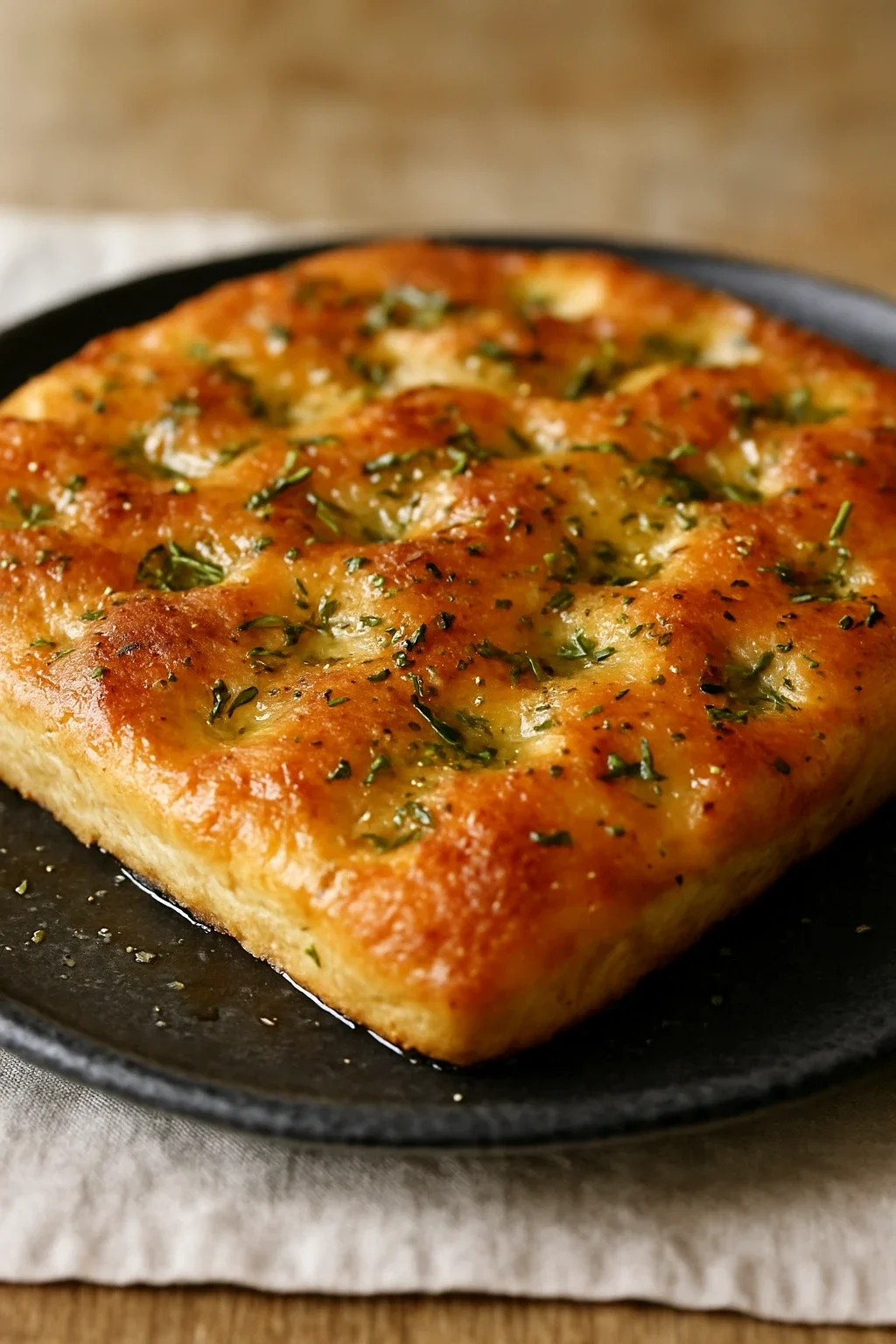
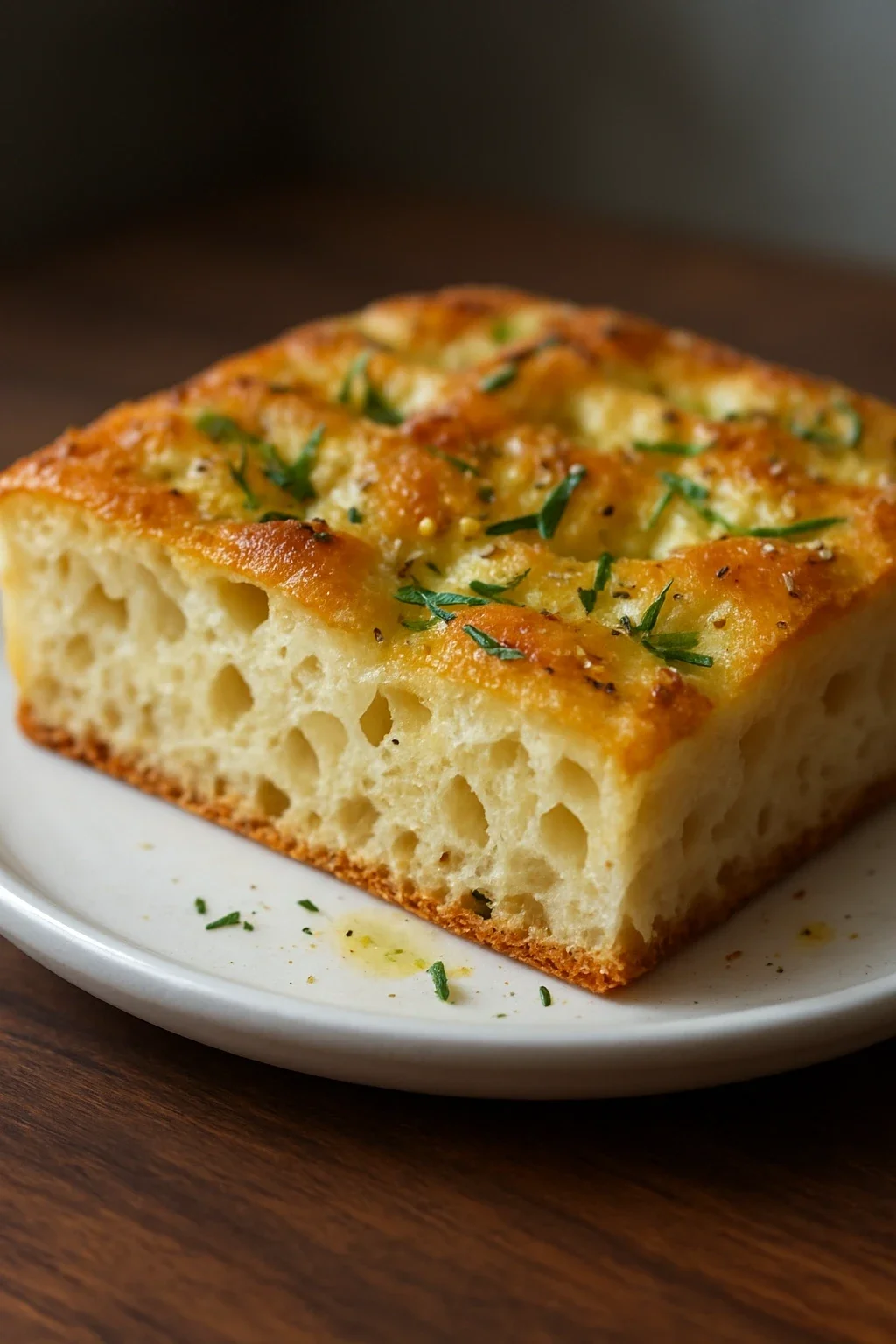
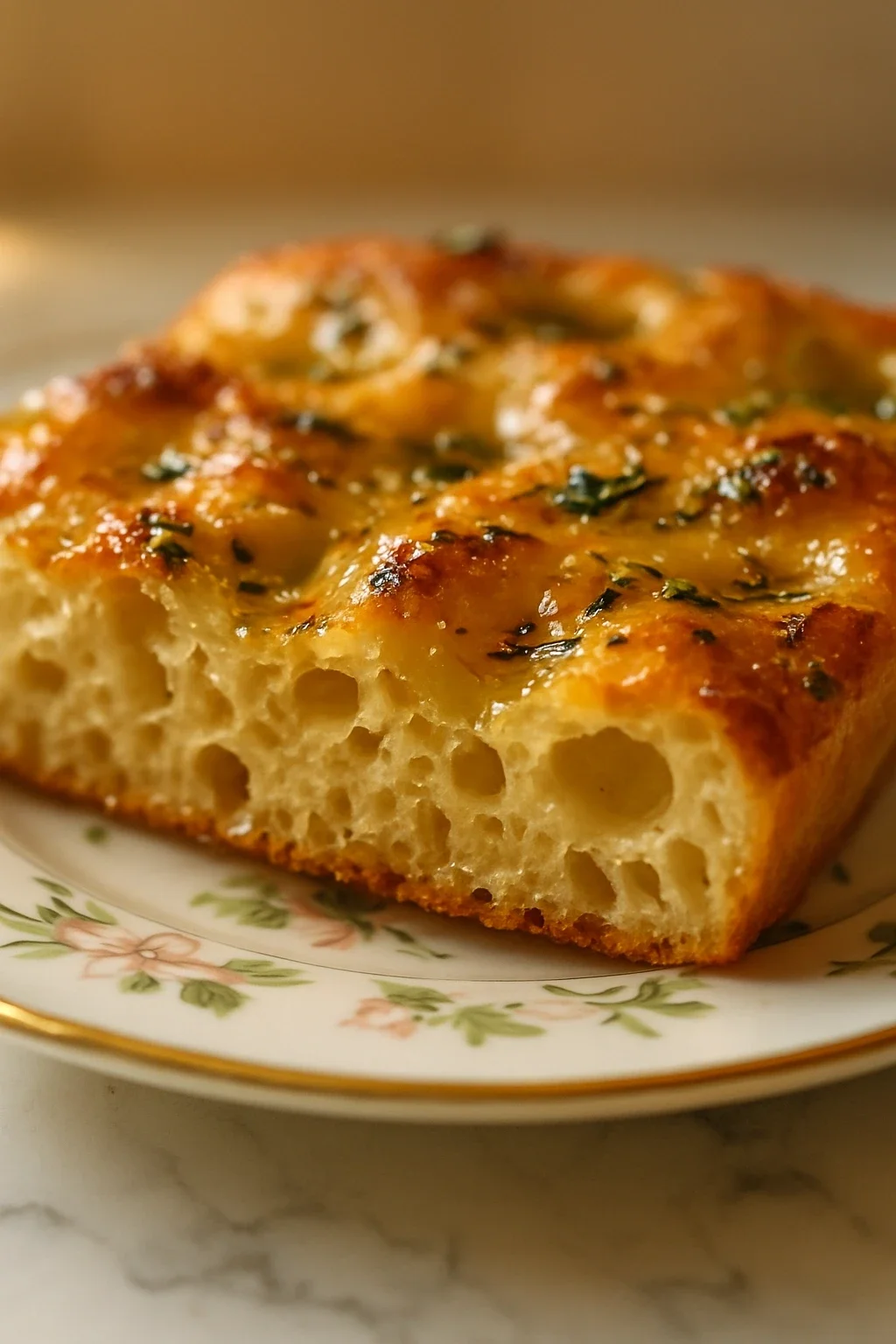
This sourdough focaccia is an easy and approachable recipe for home bakers. With a soft, airy texture and a deliciously tangy flavor from the sourdough starter, it’s perfect for any gathering or simply enjoying with a meal. Follow these straightforward steps to create a truly delightful bread experience.
Introduction
Baking sourdough focaccia brings back such fond memories for me, especially those weekends when the whole family would gather to share a meal. This recipe is my go-to for a simple yet satisfying bread that doesn’t require a lot of fuss. The magic truly lies in the fermentation of the sourdough starter, which gives it that incredible tangy flavor and light, airy texture. It’s perfect for serving with a variety of dishes or just enjoying on its own with a drizzle of olive oil. Let’s get into the details of how to create this lovely focaccia together.
What You'll Need
One large focaccia, approximately 8 servings
- 500g (4 cups) all-purpose flour
- 350ml (1.5 cups) warm water
- 100g (1/2 cup) active sourdough starter
- 10g (2 tsp) sea salt
- 30ml (2 tbsp) olive oil, plus extra for drizzling
- Optional: fresh herbs (rosemary, thyme), coarse sea salt for topping
How To Do It
Step 1
In a large mixing bowl, combine the warm water (350ml) and sourdough starter (100g). Stir gently until the starter is dissolved in the water, creating a smooth mixture.
⏱ Time: 5 minutes
✓ Doneness: The mixture should be well-combined and slightly frothy.
Step 2
Add the all-purpose flour (500g) and sea salt (10g) to the mixing bowl. Using a wooden spoon or your hands, mix until a rough dough forms. The dough should be sticky but cohesive.
⏱ Time: 5 minutes
✓ Doneness: The dough will be slightly tacky and should hold together.
Step 3
Cover the bowl with a clean kitchen towel or plastic wrap and let it rest at room temperature for about 30 minutes. This step is known as autolyse and helps with gluten development.
⏱ Time: 30 minutes
✓ Doneness: The dough will slightly puff up and become more elastic.
Step 4
After resting, add the olive oil (30ml) to the dough and incorporate it by folding the dough over itself a few times until the oil is fully absorbed.
⏱ Time: 5 minutes
✓ Doneness: The dough should feel smooth and slightly less sticky after the oil is added.
Step 5
Transfer the dough to a greased baking pan (about 9x13 inches) and gently stretch it to fit the pan. Cover with a towel and let it rise at room temperature for 2-4 hours, until it has doubled in size.
⏱ Time: 2-4 hours
✓ Doneness: The dough will have visibly expanded and may have bubbles forming on the surface.
Step 6
Preheat the oven to 220°C (425°F). Once the dough has risen, use your fingers to dimple the surface. Drizzle additional olive oil over the top and sprinkle with coarse sea salt and fresh herbs if using.
⏱ Time: 10 minutes
✓ Doneness: The surface should have small indentations from your fingers, and the oil should pool in the dimples.
Step 7
Bake in the preheated oven for 25-30 minutes, or until the focaccia is golden brown and sounds hollow when tapped on the bottom.
⏱ Time: 25-30 minutes
✓ Doneness: The top should be golden brown, and the bread should feel firm to the touch.
Step 8
Remove the focaccia from the oven and let it cool in the pan for 5 minutes. Then, transfer it to a wire rack to cool completely before slicing.
⏱ Time: 5 minutes
✓ Doneness: The focaccia should be slightly warm but not hot to the touch.
Pro Tips
Allow ample fermentation time for better flavor.
The longer the dough ferments, the more complex the flavor becomes as the yeast and bacteria produce various compounds during fermentation.
Use a hot oven for the best crust.
A higher baking temperature helps create a crispy exterior while keeping the inside soft and airy. Avoid opening the oven door during baking to maintain temperature.
Experiment with toppings.
Adding toppings like herbs, olives, or even tomatoes can enhance the flavor and create a unique twist on the classic focaccia.
Don’t rush the rising time.
Rushing the rise can lead to dense bread. Allow the dough to rise until it has visibly doubled to ensure a light and airy texture.
Store focaccia properly to retain moisture.
To keep the focaccia soft, store it in a paper bag at room temperature or wrap it in a kitchen towel. This helps maintain the crust while keeping the interior moist.
Common Mistakes to Avoid
Not allowing enough time for fermentation.
Why it happens Many beginners may be impatient and skip the fermentation step, leading to bland and dense bread.
Fix Always allow the dough to rise until it has doubled in size, which enhances both flavor and texture.
Using cold water instead of warm.
Why it happens Cold water can slow down the fermentation process, preventing the yeast from activating properly.
Fix Always use warm water to help the dough rise and develop flavor more effectively.
Baking at the wrong temperature.
Why it happens Using an oven that’s not hot enough can lead to a pale and soft focaccia.
Fix Preheat your oven thoroughly and ensure it reaches the desired temperature before baking.
Variations
Herb-Infused Focaccia
Add fresh herbs like rosemary or thyme directly into the dough for an aromatic flavor throughout.
Note: Chop the herbs finely and mix them in during the initial mixing stage to distribute their flavor evenly.
Garlic and Olive Oil Focaccia
Incorporate minced garlic into the olive oil drizzle before topping the focaccia.
Note: The garlic will infuse the oil, adding a delicious aroma and flavor that complements the focaccia beautifully.
Olive and Sun-Dried Tomato Focaccia
Top the focaccia with sliced olives and sun-dried tomatoes for a Mediterranean twist.
Note: Ensure toppings are evenly spaced to provide bursts of flavor in each bite.
Nutrition
Per Serving:
approximately 200
Calories
These values are estimates and may vary based on specific brands and ingredient choices.
Storage & Tips
Room Temperature
Keep focaccia at room temperature for up to 2 days, wrapped in a kitchen towel or paper bag.
Refrigerator
Store in an airtight container in the fridge for up to 4 days, but note that refrigeration may dry it out.
Freezer
Freeze focaccia for up to 3 months. Wrap it tightly in plastic wrap and then in aluminum foil to prevent freezer burn.
Reheating
Reheat in a preheated oven at 180°C (350°F) for about 10-15 minutes until heated through.
Make Ahead
You can prepare the dough and let it rise overnight in the refrigerator. The next day, allow it to come to room temperature and continue with the recipe.
FAQ
Can I make sourdough focaccia ahead of time?
Yes, you can prepare the dough and let it rise overnight in the refrigerator. Just bring it to room temperature before baking.
Why is my focaccia dense?
This can happen if the dough didn't rise enough during fermentation. Make sure to allow it to double in size for the best texture.
Can I use whole wheat flour?
While you can substitute some whole wheat flour, using all whole wheat will yield a denser focaccia. A blend of all-purpose and whole wheat is best.
How do I know when my focaccia is done baking?
It should be golden brown on top and sound hollow when tapped on the bottom.
What can I use instead of a sourdough starter?
If you don't have a sourdough starter, you can use store-bought yeast, but the flavor and texture will differ.
Final Thoughts
Baking sourdough focaccia is a simple yet rewarding process that brings joy to any meal. The combination of a crispy crust and a soft, flavorful interior makes it an ideal bread to serve with various dishes or enjoy on its own. I encourage you to try this recipe and share your experiences or any variations you create in the comments below!