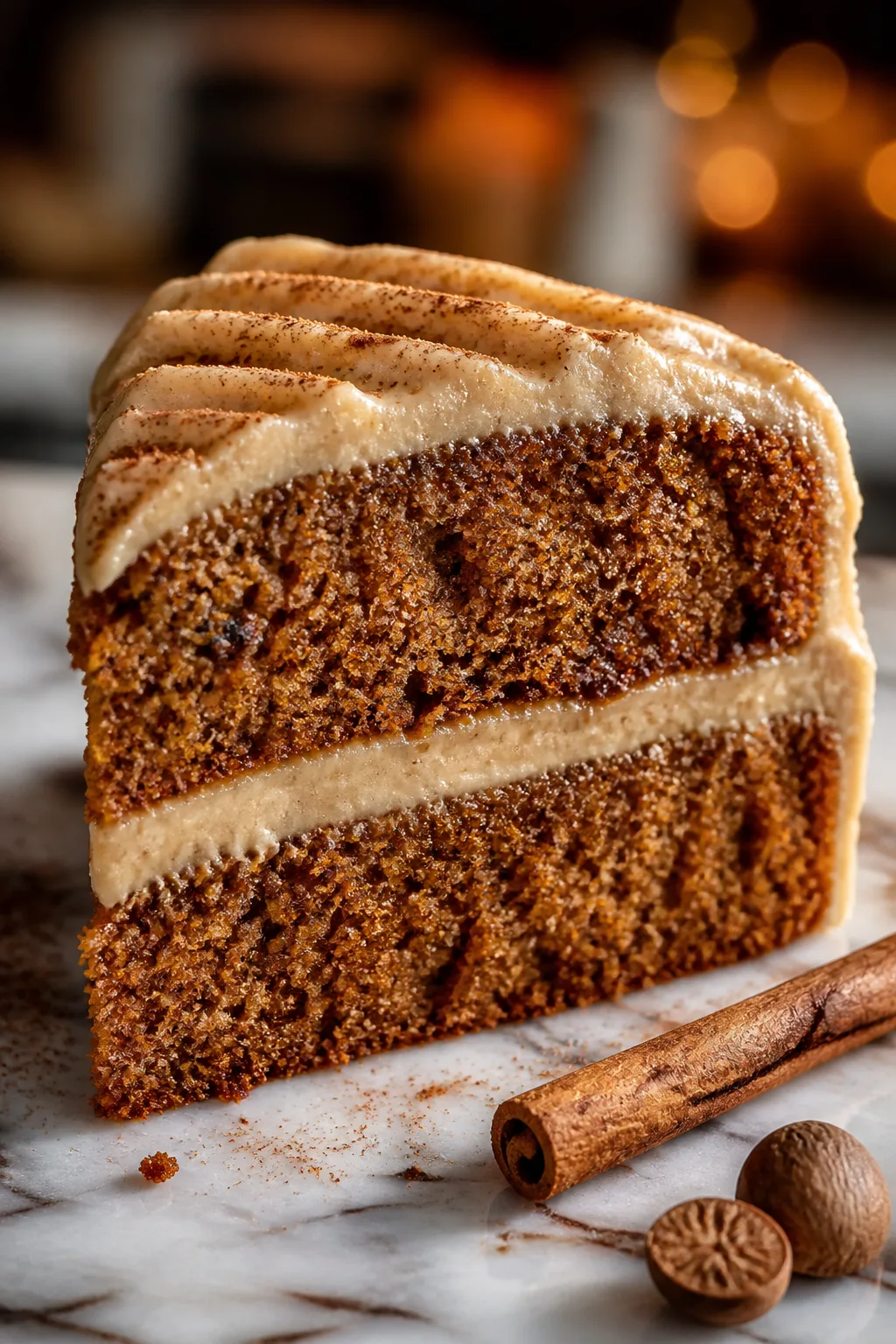
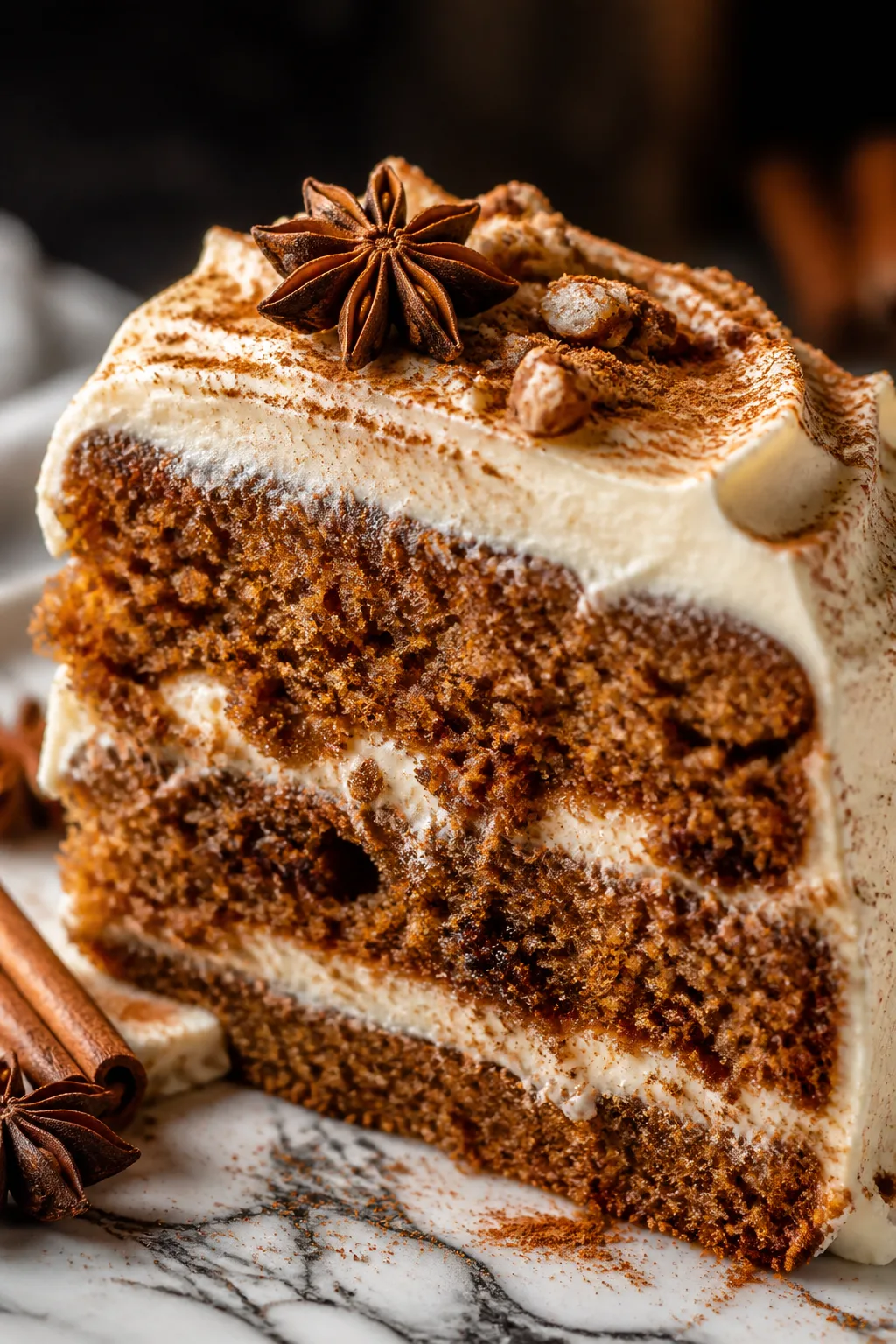
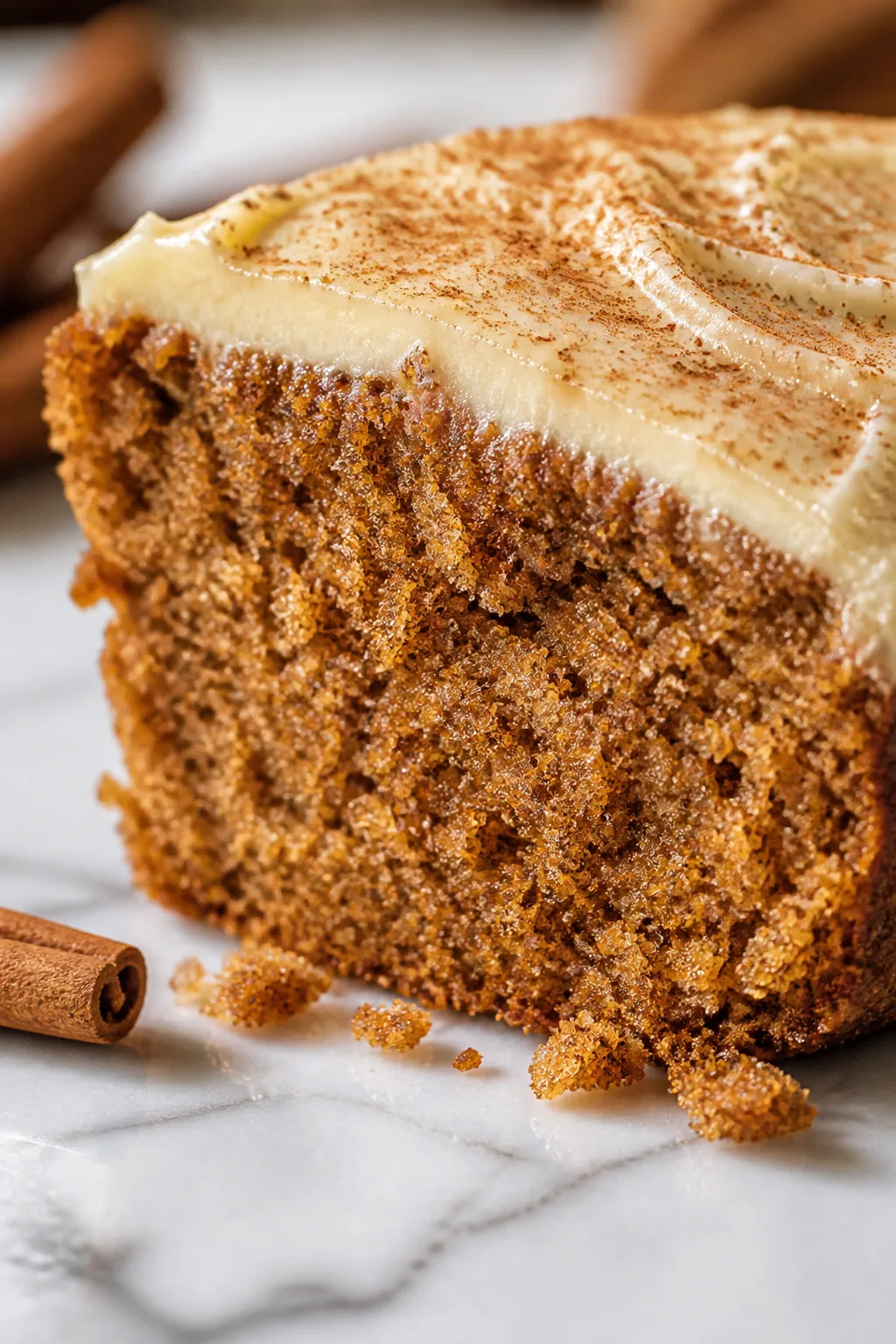
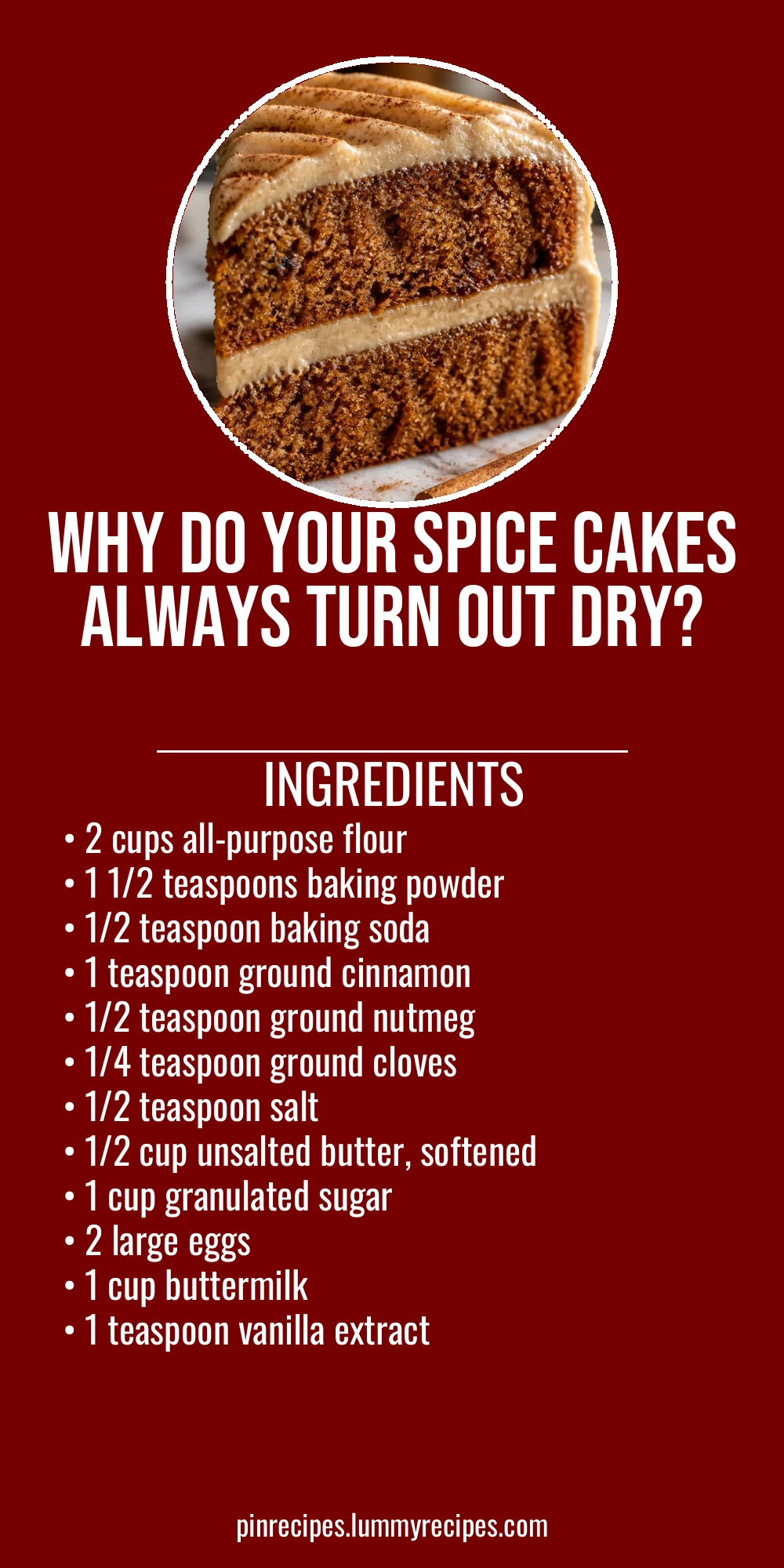
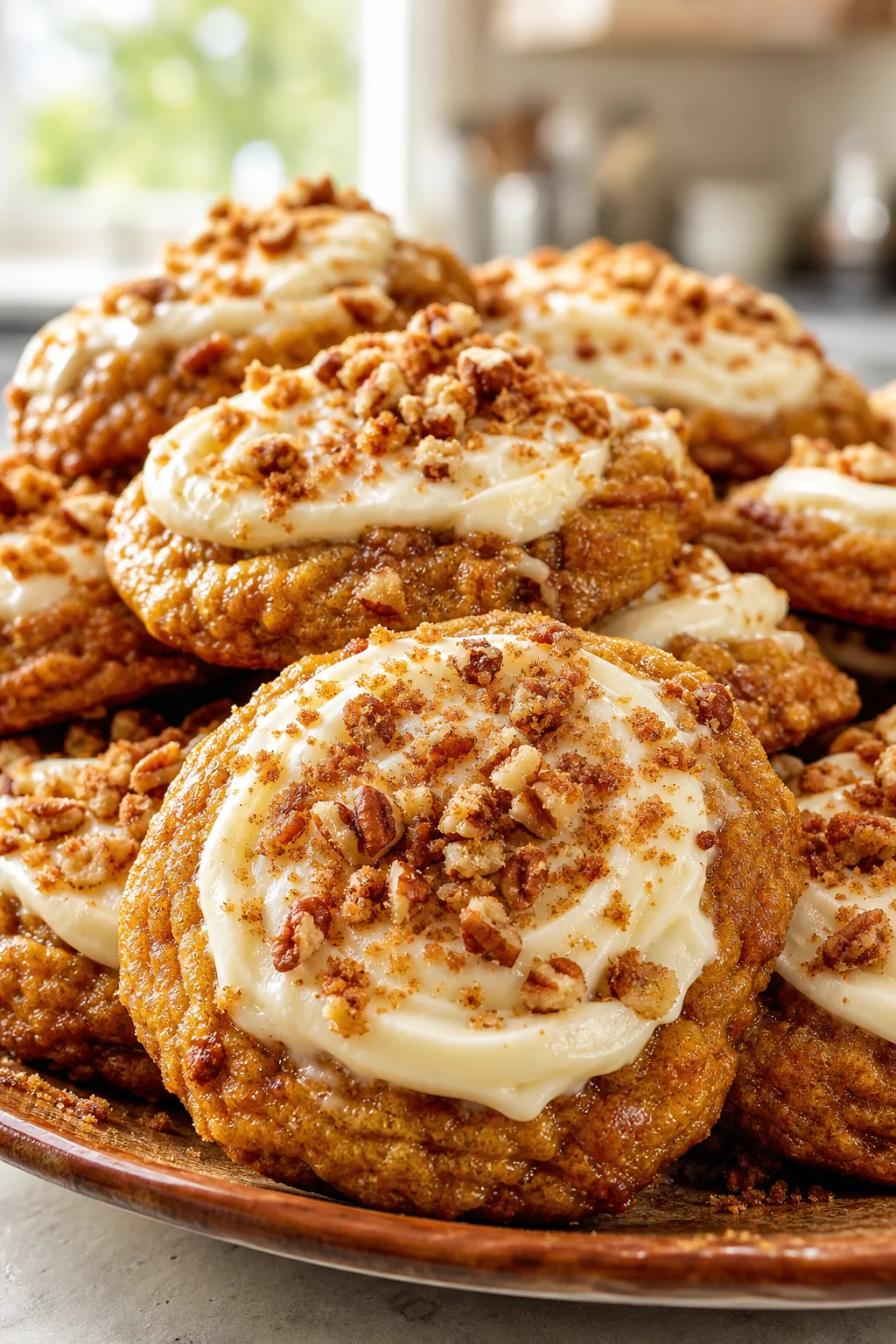
This easy spice cake blends cinnamon, nutmeg, and cloves for a warm, comforting flavor. It’s moist and tender thanks to a simple buttermilk trick. Great for fall afternoons or holiday dessert!
Introduction
I first tried making spice cake years ago when I wanted a simple, comforting dessert that wasn’t overly sweet but packed with cozy flavors. My first attempts were a bit dry, and I realized the key was adding buttermilk for moisture and using a gentle folding technique to keep the crumb tender. This version has become a family favorite, especially in the cooler months when a warm slice with a cup of tea feels just right. The blend of cinnamon, nutmeg, and cloves is perfectly balanced—not too overpowering, just that nostalgic spice warmth. It’s easy enough for a weeknight treat but special enough to bring to a potluck or holiday gathering. I love how it turns out moist and tender every time, with a subtle tang from the buttermilk that brightens the flavors. Plus, it’s a straightforward recipe that doesn’t require any fancy ingredients or equipment. You’ll see the cake rise beautifully with a golden crust and a soft, spiced interior that’s just begging for a dusting of powdered sugar or a simple glaze. It’s one of those recipes I keep coming back to because it’s reliable and delicious, and I think you’ll love it too.
What You'll Need
One 9-inch cake, serves 8
- 2 cups all-purpose flour
- 1 1/2 teaspoons baking powder
- 1/2 teaspoon baking soda
- 1 teaspoon ground cinnamon
- 1/2 teaspoon ground nutmeg
- 1/4 teaspoon ground cloves
- 1/2 teaspoon salt
- 1/2 cup unsalted butter, softened
- 1 cup granulated sugar
- 2 large eggs
- 1 cup buttermilk
- 1 teaspoon vanilla extract
How To Do It
Step 1
Preheat your oven to 350°F (175°C). Grease and flour a 9-inch round cake pan to prevent sticking, ensuring the cake will release easily after baking. This step is crucial because even a little residue can cause the cake to tear or stick, ruining its tender crumb. While the oven heats, combine the dry ingredients—flour, baking powder, baking soda, cinnamon, nutmeg, cloves, and salt—in a medium bowl. Whisking these together ensures even distribution of the leavening agents and spices, so every bite has consistent flavor and the cake rises evenly.
⏱ Time: 10 minutes
✓ Doneness: Dry ingredients are fully combined with no lumps; pan is prepared
Step 2
In a large bowl, cream the softened butter and sugar together using a hand mixer or stand mixer on medium speed. This process incorporates air into the butter, helping the cake to rise and become fluffy. Beat for about 3-4 minutes until the mixture is pale and fluffy. Adding the eggs one at a time ensures they emulsify properly, creating a smooth batter. Mix in the vanilla extract. Be careful not to overbeat once the eggs are added, as overmixing can cause the cake to be dense.
⏱ Time: 7 minutes
✓ Doneness: Butter and sugar are light and fluffy; eggs fully incorporated without curdling
Step 3
Add the dry ingredients to the butter mixture in three parts, alternating with the buttermilk, starting and ending with the dry ingredients. Use a spatula or mixer on low speed to gently fold the ingredients together. This alternating method helps maintain the batter’s moisture and prevents overmixing, which can toughen the cake. Mixing just until combined keeps the crumb tender and light.
⏱ Time: 5 minutes
✓ Doneness: Batter is smooth and uniform with no streaks of flour
Step 4
Pour the batter into the prepared cake pan and smooth the top with a spatula. Tap the pan gently on the counter to release any large air bubbles trapped in the batter. This helps the cake bake evenly without large holes or tunnels. Place the pan in the preheated oven on the middle rack for even heat circulation.
⏱ Time: 3 minutes
✓ Doneness: Batter evenly spread and surface smooth
Step 5
Bake the cake for 28-32 minutes, checking at 28 minutes by inserting a toothpick in the center. If it comes out clean or with a few moist crumbs, the cake is done. Avoid opening the oven door too early or too often, as this can cause the cake to sink. The cake should have a golden brown top and pull slightly away from the edges of the pan when done.
⏱ Time: 28-32 minutes
✓ Doneness: Toothpick comes out clean; cake springs back when lightly pressed
Step 6
Remove the cake from the oven and let it cool in the pan for about 10 minutes. This resting period lets the cake firm up slightly, making it easier to remove without breaking. After 10 minutes, run a knife around the edges to loosen it, then invert onto a wire rack to cool completely. Cooling on a rack prevents sogginess from steam trapped underneath.
⏱ Time: 15 minutes
✓ Doneness: Cake is warm but firm enough to handle; no sticking to pan
Step 7
Once cooled, you can dust the cake with powdered sugar or drizzle a simple glaze made from powdered sugar and milk. This adds a touch of sweetness and a pretty finish without overpowering the warm spices. If you prefer, serve plain or with a dollop of whipped cream or cream cheese frosting for extra indulgence.
⏱ Time: 5 minutes
✓ Doneness: Cake is fully cooled; glaze or topping applied smoothly
Step 8
Slice the cake with a sharp serrated knife for clean cuts. Wiping the knife between slices helps keep the edges neat. Serve at room temperature for the best texture and flavor. This cake pairs wonderfully with tea or coffee and makes a lovely dessert or snack.
⏱ Time: 5 minutes
✓ Doneness: Clean, even slices with no crumbling
Step 9
Store any leftovers in an airtight container at room temperature for up to 3 days. To refresh slightly dried cake, warm slices briefly in the microwave or oven before serving. This simple cake also freezes well—wrap tightly and thaw overnight in the fridge.
⏱ Time: 2 minutes
✓ Doneness: Cake remains moist and flavorful after storage
Pro Tips
Always use room temperature ingredients for even mixing.
Room temperature butter and eggs blend more smoothly, allowing the batter to trap air better during creaming. Cold ingredients can cause the batter to curdle or mix unevenly, resulting in a dense cake texture.
Don’t overmix once the flour is added.
Overmixing develops gluten, which makes the cake tough instead of tender. Mixing just until ingredients are combined keeps the crumb soft and delicate, which is essential for a good spice cake.
Measure flour correctly by spooning it into the cup and leveling off.
Scooping flour directly with a measuring cup packs it down and can lead to using too much flour, resulting in a dry cake. Proper measurement ensures the right balance of dry to wet ingredients.
Use fresh spices for maximum flavor.
Spices lose potency over time. Freshly ground or recently purchased spices will provide the warm, aromatic notes that make this cake special. Stale spices can taste dull or harsh.
Let the cake cool before frosting or slicing.
Cutting or frosting a warm cake can cause it to crumble or the frosting to melt. Cooling allows the crumb to set and makes handling easier, resulting in neater slices and a better presentation.
Use a toothpick to test doneness starting at 28 minutes.
Ovens vary, so checking early prevents overbaking, which dries out the cake. The toothpick test is a reliable way to know when the cake is baked through but still moist.
Tap the pan gently after pouring batter to release air bubbles.
Trapped air bubbles can create holes or tunnels in the cake. Tapping helps settle the batter evenly and promotes a uniform crumb.
Common Mistakes to Avoid
Using cold butter or eggs
Why it happens Sometimes ingredients are taken straight from the fridge to save time, but cold ingredients don’t mix well and can cause curdling or uneven texture.
Fix Plan ahead to let butter and eggs come to room temperature. This ensures smooth creaming and a consistent batter, leading to a lighter cake.
Overmixing the batter after adding flour
Why it happens Eager to get the batter smooth, some mix too long, which develops gluten and toughens the cake.
Fix Mix just until the flour disappears. A few small lumps are okay. Use a spatula to fold gently rather than beating vigorously.
Skipping the buttermilk or substituting with plain milk
Why it happens Buttermilk isn’t always on hand, so plain milk is used instead.
Fix Make a quick buttermilk substitute by adding acid to milk. This acidity is crucial for the cake’s rise and tender crumb.
Opening the oven door frequently during baking
Why it happens Curiosity or impatience causes oven door opening, which cools the oven and affects rising.
Fix Trust the baking time and check only near the end. Opening the door too early can cause the cake to sink.
Not preparing the pan properly
Why it happens Skipping greasing or flouring the pan to save time.
Fix Always grease and flour or use parchment paper to prevent sticking. This ensures the cake releases easily and keeps its shape.
Variations
Maple Glaze Spice Cake
Add a simple maple glaze made with powdered sugar, maple syrup, and a splash of milk to drizzle over the cooled cake. This adds a sweet, rich finish with a hint of maple flavor that complements the spices beautifully.
Note: Make sure the glaze is thin enough to drizzle but not runny. Chill the cake fully before glazing for best results.
Spice Cake with Cream Cheese Frosting
Top the cake with a classic cream cheese frosting for a tangy contrast to the warm spices. This makes it perfect for celebrations or holiday desserts.
Note: Chill the cake and frosting before spreading to avoid melting. Use softened cream cheese and butter for smooth frosting.
Vegan Spice Cake
Replace eggs with flax eggs and use a plant-based milk with vinegar as a buttermilk substitute. Use vegan butter or coconut oil instead of dairy butter for a plant-based version.
Note: Baking time may vary slightly; check doneness with a toothpick. The texture may be a bit denser but still delicious.
Spice Cake with Chopped Nuts
Fold in 1/2 cup chopped walnuts or pecans for added crunch and flavor. Nuts add texture and a toasty note that pairs well with the spices.
Note: Toast nuts lightly before adding for deeper flavor. Mix nuts in last to avoid overmixing.
Gluten-Free Spice Cake
Use a gluten-free flour blend designed for baking, keeping the same measurements. This makes the cake accessible for those with gluten sensitivities without sacrificing flavor.
Note: Gluten-free batters can be more delicate; handle gently and avoid overbaking to maintain moisture.
Nutrition
Per Serving:
Nutritional values are estimates and may vary based on specific ingredients used.
Storage & Tips
Room Temperature
Store the cake in an airtight container at room temperature for up to 3 days. Keep it away from direct sunlight or heat to prevent drying out. Covering well helps maintain moisture and freshness.
Refrigerator
You can refrigerate the cake for up to 5 days in an airtight container. The cake may firm up and lose some moisture, so let it come to room temperature before serving or warm briefly in the microwave.
Freezer
Freeze the cake wrapped tightly in plastic wrap and aluminum foil for up to 3 months. To thaw, move it to the fridge overnight, then let it come to room temperature before serving. Freezing preserves freshness well but can slightly change texture.
Reheating
Warm slices in the microwave for 15-20 seconds or in a preheated 300°F oven for 5-7 minutes. Adding a small pat of butter or a splash of milk before warming can help restore moisture. Avoid overheating to prevent drying.
Make Ahead
You can prepare the batter a day ahead and keep it refrigerated in a sealed bowl. Bring it to room temperature before baking for even rising. The baked cake can also be made a day ahead and stored covered at room temperature or refrigerated.
FAQ
Can I substitute regular milk for buttermilk in this spice cake?
Regular milk lacks the acidity needed to react with baking soda, so it won’t produce the same tender crumb or rise. However, you can make a buttermilk substitute by adding 1 tablespoon of lemon juice or vinegar to 1 cup of milk and letting it sit for 5 minutes before using. This mimics buttermilk’s acidity and works well in the recipe.
What if I don’t have all the spices listed?
Cinnamon is the most important spice for this cake’s flavor. If you’re missing nutmeg or cloves, you can reduce the amounts or omit them, but the cake will be less complex in flavor. Ground ginger can be a nice substitute for cloves if you have it. Fresh spices always give the best aroma and taste.
How do I know when the cake is done baking?
The best test is inserting a toothpick into the center of the cake. If it comes out clean or with a few moist crumbs, it’s done. The cake should also have a golden brown color and spring back lightly when pressed. Avoid opening the oven door too early to prevent sinking.
Can I make this cake gluten-free?
Yes, you can substitute a gluten-free all-purpose flour blend designed for baking, using the same quantity. Be gentle when mixing and watch baking time closely, as gluten-free cakes can dry out faster. Adding a little extra moisture like applesauce can help maintain softness.
What is the best way to store leftover cake?
Store leftover cake in an airtight container at room temperature for up to 3 days. For longer storage, refrigerate up to 5 days or freeze for up to 3 months. Always wrap tightly to prevent drying and bring to room temperature before serving.
Can I add frosting to this spice cake?
Absolutely! Cream cheese frosting pairs beautifully with spice cake’s warm flavors. You can also drizzle a simple glaze or serve it plain. Just make sure the cake is completely cooled before applying frosting to avoid melting.
Why does my cake sometimes turn out dense?
Dense cake often results from overmixing the batter after adding flour, using cold ingredients, or not enough leavening. Be sure to cream butter and sugar well, use room temperature eggs, and mix just until ingredients are combined to keep it light.
Can I prepare the batter ahead of time?
Yes, you can make the batter a day in advance and keep it refrigerated in a covered bowl. Before baking, let it come to room temperature and give it a gentle stir. This helps with even rising and maintains the cake’s texture.
Final Thoughts
I hope you enjoy making this easy spice cake as much as my family does. It’s a cozy treat that’s simple to whip up and always hits the spot. Don’t forget to share your baking stories!