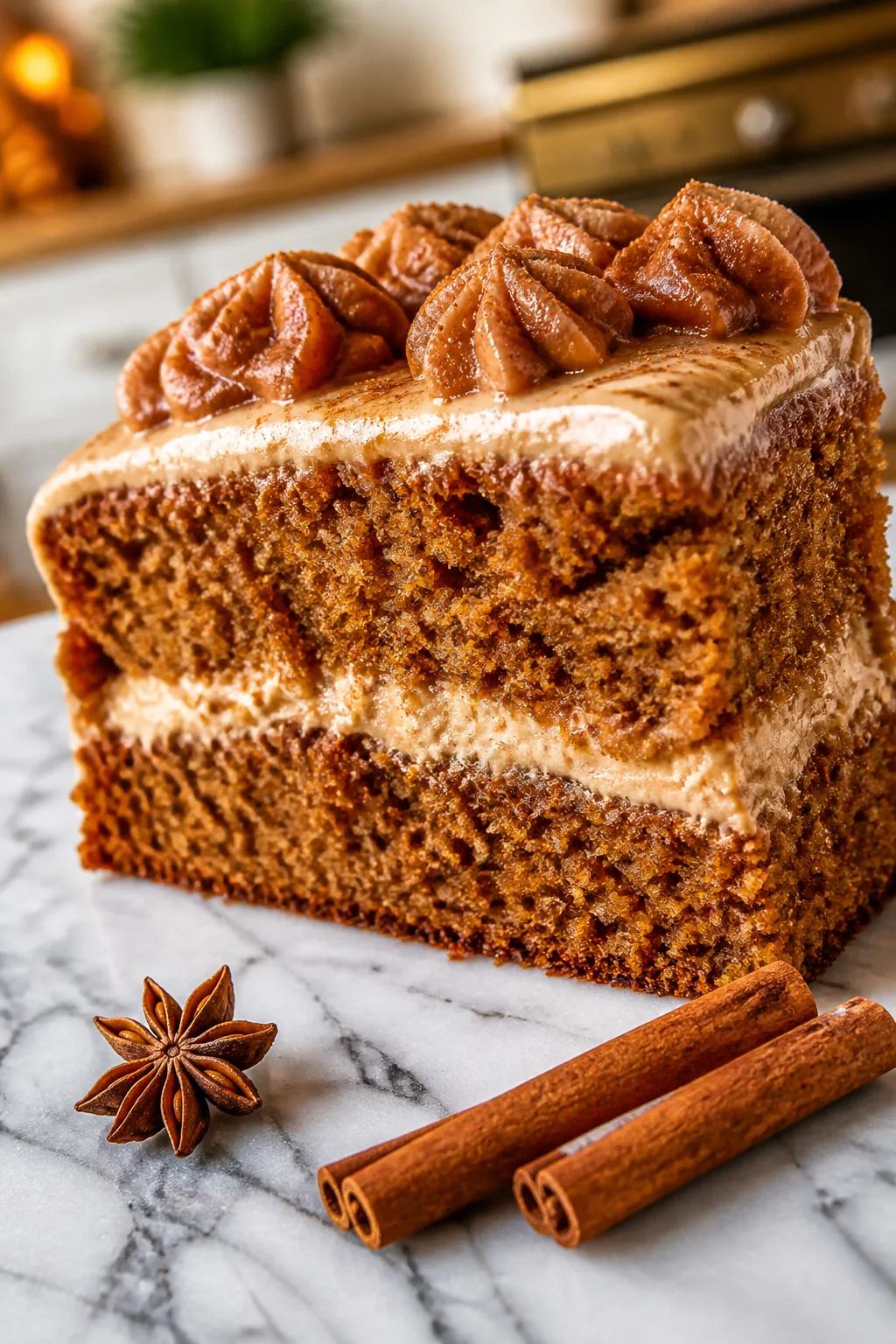
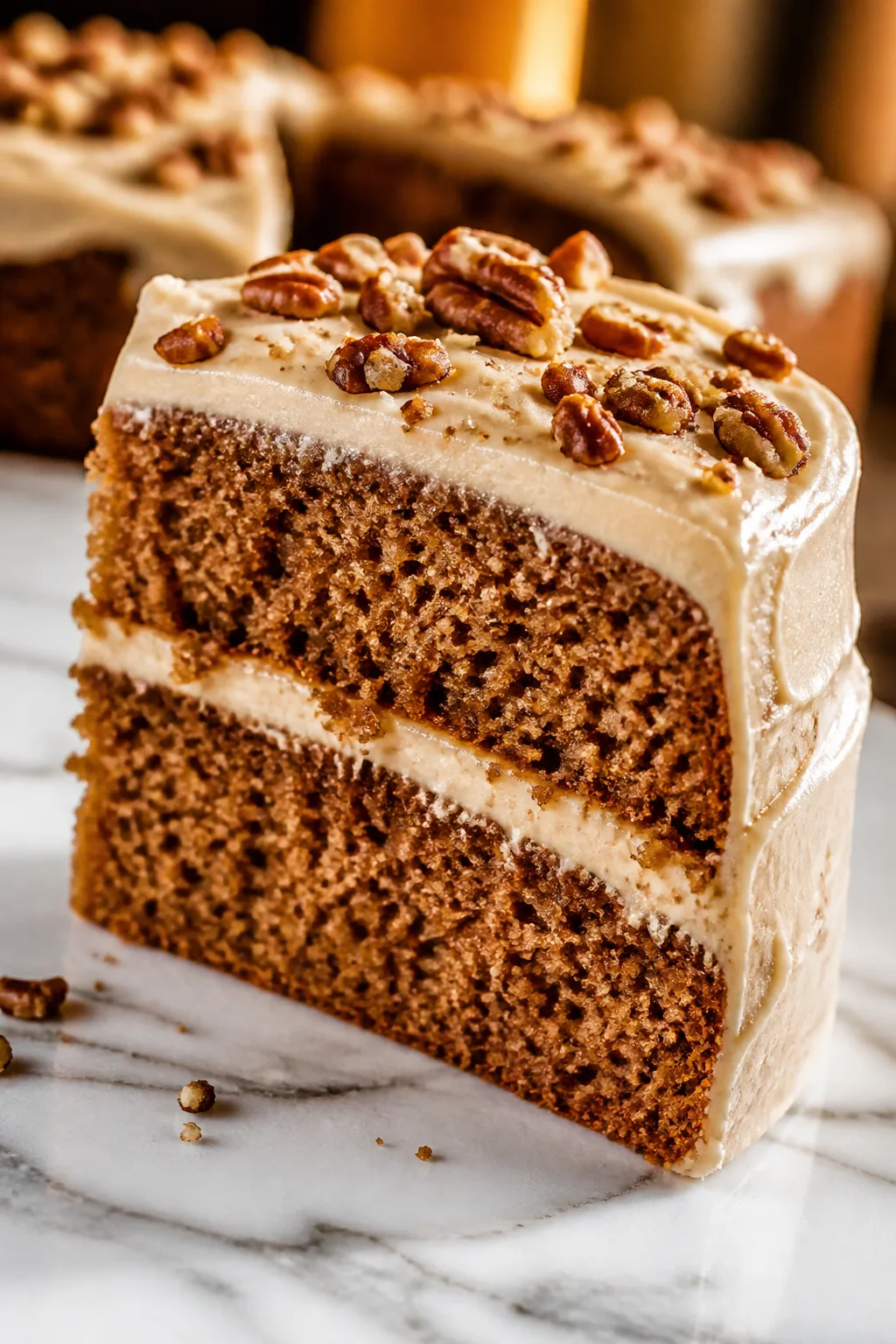
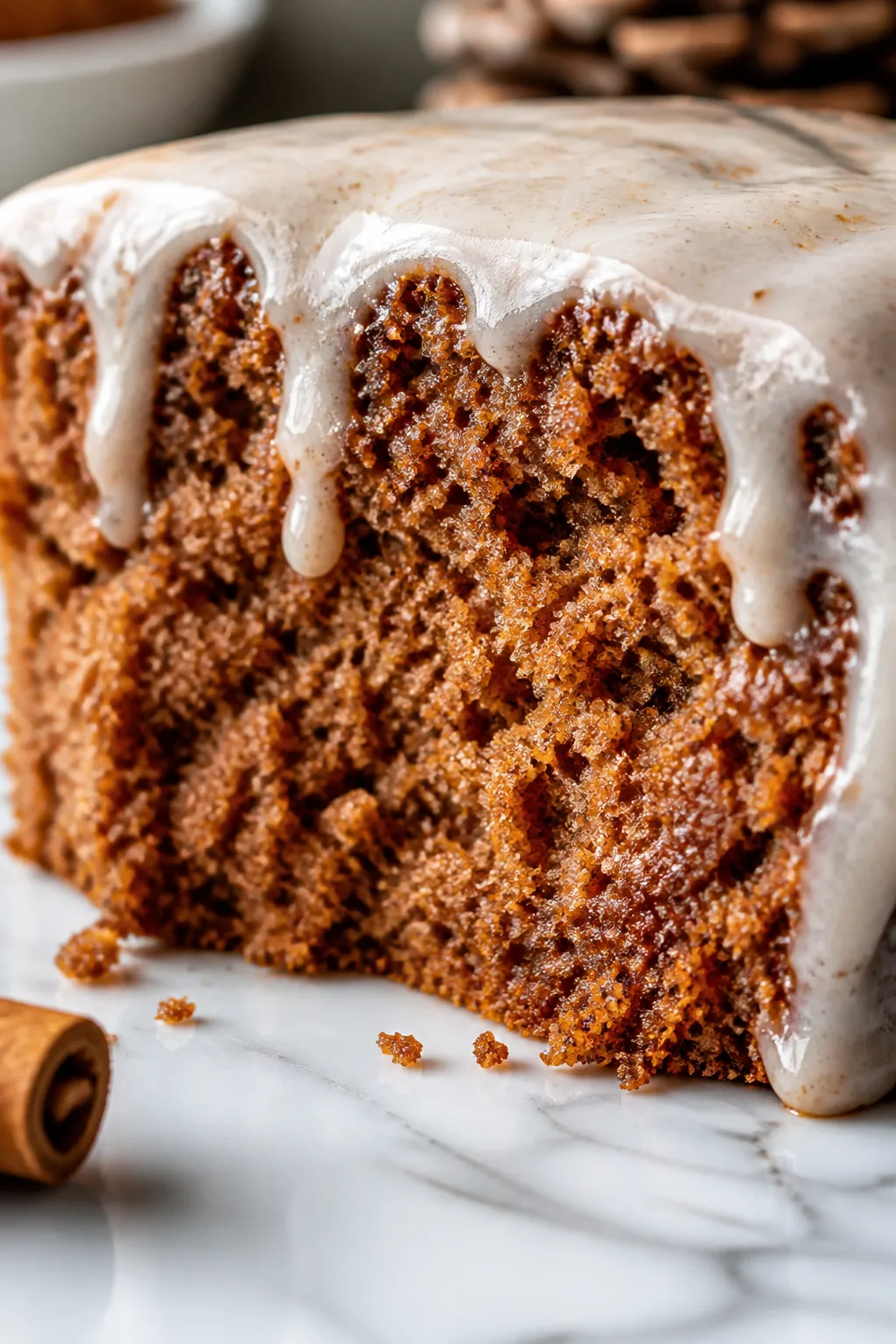
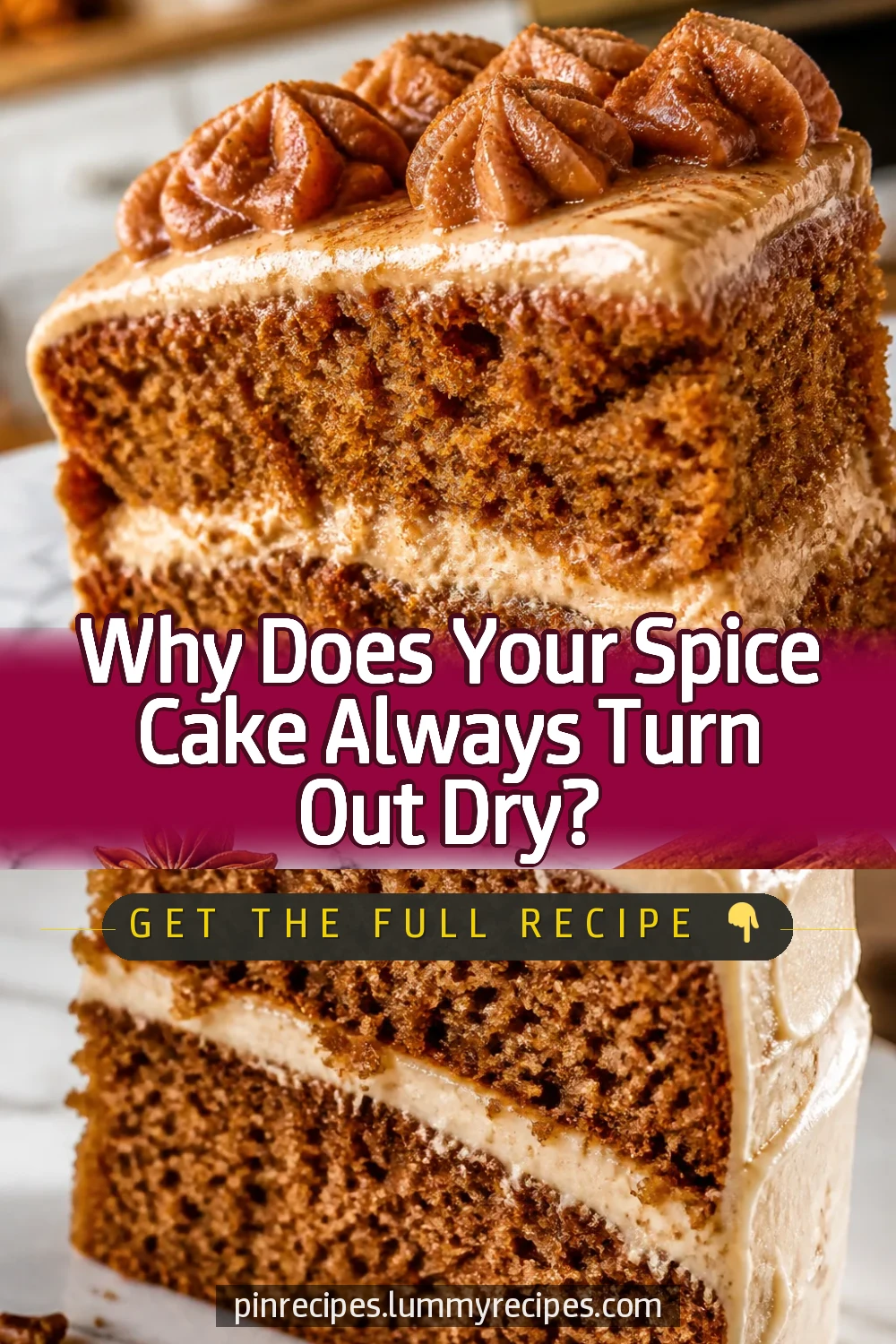
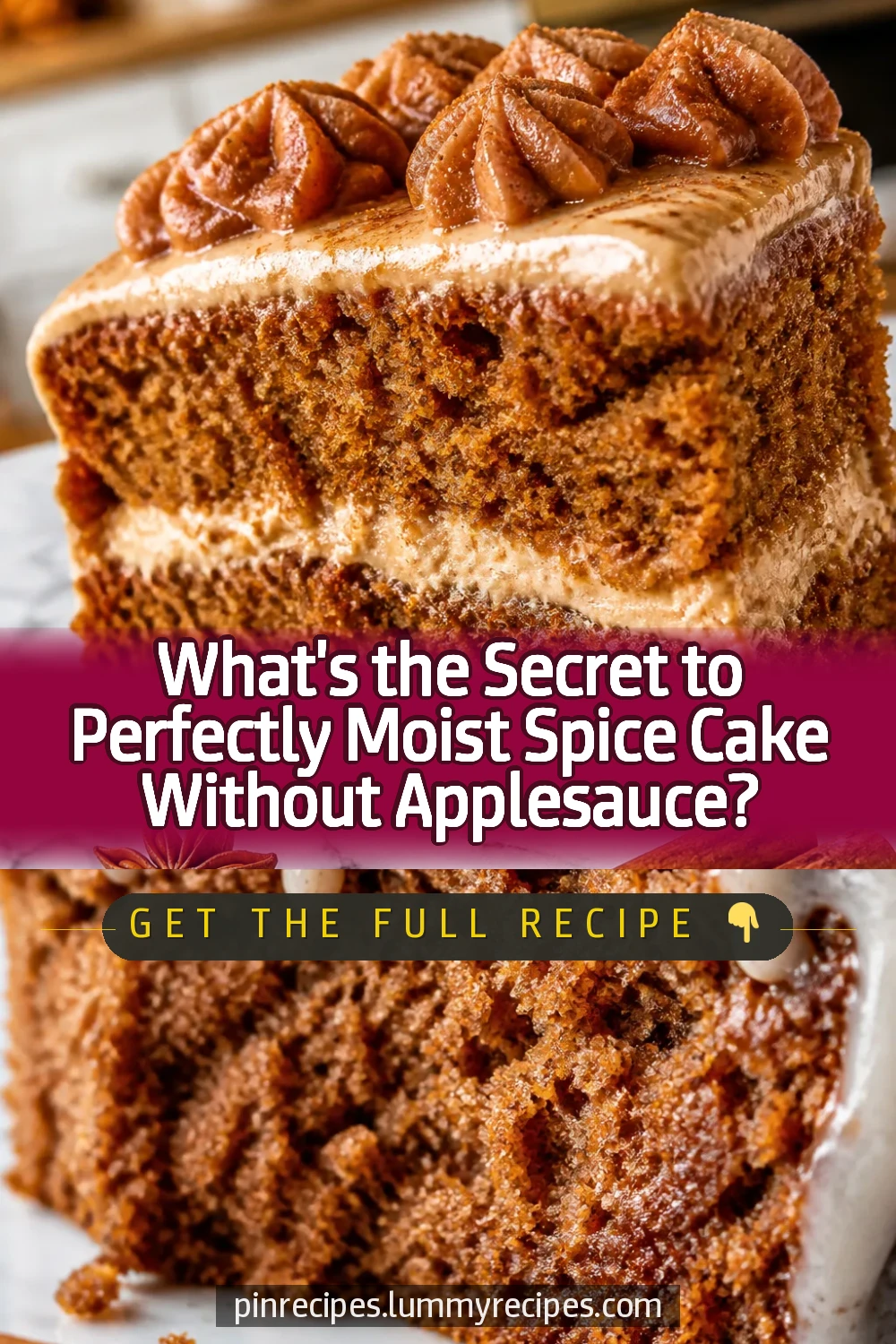
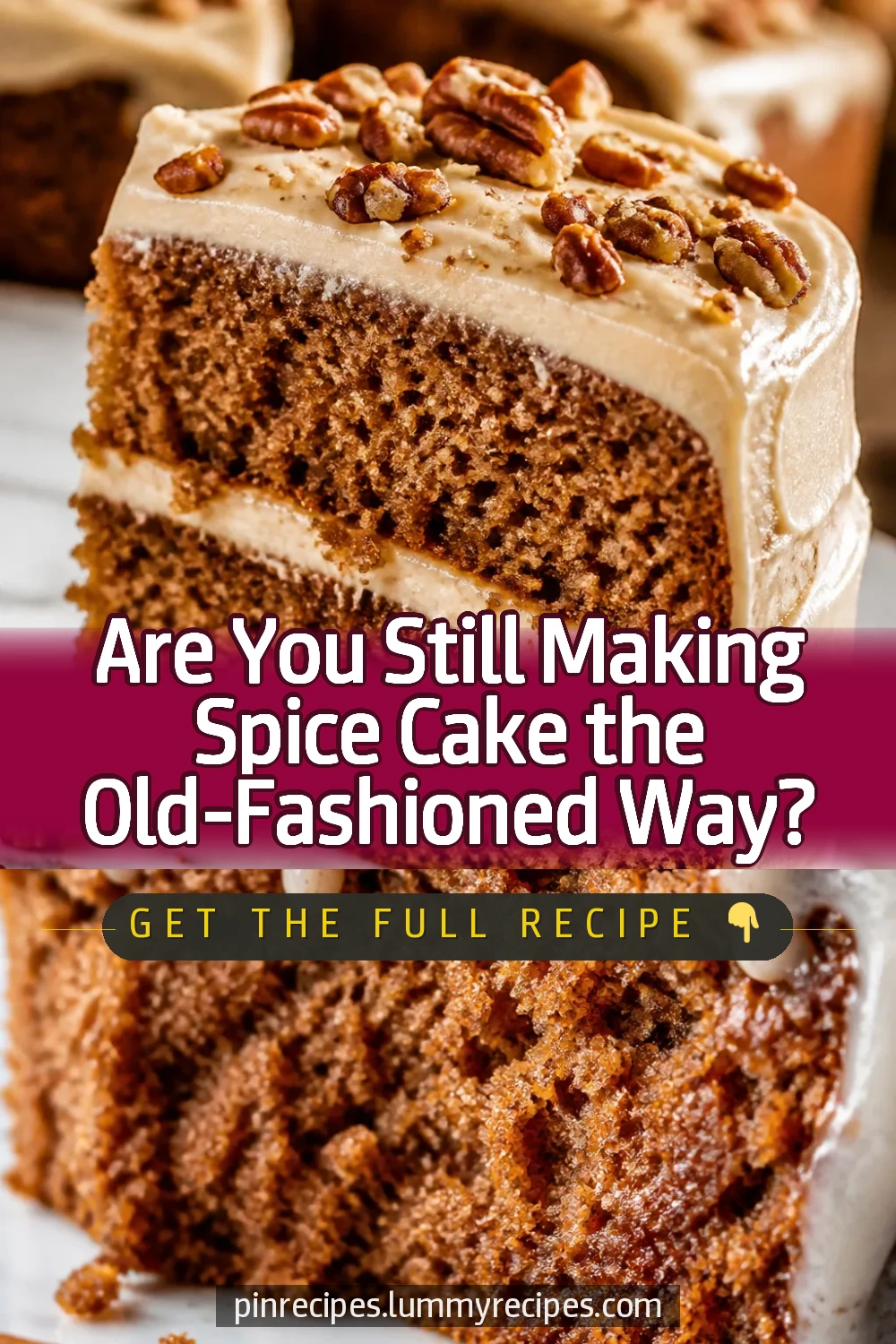
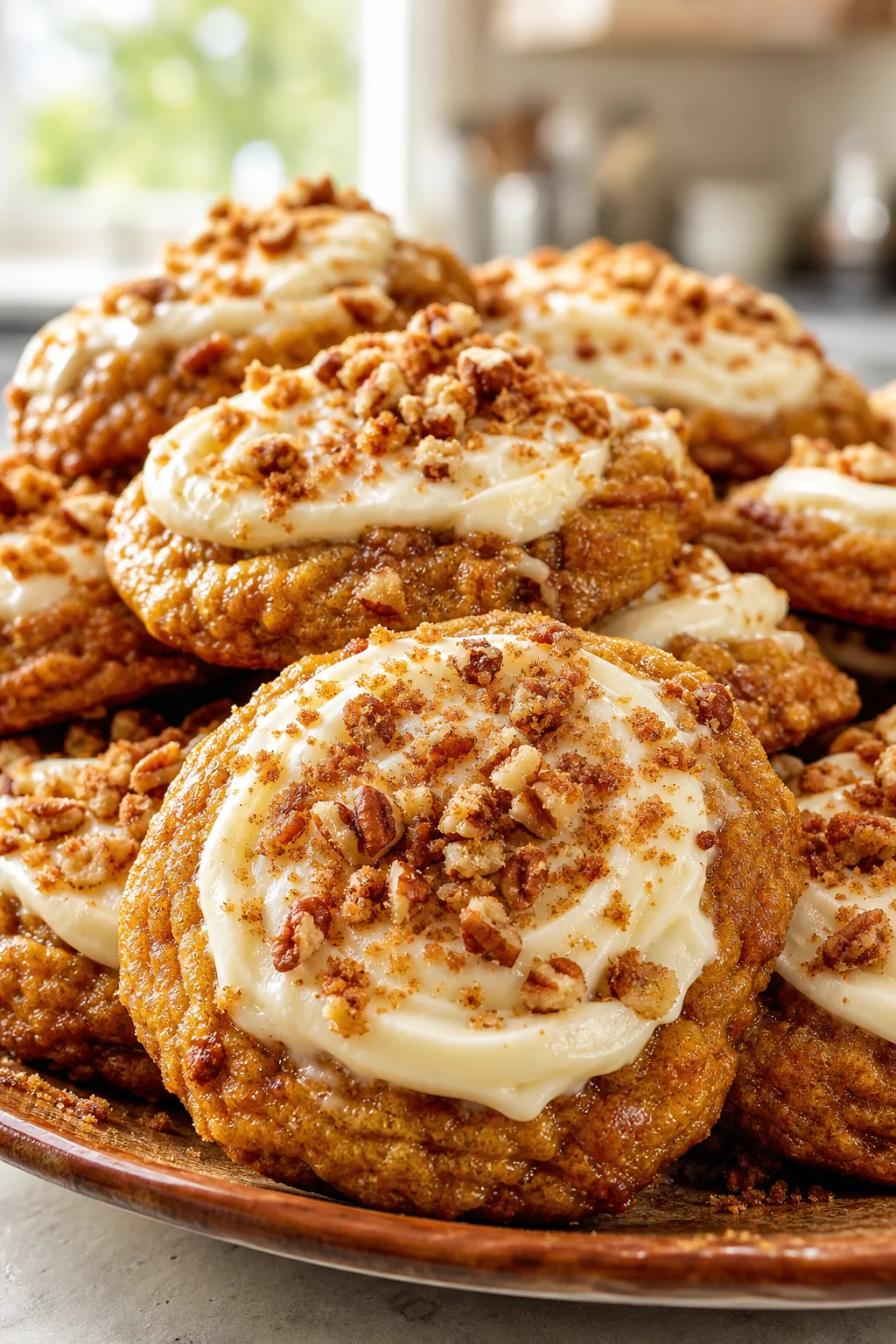
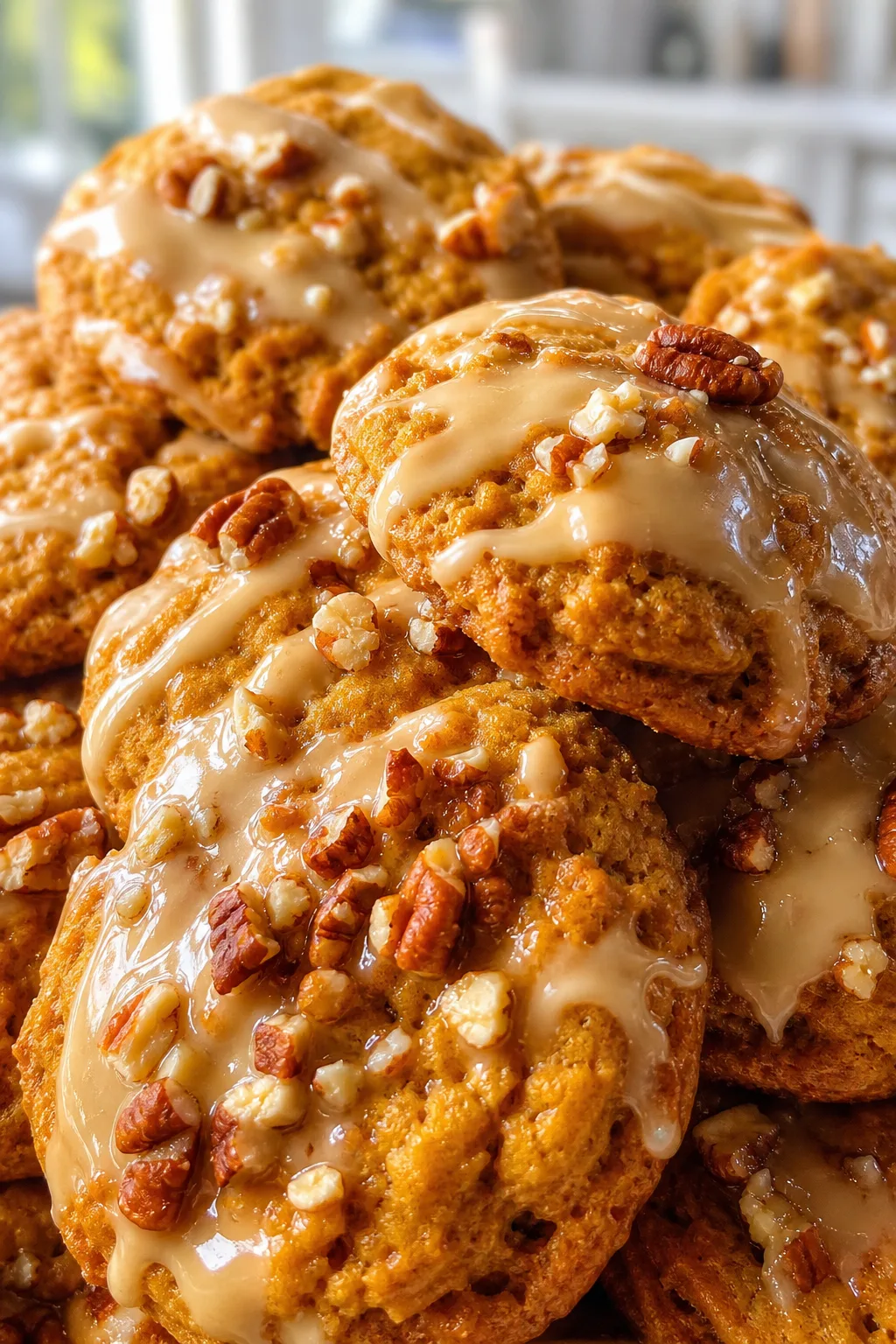
This spice cake skips the usual applesauce but still delivers moist, warmly spiced layers. I use a simple oil and buttermilk combo for extra tenderness. Perfect for cozy afternoons or family gatherings!
Introduction
I’ve always loved spice cake, especially the kind my grandma used to make during the holidays. But I wasn’t a fan of using applesauce in the batter—it changed the flavor and texture in ways I didn’t love. So I set out to create a version without applesauce that still stays moist and tender. The trick I found was using a combination of vegetable oil and buttermilk, which keeps the crumb soft and adds a slight tang that balances the warm spices. I also use a blend of cinnamon, ginger, nutmeg, and cloves to give it that classic cozy flavor. This cake is perfect for family dinners or just a sweet afternoon treat with a cup of tea. It’s simple, straightforward, and feels like a little slice of comfort. Plus, it’s easy enough to whip up on a weeknight when you want something special but don’t want to fuss over complicated ingredients or steps. I think you’ll love how this cake turns out—moist, flavorful, and just the right amount of spice.
What You'll Need
One 9-inch two-layer cake, 8 servings
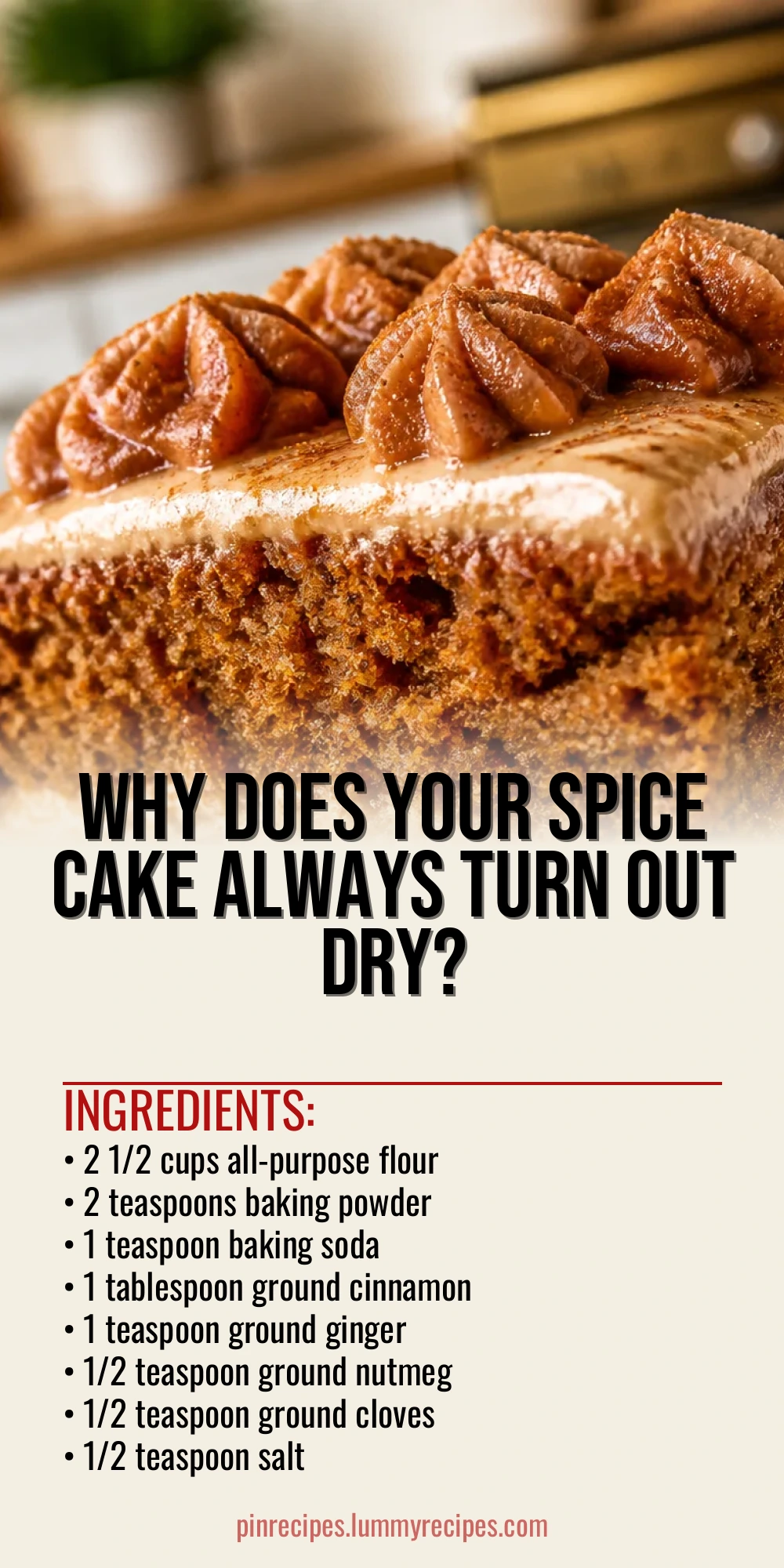
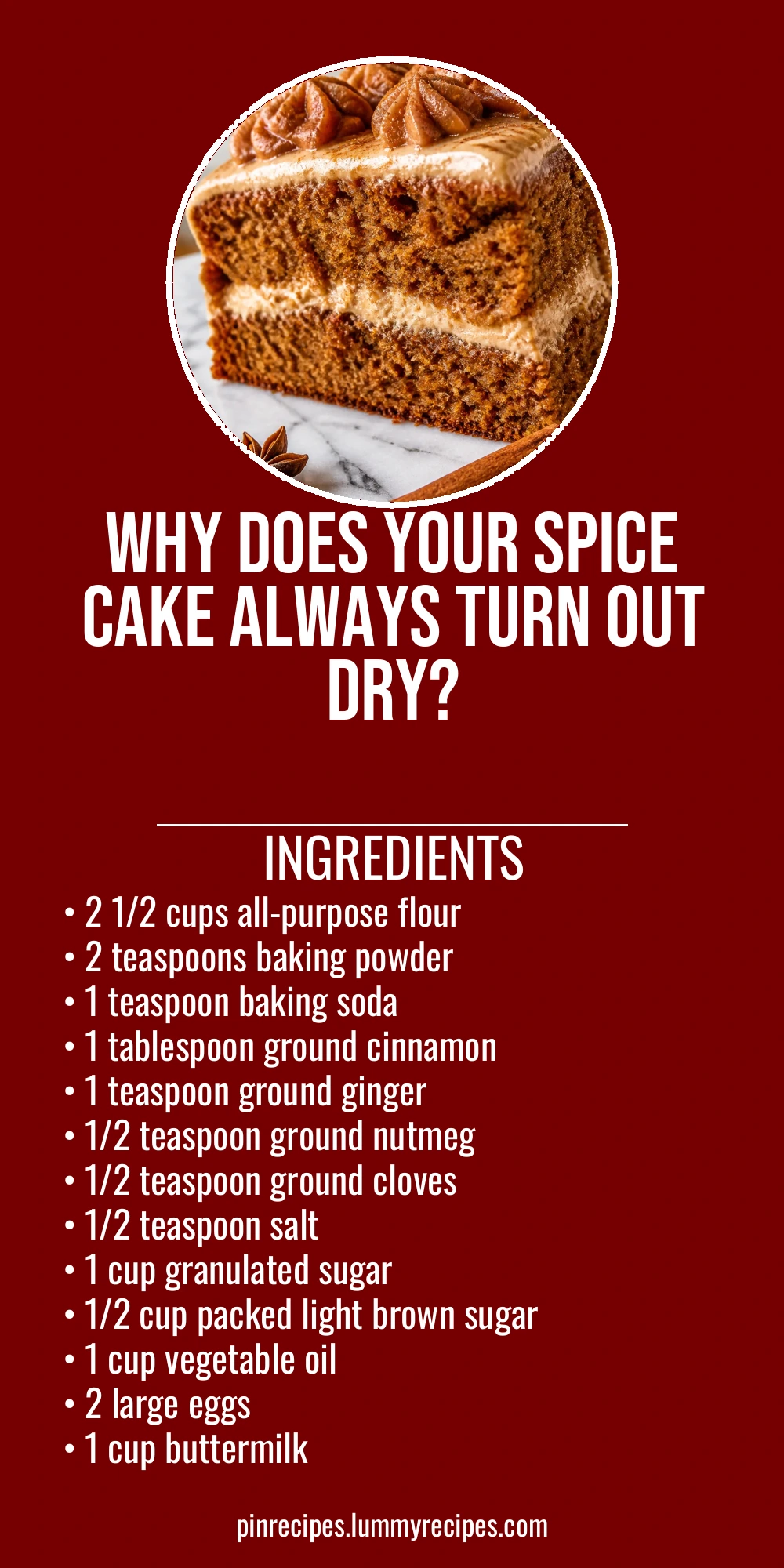
- 2 1/2 cups all-purpose flour
- 2 teaspoons baking powder
- 1 teaspoon baking soda
- 1 tablespoon ground cinnamon
- 1 teaspoon ground ginger
- 1/2 teaspoon ground nutmeg
- 1/2 teaspoon ground cloves
- 1/2 teaspoon salt
- 1 cup granulated sugar
- 1/2 cup packed light brown sugar
- 1 cup vegetable oil
- 2 large eggs
- 1 cup buttermilk
- 1 teaspoon vanilla extract
How To Do It
Step 1
Preheat your oven to 350°F (175°C). Grease and flour two 9-inch round cake pans to prevent sticking. In a large bowl, whisk together the flour, baking powder, baking soda, cinnamon, ginger, nutmeg, cloves, and salt. This step is crucial because it evenly distributes the leavening agents and spices, ensuring every bite has consistent flavor and the cake rises properly. Make sure to sift or whisk well to avoid clumps, which can create uneven texture.
⏱ Time: 10
✓ Doneness: Dry ingredients are well combined with no visible lumps or clumps of spices
Step 2
In another bowl, beat together the granulated sugar, brown sugar, and vegetable oil until smooth and combined. Then add the eggs one at a time, mixing well after each addition. This gradual mixing helps incorporate air for a lighter texture. Next, stir in the buttermilk and vanilla extract. The buttermilk adds moisture and a slight tang that complements the spices beautifully. Avoid rushing this step to maintain the batter’s emulsification, which keeps the cake tender.
⏱ Time: 5
✓ Doneness: Wet ingredients are smooth and homogenous, with no streaks of oil or sugar
Step 3
Slowly add the dry ingredients to the wet ingredients, folding gently with a spatula or wooden spoon. Mix just until combined—overmixing can develop gluten, making the cake tough. The batter should be thick but pourable. Watch for any pockets of flour and fold them in carefully to avoid dense spots. This gentle mixing ensures a tender crumb.
⏱ Time: 5
✓ Doneness: Batter is smooth with no visible flour streaks but not overmixed
Step 4
Divide the batter evenly between the prepared pans, smoothing the tops with a spatula. This helps the cakes bake evenly and rise uniformly. If you want, tap the pans gently on the counter to release any air bubbles trapped inside the batter, which can cause holes or tunnels in the finished cake.
⏱ Time: 5
✓ Doneness: Batter is level and evenly distributed in pans
Step 5
Bake in the preheated oven for 28-32 minutes. Start checking at 28 minutes by inserting a toothpick into the center; it should come out with a few moist crumbs but no wet batter. Baking time can vary depending on your oven, so keep an eye on it. Avoid opening the oven door too often, as this can cause the cake to sink.
⏱ Time: 30
✓ Doneness: Toothpick inserted in center comes out mostly clean with a few moist crumbs
Step 6
Remove the cakes from the oven and let them cool in the pans for about 10 minutes. This resting time lets the cake firm up slightly, making it easier to remove from the pans without breaking. Afterward, run a knife around the edges and invert the cakes onto a wire rack to cool completely. Cooling fully prevents the frosting from melting when applied.
⏱ Time: 15
✓ Doneness: Cakes release easily from pans and are cool to the touch
Step 7
While the cakes cool, prepare your favorite frosting. Cream cheese frosting pairs wonderfully with spice cake, balancing the warm spices with tangy sweetness. Make sure the cake is completely cool before frosting to prevent melting or sliding.
⏱ Time: 15
✓ Doneness: Frosting spreads smoothly without melting
Step 8
Place one cake layer on your serving plate and spread a generous layer of frosting on top. Then place the second cake layer on top and frost the top and sides evenly. For a rustic look, use a spatula to create swirls and peaks. This layering keeps the cake moist and adds a lovely creamy texture contrast.
⏱ Time: 10
✓ Doneness: Cake layers are evenly frosted and stable
Step 9
Chill the finished cake in the refrigerator for at least 30 minutes before slicing. This helps the frosting set and makes slicing cleaner. Serve at room temperature for the best flavor and texture. Enjoy with a cup of tea or coffee for a cozy treat.
⏱ Time: 30
✓ Doneness: Frosting is firm but not hard, cake slices cleanly
Pro Tips
Use room temperature ingredients for better mixing.
Room temperature eggs and buttermilk blend more smoothly with the oil and sugars, ensuring a uniform batter. Cold ingredients can cause the batter to curdle or mix unevenly, resulting in a denser cake.
Don’t overmix the batter after adding flour.
Overmixing develops gluten, which can make the cake tough and chewy instead of tender. Fold gently until just combined to maintain a soft crumb.
Sift or whisk dry ingredients thoroughly.
This distributes the spices and leavening agents evenly, preventing clumps and ensuring consistent flavor and rise throughout the cake.
Use fresh spices for best flavor.
Spices lose potency over time. Freshly ground spices provide more vibrant aroma and taste, making your spice cake more flavorful and aromatic.
Grease and flour pans well or use parchment paper.
Properly prepared pans prevent sticking and help the cake release cleanly, preserving its shape and texture.
Let cakes cool completely before frosting.
Applying frosting to warm cake causes it to melt and slide, ruining the appearance and texture. Cooling ensures a stable, attractive finish.
Add a pinch of salt to balance sweetness.
Salt enhances the spices and sweetness, creating a more rounded and satisfying flavor profile.
Common Mistakes to Avoid
Skipping the buttermilk or substituting with regular milk.
Why it happens Some cooks omit buttermilk due to availability or preference, assuming regular milk works the same.
Fix Buttermilk’s acidity activates baking soda for proper rise and adds tangy flavor. Substitute with milk plus lemon juice or vinegar if needed. Skipping it leads to a denser, less flavorful cake.
Overmixing the batter after adding flour.
Why it happens Eager to combine ingredients thoroughly, cooks sometimes mix too long.
Fix Mix just until flour disappears. Overmixing develops gluten, resulting in a tough cake. Use gentle folding motions.
Using old or stale spices.
Why it happens Spices lose flavor over time, and some may forget to check freshness.
Fix Replace spices regularly and consider grinding whole spices fresh for best aroma and taste.
Not measuring flour correctly.
Why it happens Scooping flour directly with a cup can pack it too tightly, adding excess flour.
Fix Spoon flour into measuring cup and level off with a knife for accurate measurement. Too much flour leads to dry, dense cake.
Opening the oven door frequently during baking.
Why it happens Anxious to check doneness, cooks open the door too often.
Fix Avoid opening until near the end of baking to prevent temperature drops that cause sinking or uneven baking.
Variations
Add Chopped Nuts
Stir in 1/2 cup chopped walnuts or pecans to the batter for added crunch and flavor. This variation adds a lovely texture contrast and nutty richness that complements the spices.
Note: Fold nuts gently into batter before pouring into pans. Be careful not to overmix to keep the crumb tender.
Use Whole Wheat Flour
Substitute half of the all-purpose flour with whole wheat flour for a nuttier flavor and extra fiber. The cake will be slightly denser but still moist with the buttermilk and oil.
Note: Increase baking powder by 1/4 teaspoon to compensate for the heavier flour and maintain rise.
Add Orange Zest
Add 1 tablespoon of fresh orange zest to the wet ingredients for a bright citrus note that pairs beautifully with the warm spices.
Note: Zest before juicing oranges to avoid bitterness. Mix zest thoroughly with wet ingredients for even flavor.
Make Cupcakes
Bake the batter in lined muffin tins for 20-22 minutes at 350°F for individual servings. Perfect for parties or portion control.
Note: Fill cupcake liners about 2/3 full and check doneness with a toothpick after 20 minutes.
Gluten-Free Version
Use a gluten-free all-purpose flour blend that includes xanthan gum for structure. The texture will be slightly different but still delicious and moist.
Note: Avoid overmixing and consider adding an extra egg white for improved structure.
Nutrition
Per Serving:
Nutritional values are estimates and may vary based on specific ingredients used.
Storage & Tips
Room Temperature
Store the cake covered tightly at room temperature for up to 2 days. Keep it away from direct sunlight or heat sources to prevent drying out. Use a cake dome or airtight container for best results.
Refrigerator
Keep the cake in an airtight container or wrapped tightly in plastic wrap for up to 5 days. The frosting may firm up and the cake will taste best at room temperature, so remove from fridge 30 minutes before serving.
Freezer
Wrap the cake layers tightly in plastic wrap and then foil before freezing for up to 3 months. Thaw overnight in the refrigerator and bring to room temperature before frosting or serving to maintain texture.
Reheating
Reheat individual slices in the microwave for 15-20 seconds to warm slightly without drying out. Avoid reheating the whole cake to prevent melting the frosting and drying the crumb.
Make Ahead
Bake the cake layers 1-2 days ahead and store wrapped in plastic wrap at room temperature or refrigerated. Prepare frosting on the day of serving for the freshest taste and texture.
FAQ
Can I substitute yogurt for buttermilk in this spice cake?
Yes, plain yogurt can be used as a substitute for buttermilk in equal amounts. To mimic buttermilk’s acidity, thin the yogurt with a little milk or water if it’s very thick. This will help activate the baking soda and keep the cake tender.
Why does my spice cake sometimes sink in the middle?
Sinking usually happens when the cake is underbaked or the oven temperature is too low. It can also occur if you open the oven door too early or too often, causing temperature drops. Make sure to bake until a toothpick comes out mostly clean and avoid disturbing the cake during baking.
Can I make this spice cake vegan?
To make it vegan, substitute eggs with flax eggs (1 tablespoon ground flaxseed mixed with 3 tablespoons water per egg) and use a plant-based milk with a splash of vinegar instead of buttermilk. Use vegetable oil as is. Note that texture may be slightly different but still tasty.
How do I keep the cake moist if I want to make it ahead?
Wrap the cooled cake layers tightly in plastic wrap to lock in moisture. Store at room temperature or in the fridge depending on the time frame. You can also brush layers lightly with simple syrup before frosting to add extra moisture.
What frosting pairs best with this spice cake?
Cream cheese frosting is a classic pairing with spice cake, offering tangy sweetness that balances the warm spices. You can also try vanilla buttercream or a simple glaze if you prefer something lighter.
Can I use melted butter instead of vegetable oil?
You can substitute melted butter for oil, but it may make the cake slightly denser and less moist. Butter adds flavor but solidifies when cooled, which can change the texture. If using butter, cool it before mixing to avoid cooking the eggs.
Is it okay to double this recipe for a larger cake?
Yes, doubling the recipe works well. Use larger pans or bake in batches. Keep an eye on baking time as it may vary with pan size and batter depth—check doneness with a toothpick.
Why use both baking soda and baking powder?
Baking soda reacts with the acidic buttermilk to create lift, while baking powder provides additional leavening and helps the cake rise evenly. Using both ensures a light, tender crumb and proper rise.
Final Thoughts
I hope you give this spice cake without applesauce a try—it’s become a favorite in my kitchen for good reason. Let me know how yours turns out and if you add any of your own twists!