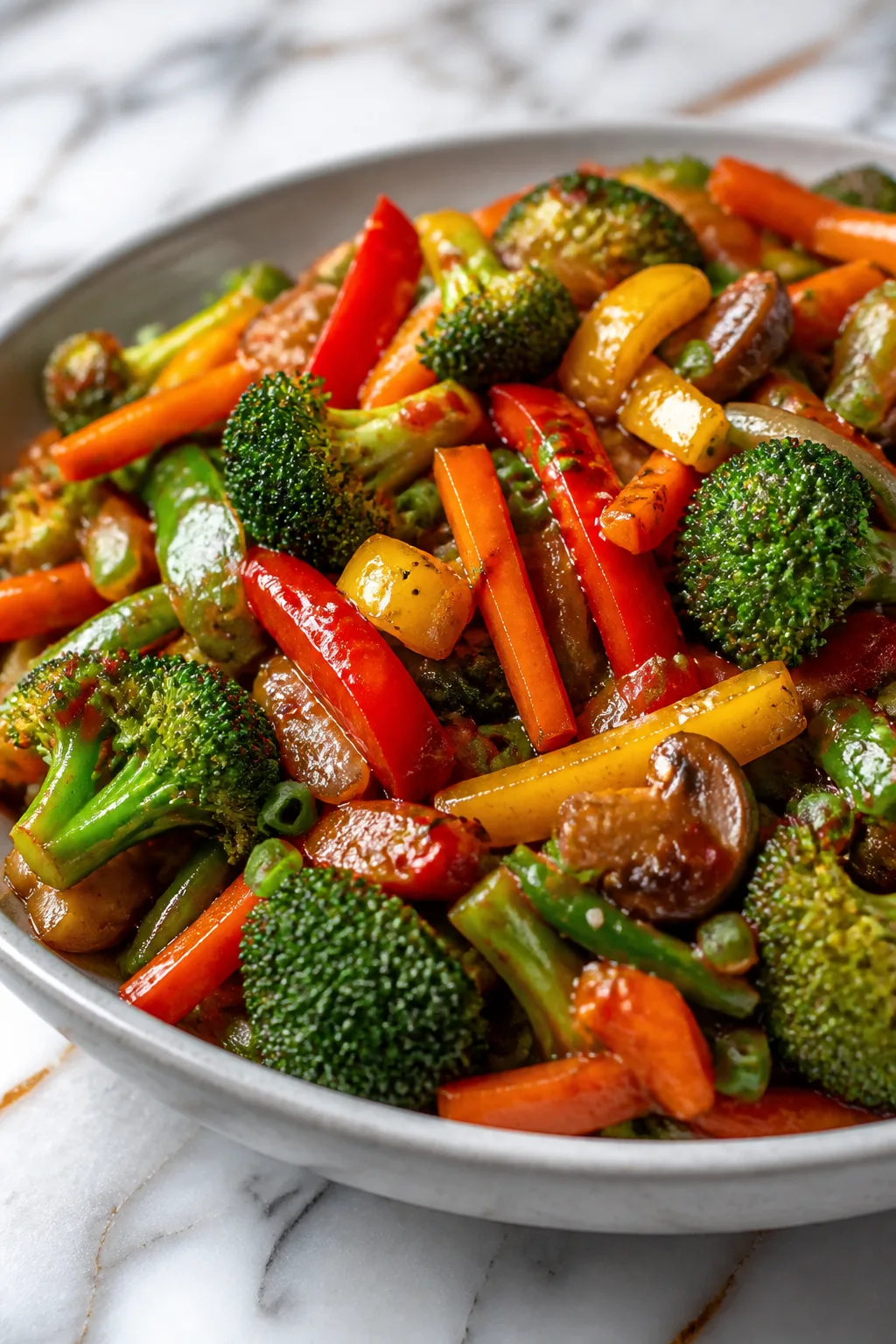
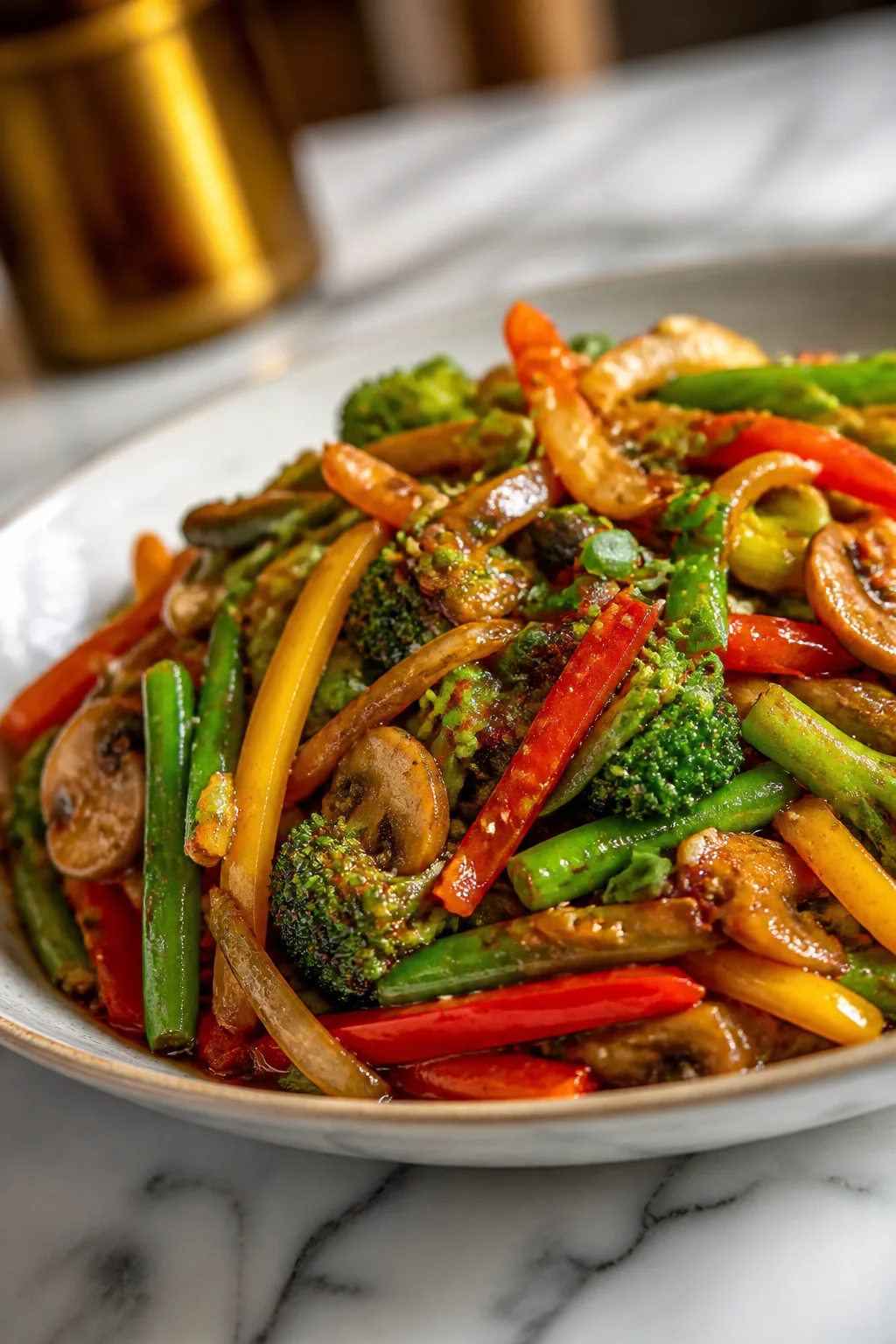
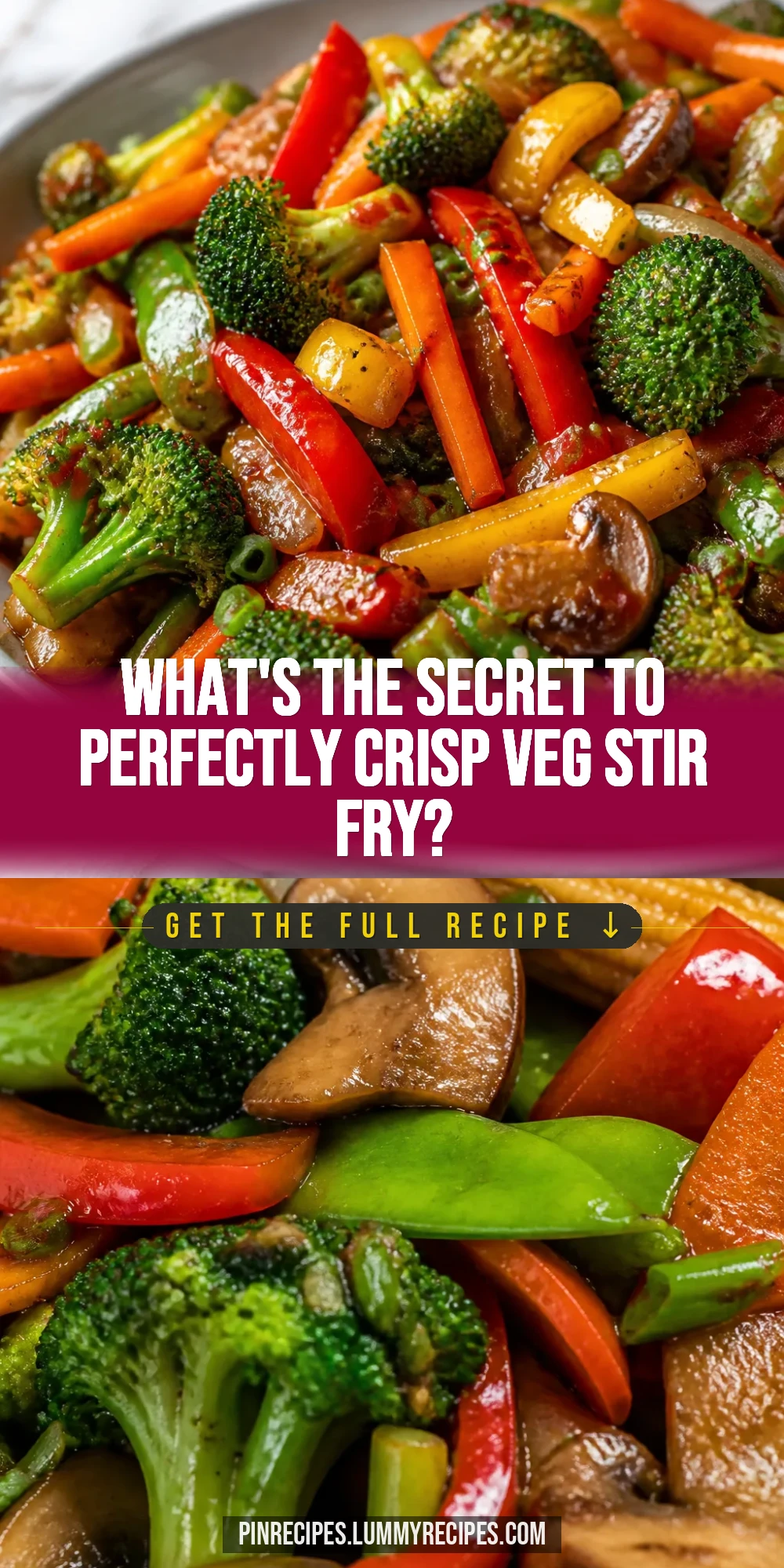
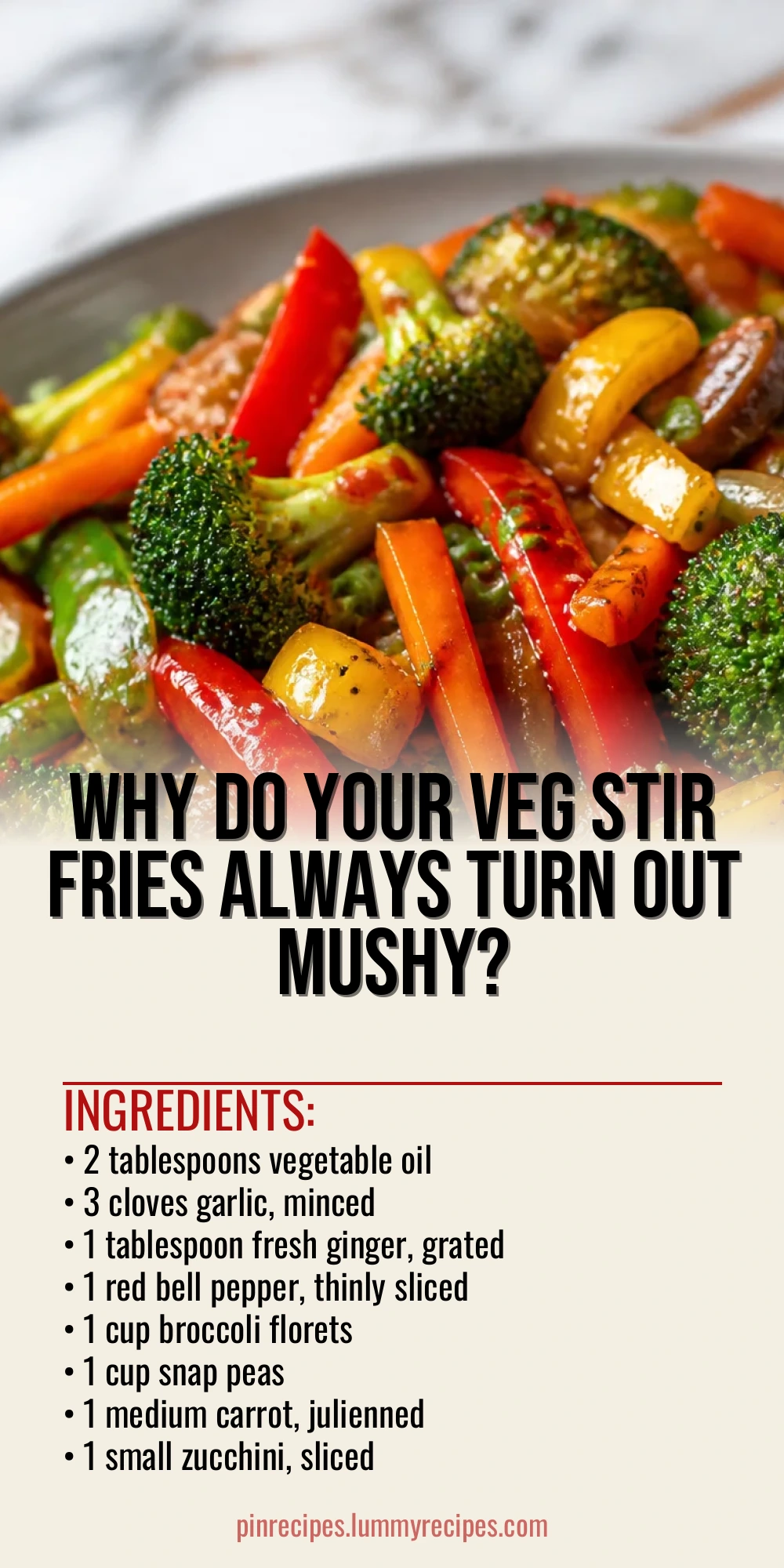
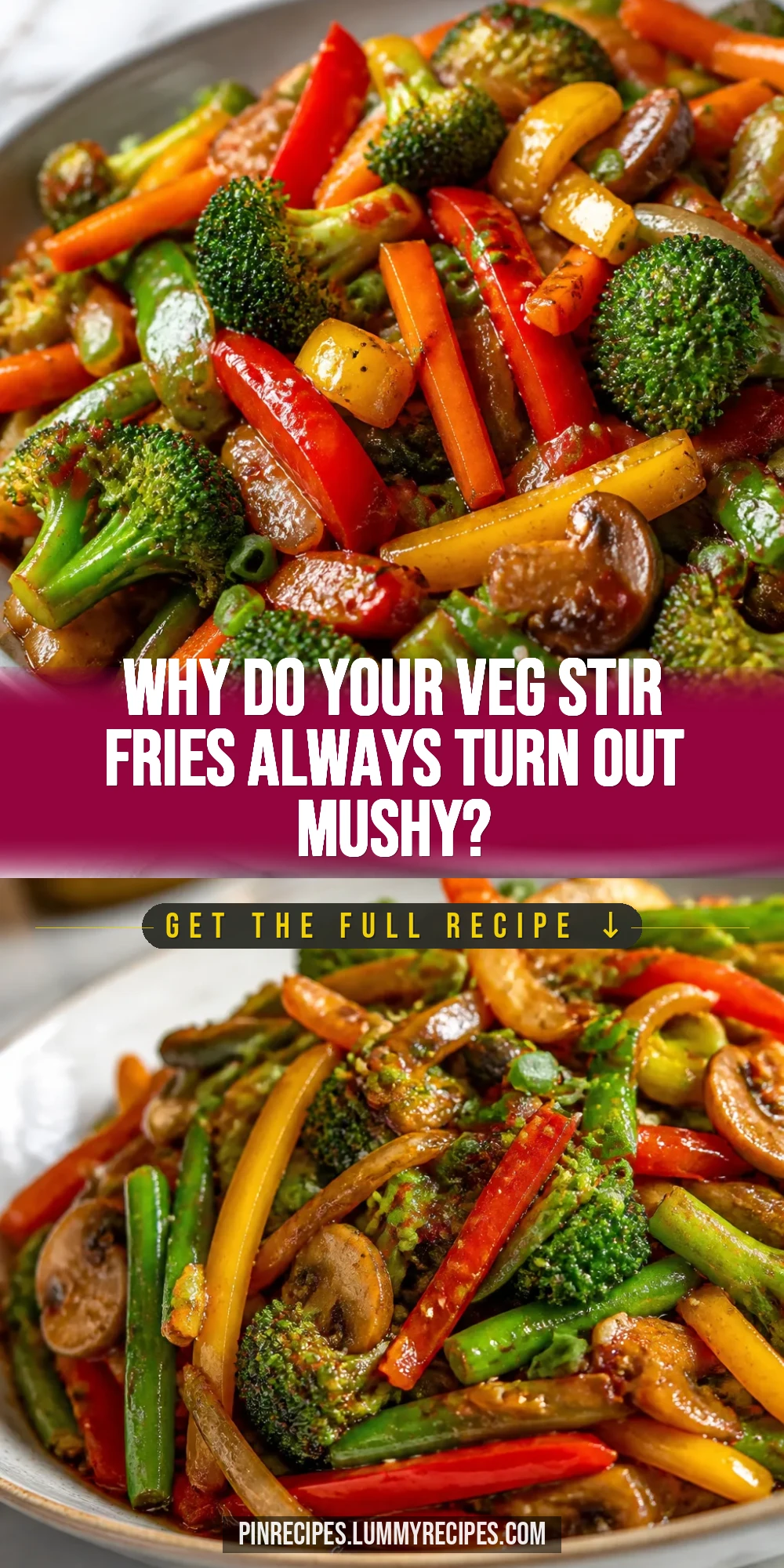
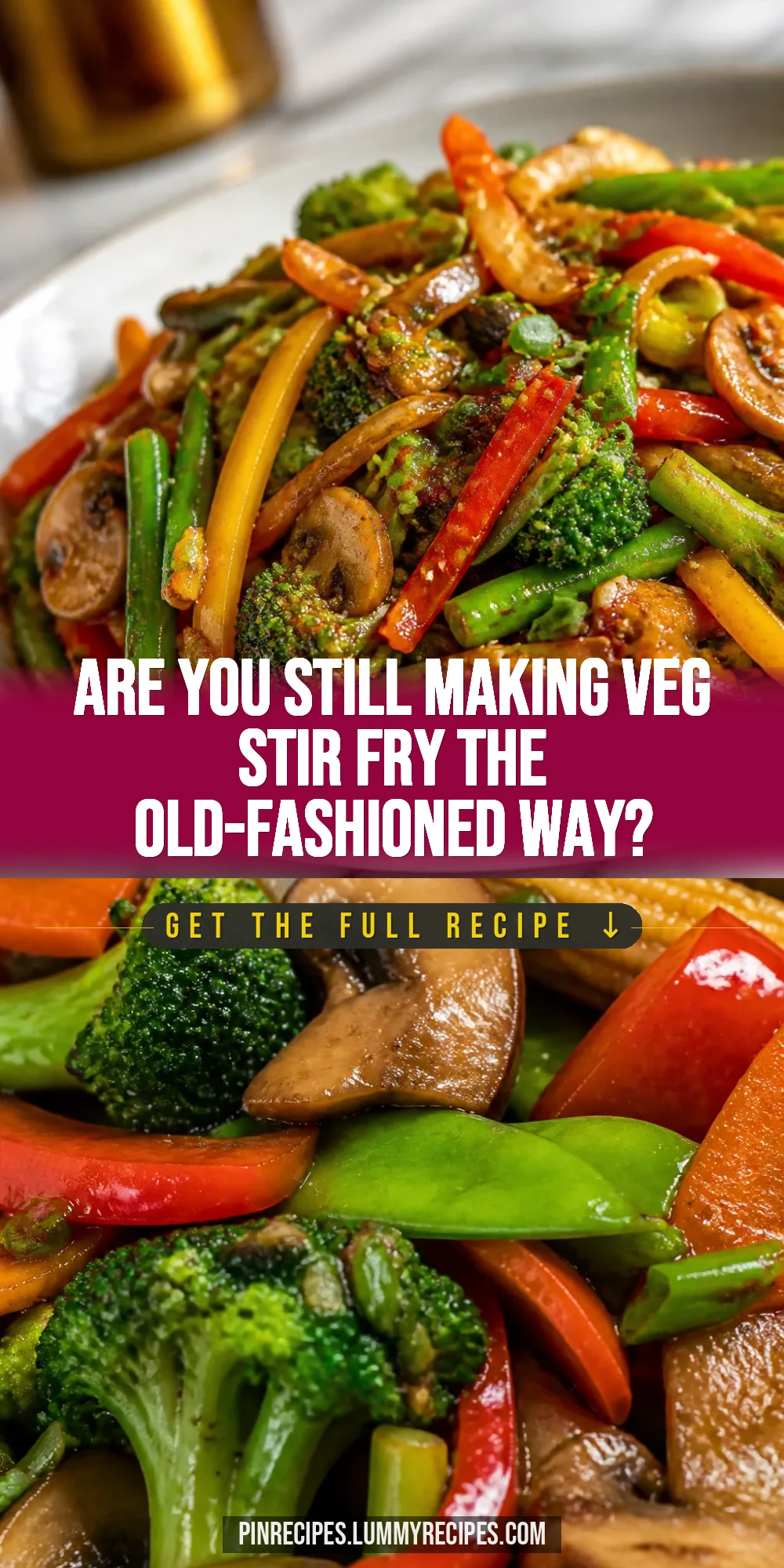
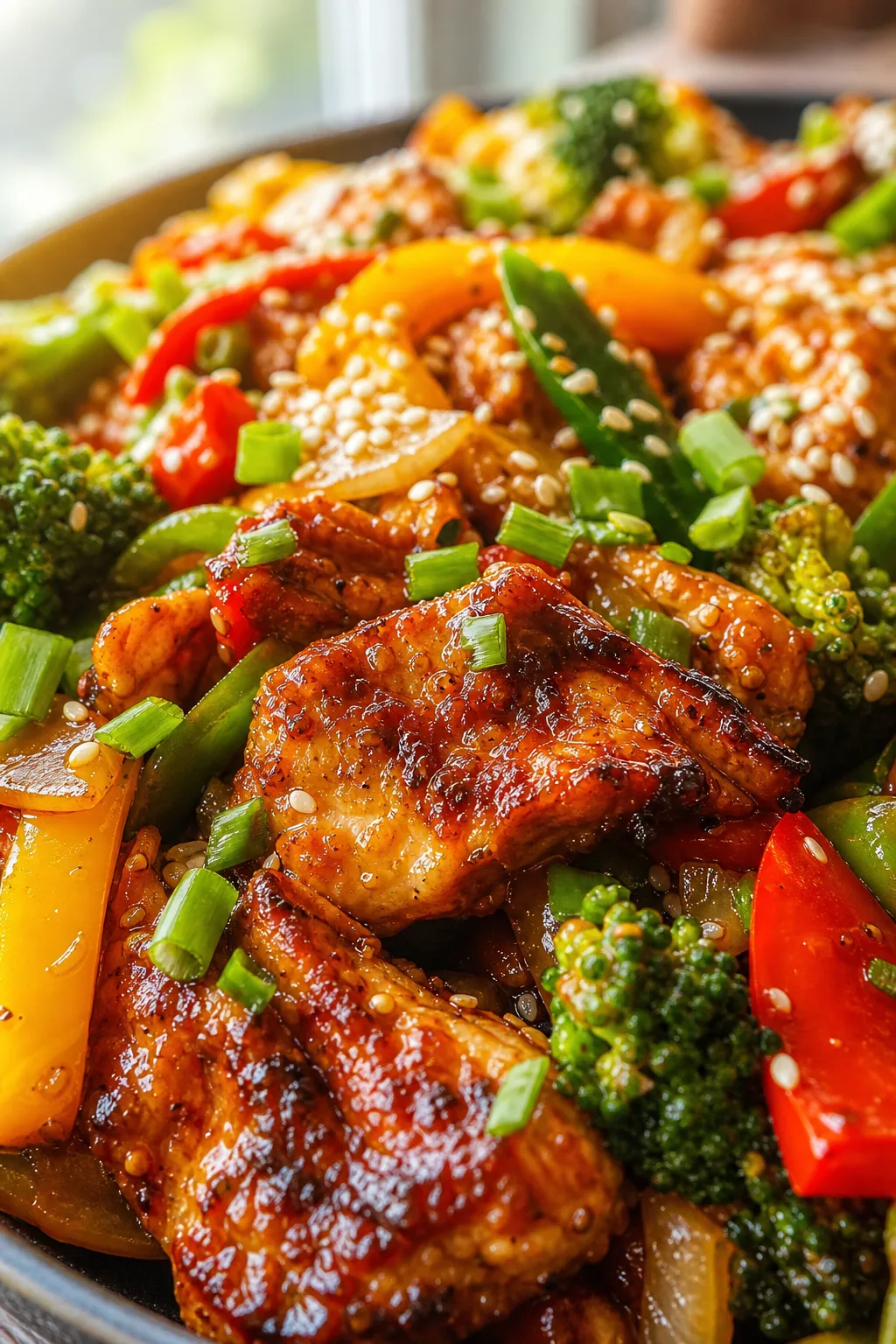
This veg stir fry is a quick, colorful mix of crisp veggies tossed in a simple, flavorful sauce. I love how the fresh crunch stays vibrant. Great for a speedy weeknight dinner or light lunch!
Introduction
I first made this veg stir fry years ago when I needed a quick dinner that was both healthy and satisfying. What I love about this recipe is how it keeps the veggies crisp and colorful, not soggy like some stir fries can get. The trick I learned was to cook everything on high heat and add a simple sauce at the end to coat everything lightly. It’s super flexible too—feel free to swap in your favorite vegetables. The finished dish is bright, fresh, and full of flavor with just the right balance of savory and a hint of sweetness. It’s become a go-to for busy weeknights in my house, and I think you’ll love it as much as we do!
How To Do It
Step 1
Heat the vegetable oil in a large wok or skillet over high heat until shimmering but not smoking. This high heat is crucial for quick cooking that keeps veggies crisp. Add the minced garlic and grated ginger, stirring constantly for about 30 seconds until fragrant but not browned, which would turn bitter. This step infuses the oil with flavor, setting the base for the stir fry sauce.
⏱ Time: 2
✓ Doneness: Aromatic garlic and ginger scent fills the kitchen without any browning.
Step 2
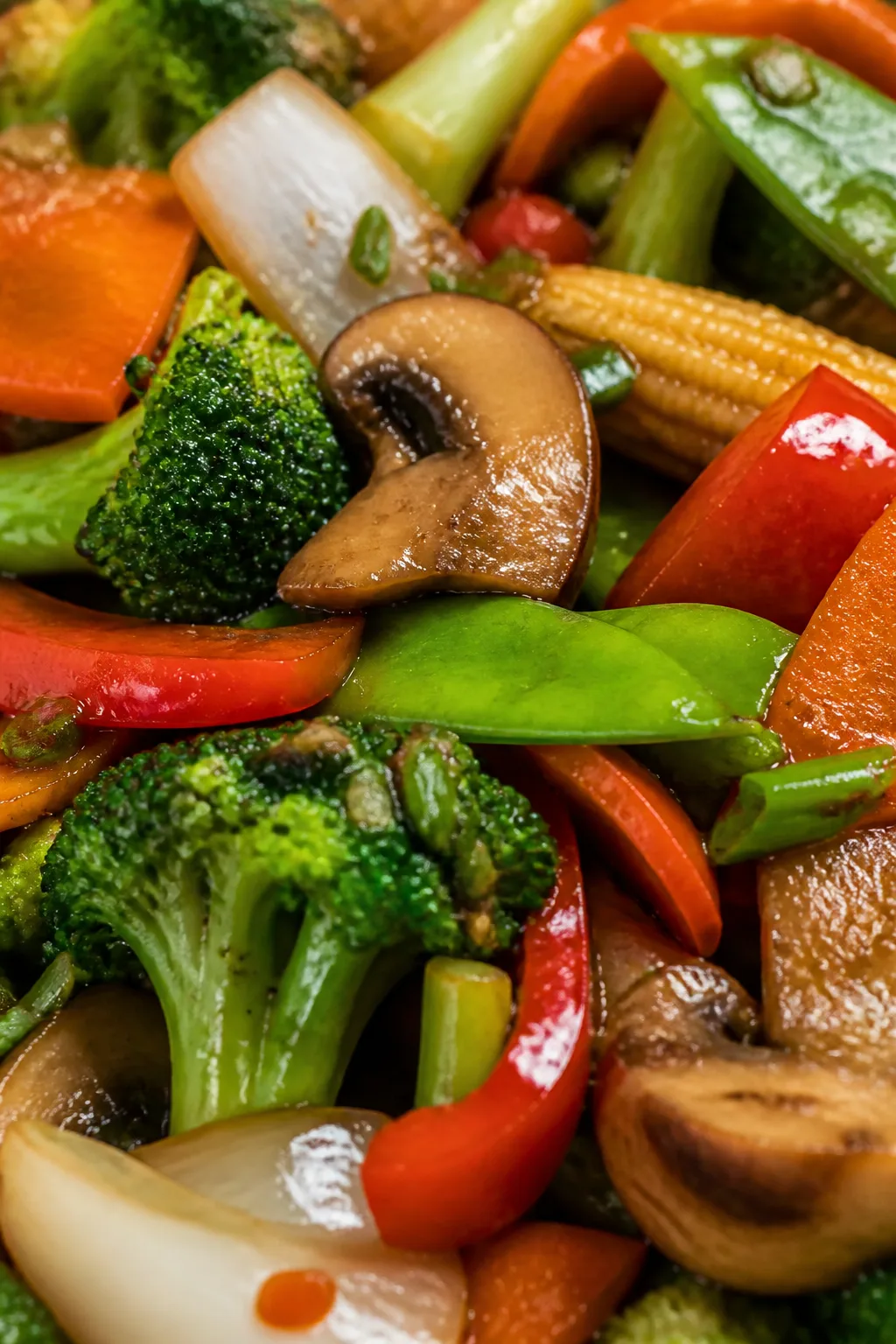
Add the sliced red bell pepper, broccoli florets, snap peas, carrot, and zucchini to the wok. Stir continuously to ensure even cooking. Keep the heat high and cook for about 5-7 minutes until vegetables are tender-crisp. Avoid overcrowding the pan as this will cause steaming instead of frying, making veggies soggy.
⏱ Time: 7
✓ Doneness: Vegetables are bright in color and slightly tender but still have a snap when bitten.
Step 3
In a small bowl, mix the soy sauce, hoisin sauce, and sesame oil. Pour this sauce over the vegetables in the wok, stirring quickly to coat everything evenly. The sauce adds savory depth and a touch of sweetness that complements the fresh vegetables.
⏱ Time: 1
✓ Doneness: Vegetables glisten with an even coating of sauce.
Step 4
Stir the cornstarch slurry (cornstarch mixed with water) into the wok. This will thicken the sauce slightly, helping it cling to the veggies. Cook for another 1-2 minutes, stirring constantly to avoid lumps. The sauce should become glossy and slightly thickened.
⏱ Time: 2
✓ Doneness: Sauce appears shiny and coats the vegetables without pooling.
Step 5
Taste and season with salt and pepper as needed. Remember that soy sauce is salty, so add salt sparingly. Remove from heat immediately to prevent overcooking and loss of veggie crunch.
⏱ Time: 1
✓ Doneness: Balanced seasoning with no bitterness or under-salted flavor.
Step 6
Transfer the stir fry to a serving dish and sprinkle with sesame seeds if using. This adds a nice nutty crunch and visual appeal. Serve immediately with steamed rice or noodles for a complete meal.
⏱ Time: 1
✓ Doneness: Dish looks vibrant and fresh, ready to serve.
Step 7
For extra flavor, you can add sliced green onions or a squeeze of fresh lime juice just before serving. These bright notes lift the dish and add freshness.
⏱ Time: 1
✓ Doneness: Bright aroma of lime or fresh onions complements the dish.
Step 8
If you want to add protein, toss in cooked chicken, tofu, or shrimp at the end just to warm through. This turns the stir fry into a heartier meal.
⏱ Time: 2
✓ Doneness: Protein is heated through without overcooking.
Step 9
Clean your wok or skillet immediately after cooking to prevent residue buildup. A quick rinse with hot water and gentle scrubbing keeps your pan in great shape for next time.
⏱ Time: 5
✓ Doneness: Pan is clean and ready for next use.
Pro Tips
Always preheat your wok or skillet until it’s very hot before adding oil.
Preheating ensures the vegetables start cooking immediately, sealing in moisture and flavor. If the pan isn’t hot enough, veggies will steam instead of stir fry, leading to soggy texture.
Cut all vegetables into similar sizes for even cooking.
Uniform pieces cook at the same rate, preventing some veggies from being undercooked while others are mushy. This keeps the overall dish balanced and crisp.
Don’t overcrowd the pan; cook in batches if necessary.
Overcrowding lowers the pan’s temperature, causing vegetables to release water and steam. Stir frying requires high heat and space for proper caramelization.
Add the cornstarch slurry at the very end and stir quickly.
Adding it too early can cause the sauce to become gluey or separate. The slurry thickens the sauce just enough to coat the veggies without weighing them down.
Use fresh garlic and ginger, and add them early to infuse oil.
Fresh aromatics provide a bright, fragrant base. Cook them briefly to avoid bitterness but long enough to release their flavors into the oil.
Serve the stir fry immediately after cooking.
Vegetables continue cooking in residual heat and will soften if left too long. Serving right away keeps the crisp texture and vibrant colors intact.
Toast sesame seeds separately before garnishing.
Toasted sesame seeds have a nuttier flavor and crunch that complements the stir fry. Adding them raw can taste bland and lack texture.
Common Mistakes to Avoid
Overcrowding the pan
Why it happens Many cooks try to cook everything at once to save time, not realizing this causes steaming instead of frying.
Fix Cook veggies in smaller batches to maintain high heat and get that crisp texture. It’s worth the extra step for better results.
Using low heat
Why it happens Some might think low heat prevents burning, but it actually causes soggy veggies.
Fix Preheat your pan well and keep the heat high to get a quick sear and lock in crunch.
Adding sauce too early
Why it happens Adding sauce at the start can make vegetables soggy and watery.
Fix Add sauce only after vegetables are cooked to tender-crisp, then toss quickly.
Not stirring constantly
Why it happens Leaving veggies still causes uneven cooking and burning on one side.
Fix Keep stirring and tossing the veggies so they cook evenly and don’t stick.
Skipping the cornstarch slurry
Why it happens Some skip this step thinking it’s unnecessary, resulting in watery sauce.
Fix Mix cornstarch with water and add at the end to thicken sauce for a glossy finish.
Variations
Spicy Veg Stir Fry
Add 1 teaspoon of chili garlic sauce or fresh sliced chilies with the garlic and ginger for a spicy kick. This variation adds heat without overpowering the fresh vegetable flavors, perfect if you like a little fire in your meal.
Note: Be careful not to burn the chili; add it early with aromatics and stir quickly to distribute heat evenly.
Tofu Veg Stir Fry
Toss in firm tofu cubes after cooking the vegetables to add plant-based protein. Pan-fry the tofu separately until golden and then combine to keep it crispy and flavorful.
Note: Press tofu well to remove excess moisture before frying to avoid sogginess.
Peanut Sauce Stir Fry
Swap the soy-hoisin sauce for a creamy peanut sauce made with peanut butter, soy sauce, and lime juice. This adds richness and a nutty flavor that pairs wonderfully with fresh veggies.
Note: Thin the peanut sauce with warm water or broth to achieve the right consistency for coating.
Garlic Sesame Veg Stir Fry
Increase garlic to 5 cloves and add toasted sesame seeds and a drizzle of extra sesame oil at the end. This version is deeply aromatic and perfect for garlic lovers.
Note: Toast sesame seeds gently in a dry pan until golden for best flavor.
Ginger Lime Veg Stir Fry
Add fresh lime juice and zest at the end with extra grated ginger for a bright, tangy twist. This variation is refreshing and light, great for summer meals.
Note: Add lime juice off heat to preserve its fresh flavor.
Nutrition
Per Serving:
Nutritional values are estimates and may vary based on specific ingredients used.
Storage & Tips
Room Temperature
This stir fry is best eaten fresh but can safely sit at room temperature for up to 2 hours covered to avoid contamination. Beyond that, bacteria growth increases.
Refrigerator
Store leftovers in an airtight container for up to 3 days. The veggies may soften when cold; reheat gently to restore some crispness or enjoy cold in a salad.
Freezer
Freezing is not recommended as the vegetables lose their texture and become mushy upon thawing. If necessary, freeze in airtight containers for up to 1 month and thaw overnight in fridge.
Reheating
Reheat in a hot skillet over medium heat for 3-5 minutes, stirring frequently. Add a splash of water or broth if sauce thickens too much. Avoid microwaving as it can overcook and soften veggies.
Make Ahead
Prep all vegetables and sauce up to 1 day ahead and store separately. When ready to cook, stir fry quickly to preserve freshness and texture.
FAQ
Can I use frozen vegetables for this stir fry?
Frozen veggies can work in a pinch, but they release more water, which can make the stir fry soggy. If using frozen, thaw and drain them well, then cook on high heat to evaporate excess moisture quickly.
What can I substitute for hoisin sauce?
You can mix a little honey or brown sugar with soy sauce and a splash of rice vinegar to mimic hoisin’s sweet and tangy flavor. It won’t be exact but works well in a pinch.
How do I keep my vegetables from getting mushy?
Cook on high heat and avoid overcrowding the pan. Stir constantly and remove from heat as soon as veggies are tender-crisp to maintain texture.
Can I make this stir fry vegan?
Yes! Just ensure your soy sauce is vegan (some contain fish) and skip any animal-based additions like oyster sauce or meat.
What’s the best oil for stir frying?
Use oils with a high smoke point like vegetable, canola, or peanut oil. These tolerate high heat without burning or smoking.
Can I add meat or tofu to this recipe?
Absolutely! Cook meat or tofu separately first, then add it back at the end to warm through without overcooking the veggies.
How long can I store leftovers?
Store in airtight containers in the fridge for up to 3 days. Reheat gently to avoid overcooking.
Is it okay to prepare the sauce ahead of time?
Yes, you can make the sauce a day ahead and store it in the fridge. Just give it a good stir before using.
Final Thoughts
Give this veg stir fry a try for your next busy night—it’s quick, fresh, and super satisfying. I’d love to hear how it turns out for you!