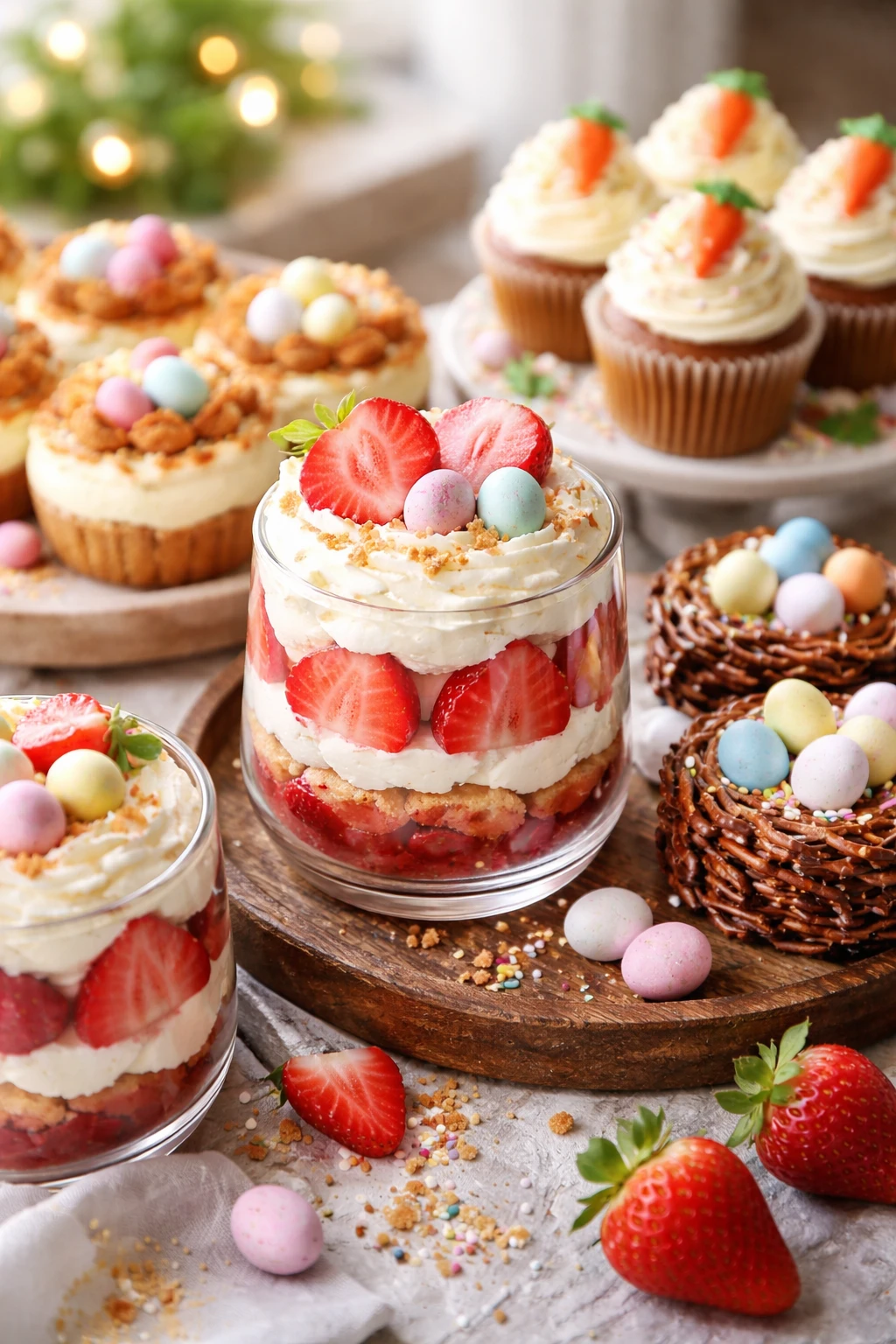
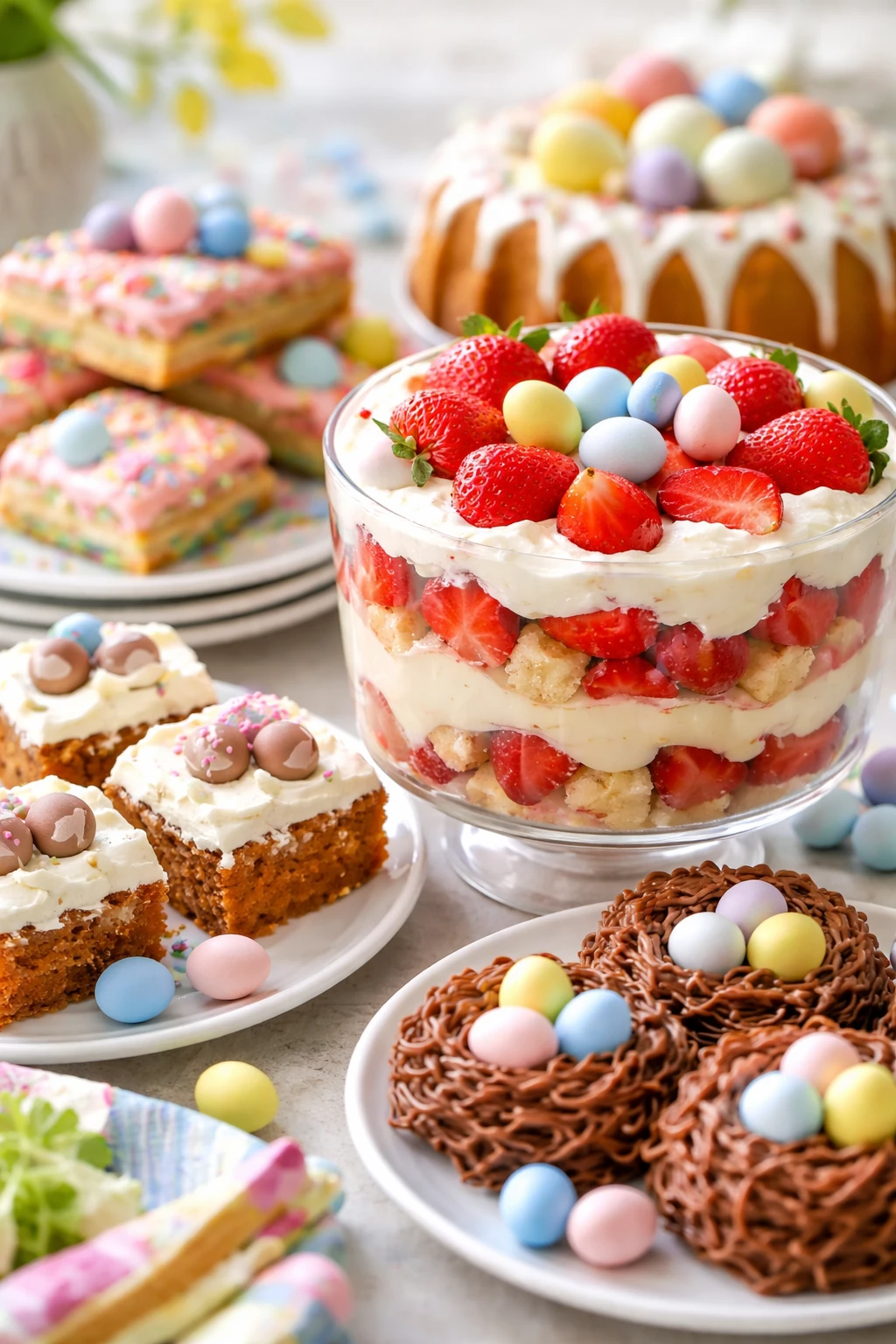
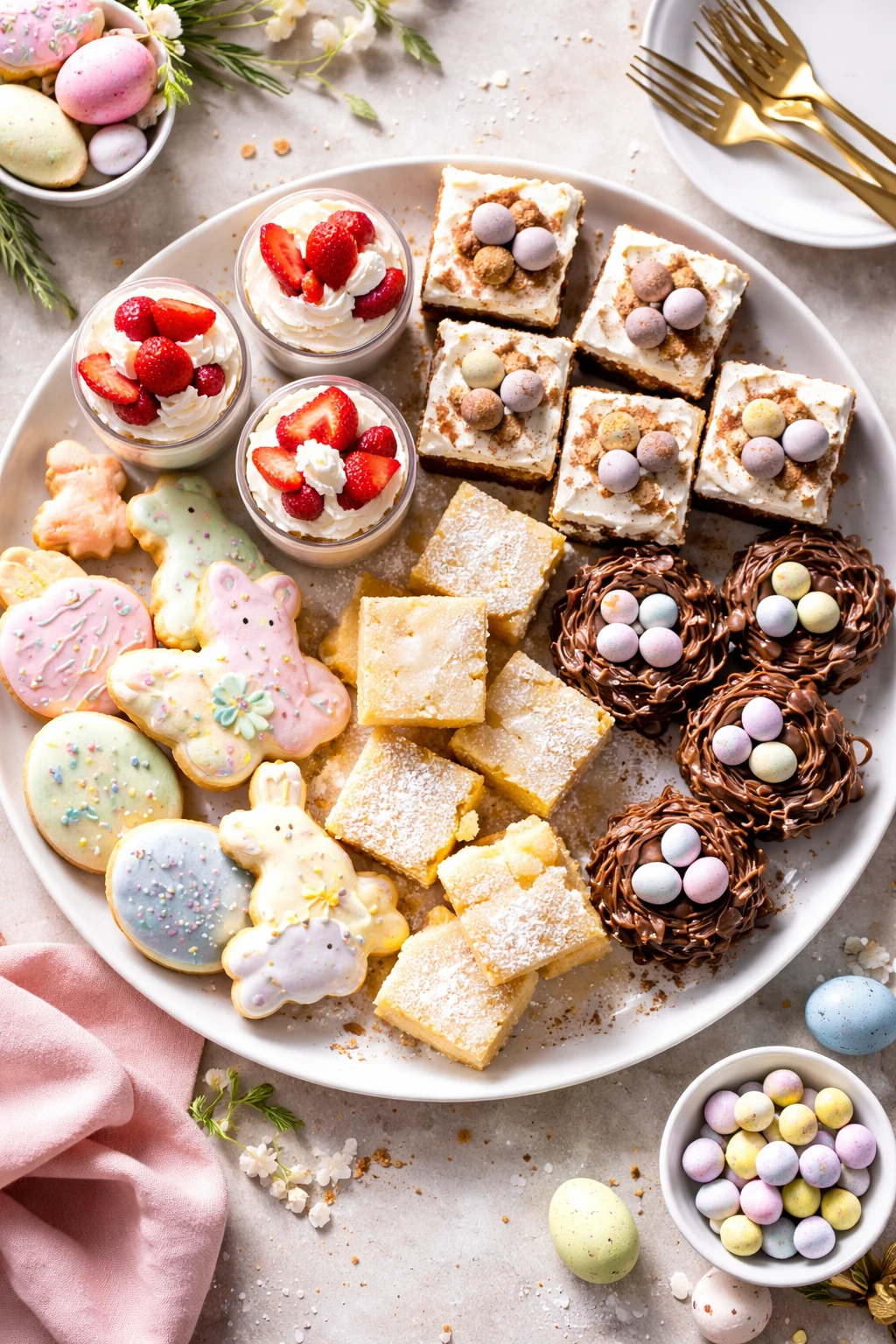
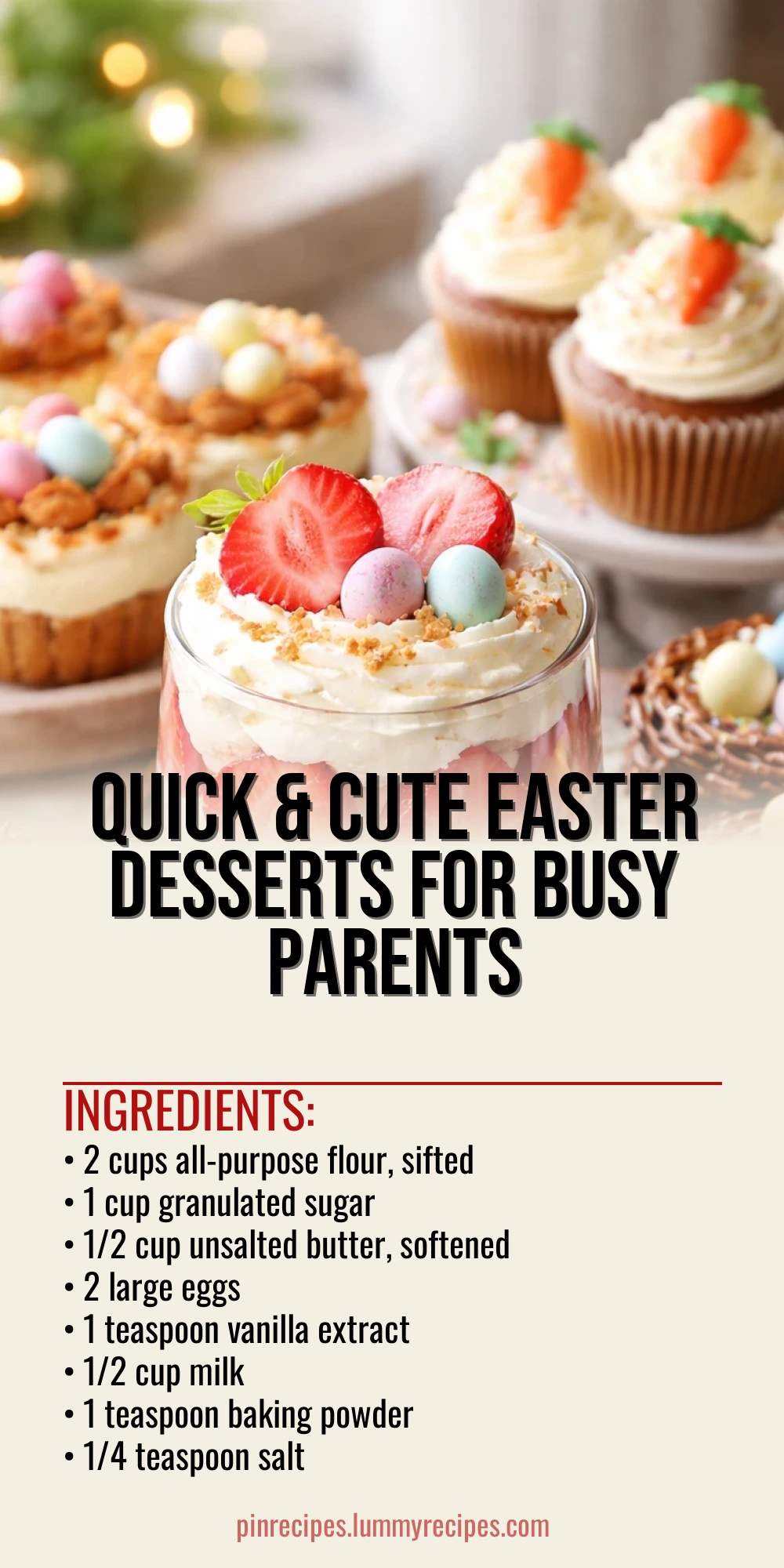
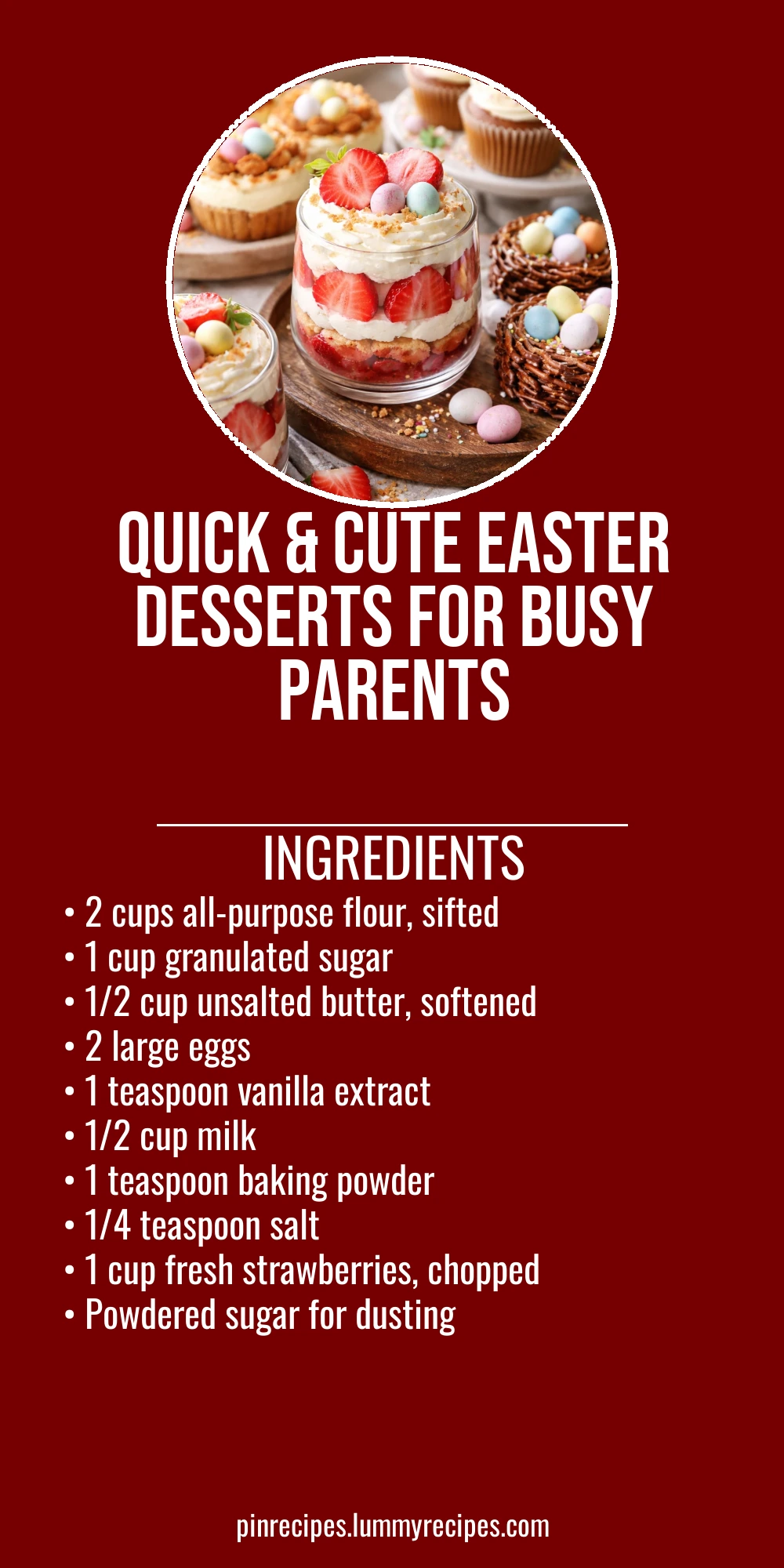
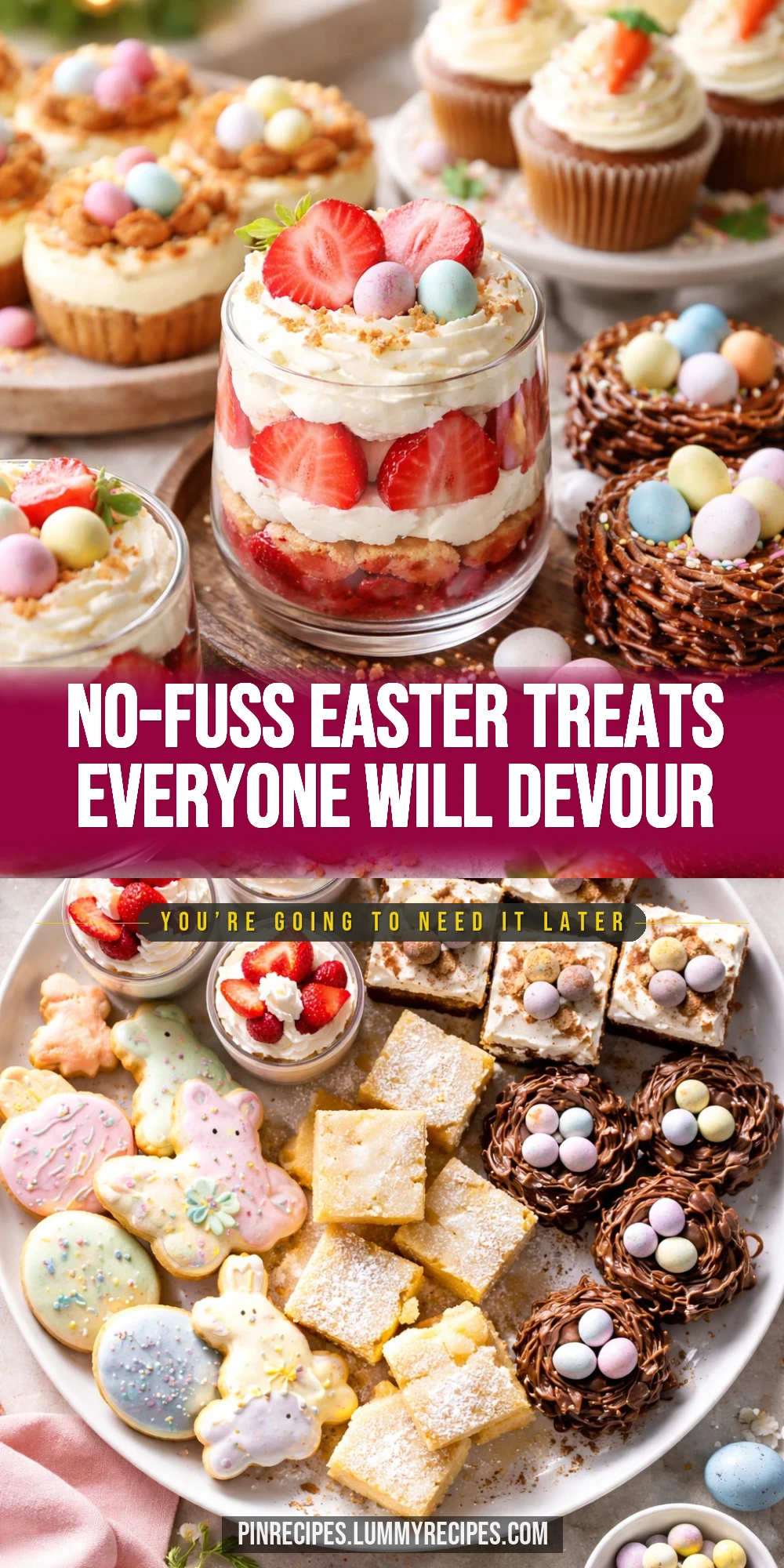
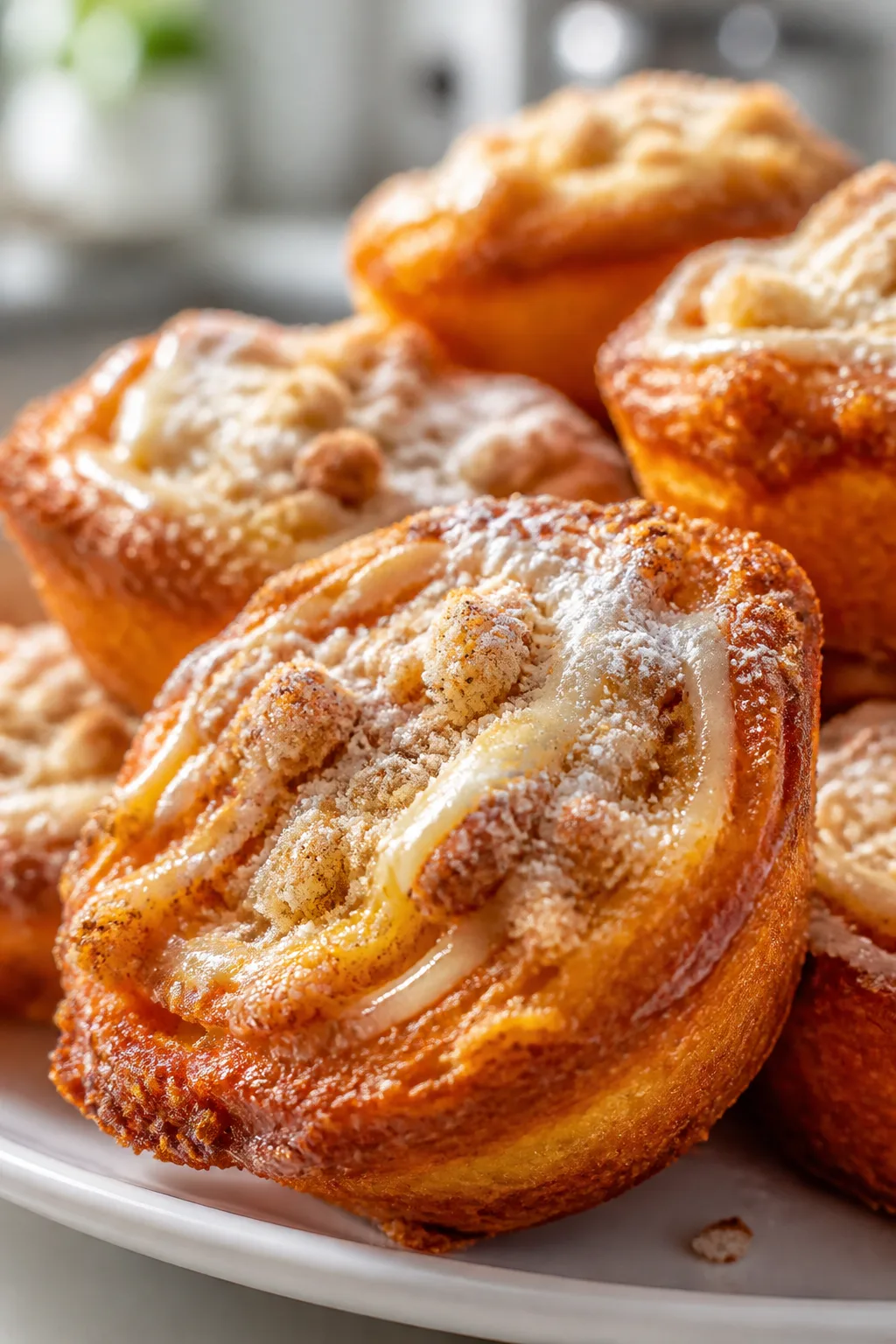
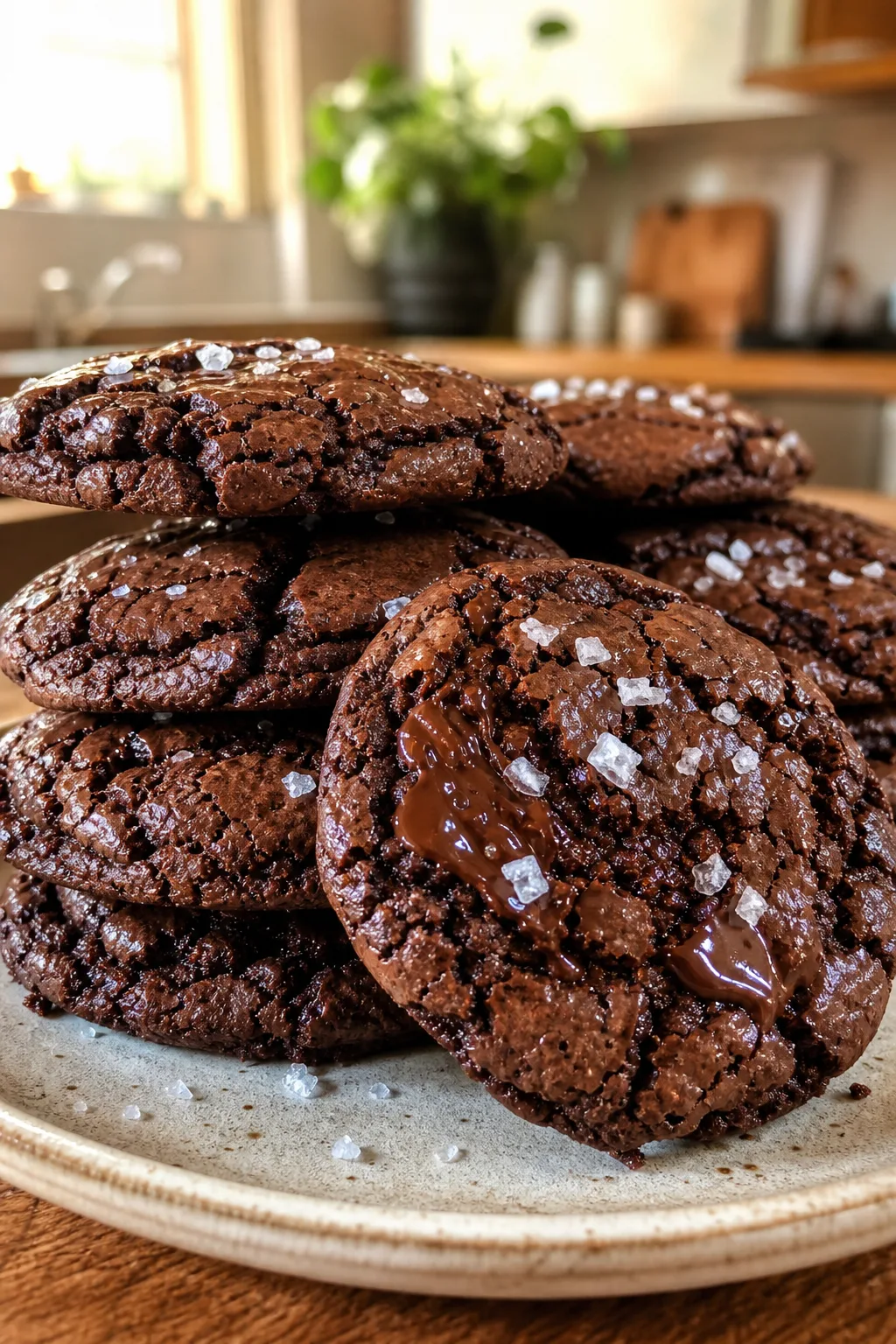
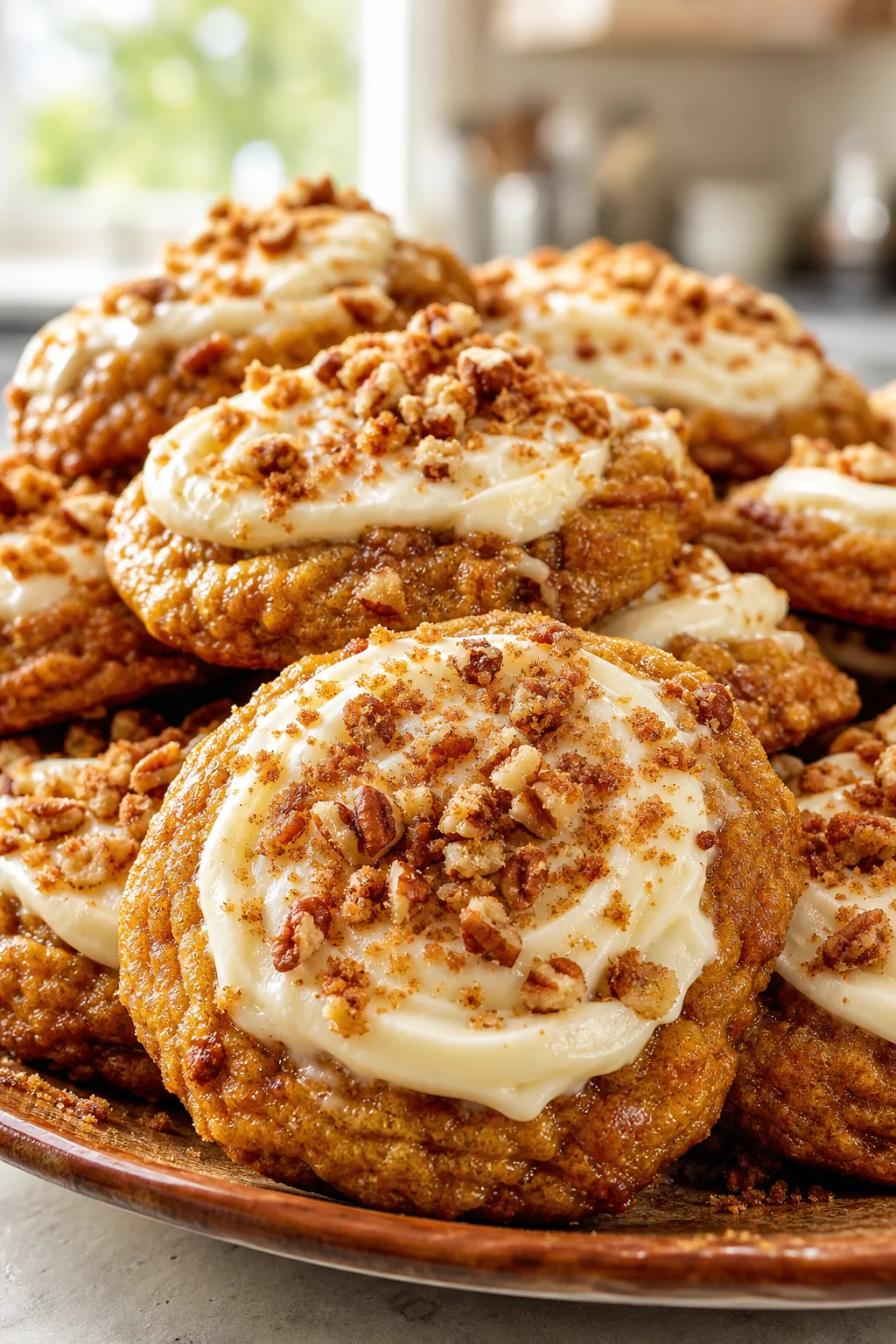
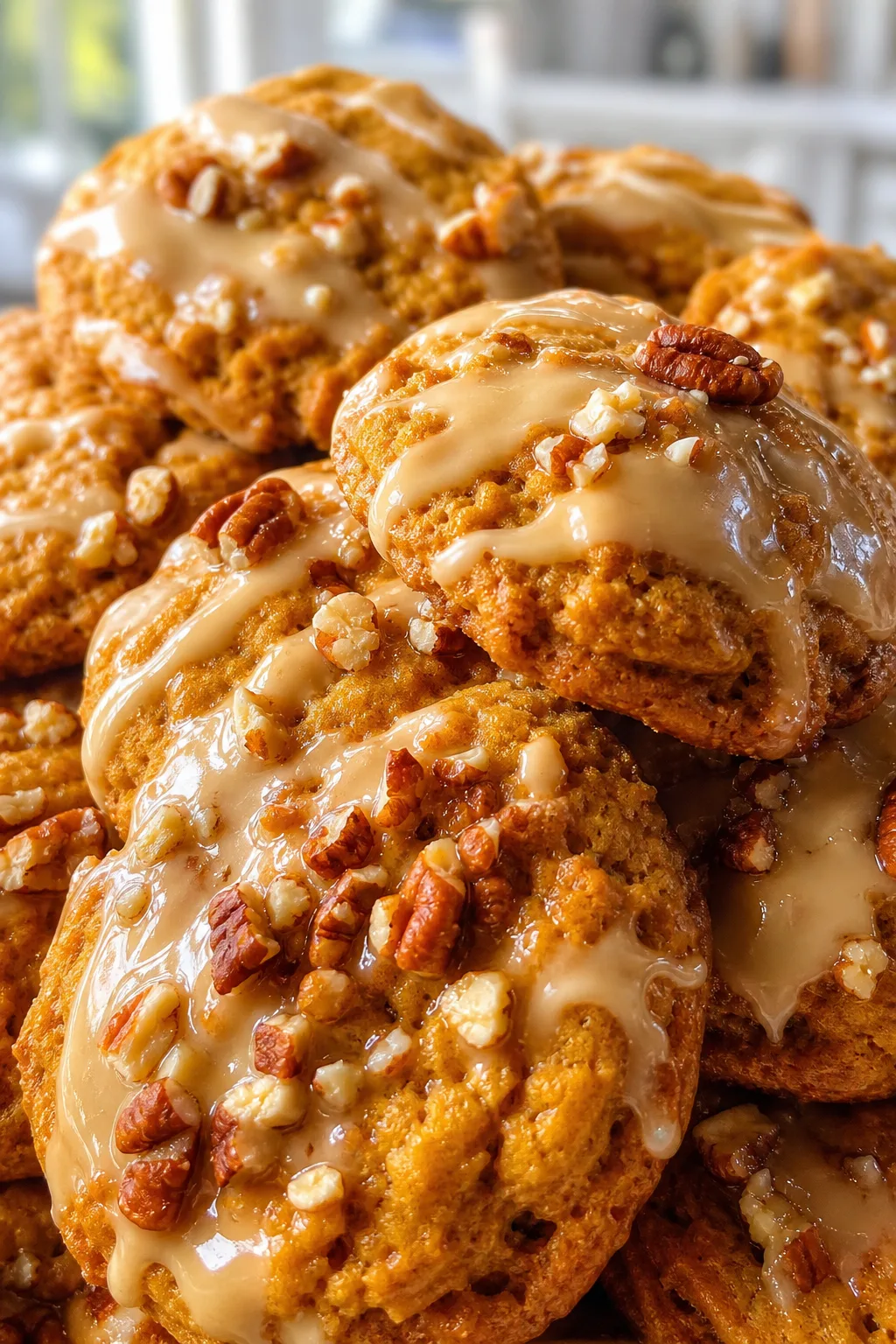
These easy Easter desserts are perfect when you’re juggling a busy schedule but still want something festive and delicious. Featuring simple ingredients and no-fuss steps, they’re great for family gatherings or last-minute celebrations.
Introduction
I remember the first time I tried to make Easter desserts while juggling a toddler and a full workday—I ended up with a mess and very little to show for it. Since then, I've perfected a few simple, no-fuss recipes that deliver big on flavor without demanding hours in the kitchen. What makes these desserts stand out is their simplicity and the use of fresh, seasonal ingredients like strawberries that add a natural pop of color and sweetness. Plus, I’ve learned a few tricks like prepping dry ingredients in advance and using softened butter to speed up mixing. The result? Light, tender cakes and sweet treats that look festive and taste homemade, even if you’re pressed for time. These desserts are perfect for Easter brunch or as a sweet finish to your family dinner, and they’re so straightforward that even busy parents like me can pull them off without stress.
How To Do It
Step 1
Preheat your oven to 350°F (175°C). Grease and flour a 9-inch round cake pan or line it with parchment paper. This step is crucial to prevent the cake from sticking and ensures an even rise. Make sure to tap out excess flour so the surface isn’t too thick, which could affect the texture.
⏱ Time: 10 minutes
✓ Doneness: Pan is evenly coated with no bare spots or clumps of flour
Step 2
In a large bowl, cream the softened butter and granulated sugar together using a hand mixer or stand mixer on medium speed. This process traps air in the mixture, which helps create a light, fluffy texture in your cake. Beat for about 3-4 minutes until the mixture looks pale and fluffy. Avoid rushing this step, or your cake might turn out dense.
⏱ Time: 4 minutes
✓ Doneness: Mixture is light in color and fluffy in texture
Step 3
Add the eggs one at a time, beating well after each addition to fully incorporate them. This helps the batter emulsify properly, giving the cake a smooth texture. Then mix in the vanilla extract for flavor. If you add eggs too quickly, the batter can curdle, so be patient here.
⏱ Time: 3 minutes
✓ Doneness: Batter is smooth and glossy without streaks of egg
Step 4
In a separate bowl, whisk together the sifted flour, baking powder, and salt. This ensures the leavening agent is evenly distributed, which helps the cake rise uniformly. Sifting also aerates the flour, contributing to a lighter crumb.
⏱ Time: 5 minutes
✓ Doneness: Dry ingredients are well combined with no lumps
Step 5
Gradually add the dry ingredients to the wet mixture in three parts, alternating with the milk starting and ending with the flour mixture. Mix gently after each addition just until combined to avoid overworking the batter, which can make the cake tough.
⏱ Time: 5 minutes
✓ Doneness: Batter is smooth with no visible flour streaks but not overmixed
Step 6
Fold in the chopped fresh strawberries gently with a spatula. This adds moisture and a fresh fruity flavor. Folding carefully prevents breaking down the berries too much and keeps the batter light.
⏱ Time: 2 minutes
✓ Doneness: Strawberries are evenly distributed without crushing
Step 7
Pour the batter into the prepared pan and smooth the top with a spatula. This helps the cake bake evenly and look neat when done. Tap the pan lightly on the counter to release any air bubbles trapped inside the batter.
⏱ Time: 3 minutes
✓ Doneness: Batter is evenly spread with no large bubbles
Step 8
Bake in the preheated oven for 25-30 minutes. Start checking at 25 minutes by inserting a toothpick in the center; it should come out clean or with a few moist crumbs. Overbaking will dry out the cake, so keep an eye on it near the end.
⏱ Time: 25-30 minutes
✓ Doneness: Toothpick comes out clean or with moist crumbs, edges pull away slightly
Step 9
Allow the cake to cool in the pan for 10 minutes, then turn it out onto a wire rack to cool completely. Cooling in the pan too long can cause sogginess, while cooling on a rack prevents condensation and keeps the crust tender.
⏱ Time: 20 minutes
✓ Doneness: Cake is completely cool to the touch without condensation underneath
Pro Tips
Always soften your butter before creaming.
Softened butter traps air when beaten with sugar, which is essential for a light and fluffy cake. If the butter is too cold, it won’t cream properly, resulting in a dense texture. Too warm or melted butter won’t hold air and can cause greasy batter.
Don’t overmix once you add the flour.
Overmixing develops gluten in the flour, which can make the cake tough and chewy instead of tender. Mix just until the flour disappears to keep the crumb soft and delicate.
Use fresh baking powder for best rise.
Baking powder loses potency over time, which can cause your cake to not rise properly. Always check the expiration date and test by mixing a small amount in hot water to see if it bubbles vigorously.
Fold in fruit gently at the end.
Folding preserves the lightness of the batter and prevents fruit from breaking down too much, which could release excess moisture and weigh down the cake. Gentle folding keeps the texture airy and the fruit intact.
Let the cake cool completely before serving.
Cutting or serving warm cake can cause it to crumble or fall apart. Cooling allows the crumb to set and flavors to develop fully, resulting in a better texture and taste.
Line your pan with parchment paper for easy release.
This prevents sticking and helps keep the cake intact when removing it from the pan. It’s especially helpful for delicate cakes or when you don’t want to risk breaking the edges.
Use room temperature eggs for smoother batter.
Cold eggs can cause the batter to curdle or mix unevenly, affecting texture. Room temperature eggs blend more easily, creating a consistent batter and better final crumb.
Common Mistakes to Avoid
Using cold butter for creaming.
Why it happens Many assume butter straight from the fridge is fine, but it’s too hard to beat properly.
Fix Plan ahead and leave butter out for about an hour or soften gently in short bursts in the microwave. Properly softened butter traps air and creates a fluffy batter.
Overmixing after adding flour.
Why it happens Eager cooks often want to get the batter smooth quickly, not realizing gluten builds with excess mixing.
Fix Mix just until flour disappears. Stop as soon as you don’t see dry streaks to keep cake tender.
Not measuring flour correctly.
Why it happens Scooping flour with a cup can pack it too densely, adding too much flour.
Fix Fluff flour first, then spoon into measuring cup and level with a knife. This prevents dry, dense cake.
Skipping the pan prep.
Why it happens In a rush, some skip greasing and flouring, risking sticking.
Fix Always grease and flour or use parchment. It ensures clean release and preserves cake shape.
Baking at the wrong temperature.
Why it happens Oven temperatures vary; some bake too hot or cold without checking.
Fix Use an oven thermometer to verify 350°F. Incorrect temps can dry out or underbake the cake.
Variations
Lemon Blueberry Easter Cake
Swap strawberries for fresh blueberries and add zest of one lemon to the batter for a bright, citrusy twist. This variation offers a fresh, tangy flavor perfect for springtime. The blueberries add bursts of sweetness and moisture.
Note: Blueberries release more juice than strawberries, so fold gently and avoid overmixing to prevent sogginess.
Gluten-Free Easter Cake
Use a gluten-free all-purpose flour blend in place of regular flour. Add an extra teaspoon of baking powder to help with rise. This version is great for guests with gluten sensitivities without sacrificing texture or flavor.
Note: Gluten-free flours absorb more moisture; you might need to add a tablespoon more milk for the right consistency.
Vegan Easter Cake
Replace eggs with flax eggs (1 tbsp ground flaxseed + 3 tbsp water per egg) and use plant-based butter and milk. This version is dairy-free and egg-free but still moist and flavorful, perfect for vegan diets.
Note: Flax eggs add density, so beat the batter a bit longer after adding to incorporate air.
Chocolate Chip Easter Cake
Stir in 3/4 cup mini chocolate chips instead of fruit for a rich, kid-friendly treat. This variation is simple and adds a sweet chocolate surprise in every bite.
Note: Toss chocolate chips in flour before folding to prevent sinking to the bottom.
Carrot Cake Easter Treat
Add 1 cup finely grated carrots and 1/2 teaspoon cinnamon to the batter for a lightly spiced, moist cake that nods to traditional Easter flavors. Great for those who love a classic carrot cake twist.
Note: Grated carrots add moisture; reduce milk by 2 tablespoons to keep batter consistency balanced.
Nutrition
Per Serving:
Nutritional values are estimates and may vary based on specific ingredients used.
Storage & Tips
Room Temperature
Store the cake covered loosely with a cake dome or plastic wrap at room temperature for up to 2 days. Keep it away from direct sunlight or heat to prevent drying out.
Refrigerator
Keep cake in an airtight container for up to 5 days. Chilling can firm up the texture but may dry the cake slightly; bring to room temperature before serving for best flavor.
Freezer
Wrap the cooled cake tightly in plastic wrap and then foil. Freeze for up to 2 months. Thaw overnight in the refrigerator, then bring to room temperature before serving to restore softness.
Reheating
Warm slices gently in a microwave for 10-15 seconds or in a low oven (300°F) for 5-7 minutes. Avoid overheating which dries out the cake. A light brush of milk or syrup can help restore moisture.
Make Ahead
Prepare the batter a day ahead and keep it refrigerated, then bake fresh on Easter day. Alternatively, bake the cake a day ahead and store wrapped; decorate or dust with powdered sugar just before serving.
FAQ
Can I use frozen strawberries instead of fresh?
You can use frozen strawberries, but thaw and drain them well first to avoid excess moisture that can make the cake soggy. Pat them dry with paper towels and fold in gently to keep the batter from becoming too wet.
What can I substitute for baking powder?
If you don’t have baking powder, you can use 1/4 teaspoon baking soda plus 1/2 teaspoon cream of tartar per teaspoon of baking powder needed. This combination provides the leavening effect, but be sure to mix thoroughly to avoid uneven rise.
How do I know when the cake is fully baked?
Insert a toothpick into the center of the cake; if it comes out clean or with a few moist crumbs, it’s done. The edges will also start to pull away slightly from the pan, and the top will spring back when lightly pressed.
Can I make this cake gluten-free?
Yes! Use a gluten-free all-purpose flour blend and add a little extra baking powder to help it rise. You might need to adjust the milk slightly to get the right batter consistency since gluten-free flours absorb liquids differently.
How should I store leftovers?
Store leftovers in an airtight container at room temperature for up to 2 days or in the fridge for up to 5 days. For longer storage, freeze the cake well wrapped for up to 2 months.
Can I add other fruits instead of strawberries?
Absolutely! Blueberries, raspberries, or chopped peaches work well. Just fold them in gently to avoid breaking them down and releasing too much juice, which can alter the cake texture.
Why is my cake dense instead of fluffy?
Common reasons include overmixing the batter, using cold butter, or expired baking powder. Make sure to cream butter and sugar well, mix dry ingredients gently, and use fresh leavening agents for best results.
Can I make this cake vegan?
Yes, substitute eggs with flax eggs and use plant-based butter and milk. Keep in mind the texture will be slightly different, but the cake will still be moist and tasty.
Final Thoughts
I hope you give these effortless Easter desserts a try—they’re a lifesaver when time is tight but you still want something special. Let me know how they turn out and if you add your own twist!