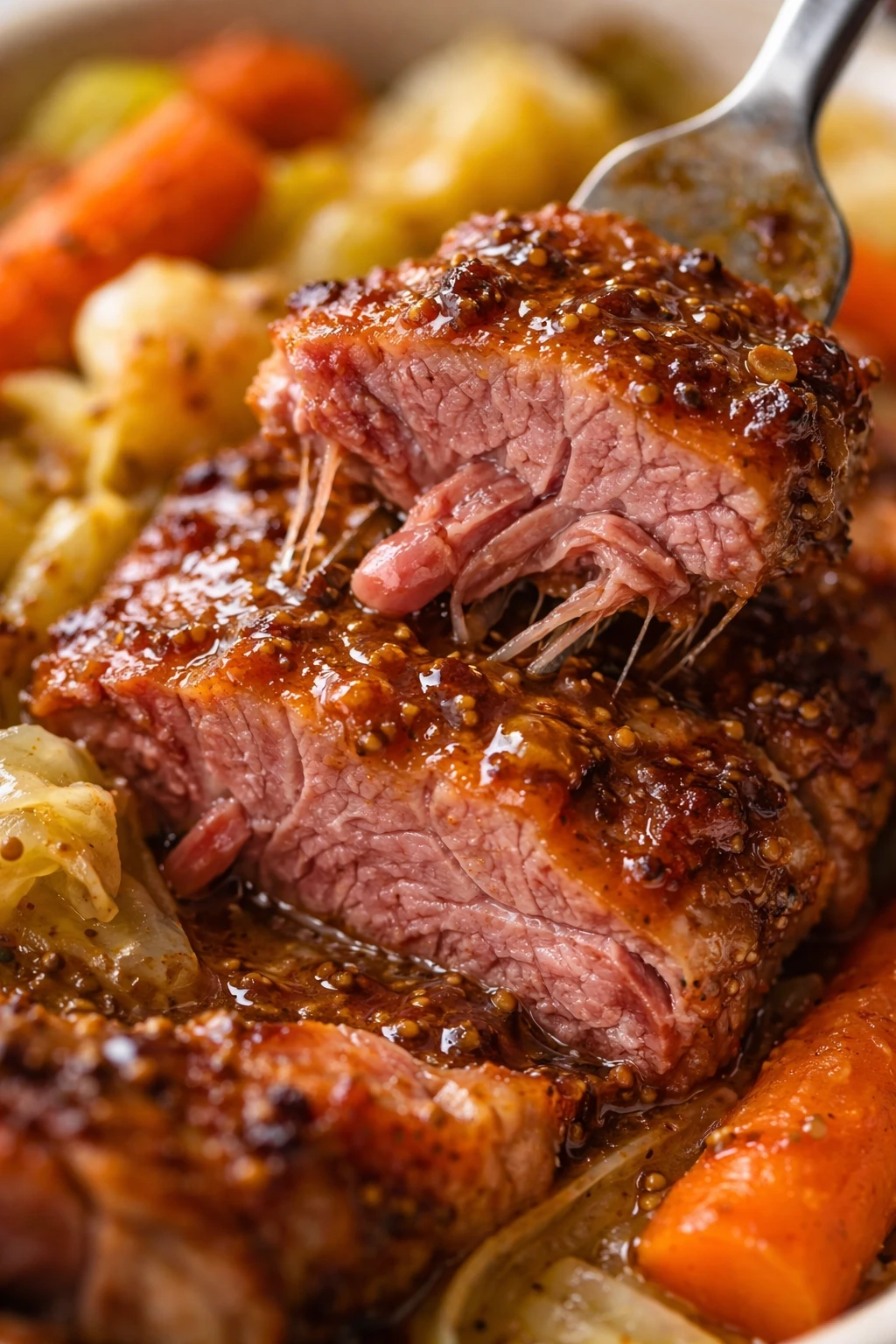
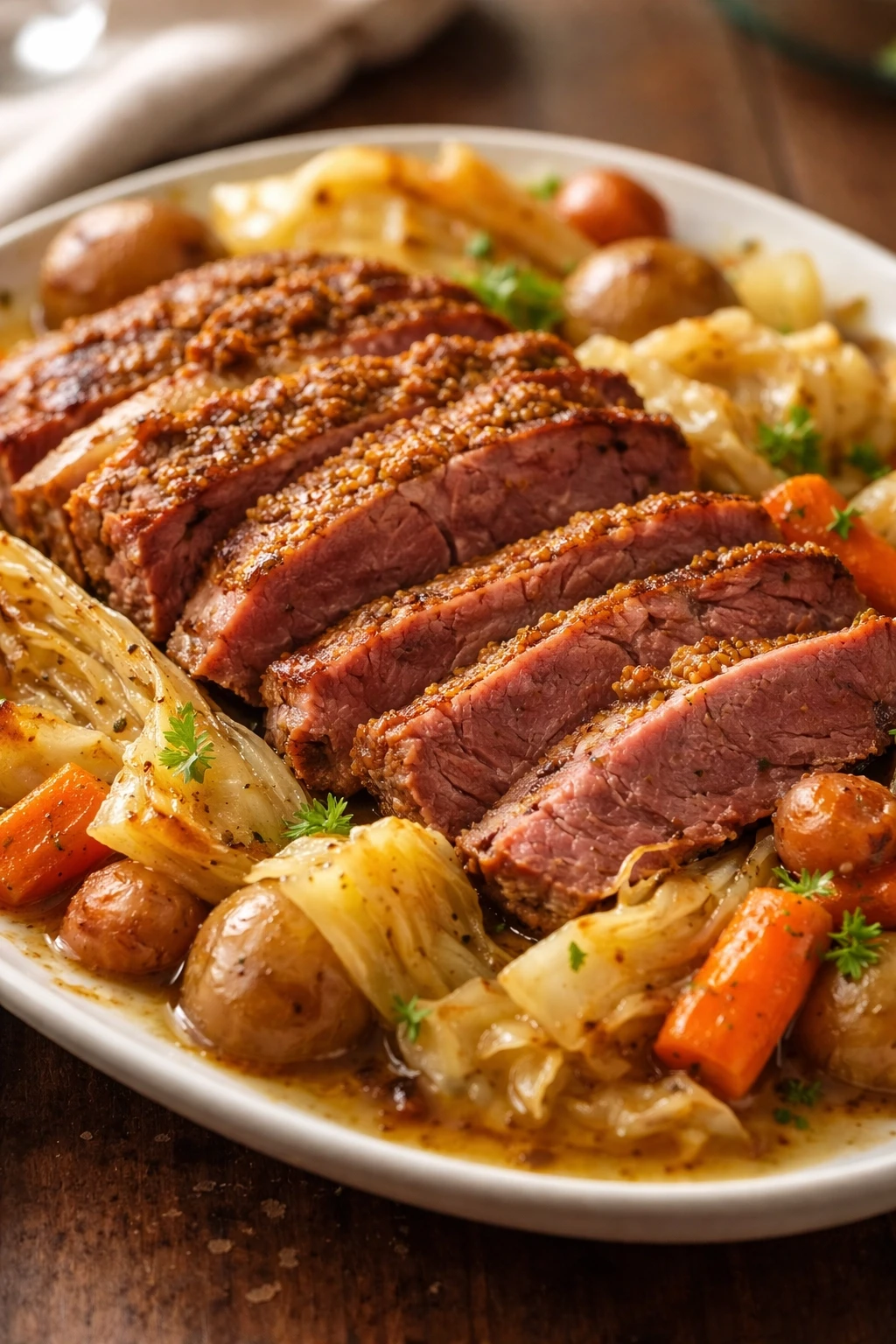
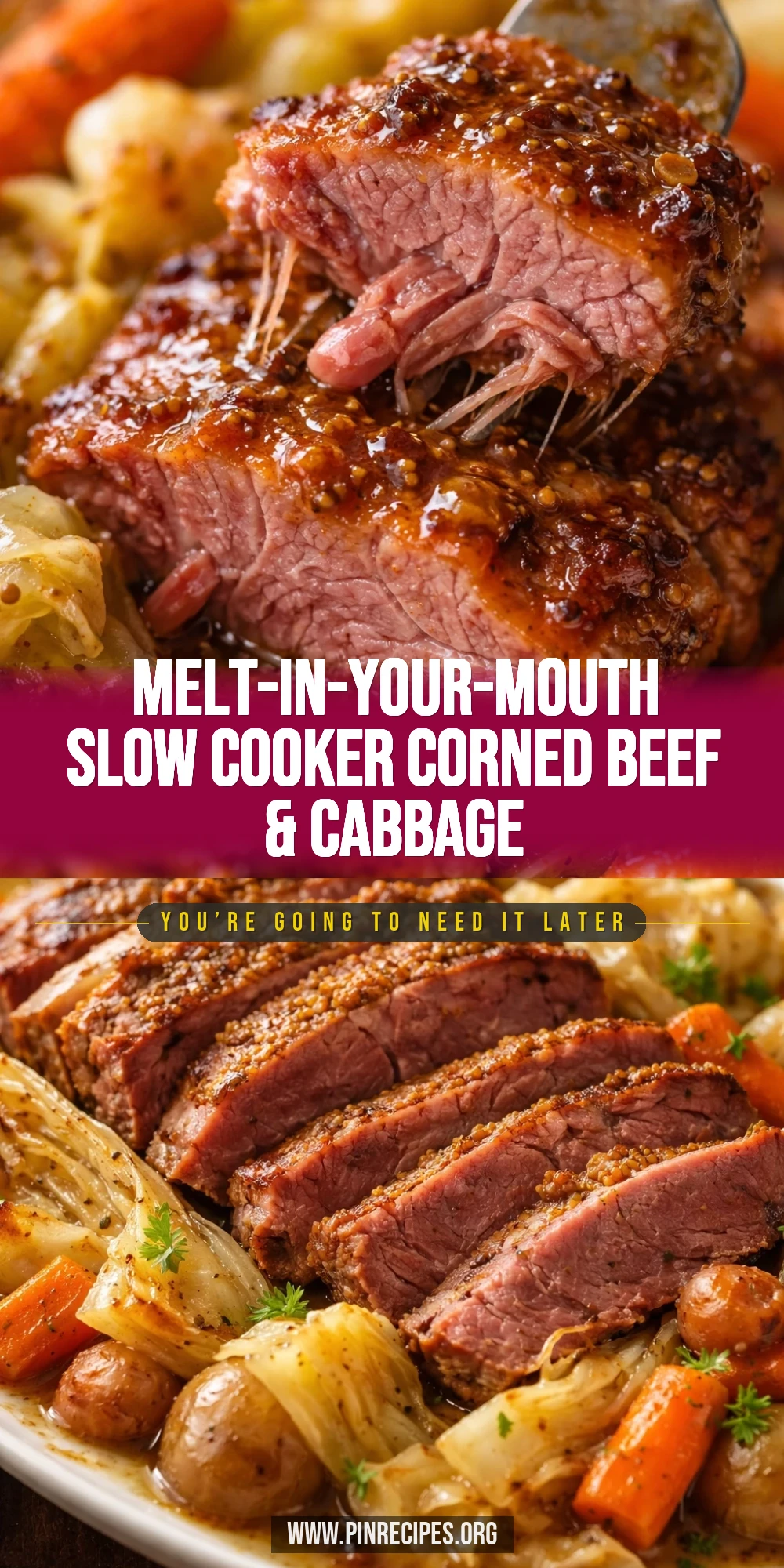
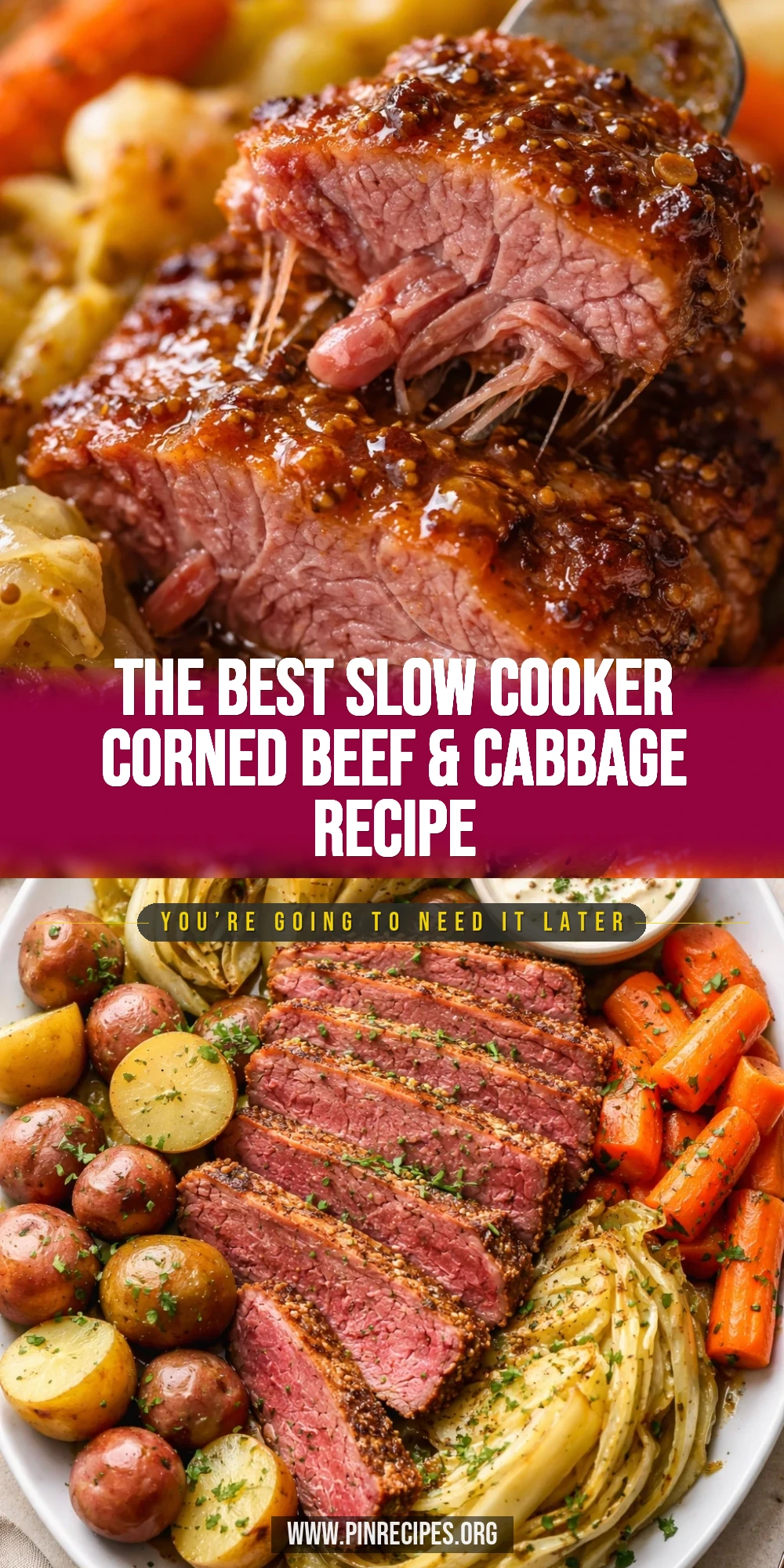
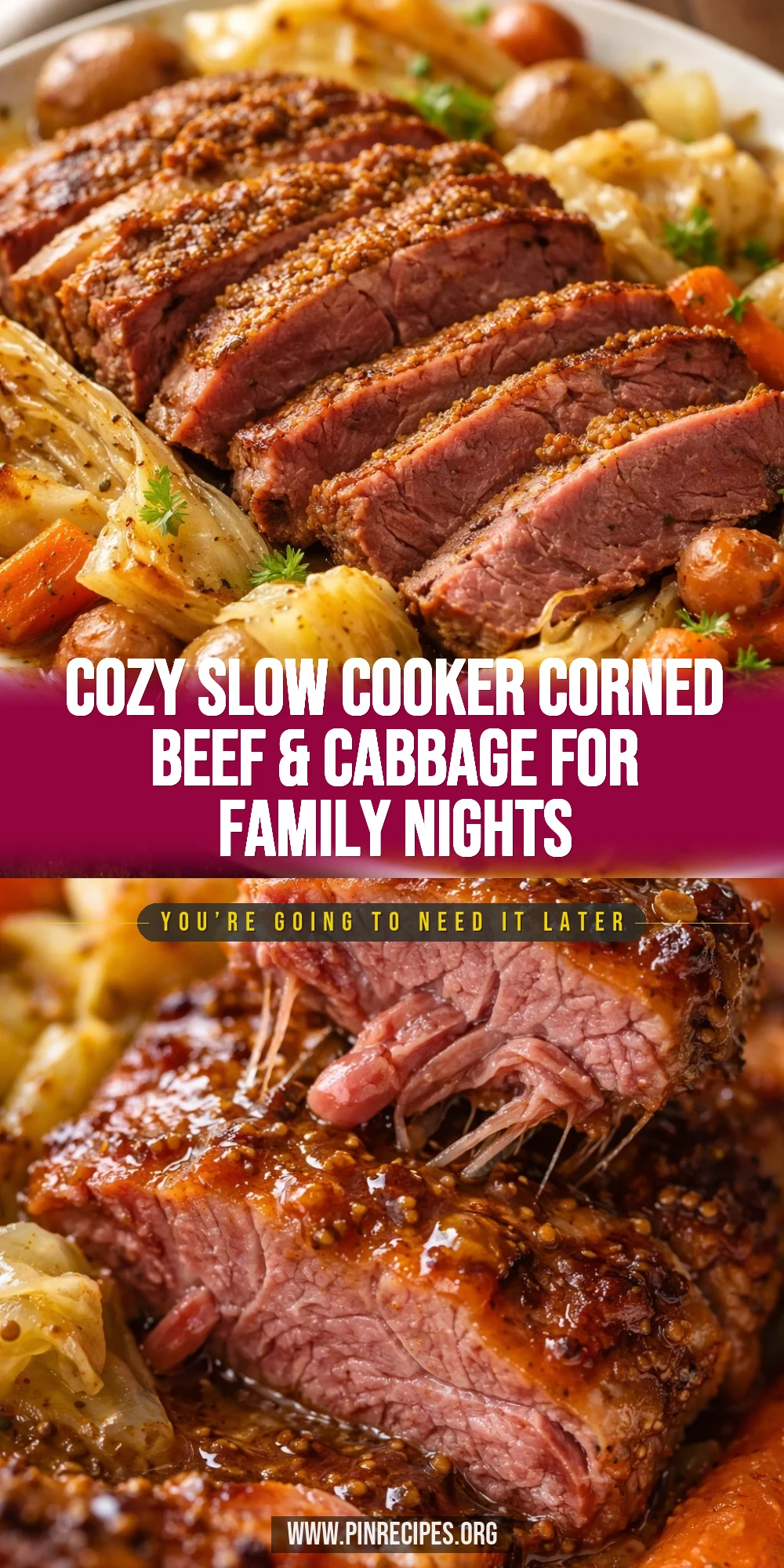
This slow cooker corned beef and cabbage is the ultimate comfort meal. The beef turns tender and juicy after hours of gentle cooking, soaking up all the spices. Perfect for a cozy Sunday dinner with family.
Introduction
I first made this slow cooker corned beef and cabbage years ago when I wanted a hands-off way to enjoy a classic Irish meal without fussing over the stove all day. What I love about this recipe is how the slow cooker transforms a tough brisket into melt-in-your-mouth tender beef that’s bursting with flavor. The secret is low and slow cooking with the included spice packet plus a few extra aromatics like garlic and bay leaf. I’ve tried boiling corned beef before, but it always ended up a bit dry or tough. This method locks in moisture and lets the spices gently infuse the meat. Plus, adding the cabbage, carrots, and potatoes in the last hour means they’re perfectly cooked but not mushy. When it’s done, you get a hearty, comforting plate that feels like a warm hug. It’s my go-to for St. Patrick’s Day or any chilly weekend when I want something simple but special. My family always asks for seconds, and it’s so easy that I can focus on other things while it cooks.
How To Do It
Step 1
Start by rinsing the corned beef brisket under cold water to remove excess salt from the curing process. This step is important because it prevents the final dish from being overly salty while still keeping that classic briny flavor. After rinsing, pat the meat dry with paper towels. Place the brisket fat side up in the slow cooker, which helps baste the meat as it cooks, keeping it juicy and tender. Avoid skipping the rinse or placing the meat fat side up, as it can affect texture and saltiness.
⏱ Time: 10 minutes
✓ Doneness: Brisket is dry to the touch after patting and positioned with fat side up in the cooker
Step 2
Pour in 4 cups of beef broth to cover about half the brisket, then add the quartered onion, smashed garlic cloves, bay leaf, and black peppercorns along with the spice packet that came with the meat. The broth acts as a flavorful cooking liquid, while the aromatics infuse subtle layers of taste. Cover and set your slow cooker to low heat. Cooking low and slow for about 8 hours breaks down the tough connective tissue, making the meat tender and juicy. Don’t rush this step by turning the heat too high, or the meat might dry out or become chewy.
⏱ Time: 8 hours
✓ Doneness: Broth gently simmering inside the slow cooker with fragrant aromas filling the kitchen
Step 3
About an hour before serving, add the chopped carrots and potatoes around the brisket in the slow cooker. These root vegetables take less time to cook and absorb the savory broth flavors. Make sure they’re evenly spaced so they cook uniformly. If you add them too early, they’ll become mushy and lose their texture, which isn’t as satisfying.
⏱ Time: 5 minutes prep + 1 hour cook
✓ Doneness: Carrots and potatoes are tender when pierced with a fork but still hold their shape
Step 4
Next, place the cabbage wedges on top of the meat and vegetables. Cover again and cook for the final 45 minutes to an hour. The cabbage wilts just enough to become tender but not soggy, soaking up the flavorful broth. Adding it last ensures it keeps a pleasant bite and vibrant color. Overcooking cabbage can make it lose flavor and turn mushy, so timing here is key.
⏱ Time: 45-60 minutes
✓ Doneness: Cabbage edges are tender and slightly translucent but still retain some firmness
Step 5
Once everything is cooked, carefully remove the brisket from the slow cooker and let it rest for 10 minutes before slicing against the grain. Resting allows the juices to redistribute, resulting in a moister bite. Slicing against the grain breaks up muscle fibers, making the meat easier to chew. If you slice with the grain, the meat can feel stringy and tough.
⏱ Time: 10 minutes rest
✓ Doneness: Brisket slices easily with a knife and looks juicy on the cut side
Step 6
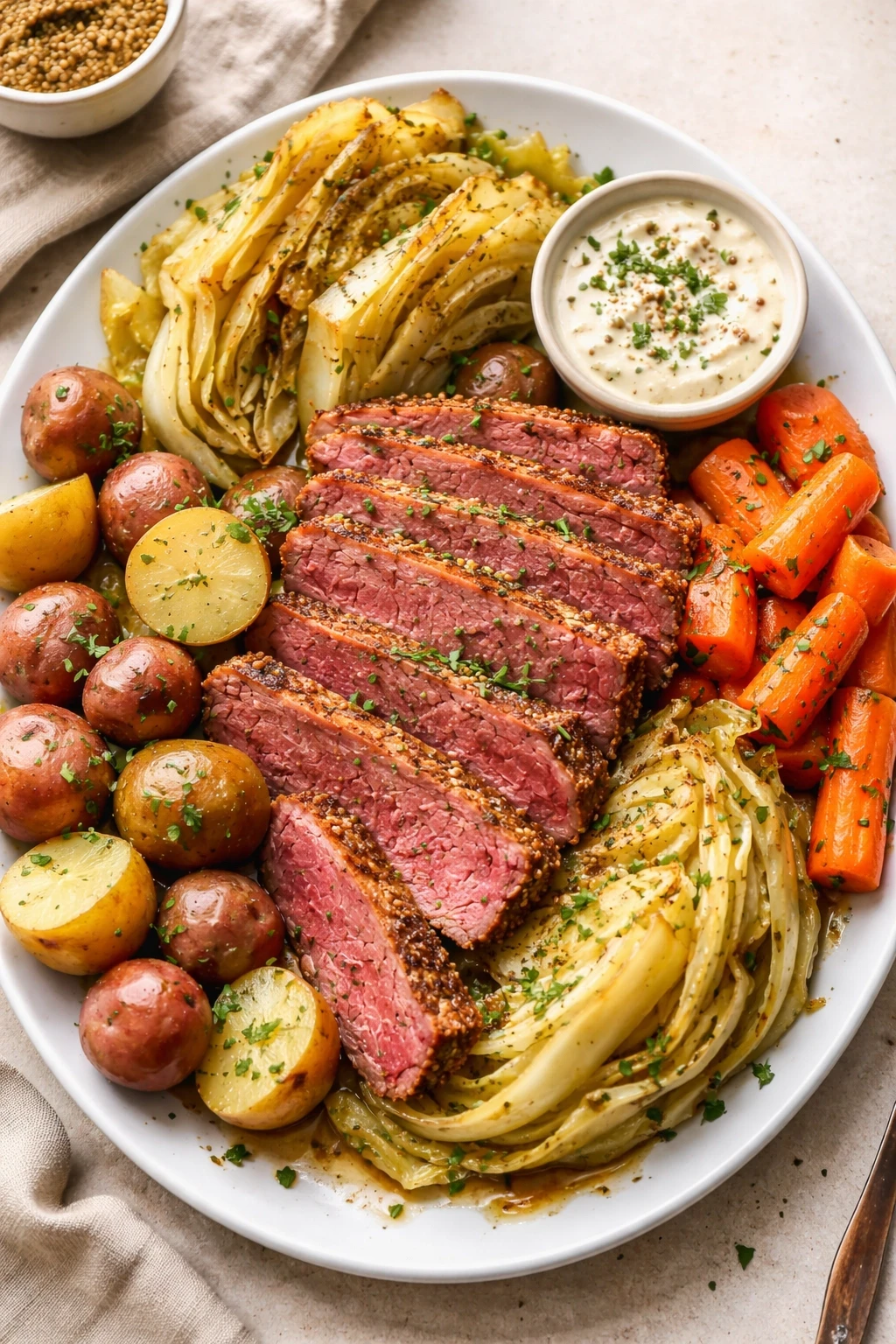
Arrange the sliced corned beef on a serving platter and surround it with the cooked cabbage, carrots, and potatoes. Spoon some of the cooking broth over the top to keep everything moist and flavorful. This finishing touch brings all the elements together and keeps the dish from drying out as it sits. Avoid serving without broth as the meat can dry quickly.
⏱ Time: 5 minutes
✓ Doneness: Dish looks glossy and inviting with broth glistening on the vegetables and meat
Step 7
If you want to thicken the broth into a gravy, transfer some of the liquid to a saucepan and simmer it over medium heat. Mix a tablespoon of cornstarch with cold water to make a slurry, then whisk it into the simmering broth. Stir constantly until it thickens to your liking. This step is optional but adds a lovely sauce for dipping or drizzling. Don’t add the slurry directly to the slow cooker as it won’t heat evenly.
⏱ Time: 10 minutes
✓ Doneness: Broth thickens to a glossy sauce that coats the back of a spoon
Step 8
Taste the broth and adjust seasoning with salt and pepper if needed. Because of the initial rinsing, the saltiness is balanced but sometimes a pinch more salt enhances the flavors. Add pepper to taste for a mild kick. Seasoning at the end prevents over-salting and lets you customize the flavor.
⏱ Time: 2 minutes
✓ Doneness: Broth tastes balanced with no overpowering saltiness
Step 9
Serve the corned beef and cabbage hot with mustard or horseradish on the side if you like a little tang. This dish pairs wonderfully with crusty bread or a simple green salad. Leftovers reheat well and taste even better the next day as flavors deepen. Enjoy your cozy, satisfying meal!
⏱ Time: Immediate
✓ Doneness: Dish is steaming hot and ready to enjoy
Pro Tips
Always rinse your corned beef before cooking.
Rinsing removes excess surface salt from the curing process, preventing an overly salty final dish while preserving the signature briny flavor. Skipping this step can result in a dish that's too salty and less enjoyable.
Cook the brisket fat side up in the slow cooker.
Positioning the fat cap on top allows the fat to slowly render and baste the meat during cooking, keeping it moist and tender. If placed fat side down, the meat can dry out or cook unevenly.
Add vegetables in stages according to their cooking times.
Root vegetables like carrots and potatoes take less time than brisket to cook and cabbage cooks even faster. Adding them all at once leads to overcooked, mushy veggies. Staggering additions ensures perfect texture and flavor.
Let the meat rest before slicing.
Resting allows juices to redistribute within the brisket, preventing them from running out when sliced. This results in juicier, more tender meat. Cutting immediately causes dry, stringy slices.
Slice the brisket against the grain.
Cutting against the grain shortens muscle fibers, making the meat easier to chew and more tender. Slicing with the grain leaves long fibers that feel tough and stringy.
Use beef broth instead of water for cooking.
Broth adds savory depth and richness to the cooking liquid, enhancing the flavor of both meat and vegetables. Water lacks this complexity and results in a blander dish.
Consider thickening the cooking liquid into a gravy.
Reducing and thickening the broth concentrates flavors and creates a luscious sauce to drizzle over the meat and veggies. This elevates the dish and adds moisture, making each bite more satisfying.
Common Mistakes to Avoid
Not rinsing the corned beef before cooking.
Why it happens Many cooks assume the curing salt is necessary for flavor and skip rinsing, not realizing it can make the dish too salty.
Fix Simply rinse the brisket under cold water for a few minutes before cooking to remove excess salt. This balances the flavor without losing the traditional brine taste.
Adding all vegetables at the start of cooking.
Why it happens It's tempting to dump everything in the slow cooker at once for convenience, but vegetables cook faster than brisket.
Fix Add root vegetables like carrots and potatoes about an hour before the end, and cabbage last to keep their texture intact.
Slicing the brisket immediately after cooking.
Why it happens Impatience or lack of awareness leads to cutting hot meat, causing juices to escape and resulting in dryness.
Fix Allow the meat to rest for 10 minutes after cooking to let juices redistribute, then slice against the grain for tender slices.
Cooking on high heat to speed up the process.
Why it happens Rushing the slow cooker time seems convenient but can toughen the meat and dry it out.
Fix Stick to low heat for 8 hours to properly break down collagen and achieve tender, juicy brisket.
Skipping the spice packet or aromatics.
Why it happens Some think the spice packet is optional or prefer simpler flavors, but it’s key to authentic taste.
Fix Use the included spice packet and add fresh garlic and onion to deepen the flavor profile.
Variations
Spicy Corned Beef and Cabbage
Add a chopped jalapeño or a pinch of red pepper flakes to the slow cooker with the spices for a subtle heat kick. This variation adds warmth without overpowering the traditional flavors.
Note: Watch the spice level carefully; adding too early can intensify heat. Add peppers with the aromatics to infuse flavor gradually.
Beer-Braised Corned Beef
Replace half the beef broth with a good-quality stout or amber beer. The beer adds maltiness and depth, complementing the beef beautifully. This version feels extra festive and rich.
Note: Use a beer with robust flavor but not too bitter. Avoid cooking on high to prevent bitterness from concentrating.
Vegetarian Cabbage and Root Veggie Stew
Skip the corned beef and use vegetable broth with extra spices like smoked paprika and liquid smoke for a smoky, hearty stew. Add more root vegetables and beans for protein.
Note: Cook vegetables longer to develop flavors and ensure tenderness without meat.
Instant Pot Corned Beef and Cabbage
Use an Instant Pot to reduce cooking time dramatically. Pressure cook the brisket for about 90 minutes, then add veggies and cook on high pressure for 5-7 minutes.
Note: Adjust liquid amounts to prevent burning and follow manufacturer guidelines for pressure cooking meat and vegetables.
Corned Beef Hash
Use leftover corned beef and vegetables to make a crispy hash in a skillet with diced onions and peppers. Perfect for breakfast or brunch with eggs on top.
Note: Chop leftovers uniformly and cook over medium-high heat to get a golden crust without burning.
Nutrition
Per Serving:
Nutritional values are estimates and may vary based on specific ingredients used.
Storage & Tips
Room Temperature
This dish can safely sit covered at room temperature for up to 2 hours. Longer than that risks bacterial growth, so refrigerate promptly after serving.
Refrigerator
Store leftovers in an airtight container for up to 4 days. The flavors often deepen overnight, but the cabbage may soften further. Reheat gently to avoid drying the meat.
Freezer
Freeze cooked corned beef and vegetables for up to 3 months. Wrap tightly in freezer-safe containers or bags to prevent freezer burn. Thaw overnight in the fridge before reheating.
Reheating
Reheat leftovers on the stovetop over low heat with a splash of broth to keep moist, or microwave covered in short bursts. Avoid high heat which can toughen the meat.
Make Ahead
You can prepare the brisket and broth base a day ahead, refrigerate, then add fresh vegetables and finish cooking the next day for best texture.
FAQ
Can I skip rinsing the corned beef?
Rinsing removes excess salt from the curing brine, preventing an overly salty dish. Skipping this step often results in a too-salty final meal, so it’s best to rinse briefly under cold water before cooking.
How do I know when the corned beef is done?
The brisket is done when it’s fork-tender and easily pierced with a knife. Cooking low and slow for about 8 hours usually achieves this, but you can test by poking the meat near the thickest part.
Can I cook this recipe in an Instant Pot?
Yes! Pressure cook the brisket for about 90 minutes, then add vegetables and cook for an additional 5-7 minutes. This reduces cooking time significantly but requires careful liquid management to avoid burning.
What if I don’t have a slow cooker?
You can simmer the corned beef in a large pot on the stove over low heat for 3-4 hours, adding vegetables in the last hour. Keep the pot covered and check liquid levels regularly to prevent drying out.
Can I use frozen vegetables instead of fresh?
Fresh vegetables are best for texture and flavor, but frozen can work in a pinch. Add frozen veggies later in cooking to avoid overcooking and excess water release that can dilute flavors.
How do I prevent mushy cabbage?
Adding cabbage late keeps it tender but firm. Avoid chopping it too small or cooking it too long to prevent mushiness.
Is it better to cook corned beef on low or high in the slow cooker?
Low and slow is best for corned beef. Cooking on high can toughen the meat and dry it out. Eight hours on low breaks down collagen gently, resulting in tender, juicy meat.
Can I freeze leftovers?
Yes, freeze leftovers in airtight containers for up to 3 months. Thaw overnight in the fridge and reheat gently to maintain texture and flavor.
Final Thoughts
Give this slow cooker corned beef and cabbage a try for your next cozy meal. I’d love to hear how it turns out for you—don’t forget to share your photos and tweaks!