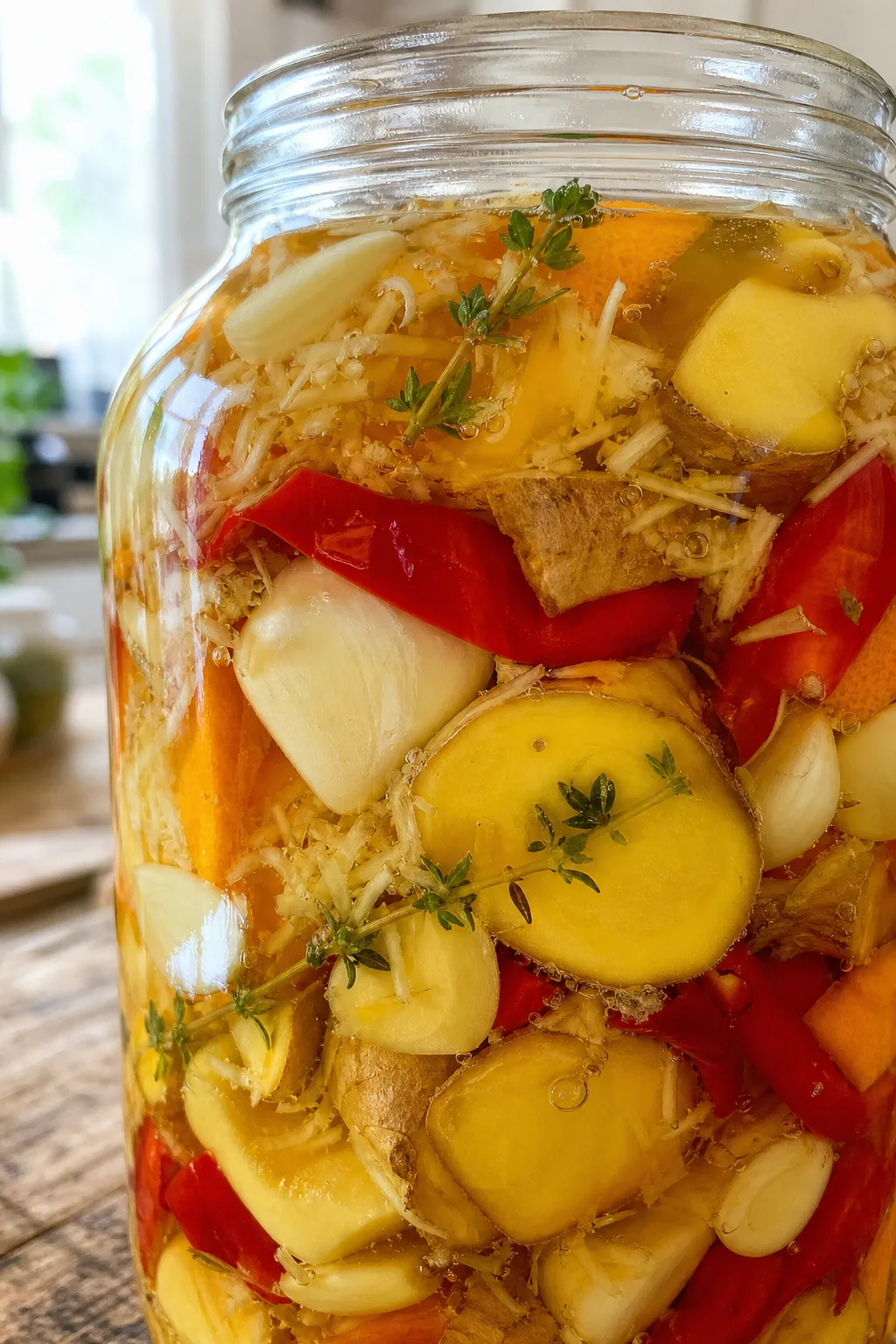
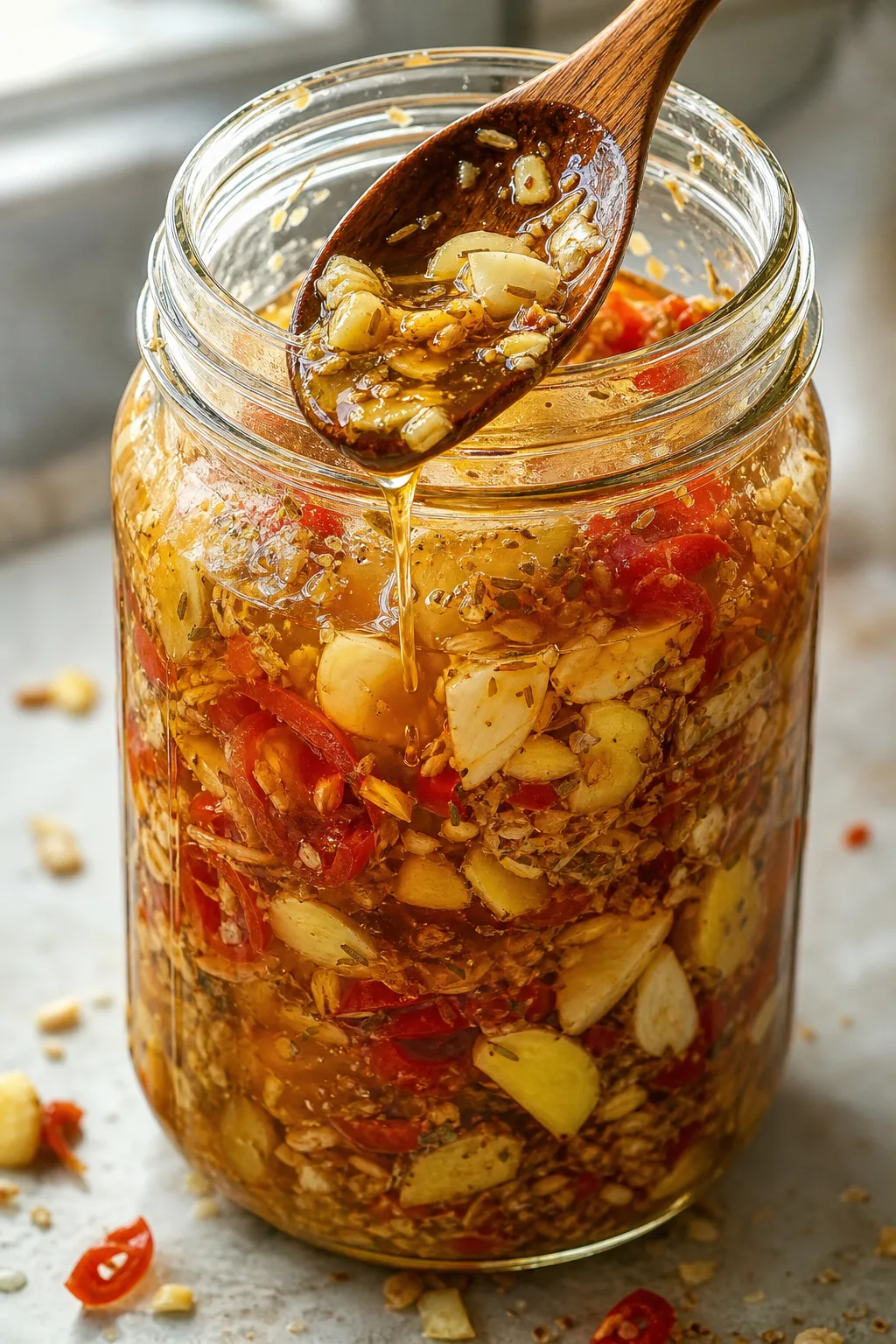
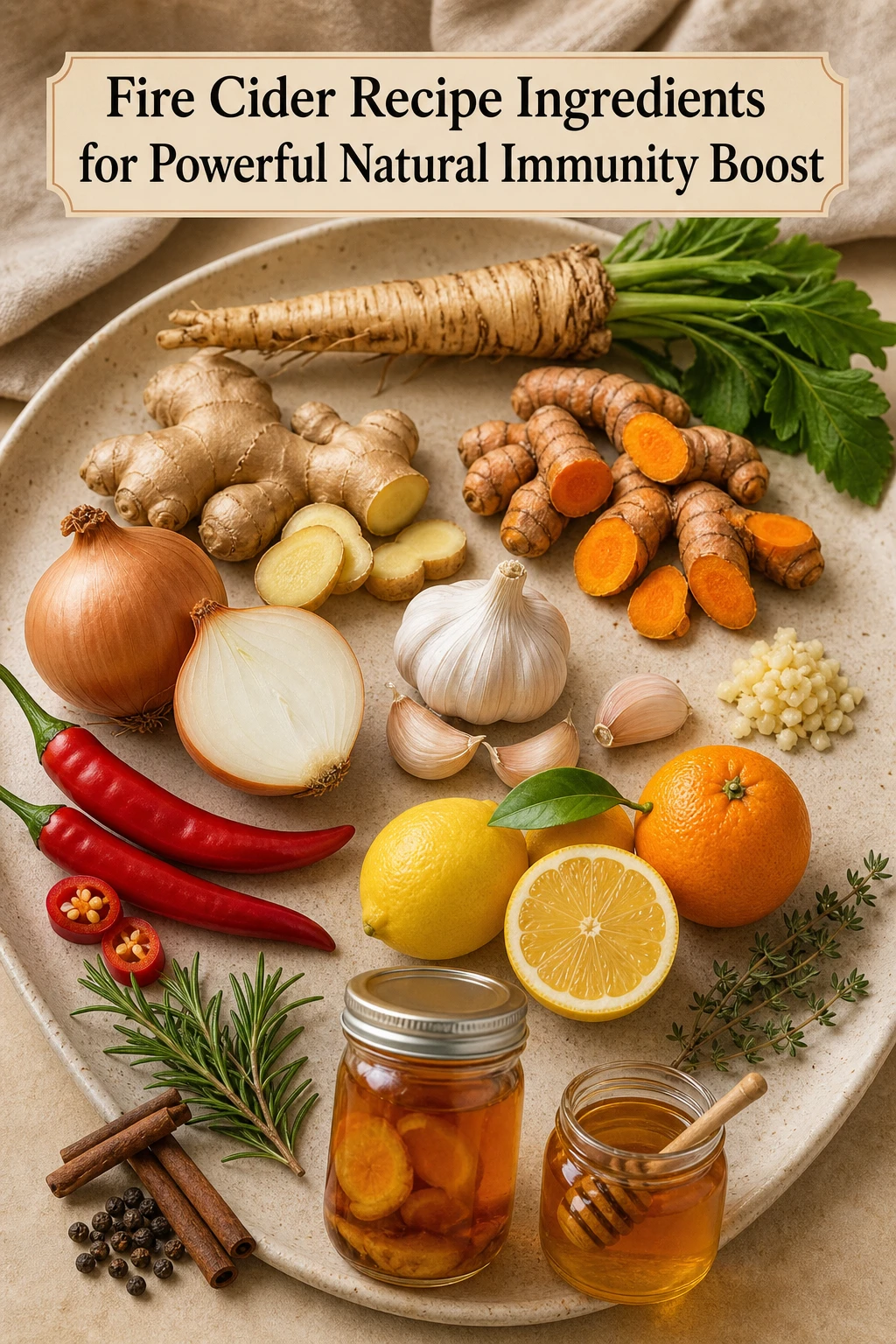
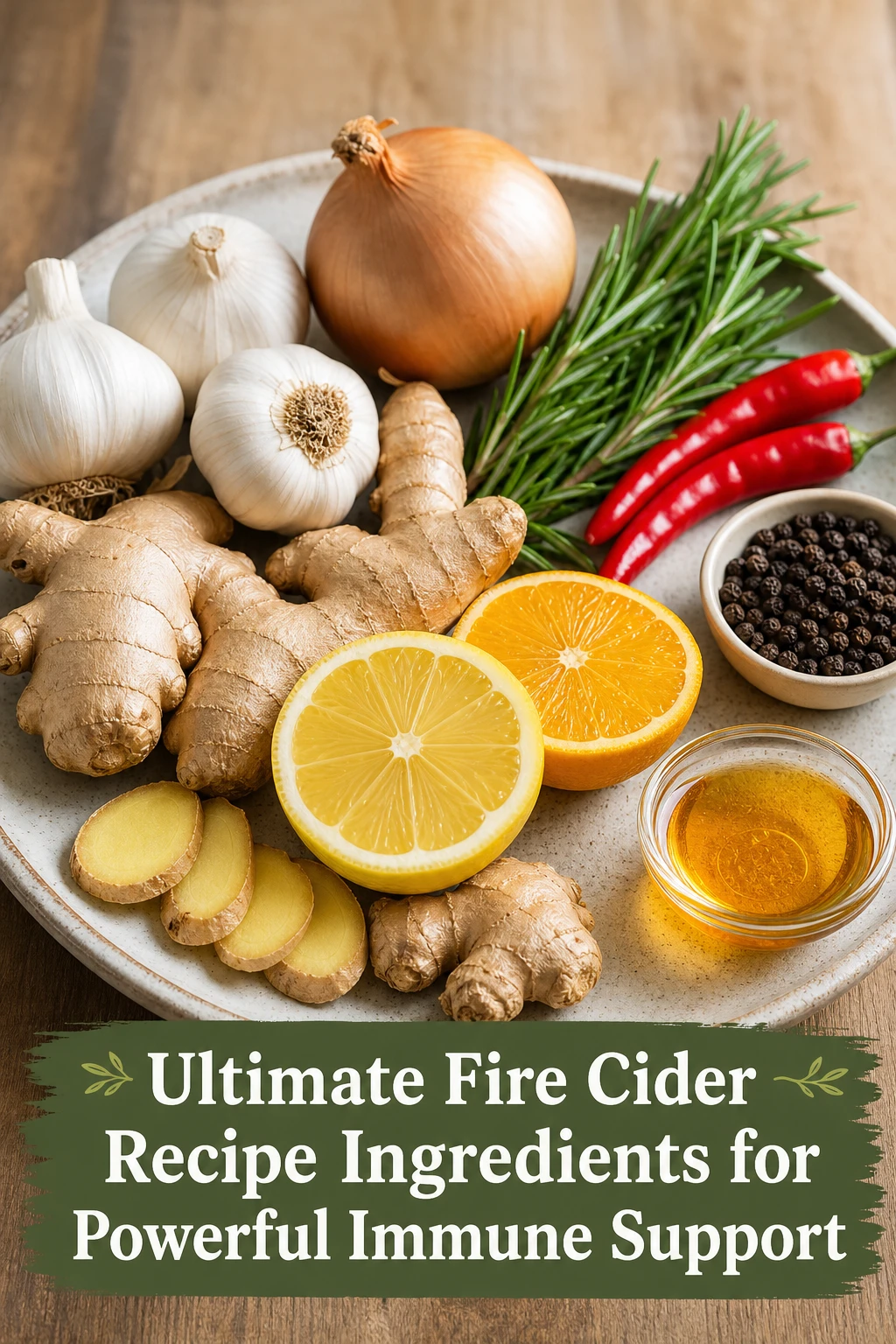
This homemade fire cider recipe is a zesty herbal tonic packed with fresh ginger, garlic, hot peppers, and apple cider vinegar. It’s perfect for boosting immunity and adding a spicy kick to your day. I love making a batch every fall to keep on hand during cold season!
Introduction
I first stumbled upon fire cider when a friend swore by it for warding off colds during the chilly months. Curious, I tried making my own batch using fresh ginger, garlic, and apple cider vinegar, and I was hooked immediately. What sets my version apart is the balance of spicy heat from the peppers and horseradish with the bright citrus peels and soothing herbs. I also always use raw, unfiltered apple cider vinegar because it brings a depth of flavor and beneficial enzymes that you just can’t get from pasteurized vinegar. One trick I learned early on is to let the mixture steep for at least three weeks, shaking it daily to really extract all those powerful flavors and medicinal properties. The end result is a bold, tangy tonic that’s perfect for sipping straight or adding a splash to your drinks when you need a natural immune boost. It’s become a staple in my kitchen, especially during the fall and winter, and I love how simple it is to prepare yet so effective. If you’re looking for a homemade remedy that’s both delicious and functional, this fire cider recipe is a must-try.
What You'll Need
Approximately 1 quart (4 servings)
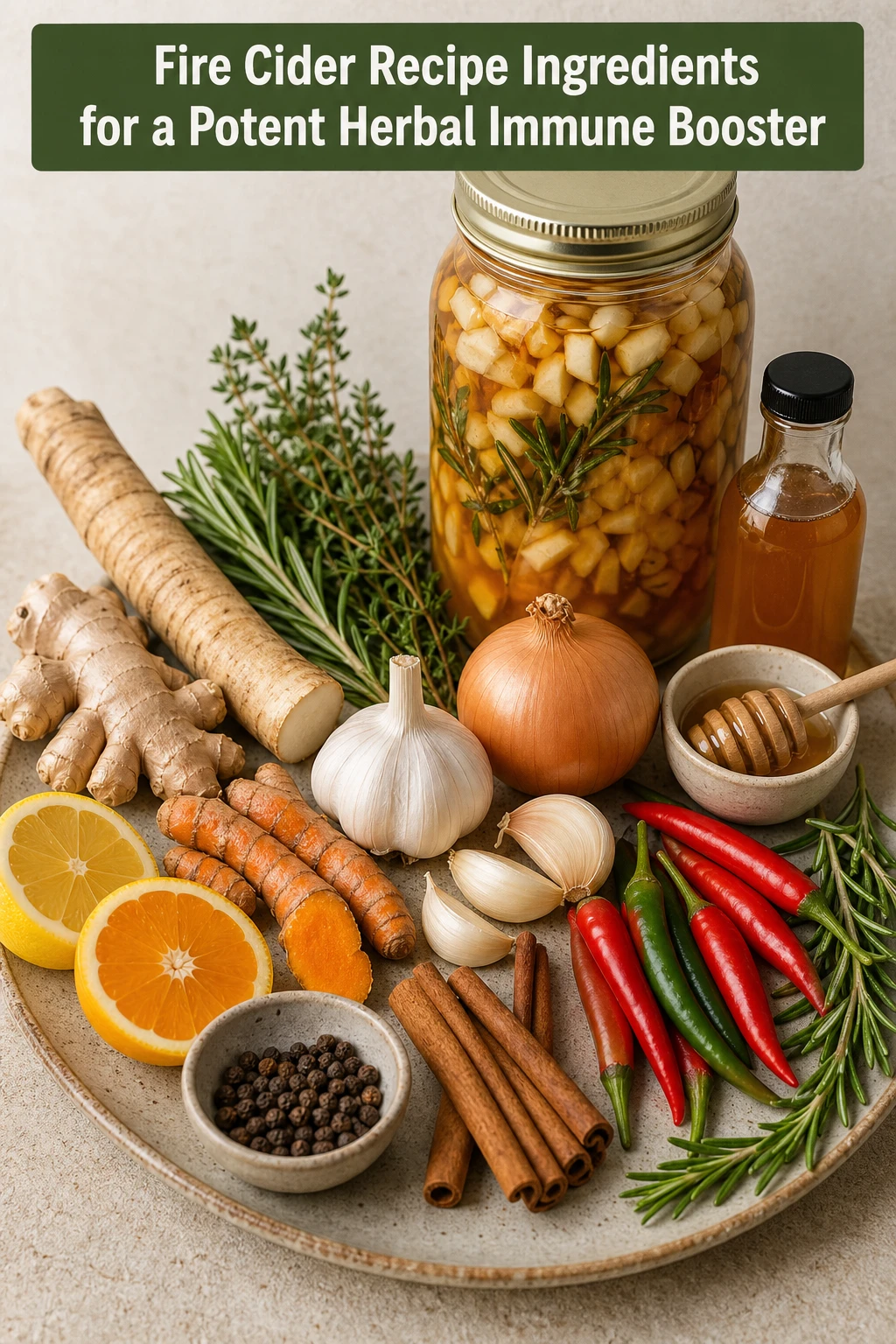
- 1 cup raw unfiltered apple cider vinegar
- 1/4 cup peeled and sliced fresh ginger root
- 1/4 cup peeled garlic cloves
- 2 tablespoons grated fresh horseradish root
- 2-3 fresh hot red peppers, sliced
- Peel of 1 lemon, sliced
- Peel of 1 orange, sliced
- 1 tablespoon raw honey (optional, for sweetening)
- A few sprigs of fresh rosemary and thyme
How To Do It
Step 1
Start by preparing all your fresh ingredients. Peel and slice the ginger root into thin pieces to maximize surface area for infusion. Peel the garlic cloves but leave them whole to release their pungent flavor slowly. Slice the hot peppers into rings, keeping the seeds if you want extra heat. Peel the lemon and orange carefully, avoiding the white pith which can be bitter. This prep is crucial because the size and freshness of your ingredients will directly impact the potency and flavor of your fire cider.
⏱ Time: 15
✓ Doneness: All ingredients are prepped and ready, with fresh vibrant colors and no bruising.
Step 2
Place all the prepared ingredients in a large glass jar. Pour in the raw unfiltered apple cider vinegar until everything is fully submerged. Seal the jar tightly and give it a good shake to mix everything together. Store the jar in a cool, dark place for 3 to 4 weeks, shaking it once daily to help extract the flavors and beneficial compounds from the herbs and roots. Skipping the shaking or rushing the steeping time will result in a less flavorful and less potent tonic.
⏱ Time: 1800
✓ Doneness: After 3-4 weeks, the vinegar is deeply colored and aromatic, with all ingredients softened and infused.
Step 3
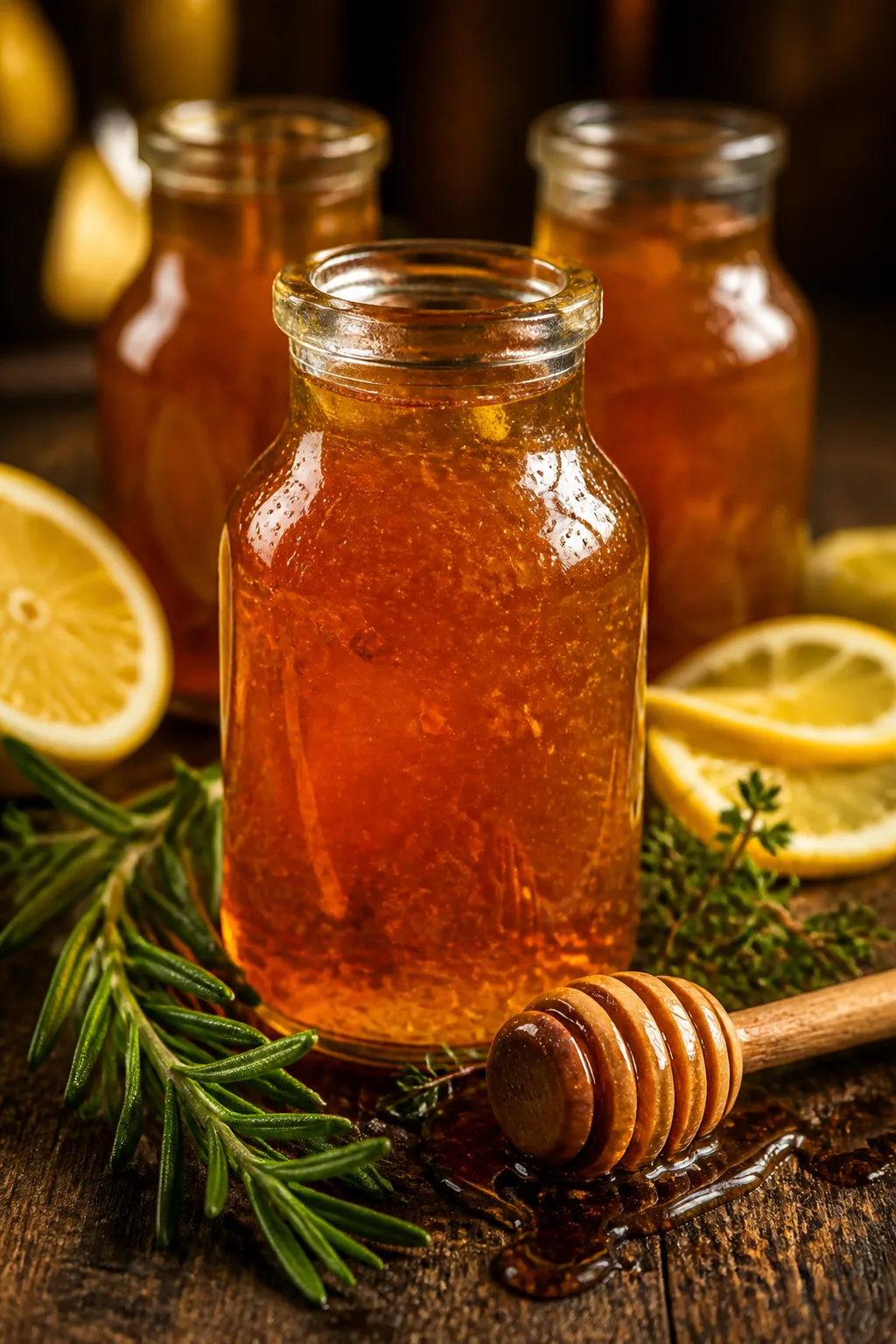
After the steeping period, strain the mixture through a fine mesh sieve or cheesecloth into a clean jar or bottle. Press down on the solids to extract as much liquid as possible. Discard the solids or compost them. At this stage, taste your fire cider and add raw honey if you prefer a touch of sweetness to balance the sharpness. Stir well until the honey dissolves. This final step lets you customize the tonic to your taste and ensures a smooth, drinkable consistency.
⏱ Time: 15
✓ Doneness: The liquid is clear of solids, glossy, and has a balanced spicy-sour aroma.
Step 4
Store your finished fire cider in the refrigerator or a cool pantry. Use it as a daily wellness tonic by taking one to two tablespoons straight or diluted in water or tea. It’s also great drizzled over salads or added to marinades for a flavorful kick. Regular use supports your immune system and digestion thanks to the powerful natural ingredients.
⏱ Time: 0
✓ Doneness: Fire cider is easily pourable and maintains its vibrant color and aroma during storage.
Step 5
When preparing to use fire cider, always shake the bottle well before pouring to redistribute any settled ingredients. This keeps the flavors balanced and fresh. Avoid using metal lids or containers for long-term storage as the vinegar’s acidity can corrode metal and affect flavor. Opt for glass bottles with plastic or silicone seals.
⏱ Time: 0
✓ Doneness: The tonic pours smoothly with a consistent texture and aroma.
Step 6
If you want to make a milder version, reduce the amount of hot peppers and horseradish. For a stronger tonic, add more fresh ginger or let it steep longer. Adjusting these ingredients allows you to tailor the fire cider’s heat and medicinal qualities to your preference.
⏱ Time: 0
✓ Doneness: Flavor intensity matches your desired level of heat and spice.
Step 7
Be sure to use fresh, high-quality ingredients. Old or dried-out roots and herbs won’t impart the same vibrant flavors or health benefits. Freshness is key to a potent fire cider. Also, organic produce is preferred to avoid pesticides in this raw tonic.
⏱ Time: 0
✓ Doneness: Ingredients look fresh, firm, and aromatic before preparation.
Step 8
Label your jar with the date you started the infusion so you can track the steeping time accurately. This helps prevent under- or over-steeping, which can affect flavor and potency. Keeping a consistent routine leads to reliable results every batch.
⏱ Time: 0
✓ Doneness: Jar is clearly marked and stored in an appropriate spot.
Step 9
When sharing fire cider with friends or family, include a note about how to use it safely, especially for those sensitive to spicy or acidic foods. It’s a strong tonic and should be consumed in moderation. Educating others helps everyone enjoy this traditional remedy responsibly.
⏱ Time: 0
✓ Doneness: Users understand proper dosage and usage recommendations.
Pro Tips
Use a glass jar with a wide mouth for easy ingredient packing and stirring.
Glass is non-reactive and won’t impart flavors or chemicals into the acidic vinegar. A wide mouth jar makes it easier to add chunky ingredients and stir or shake daily, ensuring even infusion and preventing clumping or mold growth.
Shake the jar every day during steeping to maximize extraction.
Regular agitation redistributes ingredients and vinegar, exposing all surfaces evenly. This prevents sediment from settling and helps release volatile oils and beneficial compounds more efficiently, resulting in a stronger, more balanced flavor.
Avoid metal lids or utensils during steeping to prevent corrosion.
Apple cider vinegar is acidic and can react with metals, causing off-flavors and potential contamination. Use plastic or silicone lids and wooden or plastic utensils to maintain the purity and taste of your fire cider.
Label your jar with the start date and ingredients used.
Tracking your infusion helps you know when it’s ready and allows you to replicate successful batches. It also prevents accidental oversteeping, which can make the tonic too harsh or bitter.
Use organic produce to avoid pesticides in this raw tonic.
Since fire cider is consumed raw, using organic ingredients reduces exposure to chemicals and ensures a cleaner, healthier tonic. Pesticides can interfere with the natural fermentation and medicinal qualities.
Add honey only after straining to preserve its enzymes and flavor.
Heating or steeping honey can destroy its beneficial enzymes and alter taste. Adding it after straining keeps the honey raw and maintains the tonic’s health benefits and balanced sweetness.
Store finished fire cider in a cool, dark place or refrigerator.
Proper storage preserves the tonic’s potency and prevents spoilage. While vinegar is a natural preservative, cooler temperatures help maintain flavor and freshness over time.
Common Mistakes to Avoid
Using pasteurized or filtered apple cider vinegar
Why it happens Many people buy the cheapest vinegar without realizing it lacks the "mother" and beneficial enzymes crucial for fire cider’s potency.
Fix Always select raw, unfiltered apple cider vinegar labeled as containing the "mother." This ensures your tonic has the probiotics and enzymes for maximum health benefits and flavor.
Not shaking the jar daily during steeping
Why it happens It’s easy to forget or underestimate the importance of agitation for even extraction.
Fix Set a daily reminder to shake your jar. This simple step prevents sediment from settling and helps release the medicinal compounds evenly throughout the vinegar.
Using old or dried-out herbs and roots
Why it happens Sometimes ingredients are stored too long or purchased without checking freshness, leading to weak flavor and reduced benefits.
Fix Buy fresh, firm ginger, garlic, and herbs. If ingredients look shriveled or smell off, replace them for a vibrant, potent fire cider.
Adding honey before steeping
Why it happens Some add honey at the start, unaware that heat or acid can destroy its enzymes.
Fix Wait until after straining to add honey. This preserves its raw qualities and avoids altering the tonic’s flavor and health properties.
Using metal lids or utensils during infusion
Why it happens People often use what’s on hand without considering vinegar’s acidity and its reaction with metal.
Fix Use glass jars with plastic or silicone lids and wooden or plastic utensils to avoid corrosion and off-flavors.
Variations
Mild Fire Cider for Sensitive Stomachs
Reduce or omit the hot peppers and horseradish to make a gentler version of fire cider. Add more citrus peels and herbs like chamomile or lavender for soothing properties. Expect a less spicy, more mellow tonic that’s easier on digestion.
Note: Steeping time remains the same, but the flavor will be softer and less pungent.
Spiced Fire Cider with Cinnamon and Cloves
Add a cinnamon stick and a few whole cloves to the jar for warming spice notes. These spices complement the heat and add antioxidant benefits. The flavor profile becomes richer and more complex, perfect for cold weather.
Note: Ensure spices are fresh and adjust quantities to avoid overpowering the base ingredients.
Herbal Fire Cider with Fresh Turmeric
Include peeled fresh turmeric root for additional anti-inflammatory benefits and a vibrant golden color. Turmeric adds earthiness and depth to the tonic. This variation boosts the health profile while maintaining the classic fire cider kick.
Note: Turmeric stains easily, so use gloves when peeling and slicing.
Sweetened Fire Cider Syrup
After straining, increase the amount of honey and gently warm the fire cider to create a syrupy consistency. This version is great as a natural cough syrup or immune booster that’s easier to take for kids and adults alike.
Note: Warm gently to preserve honey’s enzymes; do not boil.
Vegan Fire Cider with Maple Syrup
Replace raw honey with pure maple syrup to keep the tonic vegan-friendly. Maple syrup adds a different sweetness and subtle caramel notes while maintaining the tonic’s soothing qualities.
Note: Add maple syrup after straining just like honey to preserve flavor.
Nutrition
Per Serving:
Nutritional values are estimates and may vary based on specific ingredients used.
Storage & Tips
Room Temperature
Fire cider can be safely kept at room temperature for short periods, such as during daily use. Keep it covered tightly to avoid contamination. However, prolonged exposure to heat or sunlight can degrade flavor and potency, so store it in a cool, dark place when not in use.
Refrigerator
Store fire cider in an airtight glass container in the refrigerator for up to 6 months. The cool temperature helps preserve its flavor and medicinal properties. The tonic may become cloudy or sediment may settle, which is normal; just shake before use. It can be consumed cold or at room temperature.
Freezer
Freezing fire cider is not recommended as it may alter texture and flavor. The vinegar base and fresh ingredients do not freeze well and could separate upon thawing. Instead, make smaller batches to maintain freshness or store in the refrigerator.
Reheating
Fire cider is typically consumed cold or at room temperature. If desired, gently warm a small amount before drinking, but avoid boiling or heating above 110°F (43°C) to preserve the beneficial enzymes, especially if honey has been added.
Make Ahead
You can prepare the fire cider mixture up to 3-4 weeks in advance and let it steep undisturbed. Label the jar with the start date and store in a dark cupboard. After straining, the finished tonic can be refrigerated for months. Preparing ahead allows the flavors to fully develop for maximum potency.
FAQ
Can I use distilled vinegar instead of apple cider vinegar?
Distilled vinegar lacks the "mother" and beneficial enzymes found in raw apple cider vinegar, which are key for fire cider’s health benefits and flavor. Using distilled vinegar will result in a less potent and less flavorful tonic. For best results, always use raw, unfiltered apple cider vinegar.
How spicy will this fire cider be?
The heat level depends on the amount and type of hot peppers and horseradish used. This recipe has a moderate to strong kick, but you can adjust by reducing or omitting the peppers or horseradish to suit your taste or tolerance.
How long does fire cider keep once made?
When stored properly in the refrigerator, fire cider can last up to 6 months without losing potency. Over time, the flavor may mellow slightly but it remains safe to consume. Always keep it sealed and check for any off smells or mold before use.
Can I take fire cider daily?
Yes, many people take one to two tablespoons daily as a wellness tonic. However, because it’s potent and acidic, start with smaller amounts to assess your tolerance, especially if you have a sensitive stomach or acid reflux.
Is it necessary to strain the fire cider after steeping?
Straining removes the solid ingredients, making the tonic easier to drink and extending shelf life. While you can consume it unstrained, the solids may continue to ferment or degrade, potentially affecting flavor and texture.
Can I add other herbs or spices?
Absolutely! Many variations include cinnamon, cloves, turmeric, or different fresh herbs like thyme and rosemary. Just ensure added ingredients are fresh and safe for consumption, and adjust steeping time if needed.
What if I don’t have fresh horseradish root?
Fresh horseradish adds sharp heat, but if unavailable, you can omit it or substitute with prepared horseradish from the store. The flavor will be milder, and the tonic less spicy, but still beneficial.
Can I use dried herbs instead of fresh?
Fresh herbs and roots are preferred for maximum flavor and medicinal properties. Dried herbs can be used in a pinch but won’t impart the same potency or vibrant taste. If using dried, reduce quantity and monitor steeping closely.
Is fire cider safe for children?
Because of its spicy and acidic nature, fire cider is generally not recommended for young children. Older kids can try diluted versions in small amounts. Always consult a healthcare professional if unsure.
How do I know when my fire cider is ready?
After 3 to 4 weeks of steeping with daily shaking, the vinegar will be richly colored and aromatic with a balanced spicy-sour flavor. The ingredients will have softened and infused fully. This is the perfect time to strain and enjoy your tonic.
Final Thoughts
I hope you enjoy making and sipping this homemade fire cider as much as I do. It’s a simple, powerful way to boost your health naturally. Don’t forget to share your results and tweaks—I’d love to hear how it works for you!