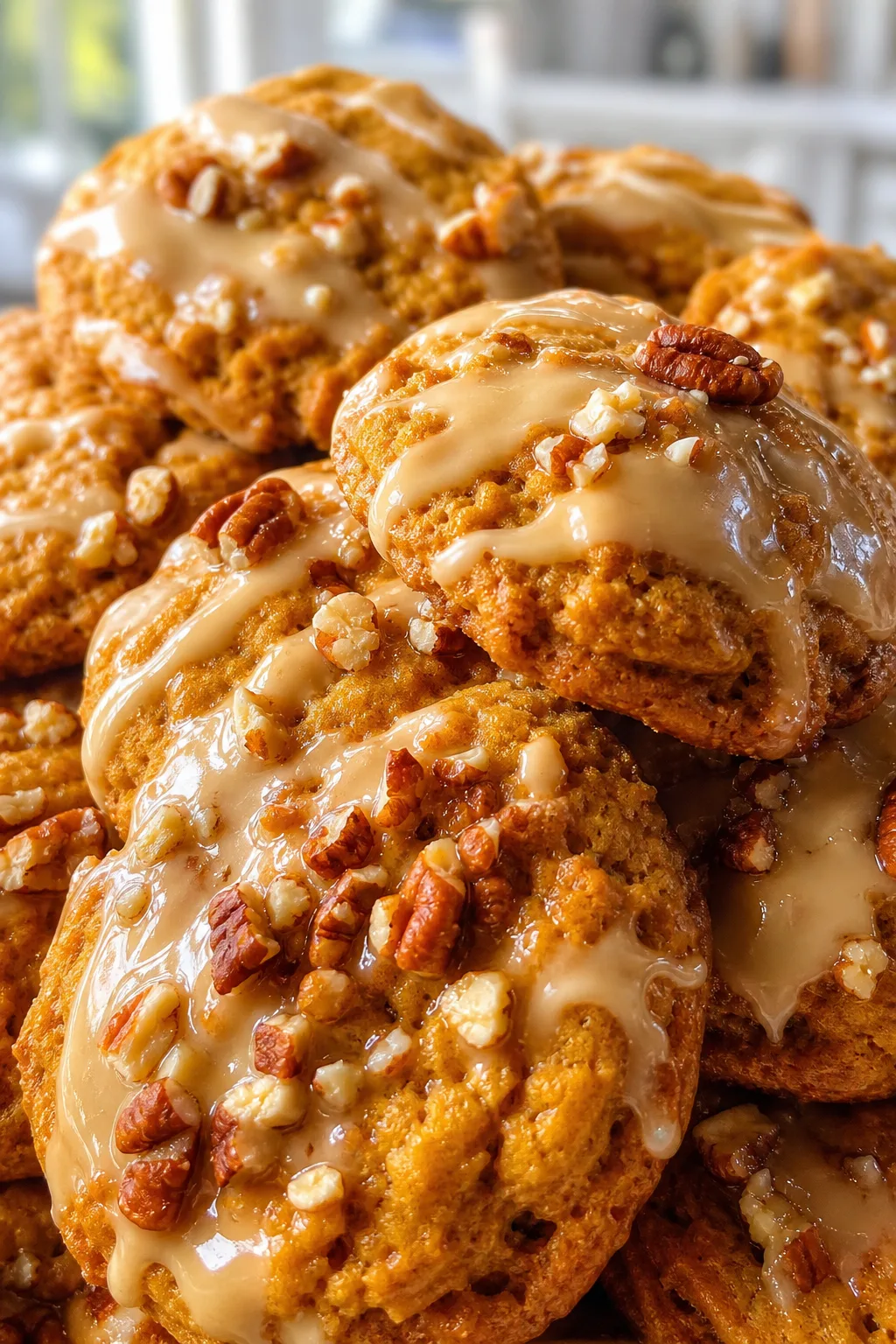
These cheesy biscuits are soft, buttery, and packed with melty cheese in every bite. I love how they come together quickly with simple ingredients and are perfect alongside any meal or for breakfast. The secret? Buttermilk and sharp cheddar!
Introduction
I’ve been making biscuits for years, but this cheesy biscuits recipe quickly became my go-to. The first time I tried adding sharp cheddar and buttermilk together, I was hooked. It’s such a simple twist, but it makes all the difference. Unlike plain biscuits, these have a rich, savory flavor and a tender crumb that just melts in your mouth. The trick I learned is to keep the butter cold and mix just enough so the dough stays flaky. Overworking it ruins that delicate texture. When baked, the biscuits puff up with golden tops and ooze cheesy goodness inside. They’re perfect for breakfast with jam or as a side for dinner. I love making a batch on weekends and sharing them with family. Honestly, I once tried to rush the mixing and ended up with tough biscuits — lesson learned! Now I’m excited to share this easy recipe that anyone can master, even if you’re new to baking.
How To Do It
Step 1
Preheat your oven to 425°F (220°C) and line a baking sheet with parchment paper. In a large bowl, whisk together the flour, baking powder, salt, and garlic powder if using. This ensures even distribution of leavening agents and seasoning, which helps the biscuits rise properly and taste balanced. Skipping this step can cause uneven texture or salty pockets.
⏱ Time: 5 minutes
✓ Doneness: Dry ingredients are combined evenly with no clumps
Step 2
Add the cold cubed butter to the flour mixture. Using a pastry cutter or your fingertips, quickly cut the butter into the flour until the mixture resembles coarse crumbs with pea-sized bits of butter remaining. This step is crucial because the cold butter creates steam during baking, resulting in flaky layers. If the butter melts or is overworked, biscuits turn dense and tough.
⏱ Time: 5 minutes
✓ Doneness: Mixture looks crumbly with visible small butter pieces
Step 3
Stir in the shredded cheddar cheese evenly throughout the crumbly mixture. The cheese adds flavor and moisture, melting during baking to create pockets of gooeyness. Be sure to toss the cheese in the flour mixture well so it doesn’t clump or sink to the bottom.
⏱ Time: 2 minutes
✓ Doneness: Cheese is evenly distributed in the flour and butter mixture
Step 4
Pour the cold buttermilk into the bowl and gently fold the dough with a spatula until it just comes together. Avoid overmixing here; the dough should be slightly sticky but manageable. Overmixing develops gluten which makes biscuits chewy. Using cold buttermilk also helps keep the butter solid for flaky layers.
⏱ Time: 3 minutes
✓ Doneness: Dough holds together but is not overly sticky or wet
Step 5
Turn the dough out onto a lightly floured surface. Gently pat it into a 1-inch thick rectangle. Fold the dough over onto itself 2-3 times to create layers, then pat again to 1-inch thickness. This folding creates flaky layers inside the biscuits. Be gentle to avoid compressing the dough too much, which would reduce flakiness.
⏱ Time: 5 minutes
✓ Doneness: Dough is smooth and layered but not tough
Step 6
Using a biscuit cutter or a floured glass, cut out biscuits by pressing straight down without twisting. Twisting seals the edges and prevents proper rising. Gather scraps, gently re-pat, and cut more biscuits until dough is used.
⏱ Time: 5 minutes
✓ Doneness: Clean edges on biscuits, dough scraps still soft
Step 7
Place biscuits on the prepared baking sheet close but not touching. For extra golden tops, brush the biscuits lightly with melted butter before baking. This adds flavor and helps the crust develop a beautiful color.
⏱ Time: 2 minutes
✓ Doneness: Biscuits arranged evenly with a light butter coating
Step 8
Bake for 15-20 minutes until the tops are golden brown and biscuits have risen nicely. Oven temperatures vary, so start checking at 15 minutes. Proper baking ensures a tender interior and a crisp crust. Undercooked biscuits will be doughy inside.
⏱ Time: 15-20 minutes
✓ Doneness: Golden tops with risen, fluffy texture
Step 9
Remove from oven and let cool for 5 minutes on a wire rack. Serve warm for the best cheesy melt and buttery flavor. These biscuits are best eaten fresh but can be reheated gently later.
⏱ Time: 5 minutes
✓ Doneness: Biscuits slightly cooled, cheese still melty inside
Pro Tips
Keep all ingredients cold until mixing.
Cold ingredients, especially butter and buttermilk, are key to flaky biscuits. Warm butter blends too thoroughly, losing the pockets of fat needed for steam to create layers. Using chilled ingredients slows gluten development and helps maintain texture.
Don’t overmix the dough.
Overmixing develops gluten strands, which toughen the biscuit texture. Mixing just until the dough comes together keeps biscuits tender and flaky. It’s okay if the dough looks a bit shaggy or sticky.
Use a sharp biscuit cutter and press straight down without twisting.
Twisting the cutter seals the edges and prevents the biscuits from rising properly. Pressing straight down preserves layers and allows biscuits to puff up evenly.
Fold the dough a few times before cutting biscuits.
Folding creates layers by stacking dough and butter pockets. This layering is what produces the flaky, tender crumb classic to biscuits. Avoid compressing too hard to keep these layers intact.
Brush melted butter on top before baking.
Brushing butter adds flavor and helps develop a golden, crisp crust. It also makes the biscuits more visually appealing with a shiny finish.
Use freshly shredded cheese instead of pre-shredded.
Pre-shredded cheese often contains additives that prevent clumping but can affect melting and texture. Freshly shredded cheese melts better and distributes more evenly.
Bake biscuits immediately after cutting.
Letting cut biscuits sit too long causes the butter to soften and lose its steam power, resulting in less rise and denser texture. Baking promptly preserves flakiness.
Common Mistakes to Avoid
Using melted or softened butter instead of cold butter.
Why it happens Many think softened butter is easier to mix, but it eliminates the steam pockets that create flakiness.
Fix Always chill butter before cutting it into flour. If butter softens, refrigerate dough briefly to firm up before proceeding.
Overmixing the dough.
Why it happens In a rush, some mix until smooth, but this develops gluten and toughens biscuits.
Fix Mix just until combined; it’s fine if dough looks rough or sticky. Use a gentle folding motion.
Twisting biscuit cutter when cutting.
Why it happens Twisting seals dough edges, preventing proper rising.
Fix Press the cutter straight down and lift straight up without twisting.
Skipping folding step.
Why it happens Some skip folding, missing out on flaky layers.
Fix Gently fold dough 2-3 times before cutting to build layers.
Not baking immediately after cutting.
Why it happens Waiting too long softens butter and reduces steam.
Fix Place biscuits in oven as soon as they’re cut for best rise.
Variations
Herb and Garlic Cheesy Biscuits
Add 1 tablespoon chopped fresh herbs like rosemary or thyme and 1 teaspoon garlic powder to the dry ingredients for an herby, savory twist. These are great with soups or stews.
Note: Herbs add moisture so keep dough consistency in check; adjust flour slightly if too wet.
Spicy Jalapeño Cheesy Biscuits
Fold finely chopped jalapeños and a pinch of cayenne into the dough for a spicy kick. Perfect for serving with chili or barbecue.
Note: Remove seeds for milder heat; too much moisture from peppers may need a touch more flour.
Cheddar and Bacon Biscuits
Mix in cooked, crumbled bacon along with the cheddar for smoky, meaty flavor. These make a hearty breakfast or snack.
Note: Drain bacon well to avoid soggy dough; fold in gently to preserve layers.
Vegan Cheesy Biscuits
Use vegan butter and plant-based cheese, plus a non-dairy milk mixed with lemon juice as a buttermilk substitute. Texture will be slightly different but still delicious.
Note: Choose melting vegan cheese for best results; dough may need slight hydration adjustment.
Whole Wheat Cheesy Biscuits
Substitute half the all-purpose flour with whole wheat flour for nuttier flavor and more fiber. Texture will be denser but still tender.
Note: Whole wheat absorbs more liquid, so add a tablespoon or two more buttermilk if dough feels dry.
Nutrition
Per Serving:
Nutritional values are estimates and may vary based on specific ingredients used.
Storage & Tips
Room Temperature
Store biscuits in an airtight container at room temperature for up to 2 days. They may lose some crispness but remain tasty. Avoid leaving out longer to prevent staleness.
Refrigerator
Keep biscuits in an airtight container in the fridge for up to 4 days. They tend to dry out, so reheat gently with a splash of water or butter to restore softness.
Freezer
Freeze biscuits wrapped tightly in foil or plastic wrap for up to 2 months. Thaw overnight in the fridge or at room temperature. To refresh texture, reheat in a warm oven.
Reheating
Warm biscuits in a 350°F oven for 5-8 minutes, optionally wrapped in foil to retain moisture. Avoid microwaving as it can make them rubbery. Adding a little butter before reheating enhances flavor.
Make Ahead
You can prepare the dough up to the cutting step and refrigerate it for 1 day. Bring to room temperature before cutting and baking. This saves time on the day you want fresh biscuits.
FAQ
Can I use regular milk instead of buttermilk?
Yes, buttermilk’s acidity helps tenderize the biscuits and activate baking powder. To mimic buttermilk, add 1 tablespoon lemon juice or vinegar to 1 cup milk and let it sit for 5 minutes before using. This will give similar rise and flavor.
Why are my biscuits tough instead of flaky?
Tough biscuits usually mean the dough was overmixed or the butter was too warm. Mix just until combined and keep butter cold to create flaky layers. Also, avoid twisting the cutter when shaping biscuits.
Can I freeze the biscuits after baking?
Absolutely! Freeze cooled biscuits wrapped tightly for up to 2 months. Thaw and reheat in the oven to restore freshness. Freezing before baking is also an option if you want fresh-baked later.
What cheese works best in these biscuits?
Sharp cheddar is classic for its flavor and melting quality. You can experiment with Monterey Jack, Colby, or a blend, but avoid very hard or crumbly cheeses that don’t melt well.
How do I make biscuits fluffier?
Use fresh baking powder and cold ingredients. Don’t overmix and fold the dough a few times to create layers. Also, cut biscuits straight down without twisting to allow proper rise.
Can I make these biscuits vegan?
Yes! Use vegan butter and plant-based cheese, and substitute buttermilk with plant milk plus lemon juice. The texture may vary slightly but they’ll still be tasty.
Why do my biscuits spread out instead of rising up?
This usually happens if the dough is too warm or wet, or if you twist the cutter when cutting. Keep dough cold, handle gently, and press cutter straight down for best rise.
Can I add herbs or spices to the biscuits?
Definitely! Fresh or dried herbs like thyme or rosemary, garlic powder, or even a pinch of cayenne add great flavor. Just mix in with dry ingredients before adding wet ingredients.
Final Thoughts
I hope you enjoy making these cheesy biscuits as much as I do—give them a try and let me know how they turn out! Share your results and favorite variations with friends and family.