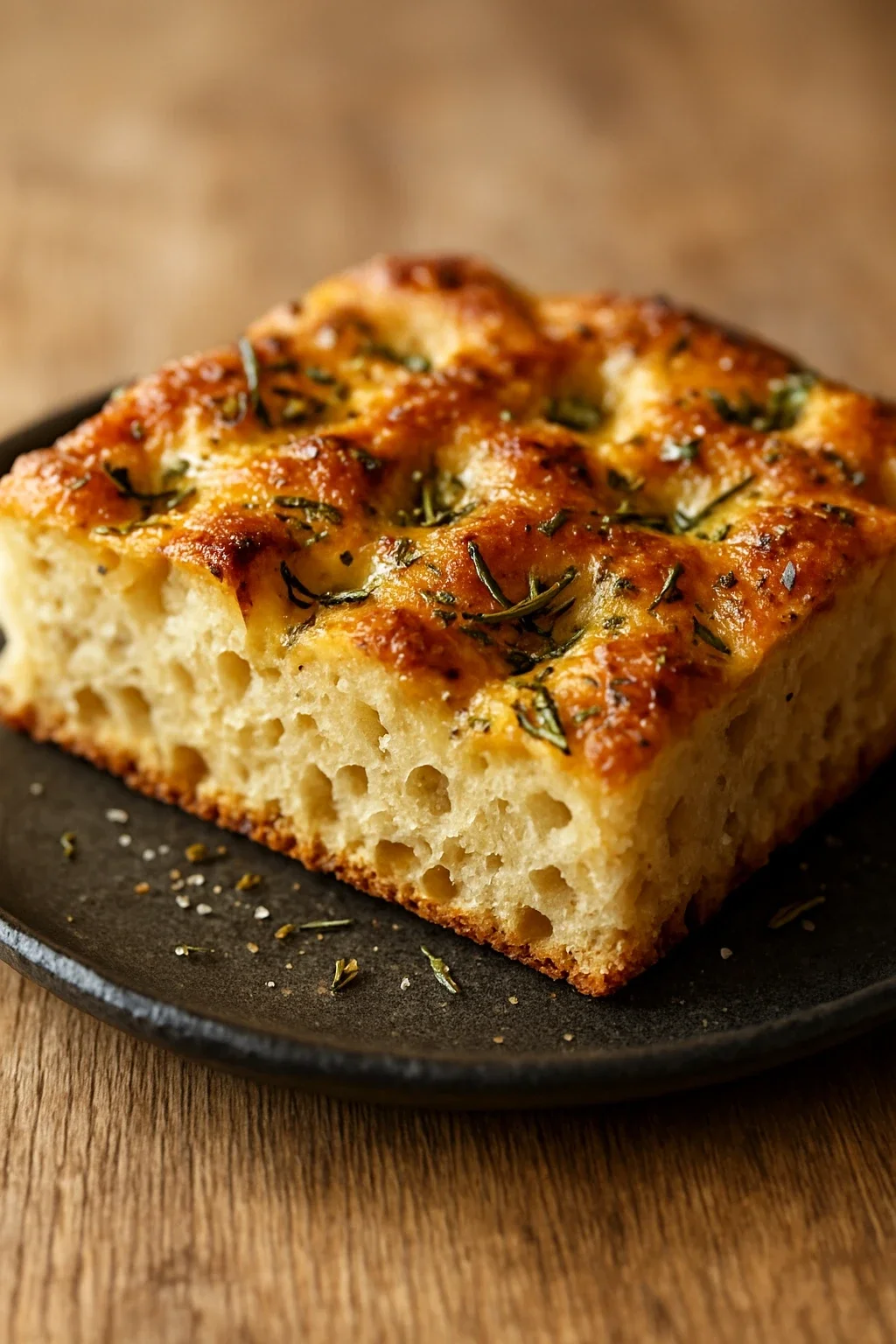
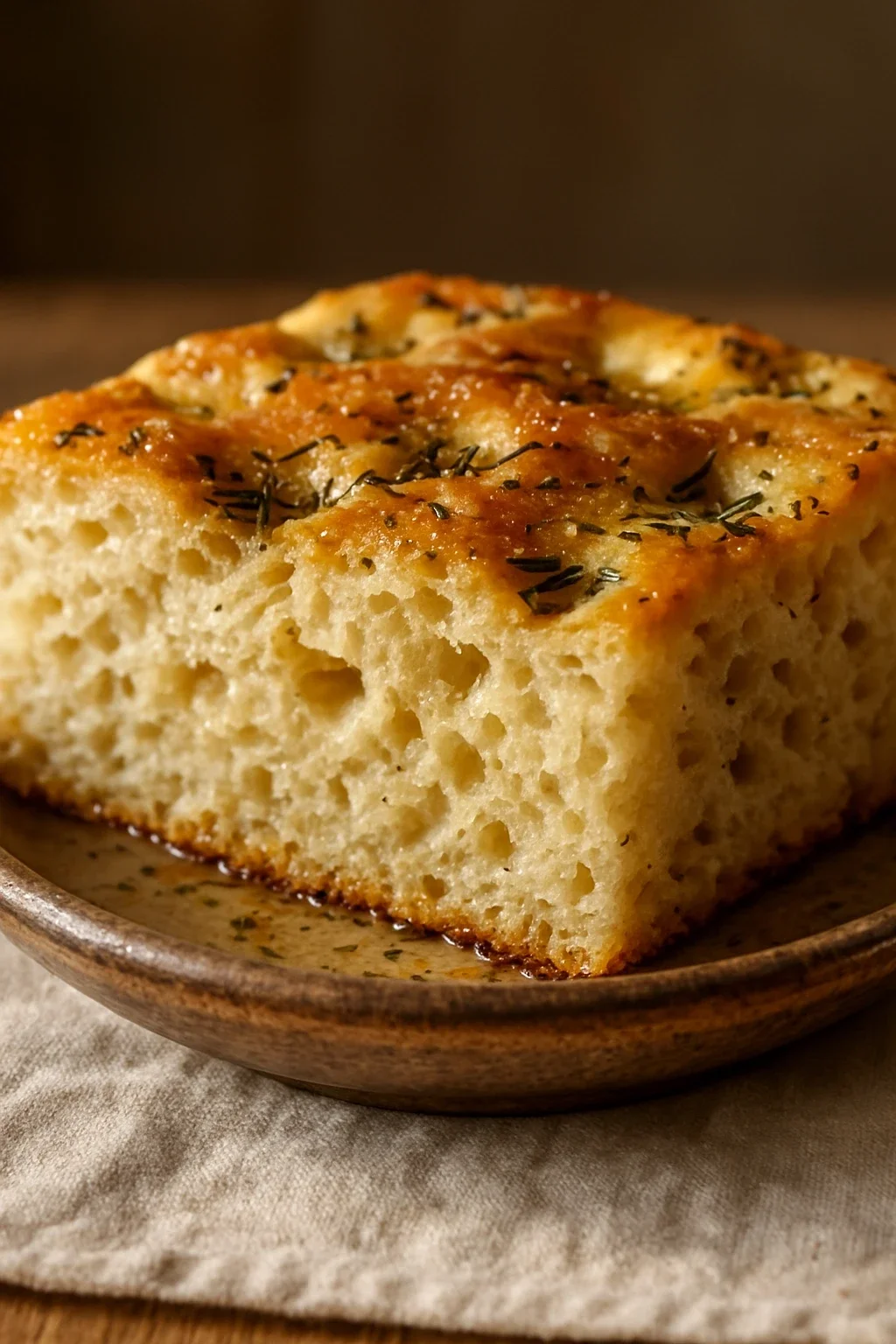
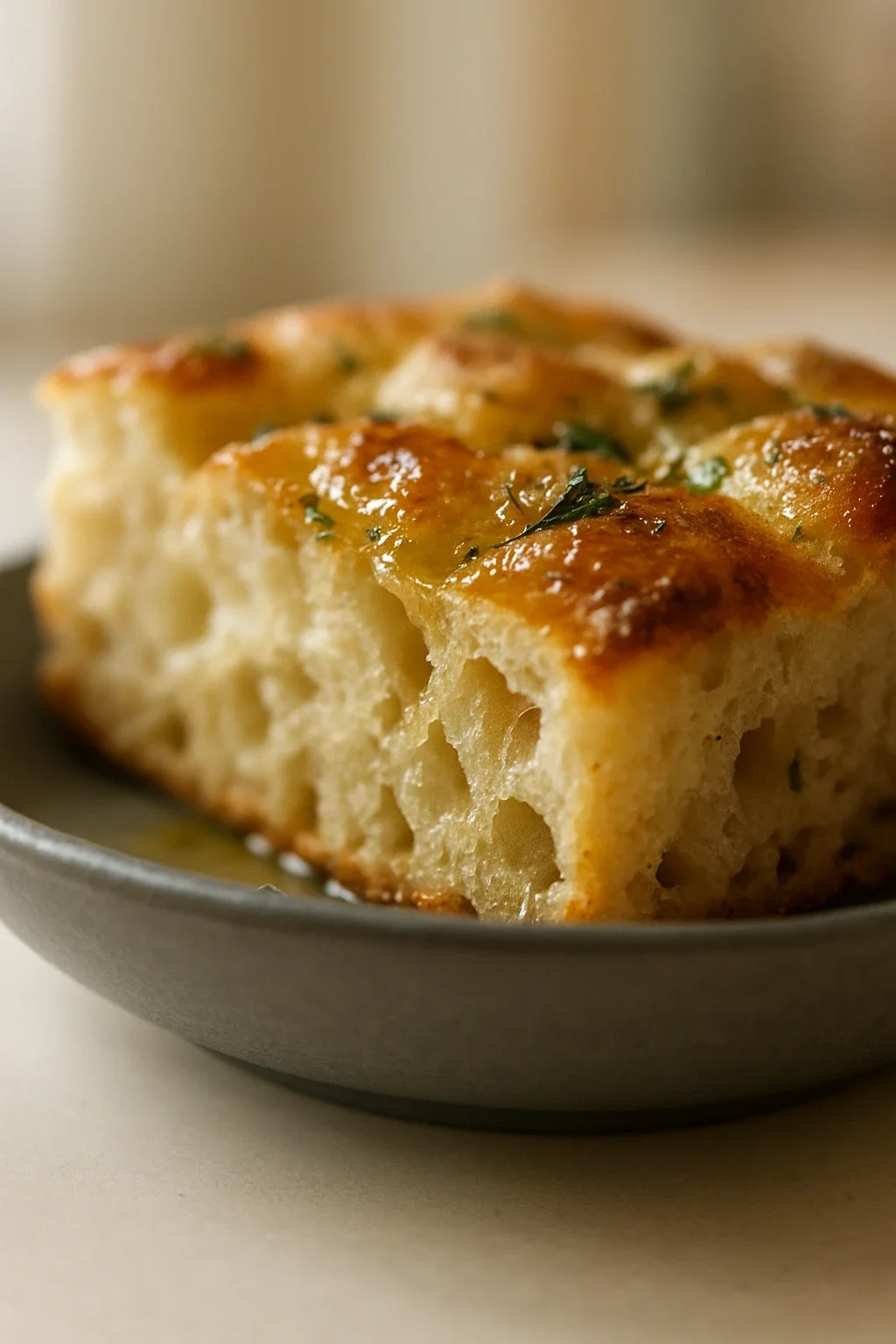
This fluffy sourdough focaccia is a testament to the power of fermentation. With a straightforward technique, you'll create a golden, airy loaf that's versatile enough for sandwiches or as a delightful dipper. Perfect for hosting gatherings or enjoying a cozy night in with friends and family.
Introduction
I've been baking sourdough focaccia for years, and it never fails to impress. The first time I made it, my friends couldn't believe it was homemade. The long fermentation process gives the bread a depth of flavor that you just can't get from store-bought bread. I love making this focaccia for gatherings; it's so versatile and pairs beautifully with dips or simply on its own. The aroma that fills the kitchen while it's baking is a warm hug on a chilly evening. This version is straightforward, yielding a light and airy loaf that’s easy to fall in love with.
What You'll Need
1 large focaccia (approximately 12x16 inches)
- 500g (4 cups) all-purpose flour, plus more for dusting
- 350ml (1.5 cups) warm water (about 100°F / 38°C)
- 100g (1/2 cup) active sourdough starter, fed and bubbly
- 10g (2 tsp) fine sea salt
- 30ml (2 tbsp) olive oil, plus more for drizzling
- Coarse sea salt and fresh herbs (like rosemary or thyme) for topping
How To Do It
Step 1
In a large mixing bowl, combine the warm water and sourdough starter, stirring until well mixed. Add the flour and salt, and mix until a shaggy dough forms. This should take about 2-3 minutes. The dough will initially be sticky and rough.
⏱ Time: 2-3 minutes
✓ Doneness: The mixture should be well combined with no dry flour remaining.
Step 2
Cover the bowl with a damp cloth and let the dough rest for 30 minutes. This is called the autolyse phase and helps to hydrate the flour, making it easier to knead later.
⏱ Time: 30 minutes
✓ Doneness: Dough should be slightly smoother and more elastic after resting.
Step 3
Add the olive oil to the dough and mix it in by hand, squeezing the dough and folding it over itself until fully incorporated. This will take about 3-5 minutes.
⏱ Time: 3-5 minutes
✓ Doneness: The dough should be smooth and slightly tacky but not overly sticky.
Step 4
Transfer the dough to a greased bowl, cover it with plastic wrap, and let it rise at room temperature for 2-3 hours, or until doubled in size. Every 30 minutes, perform a series of stretch and folds by pulling one side of the dough up and folding it over itself. Rotate the bowl and repeat this on all four sides.
⏱ Time: 2-3 hours
✓ Doneness: The dough should have expanded significantly and be full of air bubbles.
Step 5
Once the dough has doubled, gently tip it out onto a well-oiled baking sheet. Using your fingers, dimple the surface of the dough, creating small pockets all over. Drizzle with more olive oil and sprinkle with coarse sea salt and fresh herbs.
⏱ Time: 5 minutes
✓ Doneness: The surface should be dimply and glistening with oil.
Step 6
Cover the dough loosely with a kitchen towel and let it proof for another 30-60 minutes. This final rise allows the dough to relax and expand further.
⏱ Time: 30-60 minutes
✓ Doneness: The dough should puff up slightly and look airy.
Step 7
Preheat your oven to 425°F (220°C). Once the dough has risen, bake it for 20-25 minutes until golden brown. The high temperature creates a crusty exterior while keeping the inside soft and chewy.
⏱ Time: 20-25 minutes
✓ Doneness: The focaccia should be a deep golden brown and sound hollow when tapped on the bottom.
Step 8
Remove from the oven and let it cool for a few minutes before transferring it to a wire rack. Allow it to cool slightly before slicing and serving.
⏱ Time: 5-10 minutes
✓ Doneness: The bread should still be warm but not hot to the touch.
Pro Tips
Use a kitchen scale for measuring ingredients.
Baking is a science, and precise measurements ensure consistent results. Weighing your flour and water can prevent issues with dough consistency.
Don’t rush the fermentation process.
Allowing the dough to rise slowly enhances flavor development. The longer fermentation gives the focaccia a complex, tangy flavor that is characteristic of sourdough.
Experiment with toppings.
Focaccia is a blank canvas. Try adding olives, sun-dried tomatoes, or even caramelized onions for added depth of flavor.
Use a cast-iron pan for baking.
A cast-iron skillet retains heat well, helping to achieve a crispy crust on the bottom while keeping the bread fluffy inside.
Store leftover focaccia properly.
To maintain freshness, wrap it in a clean kitchen towel and place it in an airtight container at room temperature for up to two days.
Common Mistakes to Avoid
Over-kneading the dough.
Why it happens Home bakers often think more kneading is better, but too much can develop gluten excessively, leading to tough bread.
Fix Knead just until incorporated. The dough should be smooth but still soft and a bit tacky.
Not allowing adequate fermentation time.
Why it happens Many want to rush the process for quicker results, but sourdough needs time to develop flavor and structure.
Fix Plan ahead and give the dough the time it needs to rise properly, typically 2-3 hours at room temperature.
Baking at too low a temperature.
Why it happens Ovens can vary, and some bakers may set the temperature lower to avoid burning.
Fix Ensure your oven is preheated properly and maintain a temperature of 425°F (220°C) for the best crust.
Variations
Garlic Herb Focaccia
Add minced garlic and chopped fresh herbs (like rosemary or thyme) to the dough for an aromatic twist.
Note: Mix the garlic and herbs into the dough during the kneading phase to distribute evenly.
Olive Focaccia
Incorporate pitted olives into the dough before the final rise for added flavor.
Note: Press olives into the surface of the dough before baking for a beautiful presentation.
Cheese Focaccia
Sprinkle shredded cheese (like mozzarella or Parmesan) on top of the dough before baking for a cheesy crust.
Note: Add cheese during the last 10 minutes of baking to prevent burning.
Nutrition
Per Serving:
approximately 220
Calories
These values are estimates and may vary based on exact ingredient amounts and specific brands used.
Storage & Tips
Room Temperature
Store focaccia at room temperature for up to 2 days, wrapped in a kitchen towel to maintain moisture.
Refrigerator
For longer storage, wrap it tightly in plastic wrap and refrigerate for up to 5 days. The texture may change slightly but will still be delicious.
Freezer
Freeze focaccia for up to 3 months. Wrap it tightly in plastic wrap and then aluminum foil to prevent freezer burn.
Reheating
Reheat slices in a toaster oven or regular oven at 350°F (175°C) for about 10 minutes to restore crispness.
Make Ahead
You can prepare the dough a day ahead, allowing it to rise in the refrigerator. Let it come to room temperature before shaping and baking.
FAQ
Can I make sourdough focaccia ahead of time?
Yes, you can prepare the dough a day in advance and refrigerate it to slow down fermentation. Just let it come to room temperature before baking.
Why does my focaccia not rise?
Insufficient fermentation time or a weak starter could be the cause. Ensure your starter is active and allow the dough enough time to rise.
Can I use whole wheat flour instead?
Yes, you can replace half of the all-purpose flour with whole wheat flour for added nutrition and a nuttier flavor.
How long does focaccia last?
Focaccia is best enjoyed fresh but can last up to 2 days at room temperature or up to 5 days in the fridge.
What can I serve with focaccia?
Focaccia pairs well with dips like olive oil and balsamic vinegar, or you can use it as a sandwich bread.
Final Thoughts
Baking this sourdough focaccia is not just about creating a delicious loaf; it's about embracing the art of fermentation and the joy of sharing homemade bread with loved ones. I encourage you to try it and experience the satisfaction of pulling a golden, fluffy focaccia from your oven. Feel free to share your thoughts or any variations you’ve tried in the comments!