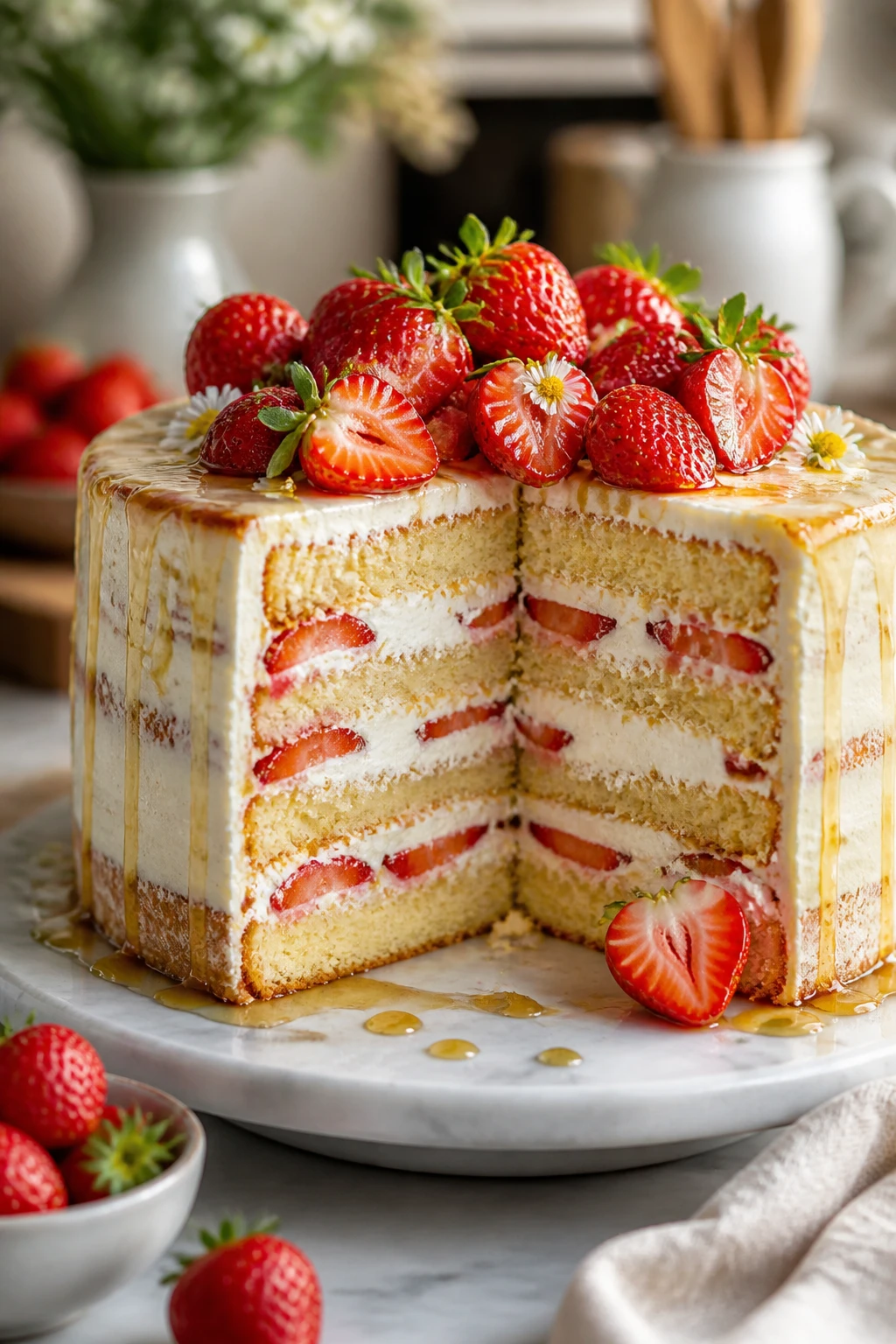
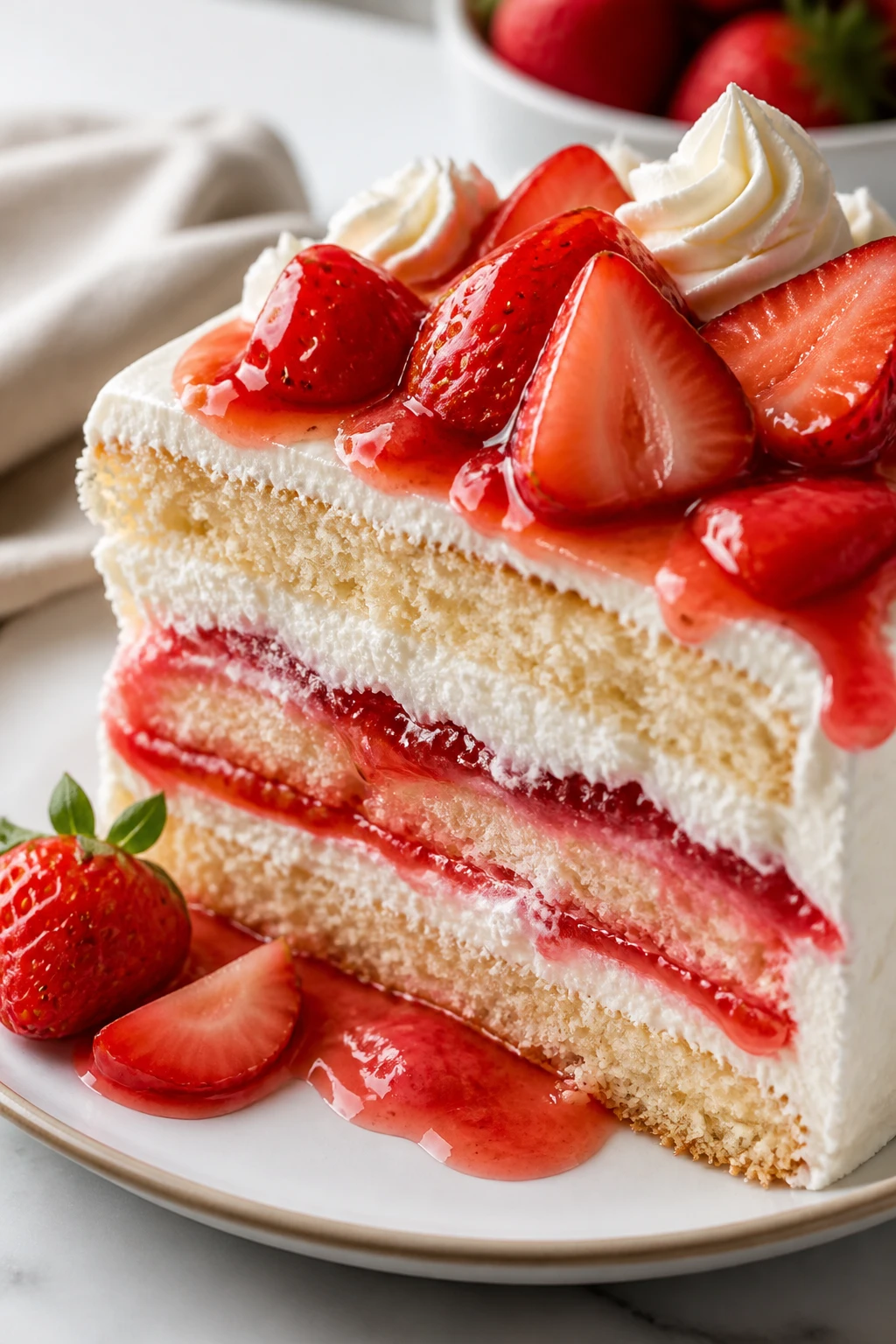
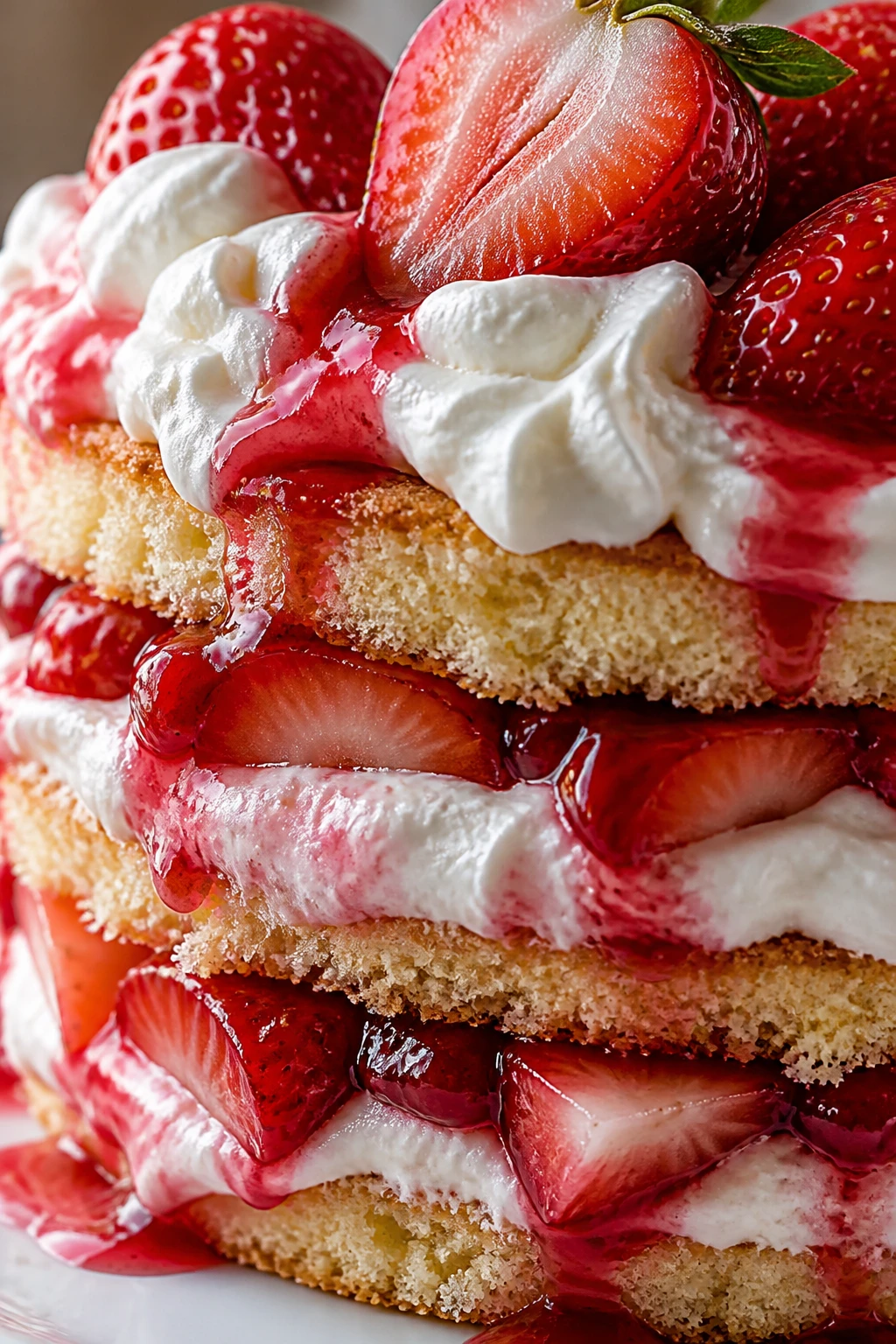
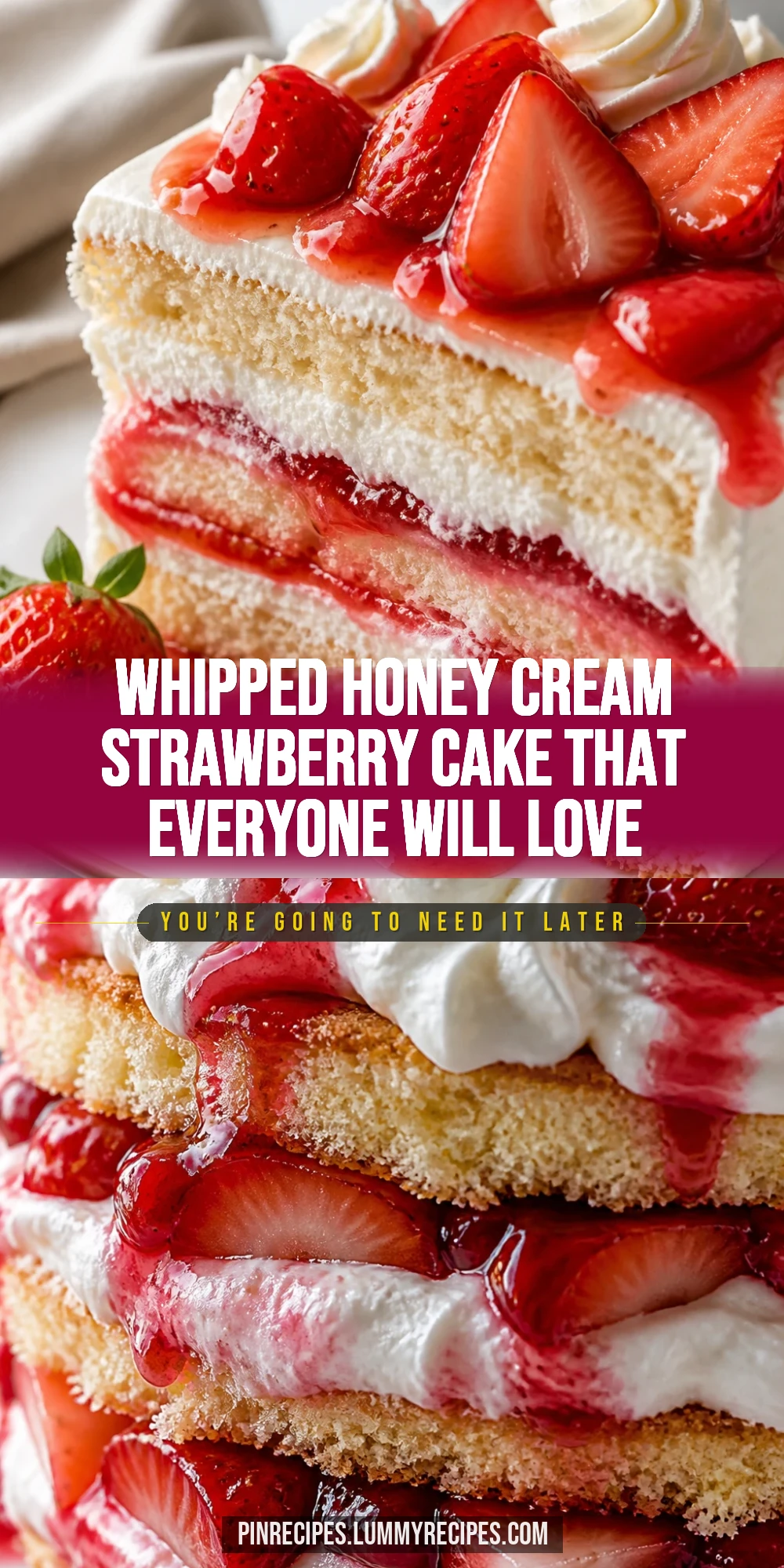
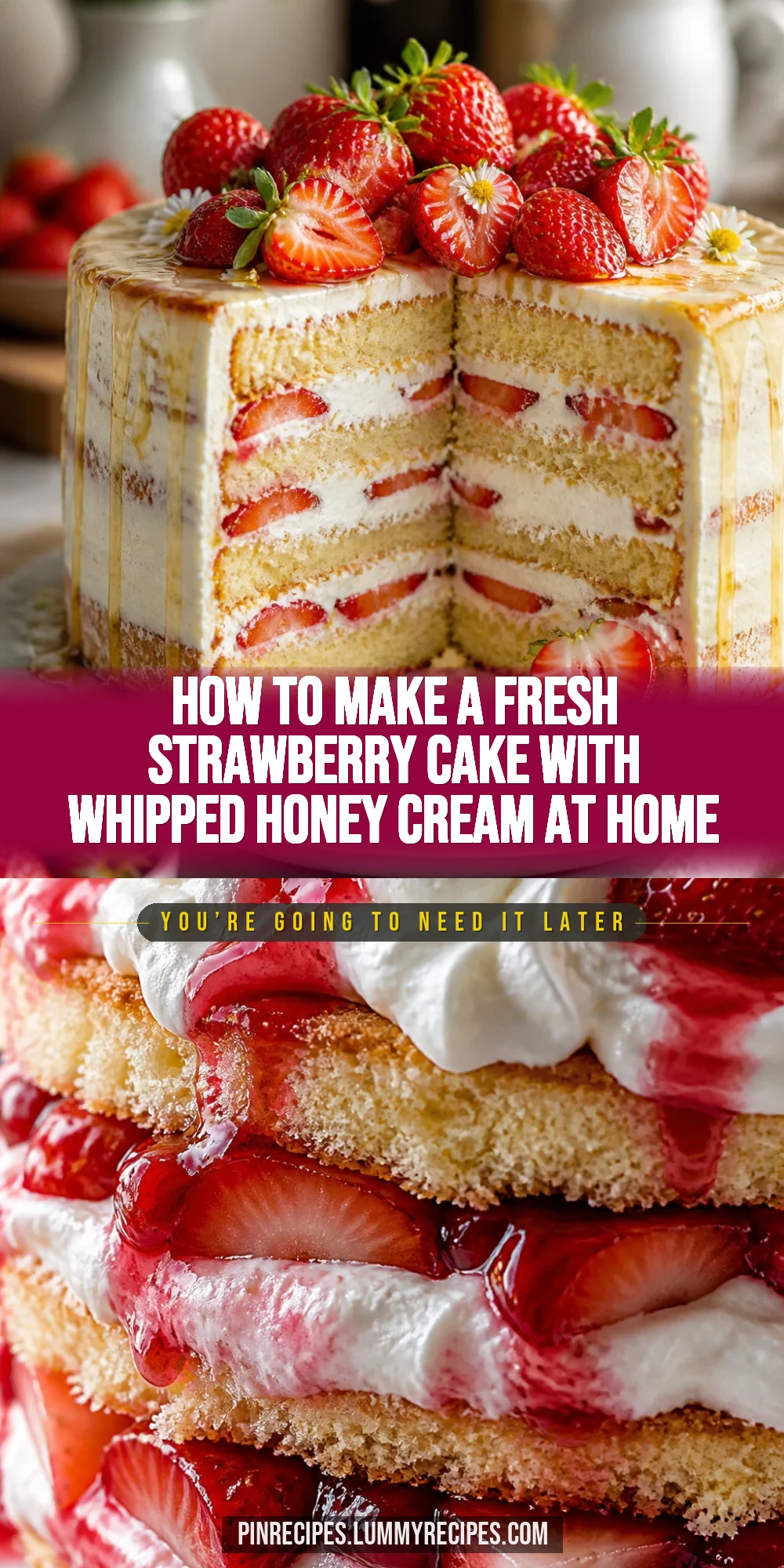
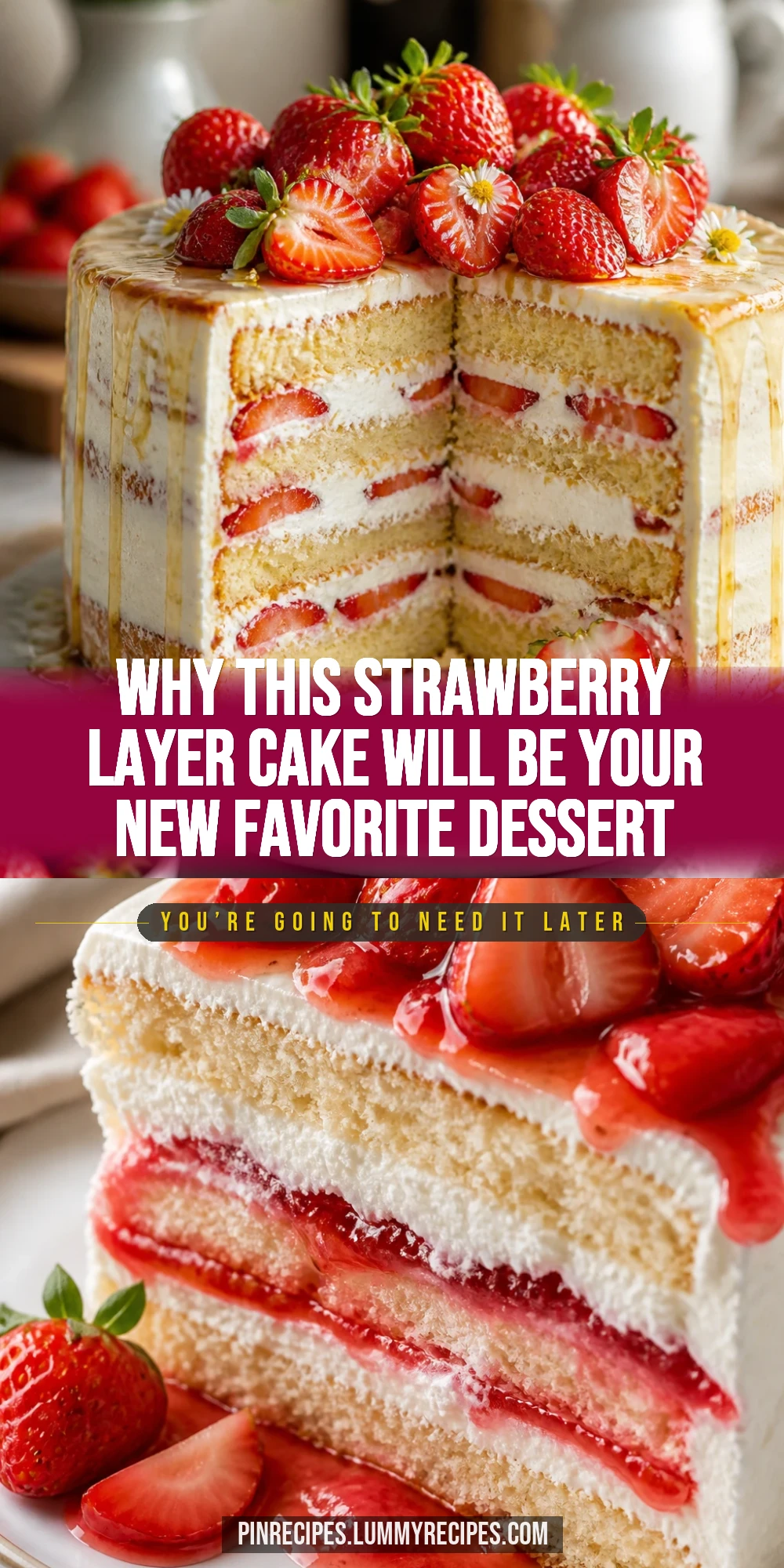
This strawberry layer cake is light, fresh, and bursting with real fruit flavor. The whipped honey cream adds a subtle sweetness that’s not overpowering. It’s perfect for spring gatherings or any time you want a bright, homemade dessert.
Introduction
I first made this Fresh Strawberry Layer Cake with Whipped Honey Cream a few springs ago when strawberries were at their peak, and it quickly became a family favorite. Unlike the typical frosting-heavy cakes, this one is light and fresh, letting the natural sweetness of the strawberries shine through. The whipped honey cream is my secret twist — it adds a gentle floral sweetness that pairs beautifully with the fruit without being too sugary. I’ve tweaked the batter to be tender yet sturdy enough to hold up those juicy strawberry layers without getting soggy. The key is using room temperature ingredients and beating the butter and sugar just right to get a fluffy base. When it’s done, the cake looks inviting with its soft pink hues and fluffy cream, and it tastes like spring on a plate. It’s perfect for birthdays, afternoon tea, or any time you want a dessert that’s both elegant and approachable. Honestly, I’ve had my share of strawberry cakes that ended up too dense or overly sweet, but this one strikes the perfect balance every time. I love how it’s a little nostalgic but also feels fresh and modern. Give it a try — you’ll love how simple and satisfying it is!
What You'll Need
One 3-layer 9-inch cake, serves 8
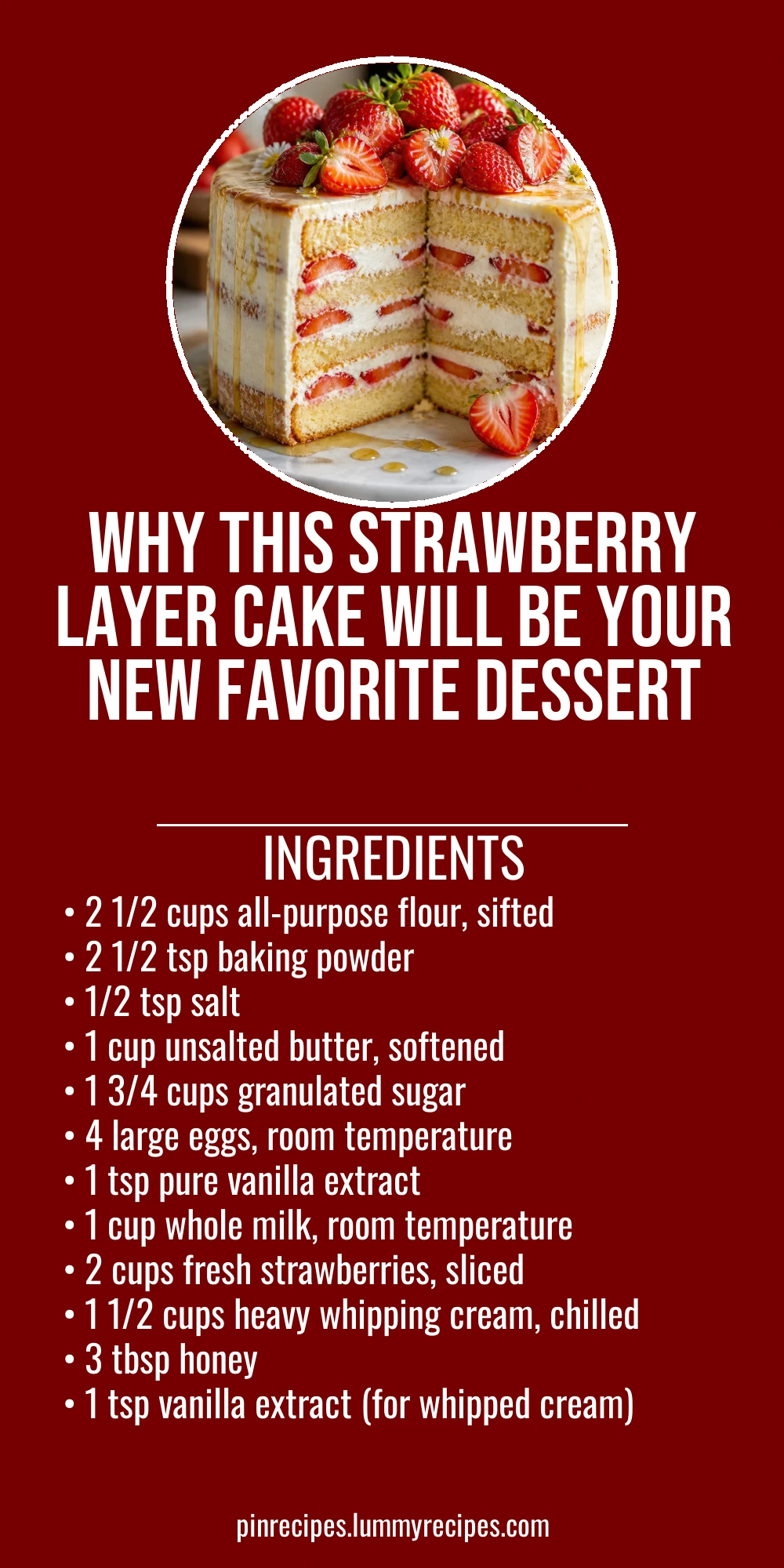
- 2 1/2 cups all-purpose flour, sifted
- 2 1/2 tsp baking powder
- 1/2 tsp salt
- 1 cup unsalted butter, softened
- 1 3/4 cups granulated sugar
- 4 large eggs, room temperature
- 1 tsp pure vanilla extract
- 1 cup whole milk, room temperature
- 2 cups fresh strawberries, sliced
- 1 1/2 cups heavy whipping cream, chilled
- 3 tbsp honey
- 1 tsp vanilla extract (for whipped cream)
How To Do It
Step 1
Preheat your oven to 350°F (175°C). Grease and flour three 9-inch round cake pans, then line the bottoms with parchment paper for easy removal. This preparation ensures the cakes bake evenly and come out cleanly without sticking. Properly preparing your pans is essential to avoid any tearing or crumbling when you remove the layers later.
⏱ Time: 10 minutes
✓ Doneness: Pans are evenly greased and floured with parchment paper securely in place
Step 2
In a medium bowl, whisk together the sifted flour, baking powder, and salt. Sifting aerates the flour and evenly distributes the leavening agents, which helps the cake rise uniformly and keeps the crumb light. Skipping this step could result in uneven texture or dense spots in your cake.
⏱ Time: 5 minutes
✓ Doneness: Dry ingredients are well combined with no lumps
Step 3
Using a stand mixer, beat the softened butter and granulated sugar together on medium-high speed until the mixture is pale and fluffy—about 4-5 minutes. This step is crucial because creaming incorporates air into the batter, which contributes to a tender and light cake. Under-creaming can cause a dense texture, while over-beating may cause the batter to collapse later.
⏱ Time: 5 minutes
✓ Doneness: Butter and sugar mixture is light in color and texture, resembling whipped cream
Step 4
Add the eggs one at a time, mixing well after each addition to fully incorporate. Then mix in the vanilla extract. Adding eggs gradually helps maintain the emulsion and prevents curdling. If you add them too quickly, the batter may separate, affecting texture and rise.
⏱ Time: 4 minutes
✓ Doneness: Batter is smooth and glossy with no streaks of egg visible
Step 5
Reduce mixer speed to low and alternately add the dry ingredients and milk to the batter, starting and ending with the dry ingredients. Mix just until combined after each addition to avoid overmixing, which can develop gluten and make the cake tough. The batter should be smooth but not overly worked.
⏱ Time: 4 minutes
✓ Doneness: Batter is homogeneous with no visible flour streaks
Step 6
Divide the batter evenly among the three prepared pans, smoothing the tops with a spatula. Bake in the preheated oven for 30-35 minutes, or until a toothpick inserted in the center comes out clean. Even batter distribution ensures uniform layers. Overbaking will dry out the cake, while underbaking leaves it gooey inside.
⏱ Time: 30-35 minutes
✓ Doneness: Golden brown tops and toothpick comes out clean
Step 7
Let the cakes cool in the pans for 10 minutes, then run a knife around the edges and invert them onto wire racks to cool completely. Cooling completely is important before frosting to prevent the whipped cream from melting and sliding off. Patience here guarantees neat layers and a stable cake.
⏱ Time: 1 hour
✓ Doneness: Cakes are completely cool to the touch
Step 8
While the cakes cool, whip the heavy cream with honey and vanilla extract until soft peaks form. The honey adds a natural sweetness and subtle floral note that enhances the strawberries. Be careful not to overwhip or it will turn grainy and start separating.
⏱ Time: 5-7 minutes
✓ Doneness: Cream holds soft peaks and is smooth and glossy
Step 9
To assemble, place one cake layer on your serving plate, spread a generous layer of whipped honey cream, then scatter sliced strawberries over it. Repeat with the second layer, then top with the final cake layer. Cover the top and sides with remaining whipped cream and garnish with extra strawberries. This layering keeps the cake moist and adds fresh bursts of flavor in every bite.
⏱ Time: 15 minutes
✓ Doneness: Cake is evenly frosted with visible strawberry layers
Pro Tips
Make sure all your ingredients are at room temperature before starting.
Room temperature ingredients blend more evenly, creating a smooth batter and better emulsion. Cold eggs or milk can cause the butter to seize or the batter to curdle, which negatively affects cake texture and rise.
Don’t overmix the batter once you add the flour.
Overmixing develops gluten, which leads to a dense and chewy cake rather than a tender crumb. Mix just until the flour disappears for the perfect texture.
Chill your mixing bowl and beaters before whipping the cream.
Cold equipment helps the cream whip faster and hold its structure better. Warm bowls can cause the cream to become runny or take much longer to reach stiff peaks.
Use parchment paper in your cake pans.
This prevents sticking and makes it easier to remove the cake layers without breaking. It also helps the cake bake evenly by providing a barrier between the pan and batter.
Let the cakes cool completely before frosting.
Frosting a warm cake causes the whipped cream to melt and slide off, ruining the appearance and texture. Patience here ensures a neat, stable cake.
Slice strawberries just before assembling.
Cut strawberries release juice that can soak into the cake layers if sliced too early, making the cake soggy. Adding them last keeps the layers fresh and prevents excess moisture.
Use a serrated knife to level cake layers if needed.
Leveling ensures even stacking and prevents the cake from leaning. A serrated knife gently cuts through the crumb without tearing the delicate cake.
Common Mistakes to Avoid
Using cold ingredients instead of room temperature
Why it happens Many home bakers forget to take ingredients out in advance or rush the process, assuming it won’t affect the batter.
Fix Plan ahead and set eggs, butter, and milk out for at least 30 minutes before baking. If you’re short on time, warm eggs gently in a bowl of warm water for a few minutes.
Overmixing the batter after adding flour
Why it happens It’s easy to want to mix everything thoroughly, but overmixing develops gluten, making the cake tough.
Fix Mix just until no flour streaks remain. Use a spatula to fold in the last bits gently instead of beating vigorously.
Frosting the cake while it’s still warm
Why it happens Impatience or misunderstanding the importance of cooling leads to melted frosting and messy layers.
Fix Allow cakes to cool completely on wire racks before assembling and frosting. This prevents cream from melting and sliding.
Overwhipping the cream
Why it happens Trying to get stiff peaks quickly can cause the cream to turn grainy and eventually separate.
Fix Whip cream slowly and stop as soon as soft or medium peaks form. Check frequently to avoid going too far.
Using underripe or watery strawberries
Why it happens Sometimes strawberries aren’t at their best, or they’re not dried properly before use.
Fix Choose firm, ripe berries and pat dry gently before slicing. Avoid adding any extra moisture to the cake layers.
Variations
Lemon-Infused Strawberry Cake
Add lemon zest to the cake batter and a tablespoon of lemon juice to the whipped honey cream for a bright citrus twist. This adds a refreshing tang that complements the strawberries beautifully.
Note: Zest the lemon finely to avoid bitterness and add the juice just before whipping the cream to maintain stability.
Gluten-Free Version
Substitute all-purpose flour with a 1:1 gluten-free baking blend. Add a teaspoon of xanthan gum if your blend doesn’t contain it to help with structure. The cake will be just as tender and delicious.
Note: Gluten-free batters can be denser; avoid overmixing and bake until a toothpick comes out clean.
Vegan Strawberry Layer Cake
Use plant-based butter and milk alternatives, and replace eggs with flax eggs (1 tbsp ground flaxseed + 3 tbsp water per egg). Whip coconut cream with maple syrup instead of honey for the frosting.
Note: Chill the coconut cream overnight and whip cold for best results; flax eggs need to rest before adding to batter.
Chocolate Strawberry Layer Cake
Add 1/4 cup cocoa powder to the flour mixture for a chocolate twist. The strawberries and honey cream pair wonderfully with the rich chocolate flavor, creating an indulgent dessert.
Note: Reduce flour by 2 tablespoons to balance cocoa powder and ensure proper batter consistency.
Strawberry and Almond Cake
Add 1/2 cup almond flour to the batter and sprinkle toasted sliced almonds between layers with the strawberries for added crunch and nutty flavor.
Note: Almond flour adds moisture; reduce milk slightly by 2 tablespoons to maintain batter consistency.
Nutrition
Per Serving:
Nutritional values are estimates and may vary based on specific ingredients used.
Storage & Tips
Room Temperature
Store the cake covered loosely with a cake dome or plastic wrap for up to 4 hours at room temperature. Beyond that, the whipped cream can start to soften and the strawberries may release too much juice, making the cake soggy.
Refrigerator
Keep the cake in an airtight container or covered with plastic wrap in the fridge for up to 2 days. The whipped cream will firm up when chilled, but the cake might dry slightly. Bring to room temperature 20 minutes before serving for best texture.
Freezer
Freeze the cake unassembled by wrapping each cake layer tightly in plastic wrap and then foil. Freeze up to 2 months. Thaw layers overnight in the fridge before assembling. Freezing the whipped cream frosting is not recommended as it loses texture.
Reheating
This cake is best served cold or at room temperature. Avoid reheating as the whipped cream will melt. If you want a warm dessert, try serving slices with a scoop of ice cream instead.
Make Ahead
Bake the cake layers 1-2 days ahead and store wrapped in plastic wrap at room temperature or refrigerated. Whip the honey cream and slice strawberries the day of serving for maximum freshness. Assemble just before guests arrive.
FAQ
Can I use frozen strawberries instead of fresh?
Frozen strawberries tend to release more water when thawed, which can make the cake soggy. If you must use frozen, thaw and drain them very well on paper towels before layering. Fresh strawberries are best for texture and flavor.
How do I prevent the whipped cream from melting on the cake?
Make sure the cake layers are completely cool before frosting, and keep the cake refrigerated until serving. Also, whip the cream to soft or medium peaks — overwhipping can cause it to separate and melt faster.
Can I substitute honey with another sweetener in the whipped cream?
Yes, you can use maple syrup or powdered sugar instead of honey. Honey adds moisture and a unique floral note, but these alternatives will still provide sweetness. Adjust quantity to taste.
What’s the best way to slice the cake layers evenly?
Use a serrated knife or a cake leveler to gently trim the domed tops off the cake layers. This helps create flat, even surfaces for stacking and prevents the cake from leaning.
How long does this cake keep after assembling?
Once assembled, the cake is best eaten within 1-2 days. The whipped cream and fresh strawberries start to break down after that, affecting texture and appearance.
Can I make this cake gluten-free?
Absolutely! Use a 1:1 gluten-free baking flour blend and add a bit of xanthan gum if your blend doesn’t include it. The texture will be slightly different but still delicious.
Why is my cake dense instead of light and fluffy?
Common causes include overmixing the batter after adding flour, using cold ingredients, or not creaming the butter and sugar long enough. Follow the instructions closely for best results.
Can I prepare the whipped honey cream in advance?
You can whip it a few hours ahead and keep it refrigerated, but it’s best to whip it fresh on the day of serving for maximum volume and freshness.
Final Thoughts
I hope you enjoy making and eating this Fresh Strawberry Layer Cake with Whipped Honey Cream as much as my family does! Don’t forget to share your baking stories and photos — I’d love to see your creations.