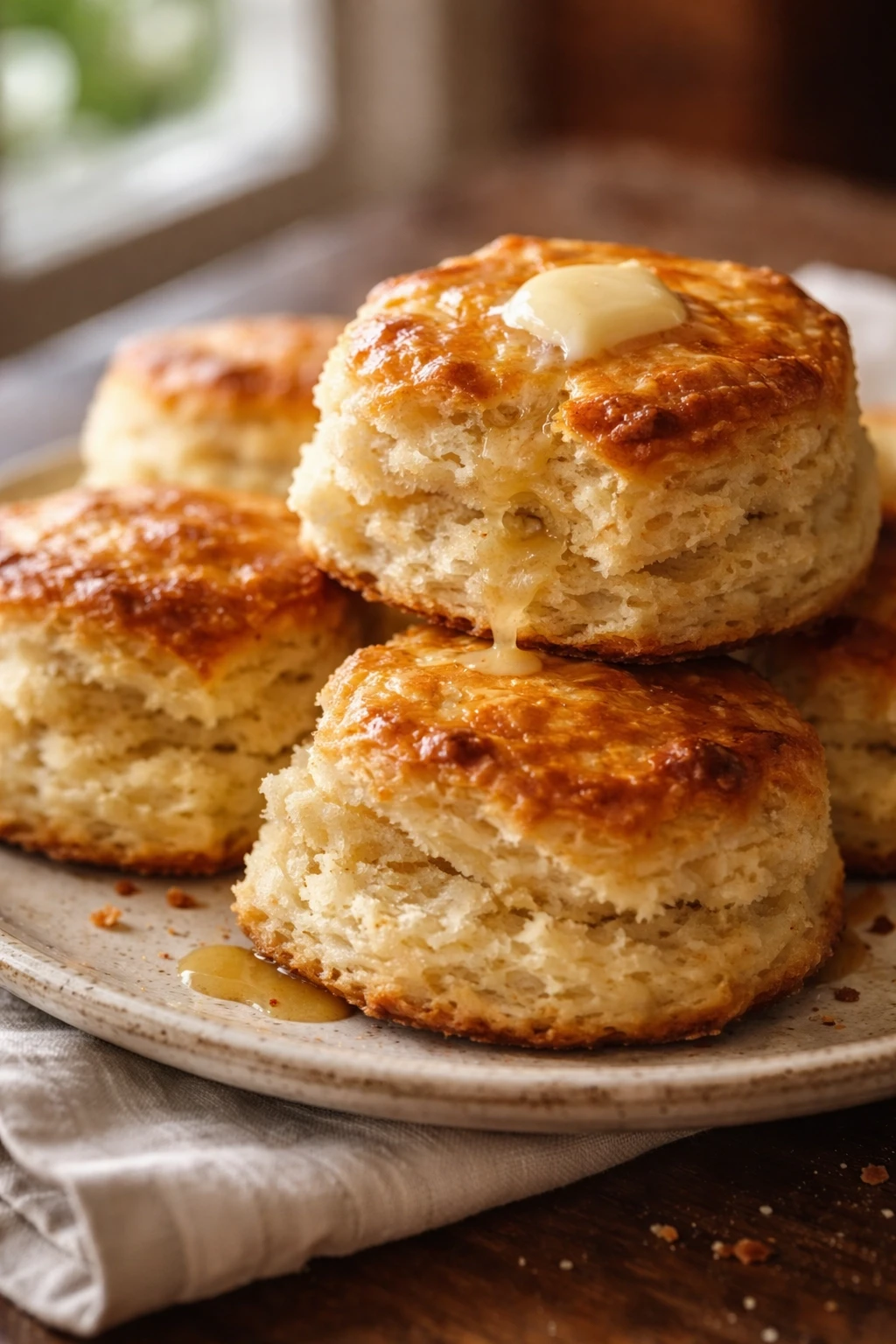
These flaky, buttery biscuits are a family favorite that bring back cozy mornings. The secret? Cold buttermilk and minimal handling for tender layers. Perfect for breakfast or a comforting side!
Introduction
I first made these buttermilk biscuits years ago after my grandma shared her old recipe with me. I’ve tweaked it over time, but the heart of it remains the same—simple ingredients and a gentle touch. What sets this recipe apart is how I handle the dough: minimal mixing and keeping the butter cold to create those signature flaky layers. I remember the first time I rushed the process and ended up with tough biscuits—lesson learned! Now, I always chill the butter and buttermilk, and I fold the dough just enough to bring it together. The result is tender, golden biscuits that literally melt in your mouth. They’re perfect for slathering with butter and jam or serving alongside a hearty breakfast or dinner. Honestly, these biscuits have become a staple in my kitchen, and I think you’ll love how easy and rewarding they are to make.
How To Do It
Step 1
Preheat your oven to 425°F (220°C). This high temperature is key for a quick rise and golden crust. Line a baking sheet with parchment paper to prevent sticking. Having your oven fully preheated ensures the biscuits bake evenly and develop a nice crust quickly.
⏱ Time: 10 minutes
✓ Doneness: Oven is fully heated and ready to bake
Step 2
In a large bowl, whisk together the sifted flour, baking powder, baking soda, and salt. Sifting helps aerate the flour and evenly distribute the leavening agents, which is crucial for fluffy biscuits.
⏱ Time: 3 minutes
✓ Doneness: Dry ingredients combined with no lumps
Step 3
Add the cold, cubed butter to the flour mixture. Using a pastry cutter or your fingertips, quickly cut the butter into the flour until the mixture resembles coarse crumbs with pea-sized bits of butter visible. The cold butter creates steam during baking, which forms flaky layers. Avoid overworking the dough to keep the butter cold and intact.
⏱ Time: 5 minutes
✓ Doneness: Mixture looks crumbly with small butter pieces
Step 4
Pour the cold buttermilk into the flour and butter mixture. Stir gently with a fork or spatula just until the dough comes together. The buttermilk reacts with the baking soda to help the biscuits rise and adds a subtle tang. Overmixing will develop gluten and make biscuits tough.
⏱ Time: 2 minutes
✓ Doneness: Dough holds together but is still slightly shaggy
Step 5
Turn the dough out onto a lightly floured surface. Gently pat it into a rectangle about 1 inch thick. Fold the dough over onto itself 2-3 times, then pat it down again. This folding creates layers that make the biscuits flaky. Be gentle to avoid compressing the dough too much.
⏱ Time: 5 minutes
✓ Doneness: Dough is smooth and layered but not dense
Step 6
Using a biscuit cutter or a glass, cut out biscuits straight down without twisting to avoid sealing the edges. Place them close but not touching on the prepared baking sheet. Gather scraps, pat together gently, and cut more biscuits. Twisting can prevent proper rising.
⏱ Time: 7 minutes
✓ Doneness: Biscuits are evenly cut and placed on the sheet
Step 7
Brush the tops of the biscuits lightly with buttermilk or melted butter for a golden finish. This step helps create a beautiful crust and adds extra flavor. Be careful not to soak the dough or it may become soggy.
⏱ Time: 2 minutes
✓ Doneness: Biscuits have a light sheen on top
Step 8
Bake the biscuits in the preheated oven for 12-15 minutes until they’re puffed and golden brown. The heat causes the butter to steam and the leavening agents to activate, giving you those perfect layers and rise.
⏱ Time: 12-15 minutes
✓ Doneness: Biscuits are golden on top and bottom, and spring back when touched
Step 9
Remove the biscuits from the oven and let them cool slightly on a wire rack. This prevents the bottoms from getting soggy. Serve warm with butter, honey, or your favorite jam. Enjoy the flaky, tender texture and rich buttery flavor!
⏱ Time: 5 minutes
✓ Doneness: Biscuits are warm and slightly cooled, ready to eat
Pro Tips
Keep all ingredients and tools cold before mixing.
Cold ingredients prevent the butter from melting prematurely. This is essential for creating steam pockets during baking that make the biscuits flaky and tender. Warm butter blends too much and results in a denser texture.
Use a light hand when mixing and folding the dough.
Overworking the dough develops gluten, which makes biscuits tough and chewy. Gentle mixing just until ingredients come together ensures a soft, tender crumb.
Cut biscuits straight down without twisting the cutter.
Twisting seals the edges, restricting rise and preventing layers from forming. Cutting straight allows the biscuits to expand upwards for a fluffy texture.
Bake biscuits immediately after cutting.
Waiting too long allows the butter to soften and the dough to warm, which reduces flakiness and rise. Quick baking locks in steam and creates a golden crust.
Use parchment paper or a silicone mat to prevent sticking.
This helps biscuits bake evenly and makes cleanup easier. Avoid greasing the pan heavily, which can cause bottoms to get greasy or soggy.
Brush tops with buttermilk or melted butter for browning.
This adds flavor and encourages a beautiful golden color. Avoid soaking the tops to keep the crust crisp.
Let biscuits cool slightly on a wire rack before serving.
Cooling prevents moisture buildup underneath, which keeps bottoms crisp rather than soggy.
Common Mistakes to Avoid
Overmixing the dough
Why it happens Many home cooks think mixing longer makes a better dough, but it actually develops gluten, making biscuits tough.
Fix Mix just until the dough comes together, then stop. Handle gently when folding to maintain tenderness.
Using warm butter
Why it happens Butter softens quickly at room temperature, especially in warm kitchens, leading to loss of flakiness.
Fix Keep butter in the fridge until just before use and handle quickly. Chill dough if needed.
Twisting biscuit cutter when cutting
Why it happens Twisting seals edges, preventing rise and layer formation.
Fix Press straight down and lift the cutter straight up without twisting.
Not preheating the oven fully
Why it happens Starting in a cool oven causes dense, pale biscuits.
Fix Always preheat oven to 425°F before baking.
Using expired leavening agents
Why it happens Old baking powder or soda loses potency, causing flat biscuits.
Fix Check expiration dates and test baking powder by mixing with hot water to see if it fizzes.
Variations
Cheddar and Chive Biscuits
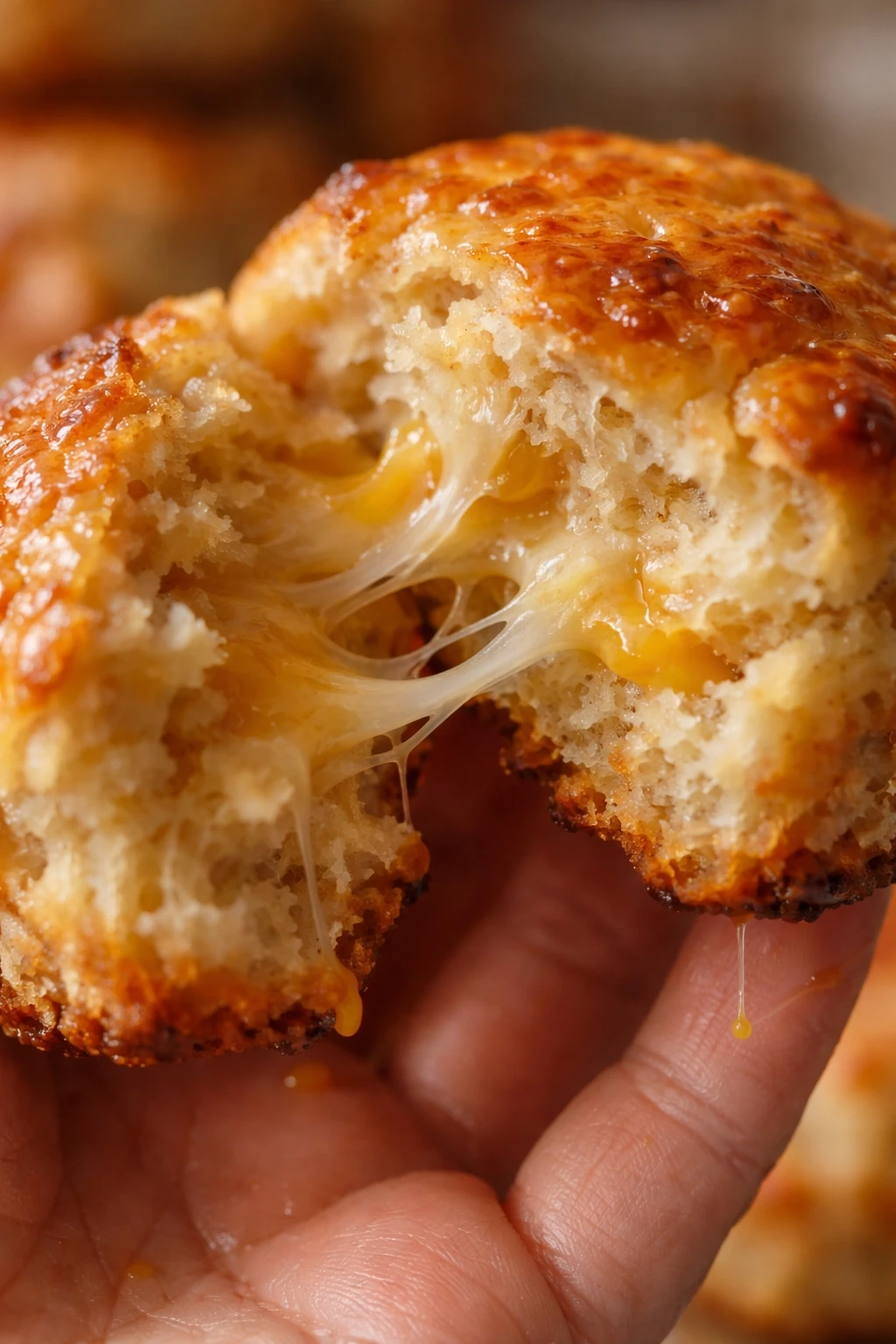
Add 1 cup shredded sharp cheddar and 2 tablespoons chopped fresh chives to the dough for a savory twist. These are great for breakfast sandwiches or with soups.
Note: Fold cheese and herbs in gently during mixing to avoid overworking the dough.
Sweet Honey Butter Biscuits
Mix 2 tablespoons honey into the dough and brush tops with honey butter after baking for a sweet, sticky finish perfect for brunch or snacks.
Note: Reduce salt slightly to balance sweetness.
Gluten-Free Buttermilk Biscuits
Substitute all-purpose flour with a gluten-free blend and add 1 teaspoon xanthan gum to maintain structure. These biscuits are tender but require careful folding.
Note: Gluten-free dough is more delicate; handle with extra care.
Herbed Garlic Biscuits
Incorporate 1 teaspoon garlic powder and 1 tablespoon mixed dried herbs into the dry ingredients for a fragrant, savory biscuit that pairs well with dinner.
Note: Avoid adding fresh garlic to prevent moisture changes.
Buttermilk Drop Biscuits
Skip rolling and cutting; drop spoonfuls of dough onto the baking sheet for rustic, quick biscuits. Texture is slightly different—more tender but less flaky.
Note: Bake a minute longer to ensure doneness inside.
Nutrition
Per Serving:
Nutritional values are estimates and may vary based on specific ingredients used.
Storage & Tips
Room Temperature
Biscuits can be kept covered at room temperature for up to 2 days. Use a clean kitchen towel or airtight container to prevent drying out. Best eaten fresh but still tasty within this time.
Refrigerator
Store biscuits in an airtight container in the fridge for up to 4 days. They may lose some flakiness but can be warmed in the oven to refresh texture.
Freezer
Freeze biscuits wrapped tightly in foil or plastic wrap and placed in a freezer bag for up to 3 months. Thaw overnight in the fridge or at room temperature before reheating.
Reheating
Reheat in a 350°F oven for 5-7 minutes until warmed through. Avoid microwaving as it can make them rubbery. A splash of butter on top before reheating helps restore moisture.
Make Ahead
Prepare biscuit dough up to the cutting step, then cover and refrigerate for up to 24 hours. Cut and bake fresh when ready to serve for best rise and flakiness.
FAQ
Can I substitute regular milk for buttermilk?
Yes! If you don’t have buttermilk, mix 1 tablespoon lemon juice or white vinegar with 1 cup milk and let it sit for 5-10 minutes before using. This mimics the acidity of buttermilk, which helps the biscuits rise and tenderize.
Why are my biscuits dense and not fluffy?
This usually happens if the dough is overmixed or the butter is too warm. Overmixing develops gluten, making biscuits tough. Always mix gently and keep butter cold for flaky layers.
Can I freeze the biscuits after baking?
Absolutely! Let them cool completely, then wrap tightly and freeze. Reheat in the oven for best texture. Freezing before baking is also an option if you want fresh biscuits later.
What’s the best flour to use?
All-purpose flour works best for tender but sturdy biscuits. Avoid bread flour, which has too much protein and can make biscuits chewy, and cake flour, which is too soft and may cause them to fall apart.
How do I get flaky layers?
Use cold butter cut into coarse pieces and fold the dough gently a few times. This layering traps steam during baking, causing the dough to puff and create flaky biscuits.
Can I make these biscuits vegan?
You can try substituting plant-based milk with lemon juice for acidity and vegan butter, but results may vary. The texture might be less flaky because of differences in fat content and acidity.
Why do I need to avoid twisting the biscuit cutter?
Twisting seals the dough edges, preventing the biscuits from rising properly. Press straight down and lift straight up to keep edges open for better rise.
Can I add herbs or cheese?
Yes! Adding herbs or cheese is a great way to customize. Fold them in gently with the flour before adding buttermilk to avoid overmixing.
Final Thoughts
I hope you enjoy making these flaky buttermilk biscuits as much as I do! They’re a simple joy that brings warmth to any meal. Don’t forget to share how yours turn out!