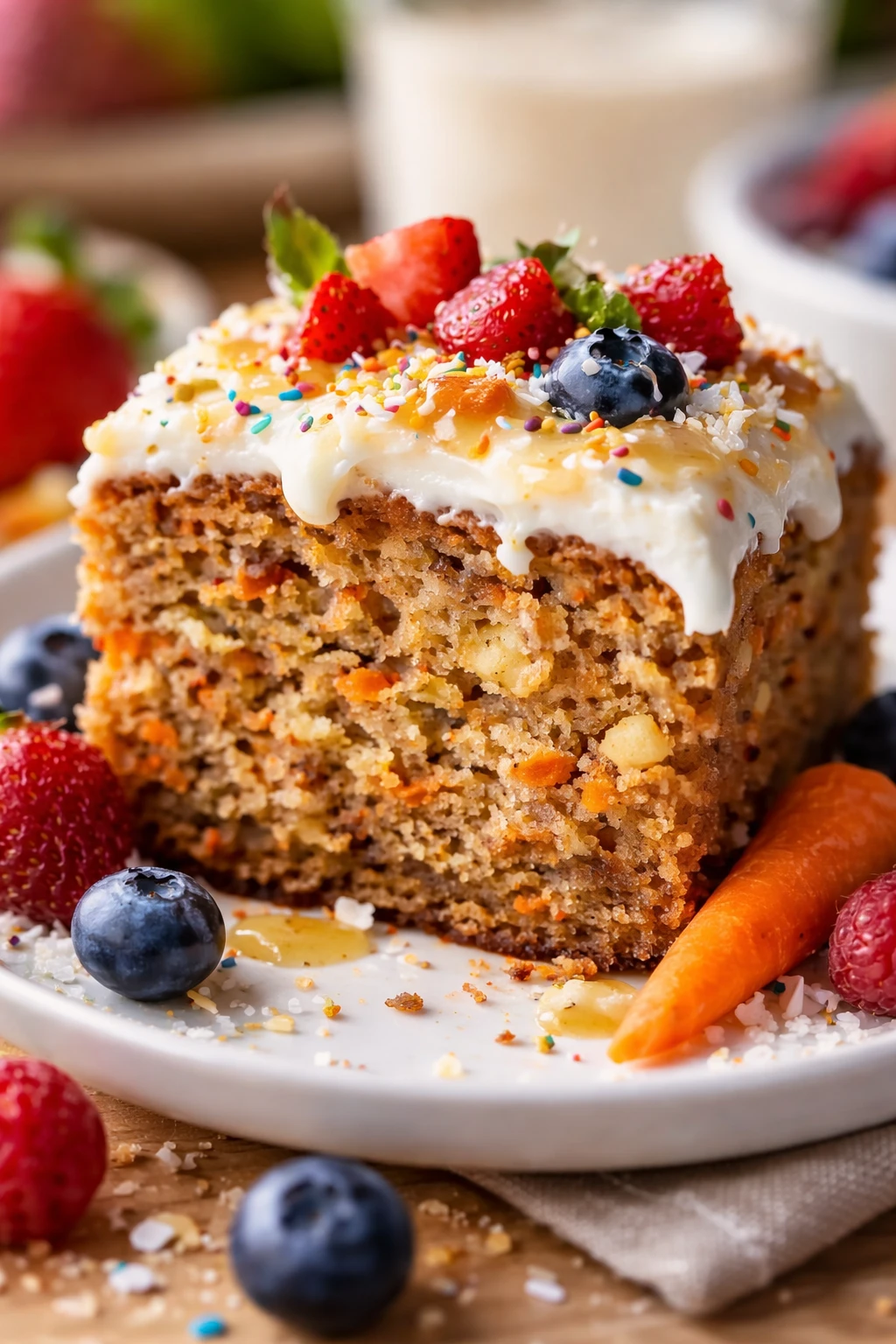
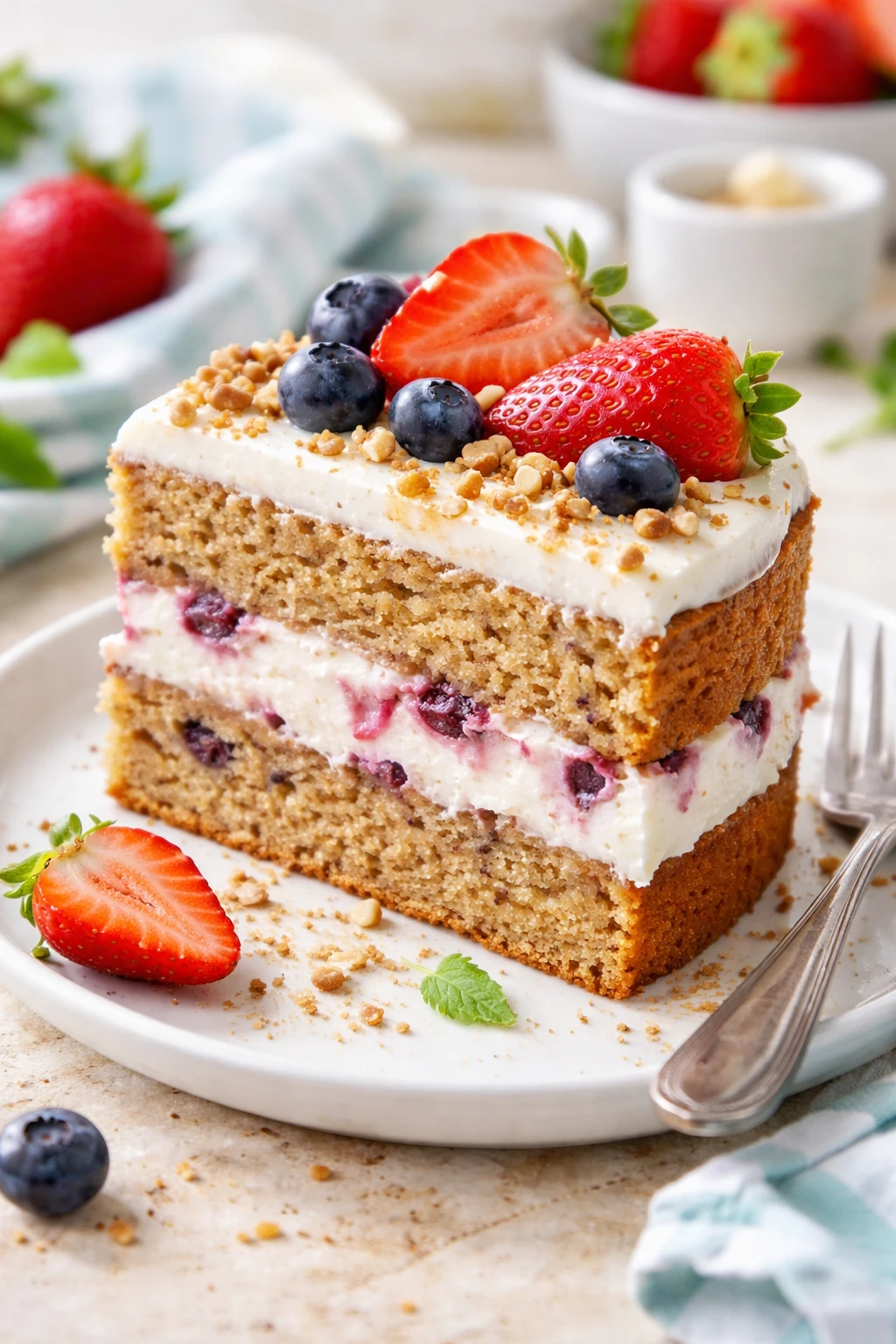
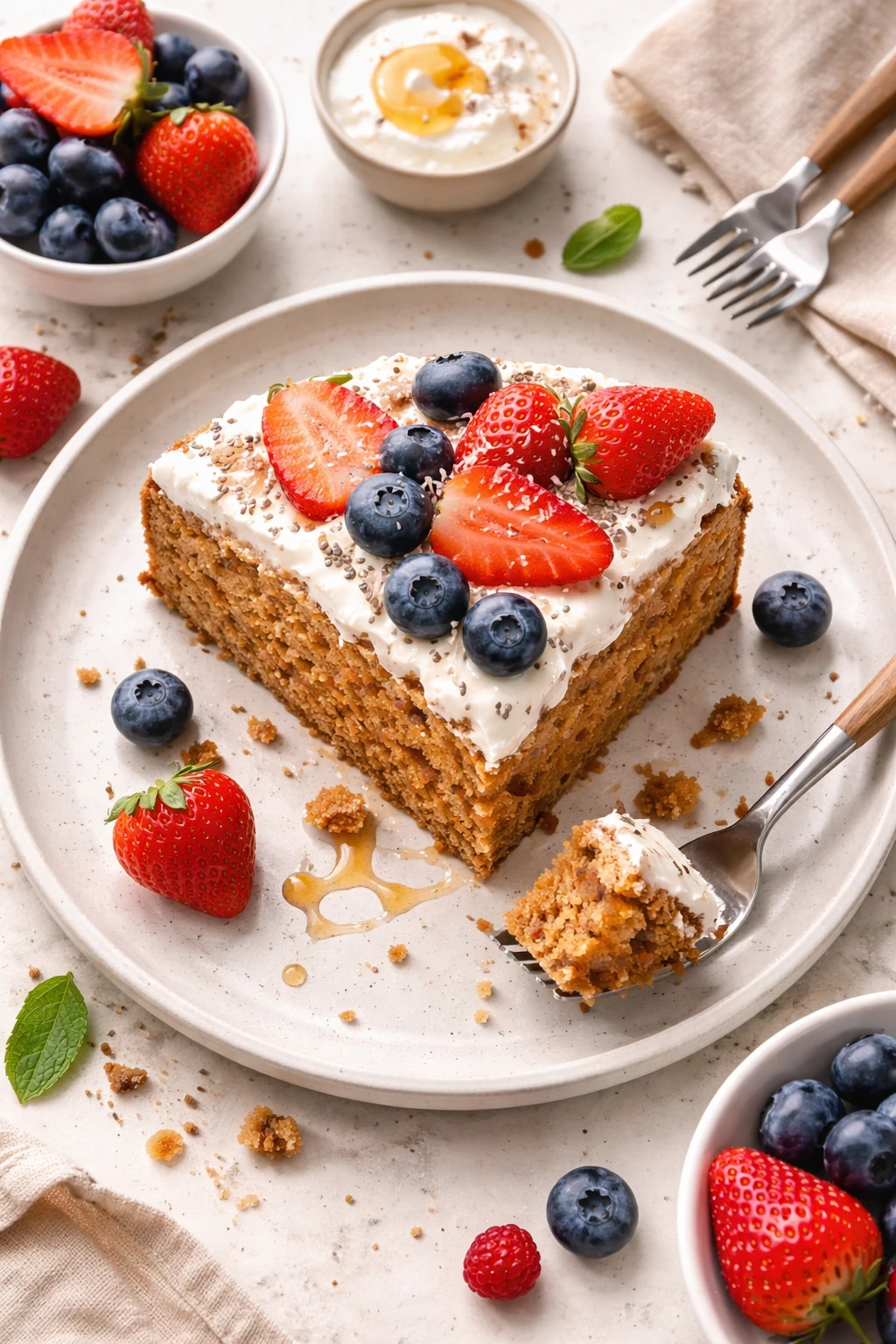
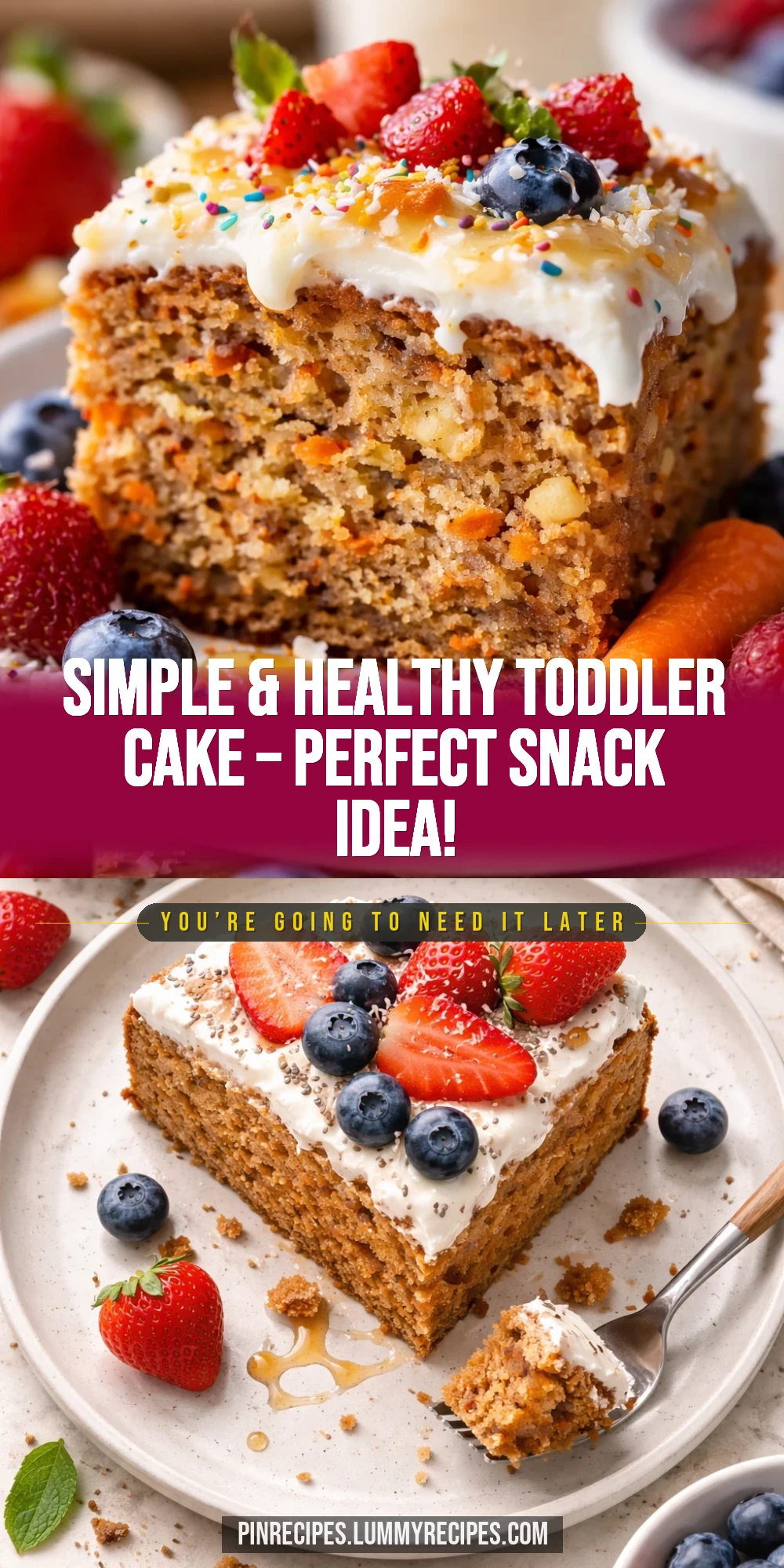
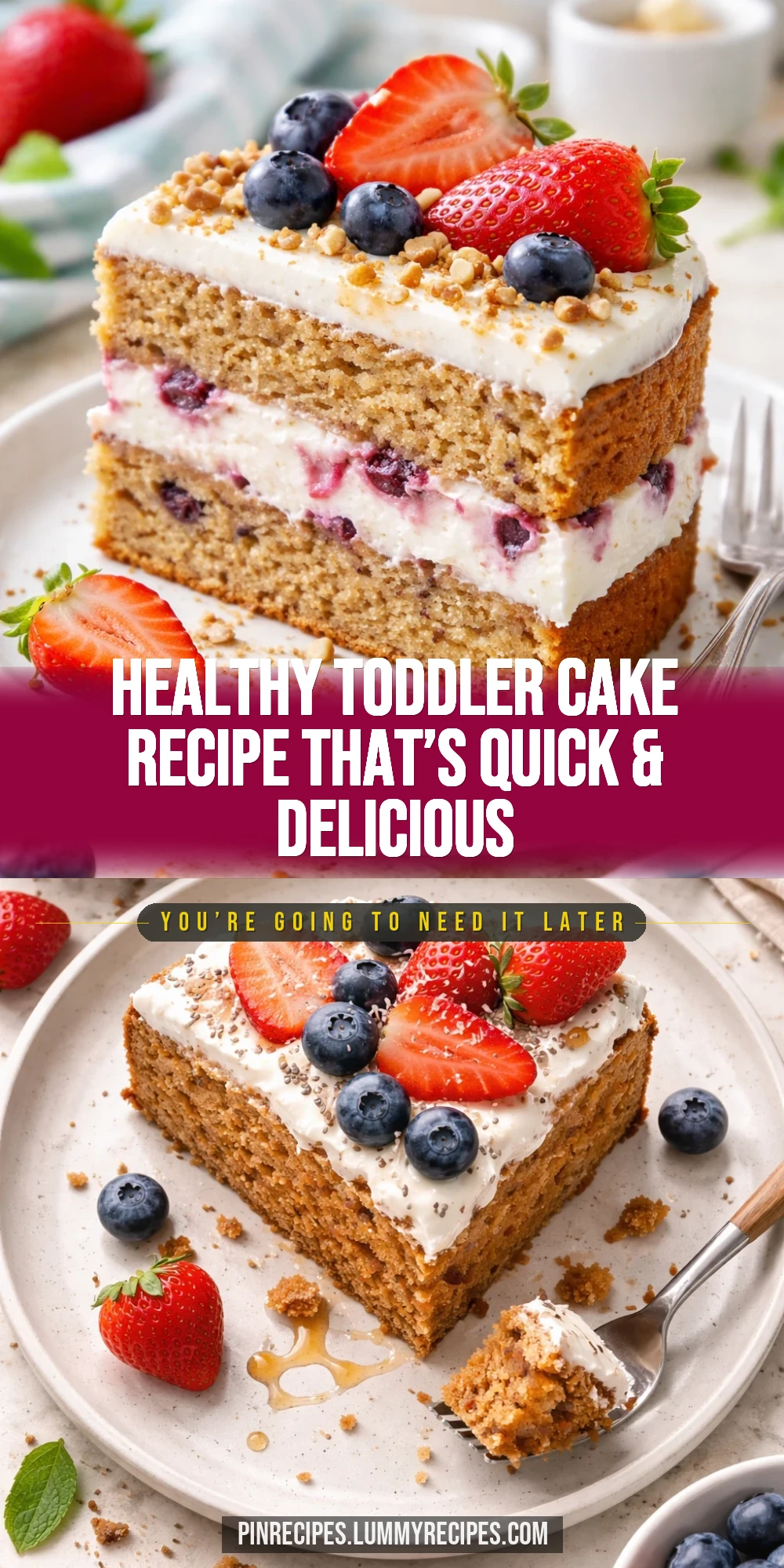
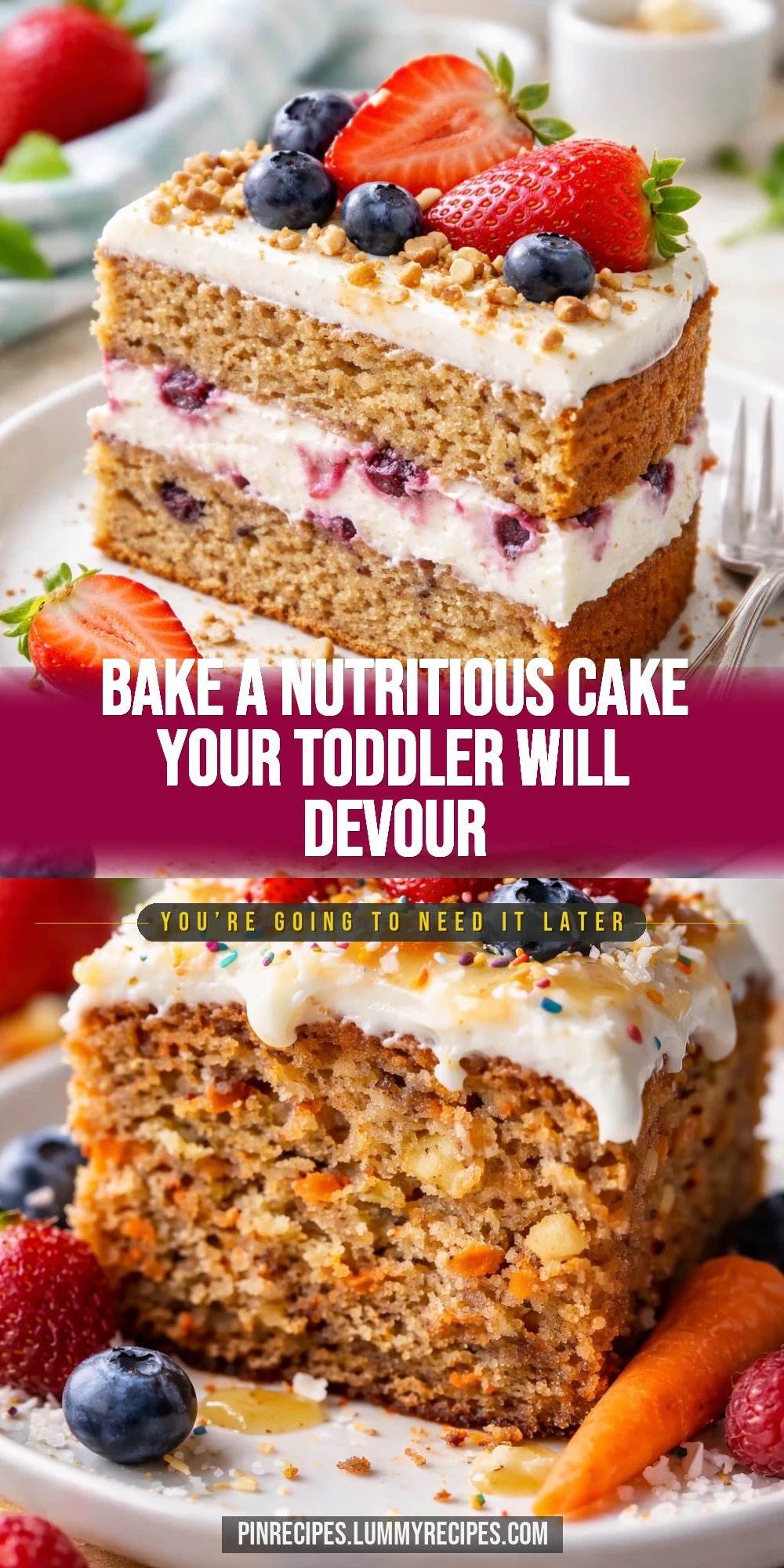
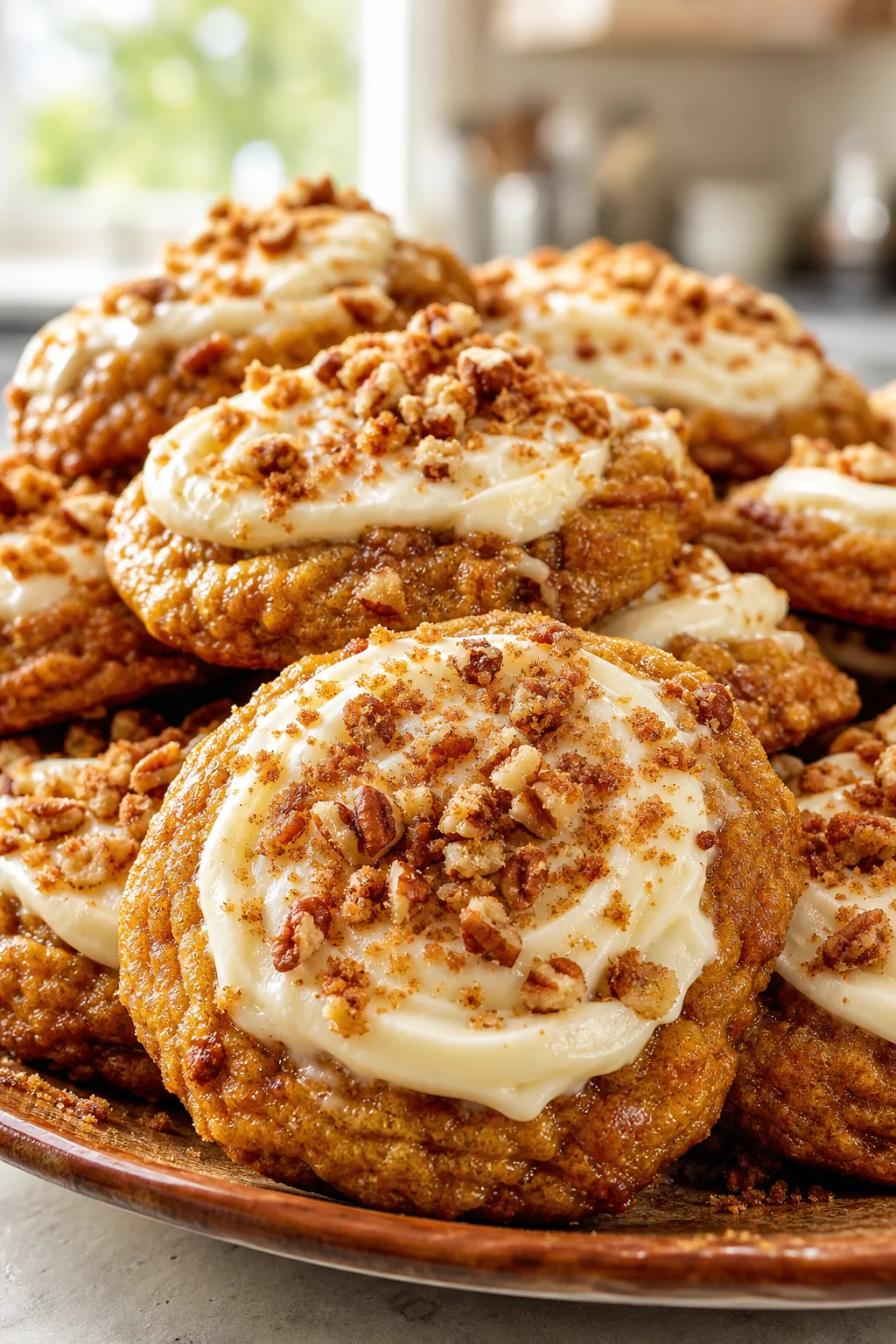
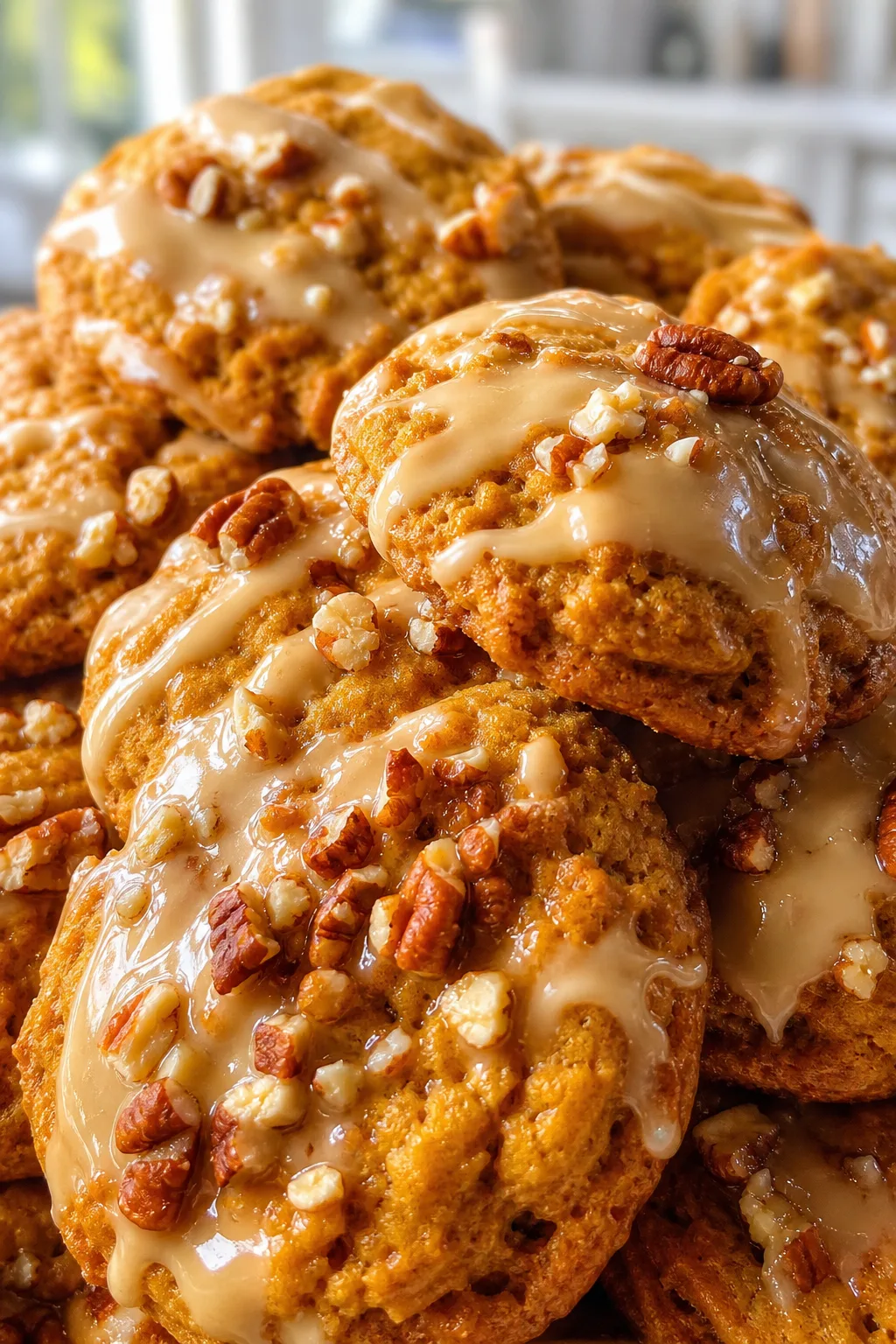
This toddler-friendly cake is packed with wholesome ingredients and just the right touch of sweetness. Using mashed bananas and oats makes it super moist and nutritious. Perfect for snack time or a small birthday treat!
Introduction
I remember the first time I tried baking a cake for my toddler that wasn’t loaded with sugar or artificial ingredients. It was a bit of an experiment — I wanted something that felt like a treat but was actually good for her growing body. This healthy cake recipe came from that trial and error, and I’ve been making it ever since. What makes it special is the use of mashed bananas and oats, which add natural sweetness and fiber without needing extra sugar. Plus, the Greek yogurt keeps it moist and tender, which toddlers seem to love. The trick I learned was to grind the oats into a flour-like texture so the cake has a soft crumb, perfect for little mouths. It’s not overly sweet, just lightly flavored with cinnamon and vanilla, so it’s gentle on tiny taste buds. Whether it’s for a snack, a small birthday celebration, or just a fun baking day, this cake always feels like a little win for healthy eating. I think you’ll find it’s one of those recipes that’s easy to whip up and even easier to enjoy with your little one.
What You'll Need
One 8-inch cake, approximately 8 toddler servings
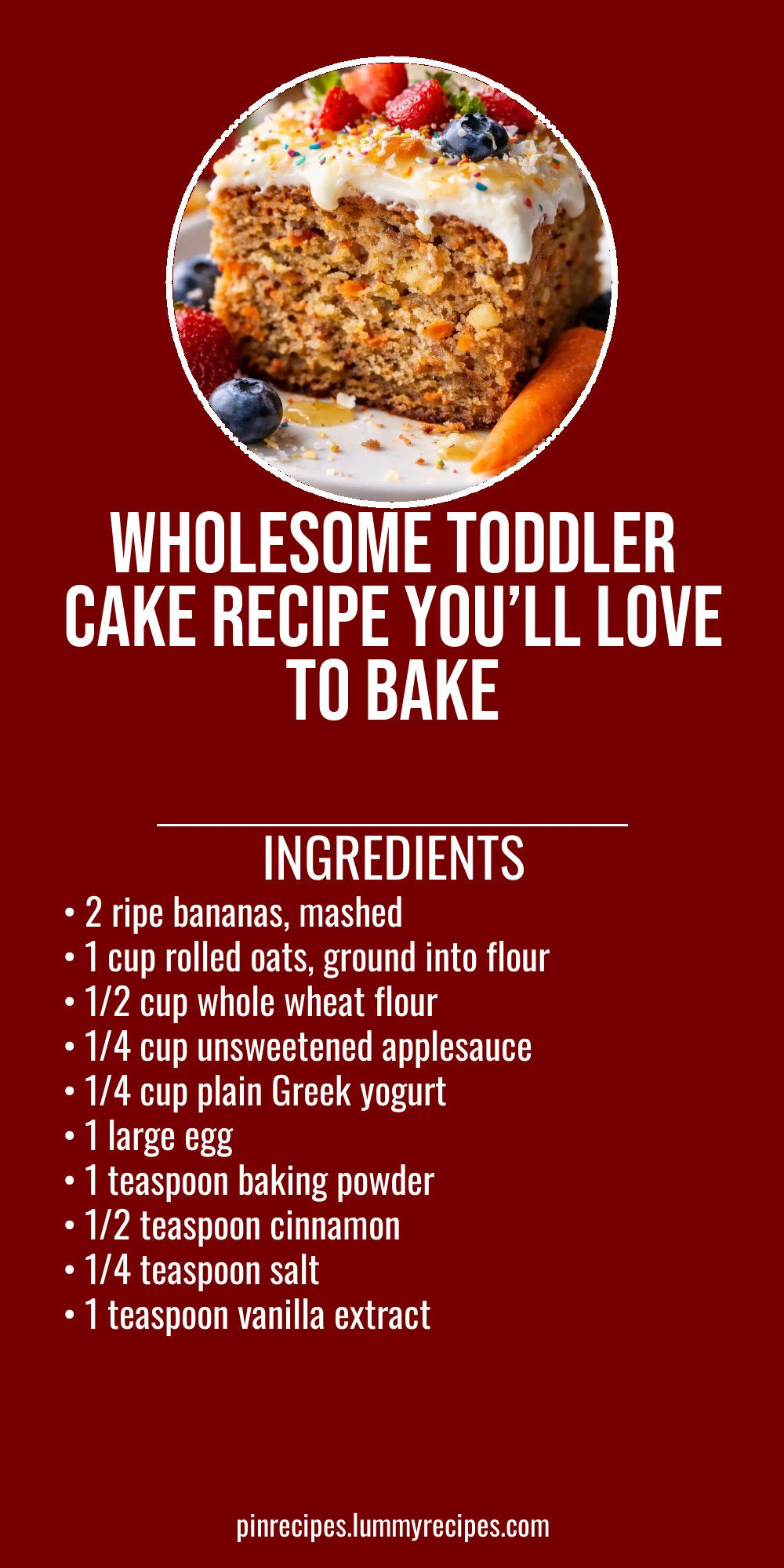
- 2 ripe bananas, mashed
- 1 cup rolled oats, ground into flour
- 1/2 cup whole wheat flour
- 1/4 cup unsweetened applesauce
- 1/4 cup plain Greek yogurt
- 1 large egg
- 1 teaspoon baking powder
- 1/2 teaspoon cinnamon
- 1/4 teaspoon salt
- 1 teaspoon vanilla extract
How To Do It
Step 1
Start by preheating your oven to 350°F (175°C) and greasing an 8-inch cake pan with a little oil or lining it with parchment paper. This step ensures your cake doesn’t stick and comes out cleanly, which is especially important for delicate toddler cakes. While the oven heats, mash the ripe bananas thoroughly in a large bowl until smooth. The bananas add natural sweetness and moisture, which helps keep the cake soft. Avoid lumps to ensure an even texture throughout the cake.
⏱ Time: 10 minutes
✓ Doneness: Oven preheated and bananas mashed into a smooth puree
Step 2
Next, grind the rolled oats in a blender or food processor until they resemble a fine flour. This oat flour is a great gluten-free-friendly base that adds fiber and a mild nutty flavor. Combine the oat flour with the whole wheat flour, baking powder, cinnamon, and salt in a separate bowl. Mixing the dry ingredients separately helps distribute the leavening agent evenly, which results in a nice rise and tender crumb. Be careful not to skip this step, or your cake might have uneven texture or dense spots.
⏱ Time: 5 minutes
✓ Doneness: Dry ingredients fully mixed with no clumps
Step 3
In the bowl with the mashed bananas, add the applesauce, Greek yogurt, egg, and vanilla extract. Whisk everything together until smooth and well combined. These wet ingredients contribute moisture, protein, and a subtle tang that balances the sweetness. Properly mixing at this stage ensures the batter is uniform, which helps the cake bake evenly. If you rush this step, you might end up with pockets of unmixed ingredients that affect the texture.
⏱ Time: 5 minutes
✓ Doneness: Smooth, homogenous wet mixture with no streaks
Step 4
Slowly add the dry ingredients into the wet mixture, folding gently with a spatula. Avoid overmixing here; just combine until you no longer see flour. Overmixing develops gluten and can make the cake tough, which isn’t ideal for toddlers. The batter should be thick but pourable. If it feels too stiff, you can add a tablespoon of milk or water to loosen it slightly.
⏱ Time: 3 minutes
✓ Doneness: Batter is smooth and thick with no dry spots
Step 5
Pour the batter into your prepared cake pan and gently smooth the top with a spatula. Tap the pan lightly on the counter to release any trapped air bubbles, which helps avoid large holes in the cake. This step is key for a fine crumb and even texture, especially in cakes made without refined flours.
⏱ Time: 2 minutes
✓ Doneness: Batter evenly spread with no air pockets visible
Step 6
Bake the cake in the preheated oven for about 25-30 minutes. Check doneness by inserting a toothpick into the center; it should come out clean or with just a few moist crumbs. Baking too long will dry out the cake, while underbaking leaves it gooey inside, which toddlers might not enjoy. Keep an eye on it starting at 25 minutes to avoid overcooking.
⏱ Time: 25-30 minutes
✓ Doneness: Toothpick inserted in center comes out clean
Step 7
Once baked, remove the cake from the oven and let it cool in the pan for 10 minutes. Cooling slightly allows the cake to set, making it easier to remove from the pan without breaking. After that, transfer it to a wire rack to cool completely. Serving it warm might be tempting, but the texture improves as it cools.
⏱ Time: 15 minutes
✓ Doneness: Cake feels firm to the touch and releases from pan edges
Step 8
If desired, you can frost the cake with a thin layer of unsweetened Greek yogurt or cream cheese mixed with a little honey for a toddler-friendly topping. This adds a creamy texture and a bit more protein. Just keep the frosting light so it doesn’t overpower the natural flavors.
⏱ Time: 5 minutes
✓ Doneness: Frosting is smooth and evenly spread
Step 9
Slice the cake into small, toddler-sized pieces and serve. This cake is best enjoyed fresh but also stores well in the fridge for a couple of days. It’s a great way to offer a treat that feels indulgent but is actually packed with good-for-you ingredients. Watching my toddler’s face light up when she tries this cake is always the best reward.
⏱ Time: 2 minutes
✓ Doneness: Cake slices hold shape and have a moist crumb
Pro Tips
Always use ripe bananas for natural sweetness.
Ripe bananas have higher sugar content and softer texture, which helps sweeten and moisten the cake naturally. Using underripe bananas can result in a less sweet, drier cake that toddlers might reject.
Grind oats into flour for a smooth cake texture.
Whole rolled oats are too coarse for cake batter, leading to a gritty texture. Grinding them creates oat flour, which blends seamlessly with other flours and produces a soft crumb toddlers can easily chew.
Don’t overmix the batter once dry ingredients are added.
Overmixing develops gluten, making the cake tough and chewy instead of soft and tender. Folding gently until just combined ensures a delicate crumb that’s perfect for little mouths.
Use plain Greek yogurt for moisture and protein.
Greek yogurt adds moisture without excess fat and contributes protein that improves the cake’s structure. Flavored yogurts can add unwanted sugars or artificial flavors, which aren’t ideal for toddlers.
Bake at moderate temperature to avoid drying out.
Baking at 350°F allows the cake to cook evenly and stay moist. Higher temperatures risk drying out the crumb or burning edges, which can make the cake less appealing for sensitive toddlers.
Cool cake completely before slicing for best texture.
Cutting warm cake can cause it to crumble or fall apart. Letting it cool allows the structure to set, making slices neat and easy for toddlers to handle.
Add a small amount of vanilla and cinnamon for flavor.
These spices add gentle flavor without overwhelming toddlers’ taste buds. They also complement the natural sweetness of bananas and applesauce, making the cake more enjoyable.
Common Mistakes to Avoid
Using underripe bananas
Why it happens Some cooks grab bananas that are still green or just yellow, thinking any banana will work, but underripe ones lack sweetness and moisture.
Fix Always use bananas with brown spots or fully ripe for natural sweetness and softness. If you only have underripe bananas, consider adding a little extra applesauce or a teaspoon of honey (if toddler age-appropriate) to compensate.
Skipping grinding oats
Why it happens It’s tempting to just toss rolled oats in, but the coarse texture can be unappealing for toddlers.
Fix Use a blender or food processor to grind oats into a fine flour before mixing. This ensures a smooth texture and better integration into the batter.
Overmixing the batter
Why it happens Eager cooks often want to mix everything thoroughly, not realizing gluten development will toughen the cake.
Fix Mix dry and wet ingredients just until combined. Stop as soon as you don’t see flour. This keeps the cake tender and light.
Baking at too high temperature
Why it happens Some ovens run hot or cooks set the temp too high to speed baking.
Fix Stick to 350°F and monitor closely. Use an oven thermometer if possible to ensure accurate temperature.
Not cooling cake before slicing
Why it happens Impatience leads to cutting warm cake, which can crumble.
Fix Allow cake to cool in pan 10 minutes, then fully on a rack before slicing to maintain structure.
Variations
Apple Cinnamon Toddler Cake
Swap mashed bananas for unsweetened applesauce and add extra cinnamon. This variation is equally moist and offers a different fruity flavor toddlers enjoy. You can also add finely chopped soft apples for texture.
Note: Applesauce adds moisture but less sweetness than bananas, so consider a teaspoon of natural sweetener if needed.
Pumpkin Spice Toddler Cake
Use canned pumpkin puree instead of bananas and add pumpkin pie spices like nutmeg and cloves. This makes a seasonal treat that’s packed with vitamin A and perfect for fall.
Note: Pumpkin puree is denser, so you might need to add a tablespoon of milk to loosen the batter slightly.
Carrot and Zucchini Toddler Cake
Fold in finely grated carrots and zucchini to sneak in extra veggies. This adds natural sweetness and moisture, plus a fun texture that toddlers often love.
Note: Squeeze excess moisture from zucchini to avoid a soggy cake and adjust baking time if batter feels too wet.
Berry Swirl Toddler Cake
Add a swirl of pureed berries like blueberries or strawberries into the batter before baking. The berries add antioxidants and a pop of color that makes the cake extra appealing.
Note: Use thick berry puree to avoid thinning the batter too much and gently swirl without fully mixing in.
Nut-Free Toddler Cake with Sunflower Seed Butter
Replace eggs with flax eggs and add sunflower seed butter for a nut-free, allergy-friendly version. This keeps the cake moist and adds healthy fats.
Note: Flax eggs require a bit more resting time to thicken before mixing and sunflower seed butter can slightly change flavor.
Nutrition
Per Serving:
Nutritional values are estimates and may vary based on specific ingredients used.
Storage & Tips
Room Temperature
The cake can safely stay at room temperature for up to 12 hours if covered tightly with plastic wrap or stored in an airtight container to prevent drying out or contamination.
Refrigerator
Store leftover cake in an airtight container in the fridge for up to 3 days. The cake may firm up and become denser when cold, so warming slightly before serving helps restore softness.
Freezer
Freeze the cake wrapped tightly in plastic wrap and aluminum foil for up to 2 months. Thaw overnight in the fridge and warm gently before serving to refresh texture.
Reheating
Reheat slices in a microwave for 15-20 seconds or in a low oven (300°F) for 5-7 minutes. Adding a small splash of milk before warming can help maintain moisture. Avoid overheating to prevent drying out.
Make Ahead
You can prepare the batter a day ahead and keep it covered in the fridge. Bake fresh on the day you plan to serve for best texture. Alternatively, bake the cake ahead and freeze slices for quick snacks.
FAQ
Can I substitute eggs in this toddler cake recipe?
Yes! You can replace one egg with a flax egg (1 tablespoon ground flaxseed mixed with 3 tablespoons water, set for 5 minutes). This works well for binding and keeps the cake moist, but the texture might be slightly denser.
Is this cake suitable for toddlers with nut allergies?
Absolutely. This recipe contains no nuts by default. Just be sure to use nut-free oats and check all ingredients for cross-contamination if allergies are severe.
Can I use all-purpose flour instead of whole wheat flour?
Yes, but the cake will be less nutritious and might have a lighter texture. Whole wheat flour adds fiber and a mild nuttiness that’s great for toddlers, so it’s worth keeping if possible.
How can I make the cake sweeter without adding sugar?
Ripe bananas and applesauce provide natural sweetness. You can also add a tiny bit of honey or maple syrup if your toddler is over one year old, but it’s best to keep added sugars minimal.
Can I freeze the cake after baking?
Yes, the cake freezes well for up to 2 months. Wrap it tightly to avoid freezer burn and thaw in the fridge before gently reheating.
What if my toddler is allergic to dairy?
You can substitute Greek yogurt with a dairy-free yogurt alternative, like coconut or soy yogurt. The texture might differ slightly but still be delicious.
Why is the cake sometimes dry?
Dryness usually happens if bananas aren’t ripe enough or the cake is overbaked. Make sure to use fully ripe bananas and check the cake with a toothpick at 25 minutes to avoid overcooking.
Can I add other flavors or spices?
Definitely! Mild spices like cinnamon or nutmeg work well. You can also add vanilla extract or small amounts of fruit purees to vary the flavor.
Final Thoughts
I hope you and your little one enjoy this healthy toddler cake as much as my family does. Don’t forget to share your baking stories and tweaks – I’d love to hear how it goes!