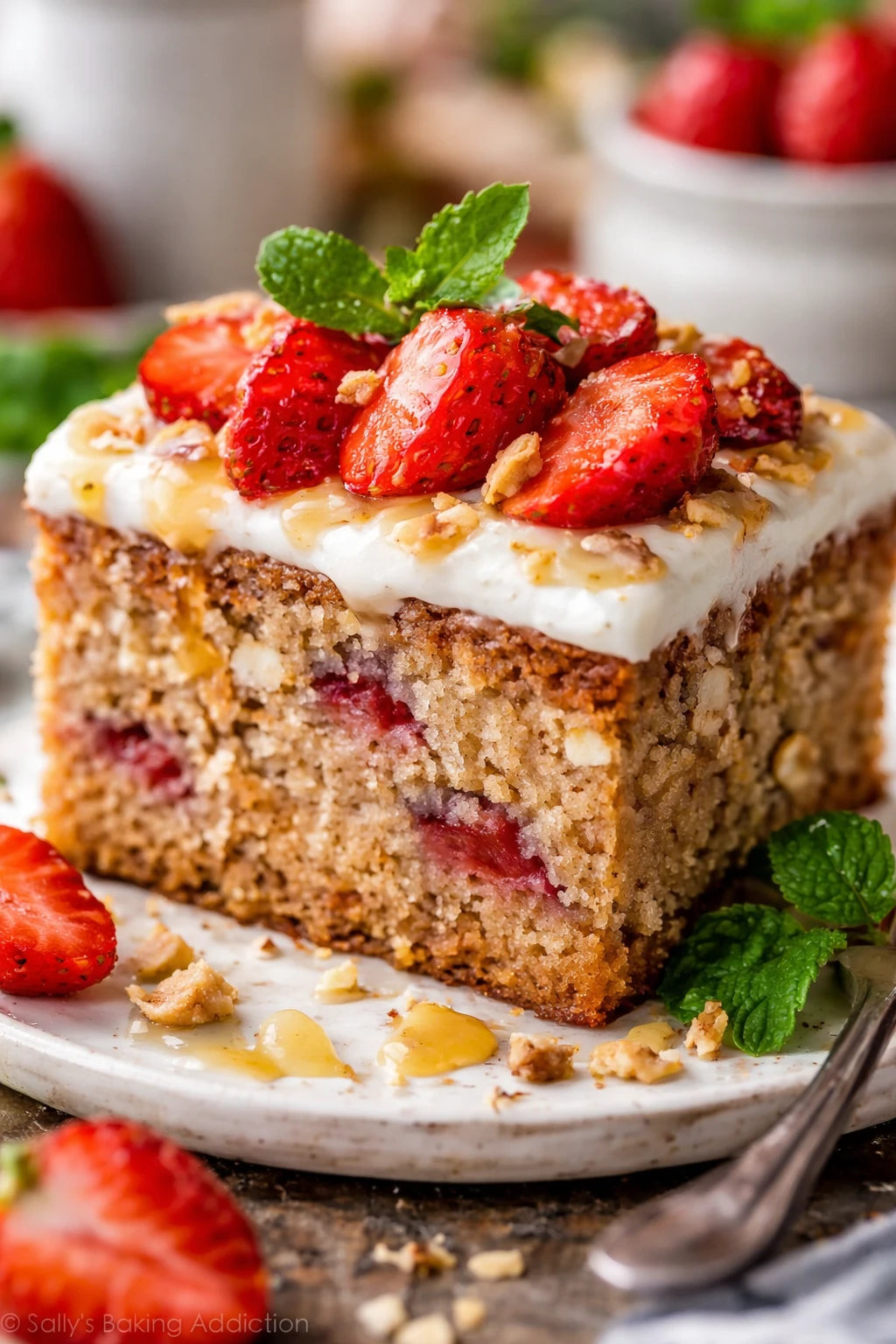
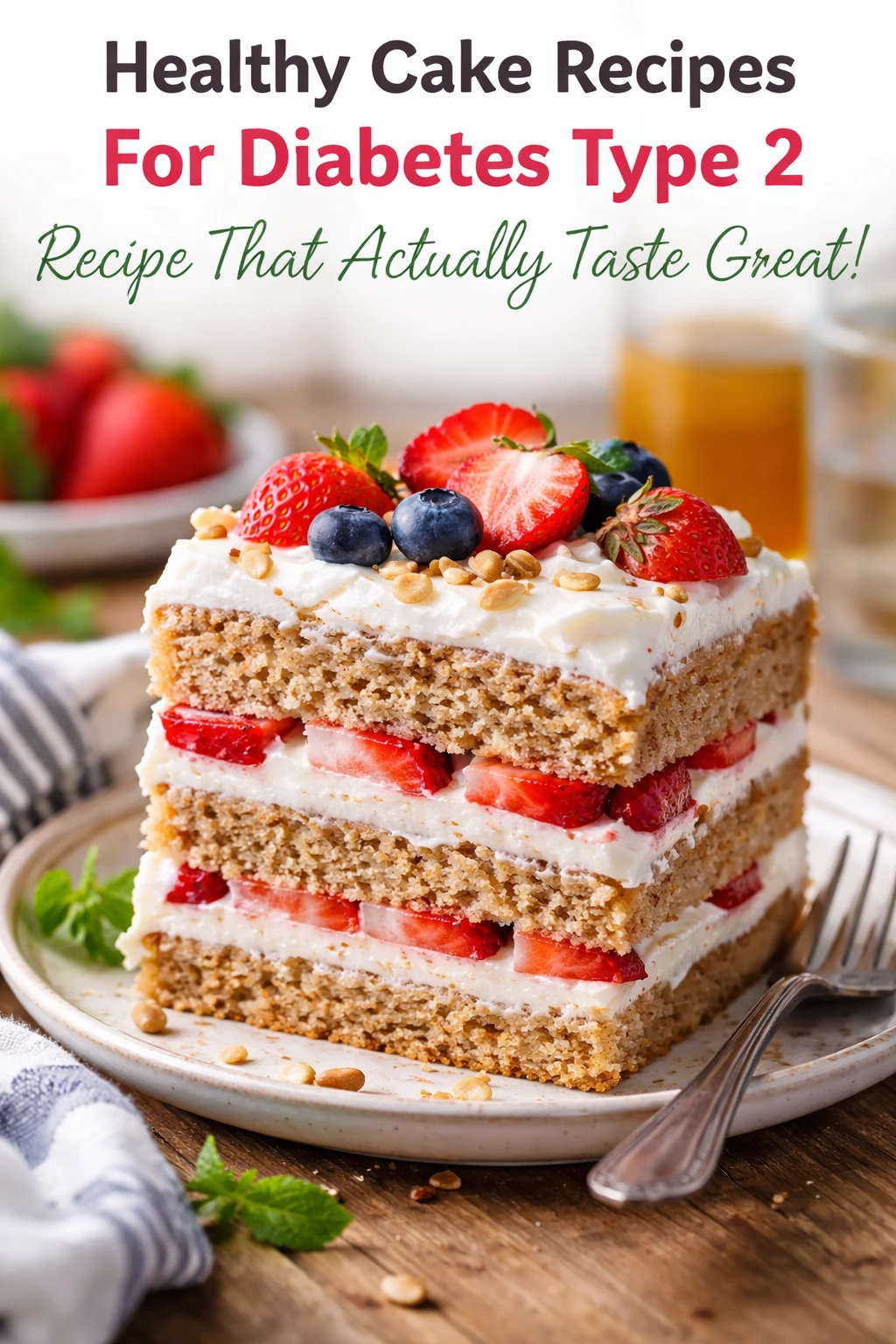
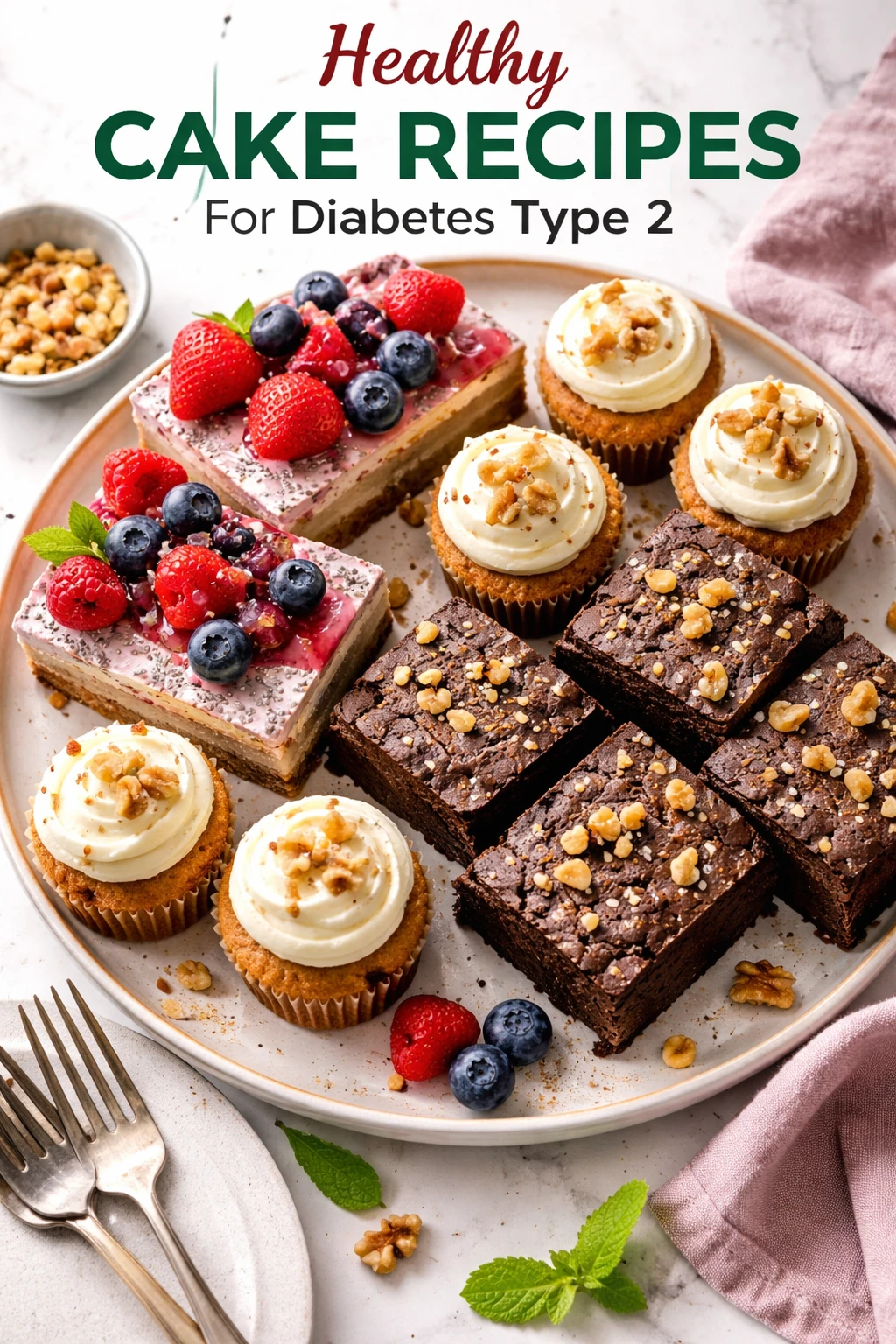
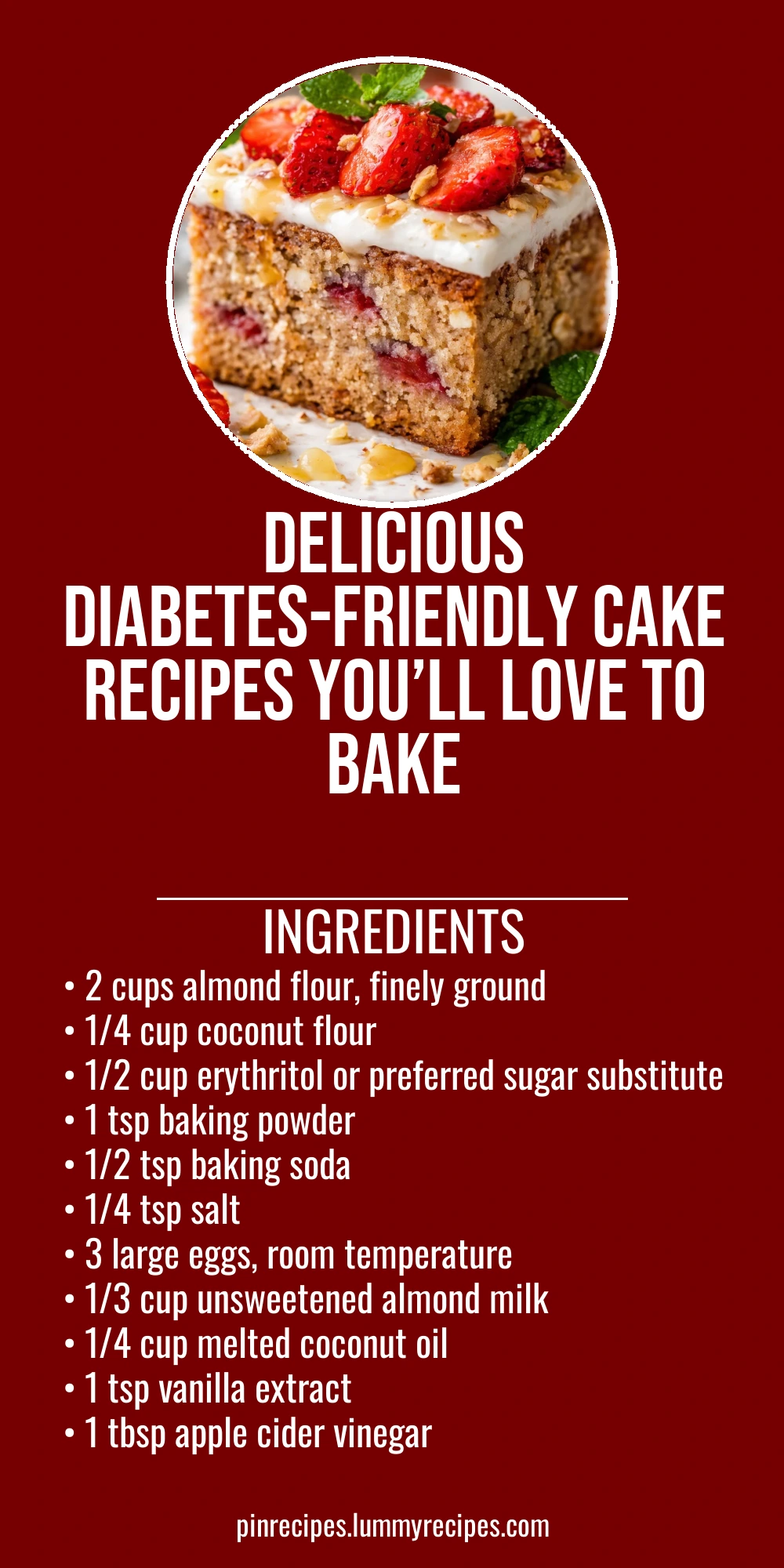
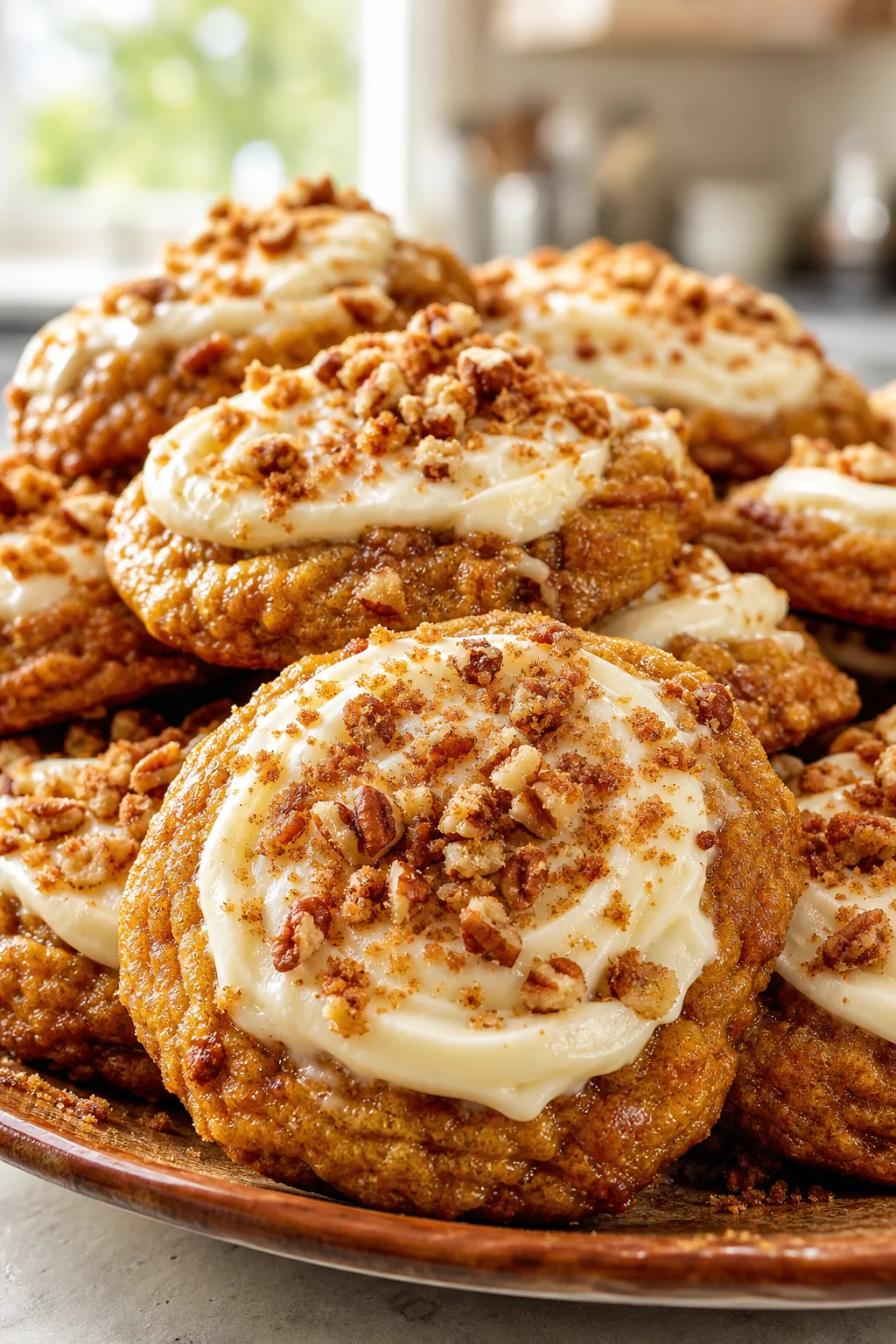
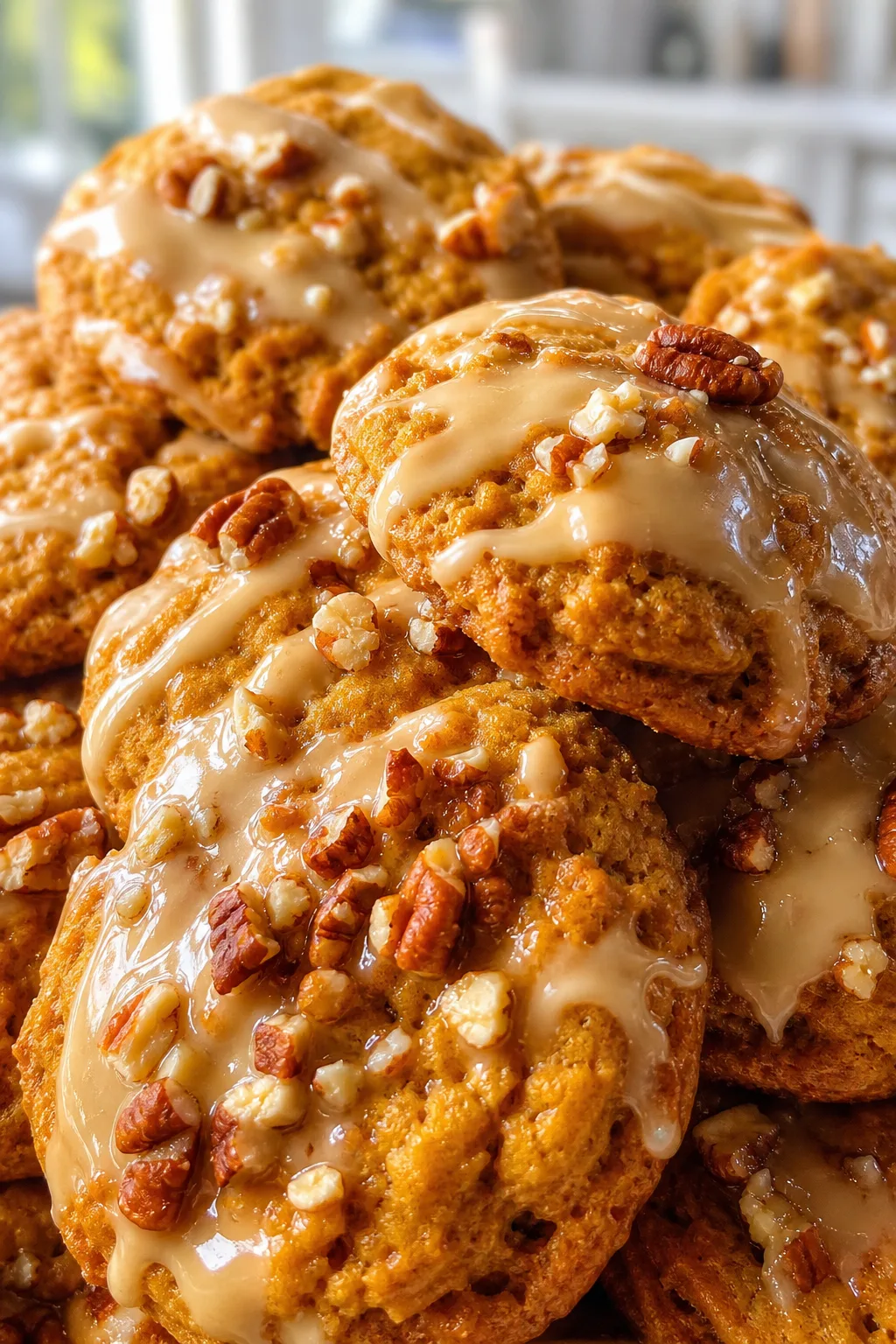
This diabetes-friendly cake is a sweet treat that won’t spike your blood sugar. Using almond flour and natural sweeteners keeps it moist and flavorful. Perfect for a guilt-free dessert or afternoon snack!
Introduction
I first started experimenting with diabetes-friendly cakes after my dad was diagnosed with type 2 diabetes. Finding desserts that didn’t send his blood sugar soaring was a real challenge. Over time, I discovered that swapping traditional flour for almond and coconut flours, and using erythritol instead of sugar, made all the difference. This cake recipe is one I’ve perfected after several attempts — I remember the first batch was a little dry, but adding apple cider vinegar and almond milk really helped keep it moist and tender. The trick is balancing the dry and wet ingredients so the cake rises nicely without the heaviness of regular flour. The result is a soft, flavorful cake that feels indulgent but won’t sabotage your blood sugar. I love serving it with fresh berries or a dollop of Greek yogurt. It’s become a favorite in our family, especially for weekend treats or special occasions when you want something sweet but still healthy.
What You'll Need
One 8-inch round cake, 8 servings
- 2 cups almond flour, finely ground
- 1/4 cup coconut flour
- 1/2 cup erythritol or preferred sugar substitute
- 1 tsp baking powder
- 1/2 tsp baking soda
- 1/4 tsp salt
- 3 large eggs, room temperature
- 1/3 cup unsweetened almond milk
- 1/4 cup melted coconut oil
- 1 tsp vanilla extract
- 1 tbsp apple cider vinegar
How To Do It
Step 1
Preheat your oven to 350°F (175°C). Grease an 8-inch round cake pan and line the bottom with parchment paper to prevent sticking. This step ensures your cake releases easily after baking, preventing tears or crumbling. Using parchment also helps with even cooking by insulating the bottom slightly, avoiding over-browning.
⏱ Time: 10 minutes
✓ Doneness: Pan is evenly greased, parchment paper lies flat without wrinkles
Step 2
In a large bowl, whisk together almond flour, coconut flour, erythritol, baking powder, baking soda, and salt. Mixing these dry ingredients thoroughly helps distribute the leavening agents evenly, which is key to a uniform rise. Coconut flour absorbs moisture differently than regular flour, so precise measuring here is important to avoid a dry cake.
⏱ Time: 5 minutes
✓ Doneness: Dry mixture is well combined with no lumps
Step 3
In a separate bowl, beat the eggs lightly then add almond milk, melted coconut oil, vanilla extract, and apple cider vinegar. Whisk until smooth. The apple cider vinegar reacts with the baking soda to create bubbles that help the cake rise and stay fluffy. Make sure the coconut oil is not too hot or it could cook the eggs prematurely.
⏱ Time: 5 minutes
✓ Doneness: Wet ingredients are fully combined and smooth
Step 4
Slowly pour the wet ingredients into the dry ingredients while stirring gently with a spatula. Mix just until combined — overmixing can make the cake dense and tough. The batter should be thick but spreadable. If it feels too dry, add a tablespoon more almond milk.
⏱ Time: 3 minutes
✓ Doneness: Batter is uniform with no streaks of flour
Step 5
Pour the batter into your prepared pan and smooth the top with a spatula. Tap the pan gently on the counter to release any air bubbles trapped inside. This helps prevent holes or tunnels in the finished cake and ensures an even crumb.
⏱ Time: 2 minutes
✓ Doneness: Batter evenly spread and surface smooth
Step 6
Bake in the preheated oven for 35-40 minutes. Check doneness by inserting a toothpick in the center — it should come out clean or with a few moist crumbs. Avoid opening the oven door too often, as temperature drops can cause the cake to sink.
⏱ Time: 35-40 minutes
✓ Doneness: Golden brown top with a toothpick coming out clean
Step 7
Let the cake cool in the pan for 15 minutes before turning out onto a wire rack. Cooling in the pan allows the structure to set, reducing the chance of breaking. After transferring, let it cool completely before slicing to get clean edges.
⏱ Time: 15 minutes
✓ Doneness: Cake slightly firm and pulling away from pan edges
Step 8
Once cooled, you can frost with a sugar-free cream cheese frosting or enjoy plain with fresh berries. If frosting, spread gently to avoid tearing the crumb. The mild almond flavor pairs well with lemon or vanilla frosting.
⏱ Time: 10 minutes
✓ Doneness: Frosting smooth and evenly spread
Step 9
Store leftover cake in an airtight container at room temperature for up to 2 days or refrigerate for longer freshness. Bring to room temperature before serving for best texture and flavor.
⏱ Time: N/A
✓ Doneness: Cake maintains moisture and softness after storage
Pro Tips
Always measure almond and coconut flours by weight if possible.
Measuring by weight ensures accuracy because these flours vary in density. Too much flour makes the cake dry and crumbly, while too little makes it dense and wet. Precision helps maintain the perfect crumb and texture.
Don’t overmix the batter once wet and dry ingredients combine.
Overmixing develops the small amount of gluten present and can cause a dense, tough cake. Gentle folding keeps the crumb light and tender, which is crucial in gluten-free baking.
Use room temperature eggs and liquids.
Cold ingredients can cause the coconut oil to solidify prematurely, leading to uneven texture and clumps. Room temperature ingredients blend more smoothly for a consistent batter.
Let the cake cool completely before slicing.
Cooling allows the structure to set fully, preventing crumbly or sticky slices. It also improves flavor as the ingredients meld together.
Add a teaspoon of cinnamon or nutmeg for extra flavor.
Warm spices complement the nutty almond flour and add complexity without affecting blood sugar. They also add antioxidant benefits.
If you want a sweeter cake, add a bit more erythritol but don’t exceed 3/4 cup total.
Too much sweetener can affect texture and cause a cooling sensation in the mouth. Balancing sweetness keeps the cake pleasant and natural tasting.
Line your pan with parchment paper for easy cake removal.
This prevents sticking and tearing, helping the cake keep its shape and look more presentable.
Common Mistakes to Avoid
Using too much coconut flour
Why it happens Because coconut flour is highly absorbent, cooks unfamiliar with it often add it like regular flour, resulting in a dry, crumbly cake.
Fix Measure carefully and balance with moist ingredients like eggs and oil. If the batter feels too thick, add a tablespoon of almond milk at a time until it’s spreadable.
Skipping the apple cider vinegar
Why it happens Some might omit it thinking it’s optional, but it’s key for leavening in this recipe.
Fix Always include the vinegar to activate baking soda, which helps the cake rise and become fluffy.
Overbaking the cake
Why it happens Waiting too long to check doneness can dry out the cake, especially with gluten-free flours.
Fix Start checking at 35 minutes with a toothpick. Remove the cake as soon as it comes out clean or with moist crumbs.
Mixing wet and dry ingredients too vigorously
Why it happens Some think more mixing means better blending, but it can develop toughness.
Fix Fold gently just until combined to keep the crumb tender.
Not letting the cake cool before slicing
Why it happens Impatience leads to cutting warm cake, causing it to crumble.
Fix Allow at least 30 minutes cooling on a rack so the cake firms up for clean slices.
Variations
Lemon Poppy Seed Diabetes-Friendly Cake
Add 2 tablespoons of poppy seeds and the zest of one lemon to the batter for a fresh citrus twist. This variation brightens the flavor and adds a little crunch without extra carbs.
Note: The lemon zest adds moisture and acidity, so keep the vinegar amount the same to maintain rise.
Chocolate Chip Low-Carb Cake
Fold in 1/3 cup sugar-free dark chocolate chips before baking. This adds a rich chocolate flavor that pairs beautifully with the almond flour base.
Note: Use chips that don’t melt too quickly to avoid spreading too much in batter.
Spiced Pumpkin Diabetes Cake
Replace half the almond milk with canned pumpkin puree and add 1 teaspoon pumpkin pie spice. This gives a moist, fall-inspired cake perfect for seasonal treats.
Note: Pumpkin adds moisture, so reduce almond milk slightly to keep batter consistency.
Berry Swirl Cake
Gently swirl in 1/2 cup pureed berries into the batter before baking. This adds natural sweetness and a pretty marbled effect without raising sugar.
Note: Use thick berry puree to avoid thinning the batter too much.
Vanilla Chia Seed Cake
Mix 2 tablespoons of chia seeds into the dry ingredients for extra fiber and texture. The seeds add a subtle crunch and nutritional boost.
Note: Chia seeds absorb moisture, so add a splash more almond milk if batter feels too stiff.
Nutrition
Per Serving:
Nutritional values are estimates and may vary based on specific ingredients used.
Storage & Tips
Room Temperature
Store the cake covered loosely with a cake dome or plastic wrap at room temperature for up to 2 days. Avoid direct sunlight or heat sources to prevent drying out. The cake stays moist but may firm up slightly.
Refrigerator
Keep leftovers in an airtight container in the fridge for up to 5 days. The cake may become denser and less tender when chilled; bring to room temperature before serving or warm gently in the microwave for 10-15 seconds.
Freezer
Wrap the cake tightly in plastic wrap and then foil to prevent freezer burn. Freeze for up to 3 months. Thaw overnight in the fridge and then bring to room temperature before serving for best texture.
Reheating
Reheat slices in the microwave for 15-20 seconds or warm in a 300°F oven for 5-7 minutes. Avoid overheating to prevent drying. Adding a small dab of butter or a splash of almond milk before warming can help maintain moisture.
Make Ahead
You can prepare the dry ingredients up to 2 days ahead and store in an airtight container. Mix wet ingredients fresh before baking. Alternatively, bake the cake a day ahead and store wrapped tightly to let flavors meld.
FAQ
Can I substitute almond flour with regular flour in this recipe?
Regular wheat flour can be used, but it will increase the carb content significantly, which is not ideal for diabetes management. Also, the texture and moisture will change, often resulting in a less tender cake. If you do substitute, use about 1 1/4 cups of all-purpose flour and reduce coconut flour to 2 tablespoons, then adjust liquids as needed.
What if I don’t have erythritol? Can I use another sweetener?
You can substitute with other low-glycemic sweeteners like monk fruit or stevia blends, but be careful with amounts as some are sweeter than erythritol. Avoid sugar or honey as they will raise blood sugar and affect the recipe’s chemistry and texture.
Why is the apple cider vinegar important in this cake?
It reacts with baking soda to produce carbon dioxide gas, which helps the cake rise and gives it a light texture. Without it, the cake may be dense and flat. The vinegar also tenderizes the crumb slightly.
How can I make this cake vegan?
You can try replacing eggs with flax eggs (1 tbsp ground flax + 3 tbsp water per egg), but the texture will be different and less fluffy. Also, ensure your sweetener and other ingredients are vegan-friendly.
Can I freeze leftover cake slices?
Yes, wrap slices tightly in plastic wrap and foil to prevent freezer burn. Freeze up to 3 months. Thaw in the fridge overnight and warm gently before serving for best results.
My cake turned out dry. What went wrong?
Dryness often happens if too much coconut flour is used or the cake is overbaked. Measure flours carefully and check the cake starting at 35 minutes. Also, ensure wet ingredients are at room temperature for better mixing.
Is this cake safe for all diabetics?
While it’s designed to be low glycemic and diabetes-friendly, individual responses vary. Always monitor blood sugar after trying new recipes and consult your healthcare provider if unsure.
Can I add nuts or seeds to this cake?
Yes, adding chopped nuts or seeds can add texture and nutrition. Just fold them in gently before baking. Keep portions moderate to avoid altering the cake’s structure.
Final Thoughts
I hope you enjoy baking and sharing this diabetes-friendly cake as much as my family does. Give it a try and let me know how it turns out!