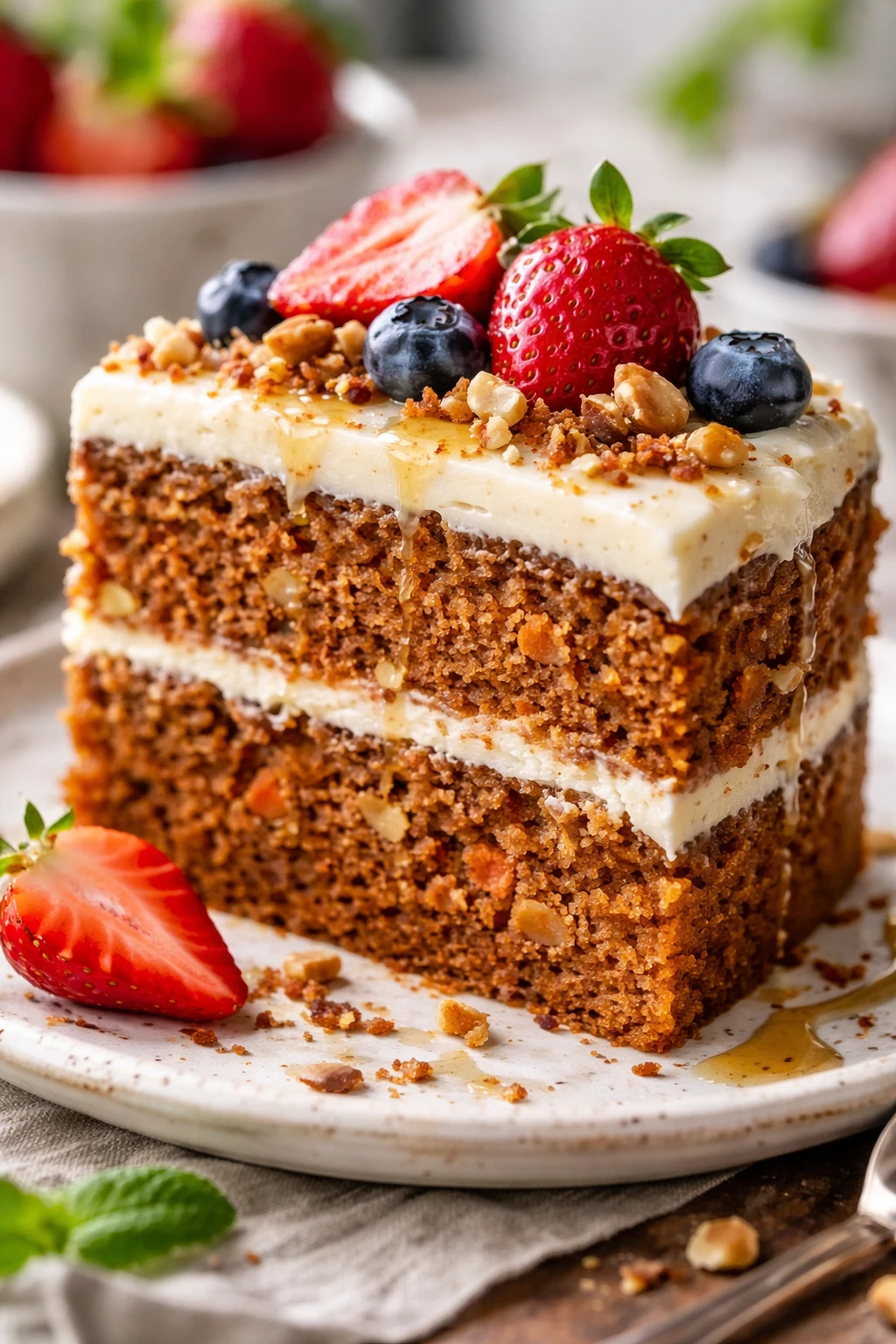
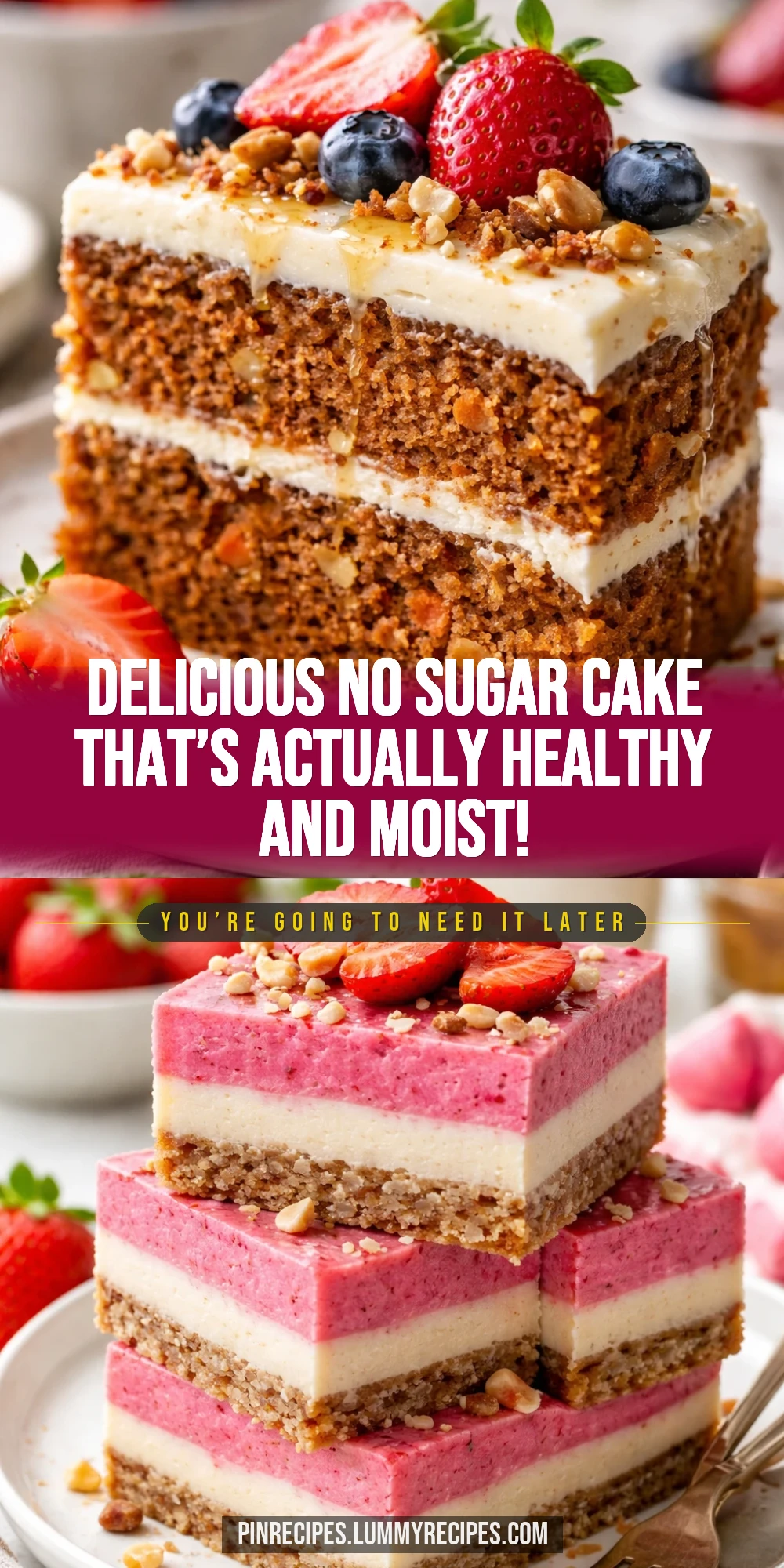
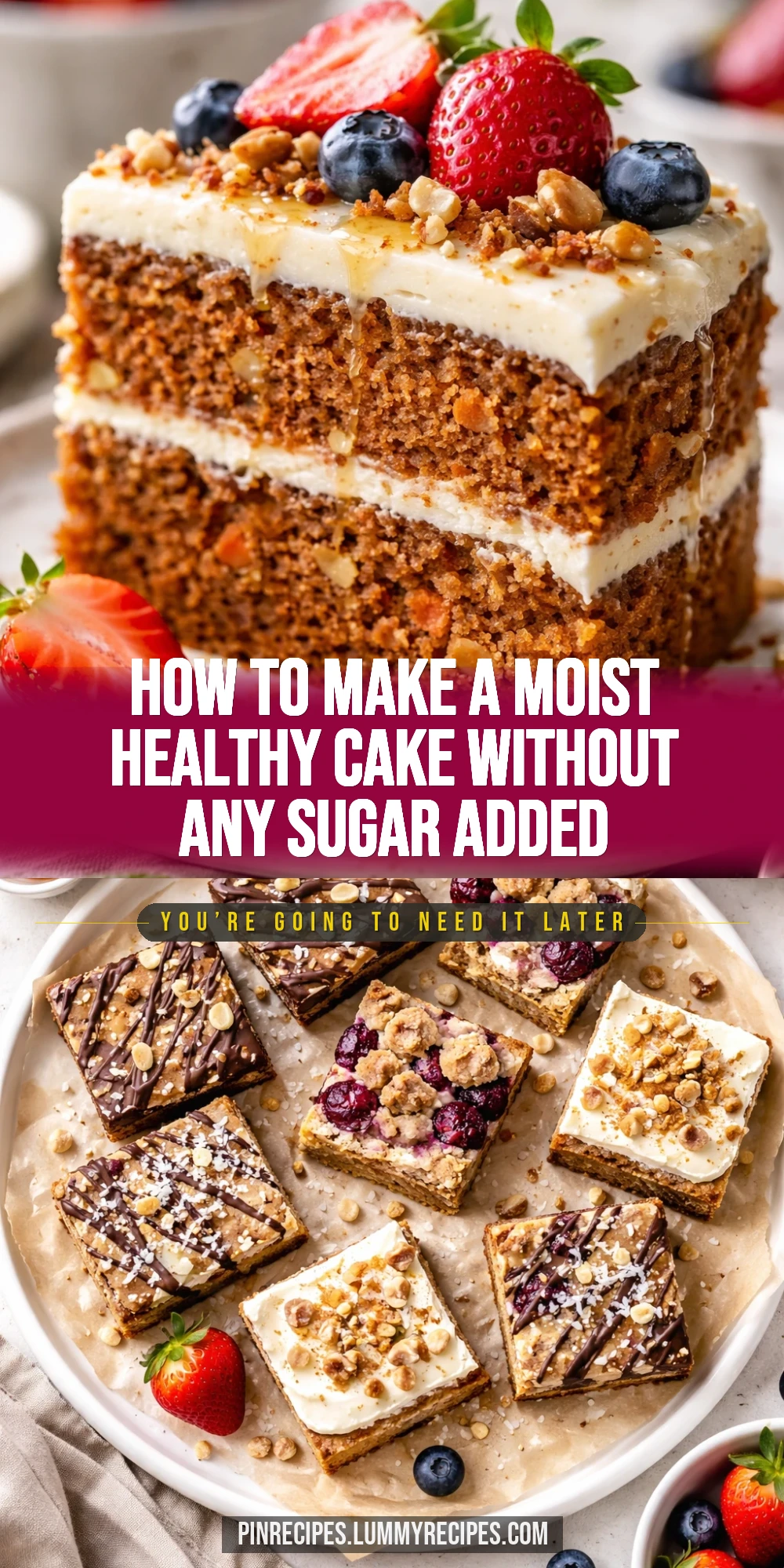
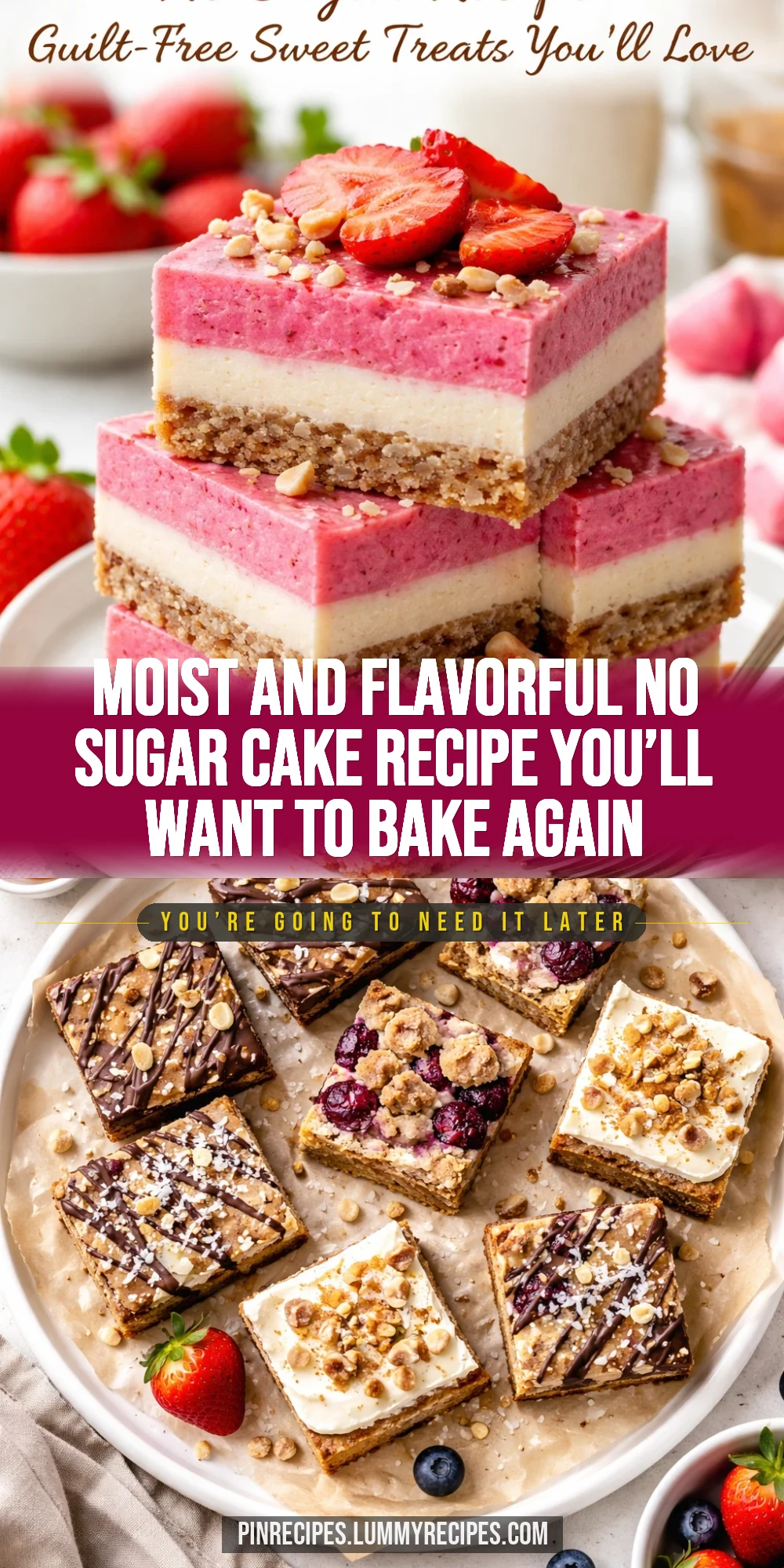
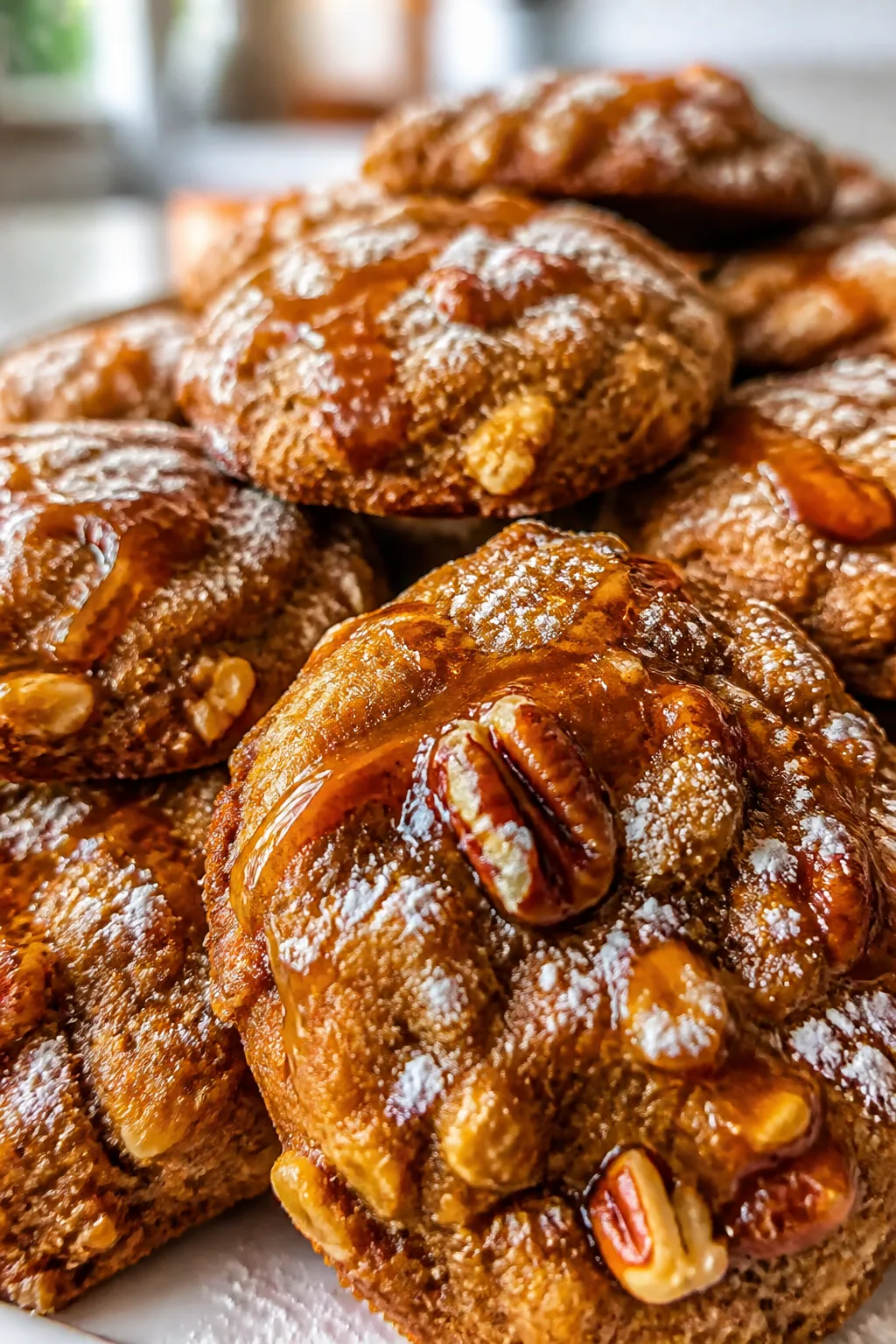
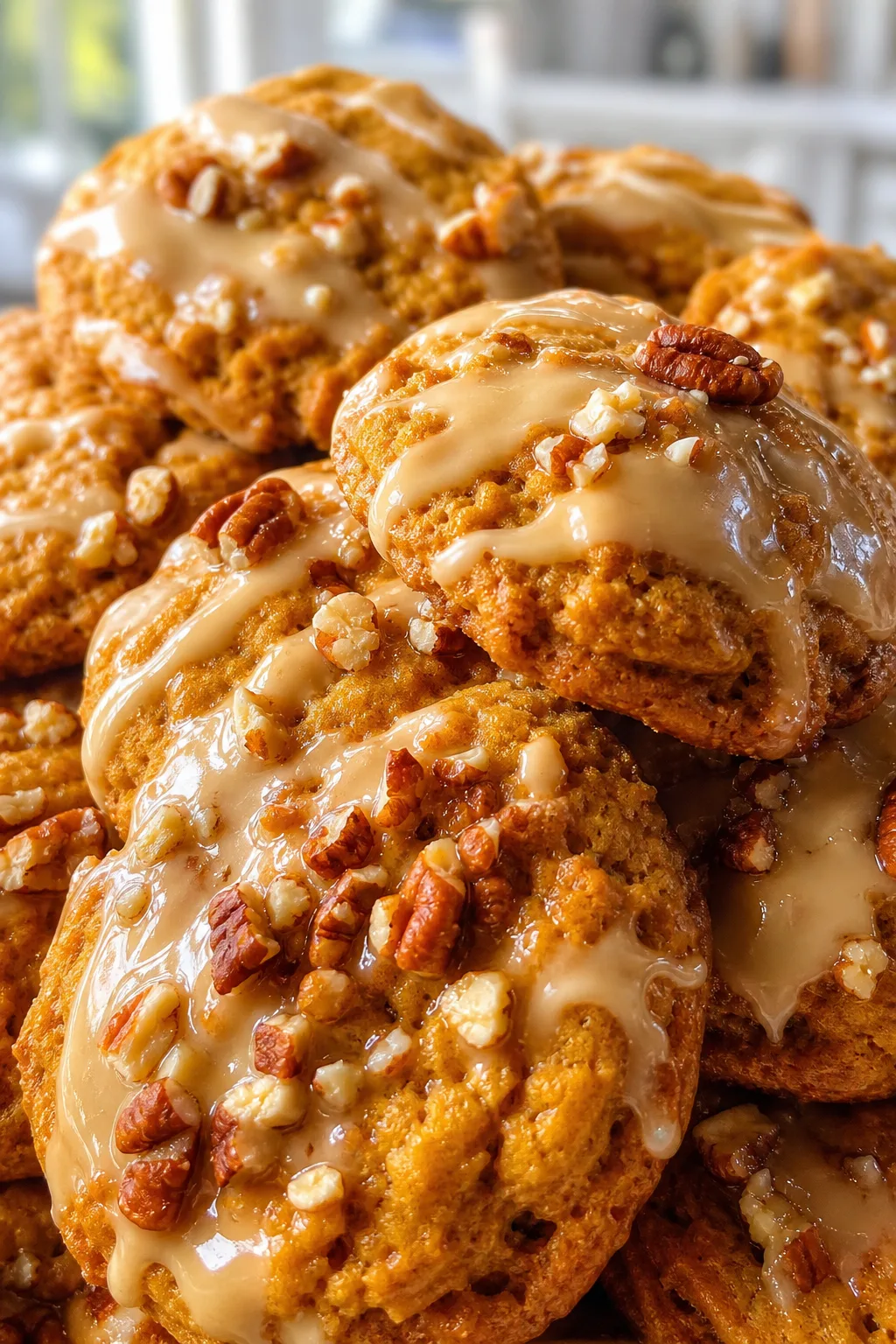
This no sugar cake recipe is perfect for anyone craving dessert without the guilt. Using natural sweeteners and wholesome ingredients, it’s moist and flavorful. Great for afternoon tea or a healthy celebration treat!
Introduction
I first tried making a no sugar cake a few years ago when a close friend was trying to cut back on sugar for health reasons. I wanted to create something sweet and satisfying without relying on refined sugar or artificial sweeteners. After several attempts, I stumbled on this version that uses ripe bananas and unsweetened applesauce to naturally sweeten the cake, keeping it moist and tender without any bitter aftertaste. What makes this recipe different is the balance of whole wheat flour for a hearty texture combined with Greek yogurt and coconut oil to keep it rich and soft. The cinnamon adds a warm depth of flavor that makes it feel like a cozy treat, not just a "healthy" cake. I love how easy it is to throw together with pantry staples, and it works great for breakfast, dessert, or a snack. Plus, it’s perfect for anyone watching their sugar intake but still craving something delicious. I’ve made this cake for family gatherings and always get compliments — no one even guesses it’s sugar-free! The trick I learned is to use ripe bananas and applesauce to add moisture and sweetness naturally, which really keeps the cake from drying out. When you bake it, you’ll notice a lovely golden crust and a tender crumb inside that’s just perfect. I hope you enjoy making it as much as I do!
What You'll Need
One 9-inch cake, 8 servings
- 2 cups whole wheat flour, sifted
- 1 teaspoon baking soda
- 1/2 teaspoon baking powder
- 1/4 teaspoon salt
- 1 teaspoon ground cinnamon
- 1/2 cup unsweetened applesauce
- 1/2 cup mashed ripe banana (about 1 large banana)
- 1/4 cup plain Greek yogurt
- 1/4 cup coconut oil, melted
- 1 teaspoon vanilla extract
- 1/2 cup chopped walnuts (optional)
- 1/2 cup unsweetened almond milk
How To Do It
Step 1
Preheat your oven to 350°F (175°C) and grease a 9-inch round cake pan lightly with coconut oil or line it with parchment paper. This step ensures your cake will release easily after baking without sticking. Proper oven temperature is key here – too hot, and the cake can brown too fast on the outside while staying raw inside; too low, and it won’t rise properly. Letting the pan warm up with the oven also helps the batter start baking immediately, giving a nice even texture.
⏱ Time: 10 minutes
✓ Doneness: Pan is evenly greased or parchment is fully fitted with no wrinkles
Step 2
In a large mixing bowl, whisk together the whole wheat flour, baking soda, baking powder, salt, and cinnamon until evenly combined. This dry mix is important because it distributes the leavening agents and spices uniformly, which helps the cake rise well and develop consistent flavor. Take care to sift or stir well to avoid clumps of baking soda or powder, which can cause uneven texture or bitter spots in the cake.
⏱ Time: 5 minutes
✓ Doneness: Dry ingredients look smooth and well mixed with no lumps
Step 3
In a separate bowl, combine the unsweetened applesauce, mashed banana, Greek yogurt, melted coconut oil, vanilla extract, and almond milk. Stir gently until smooth and creamy. This wet mixture provides moisture and natural sweetness. The bananas and applesauce act as sugar substitutes, while the yogurt adds richness and helps tenderize the crumb. Mixing these ingredients thoroughly but gently is key to avoid overworking the batter, which can make the cake tough.
⏱ Time: 5 minutes
✓ Doneness: Wet ingredients are fully blended into a smooth, creamy batter
Step 4
Slowly pour the wet ingredients into the dry ingredients and fold together using a spatula or wooden spoon. Mix just until combined — it’s okay if a few flour streaks remain. Overmixing develops gluten in the whole wheat flour, which can make the cake dense and chewy rather than light and tender. Folding gently also helps preserve air bubbles that will help the cake rise during baking.
⏱ Time: 3 minutes
✓ Doneness: Batter is uniform in color with no large pockets of flour
Step 5
If you’re using walnuts, fold them in now. They add a nice crunch and earthy flavor that complements the sweetness well. Be sure to fold gently to avoid breaking the nuts too much. If you prefer, you can substitute with chopped pecans or leave them out entirely for a nut-free option.
⏱ Time: 2 minutes
✓ Doneness: Nuts are evenly distributed through the batter
Step 6
Pour the batter into the prepared cake pan and spread it evenly with a spatula. Tap the pan gently on the counter to release any large air bubbles that might cause holes or uneven texture in the cake. This step helps create a uniform crumb and prevents large holes from forming after baking.
⏱ Time: 3 minutes
✓ Doneness: Batter surface is smooth and level in the pan
Step 7
Bake the cake in the preheated oven for 30-35 minutes. Start checking at 30 minutes by inserting a toothpick into the center. If it comes out clean or with just a few moist crumbs, the cake is done. Avoid overbaking as it will dry out the cake. The edges should pull slightly away from the pan and the top should be golden brown.
⏱ Time: 30-35 minutes
✓ Doneness: Toothpick inserted in center comes out clean or with moist crumbs
Step 8
Remove the cake from the oven and let it cool in the pan for 10 minutes. Cooling slightly allows the cake to set and makes it easier to remove from the pan without breaking. If you try to unmold it while piping hot, it might crumble or stick.
⏱ Time: 10 minutes
✓ Doneness: Cake feels firm to the touch but still warm
Step 9
Run a knife around the edges of the pan to loosen the cake, then invert it onto a wire rack to cool completely. Cooling fully prevents sogginess and lets the crumb finish setting. Once cool, you can slice and serve or store it in an airtight container.
⏱ Time: 30 minutes
✓ Doneness: Cake is fully cooled and firm enough to slice cleanly
Pro Tips
Always use ripe bananas for natural sweetness.
The riper the banana, the higher the sugar content and softer texture, which helps sweeten the cake naturally and keeps the crumb moist. Using underripe bananas will result in less sweetness and a drier texture.
Don’t overmix the batter once you combine wet and dry ingredients.
Overmixing develops gluten in the whole wheat flour, leading to a tougher, denser cake. Folding gently until just combined preserves air bubbles and ensures a tender crumb.
Use room temperature ingredients for even mixing.
Cold ingredients can cause the batter to curdle or mix unevenly, affecting texture. Room temperature ingredients emulsify better, resulting in a smooth, uniform batter and consistent baking.
Line the cake pan with parchment paper for easy removal.
This prevents sticking and reduces the risk of the cake breaking when you remove it. Greasing alone sometimes isn’t enough, especially with whole wheat cakes that tend to stick more.
Check the cake a few minutes before the minimum baking time.
Ovens vary, and baking too long dries out the cake. Insert a toothpick to test doneness early and avoid overbaking for a moist, tender result.
Add chopped nuts for texture and flavor contrast.
Nuts add crunch and richness, balancing the soft crumb and mild sweetness. They also introduce healthy fats and protein, making the cake more satisfying.
Cool the cake completely before slicing.
Cutting too soon can cause the cake to crumble or stick. Cooling allows the crumb to set and makes slicing cleaner and easier.
Common Mistakes to Avoid
Using underripe bananas.
Why it happens Many people grab bananas that are still firm and green, thinking they’ll taste better or hold shape.
Fix Wait until bananas are heavily speckled or almost black for maximum natural sweetness and softness. This ensures the cake is moist and sweet without added sugar.
Overmixing the batter.
Why it happens It’s tempting to mix thoroughly for a smooth batter, but this develops gluten.
Fix Mix just until the flour disappears and no large lumps remain. Use gentle folding motions to keep the crumb tender.
Skipping the cooling time before slicing.
Why it happens Impatience or not knowing the importance of cooling leads to crumbling.
Fix Allow the cake to cool at least 30 minutes on a wire rack to set the crumb and prevent breaking.
Not greasing or lining the pan properly.
Why it happens Assuming the cake won’t stick due to moisture content.
Fix Always grease well and line with parchment paper to ensure easy removal and keep the cake intact.
Baking at the wrong temperature.
Why it happens Oven temperature varies and some skip preheating.
Fix Preheat the oven fully to 350°F and use an oven thermometer if needed to ensure accurate temperature for even baking.
Variations
Gluten-Free No Sugar Cake
Swap whole wheat flour for a gluten-free blend that includes xanthan gum to mimic gluten’s structure. Expect a slightly different texture—more delicate but still moist and flavorful.
Note: Gluten-free flours absorb liquid differently; you may need to adjust almond milk slightly to get the right batter consistency.
Vegan No Sugar Cake
Replace Greek yogurt with coconut yogurt and use flaxseed meal mixed with water as an egg substitute. This keeps the cake moist and tender while making it fully plant-based.
Note: Flax eggs add binding but can slightly change texture, so mix just until combined to avoid heaviness.
Spiced No Sugar Carrot Cake
Add 1 cup grated carrots and a pinch of nutmeg to the batter for a fresh twist. The carrots add natural sweetness and moisture, making the cake even more luscious.
Note: Increase baking time by 5-7 minutes due to added moisture; test doneness with a toothpick.
No Sugar Chocolate Banana Cake
Stir in 1/4 cup unsweetened cocoa powder and 1/2 cup dark chocolate chips for a richer, chocolatey flavor without added sugar. Perfect for chocoholics seeking healthier options.
Note: Cocoa powder can dry the batter slightly; add an extra tablespoon of almond milk if needed.
No Sugar Lemon Poppy Seed Cake
Add the zest of one lemon and 1 tablespoon poppy seeds to the batter for a bright, fresh flavor. This variation is light and perfect for spring or summer gatherings.
Note: Lemon zest adds moisture and tang, so watch baking time carefully to avoid overbaking.
Nutrition
Per Serving:
Nutritional values are estimates and may vary based on specific ingredients used.
Storage & Tips
Room Temperature
Store the cake covered loosely with a cake dome or plate at room temperature for up to 2 days. This keeps it moist without drying out. Avoid leaving it uncovered as it will lose moisture quickly.
Refrigerator
Keep in an airtight container in the fridge for up to 5 days. The cake may firm up and taste less moist when cold, so bring to room temperature or warm slightly before serving to restore softness.
Freezer
Wrap the cooled cake tightly in plastic wrap and then foil to prevent freezer burn. Freeze for up to 3 months. Thaw overnight in the fridge or at room temperature. Reheat gently in the oven or microwave to regain freshness.
Reheating
Warm slices in a 300°F oven for 5-7 minutes or microwave for 20-30 seconds. Adding a small splash of almond milk before warming can help restore moisture. Avoid overheating as it can dry out the cake.
Make Ahead
You can prepare the batter 1 day ahead and keep it covered in the fridge. Bake fresh on the day you want to serve for best texture. Alternatively, bake the cake and freeze it, then thaw and reheat as needed.
FAQ
Can I substitute the whole wheat flour with all-purpose flour?
Yes, you can use all-purpose flour for a lighter texture, but the cake will lose some of its nuttiness and fiber content. The crumb will be softer and less dense. Adjust baking time slightly and watch for doneness.
What if I don’t have Greek yogurt? Can I use regular yogurt or sour cream?
Plain regular yogurt or sour cream can be used as substitutes, but Greek yogurt is thicker and helps create a denser, moister crumb. If using regular yogurt, reduce any added liquid slightly to maintain the right batter consistency.
Is this cake suitable for diabetics?
Since this recipe uses natural fruit sugars and no added refined sugar, it’s a better option for diabetics than traditional cakes. However, the natural sugars in bananas and applesauce can still affect blood sugar, so portion control and consulting a healthcare provider is recommended.
Can I add eggs to this recipe for extra structure?
The recipe is designed to be egg-free, relying on bananas and yogurt for binding. Adding eggs will change the texture, making it firmer and less dense. If you add eggs, reduce the yogurt slightly to keep moisture balanced.
How do I make this cake vegan?
Replace Greek yogurt with coconut or soy yogurt and substitute eggs (if you add them) with flax eggs (1 tbsp ground flaxseed + 3 tbsp water per egg). Use coconut oil or any plant-based oil to keep it vegan-friendly.
Why is my no sugar cake dry?
Dryness often comes from overbaking or using underripe bananas that don’t provide enough moisture. Make sure to bake just until a toothpick comes out clean and use ripe bananas and applesauce as moisture sources.
Can I freeze this cake?
Yes, this cake freezes well. Wrap it tightly in plastic wrap and foil to prevent freezer burn. Thaw overnight in the fridge and warm slightly before serving for best texture.
What can I use instead of coconut oil?
You can substitute melted butter or any neutral oil like canola or vegetable oil. Coconut oil adds a subtle flavor and richness, but other fats will work fine. Avoid using olive oil as it can impart a strong flavor.
Final Thoughts
I hope you enjoy this healthy no sugar cake as much as my family does! Give it a try and let me know how your baking turns out.