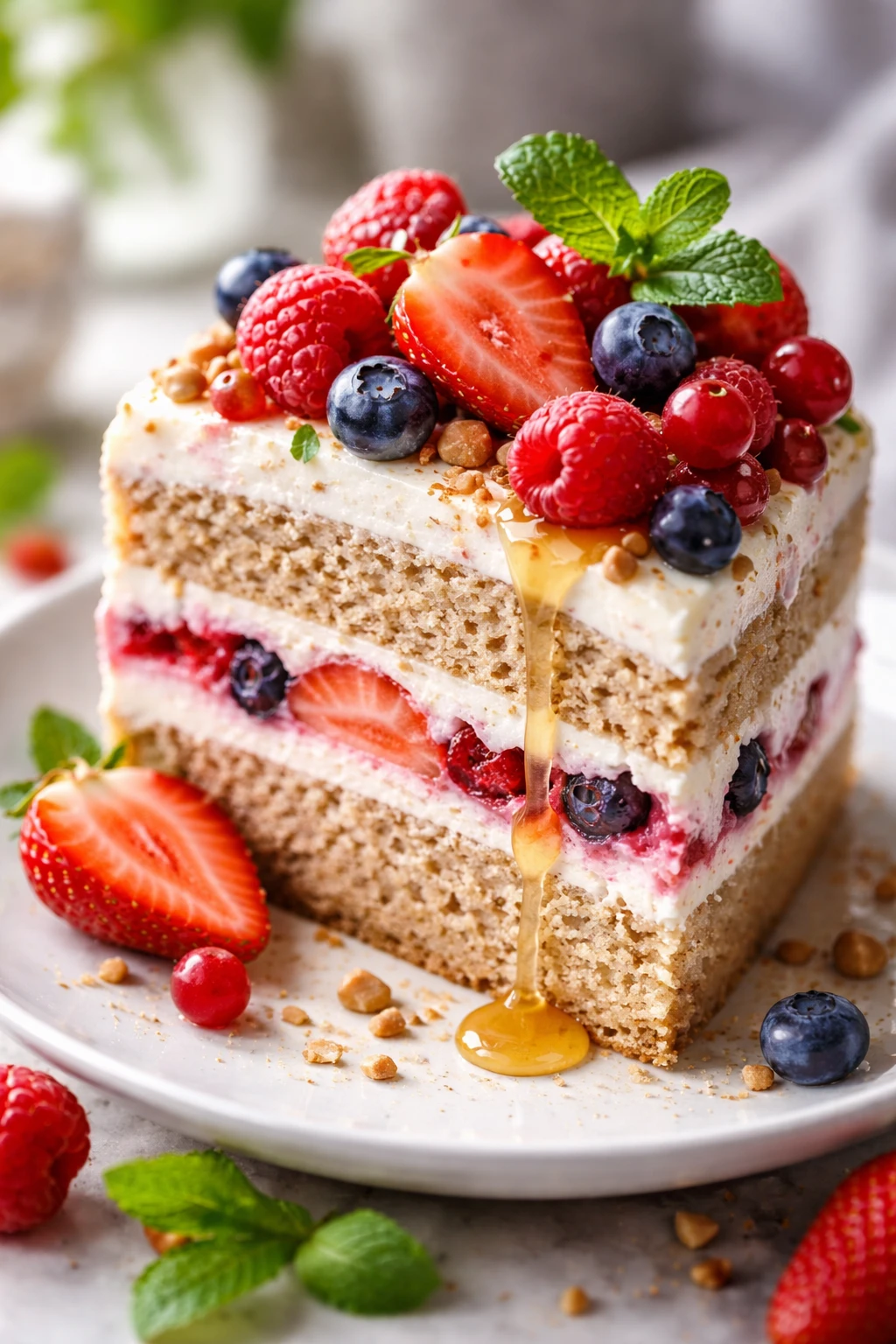
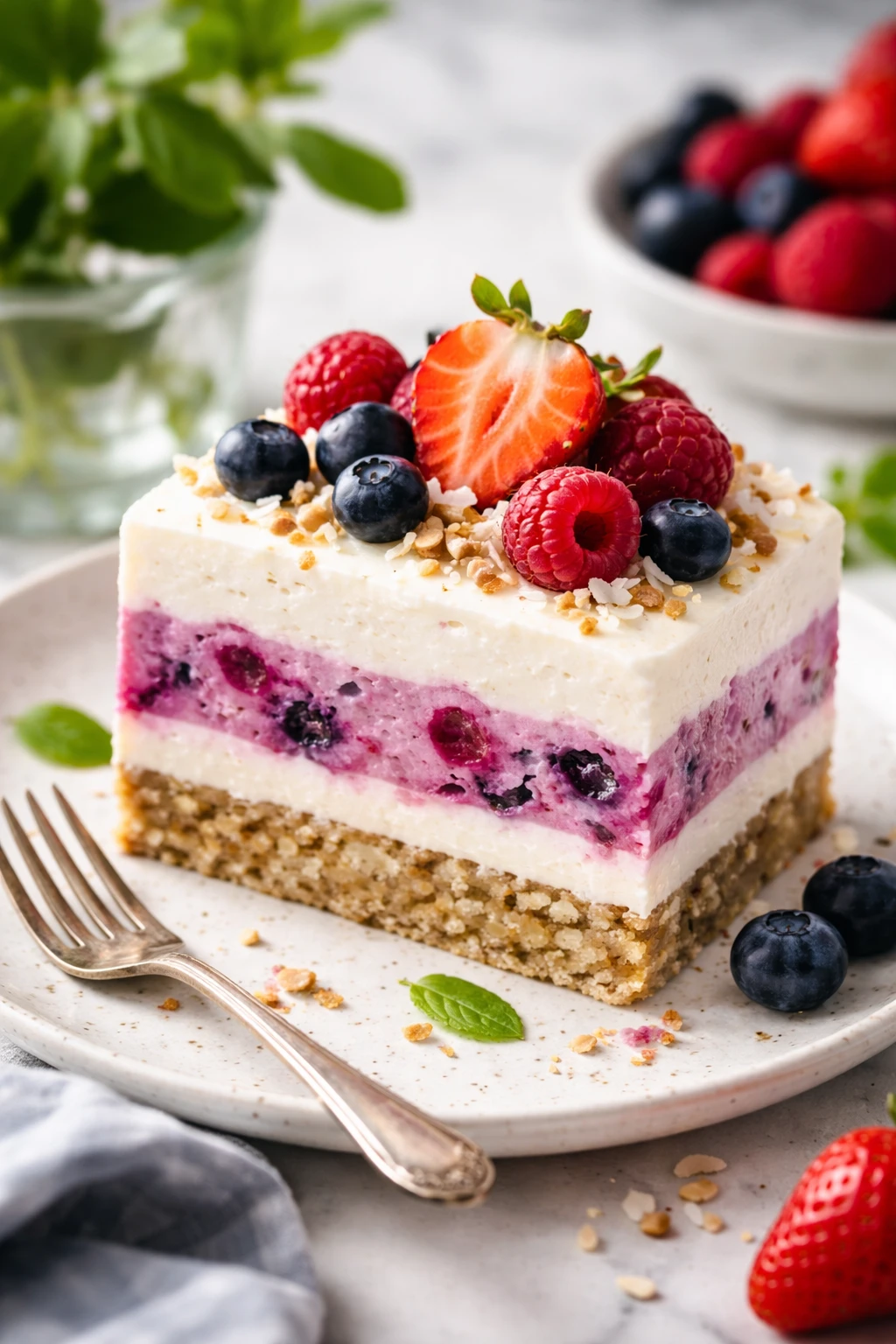
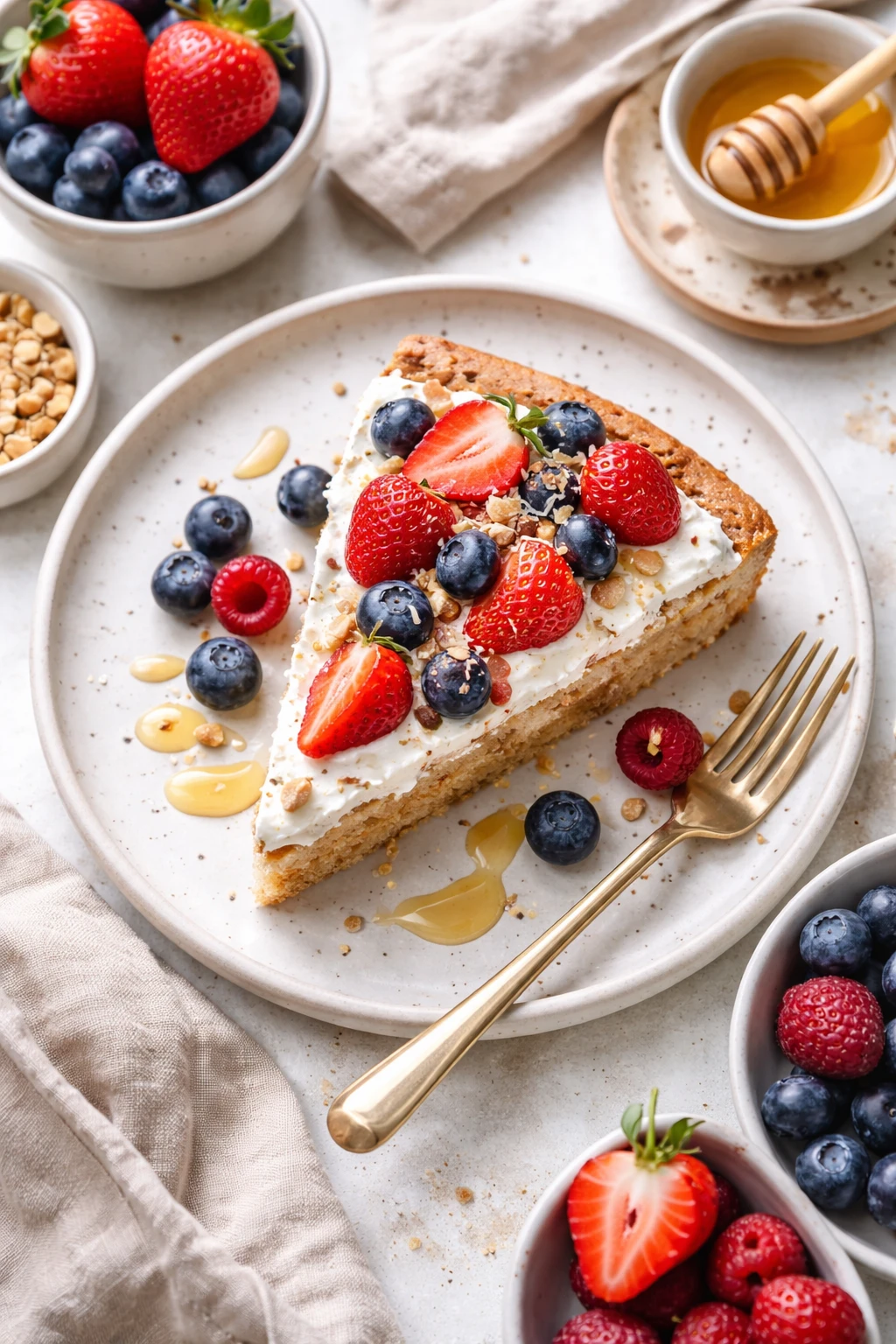
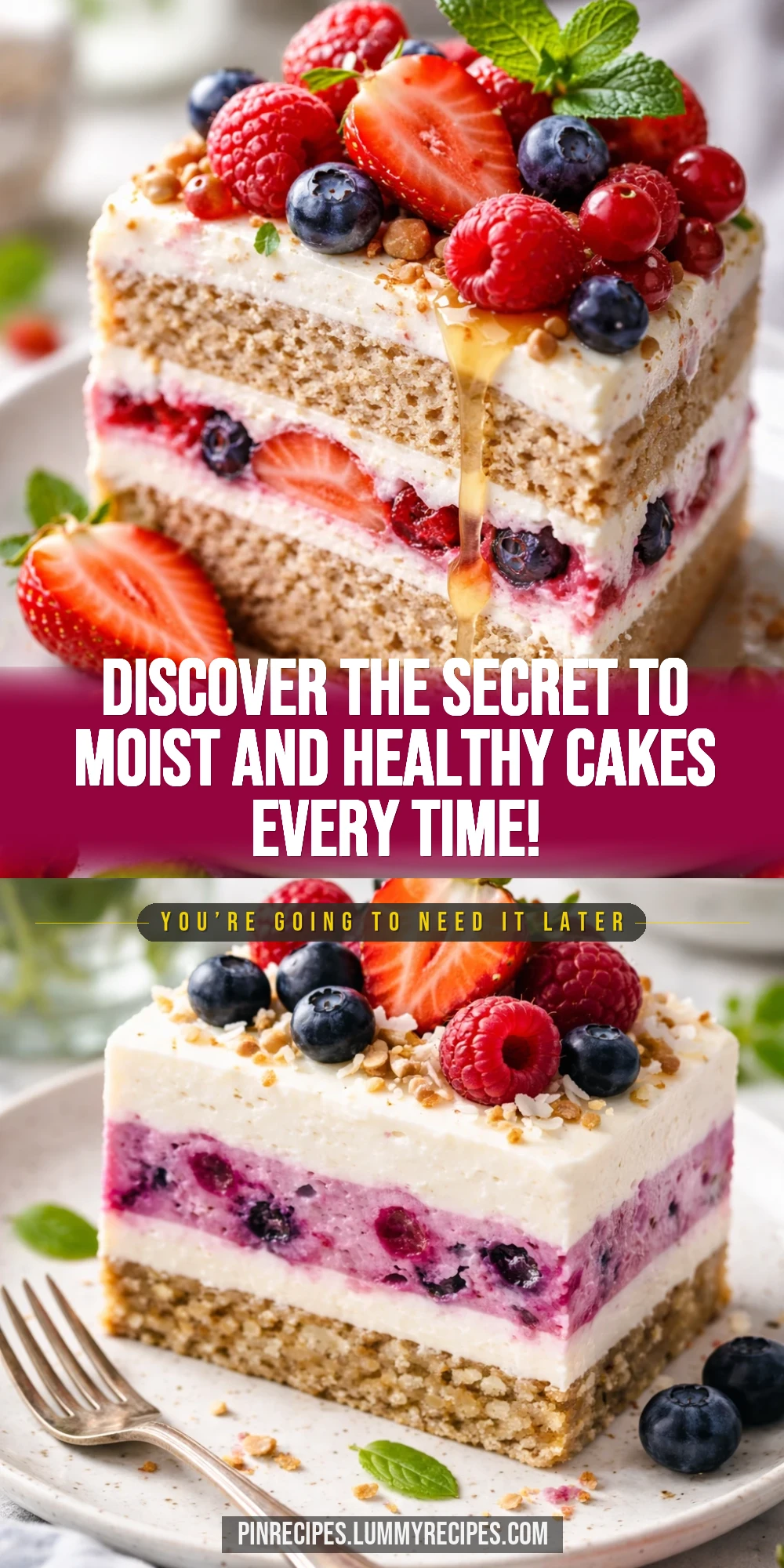
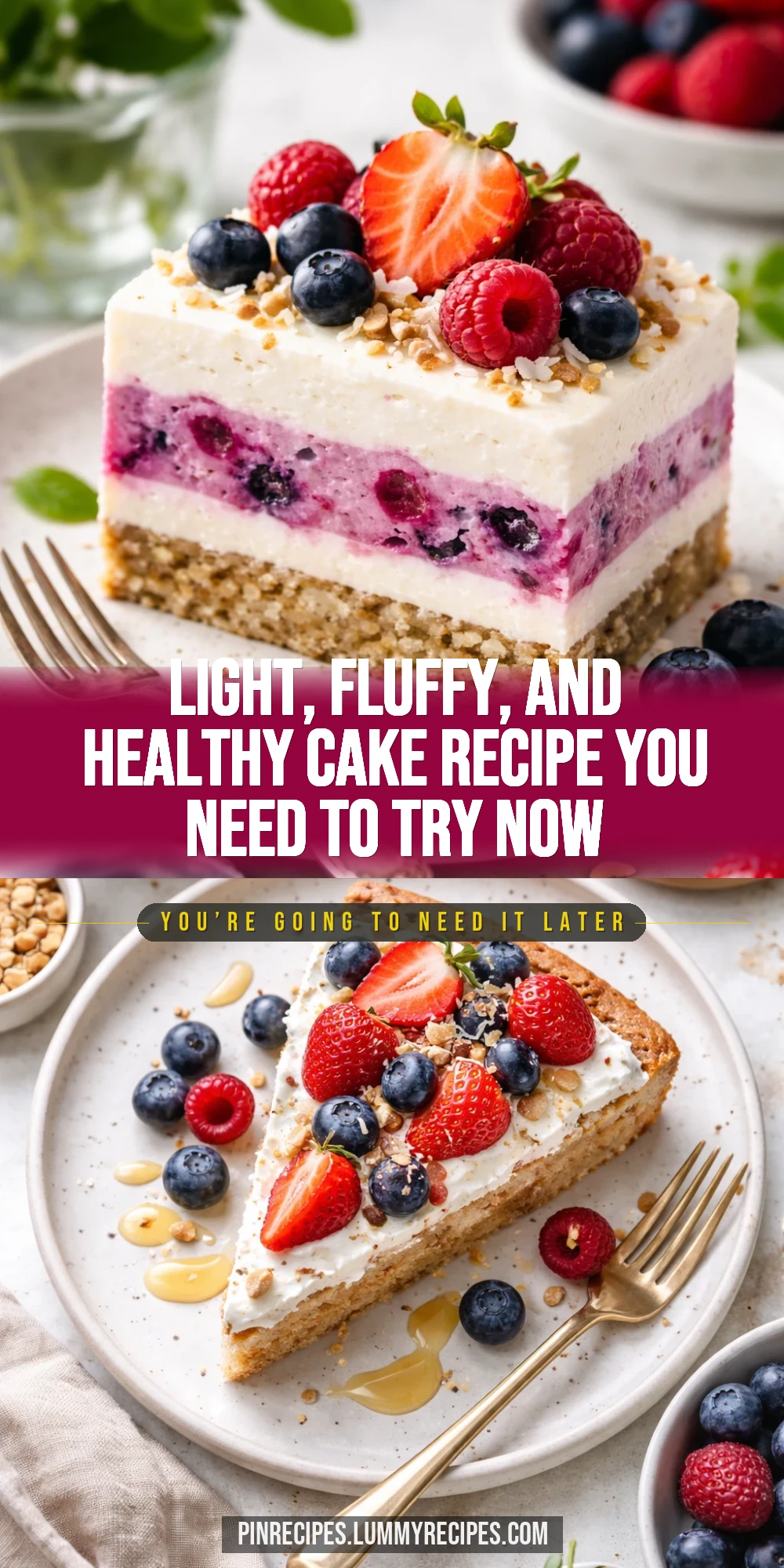
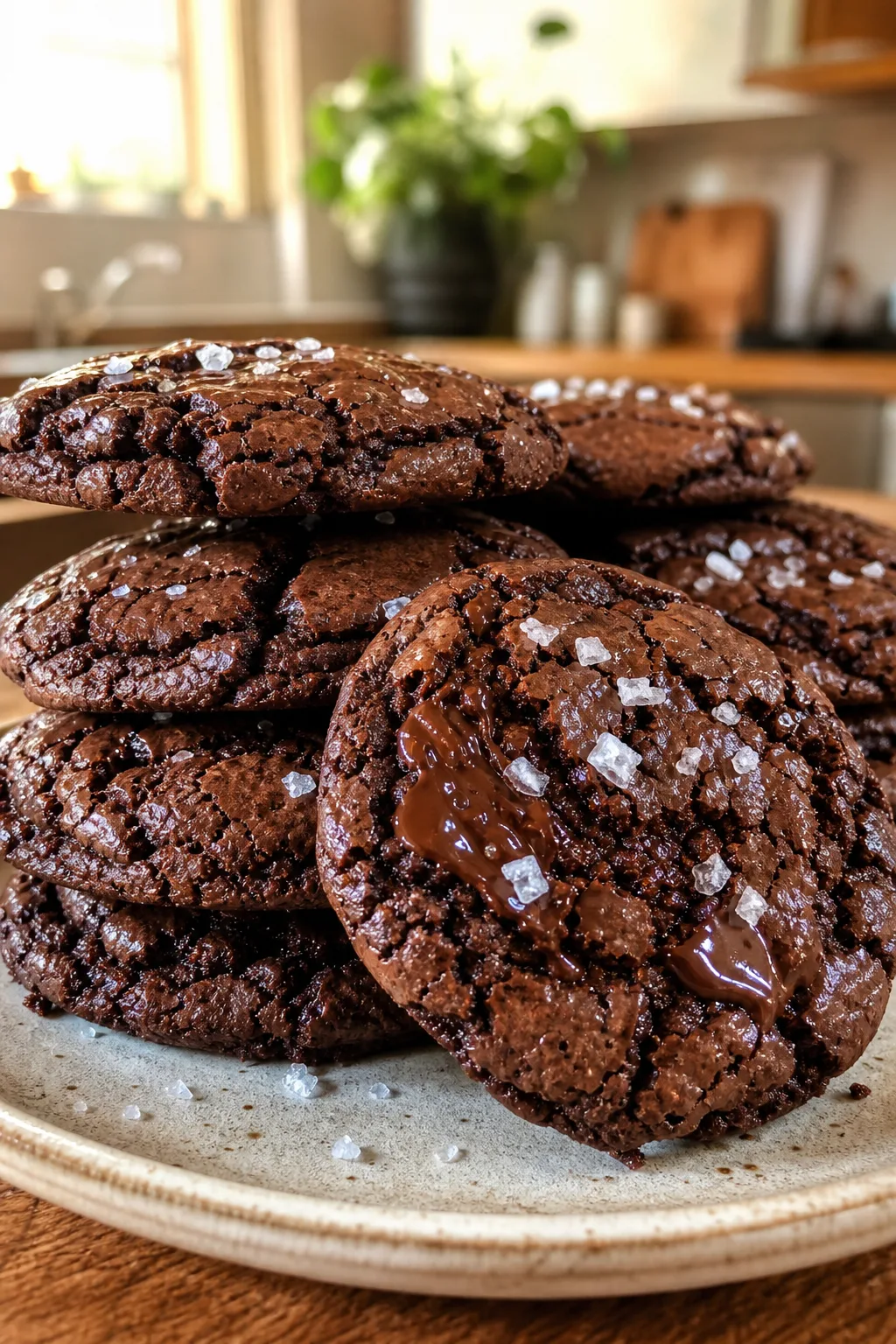
This healthy cake recipe is a total game-changer—light, moist, and packed with wholesome ingredients like almond flour and Greek yogurt. It’s perfect for when you want a treat without the guilt, great for afternoon tea or a weekend dessert.
Introduction
I stumbled upon this healthy cake recipe a few years ago when I wanted to bake something sweet but without all the usual sugar and refined flour. My first attempts were a bit dense and dry, which was disappointing, but after some trial and error, I discovered a few tricks that really make the difference. Using almond flour along with a bit of whole wheat flour adds a lovely nutty flavor and keeps the cake moist. Greek yogurt is my secret weapon here—it adds moisture and a slight tang that balances the sweetness perfectly. Plus, swapping traditional sugar for coconut sugar gives it a richer, caramel-like taste without the blood sugar spikes. The lemon zest adds a fresh brightness that makes this cake feel light and summery. It’s perfect for afternoon tea or a weekend treat when you want to indulge without the guilt. I love how this cake turns out tender and fluffy, with a delicate crumb that’s not too heavy. It’s become a favorite in my family, especially because it feels like a treat but is packed with wholesome ingredients. If you’ve ever struggled with healthy cakes that don’t quite hit the mark, give this one a try—you might just find your new go-to!
What You'll Need
One 9-inch round cake, 8 servings
- 1 1/2 cups almond flour, finely ground
- 1/2 cup whole wheat flour
- 1/2 cup coconut sugar
- 1 teaspoon baking powder
- 1/2 teaspoon baking soda
- 1/4 teaspoon salt
- 3 large eggs, room temperature
- 1/2 cup plain Greek yogurt
- 1/4 cup coconut oil, melted
- 1 teaspoon vanilla extract
- Zest of 1 lemon
- 1/4 cup unsweetened almond milk
How To Do It
Step 1
Preheat your oven to 350°F (175°C) and grease a 9-inch round cake pan or line it with parchment paper. This step is crucial because a properly prepared pan ensures your cake won’t stick and will bake evenly. Greasing also helps develop a nice crust on the edges, giving the cake a pleasant texture contrast. Avoid rushing this step or using too little oil, as it can cause the cake to tear when removing.
⏱ Time: 10 minutes
✓ Doneness: Pan is evenly greased or parchment paper is smoothly fitted without wrinkles
Step 2
In a large bowl, whisk together the almond flour, whole wheat flour, coconut sugar, baking powder, baking soda, and salt. Mixing the dry ingredients well distributes the leavening agents evenly, which helps the cake rise uniformly. If you skip thorough mixing here, you might end up with uneven pockets of baking soda or powder, leading to uneven texture or taste.
⏱ Time: 5 minutes
✓ Doneness: Dry ingredients are uniformly combined with no clumps or streaks
Step 3
In a separate bowl, beat the eggs lightly, then whisk in the Greek yogurt, melted coconut oil, vanilla extract, lemon zest, and almond milk. Combining the wet ingredients separately ensures they blend smoothly without overmixing the batter later. The yogurt adds moisture and a slight tang, while the lemon zest brightens the flavor. Make sure the coconut oil is not too hot to avoid cooking the eggs prematurely.
⏱ Time: 5 minutes
✓ Doneness: Wet ingredients are smooth and well combined, no lumps
Step 4
Slowly pour the wet ingredients into the dry ingredients while stirring gently with a spatula. Mix just until combined; overmixing can develop gluten in the whole wheat flour, making the cake dense and tough. The batter should be thick but smooth, with no large lumps of flour visible. Resist the urge to beat vigorously.
⏱ Time: 3 minutes
✓ Doneness: Batter is homogenous and thick, with no flour pockets
Step 5
Pour the batter into the prepared cake pan and smooth the top with a spatula. This ensures even rising and a nice flat surface for decoration later. Tap the pan gently on the counter to release any large air bubbles trapped inside, which can cause holes or uneven texture.
⏱ Time: 2 minutes
✓ Doneness: Batter surface is even and smooth, no visible air pockets
Step 6
Bake the cake in the preheated oven for about 30-35 minutes. Start checking at 30 minutes by inserting a toothpick into the center; it should come out clean or with a few moist crumbs. Baking too long will dry out the cake, while underbaking leaves it gummy. The cake should have a light golden color and spring back slightly when pressed.
⏱ Time: 30-35 minutes
✓ Doneness: Toothpick inserted in center comes out mostly clean; cake is golden and springs back
Step 7
Remove the cake from the oven and let it cool in the pan for 10 minutes. This resting period lets the structure set so the cake doesn’t fall apart when you remove it. Then, carefully run a knife around the edges and invert it onto a wire rack to cool completely. Cooling completely is important before frosting or slicing to avoid crumbling.
⏱ Time: 15 minutes
✓ Doneness: Cake releases easily from pan and is cool enough to handle
Step 8
If you want, frost the cake with a light cream cheese frosting or a simple dusting of powdered sugar. For a healthier option, try a Greek yogurt-based frosting with a touch of honey and vanilla. This adds moisture and a creamy texture without overwhelming the cake’s delicate flavors. Spread gently to avoid breaking the crumb.
⏱ Time: 10 minutes
✓ Doneness: Frosting is smooth and evenly spread without damaging the cake surface
Step 9
Slice the cake with a sharp knife, wiping the blade clean between cuts for neat slices. Serve at room temperature for the best flavor and texture. This cake pairs wonderfully with fresh berries or a cup of herbal tea. Enjoy your healthy treat guilt-free!
⏱ Time: 5 minutes
✓ Doneness: Slices are clean and hold shape well without crumbling
Pro Tips
Always use room temperature eggs and yogurt for better mixing.
Cold ingredients can cause the batter to seize or mix unevenly, leading to a dense cake. Room temperature ingredients blend smoothly, trapping air that helps the cake rise and stay light.
Measure almond flour by spooning it into the cup and leveling off.
Almond flour can compact easily, leading to too much flour and a dry cake. Lightly spooning and leveling ensures accurate measurement and a tender crumb.
Don’t overmix the batter once wet and dry ingredients are combined.
Overmixing develops gluten in the whole wheat flour, resulting in a tough, chewy texture. Mixing just until combined keeps the cake tender.
Use fresh baking powder and baking soda for best rise.
Old leavening agents lose potency, causing flat cakes. Fresh powders react properly with the acidic yogurt to create lift and fluffiness.
Let the cake cool completely before frosting.
Frosting a warm cake melts the frosting and can cause it to slide off, ruining the appearance and texture.
Add lemon zest last to preserve its bright aroma.
Zesting releases essential oils that can dissipate if mixed too early, reducing the fresh citrus flavor.
Tap the cake pan gently before baking to remove air bubbles.
Air bubbles can cause holes or uneven texture. This simple step helps create a uniform crumb.
Common Mistakes to Avoid
Using cold ingredients straight from the fridge.
Why it happens Many assume cold ingredients are fine and don’t realize temperature affects batter consistency and rise.
Fix Bring eggs and yogurt to room temperature before mixing. This helps ingredients combine smoothly and traps air for a lighter cake.
Overmixing the batter after adding wet ingredients.
Why it happens Eager cooks often think more mixing means better blending, but it actually toughens the cake.
Fix Mix just until the flour disappears. Stop as soon as the batter looks uniform to keep the cake tender.
Skipping the pan preparation step.
Why it happens Some think a nonstick pan alone is enough, but without greasing or lining, cakes can stick.
Fix Grease the pan well and use parchment paper to ensure easy removal and a nice crust.
Baking at too high a temperature.
Why it happens Rushing the bake to save time can cause the cake edges to burn and the inside to remain raw.
Fix Bake at 350°F and check doneness at 30 minutes to ensure even cooking and moisture retention.
Not measuring flours properly.
Why it happens Scooping flour directly with the measuring cup packs it too densely, leading to a dry cake.
Fix Spoon flour into your measuring cup and level it off with a knife for accuracy.
Variations
Vegan Version
Replace eggs with flax eggs (1 tbsp flaxseed meal + 3 tbsp water per egg) and use coconut yogurt instead of Greek yogurt. Swap coconut oil for vegan butter. Expect a slightly denser texture but still moist and flavorful.
Note: Flax eggs need time to gel before mixing; bake slightly longer and check doneness carefully.
Chocolate Healthy Cake
Add 1/3 cup unsweetened cocoa powder to the dry ingredients and fold in dark chocolate chips. This adds a rich chocolate flavor while keeping the cake moist and healthy.
Note: Reduce whole wheat flour slightly to accommodate cocoa powder; watch baking time as cocoa can dry the crumb.
Berry Swirl Cake
Fold fresh or frozen berries into the batter before baking for bursts of fruity flavor. Blueberries or raspberries work great and add natural sweetness.
Note: Toss berries in a little flour before folding to prevent sinking; bake a few minutes longer if using frozen berries.
Spiced Healthy Cake
Add 1 teaspoon cinnamon and 1/2 teaspoon ground ginger to the dry mix for a warm, cozy flavor perfect for fall. This variation pairs well with a cream cheese frosting.
Note: Spices intensify in the oven, so start with small amounts and adjust to taste.
Gluten-Free Version
Use only almond flour and add 1 teaspoon xanthan gum to help bind the cake. This keeps the cake tender but stable without gluten.
Note: Xanthan gum is essential here to mimic gluten’s structure; omit it and the cake may crumble.
Nutrition
Per Serving:
Nutritional values are estimates and may vary based on specific ingredients used.
Storage & Tips
Room Temperature
Keep the cake covered tightly with plastic wrap or in an airtight container at room temperature for up to 2 days. This prevents it from drying out while maintaining freshness.
Refrigerator
Store in an airtight container in the fridge for up to 5 days. The cake may firm up and lose some moisture; bring to room temperature before serving or warm gently in the microwave.
Freezer
Wrap the cooled cake tightly in plastic wrap and then foil, freeze for up to 3 months. Thaw overnight in the fridge, then bring to room temperature before eating to restore texture.
Reheating
Warm slices gently in the microwave for 15-20 seconds or in a low oven (300°F) for 10 minutes. Add a small splash of almond milk if the cake feels dry to refresh moisture.
Make Ahead
You can prepare the batter a day ahead and keep it covered in the fridge. Bake fresh the next day for best texture. Alternatively, bake the cake and freeze it unfrosted, then thaw and frost on the day of serving.
FAQ
Can I substitute almond flour with regular flour?
You can, but it will change the texture and flavor significantly. Almond flour adds moisture and a nutty taste that regular flour lacks. If substituting, use all-purpose flour but expect a denser, less moist cake and adjust liquid ingredients accordingly.
What if I don’t have coconut sugar?
You can substitute with brown sugar or maple sugar, but the flavor will be slightly different. Avoid white granulated sugar as it can make the cake less moist and less flavorful.
Can I make this cake dairy-free?
Ensure your yogurt substitute is thick to maintain moisture and structure.
How do I know when the cake is done?
Insert a toothpick in the center; it should come out clean or with a few moist crumbs. The cake should be golden and spring back lightly when pressed. Avoid opening the oven too early to prevent sinking.
Can I add frosting to this cake?
Absolutely! A light cream cheese or Greek yogurt-based frosting complements the cake well. Just make sure the cake is completely cooled before frosting to avoid melting.
Is it okay to use melted butter instead of coconut oil?
Yes, melted unsalted butter works fine and adds a richer flavor. Keep in mind it will add dairy and slightly change the texture, but the cake will still be moist and delicious.
Can I double the recipe for a larger cake?
You can, but bake in two pans or adjust baking time accordingly. Larger cakes take longer to bake, so check doneness with a toothpick and expect baking times to increase by 10-15 minutes.
What’s the best way to store leftover cake?
Store leftovers in an airtight container at room temperature for up to 2 days or in the fridge for up to 5 days. For longer storage, freeze wrapped tightly to prevent freezer burn.
Final Thoughts
I hope you enjoy baking and eating this healthy cake as much as I do. Don’t forget to share your results and tweaks—I’d love to hear how it turns out for you!